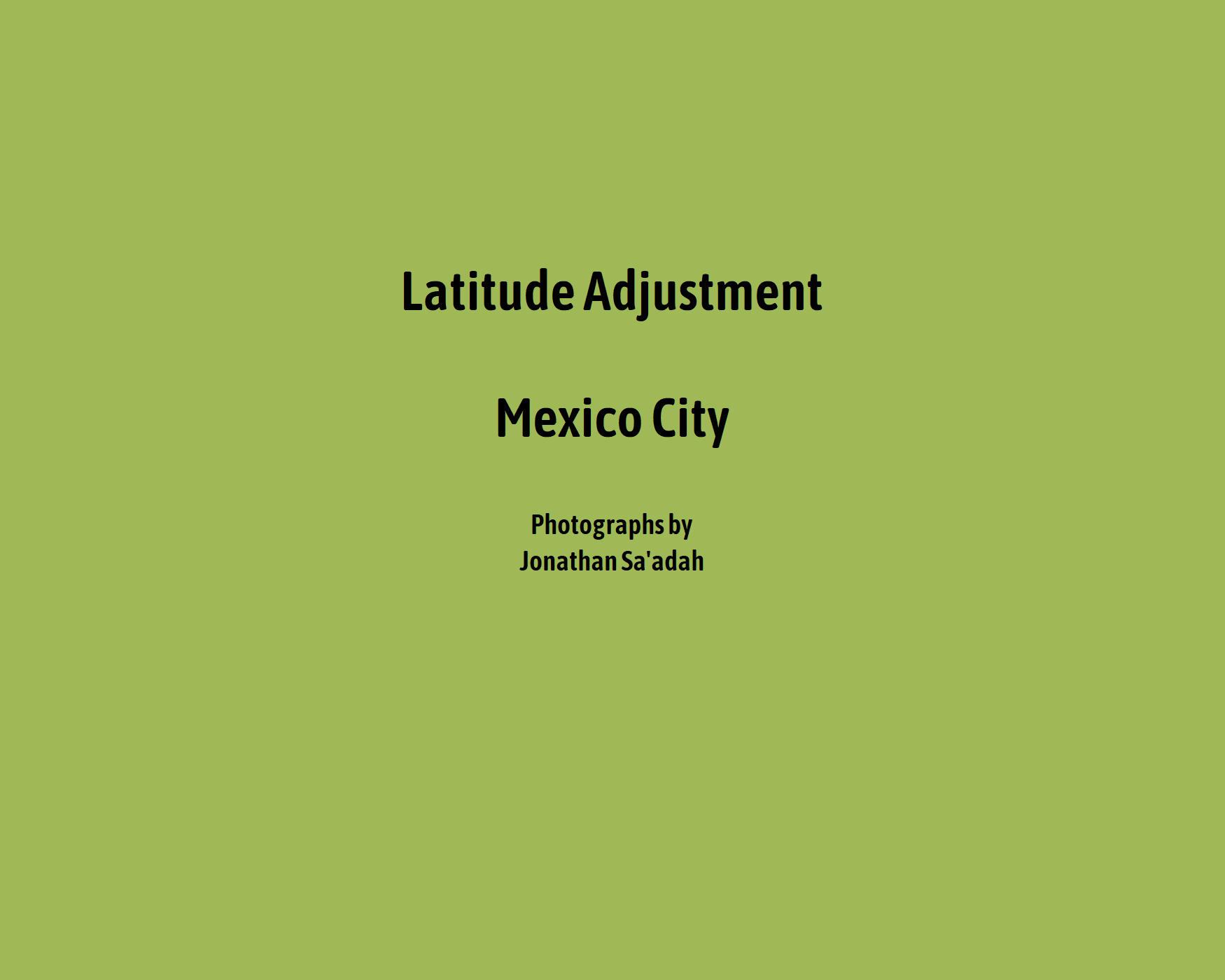
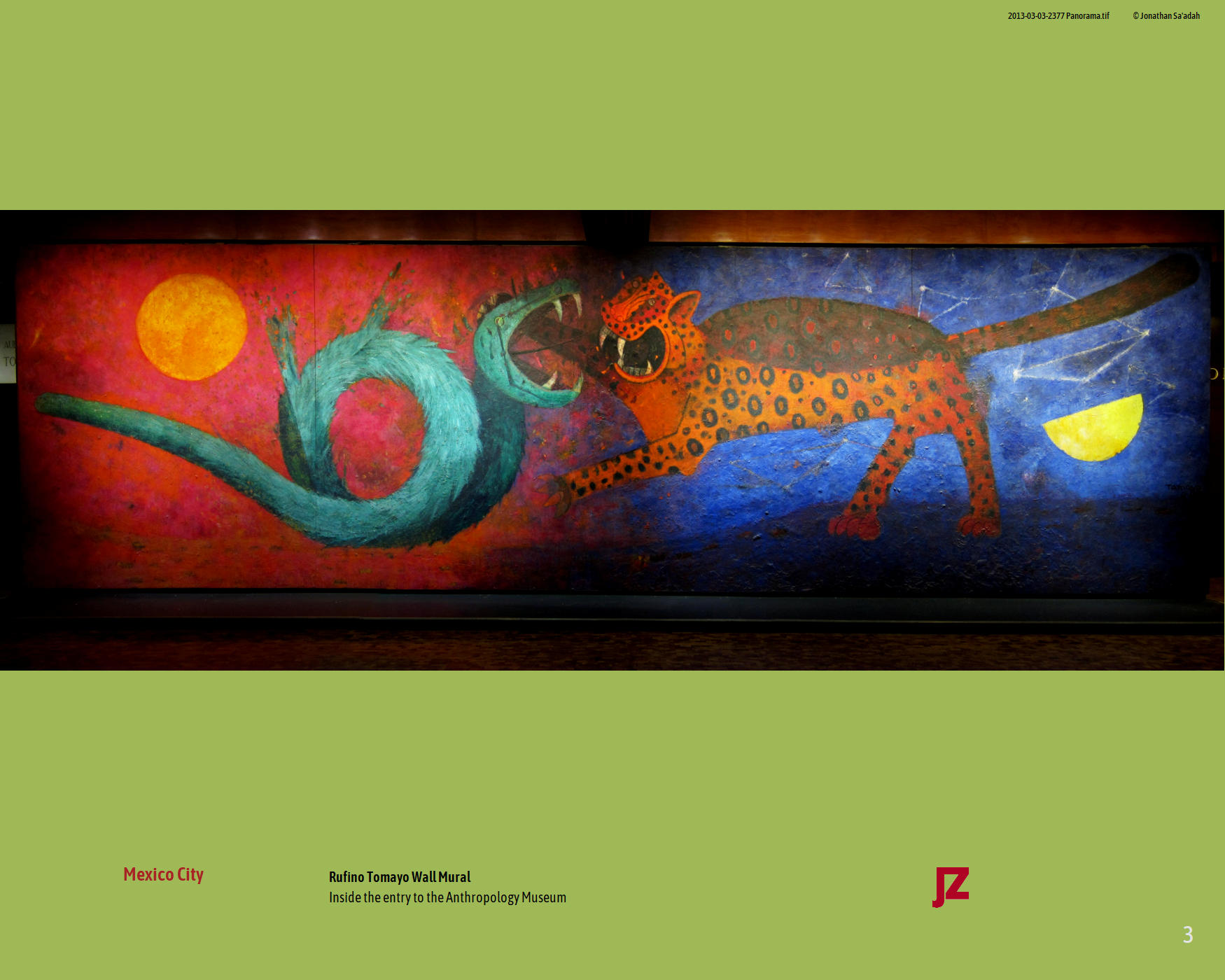
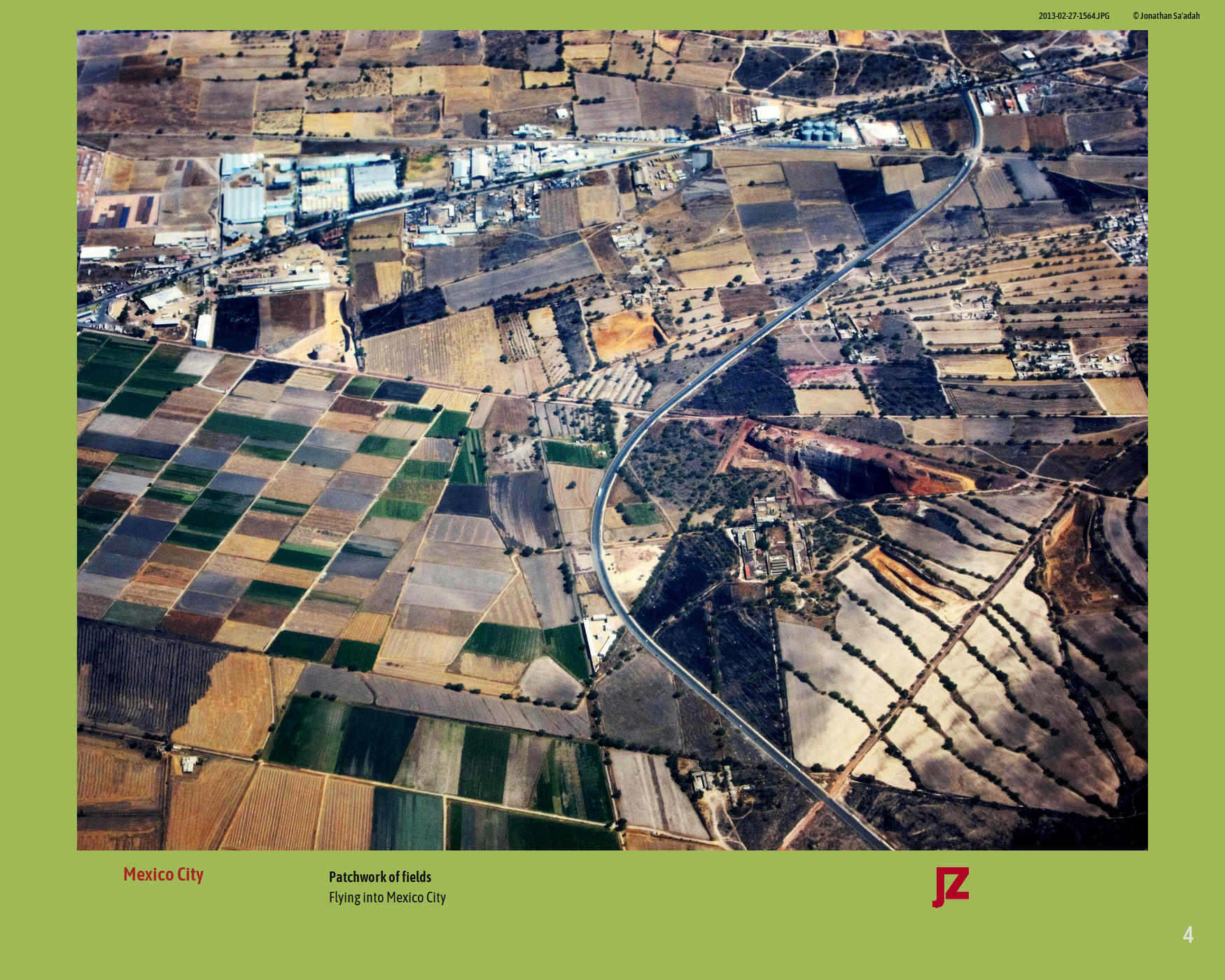
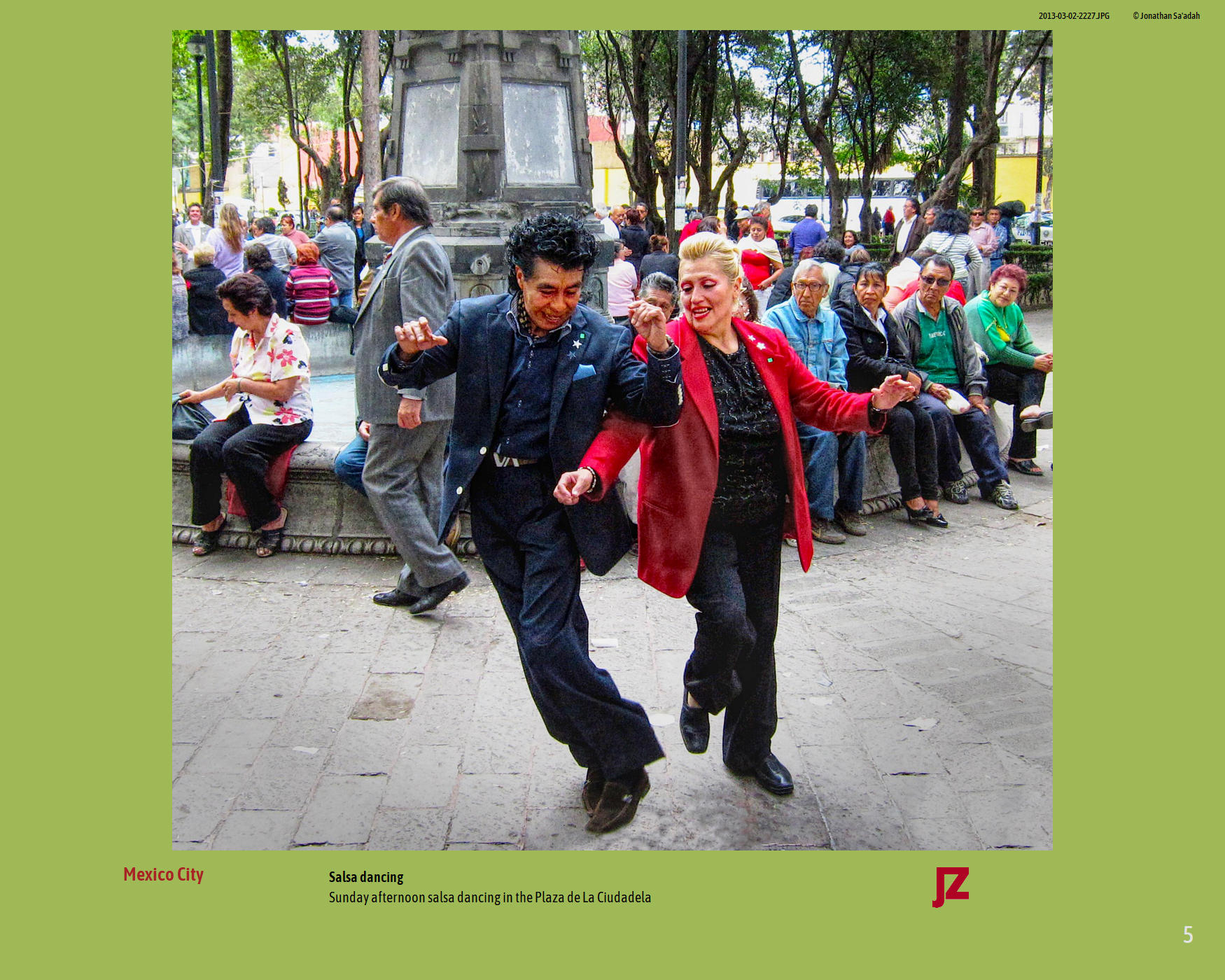
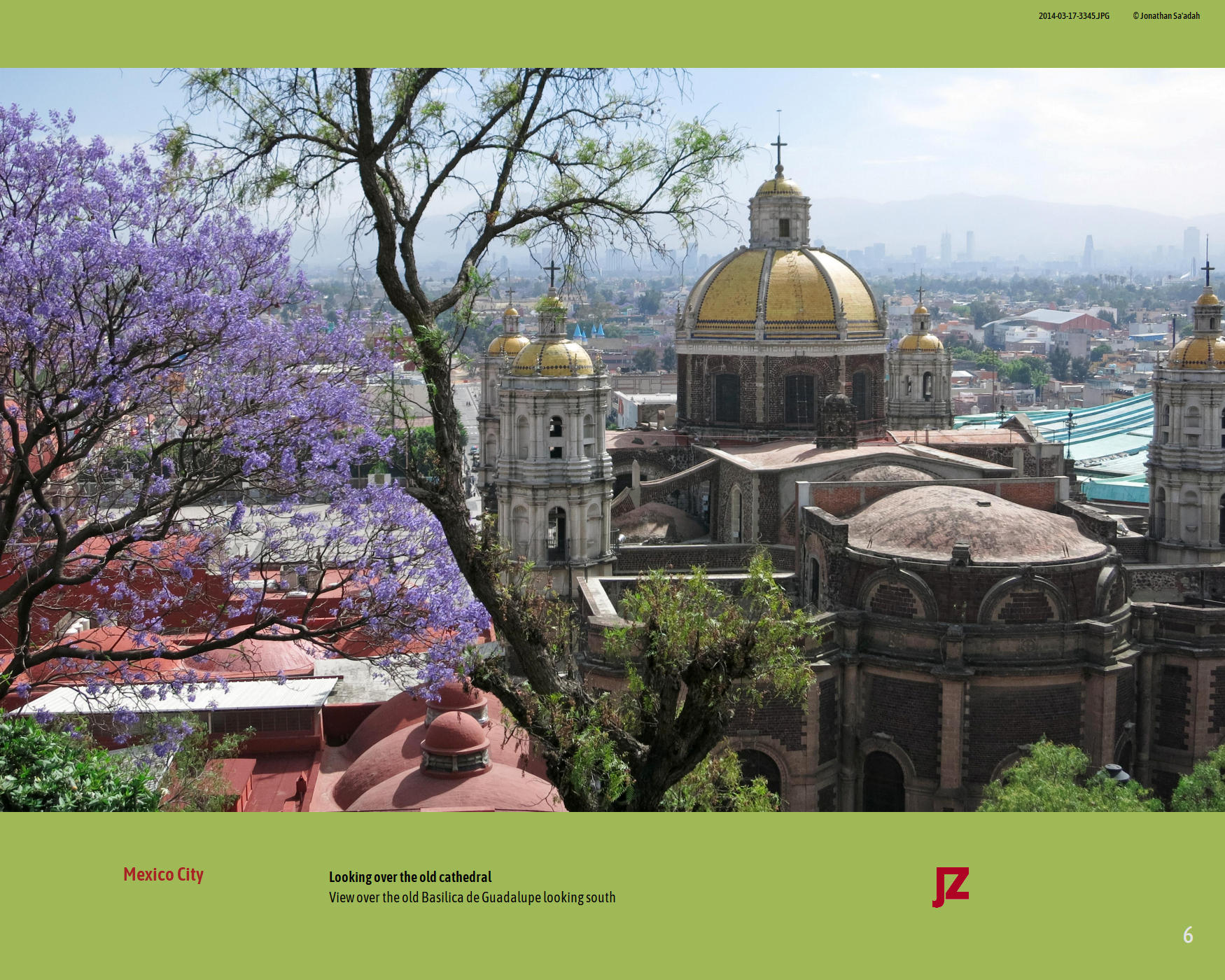
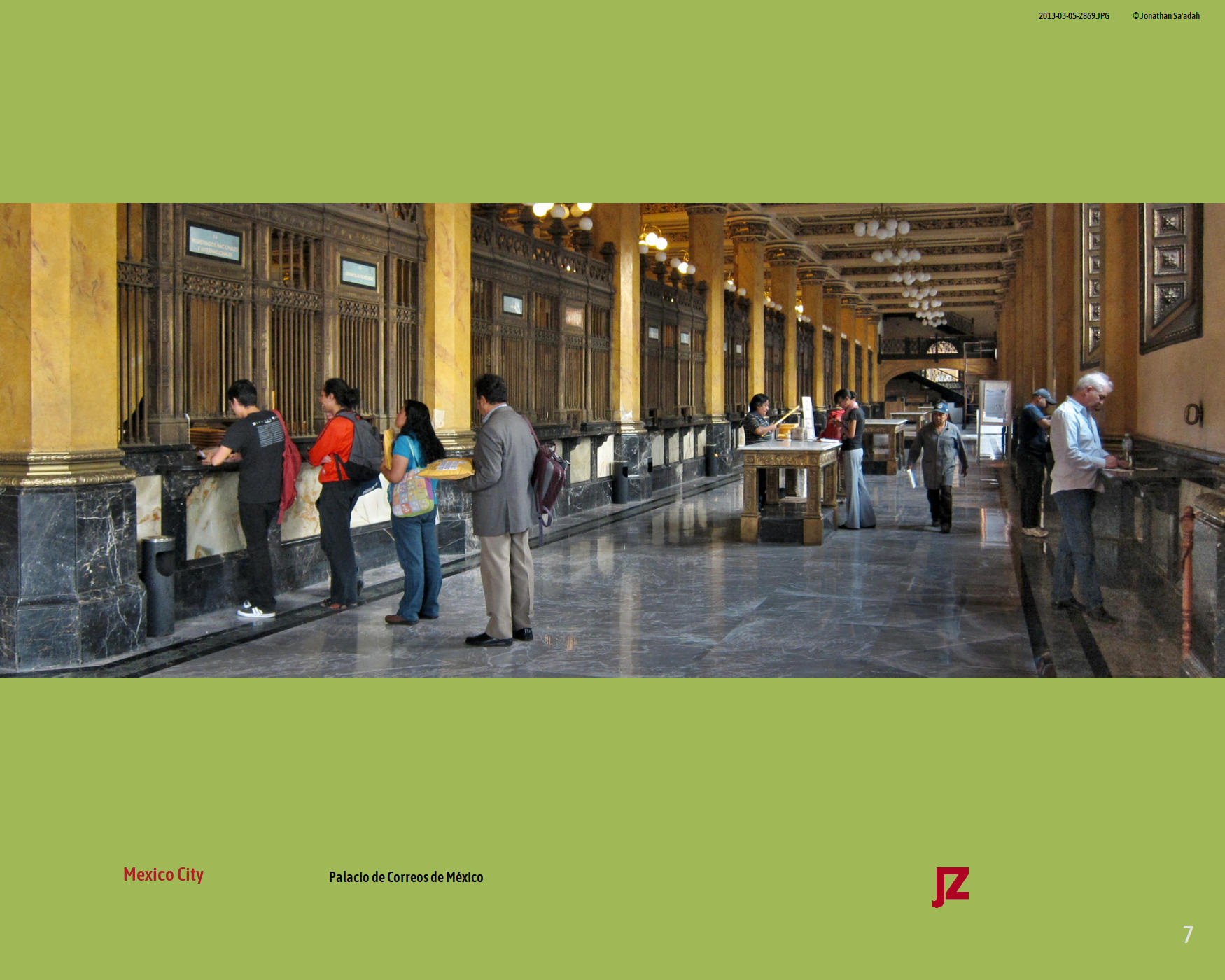
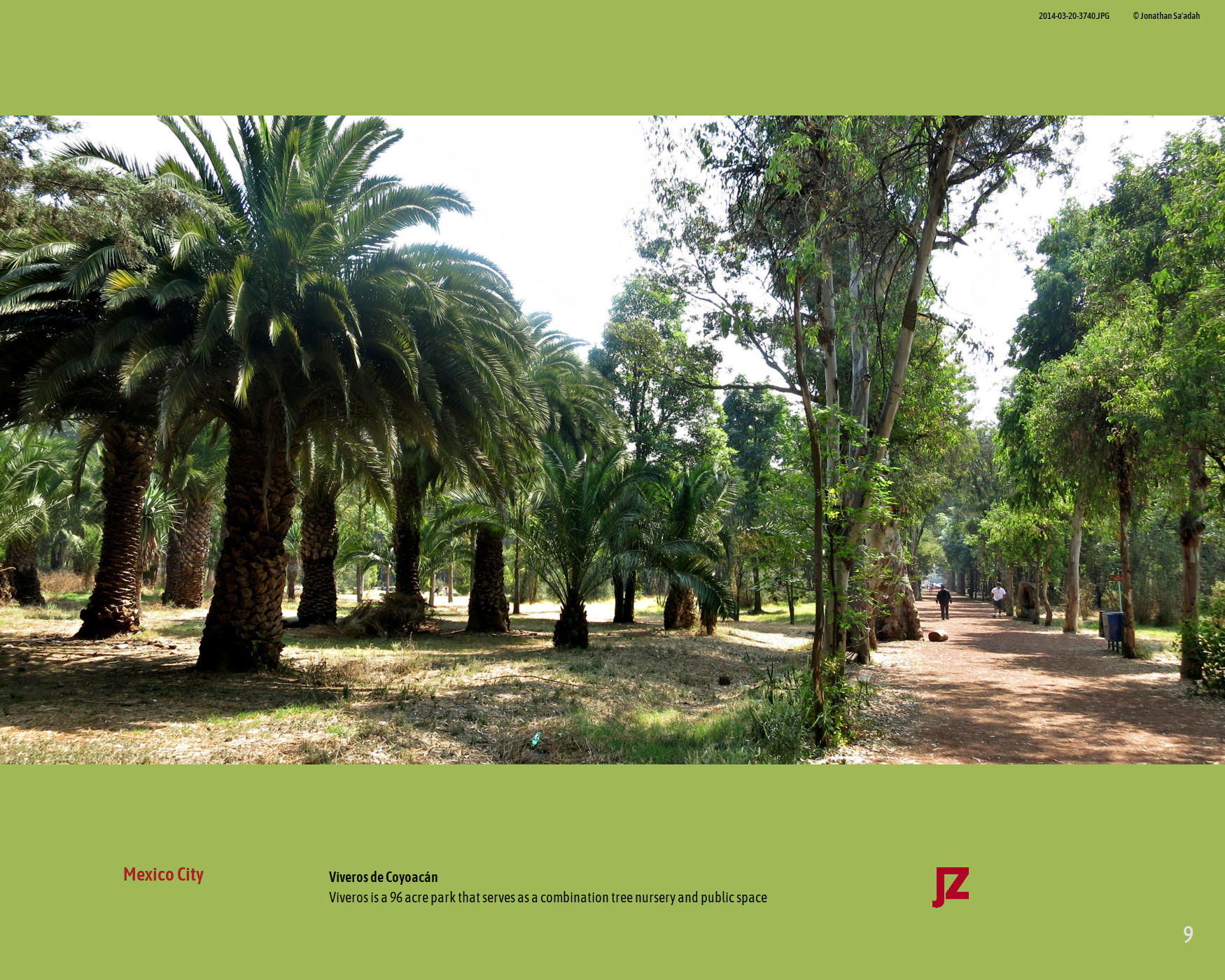
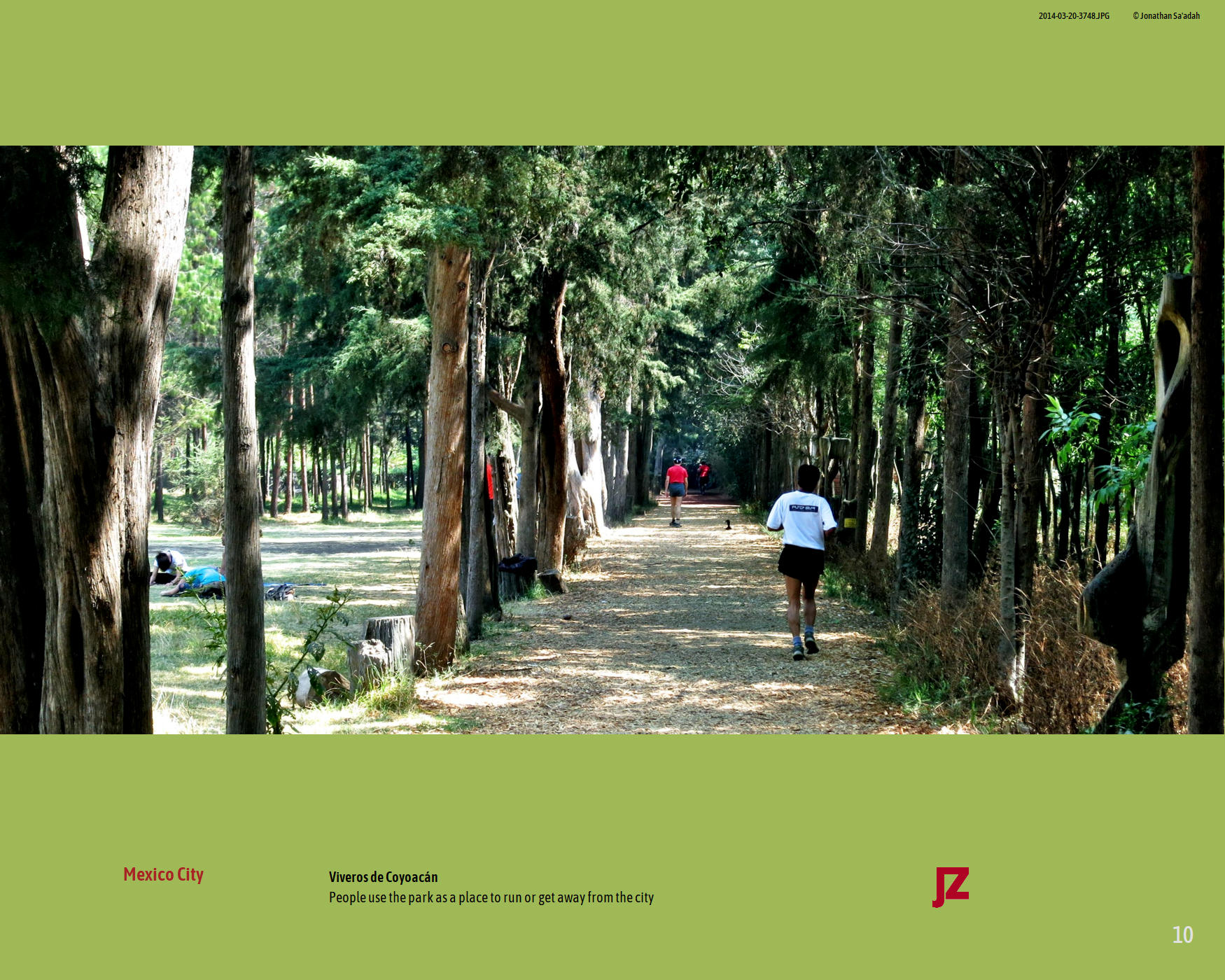
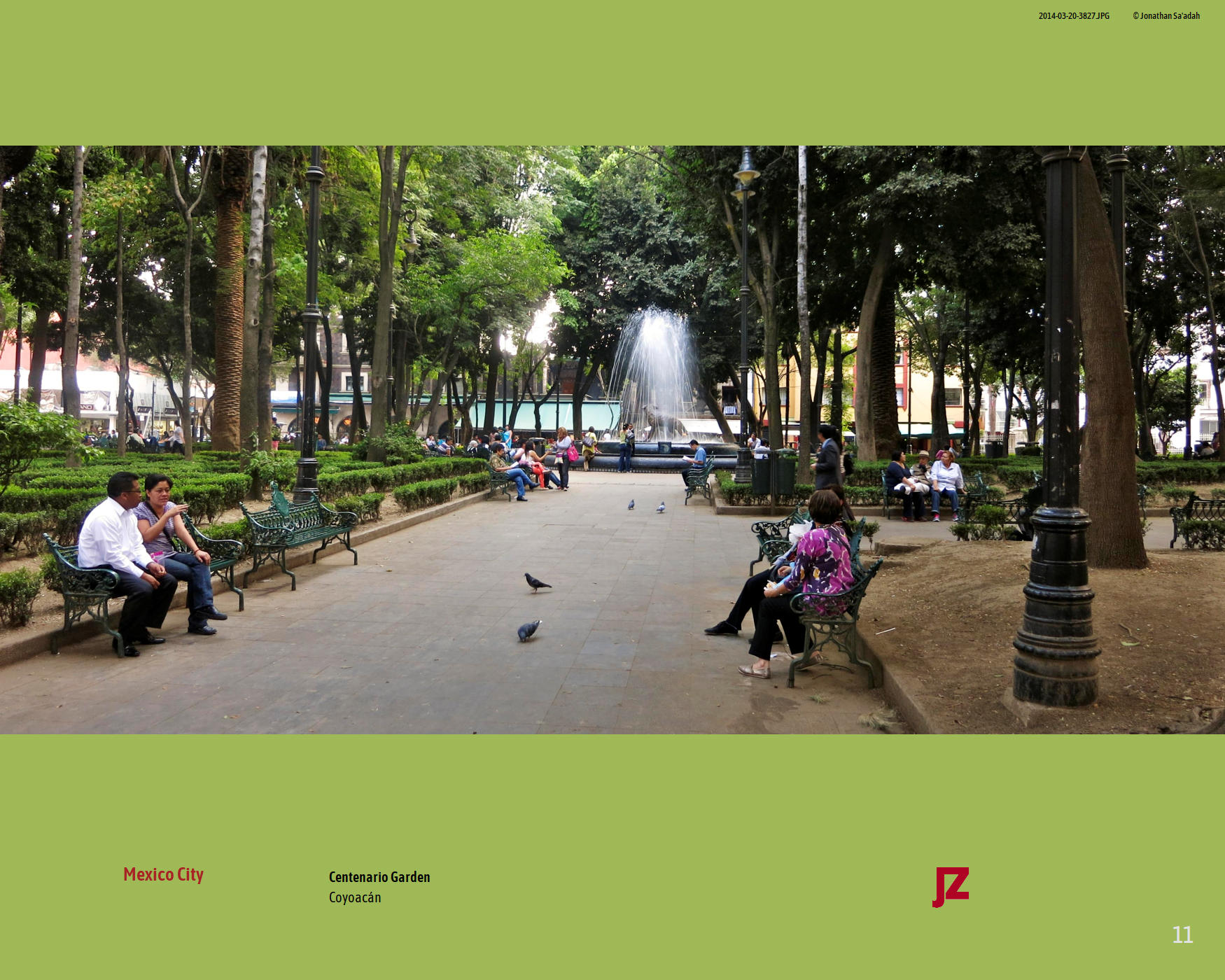
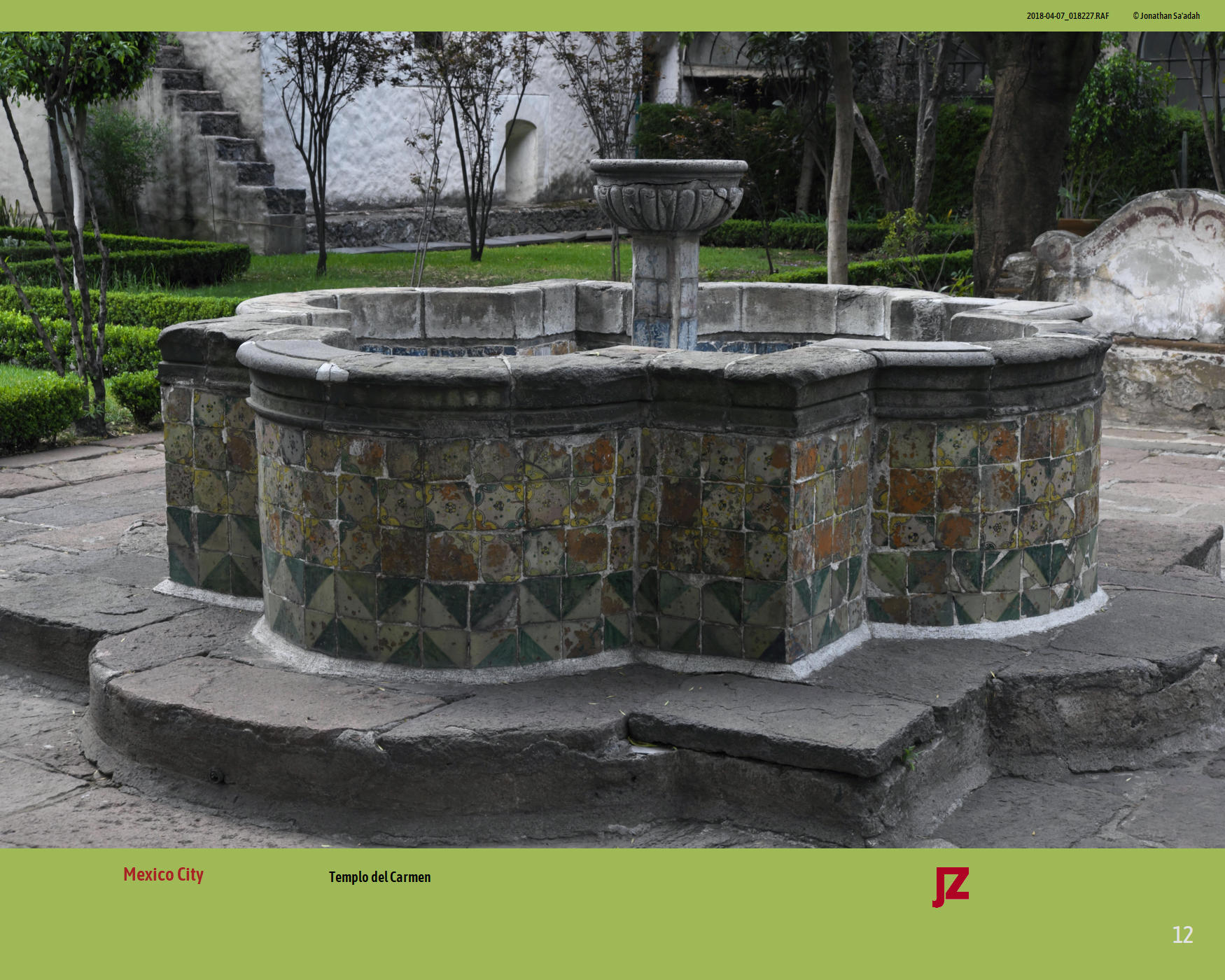
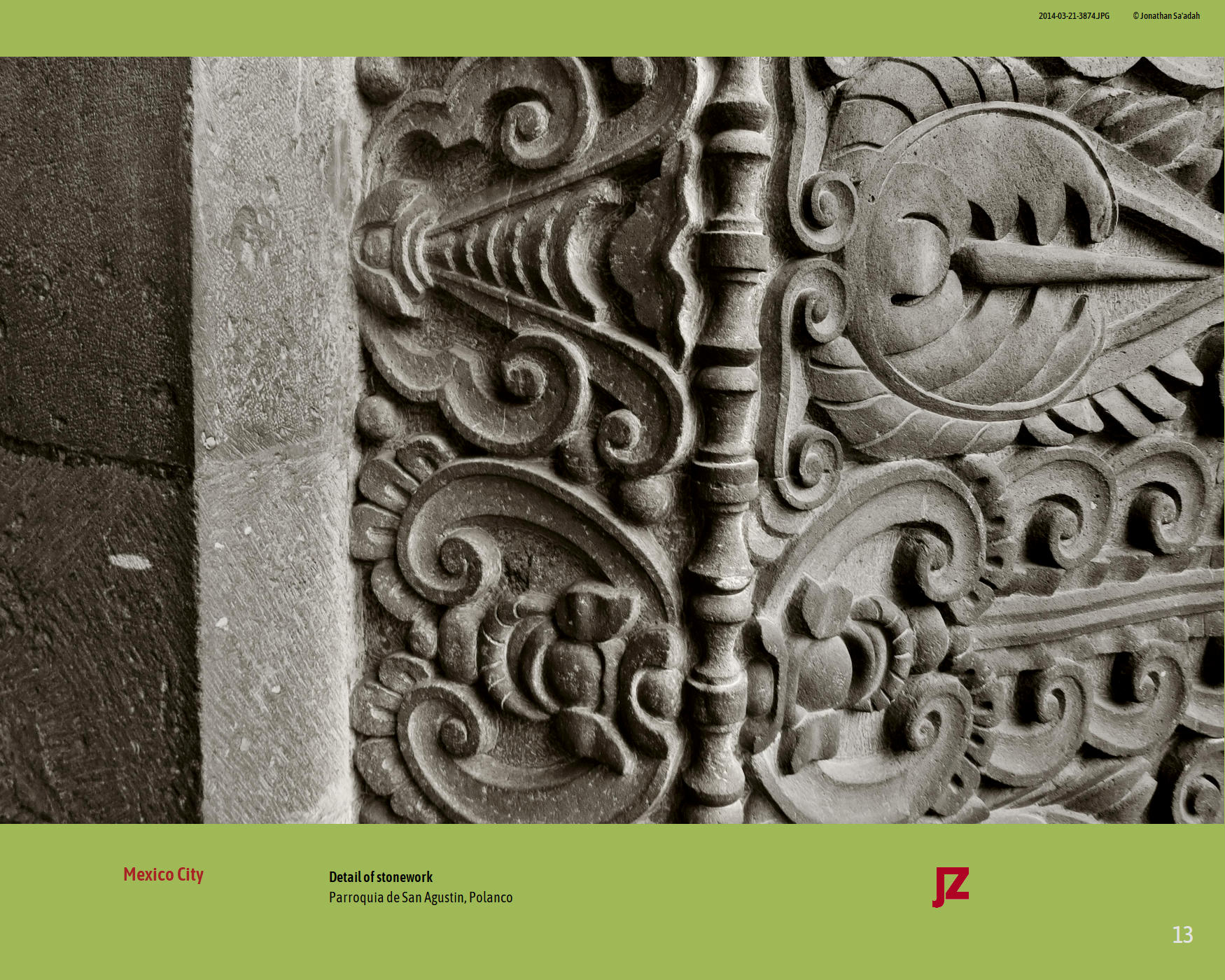
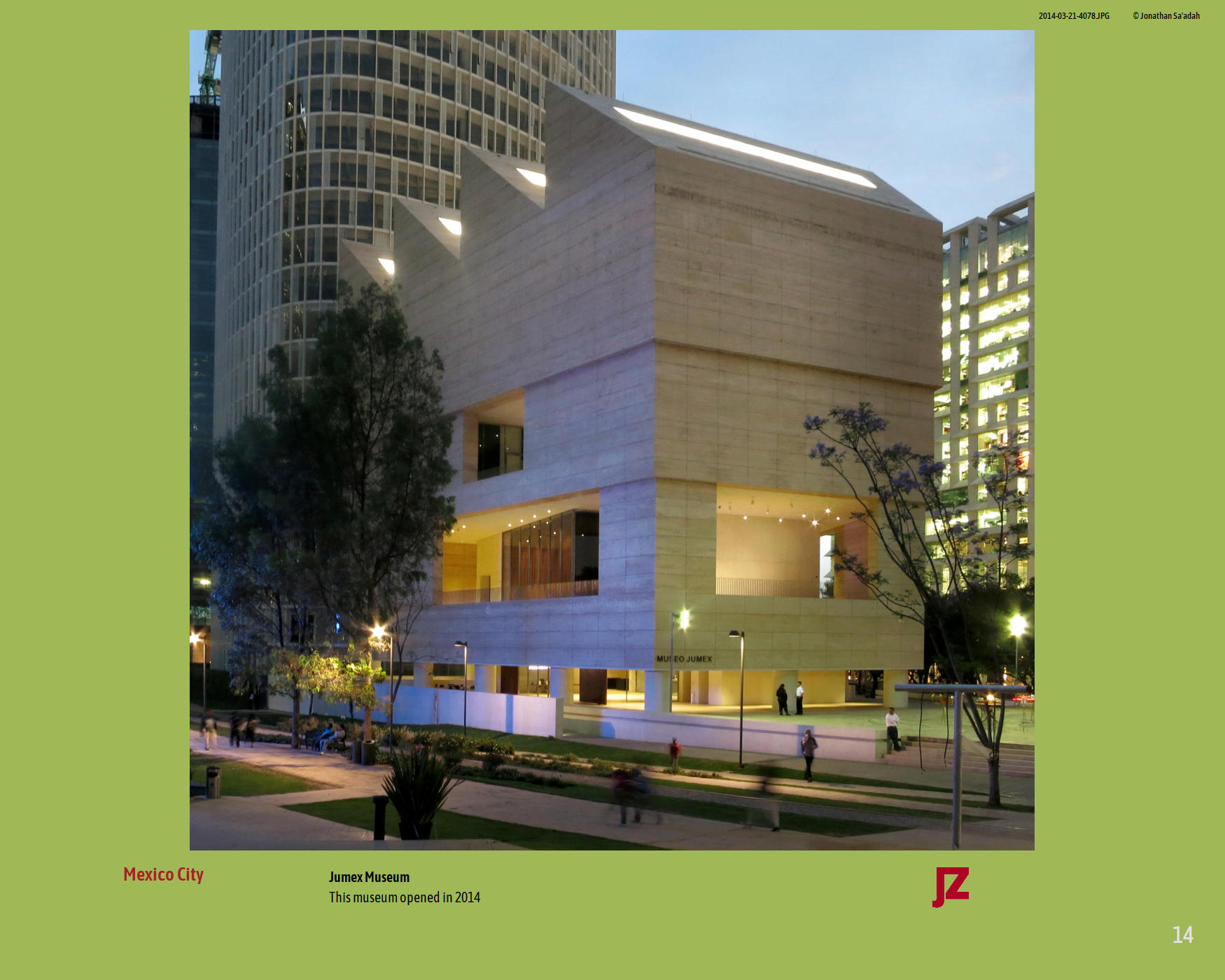
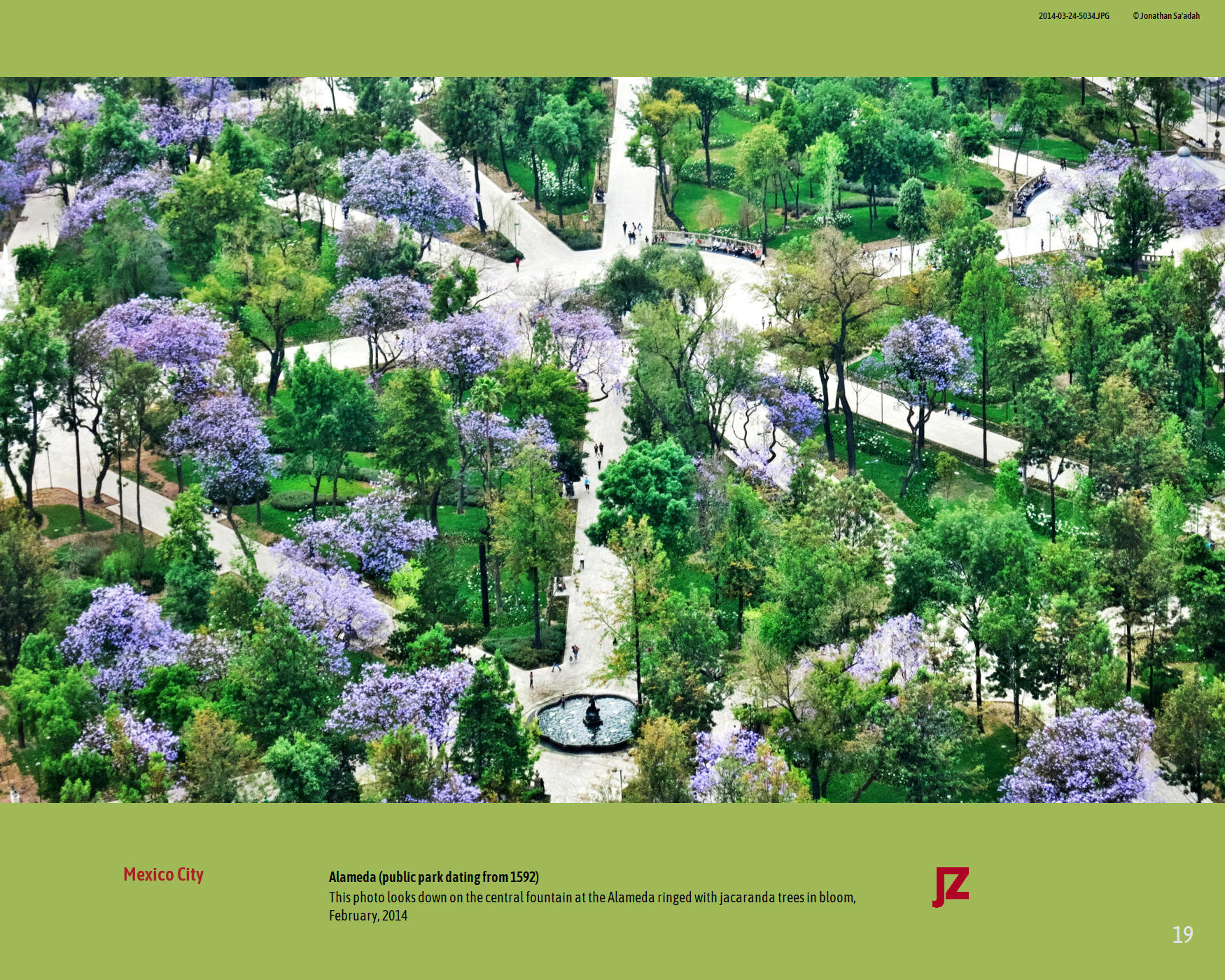
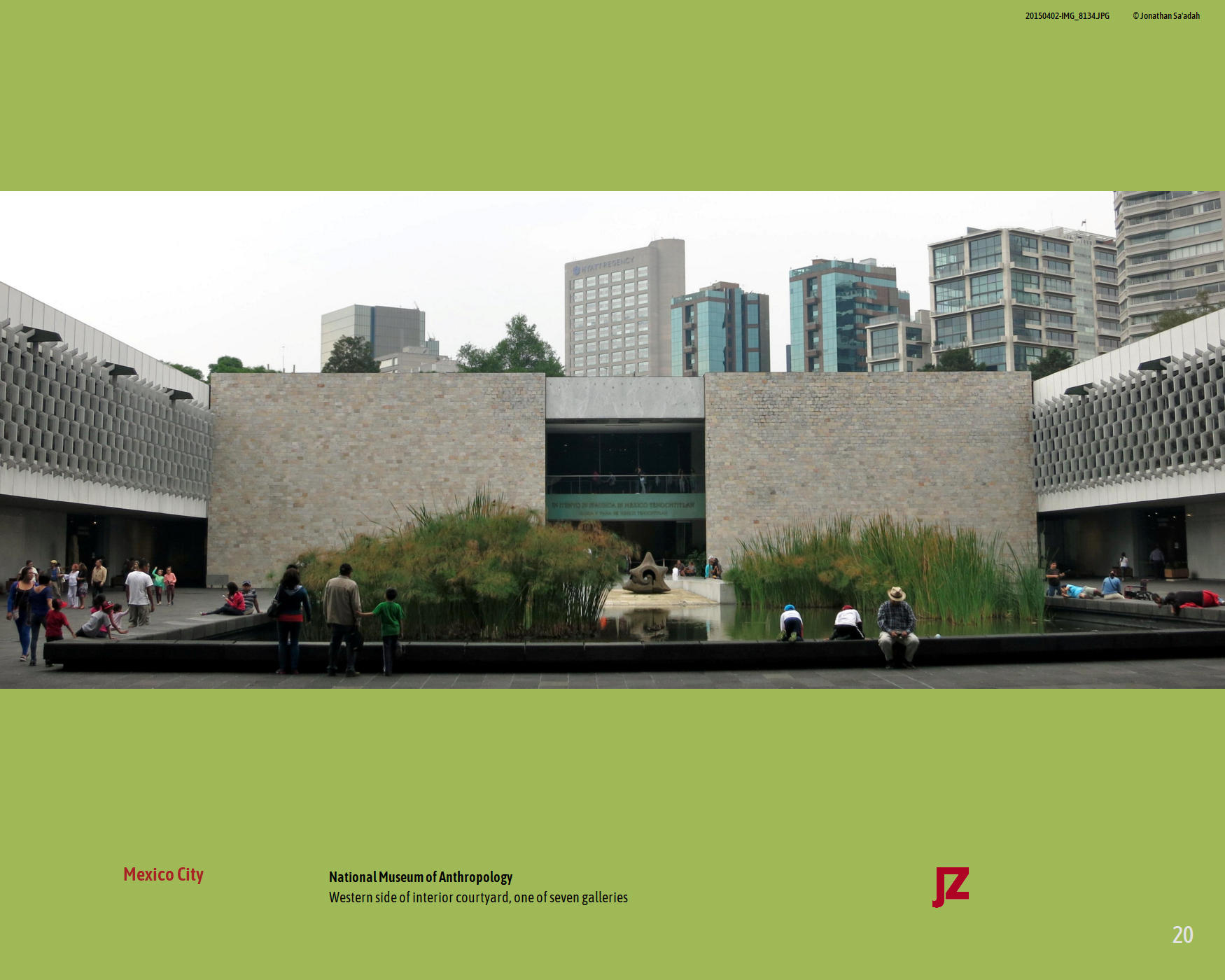
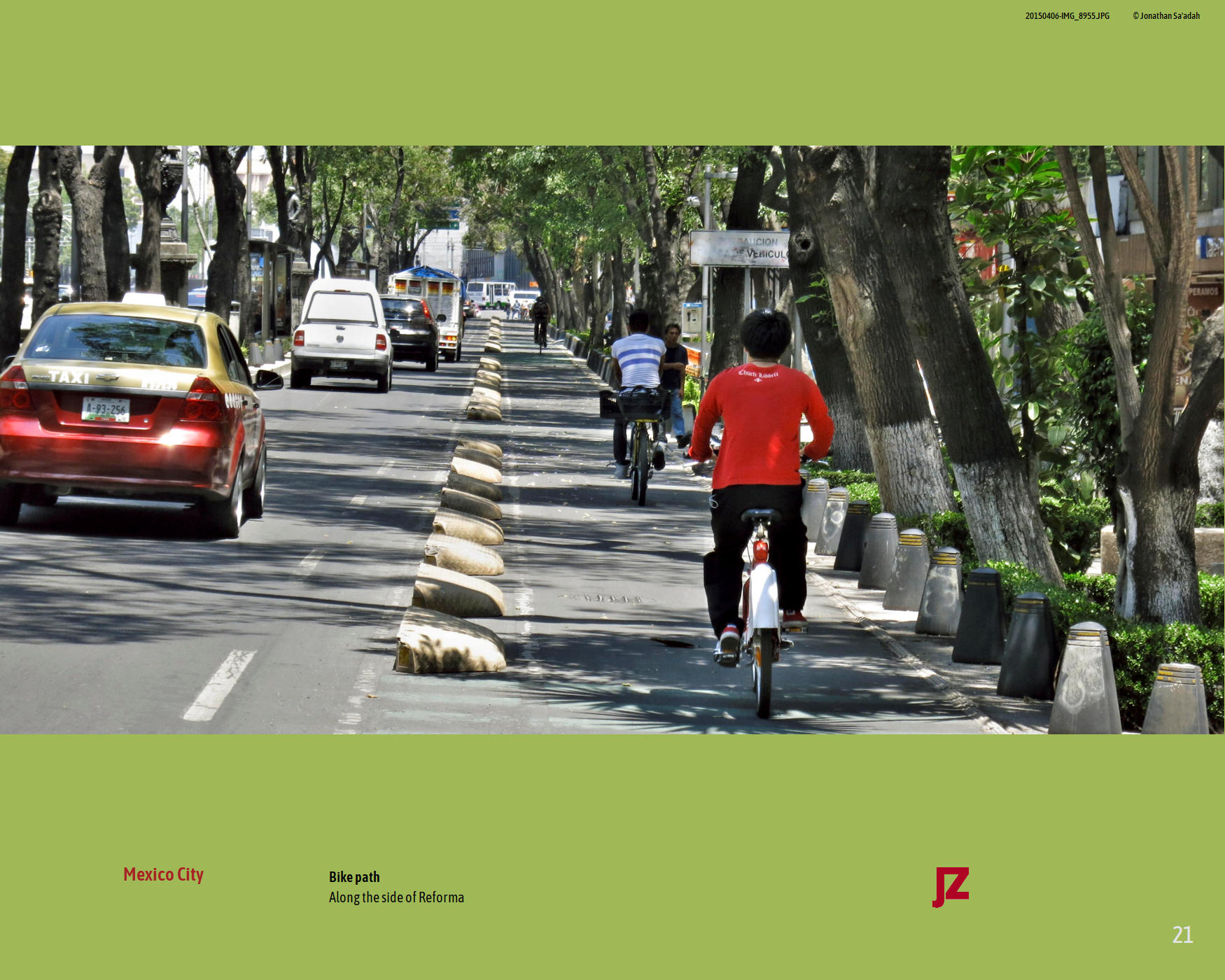
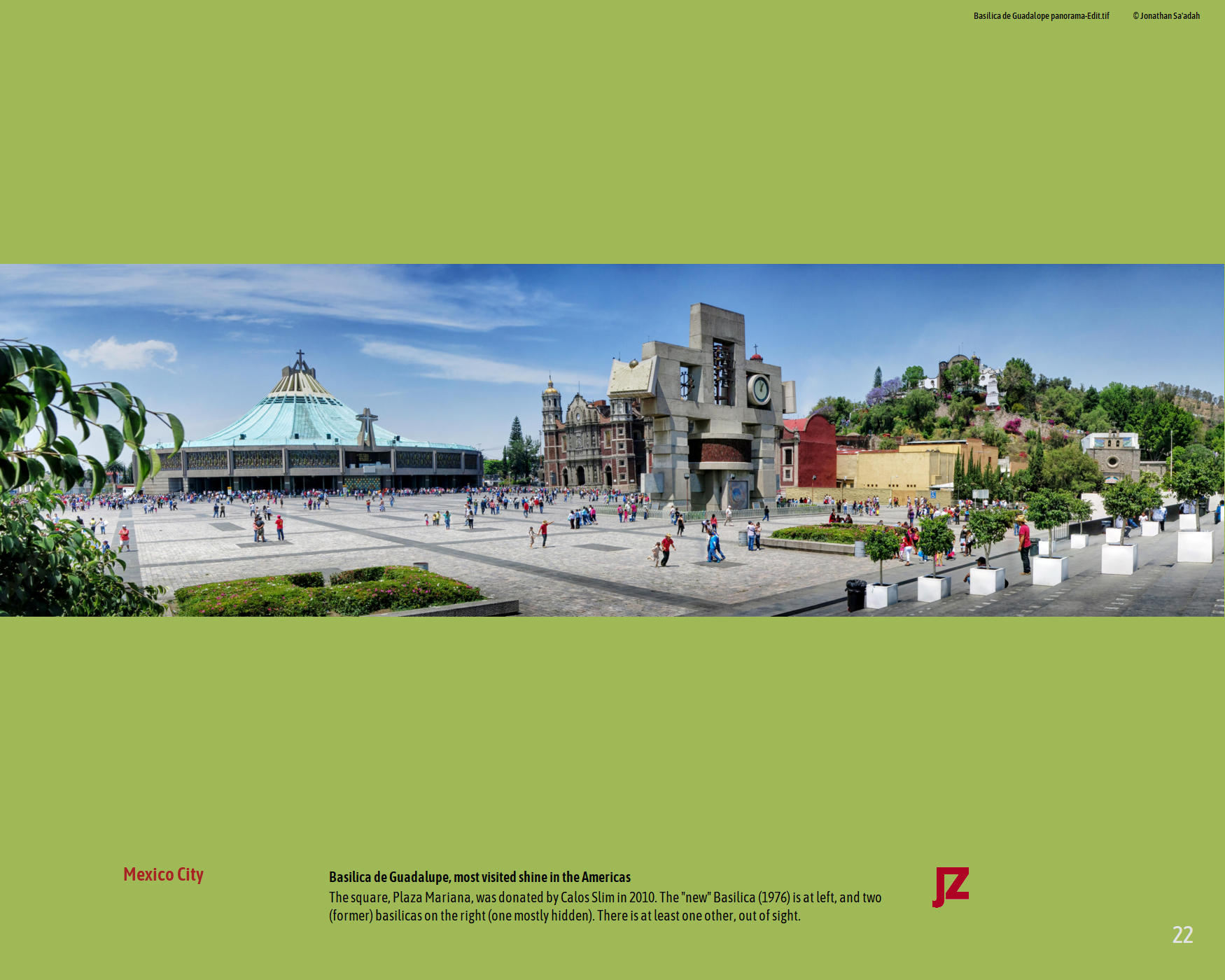
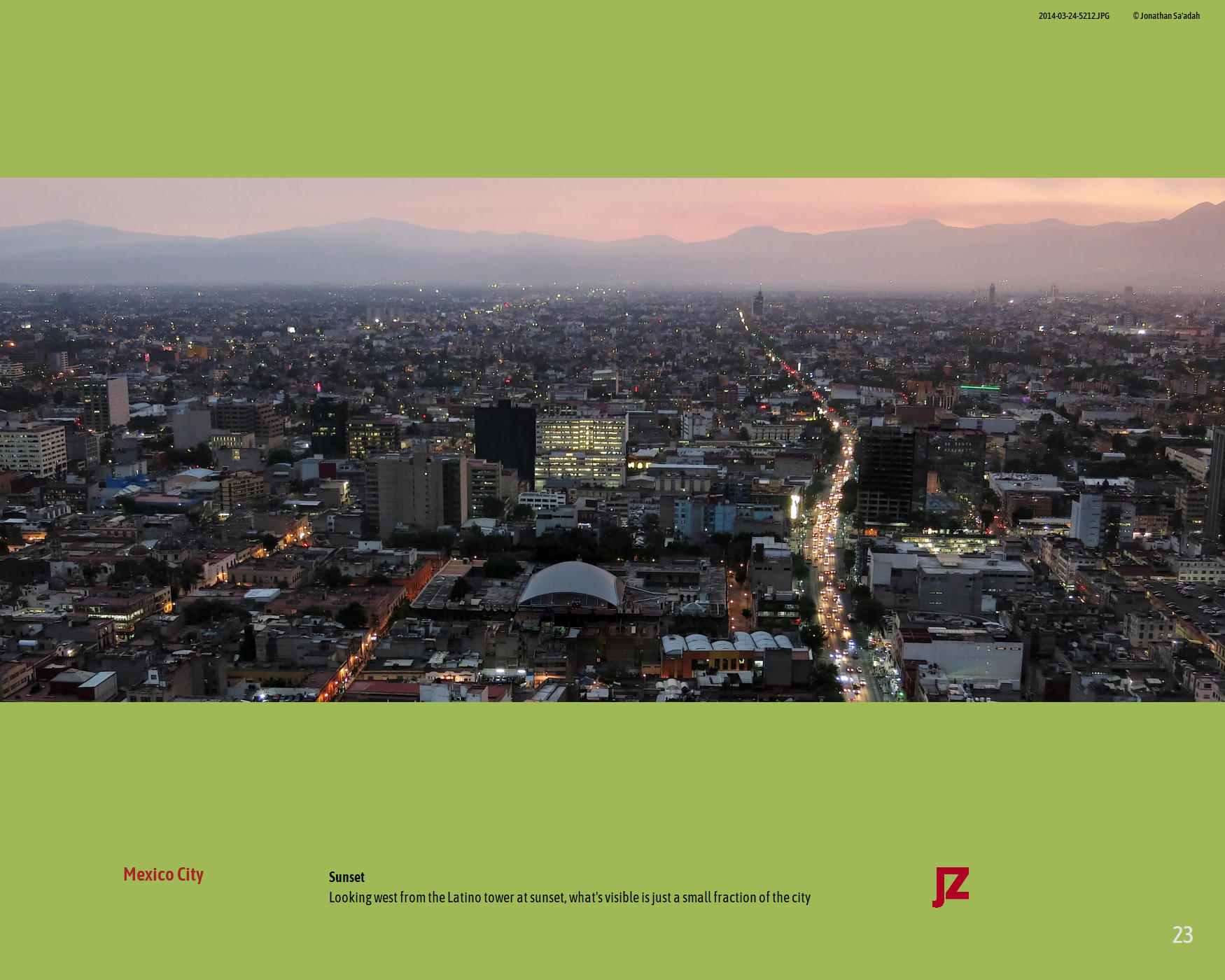
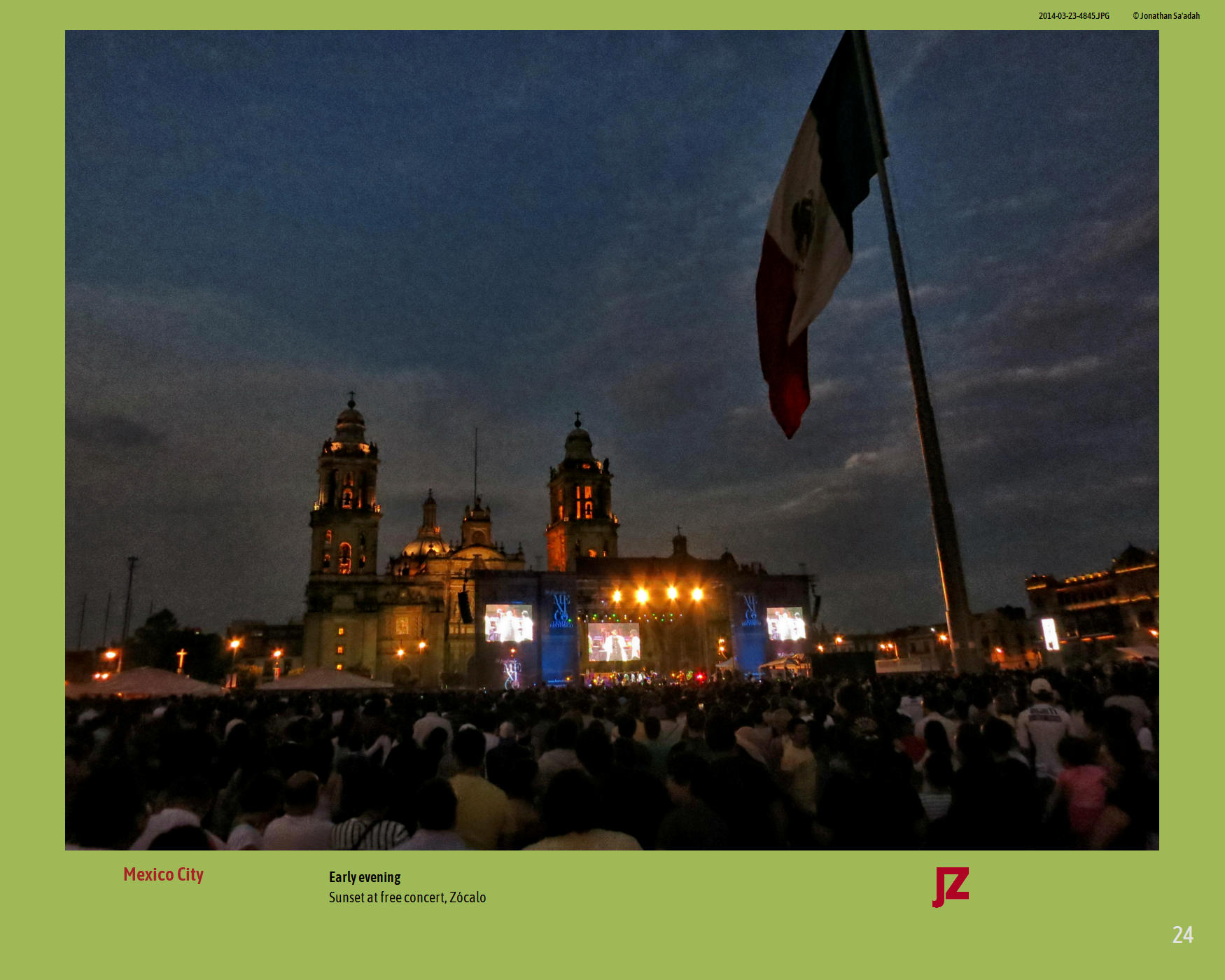
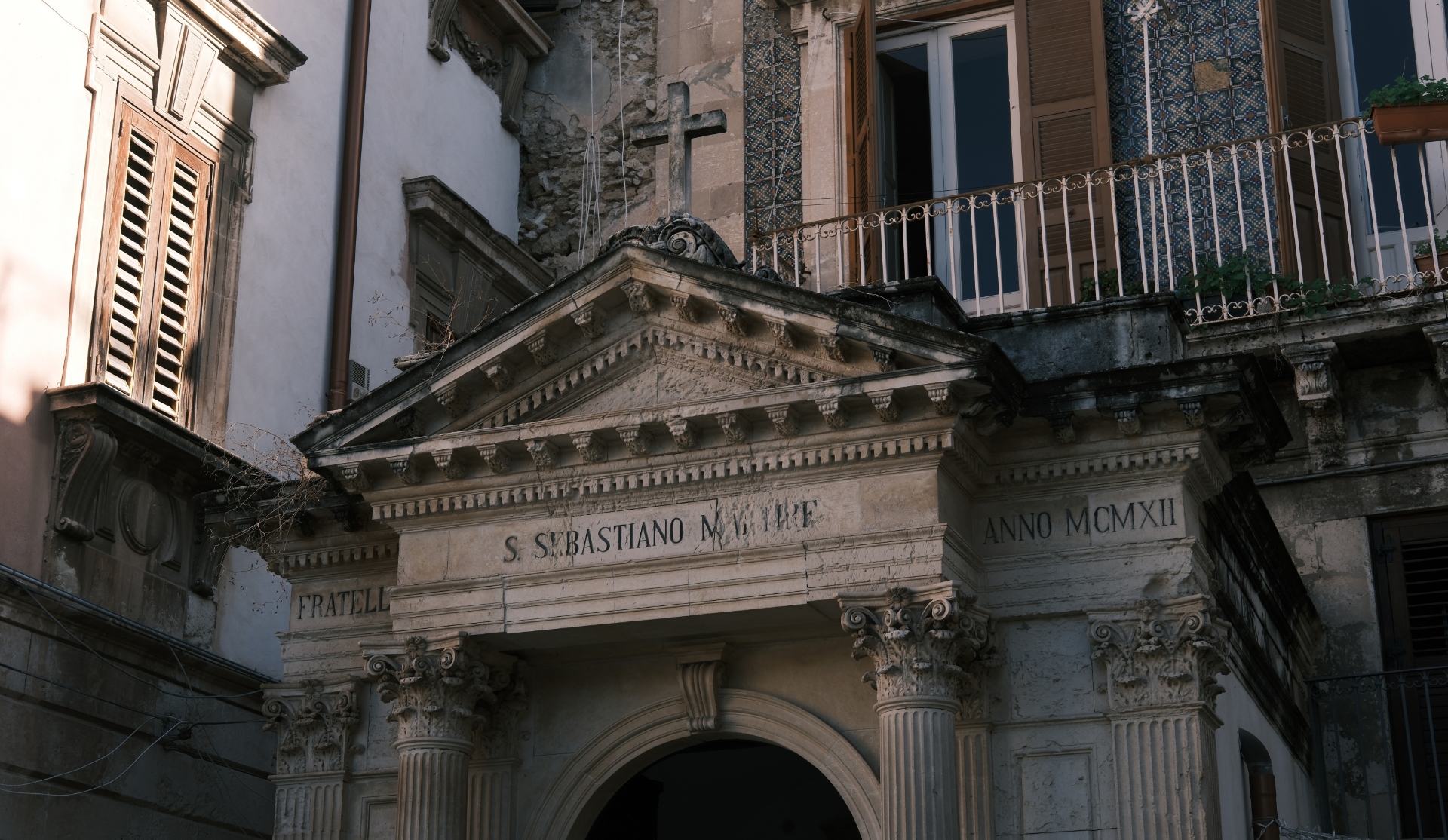
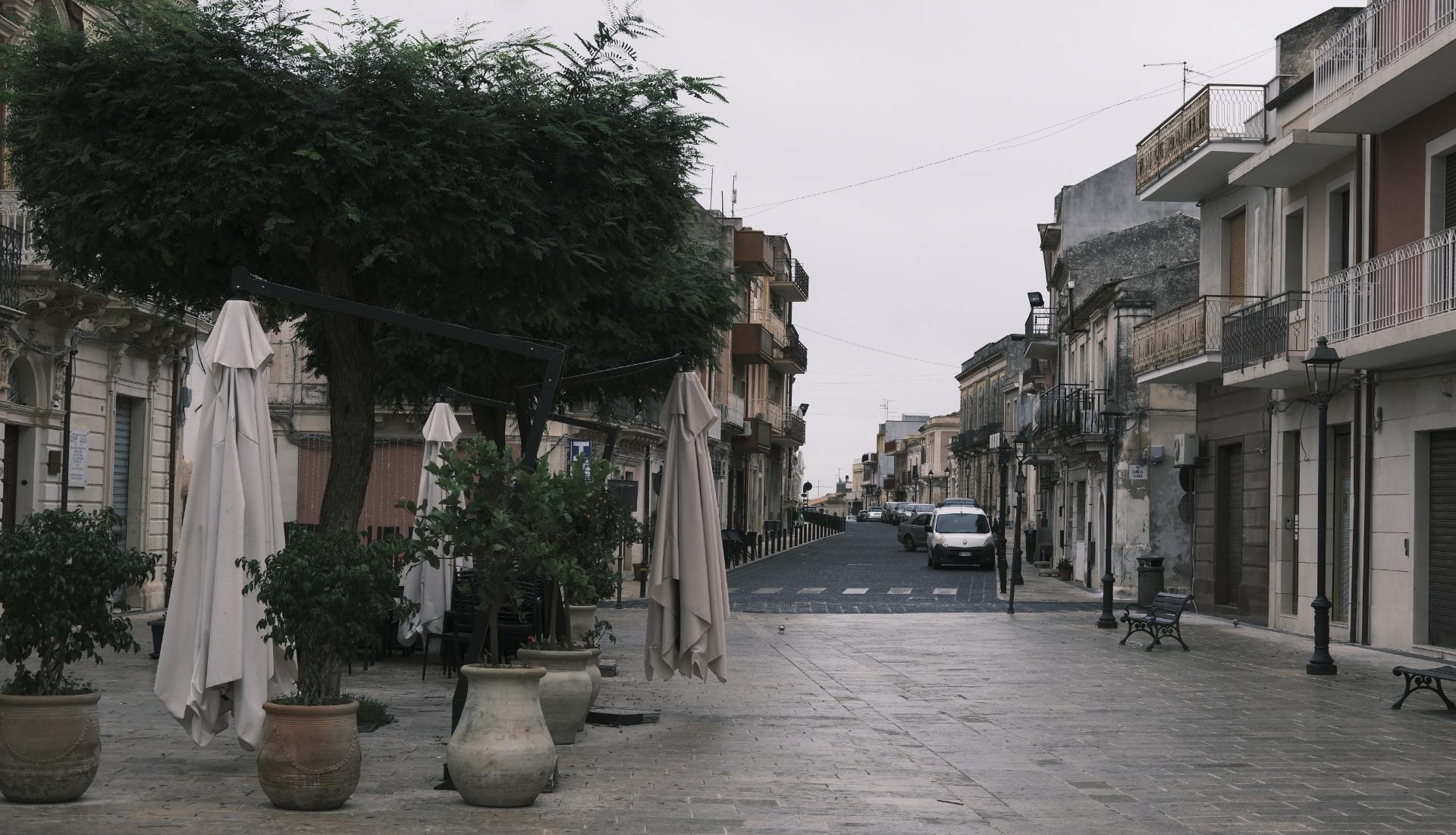
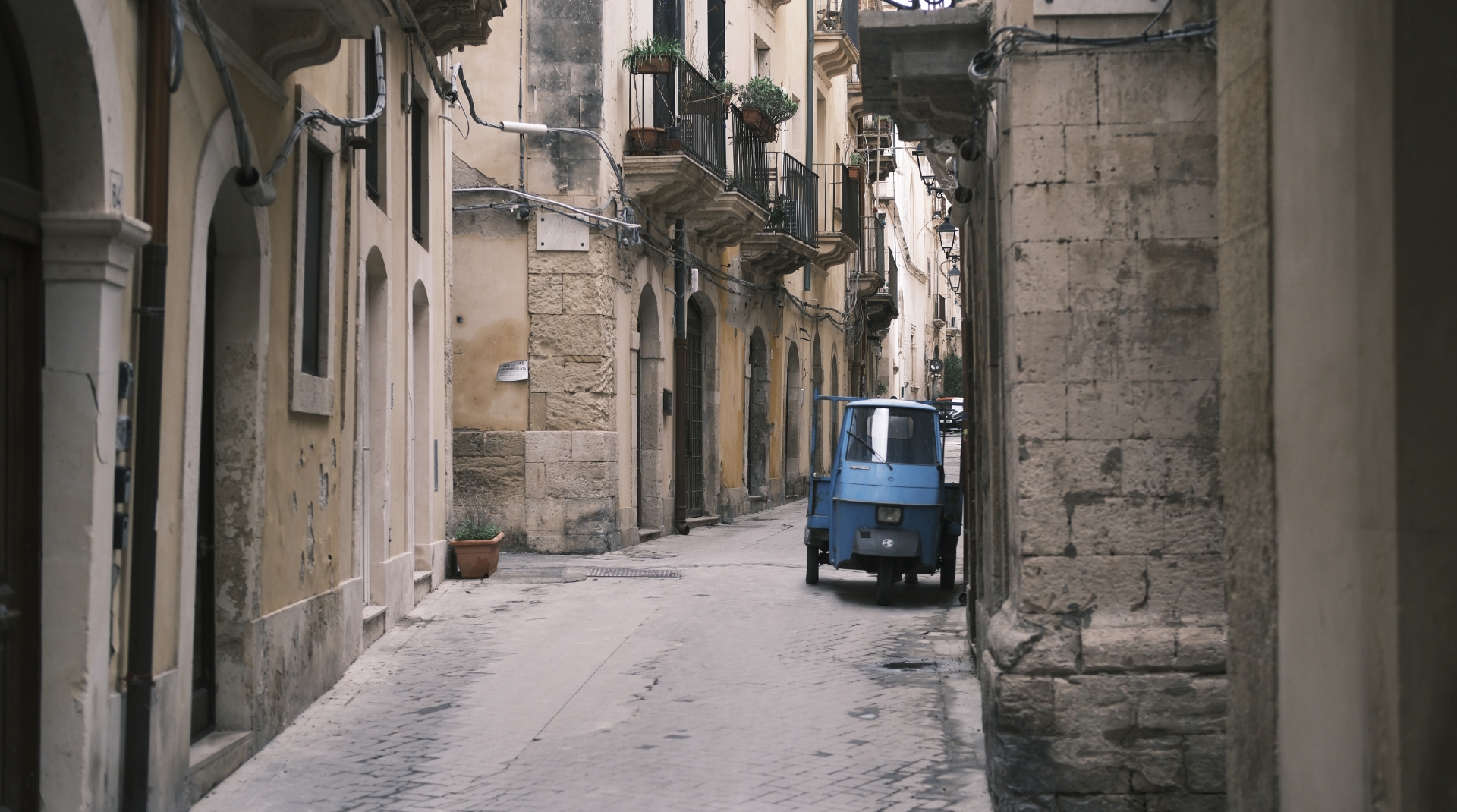
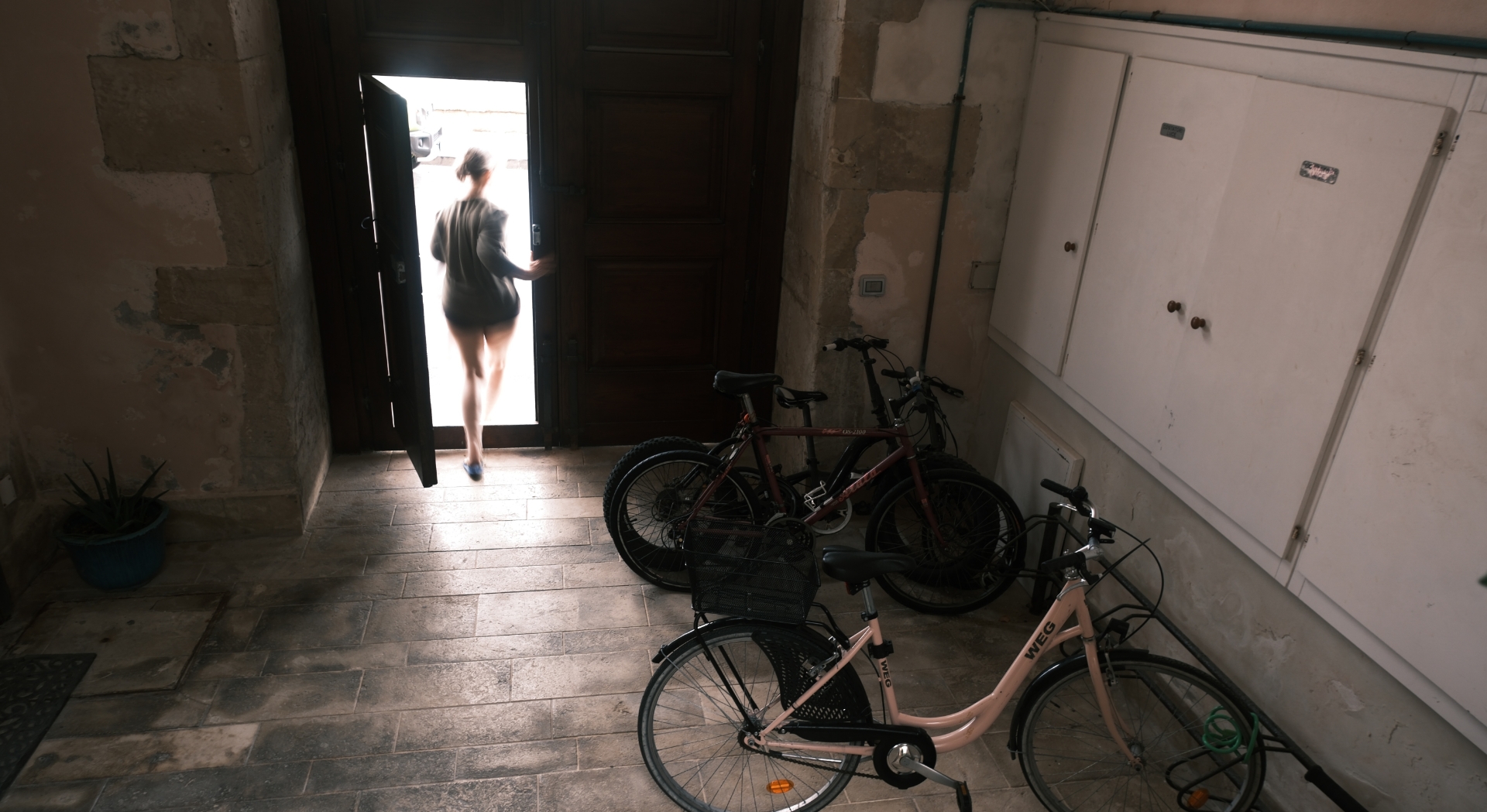
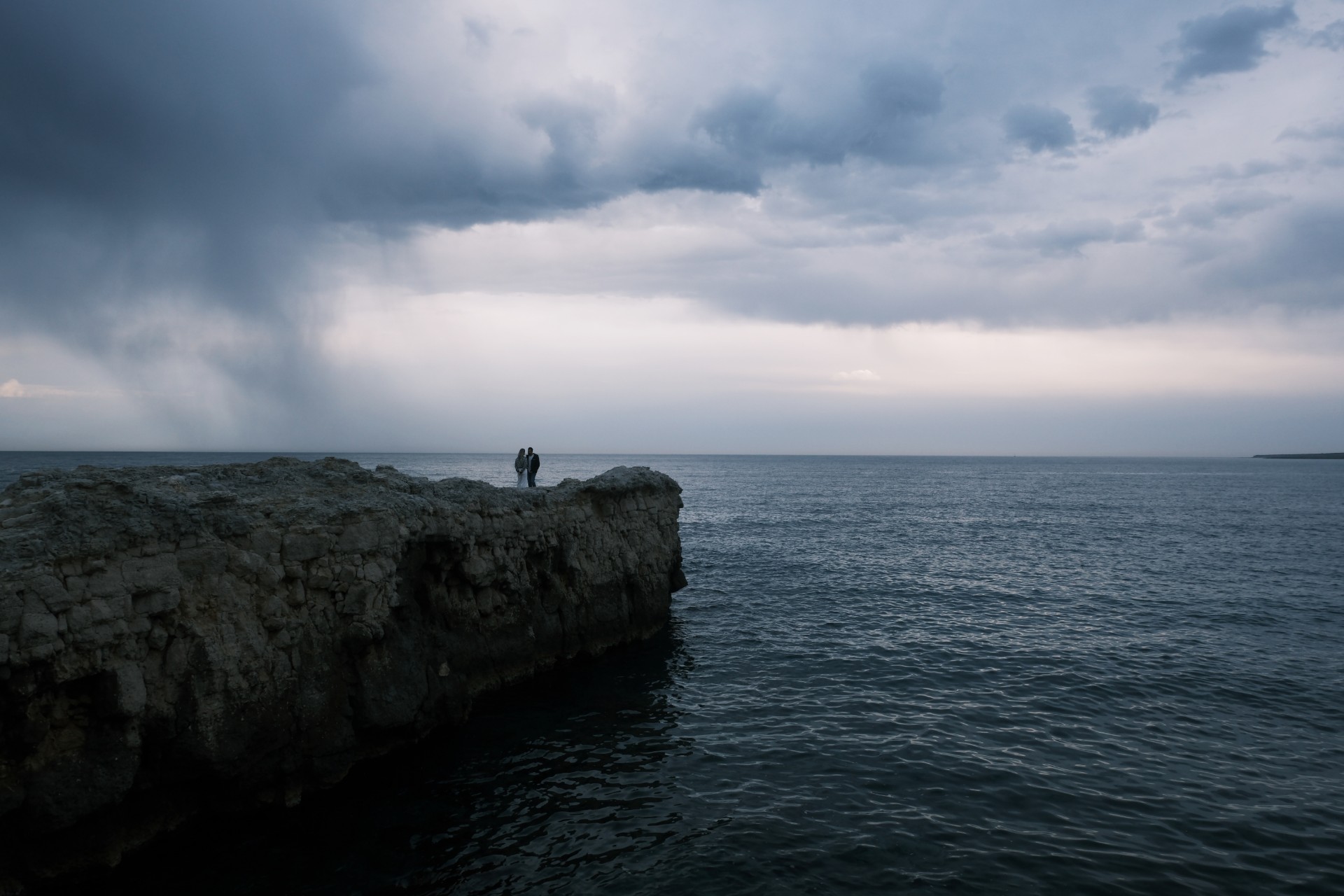
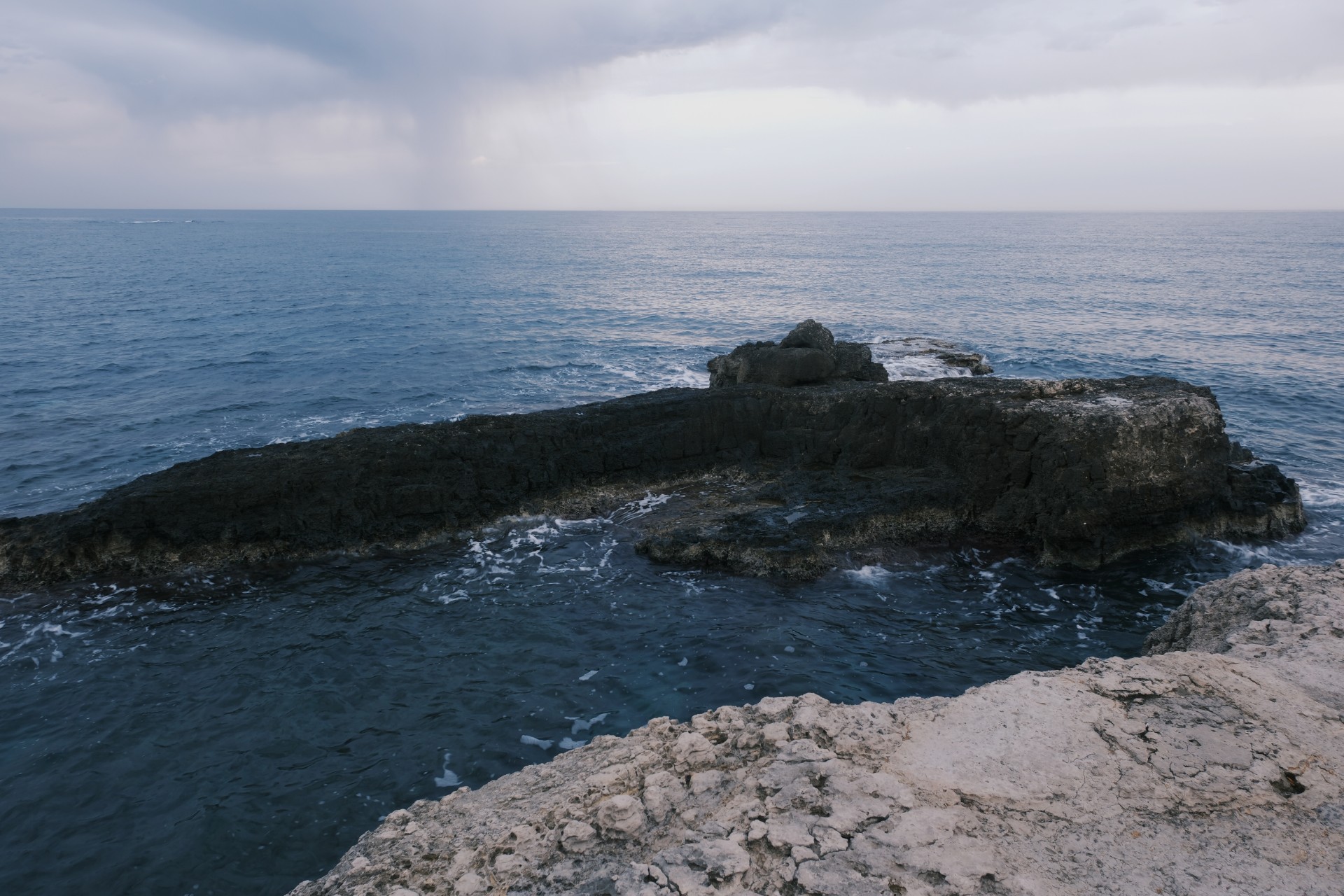
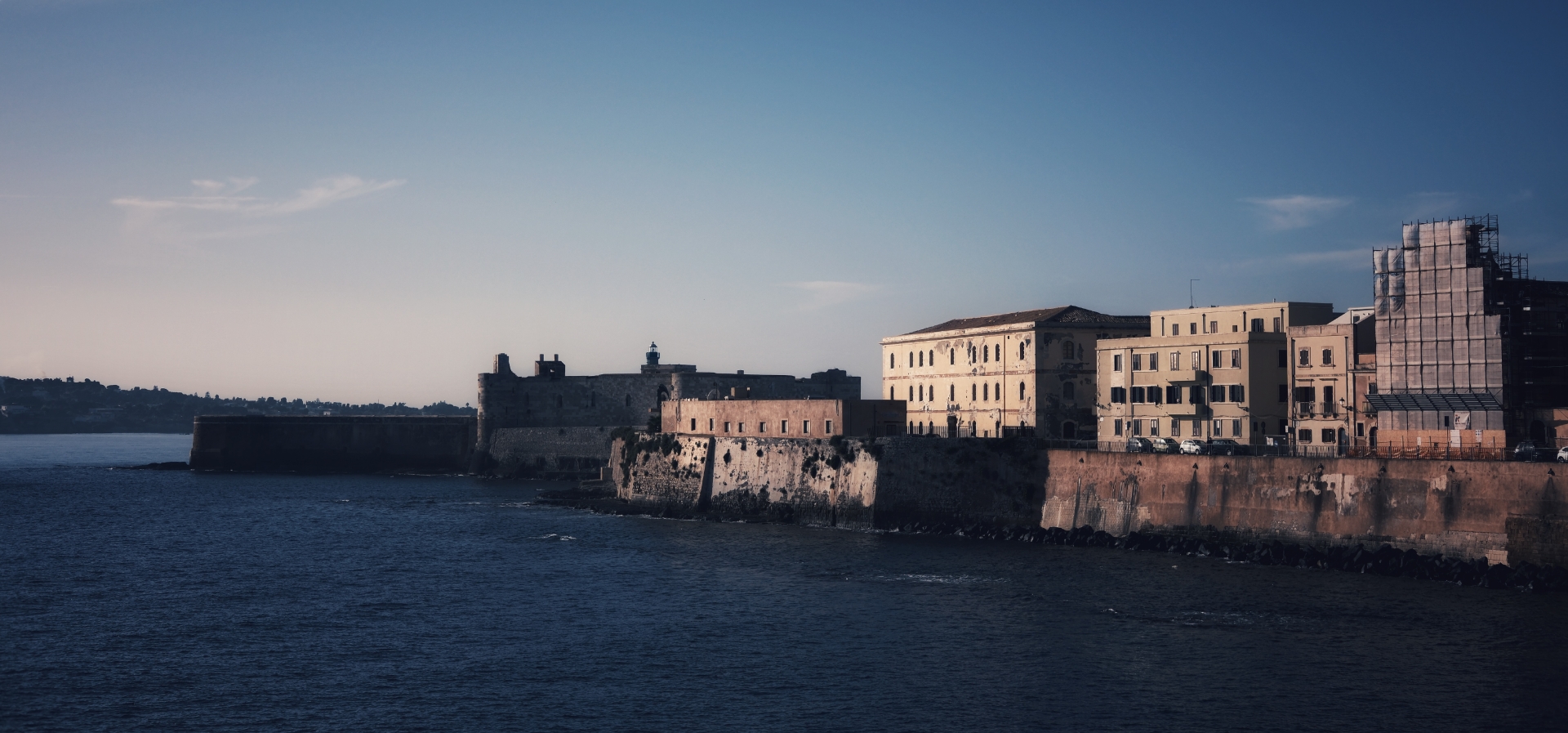
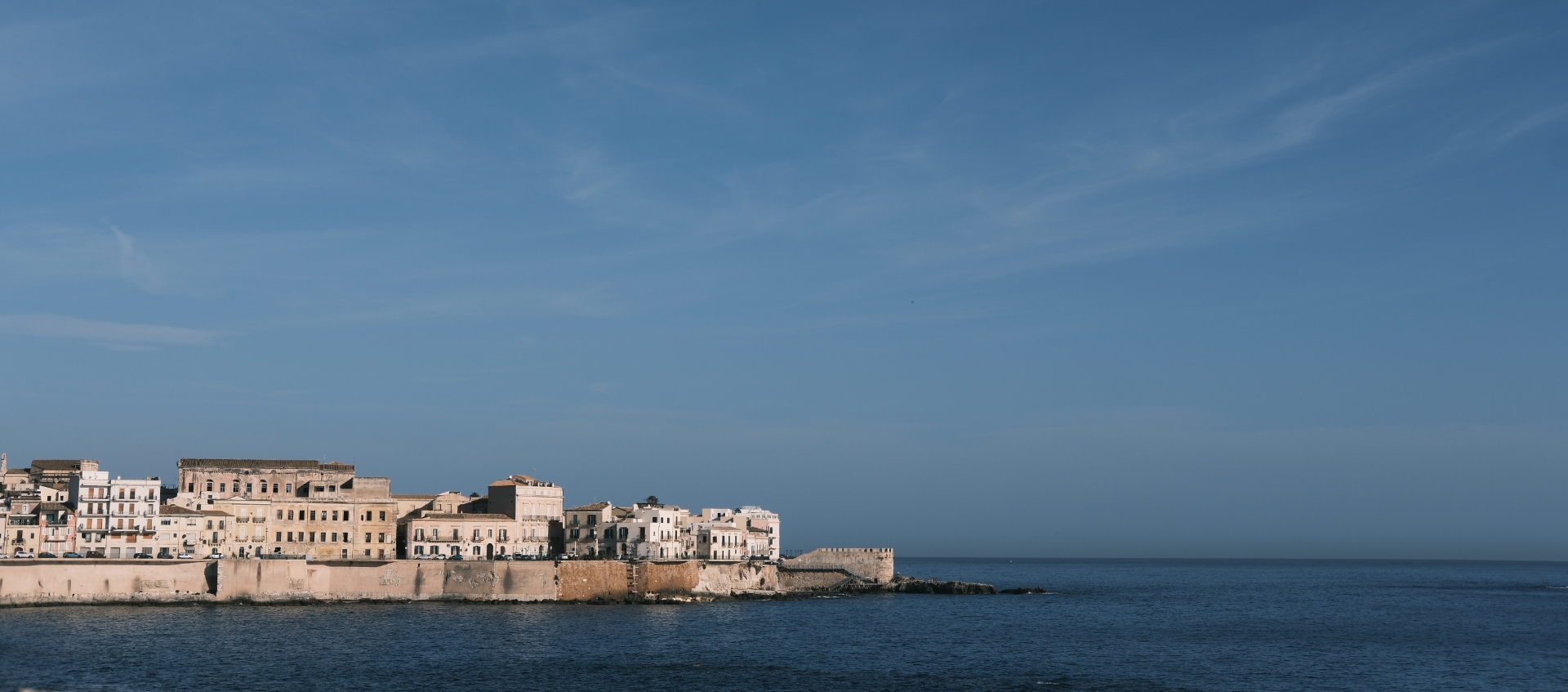
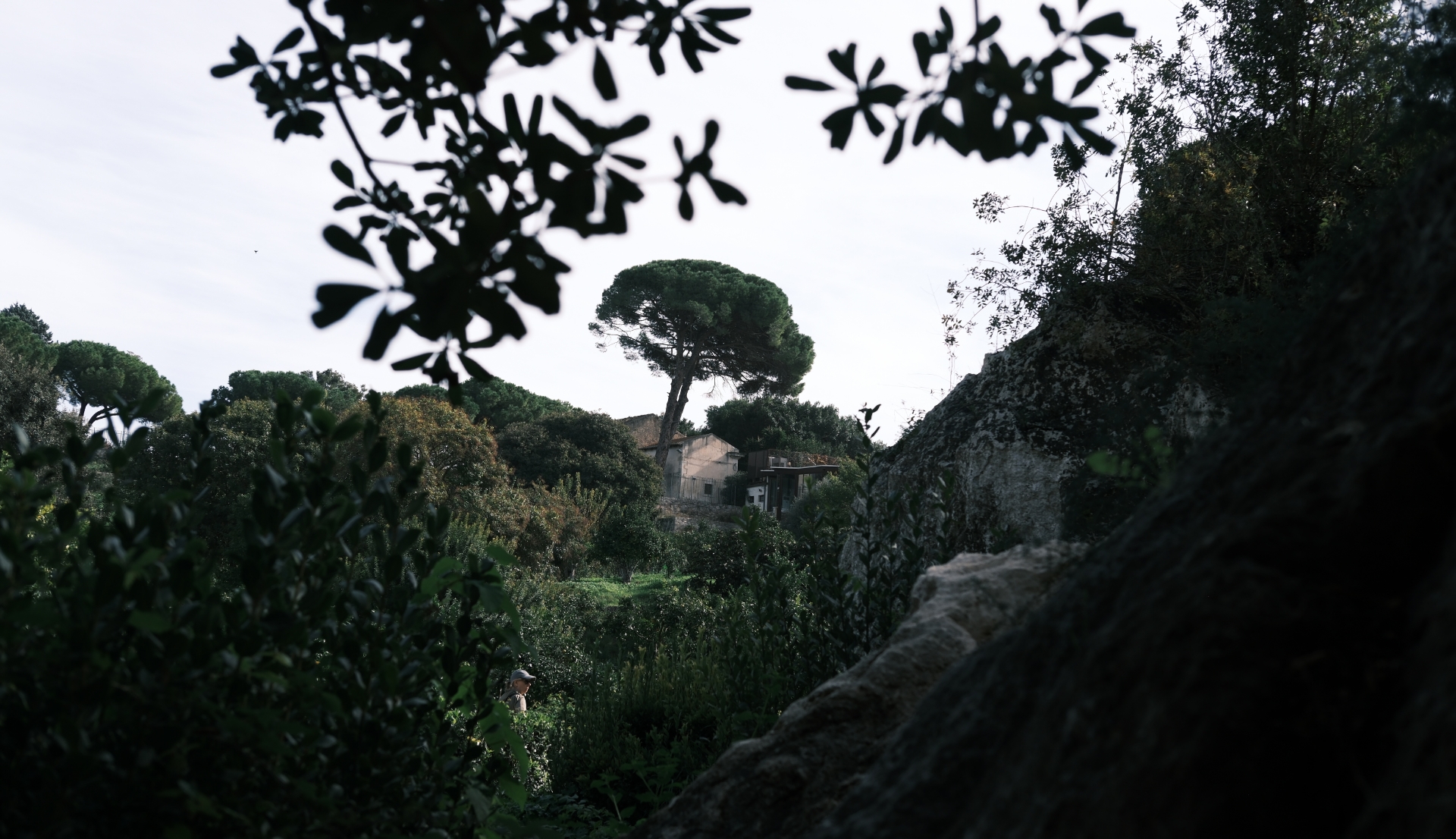
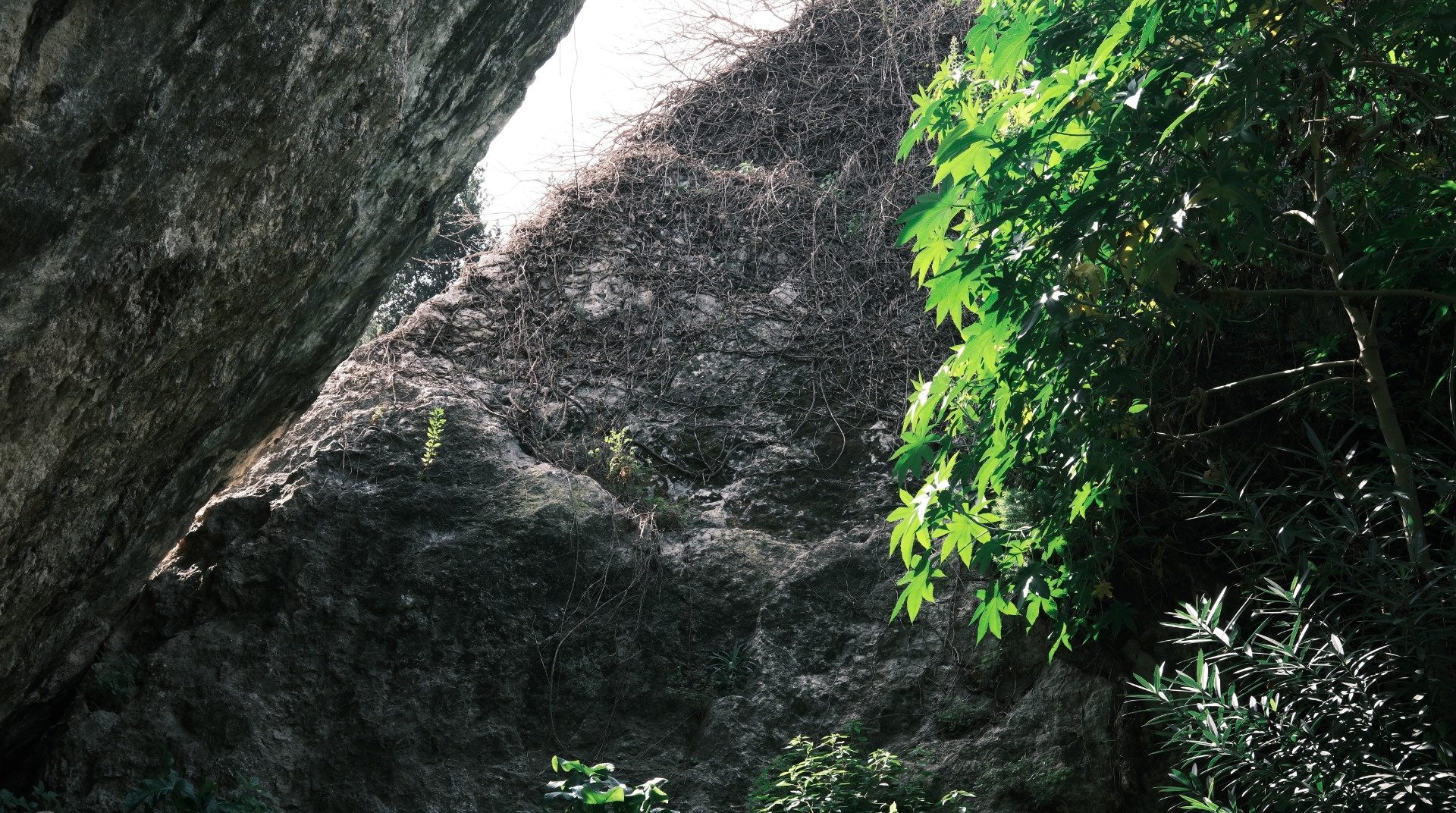
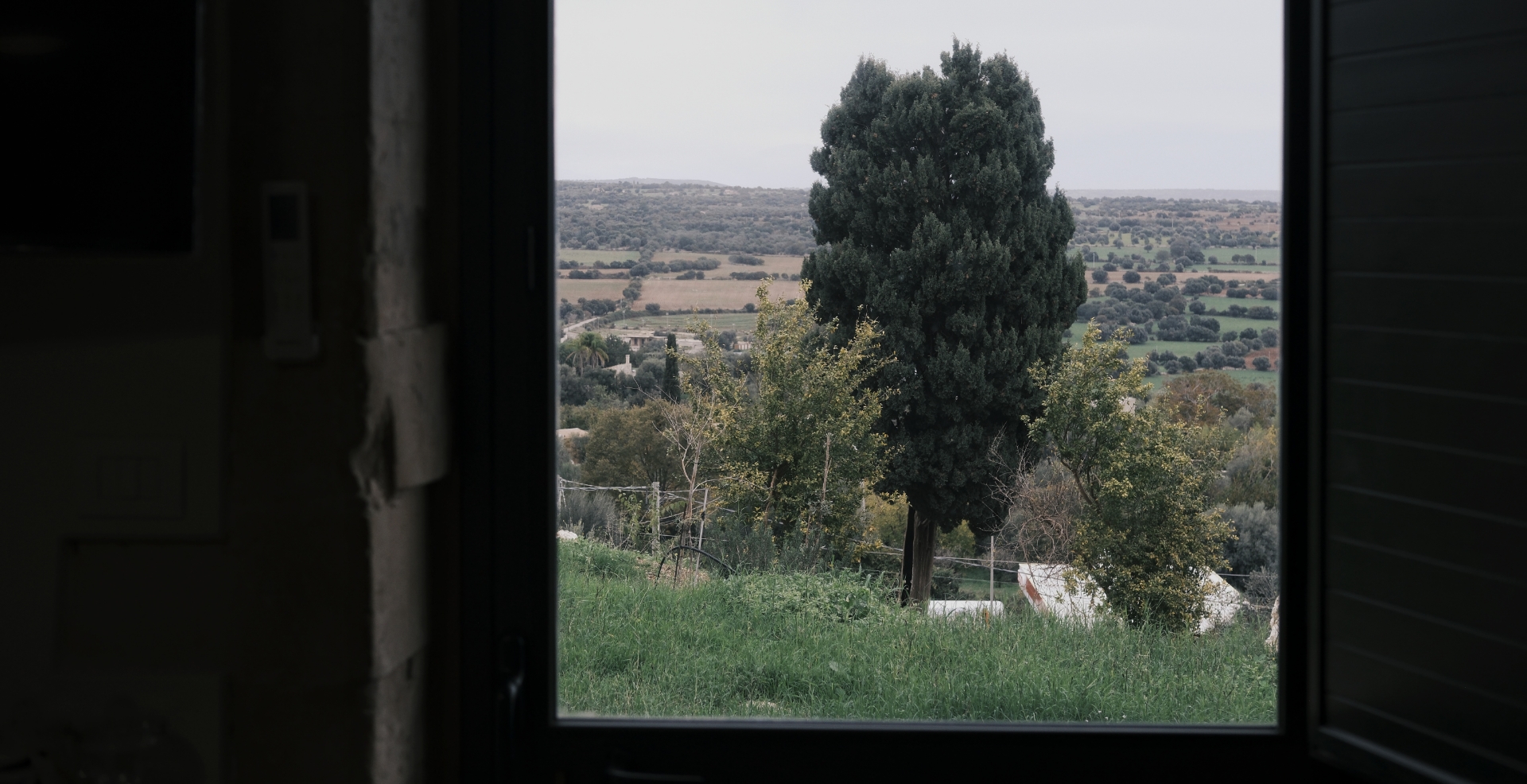
If you wanted to choose a city that’s diametrically opposed to Montreal’s cranky winters, Mexico City would be a good choice. The high altitude brings spring-like weather all year round, with warm days and cool nights. In February the mornings start at 12C warming to 20-25. Only pollution downgrades its perfect ranking.
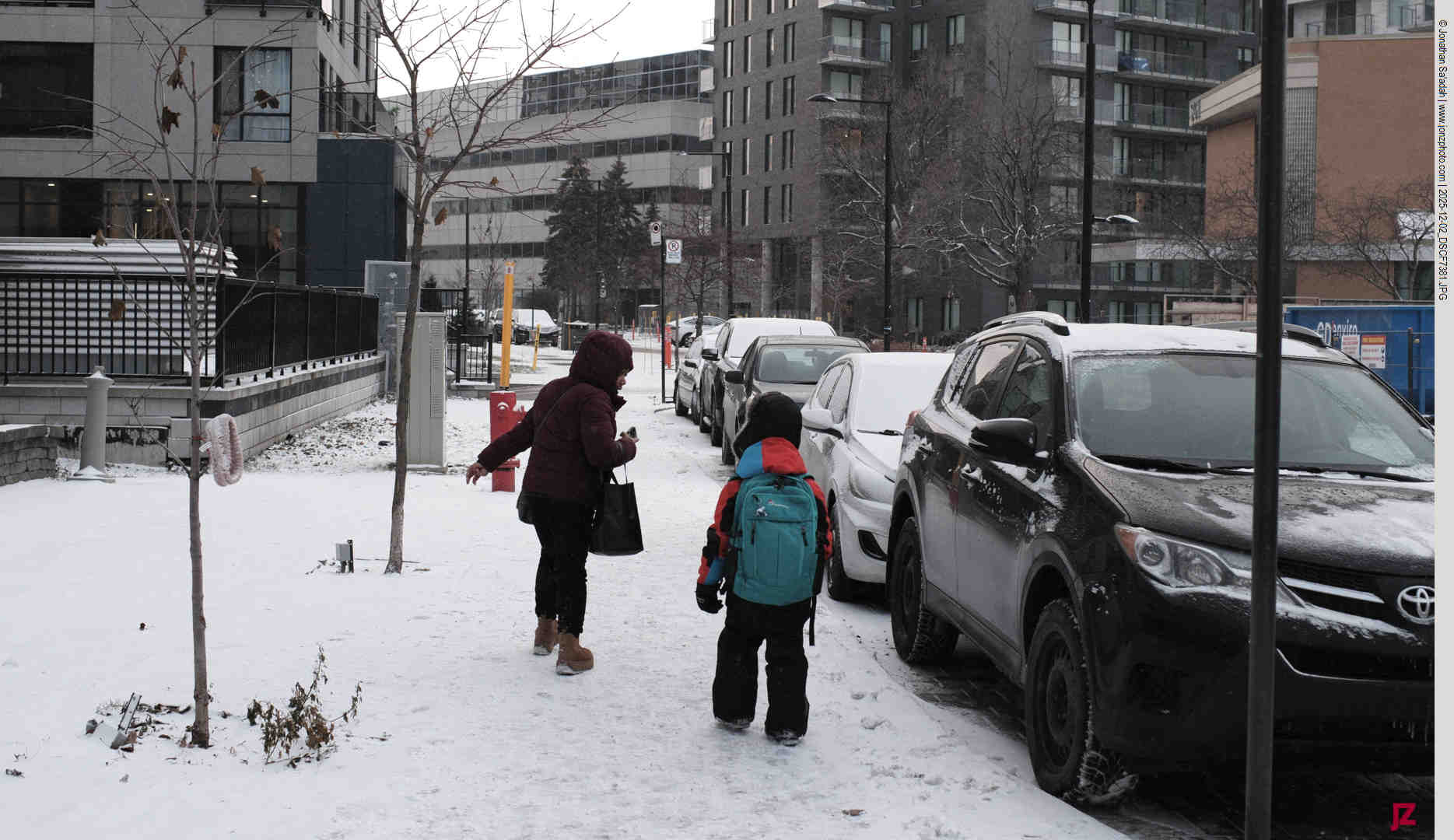
As penance for posting the deep-of-winter photos last week, I offer these to warm you up, or at least make you feel better.
When we arrived in Naples my first impressions were of physical deterioration, vandalism, and filth. When thrown suddenly into the chaos and traffic just outside the airport the contrast with Montreal felt like too much! A visceral body blow.
Looking back now I can see how wrong I was. Yes, Naples is chaotic, smelly and, in ways, a maddening place but its lifeblood and character transcend its drawbacks. I came away feeling lasting affection and respect.
Disclosure: Alas, I have no blood connection to Italy, so what I write is based on a short period – nine days in the city, though I’ve had other visits to the country. Italy, and Naples especially, inspires strong opinions so chime with your experiences.
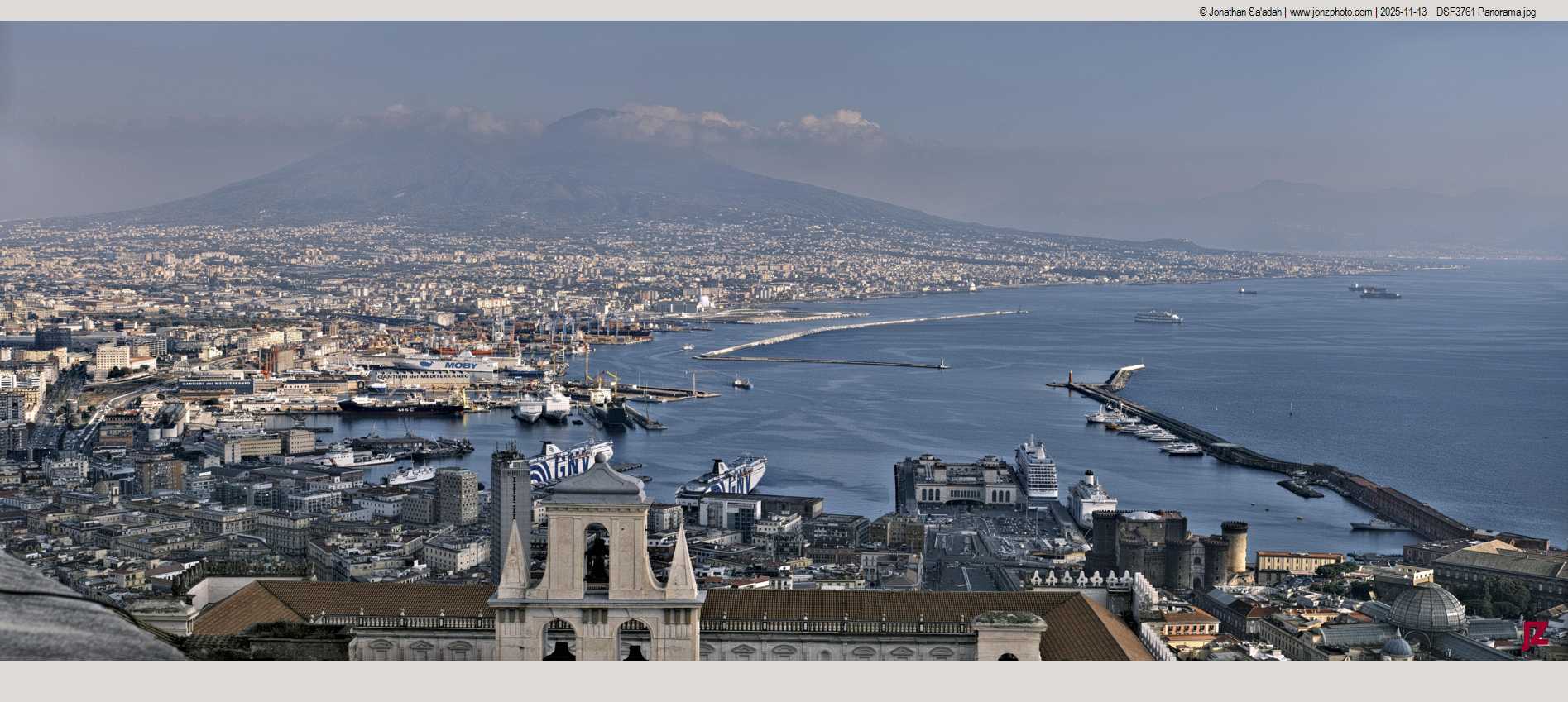
▲ Naples is actually about only a half of Montreal’s population within the metropolitan area, but it clearly wins on location with the Mediterranean and warm climate. Not to be overlooked, there’s always the question of Vesuvius looming above.
What I saw in Naples and what excited me the most was life unfolding in a continuous present. Damascus had a similar feel, but lacking the lively social give-and-take. History is not a frozen backdrop but a living participant in the present. The city’s streets compress centuries of urban life into a narrow, vertical spaces in which architecture, religion, commerce, and society are densely layered and constantly in motion. Everyday life spills outward from apartments and courtyards onto sidewalks, alleys, and piazzas, turning public spaces into hybrid spaces of living rooms, marketplaces, and theatres. It’s a feeling that I’ve fractionally experienced in other cities, but nothing like what washed over us in Naples.
A city built for the street
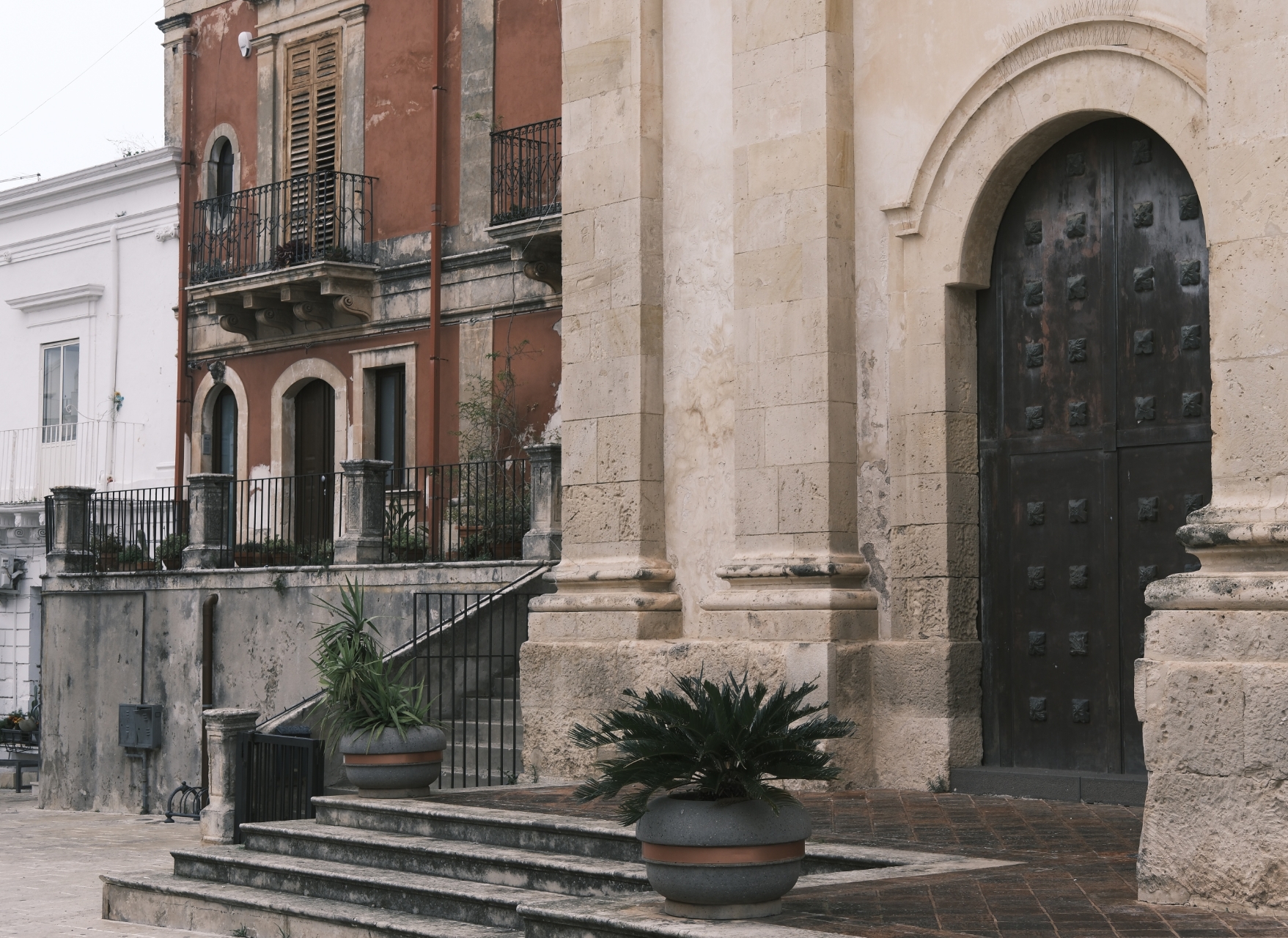
Naples’ street culture is inseparable from its urban fabric, especially in the historic center. Narrow streets and tall palazzi push life outward: balconies overhang the stone alleys, laundry stretches from window to window, and voices carry easily across the void. The result is a public realm where boundaries between inside and outside are porous, and where residents use doorsteps, stoops, and thresholds as extensions of domestic space.
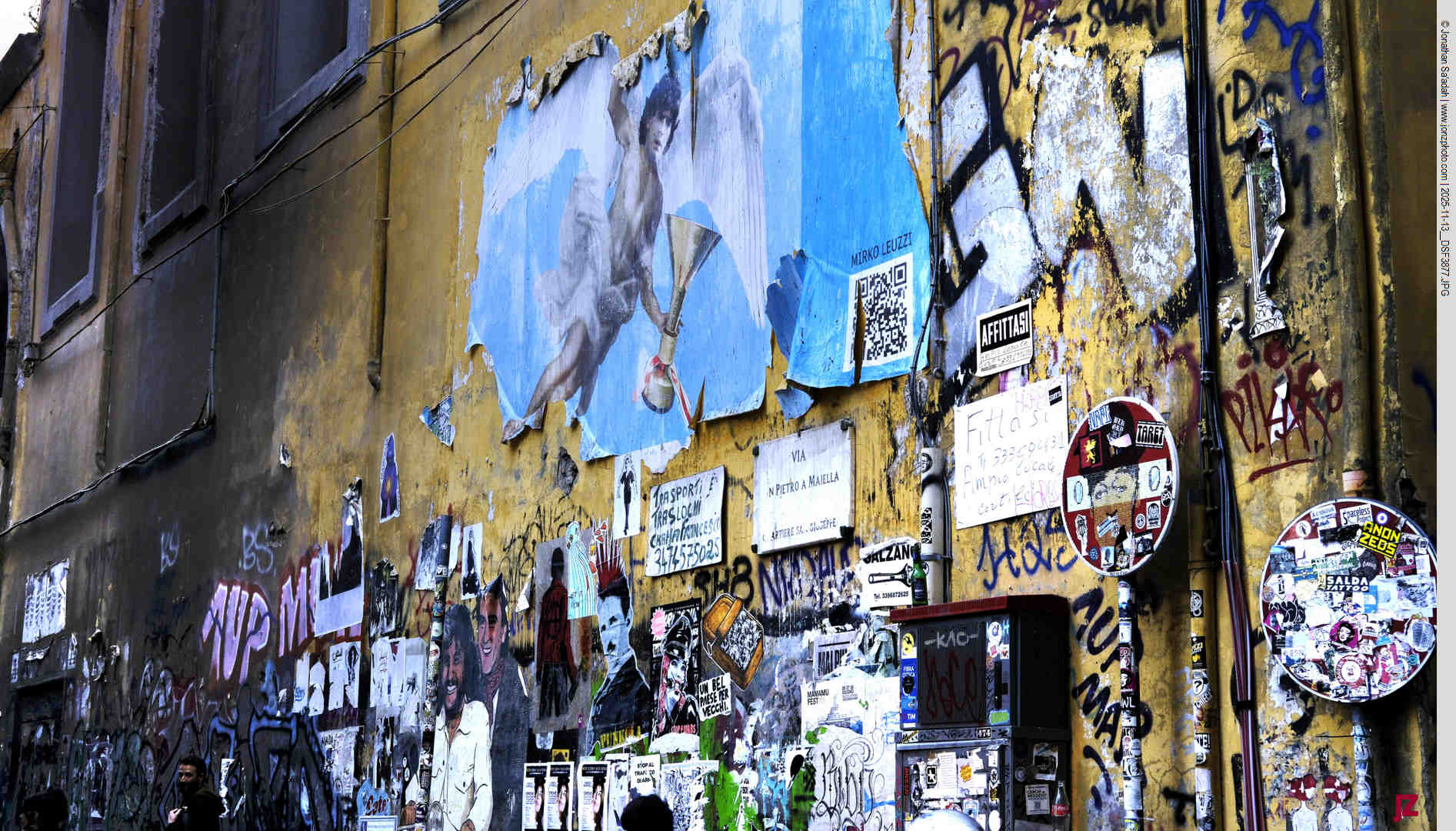
▲ All the Neopolitan elements of street decoration. Diego Maradona hovers above it all.
Rituals, religion, and everyday devotion
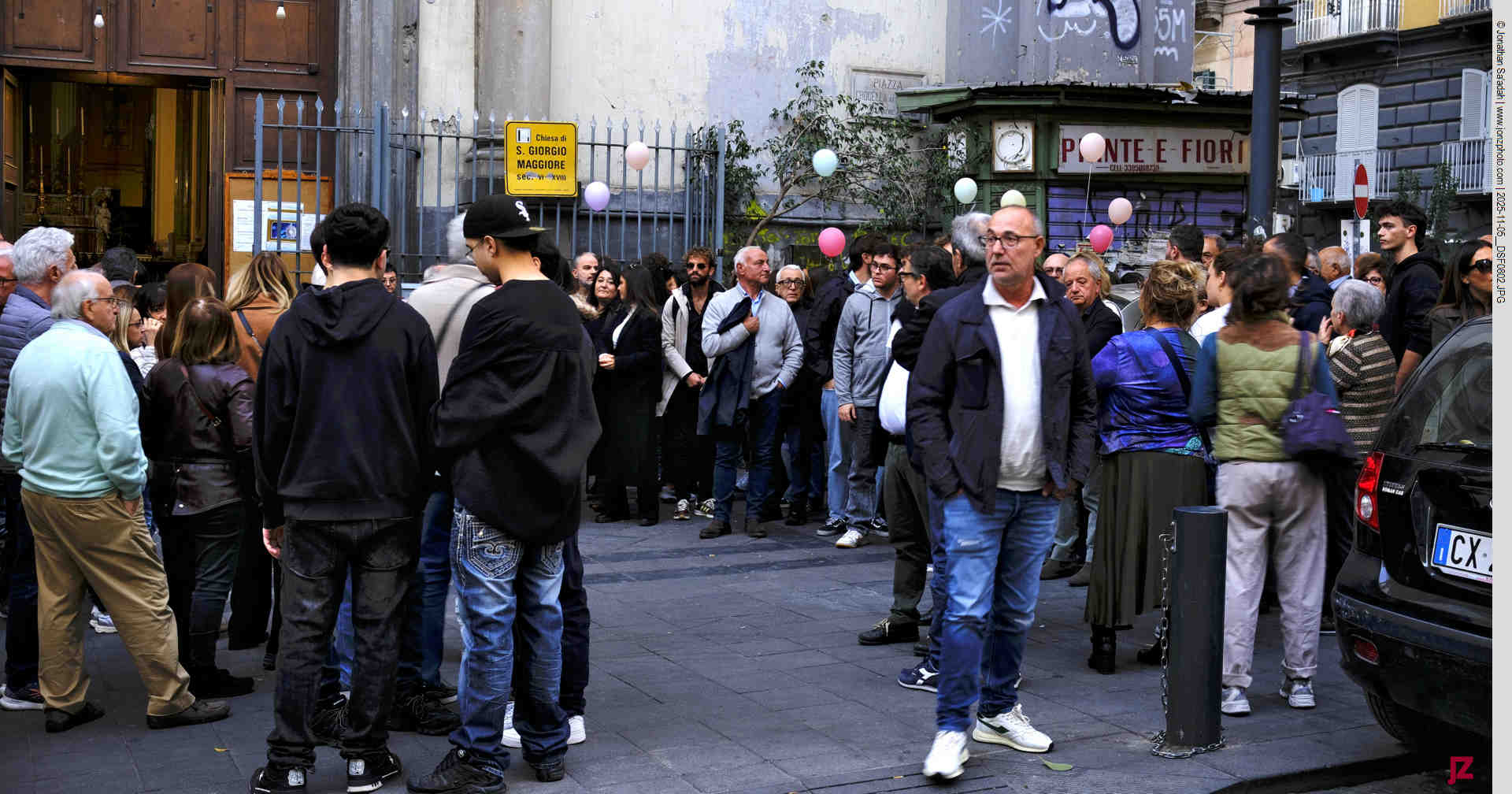
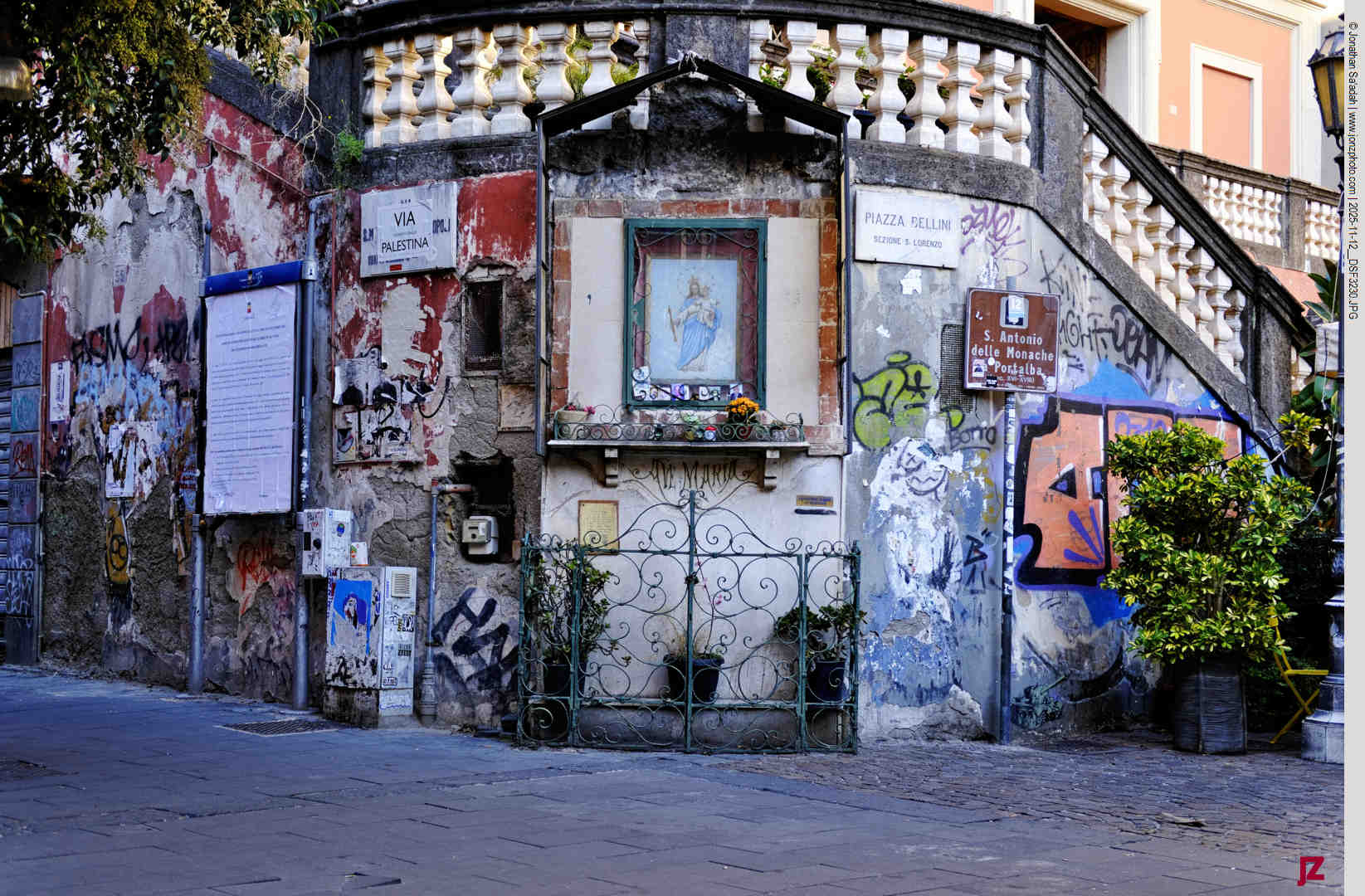
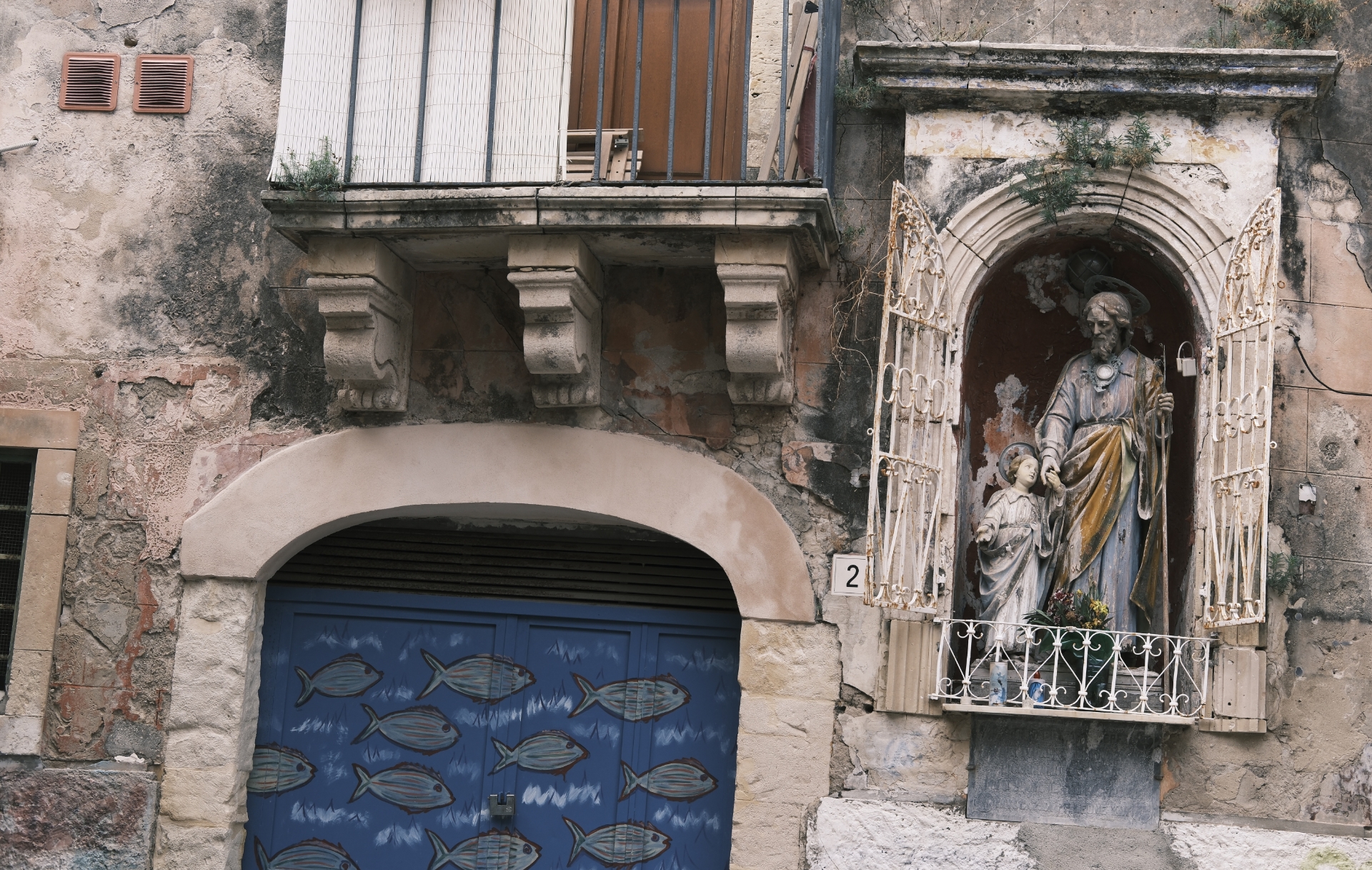
Street shrines – dedicated to the Madonna, local saints, and more recently figures like Diego Maradona – punctuate corners and facades, anchoring a popular religiosity that is both deeply felt and casually integrated into routine. Grief and celebration remain visible rather than privatized. Processions, move through the same streets that serve as commercial arteries, briefly reorganizing traffic and commerce around communal rites.
▲ Mourners on the street outside a church waiting for the hearse.
Commerce, food, and the social economy
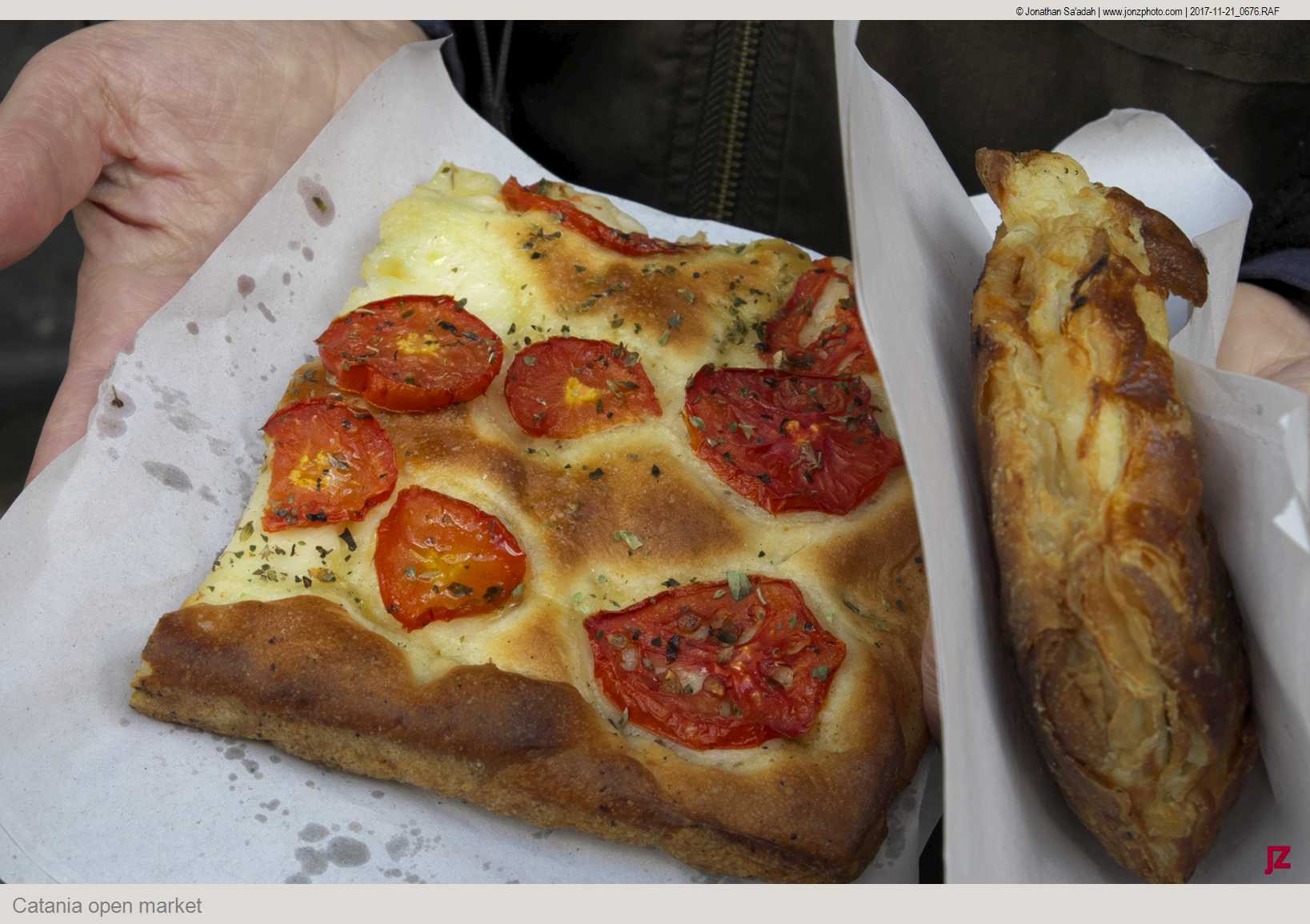
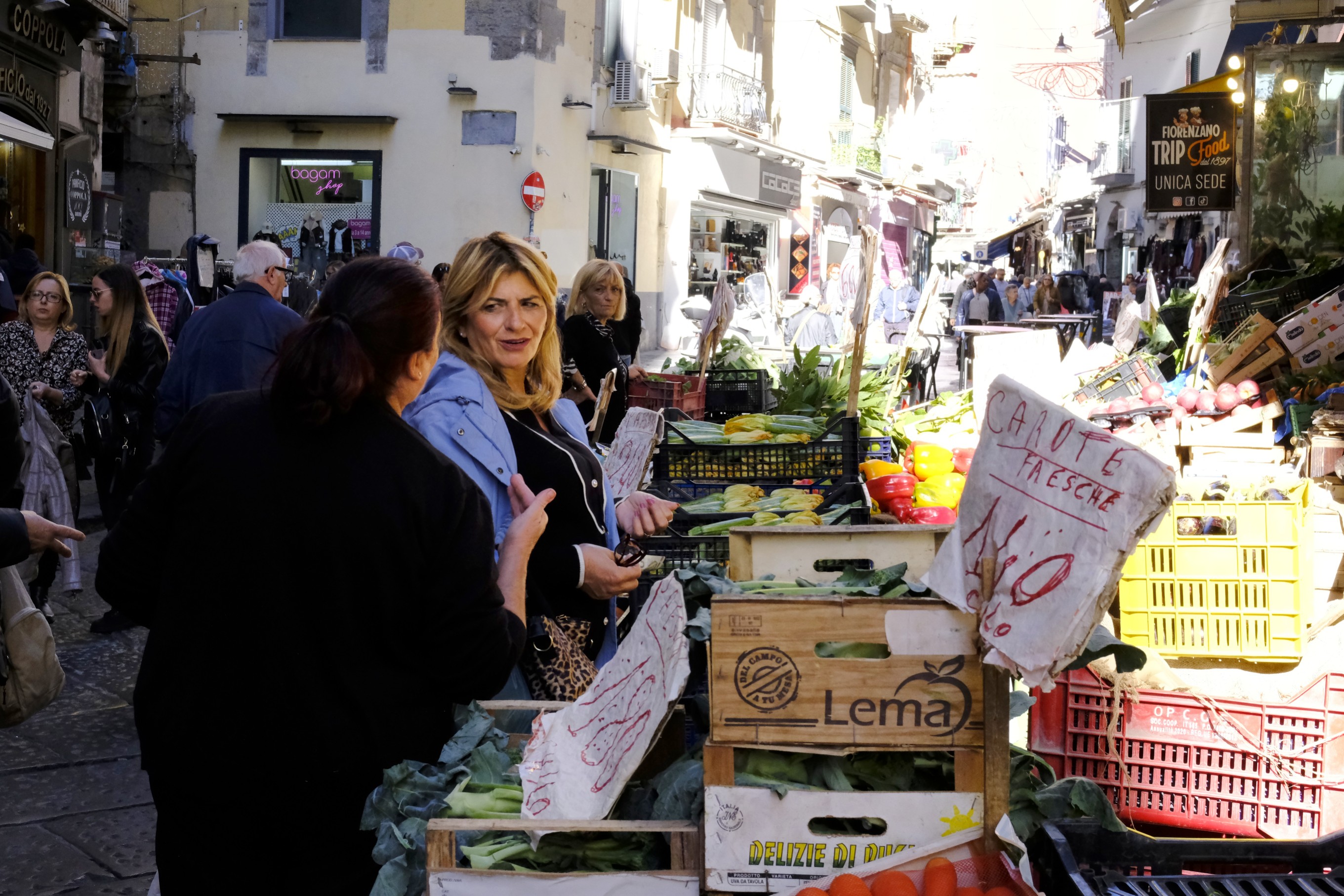
Street-level culture in Naples is also a culture of commerce, from formal shops along Via Toledo and other main arteries to informal stalls, barrow vendors, and door-front sellers. Food is central: pizza al portafoglio, fried snacks, and pastries are eaten on the move, reinforcing an urban tempo in which eating, talking, and walking blur into a single activity. Small businesses – tailors, repair shops, artisan workshops – often have doors flung wide open, allowing passersby to watch work in progress and which favors a network of long-standing relationships.
Noise, performance, and conflict
Sound is one of the principal mediums of Neapolitan street life: motor scooters, shouts, arguments, laughter, and music densely fill the acoustic space. Conversation easily becomes performance; the theatricality has roots in a real culture of gestural communication and public argument, where disagreement is aired loudly but does not always imply rupture.
Graffiti, stickers, and visual claims
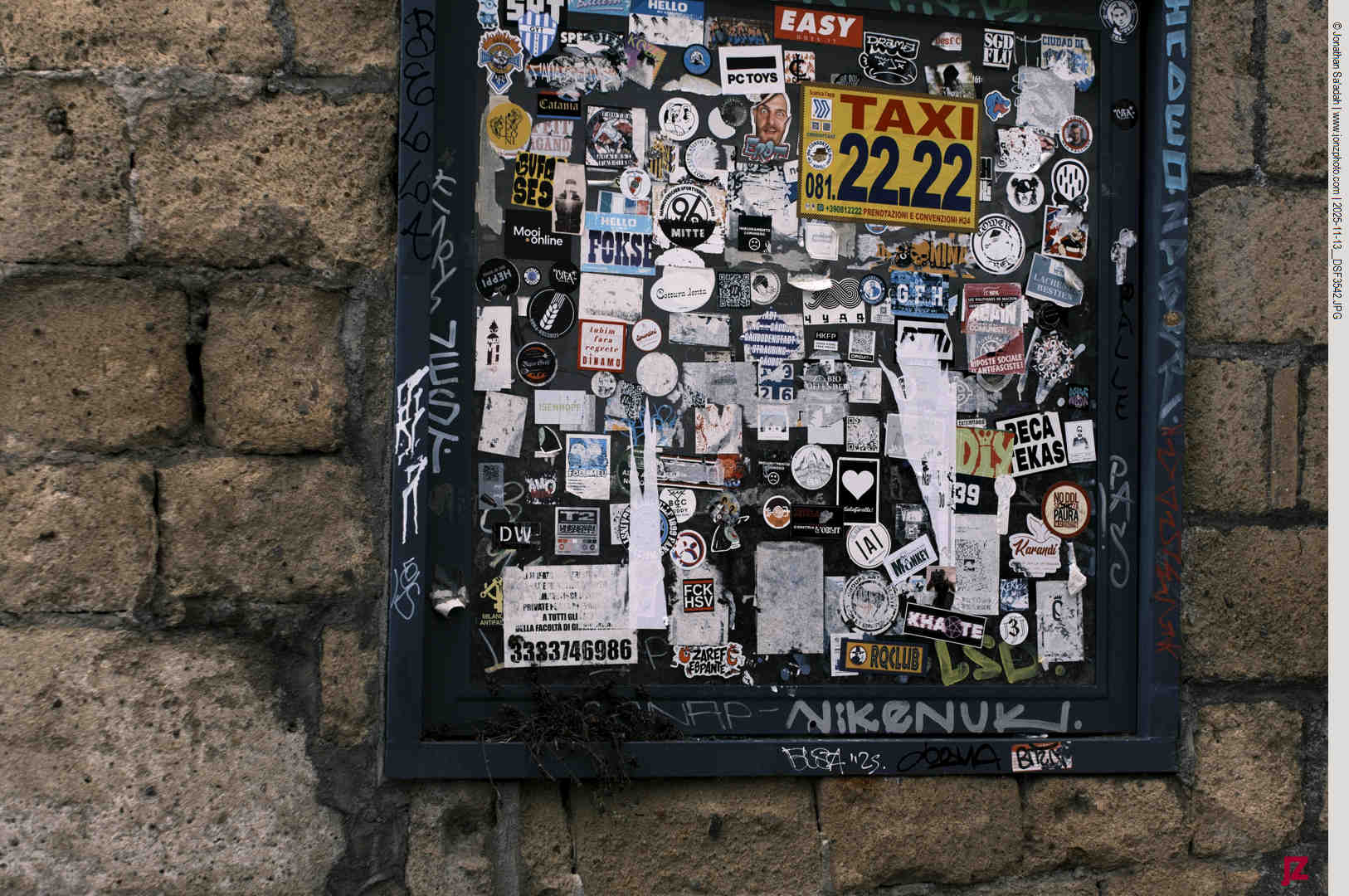
Walls, shutters, and street furniture function as a visual gallery of tags, murals, stickers, posters, and hand-painted signs, through which individuals and groups claim presence and allegiance. Football imagery – especially around Maradona and SSC Napoli – intertwines with political symbolism, memorials, and commercial advertising, producing surfaces that narrate loyalties, losses, and local pride. Municipal regulation and cleanup are uneven, so these layers are rarely erased; instead, they accumulate, reflecting a city in which informal expression is both tolerated and expected as part of the everyday street-level environment.
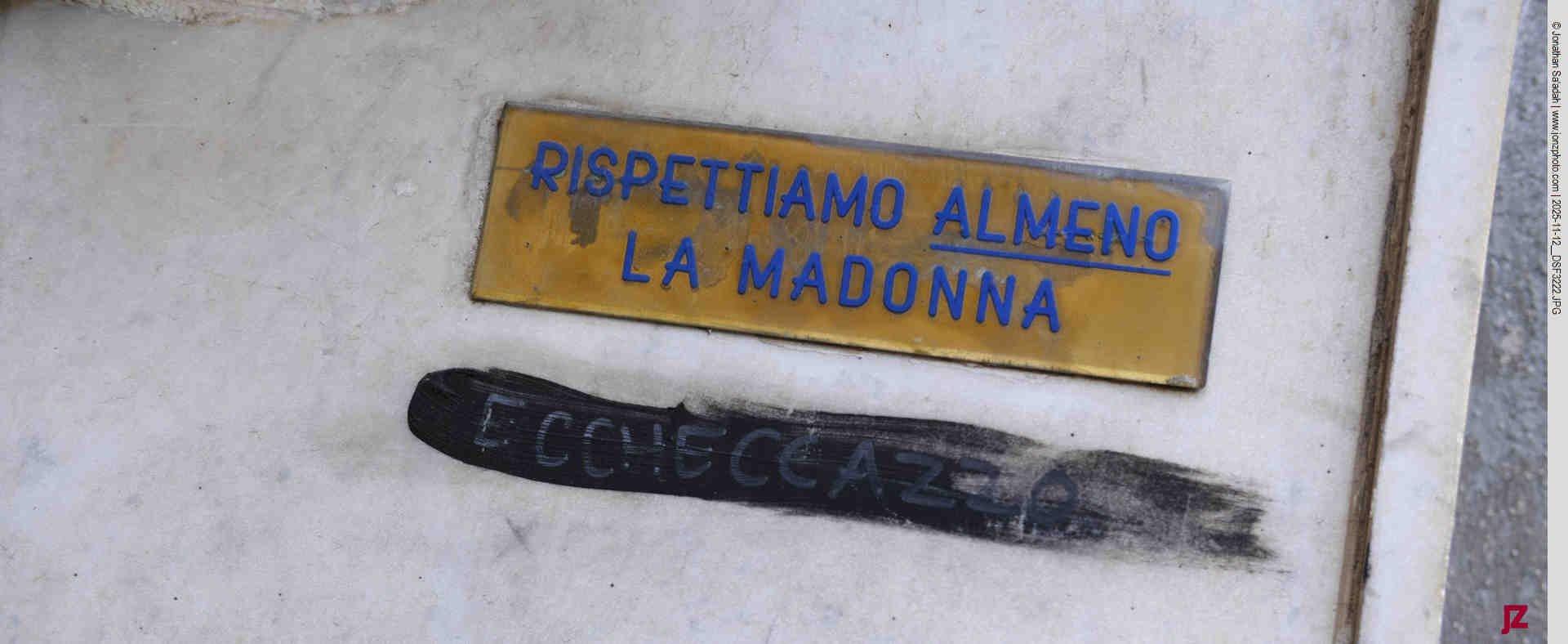
▲ Street Shrine to the Madonna▲ Instructional plaque below the shrine admonishes: “Let’s at least respect the Madonna”. Below it, in answer, but crossed out: “What the Hell?” or “What the fuck?”
Return to North America
There’s almost no obvious overlap between Naples and Montreal. If I pulled my car out into an intersection and acted like a normal Neopolitan driver, I would so shock my fellow Montrealers that counseling teams would be called in by arriving cops, to say nothing of where I’d end up. But even though we sit like silent glum blobs glued to our phones while we ride our public transport, I still ask if we’re not chronically depressed because we don’t have an easy life dealing with northern-latitude weather. There’s no light a lot of the year and grocery stores ask high prices for food that in Naples would be classified as road kill. If we were en masse moved south and fed the foods of Italy I could see us lighting right up – sparking around with high energy collisions off each other and making noise in the metro. We have the spirit, just not the environment. Watch out, dear residents of Naples!
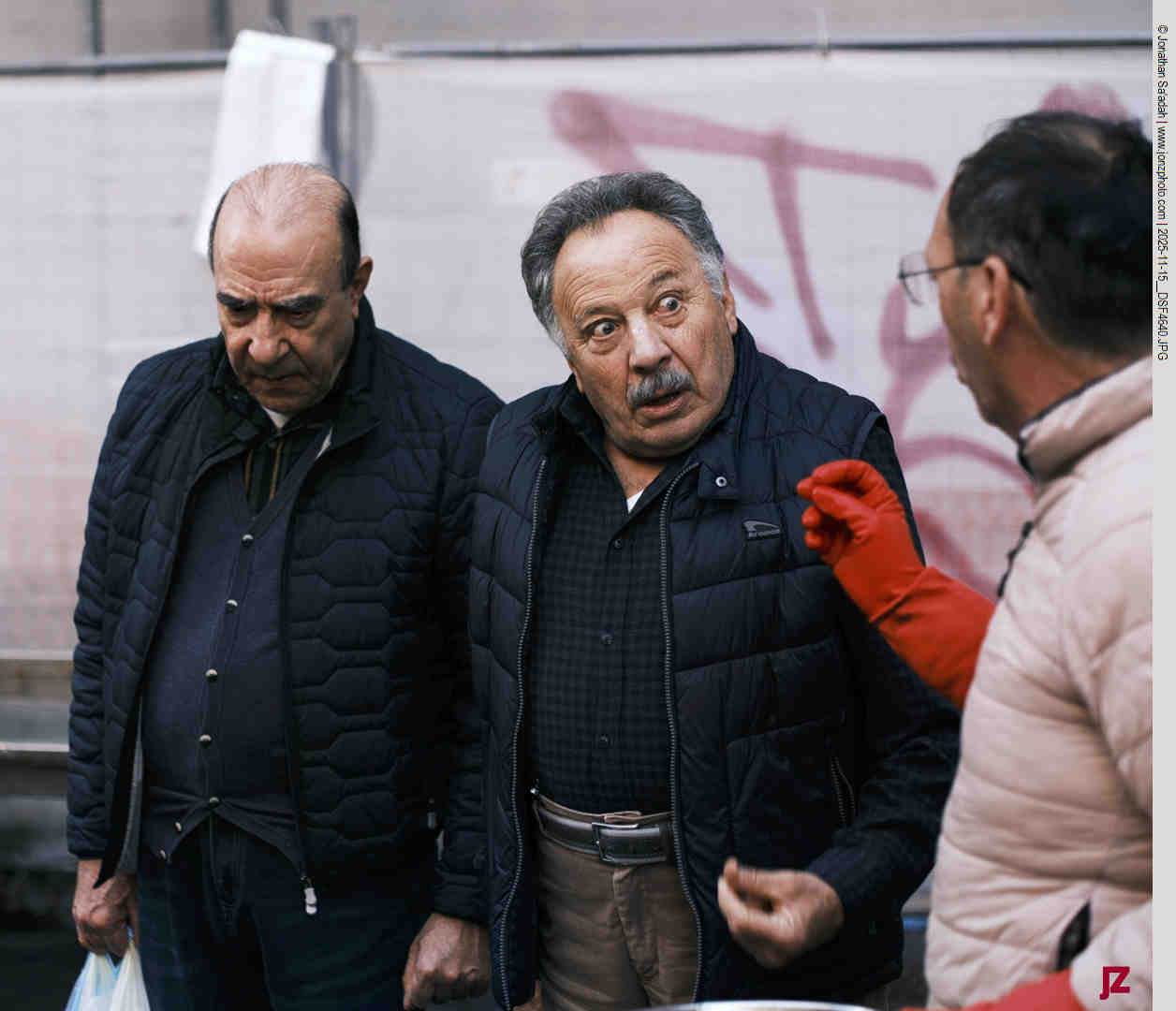
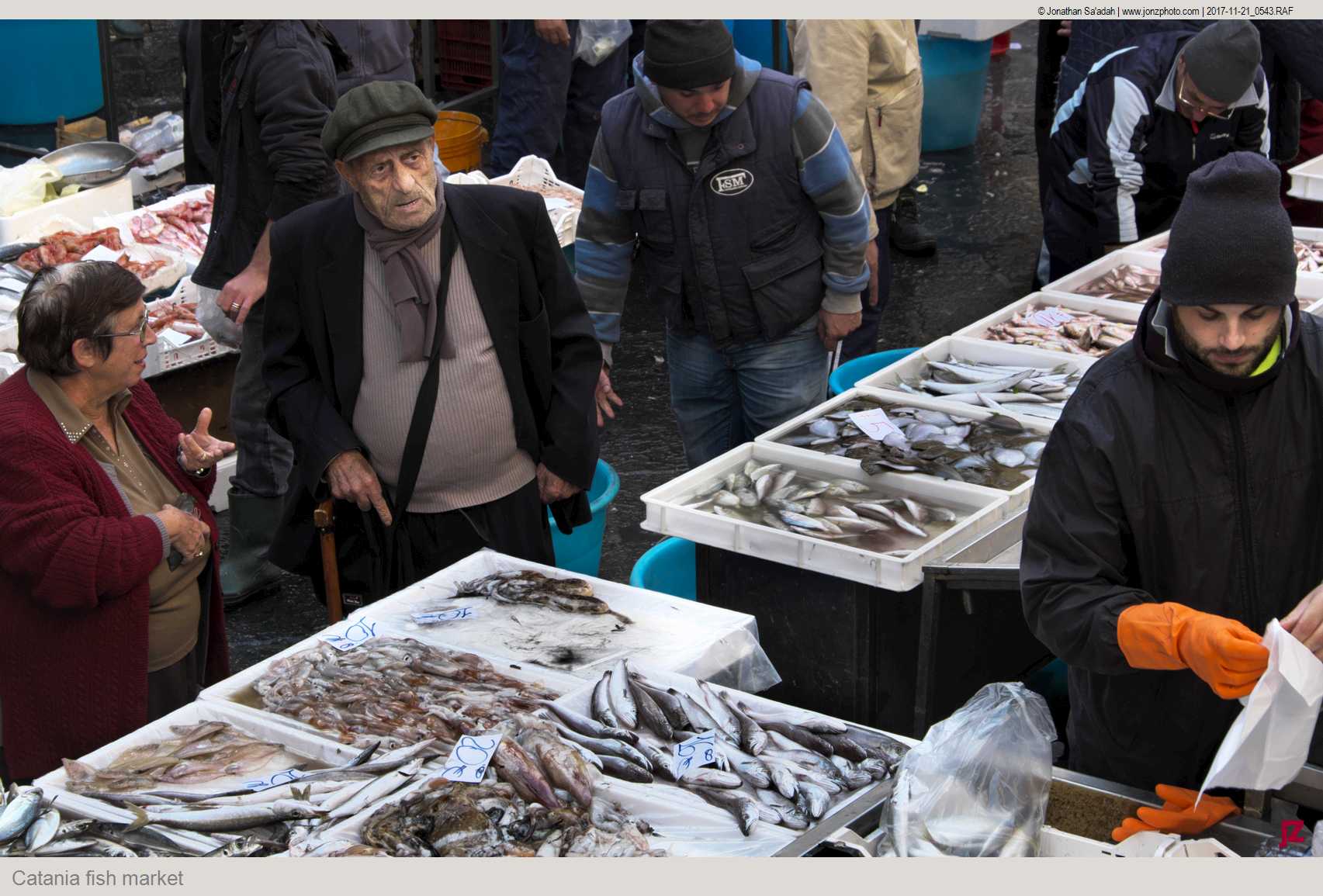
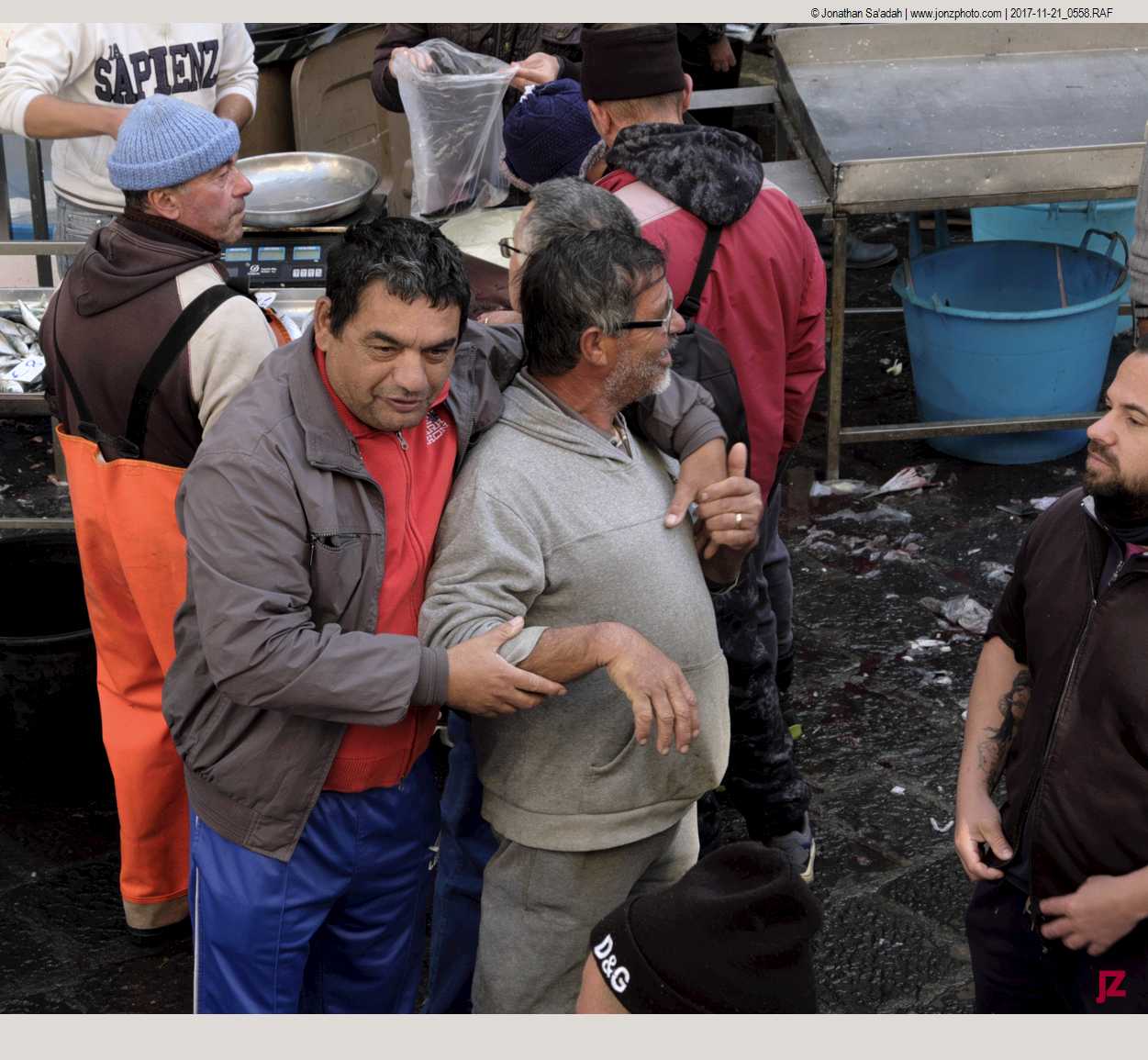
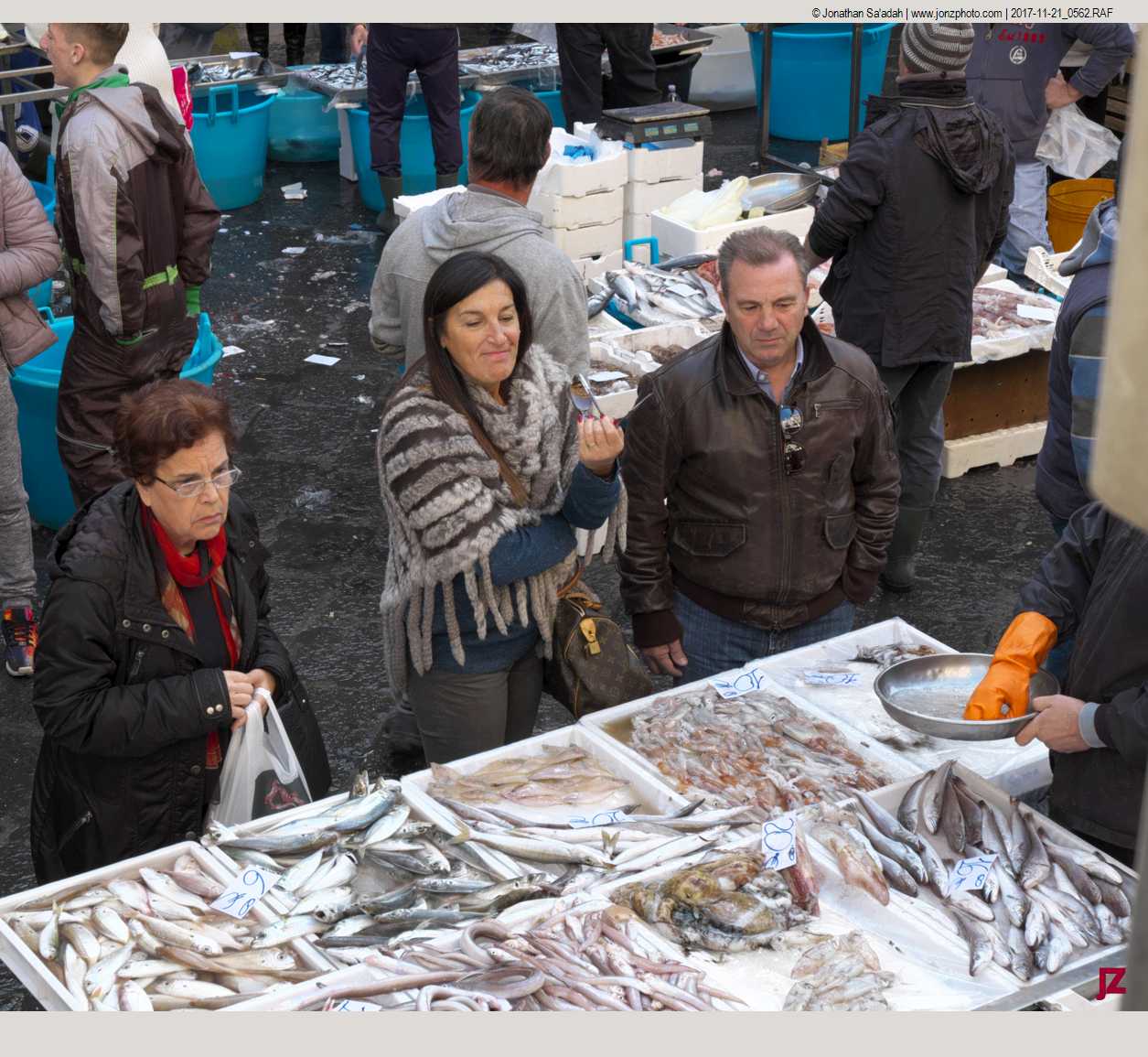
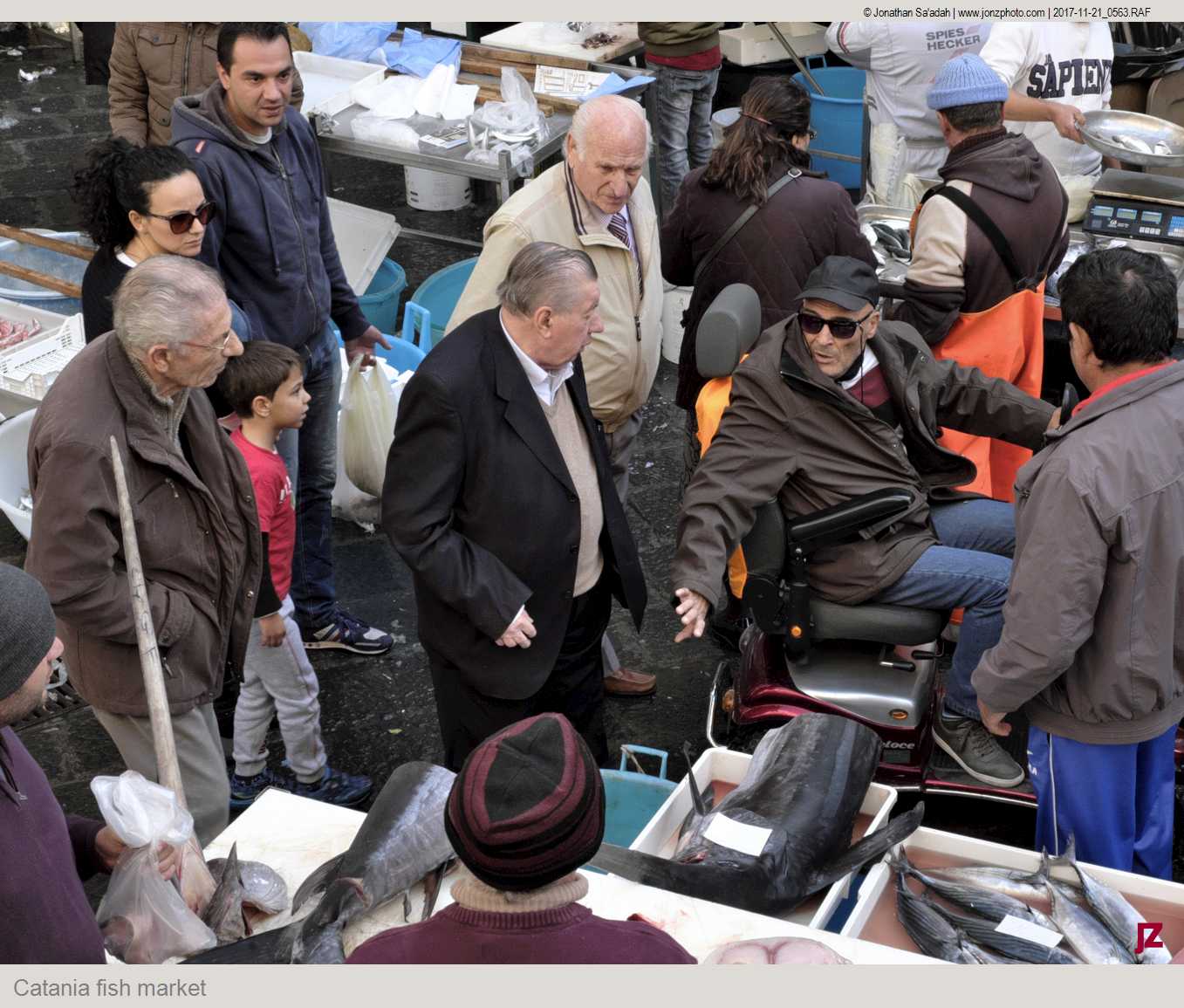
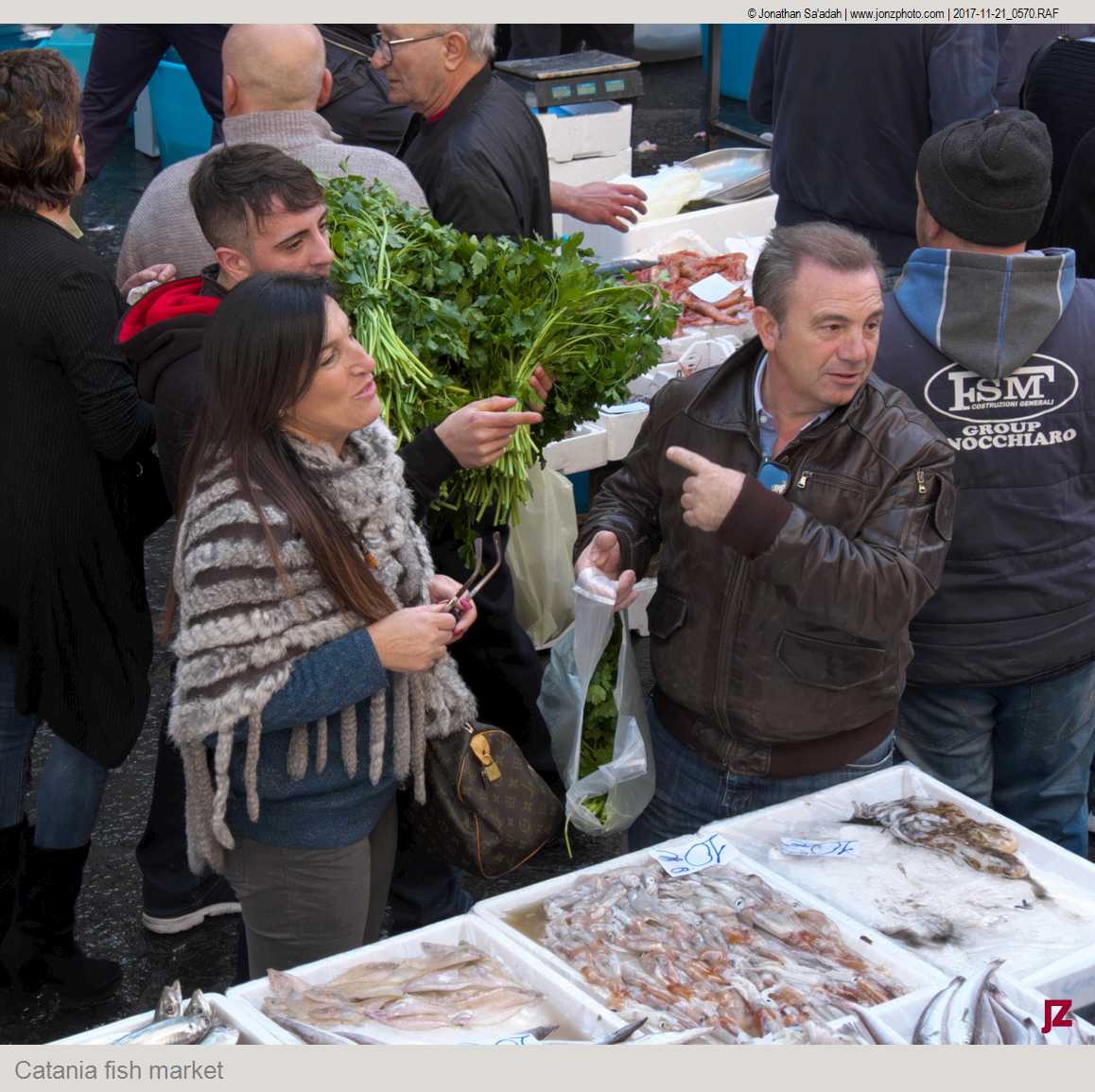
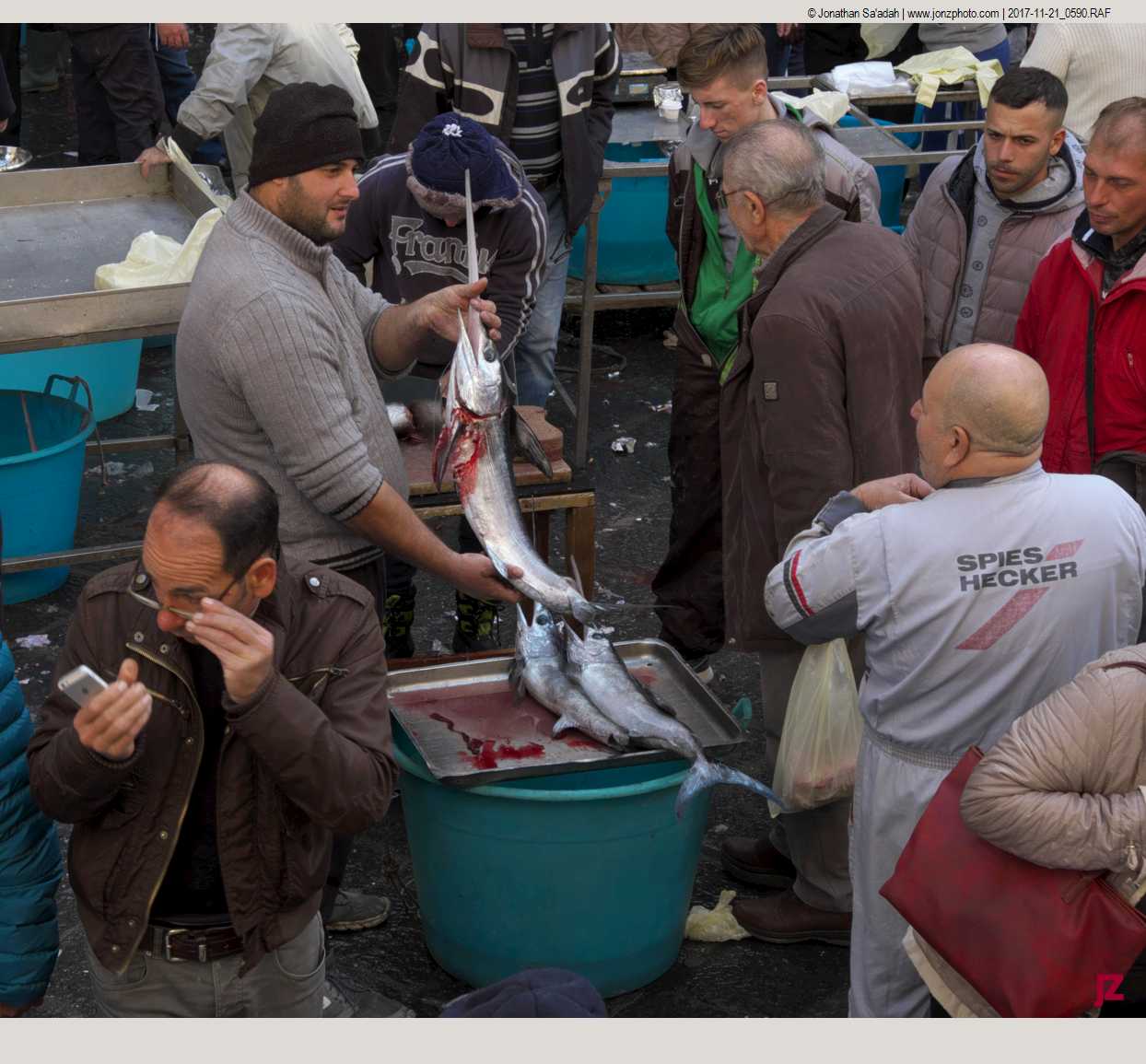
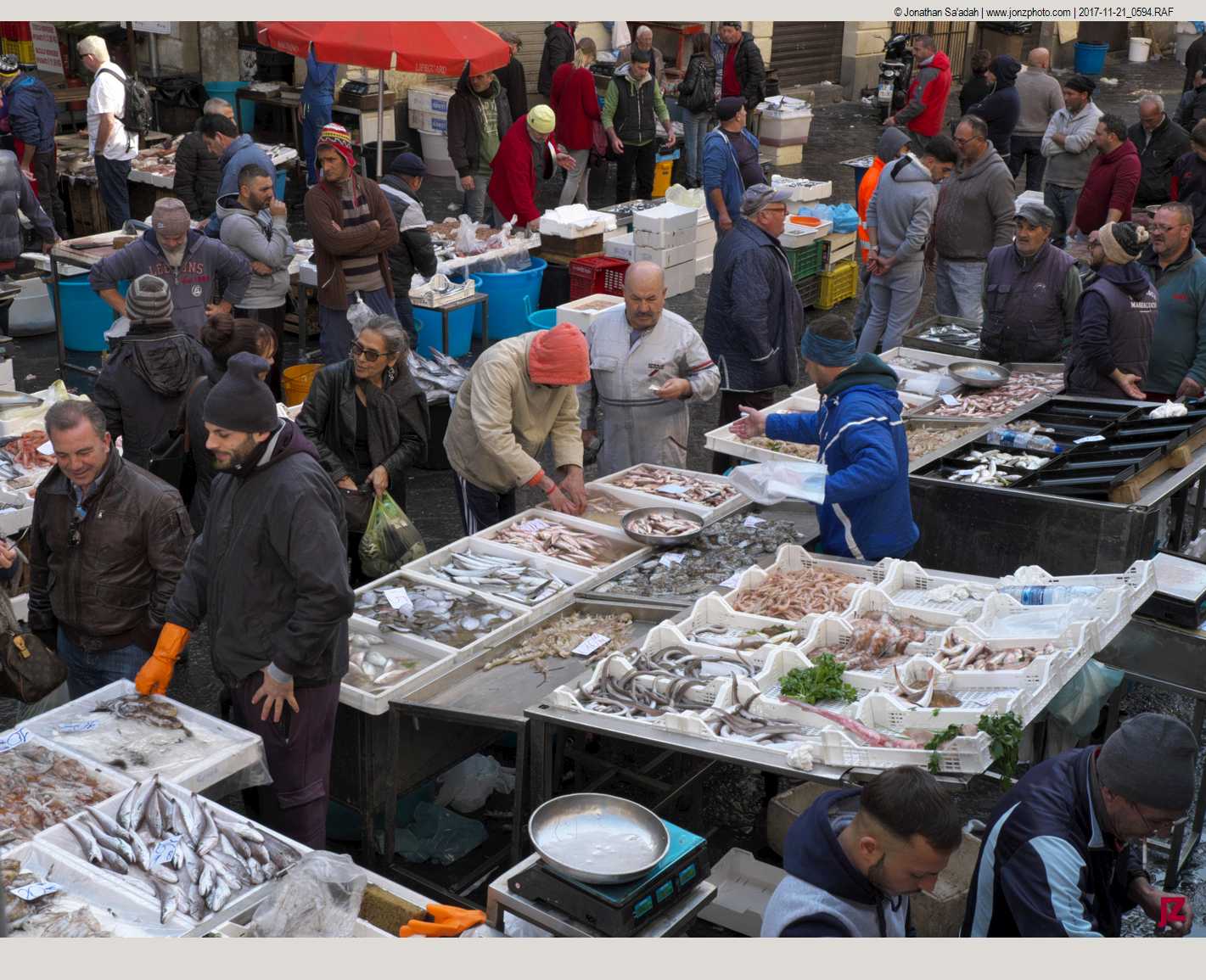
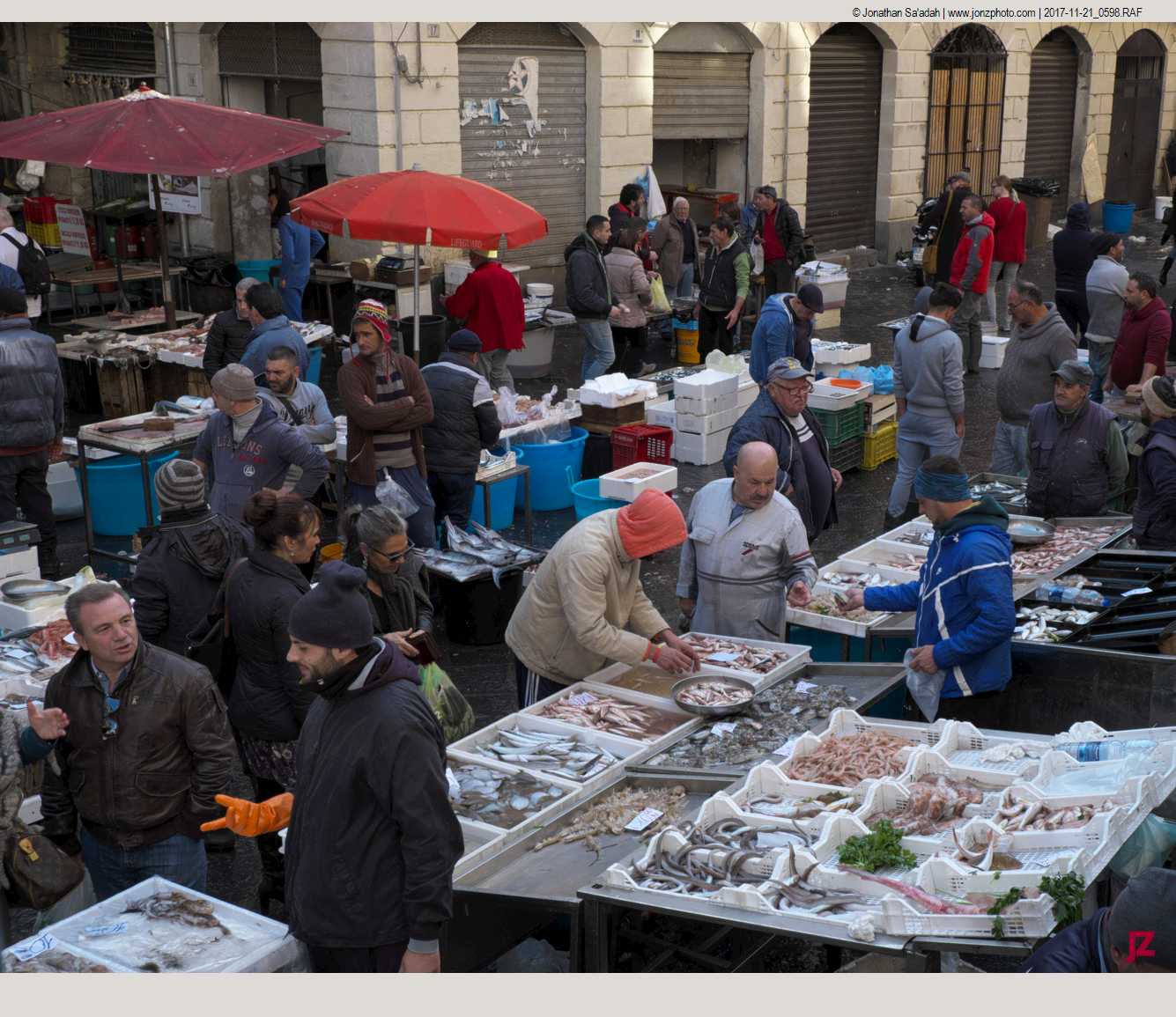
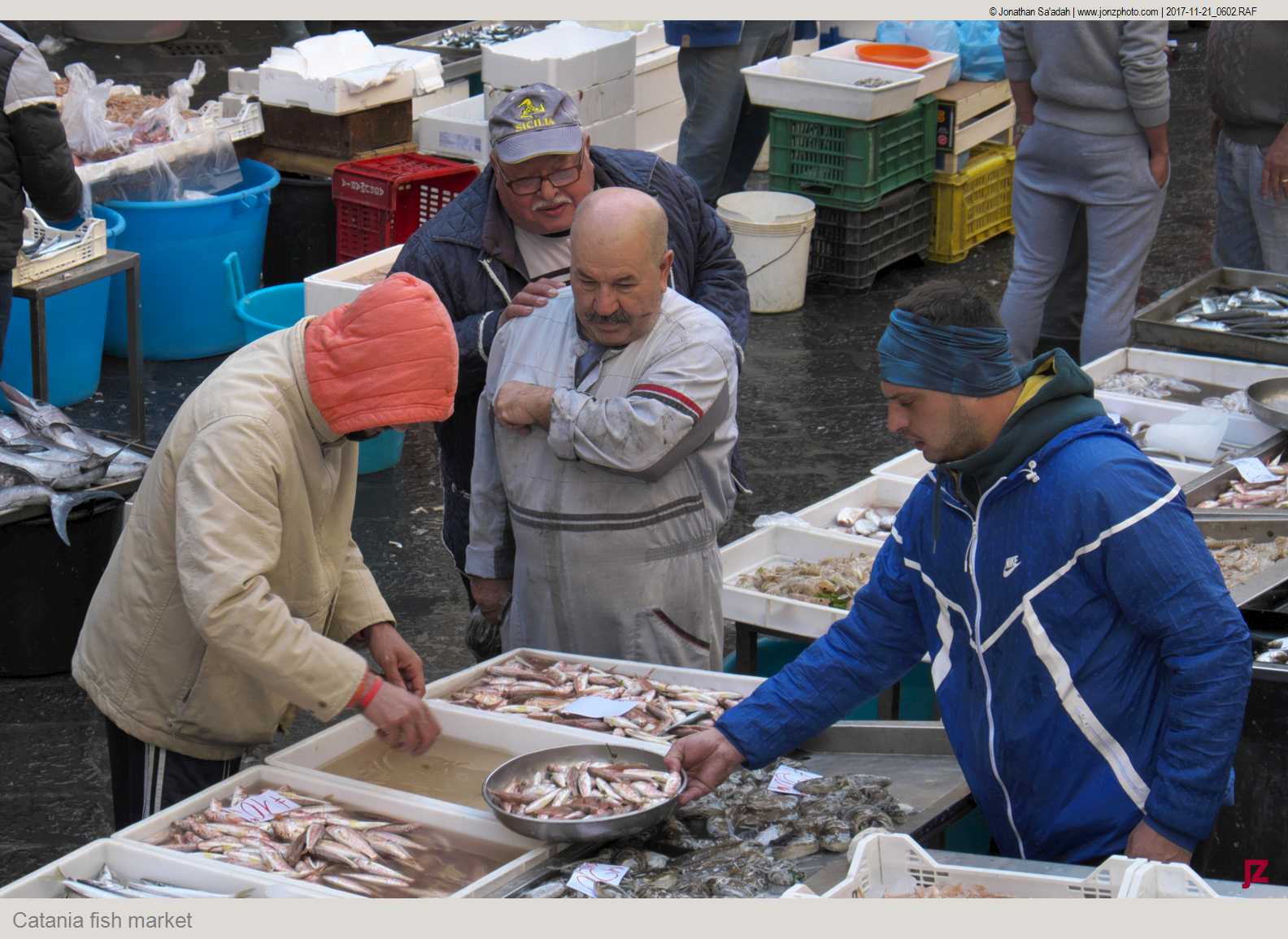
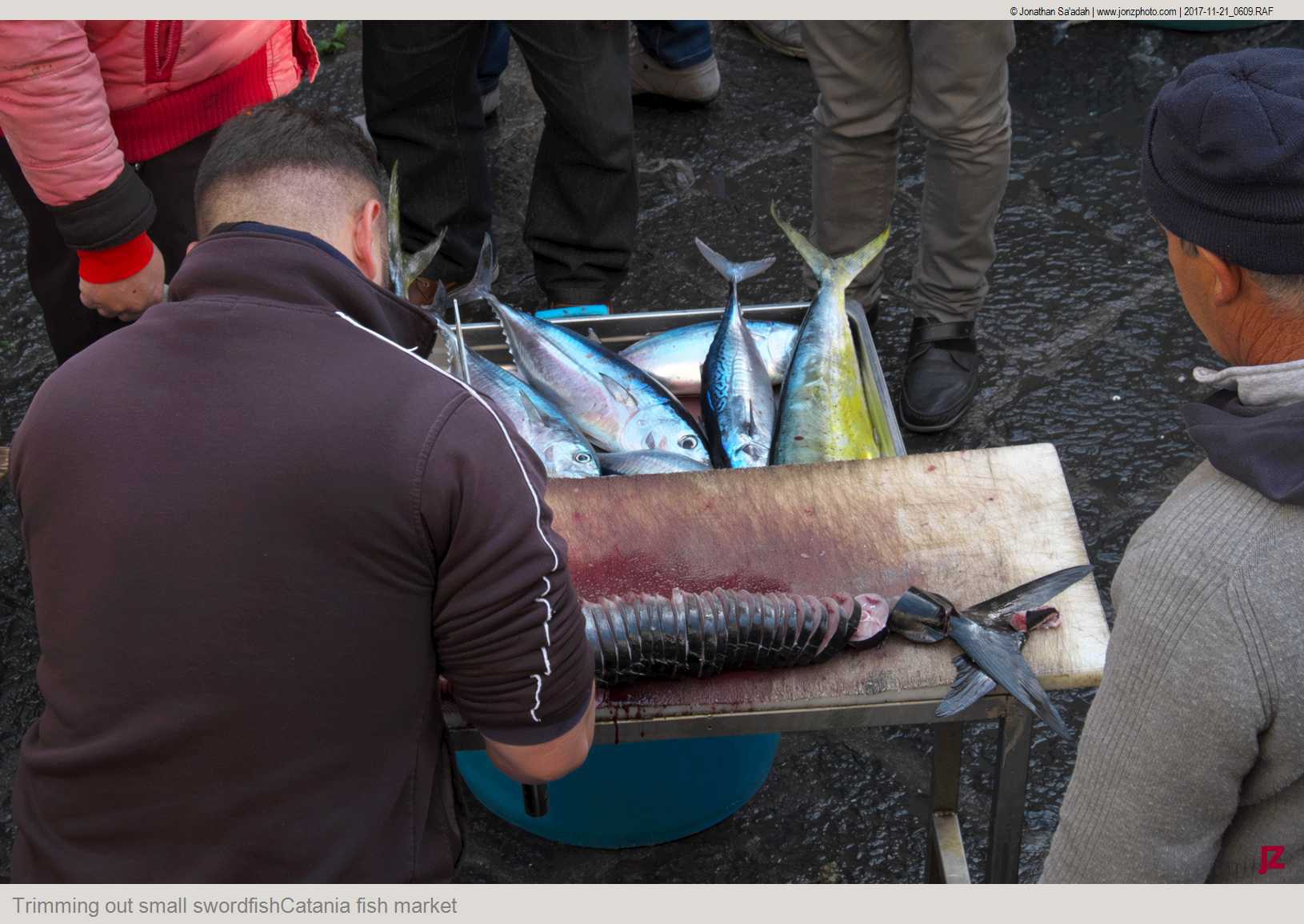
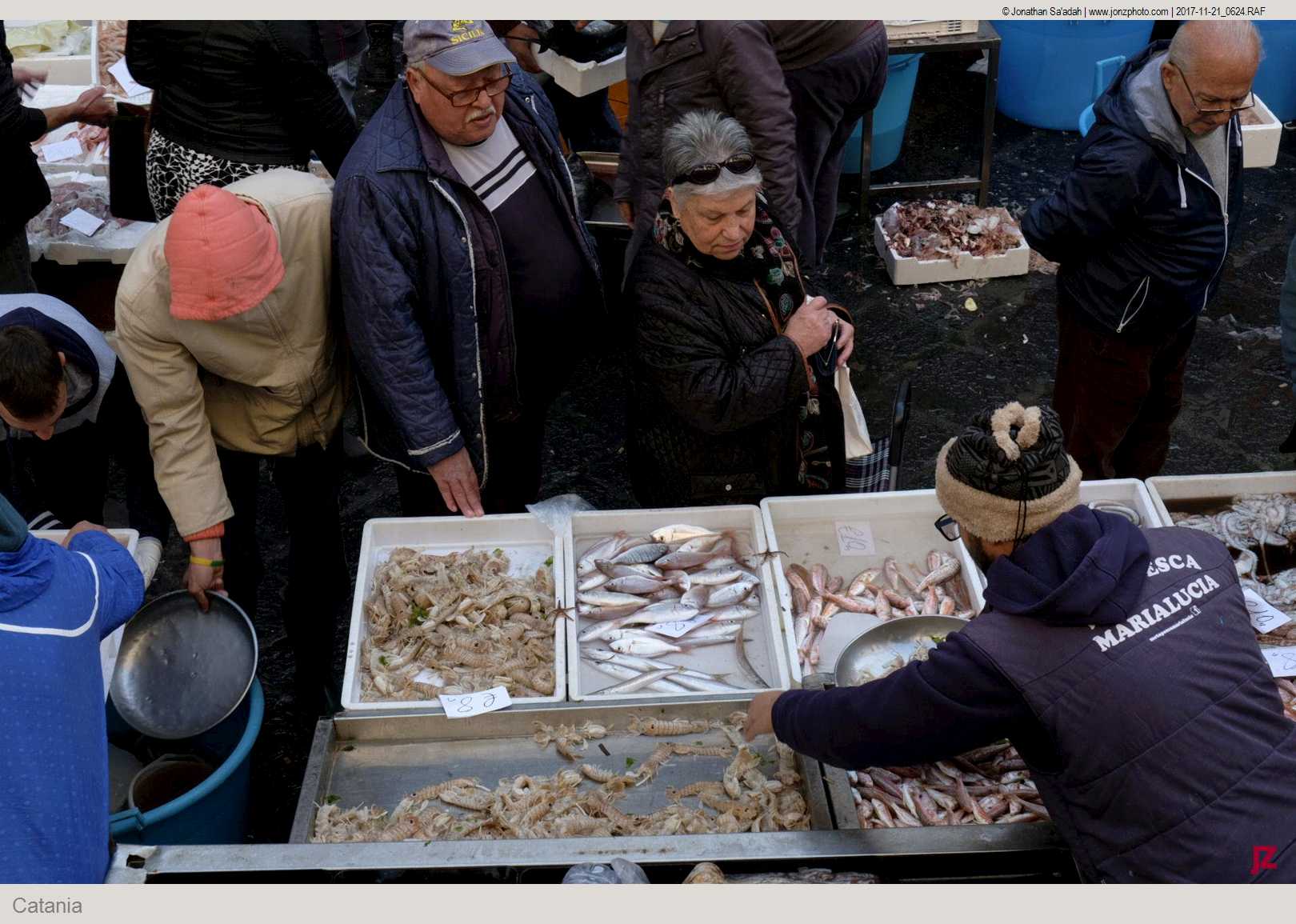
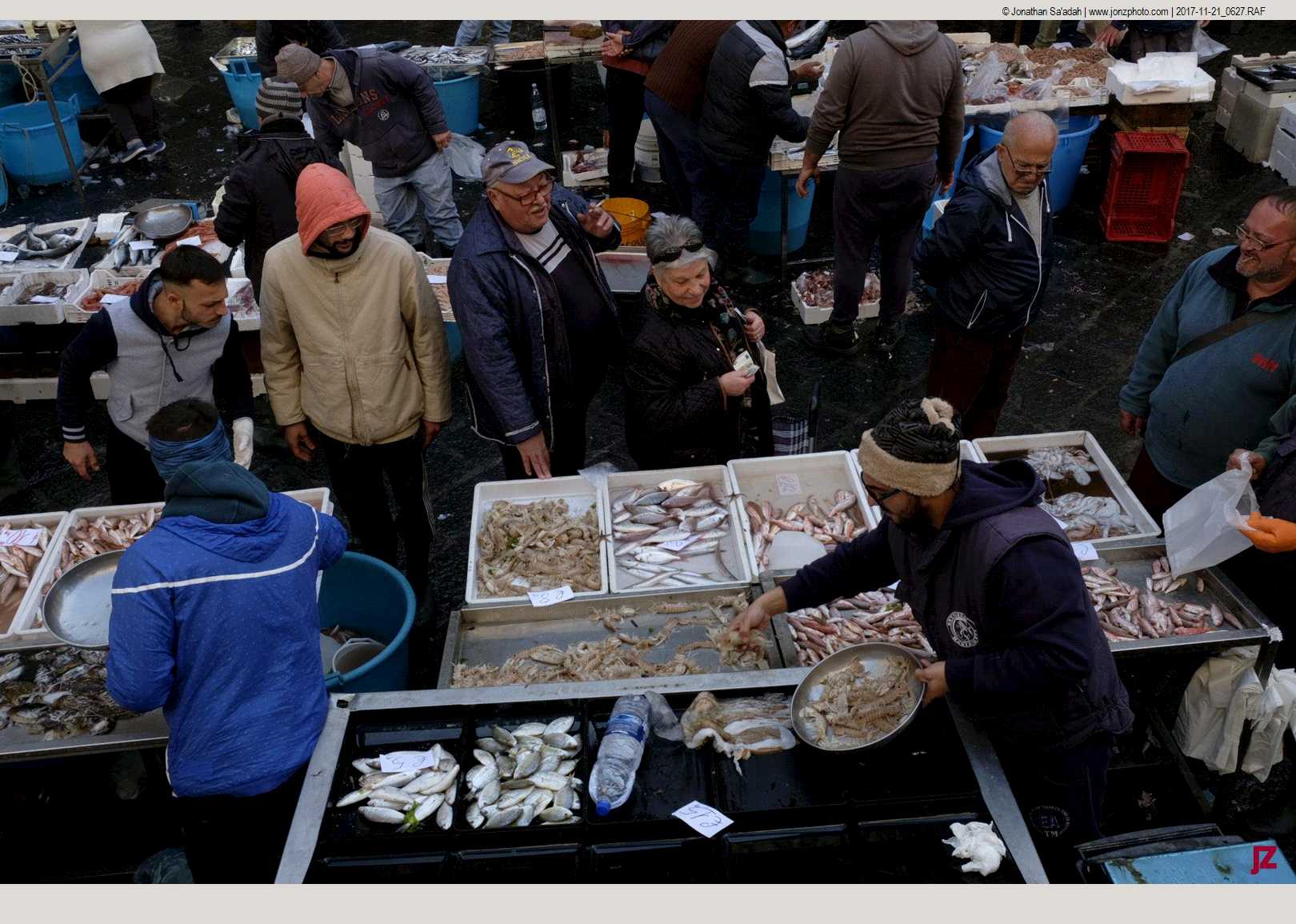
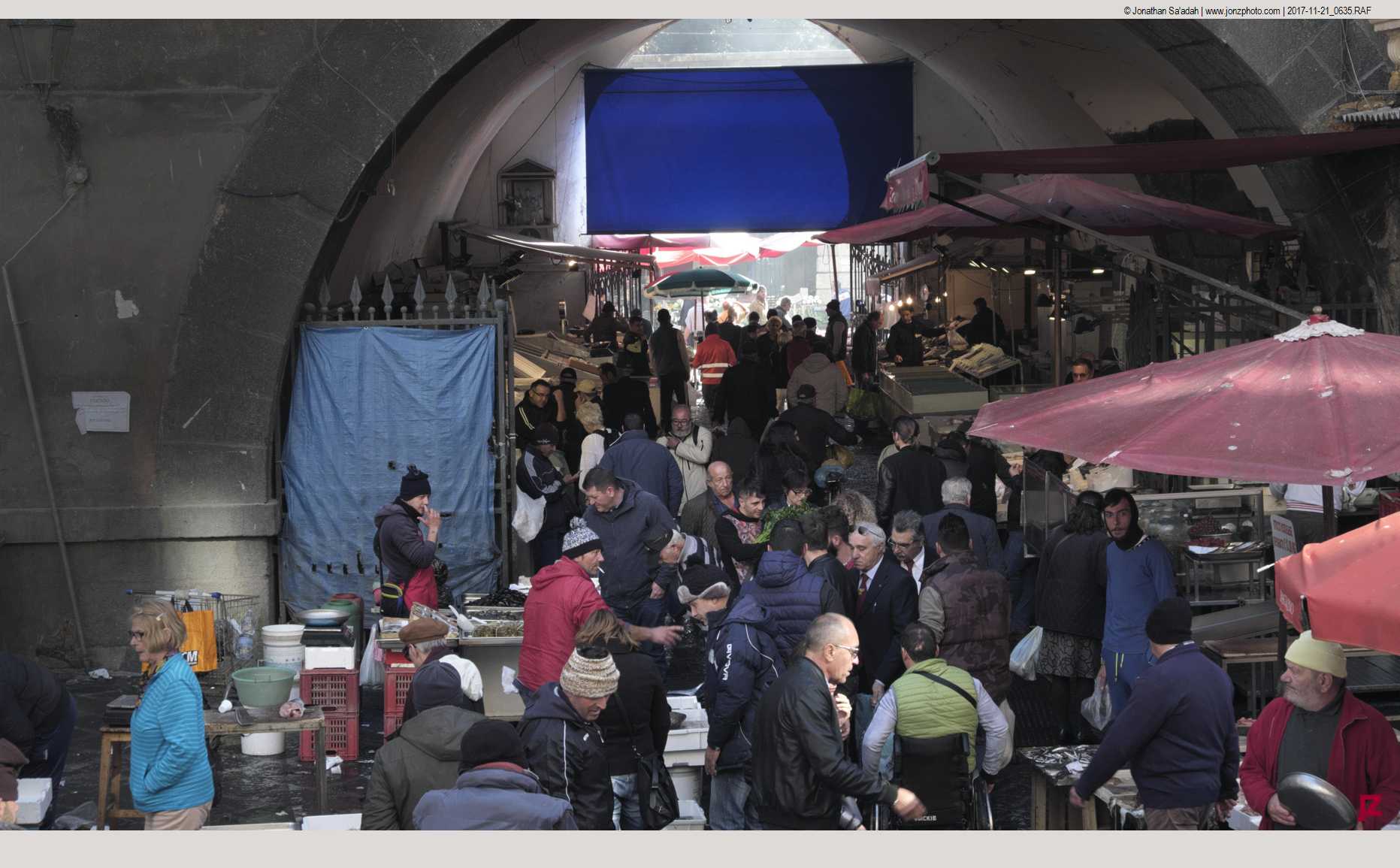
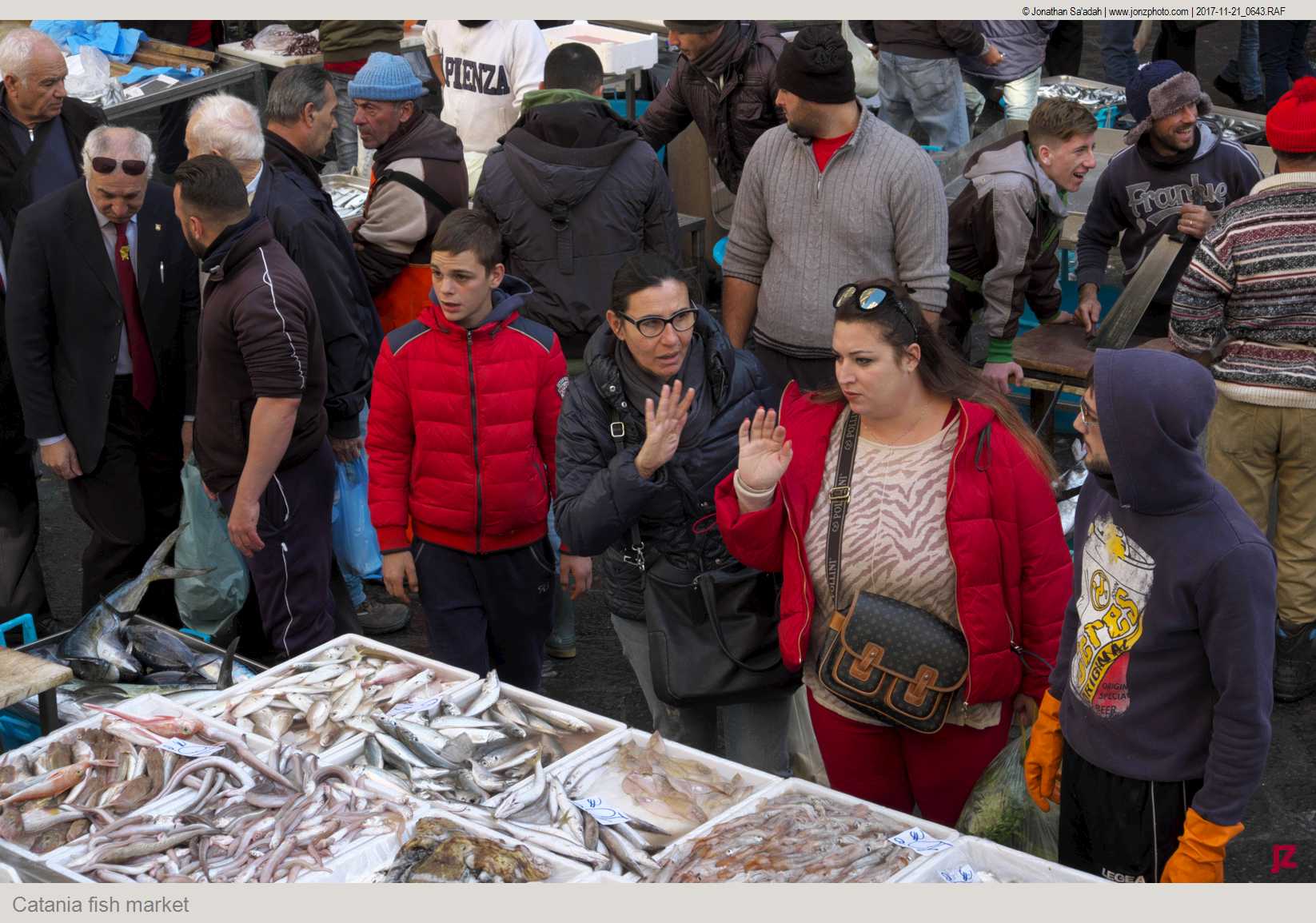
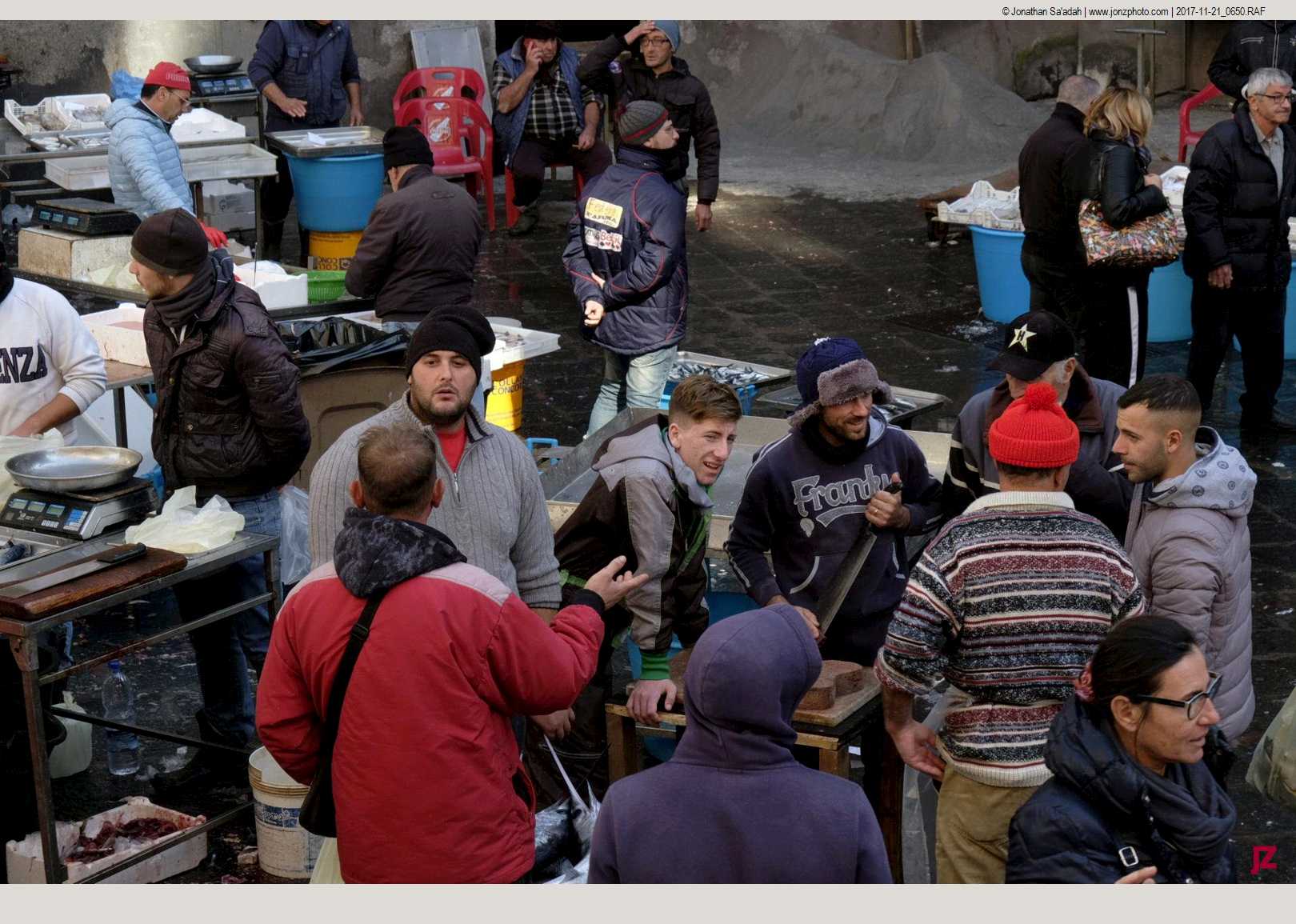
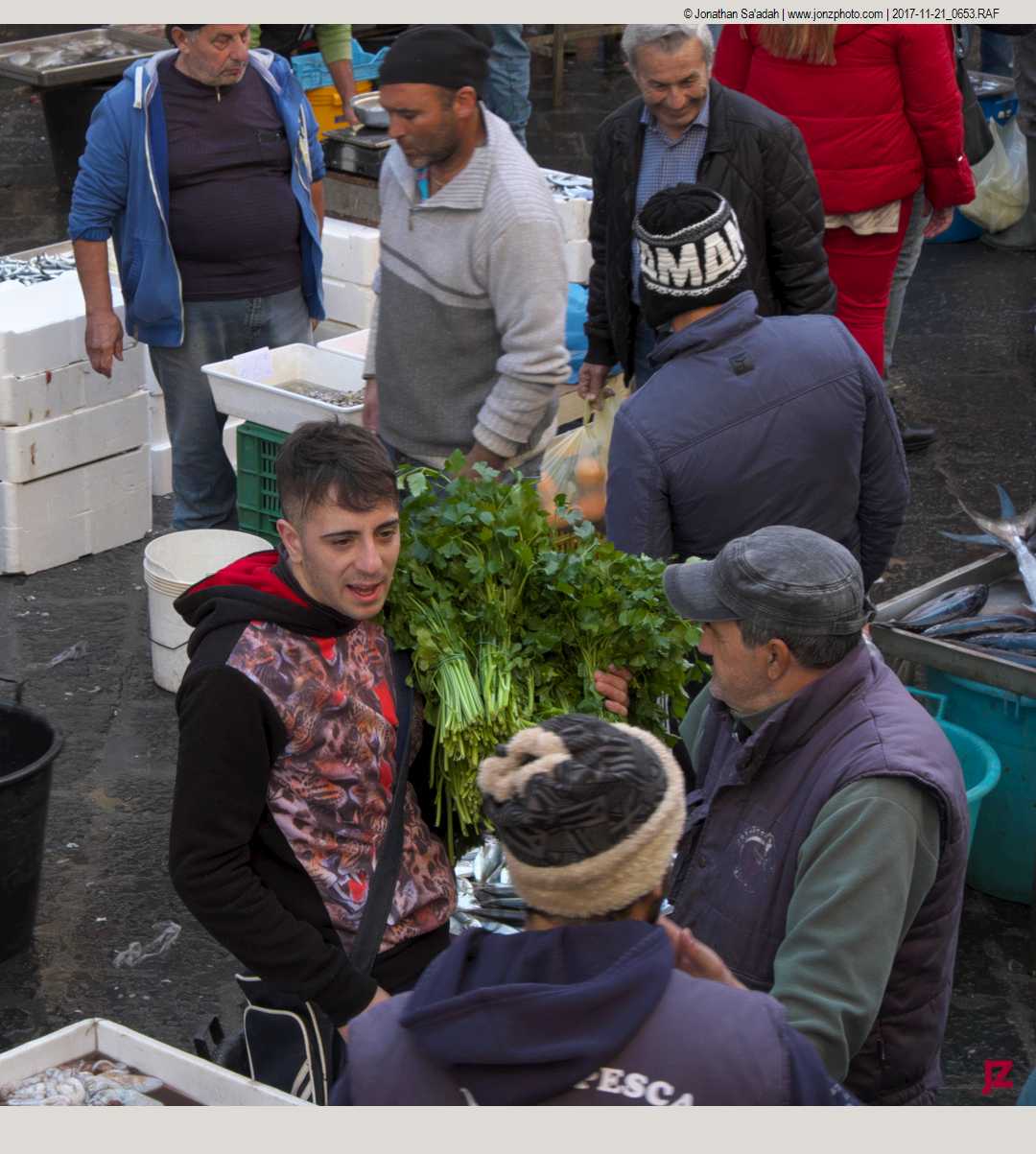
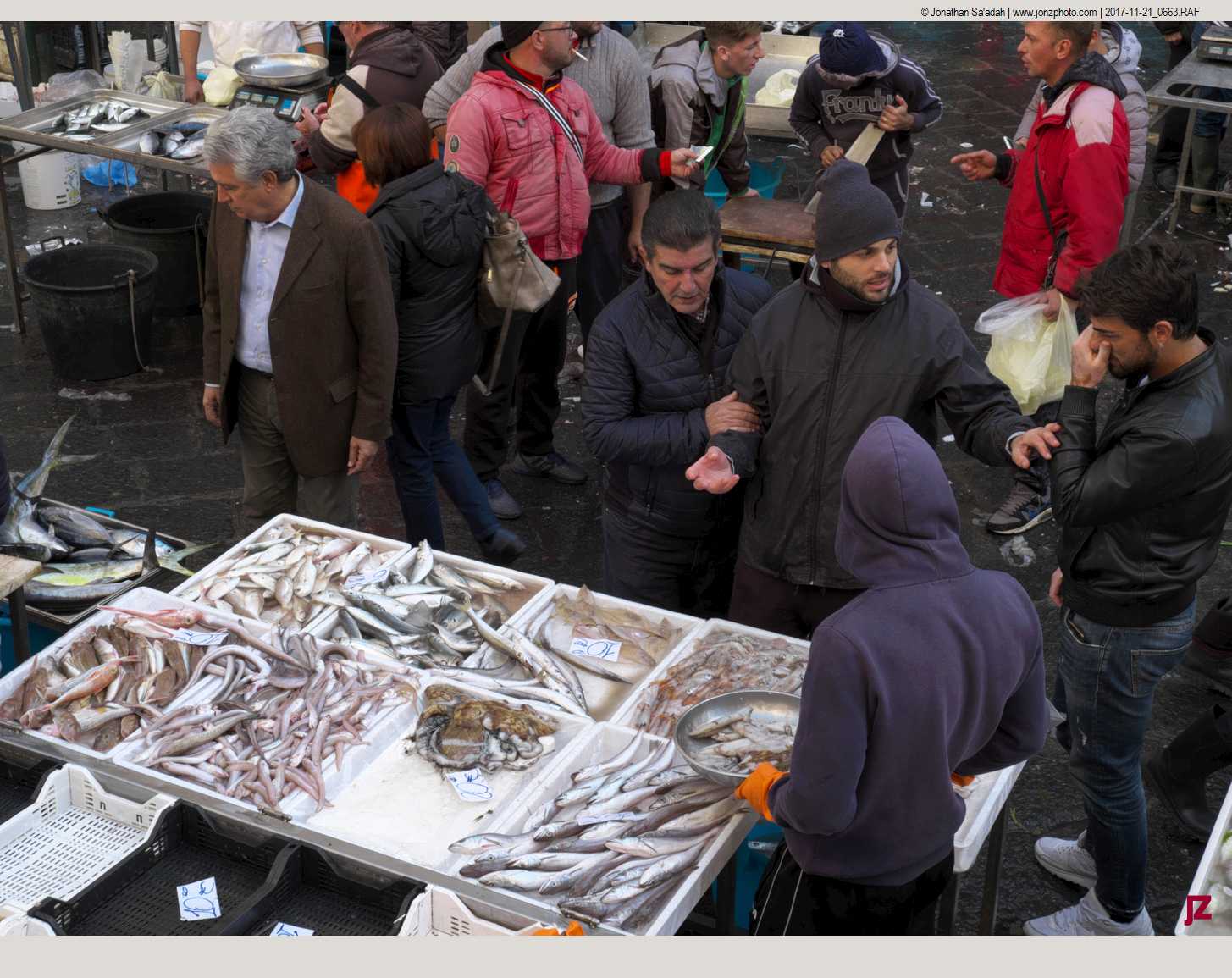
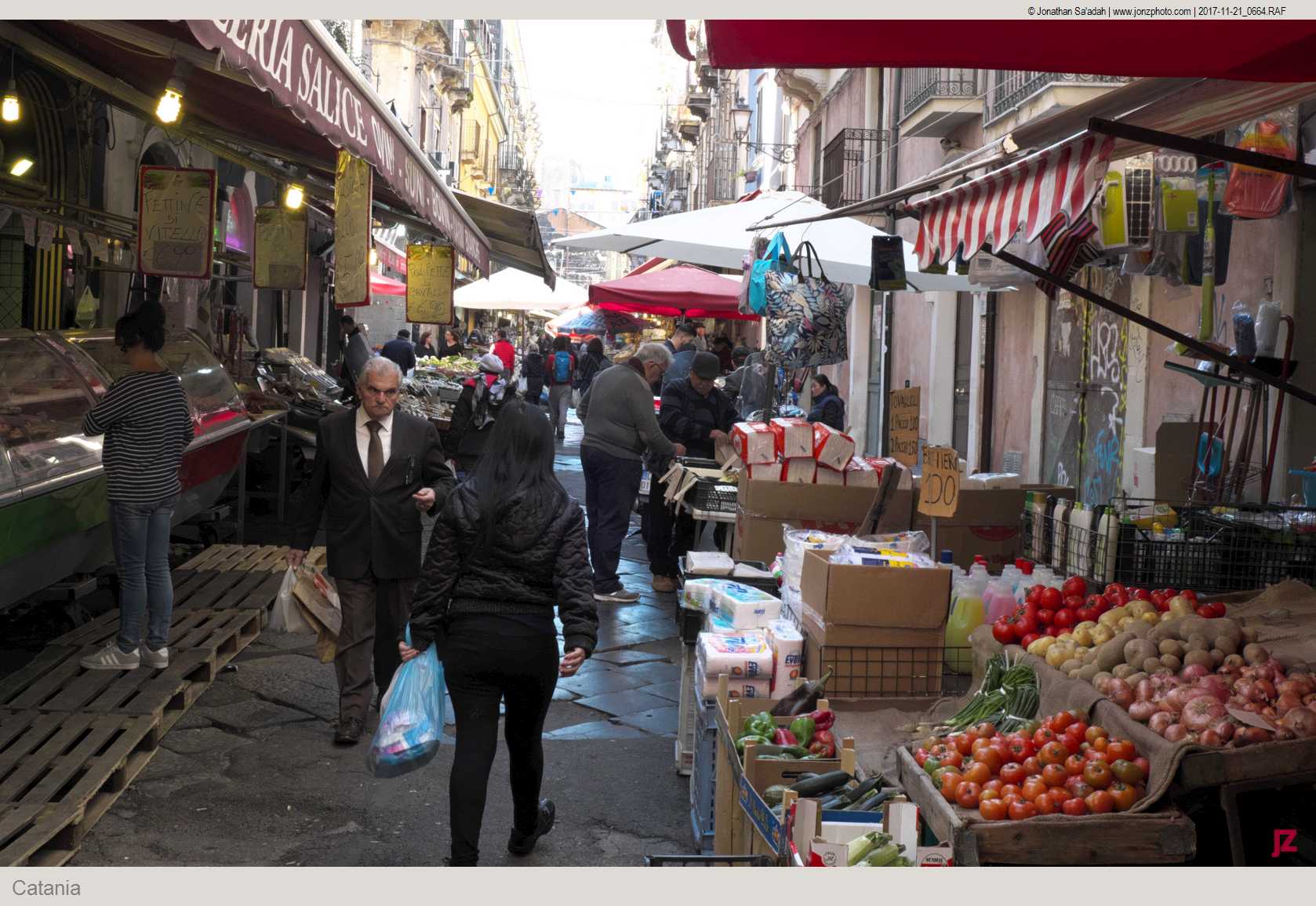
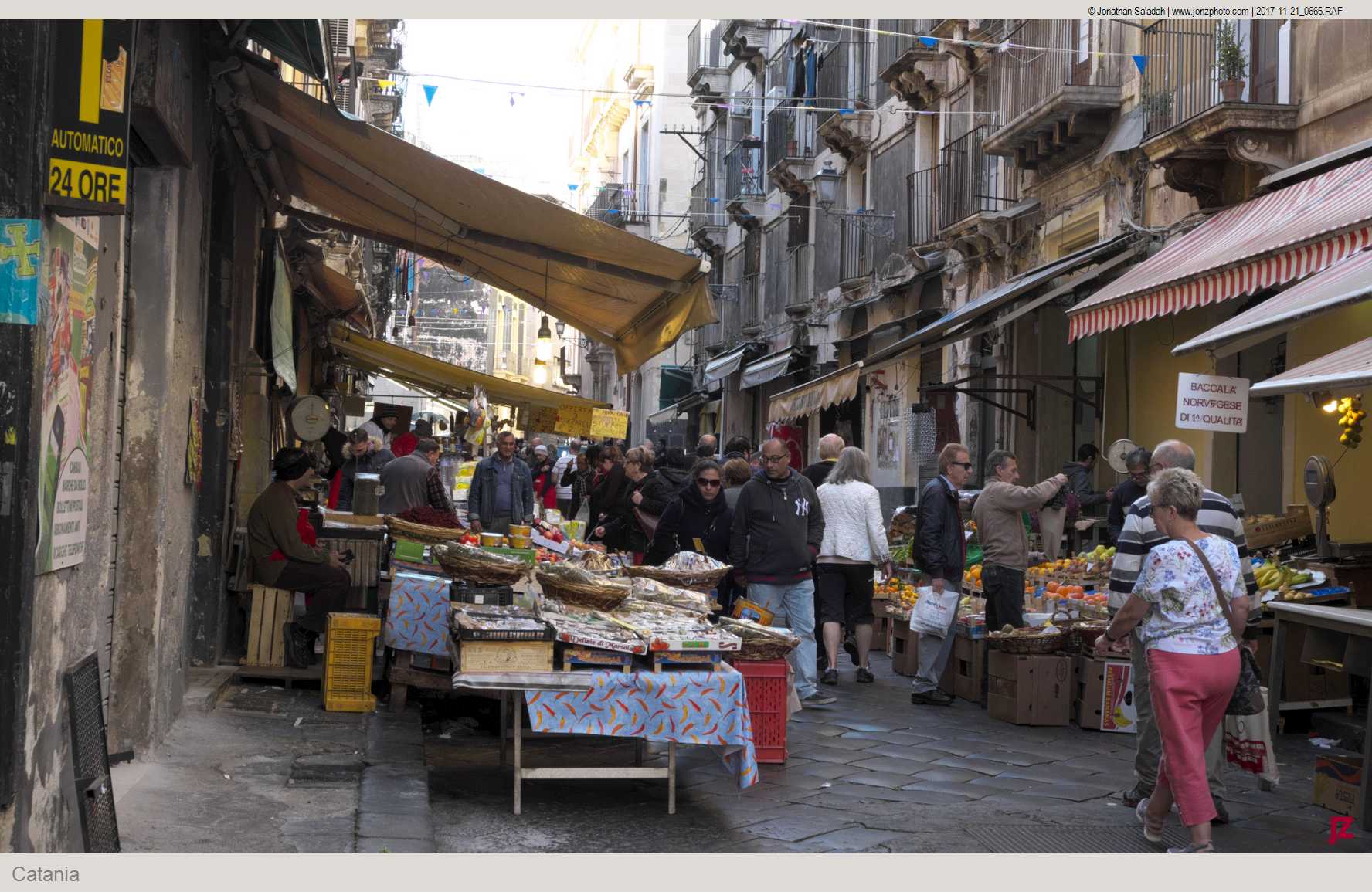
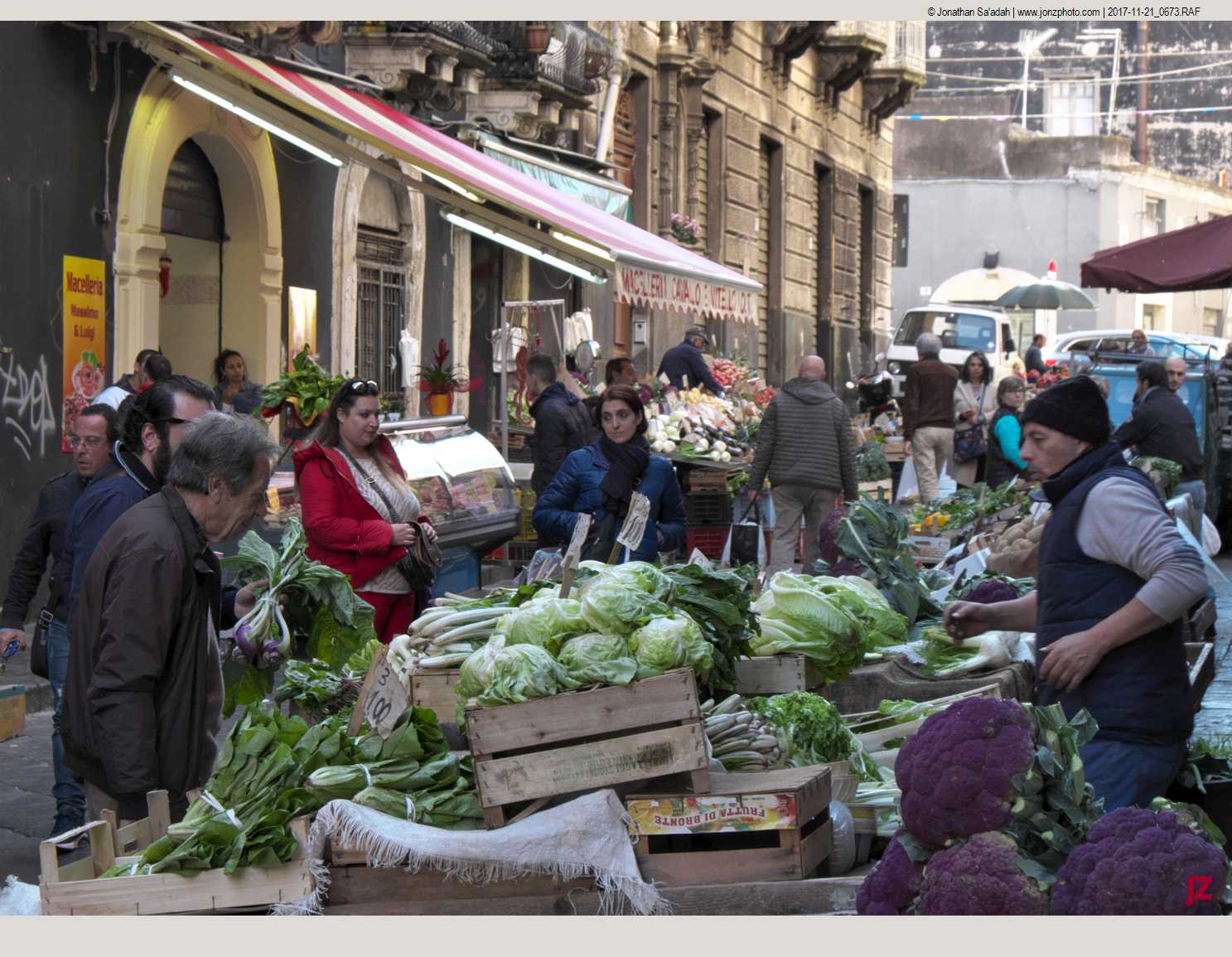
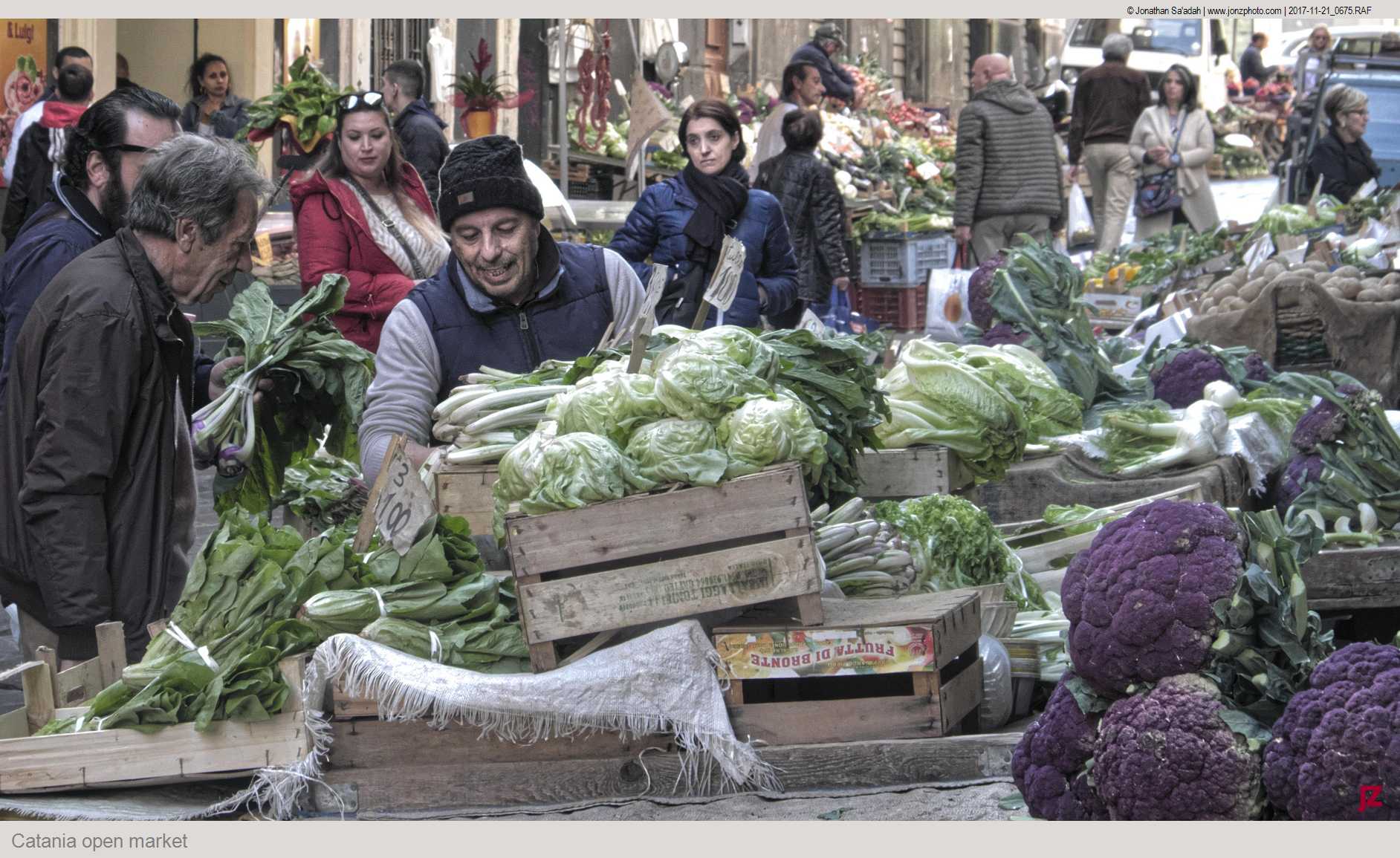
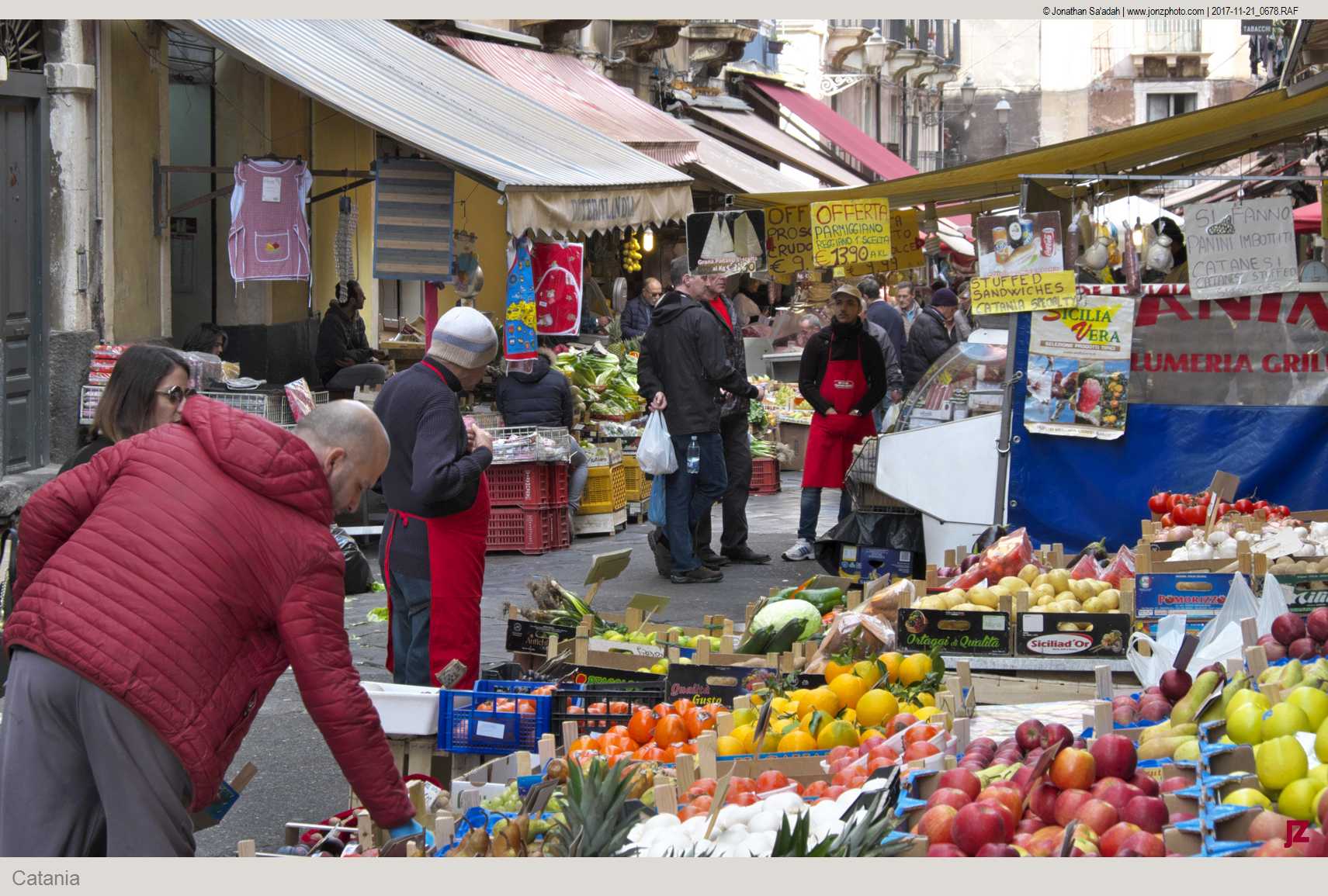
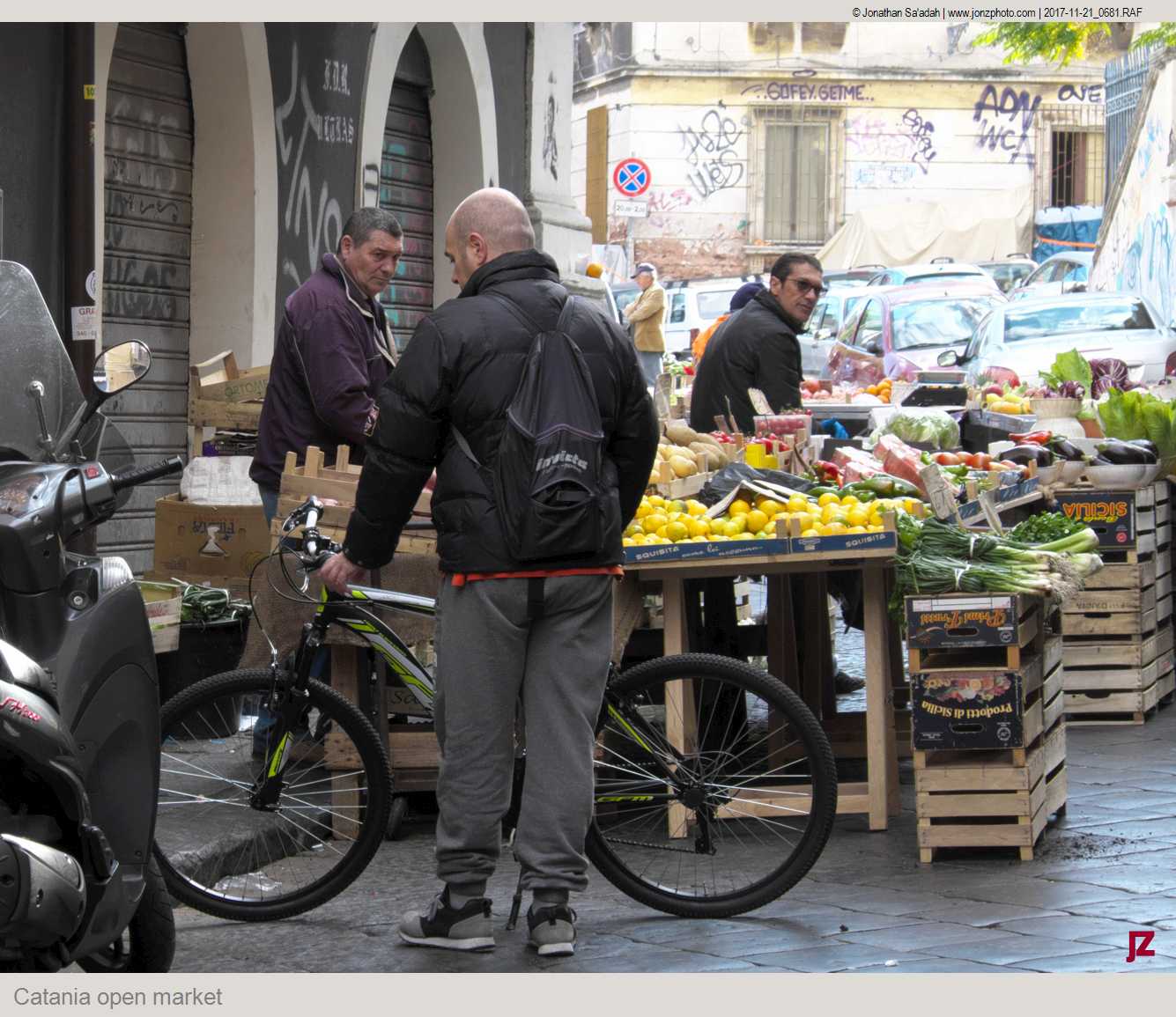
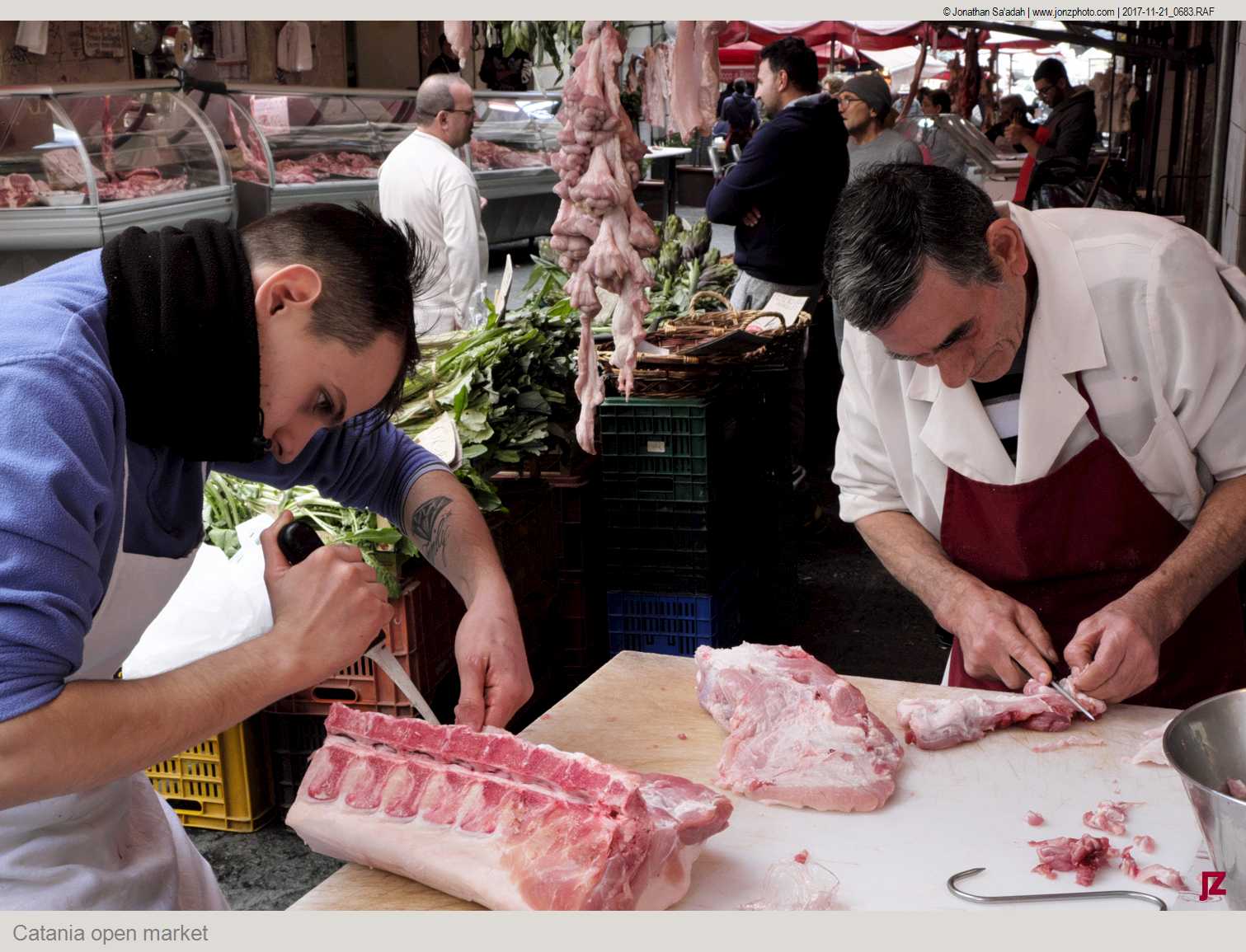
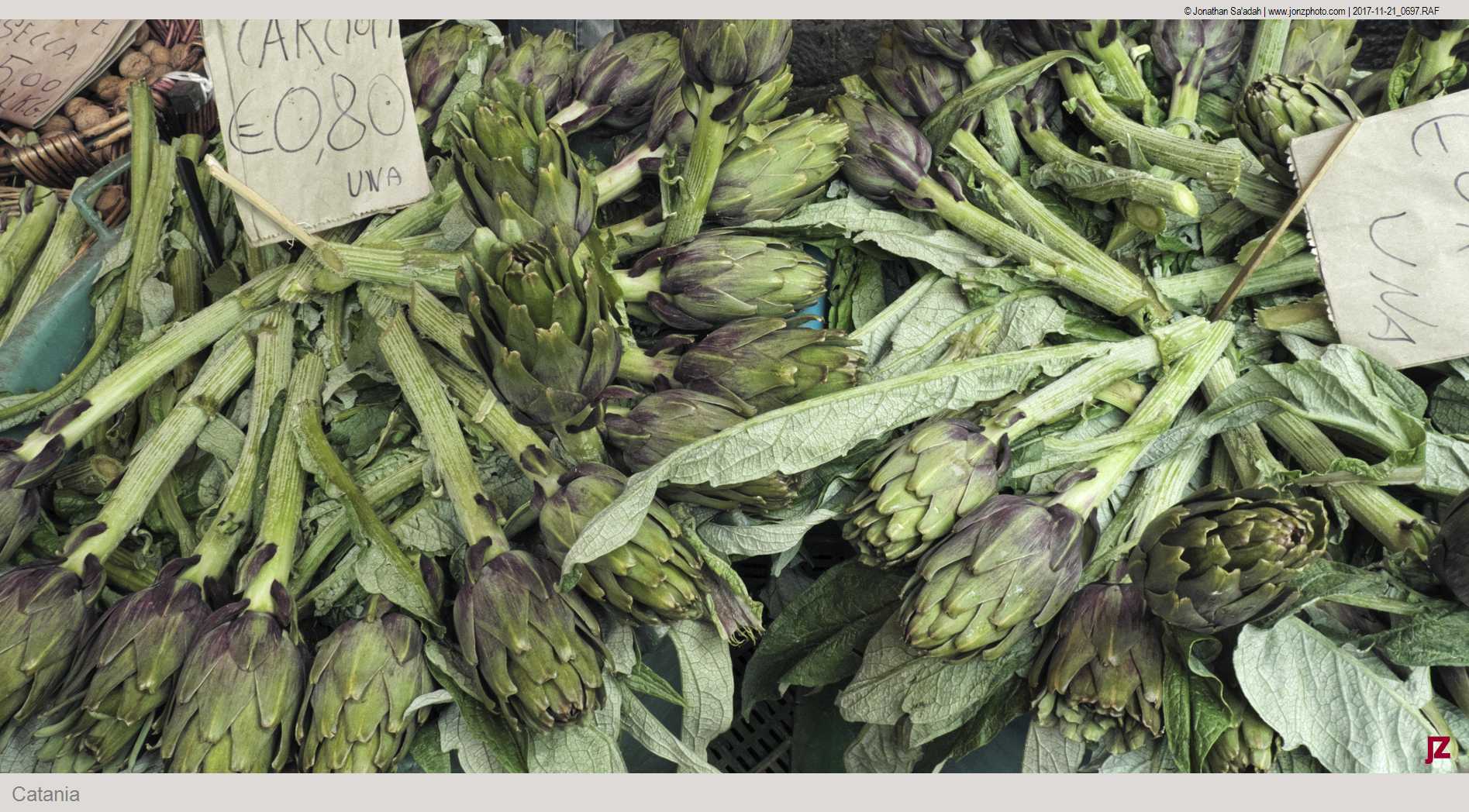
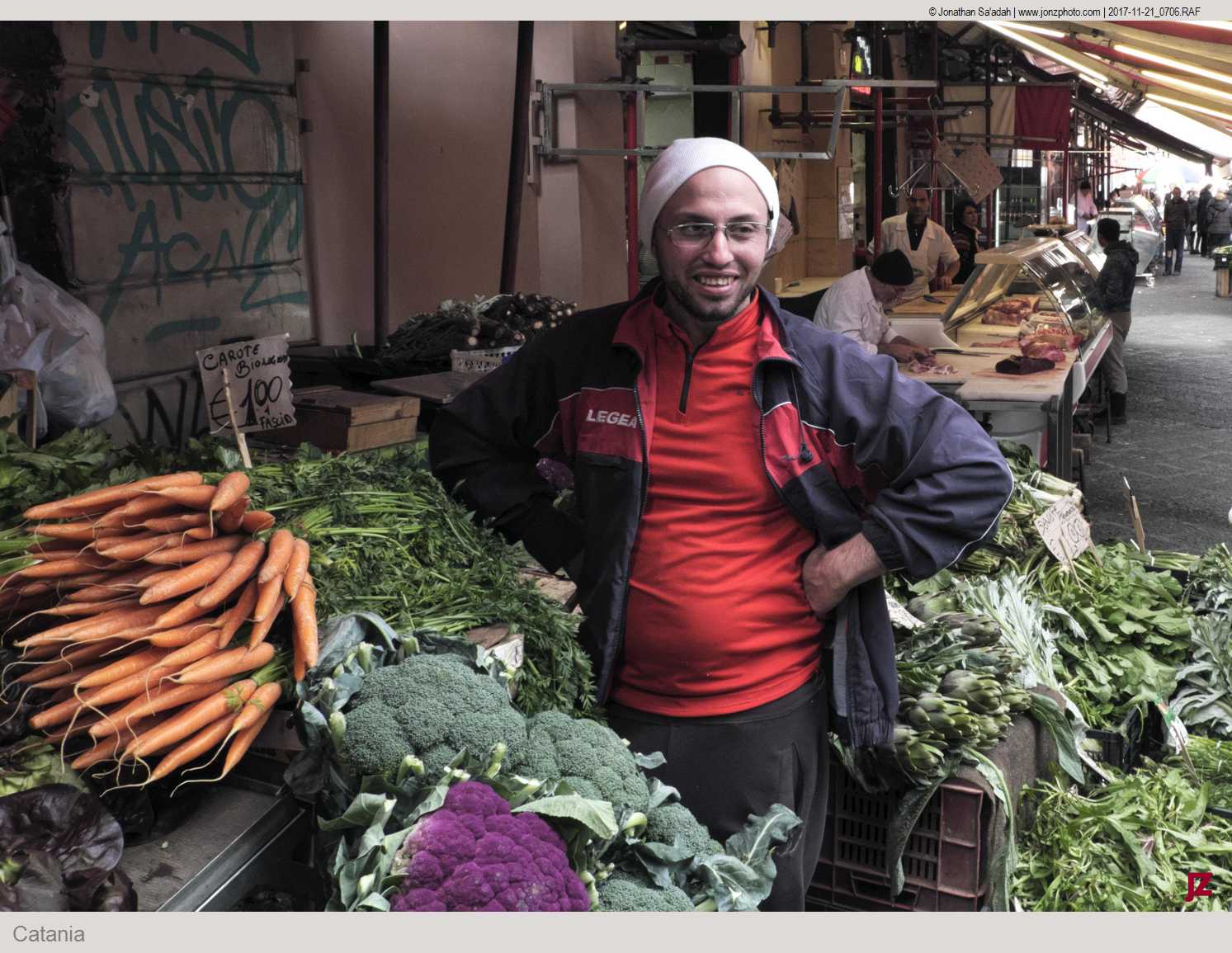
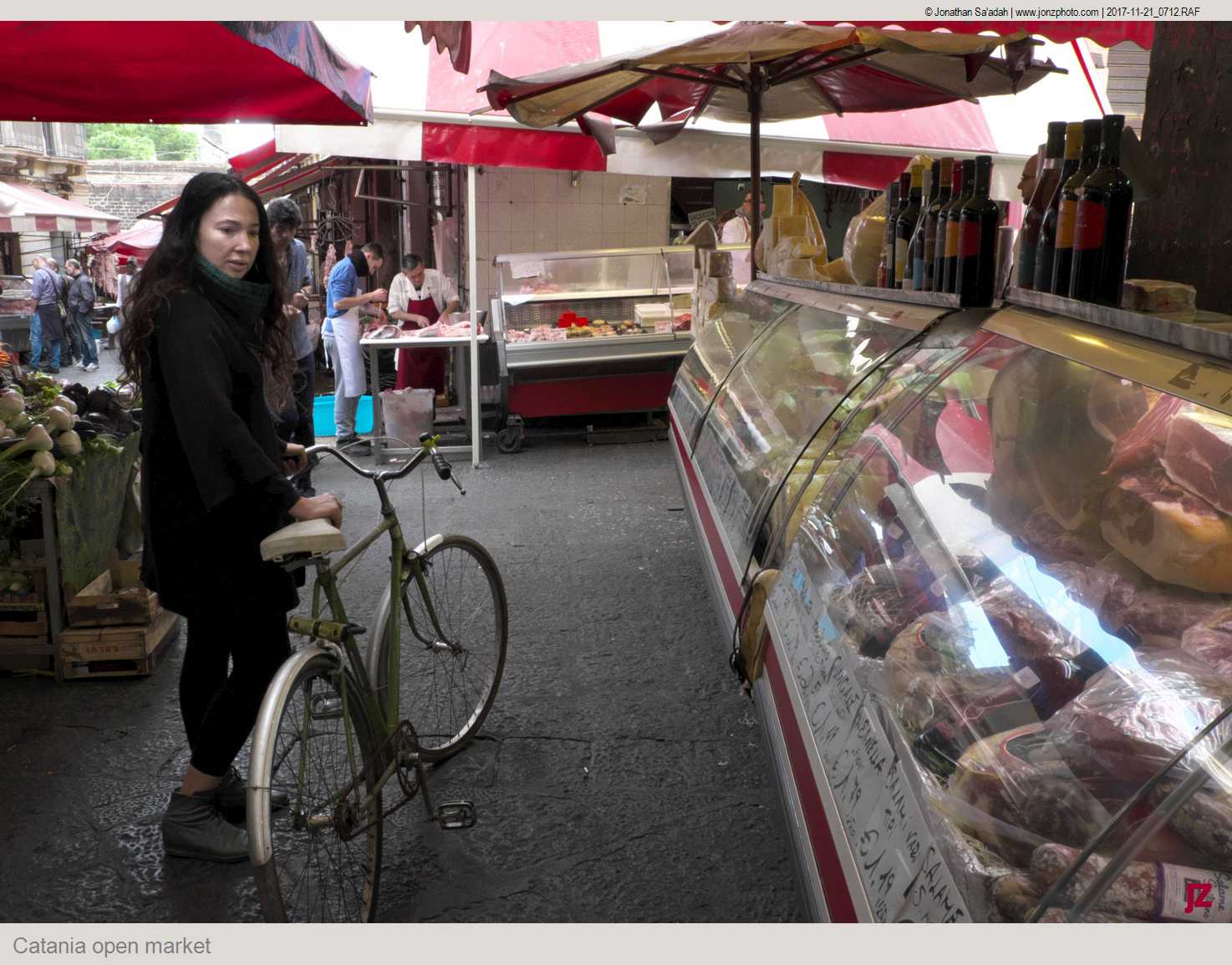
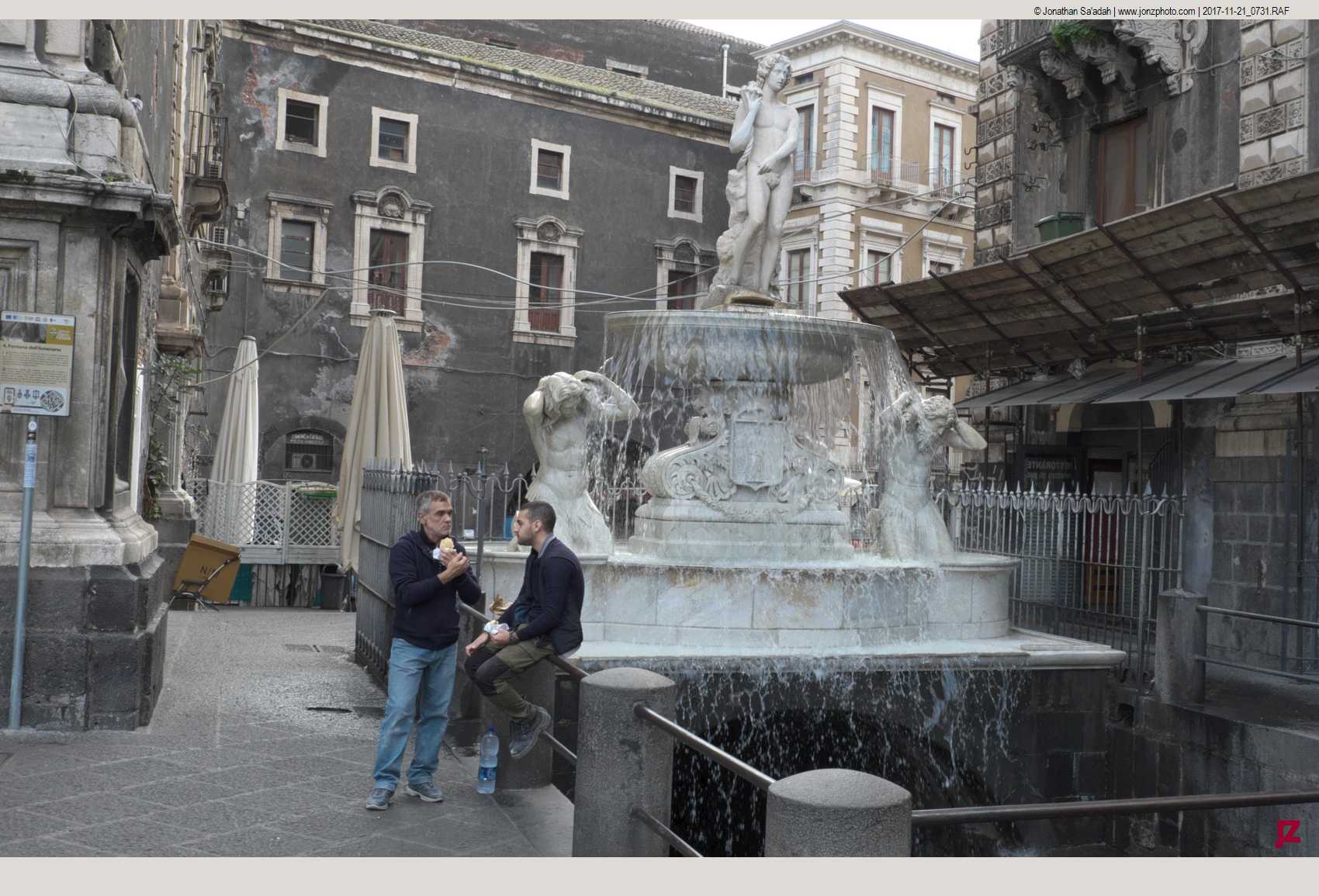
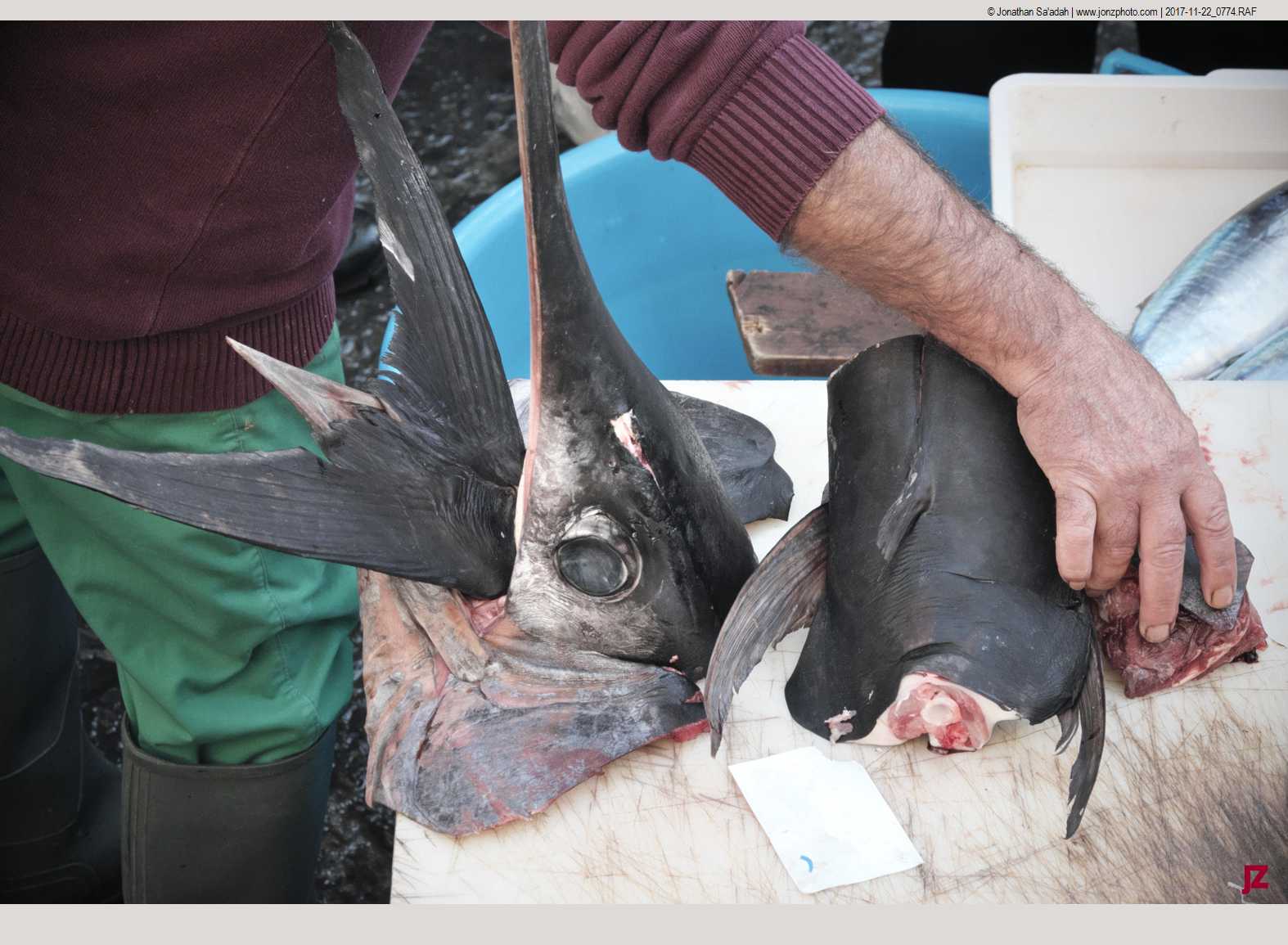
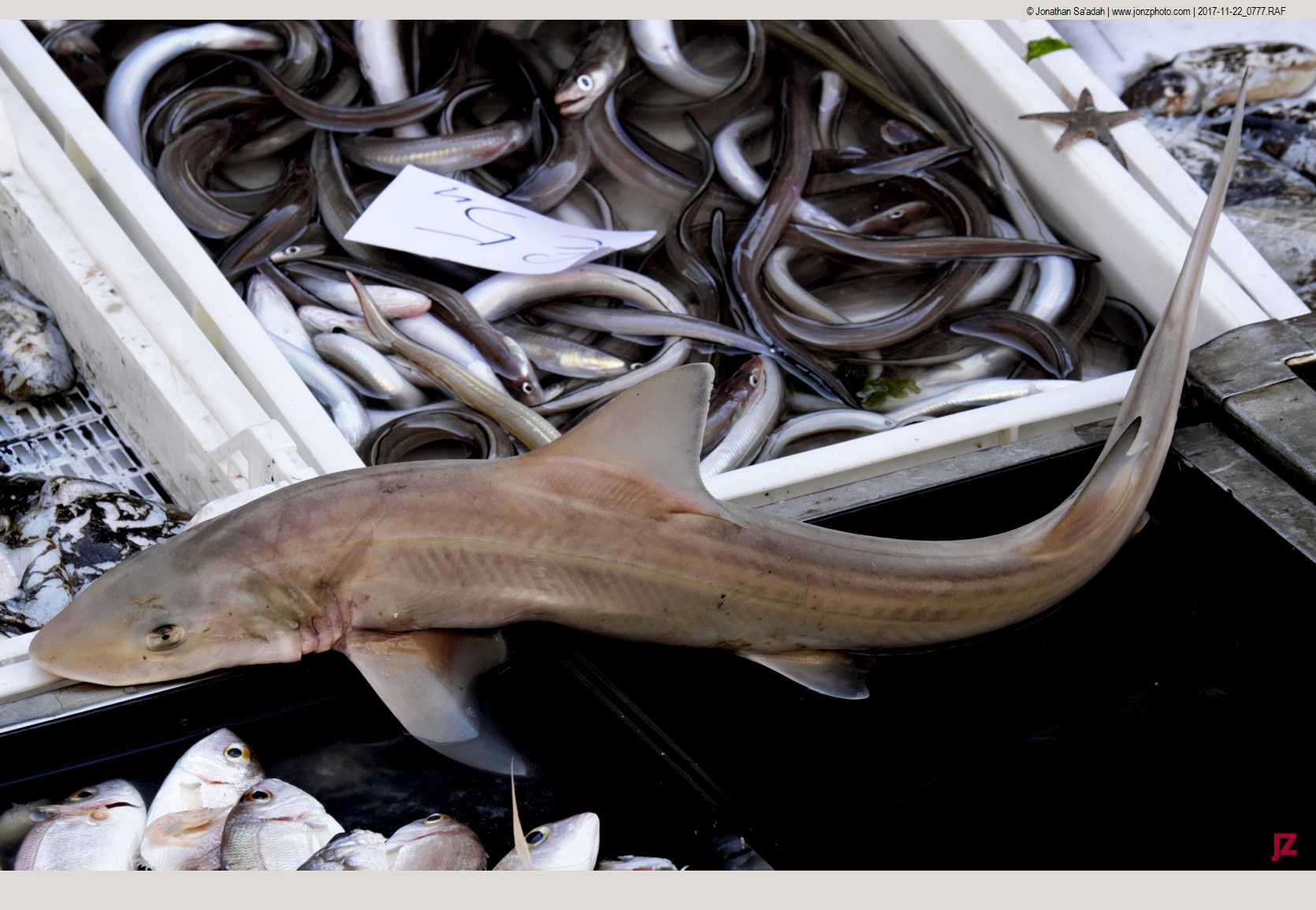
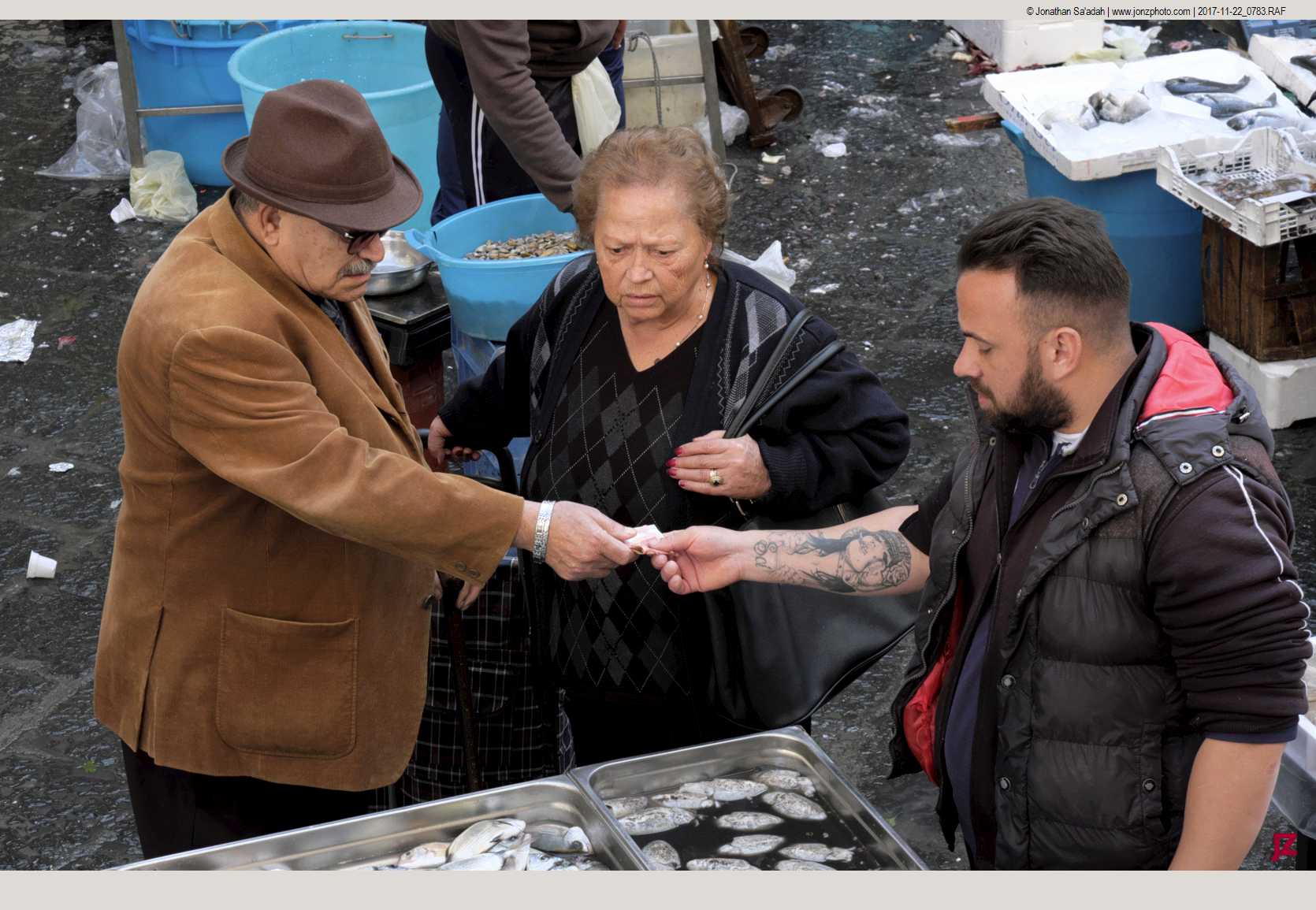
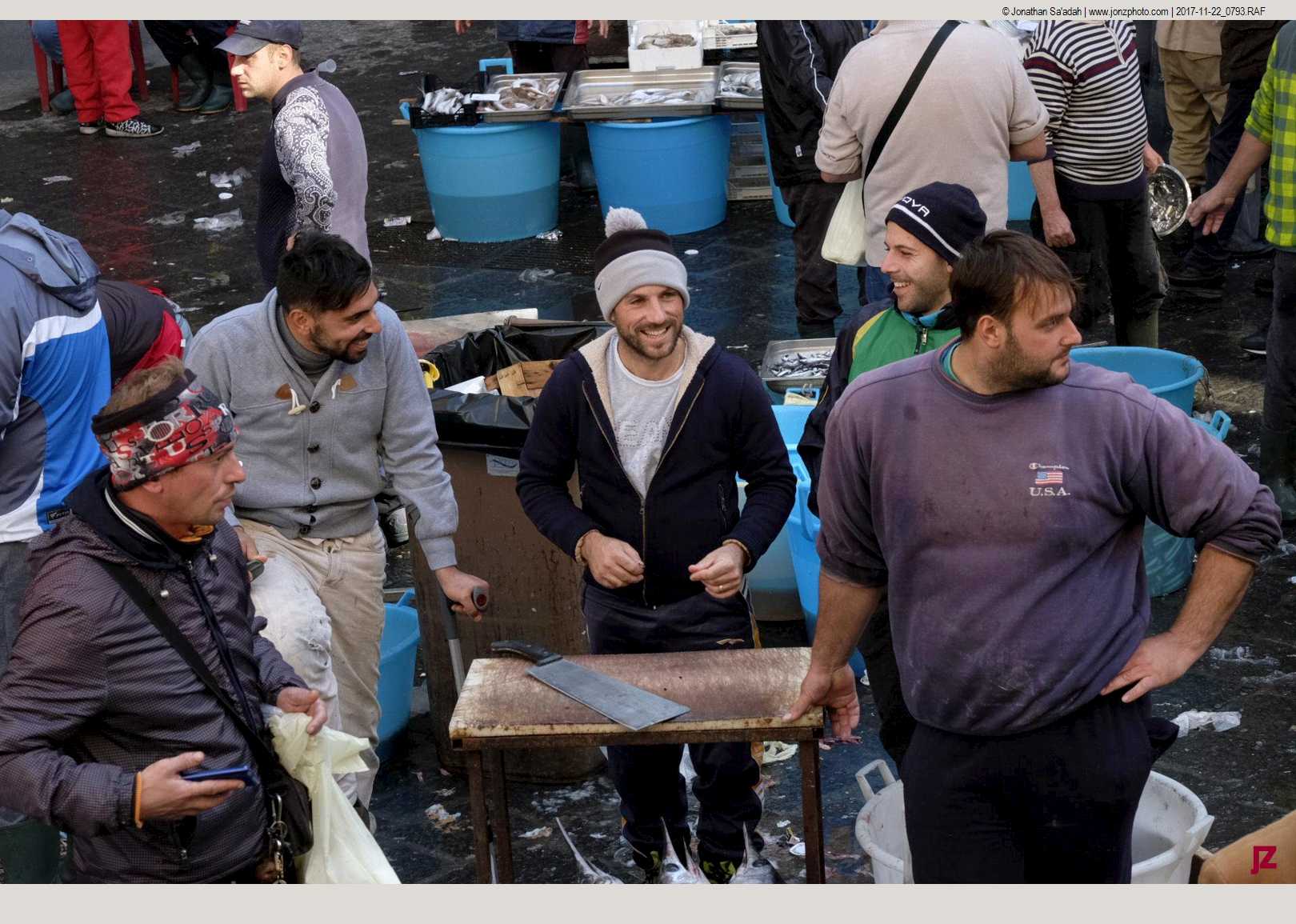
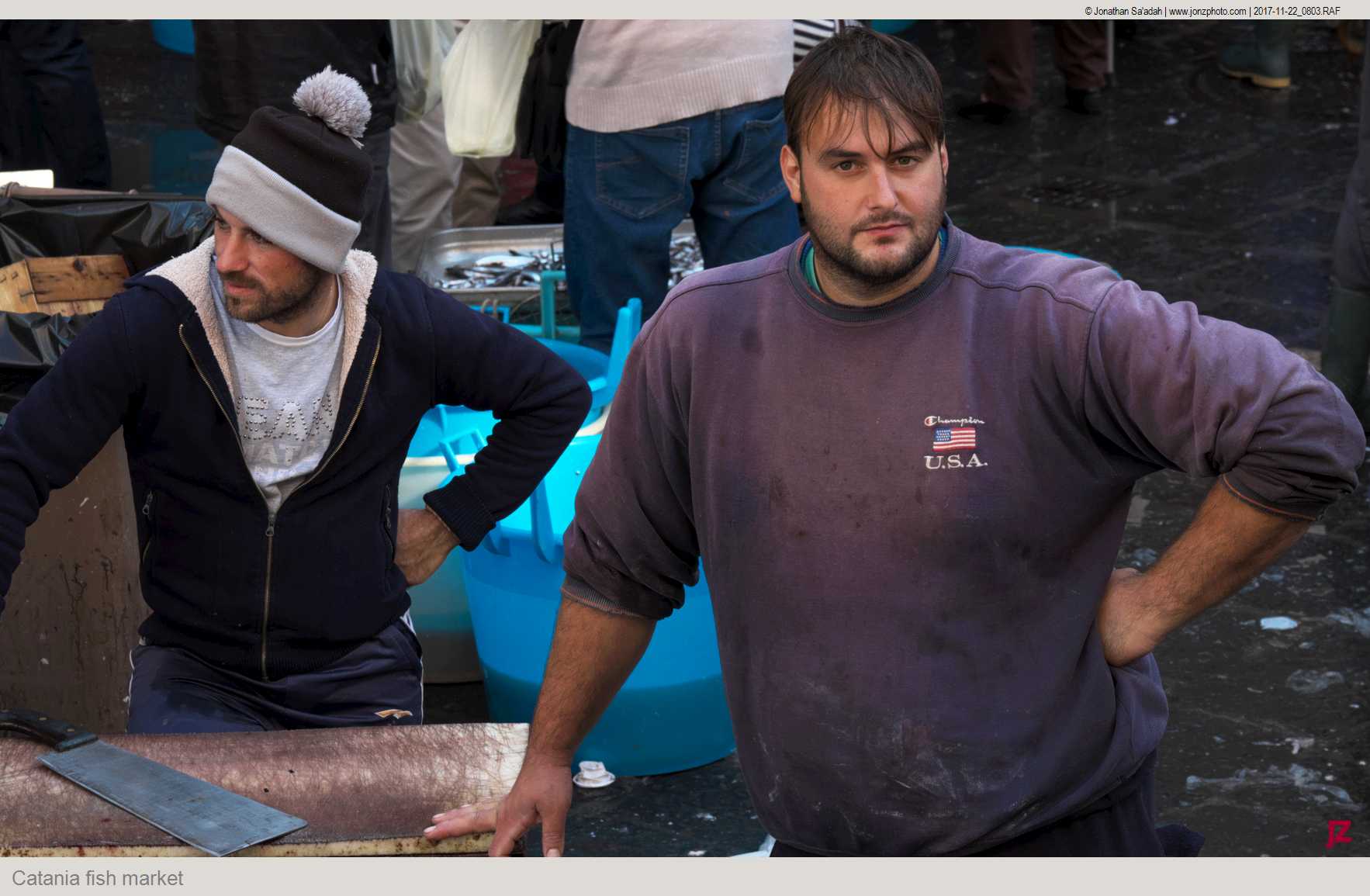
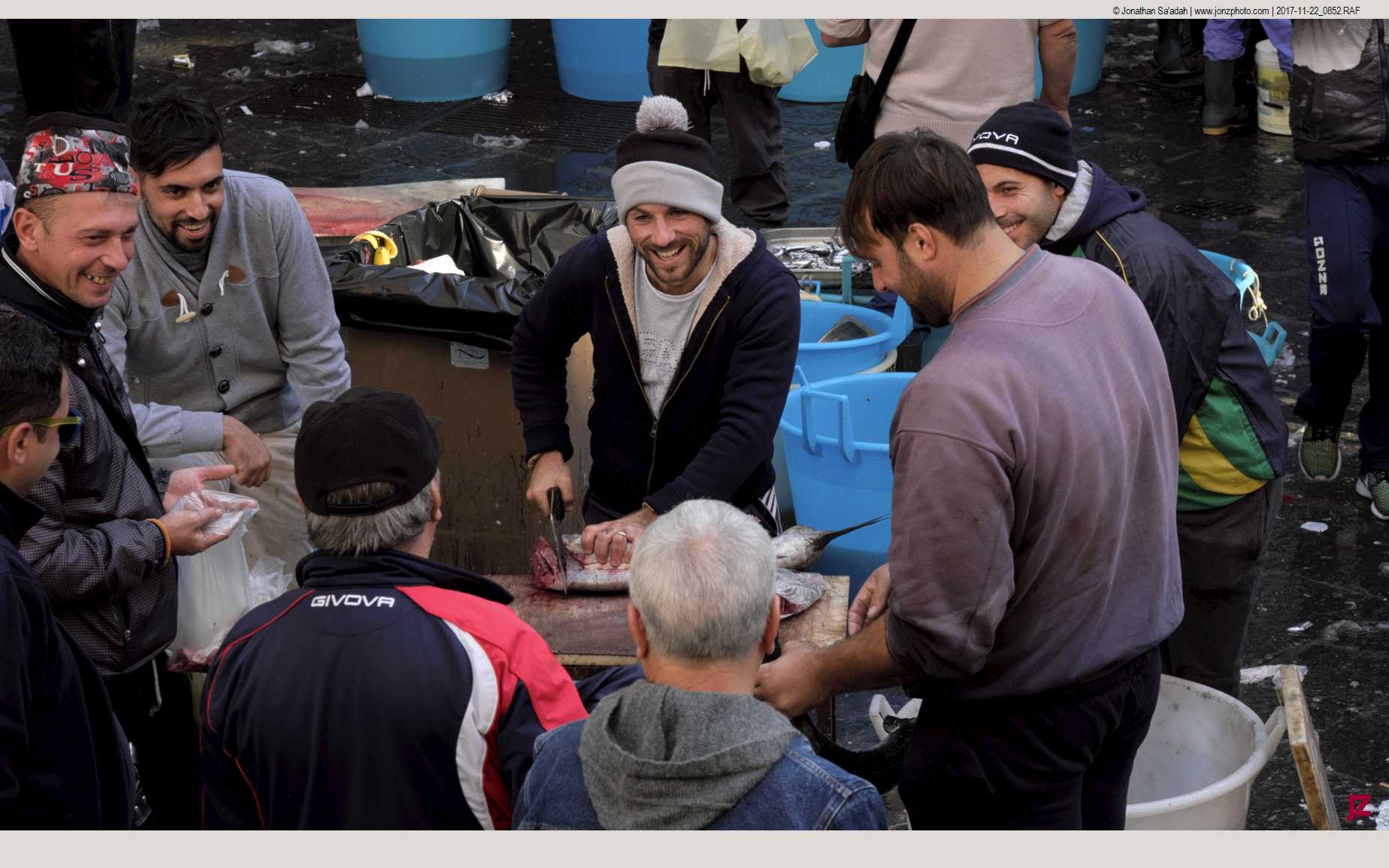
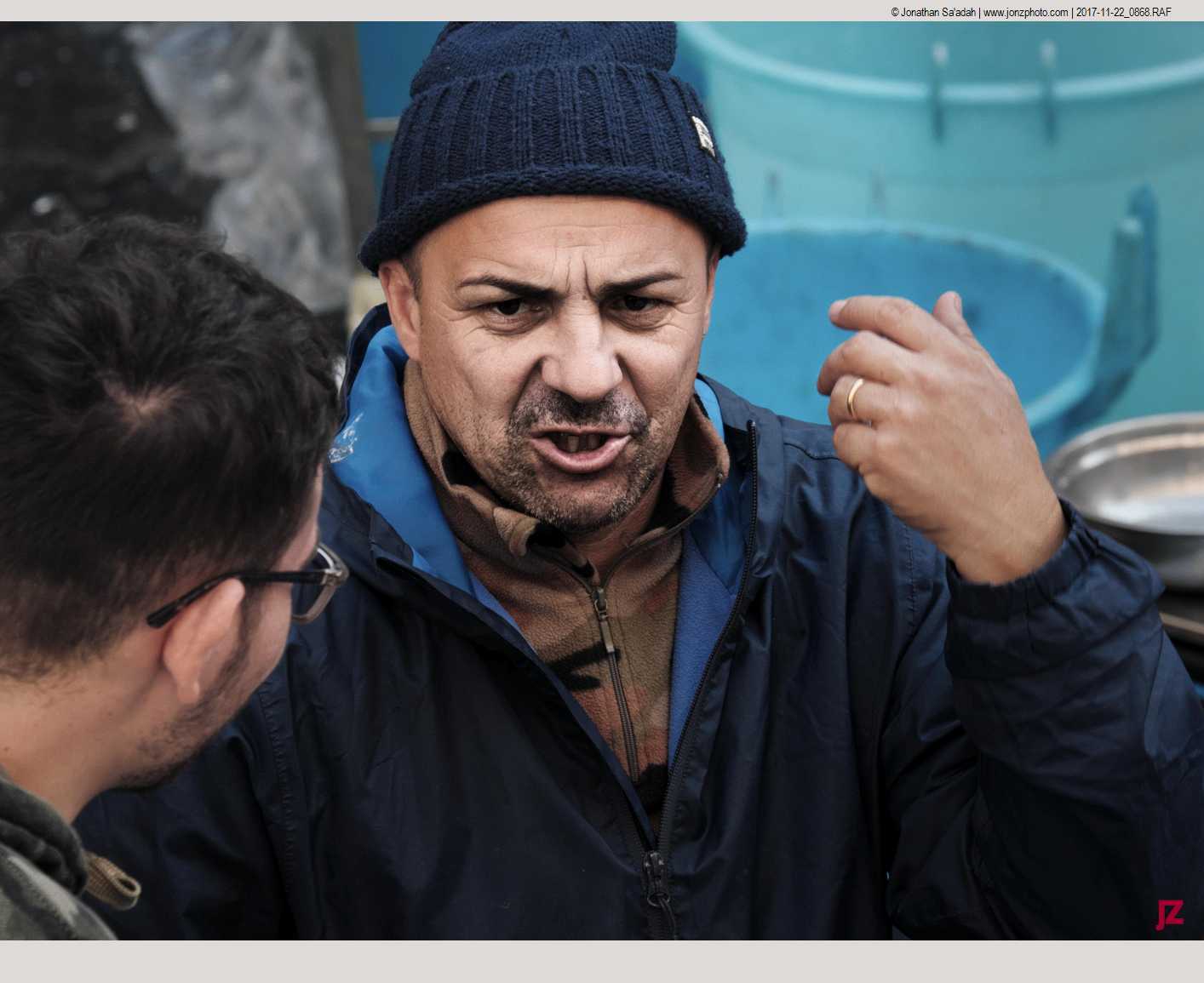
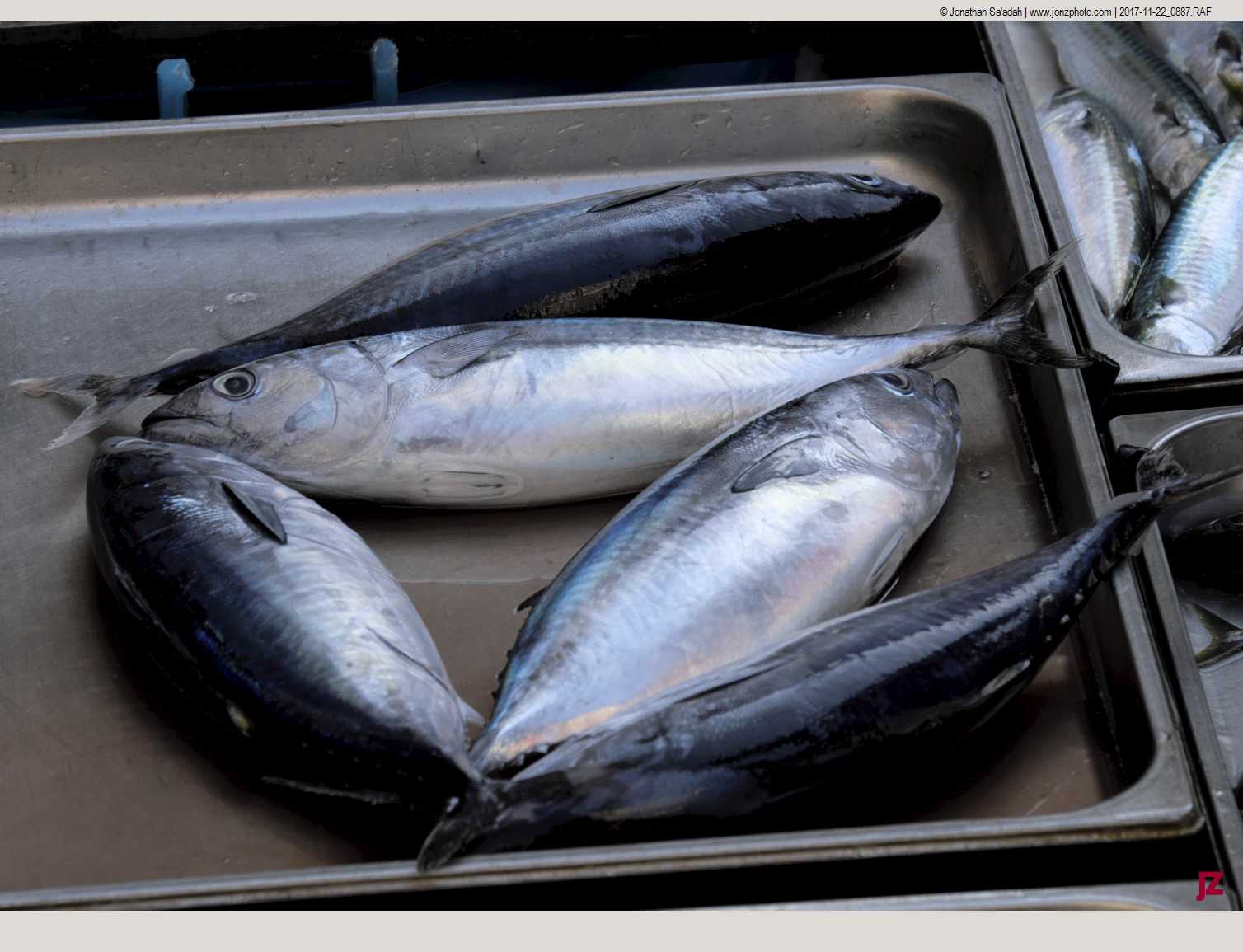
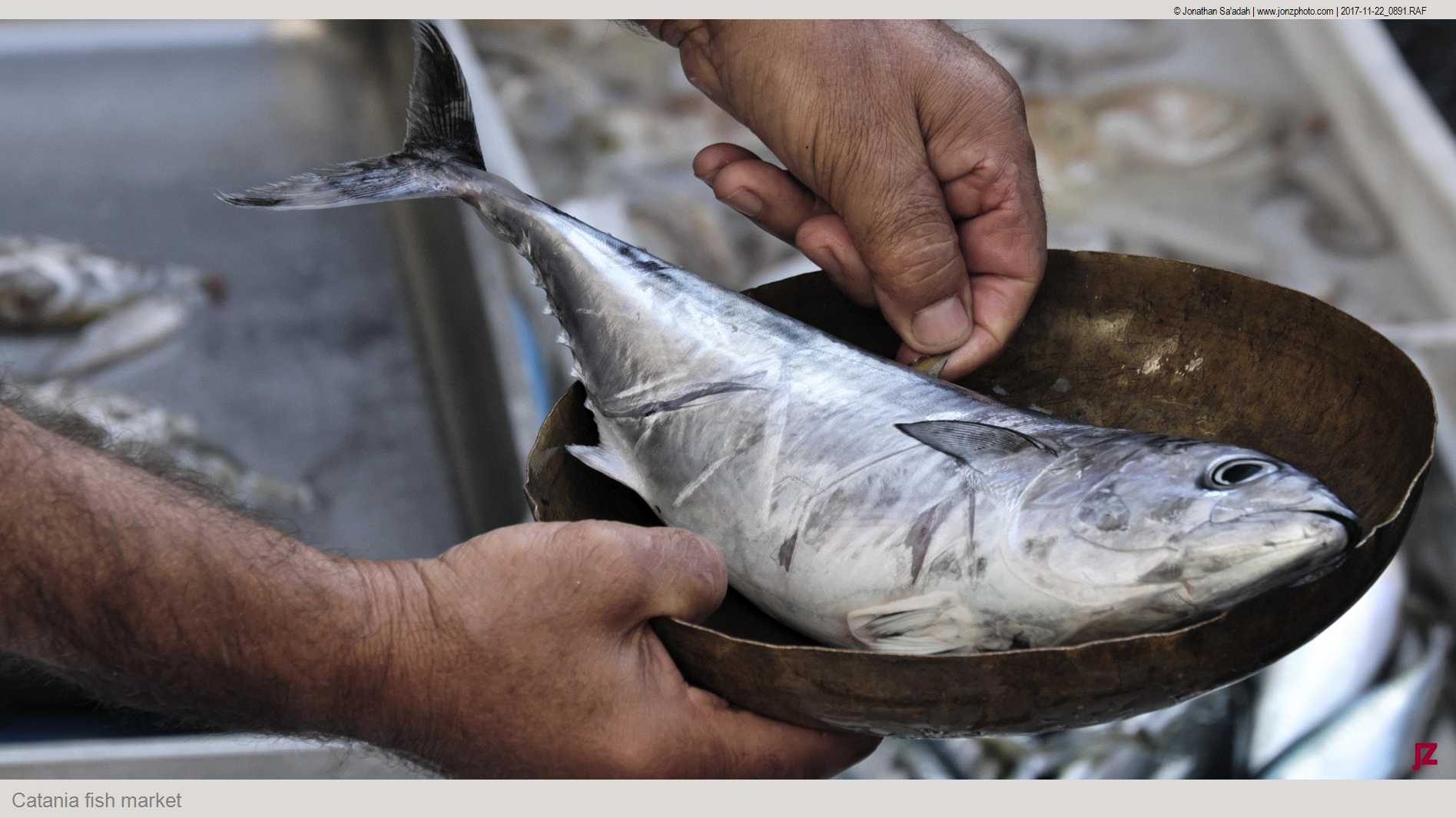
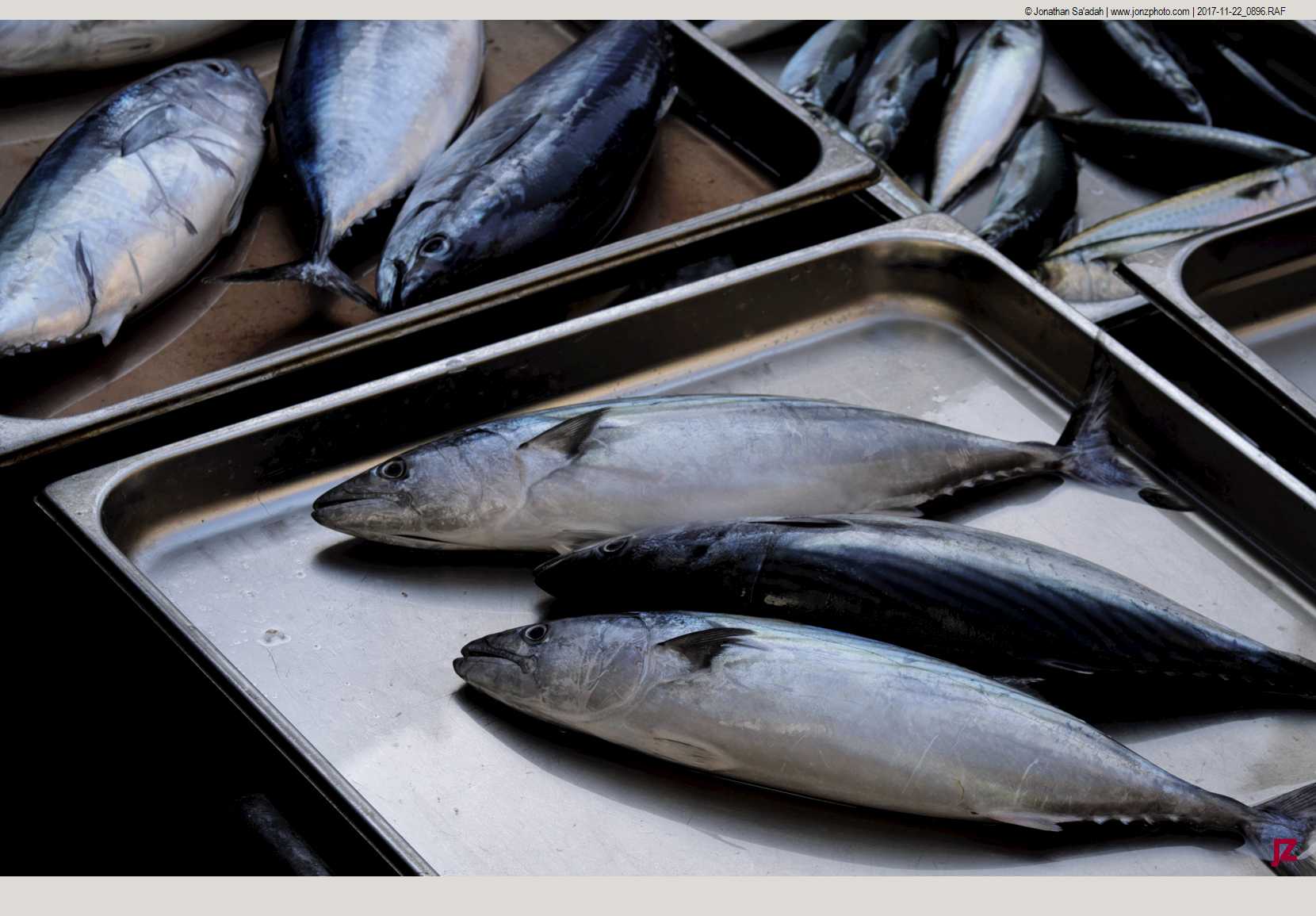
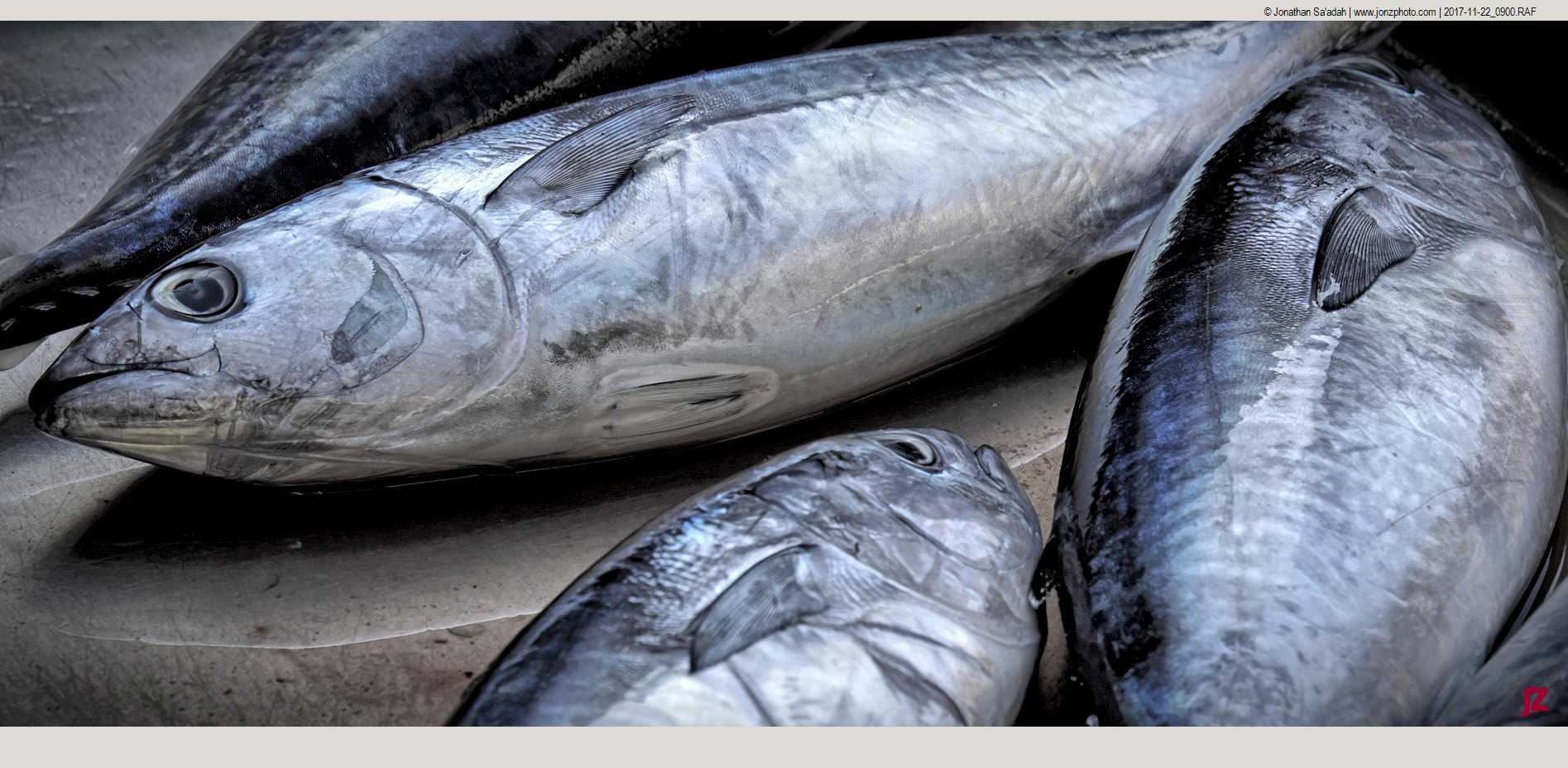
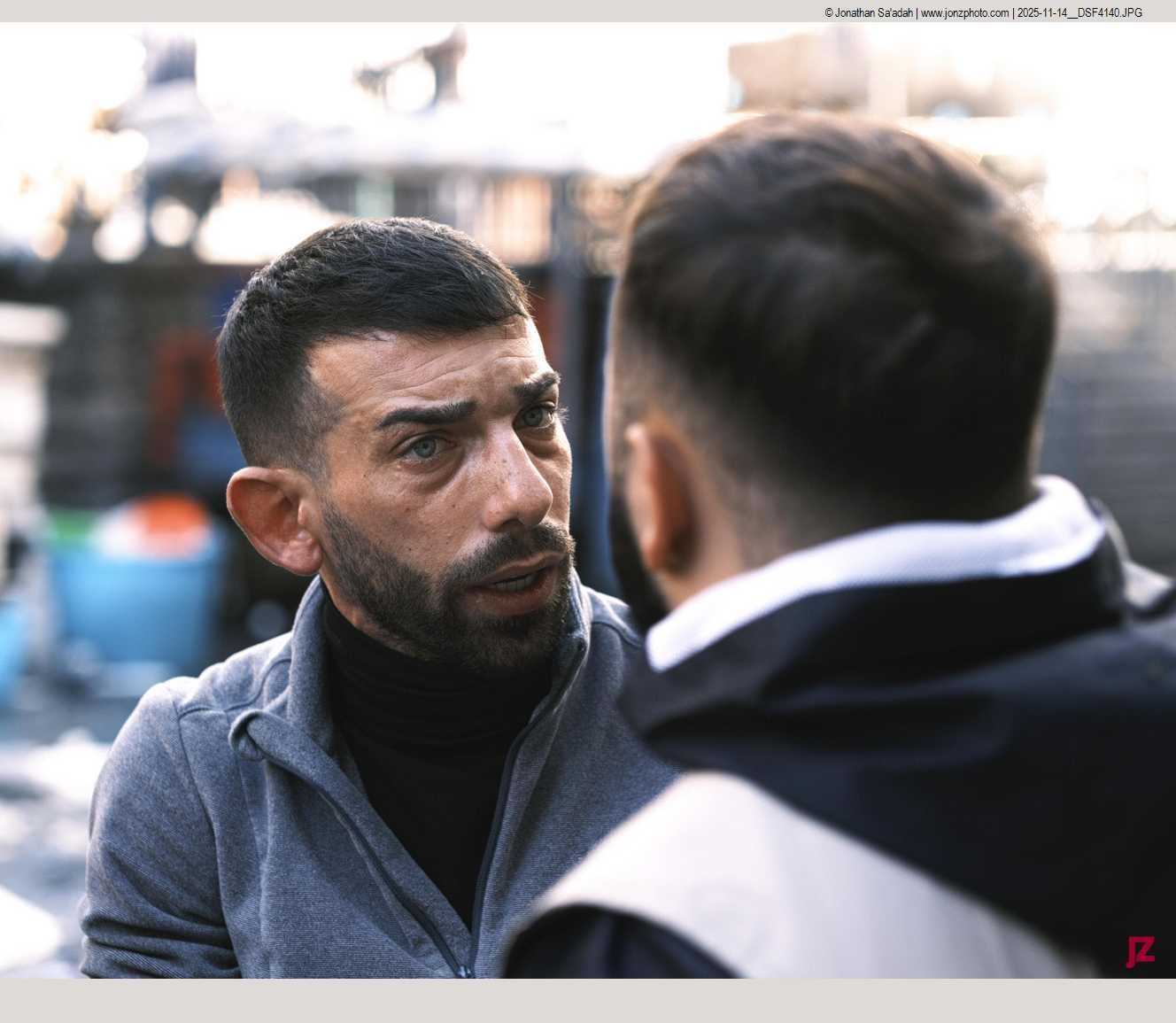
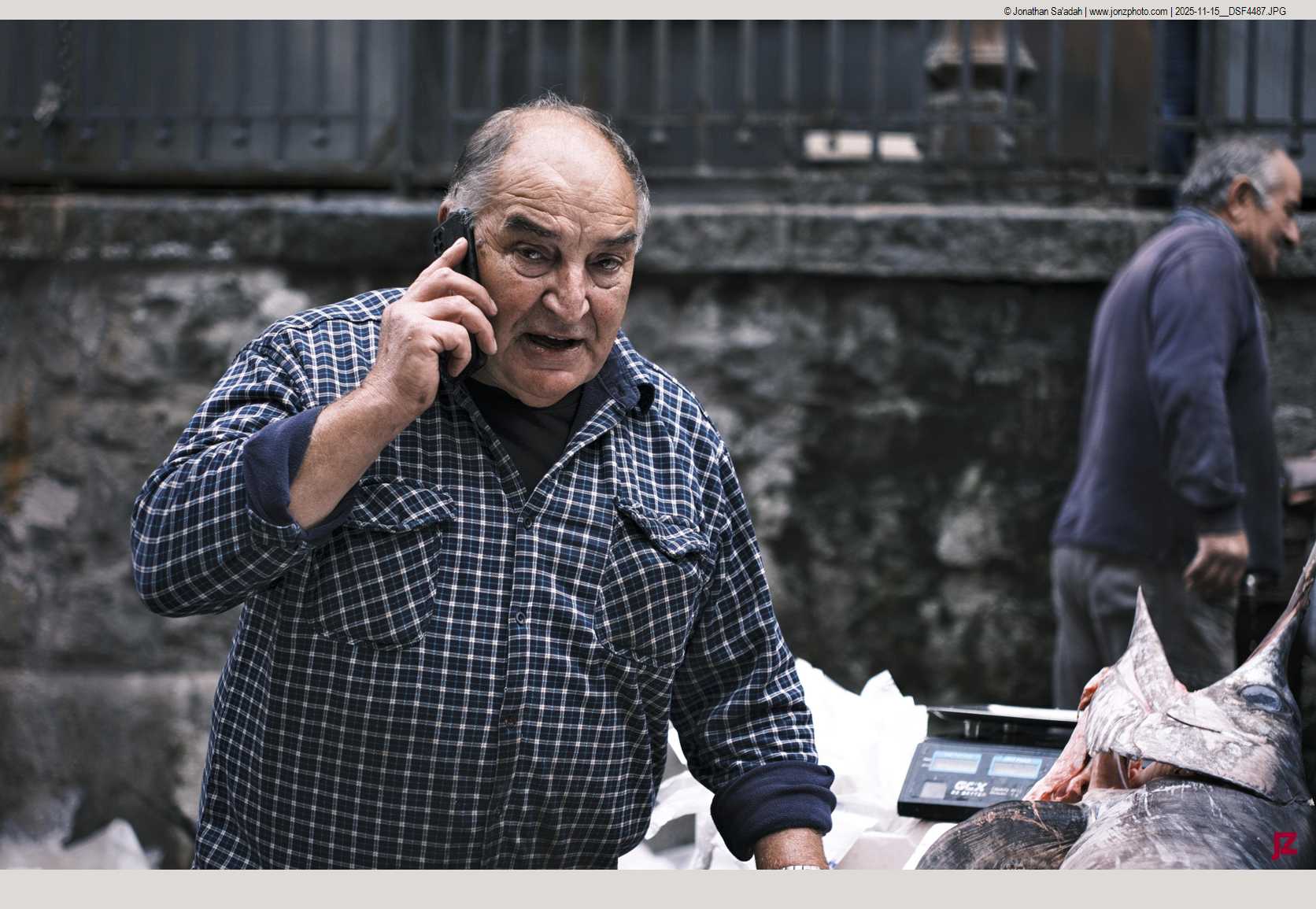
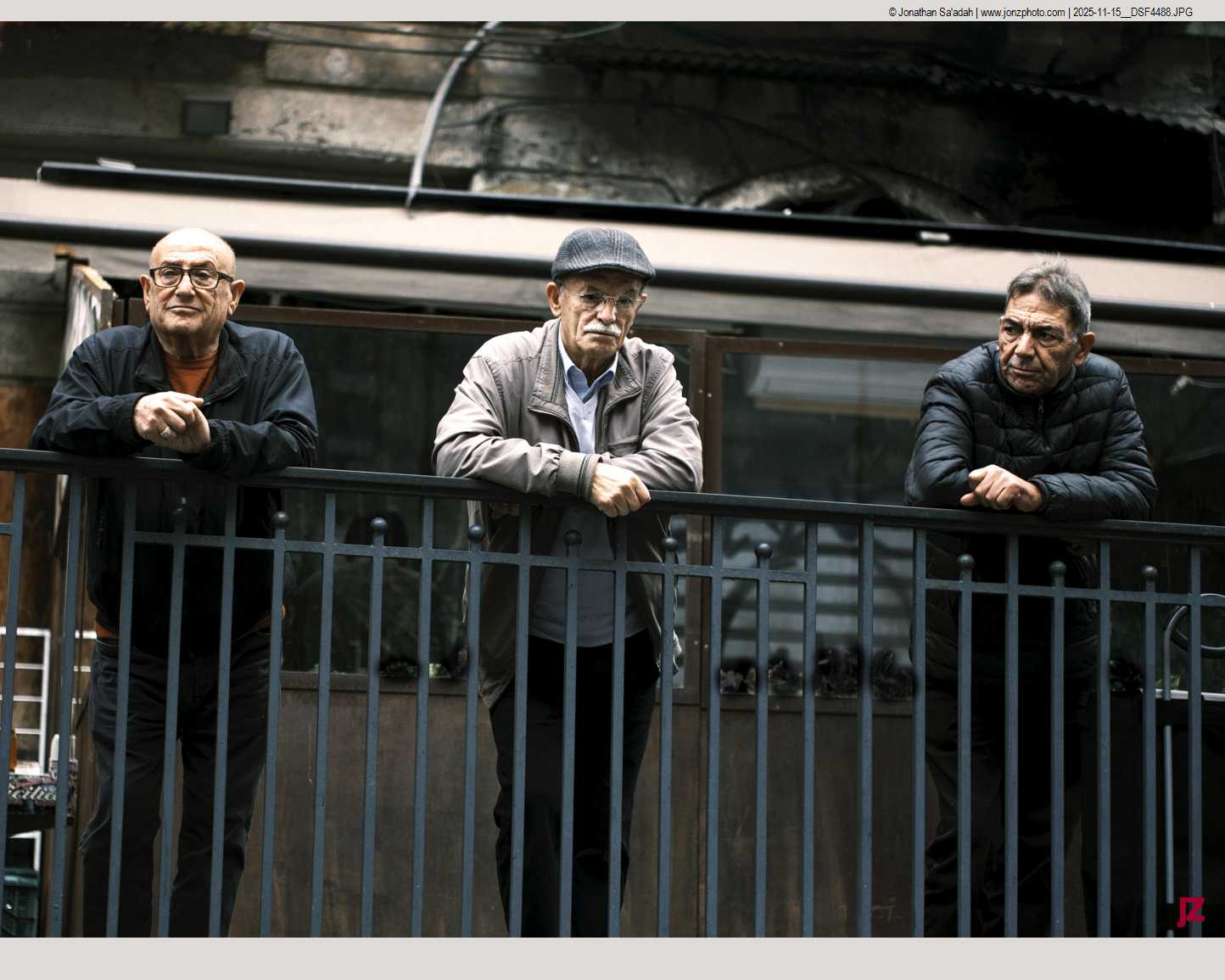
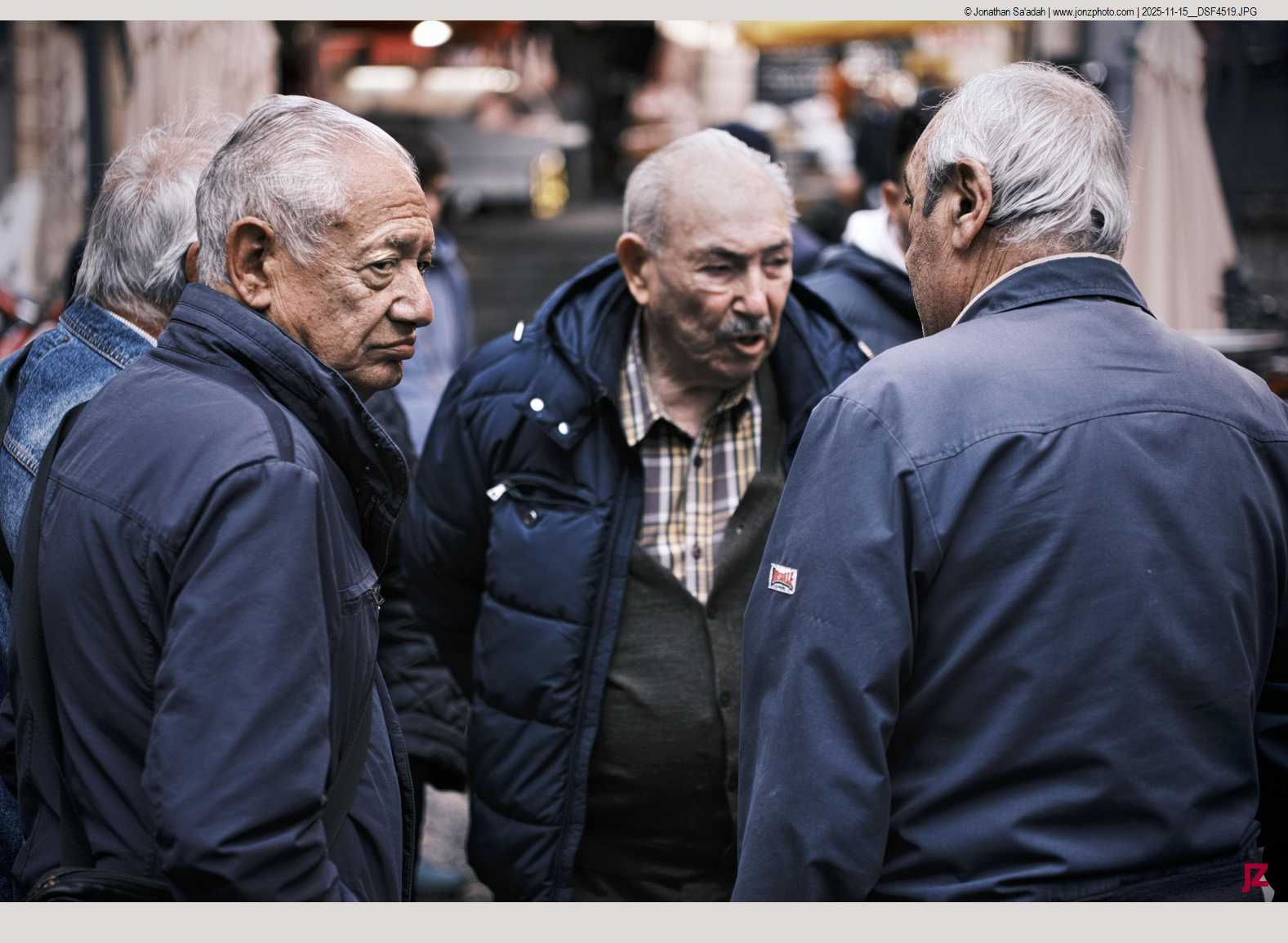
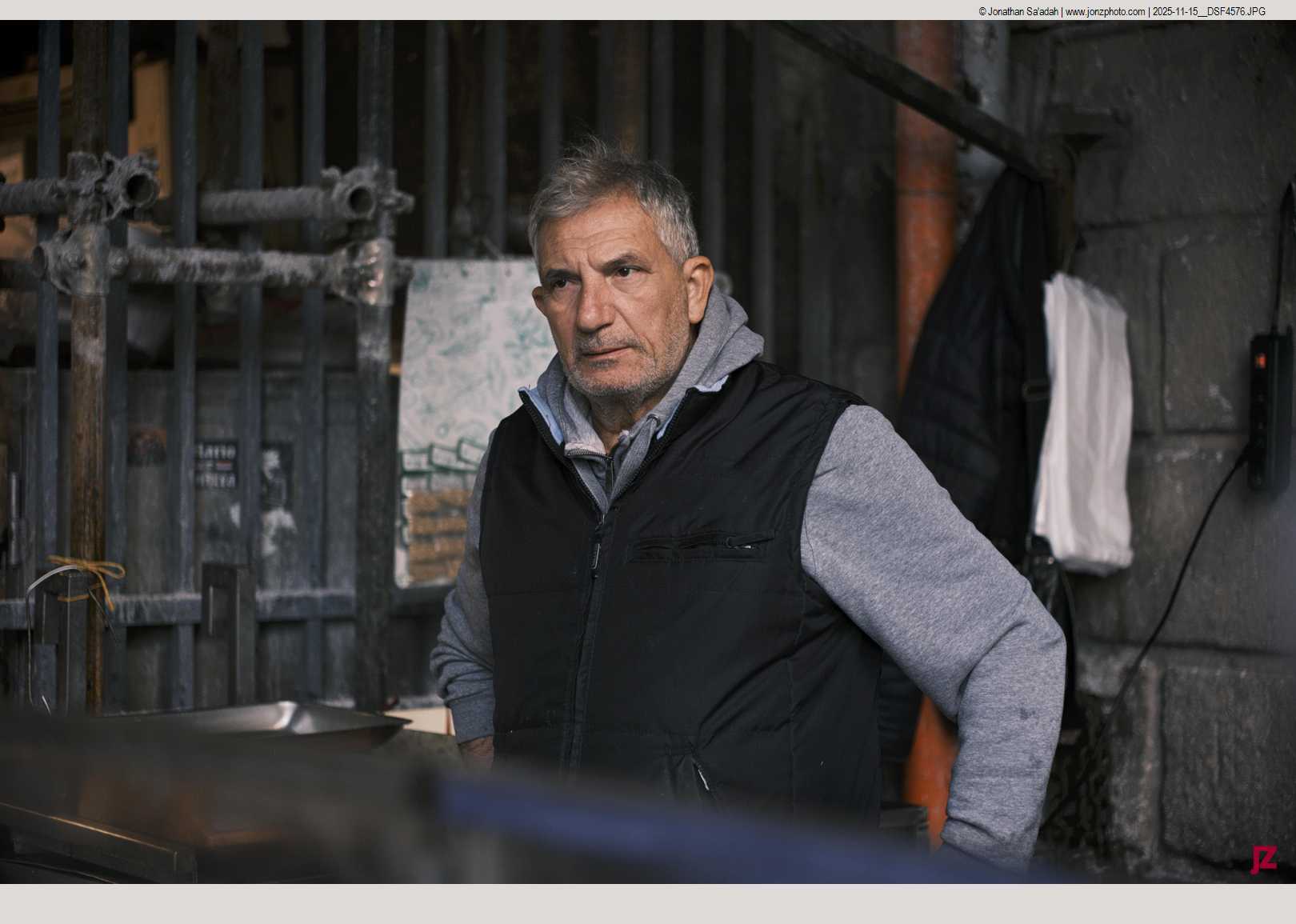
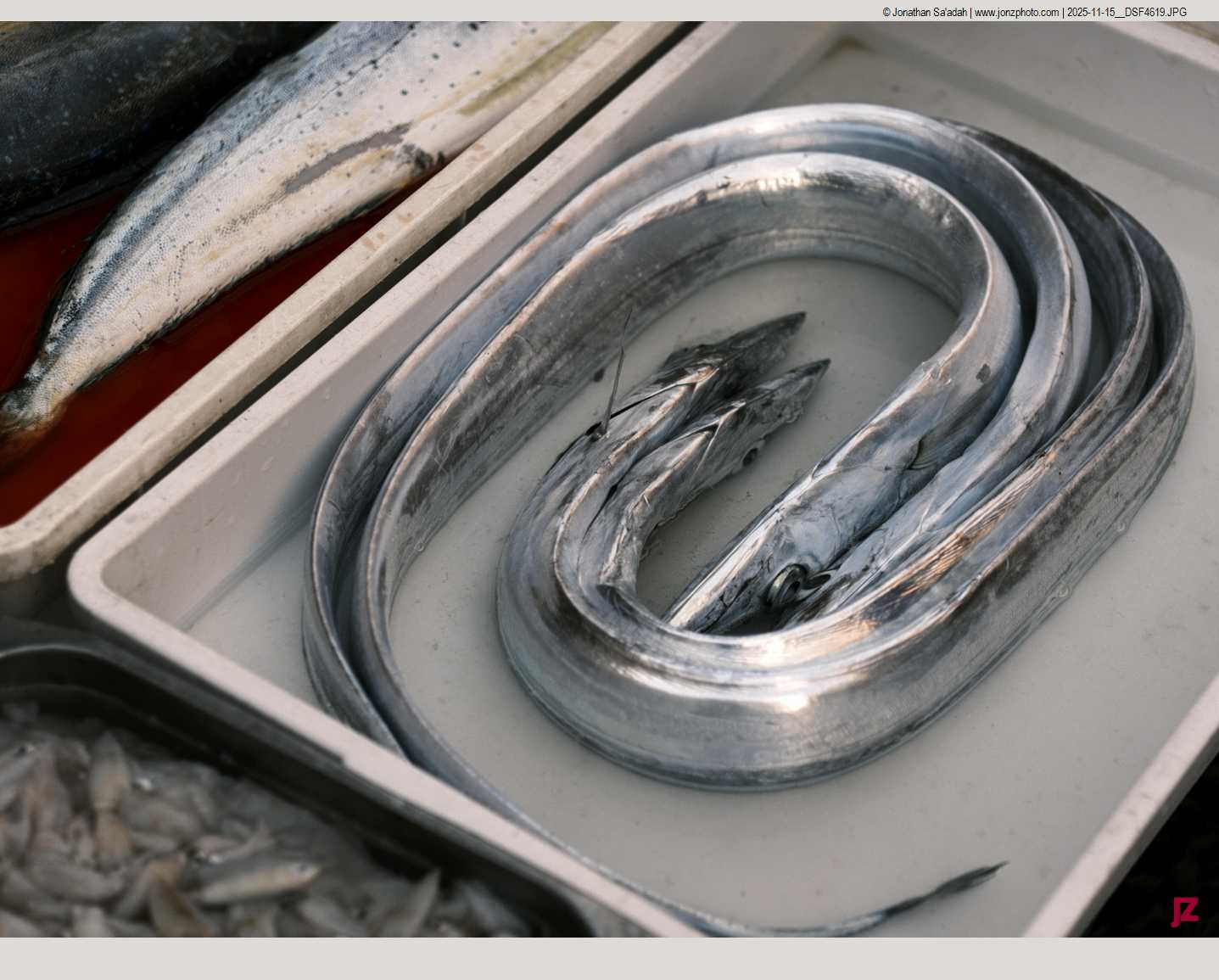
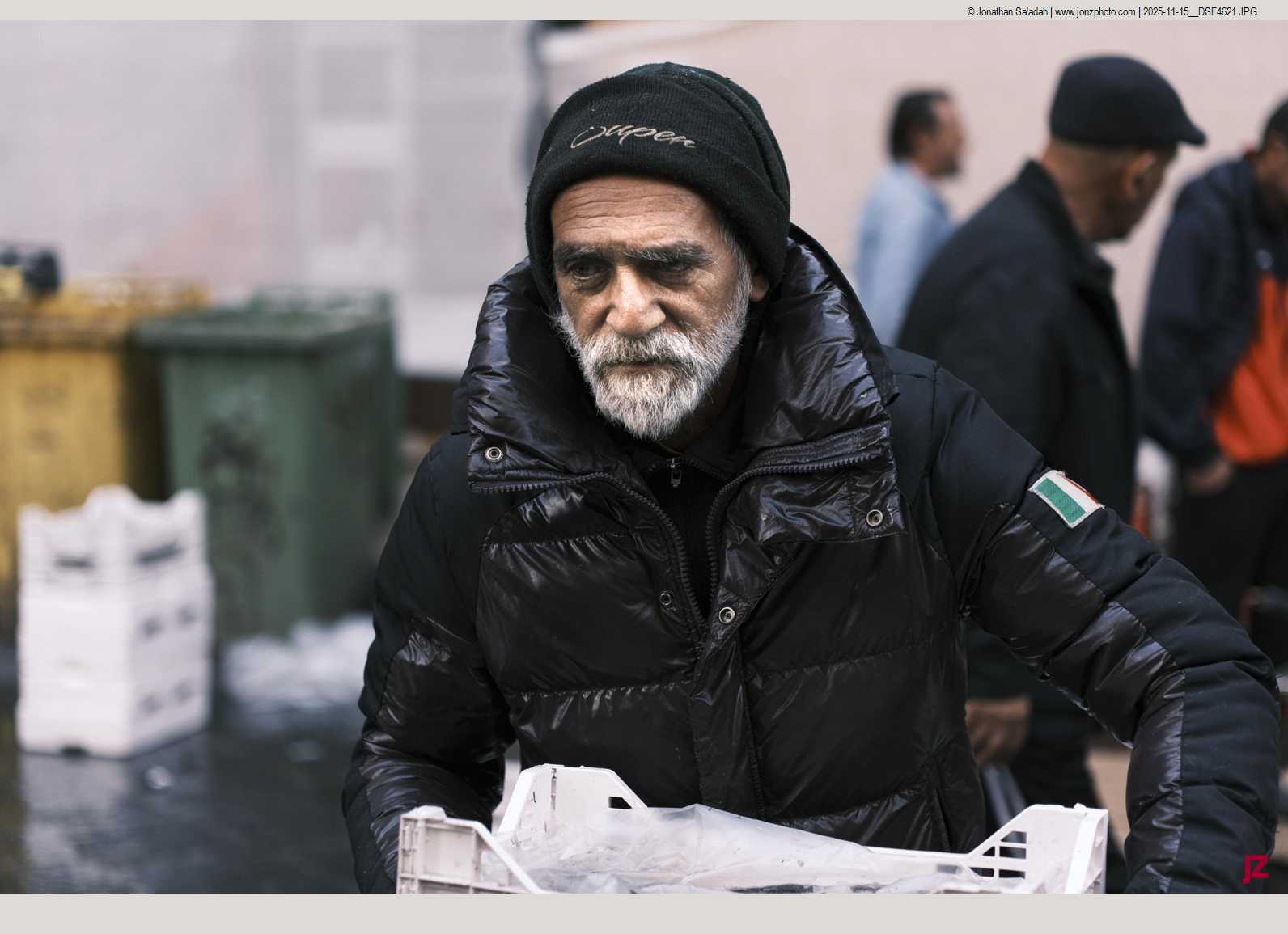
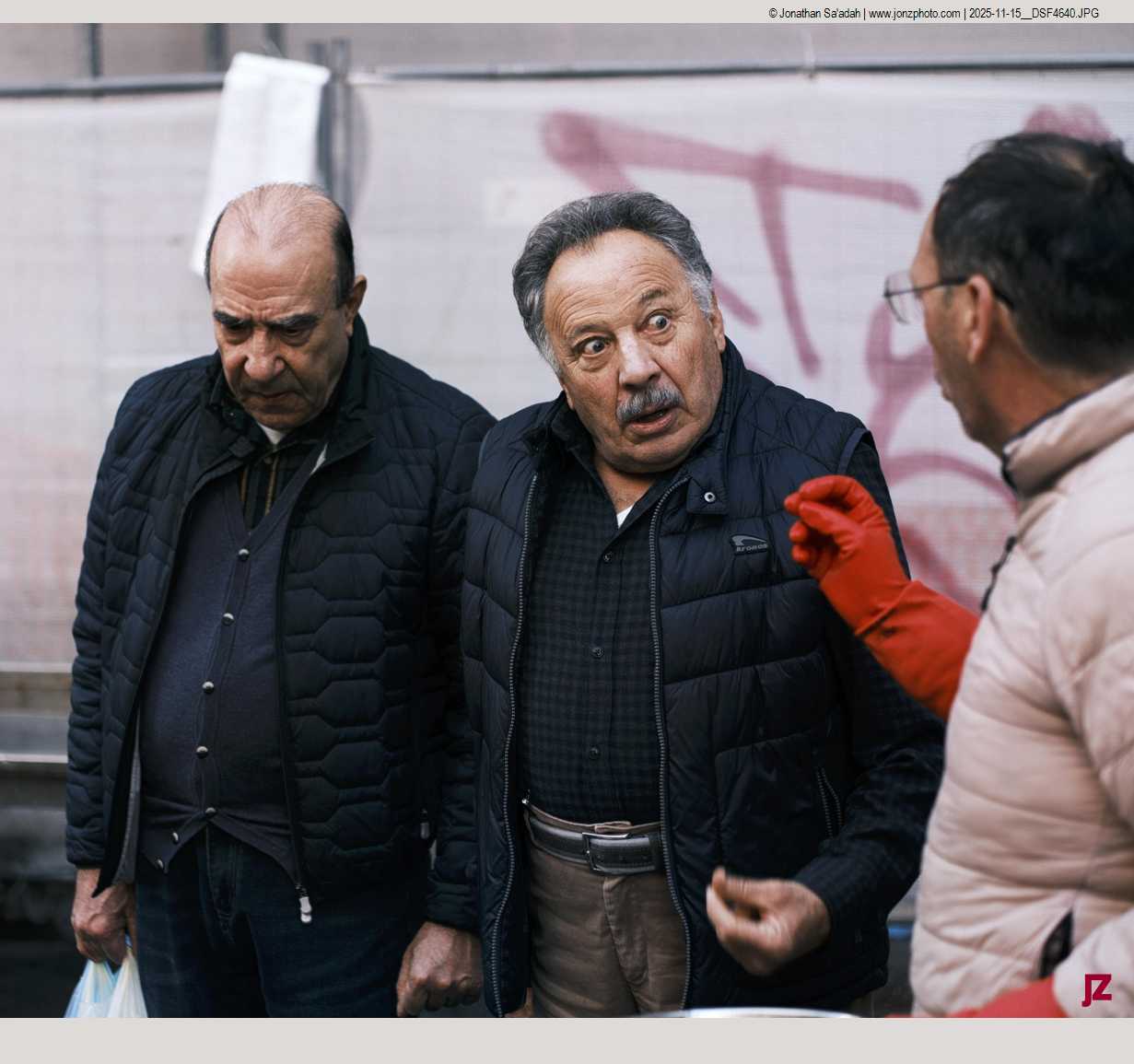
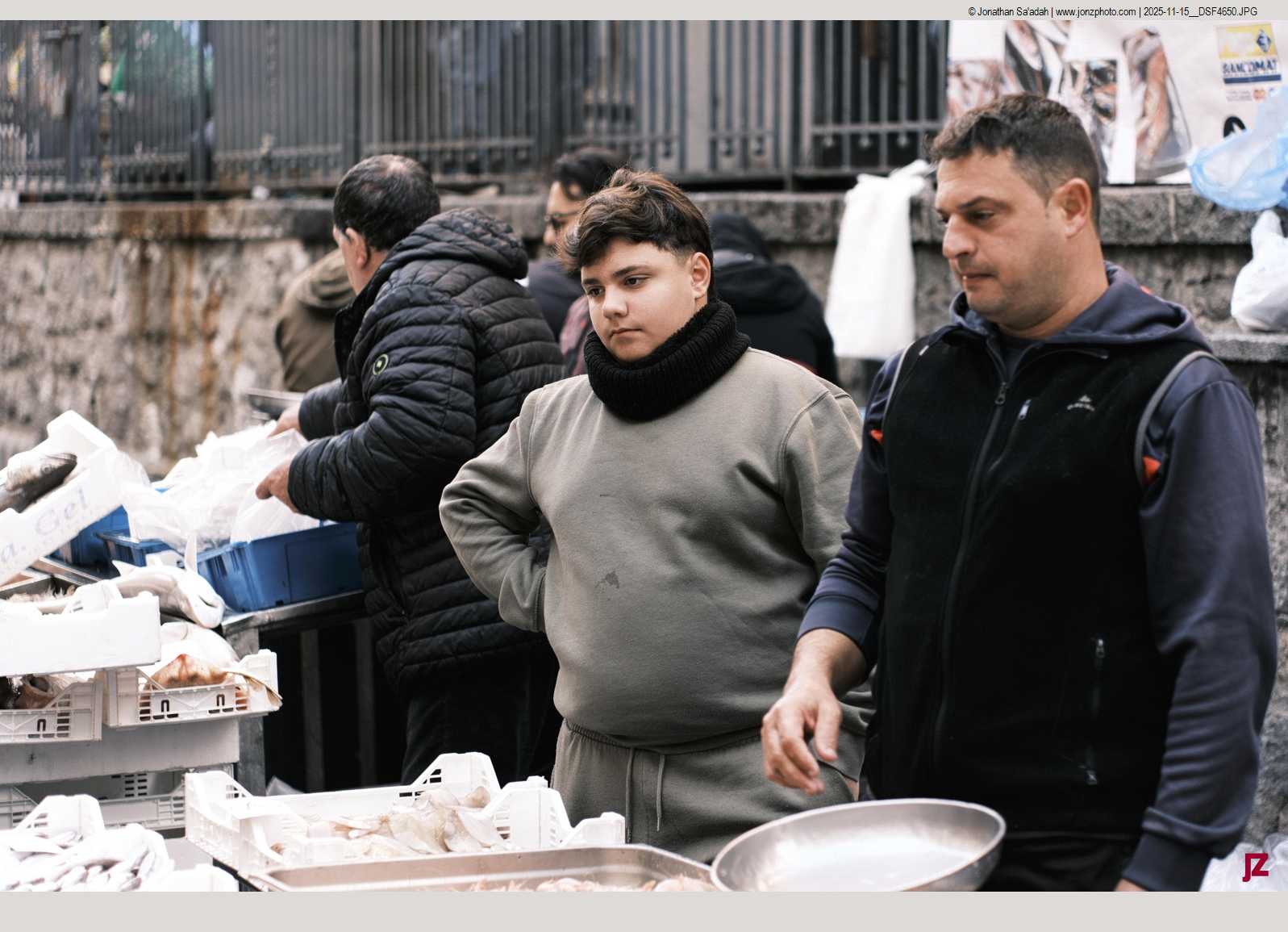
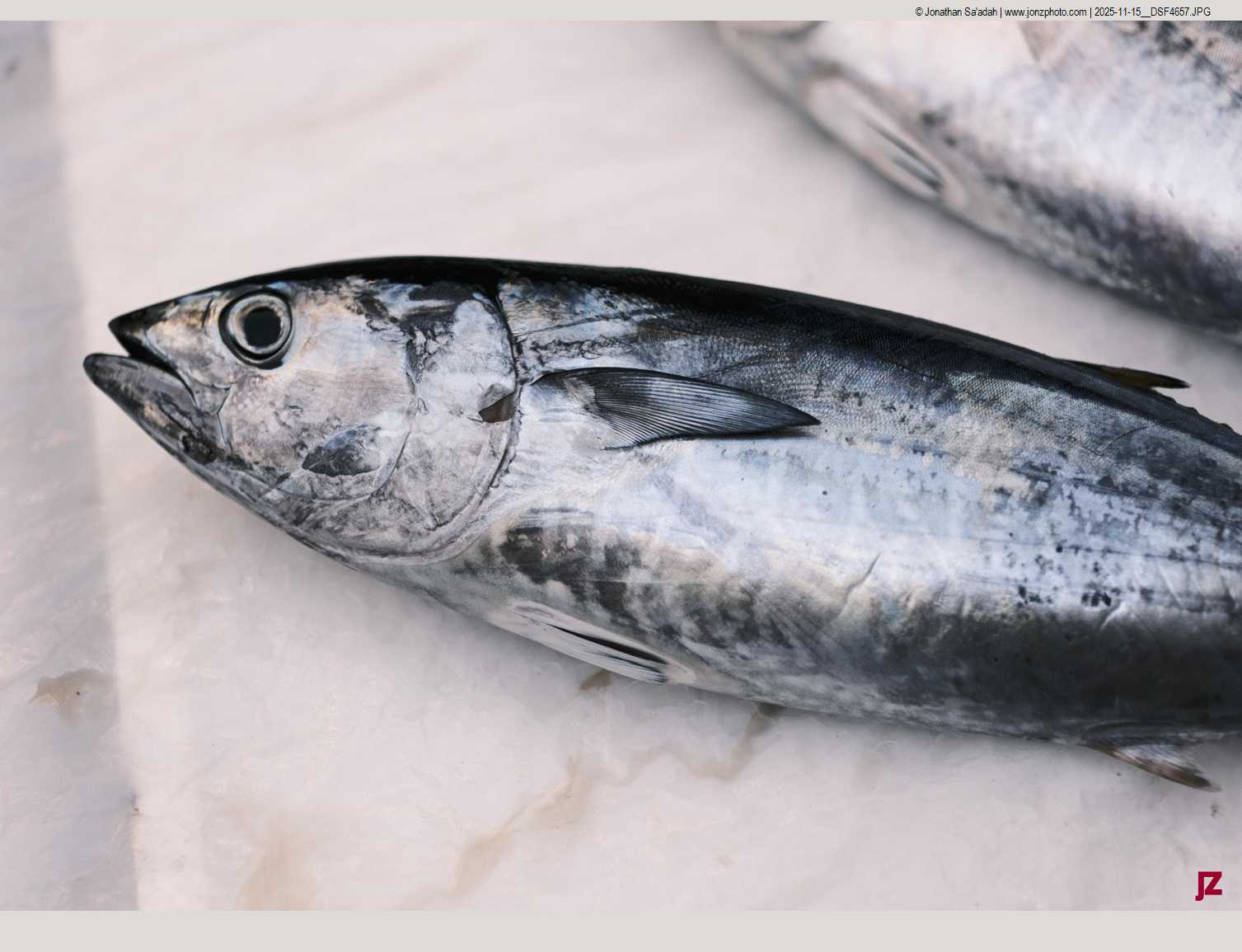
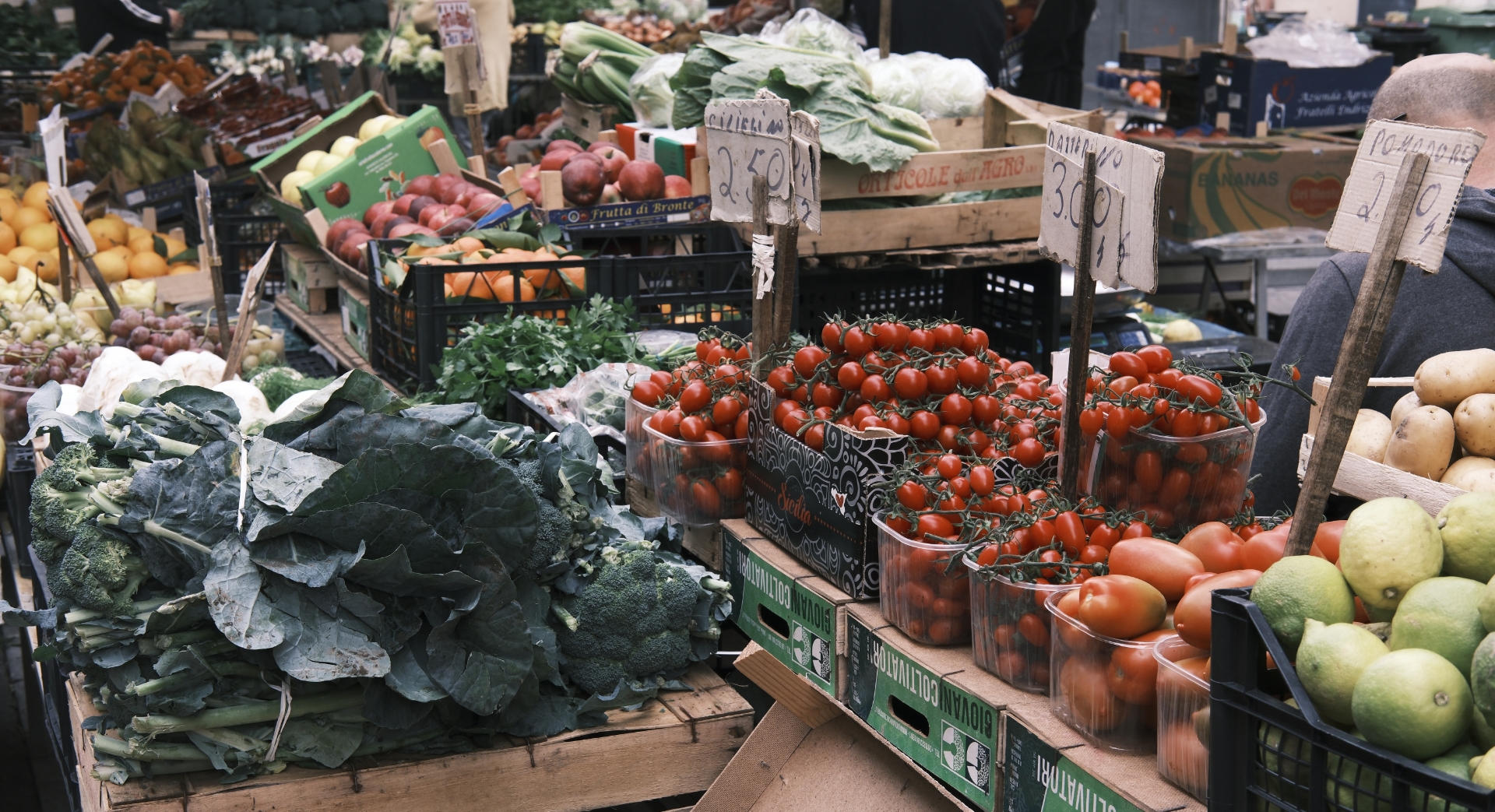
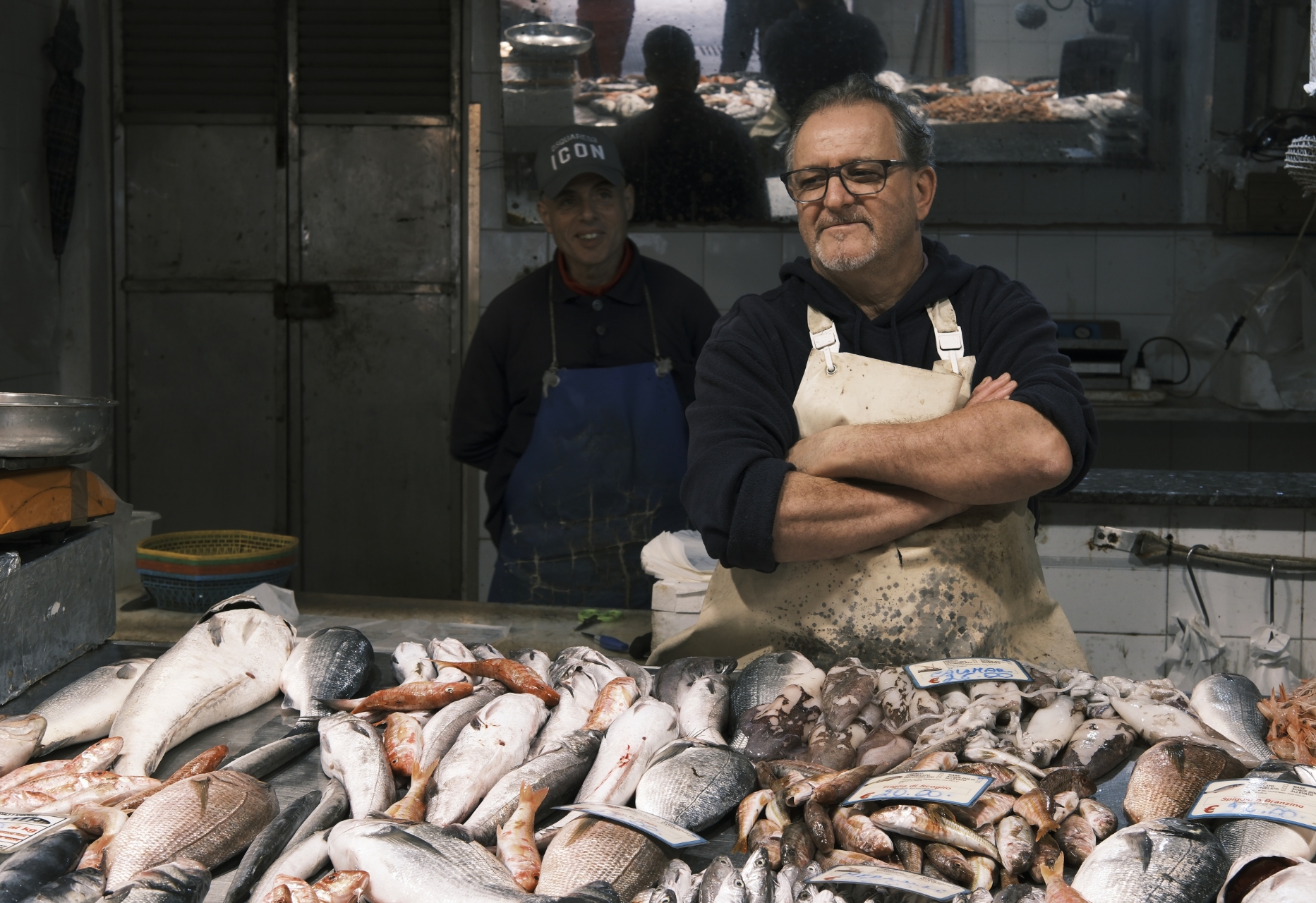
The bustling Catania market in Sicily moves an astonishing volume of fish, produce, and meat, but for me the real spectacle is the people. These markets are unimaginably old; fishmongers have been selling in Catania since at least Roman times, if not earlier. The current location, tucked behind the fountain near the main square, is only about a century and a half old because the market has shifted around the city over its long history. In its present form—with fish being butchered in full view, boisterous vendors calling out, and the activity focused in a sunken pit—it carries forward a tradition woven through Sicilian history, feeling at once utterly contemporary and stubbornly traditional.
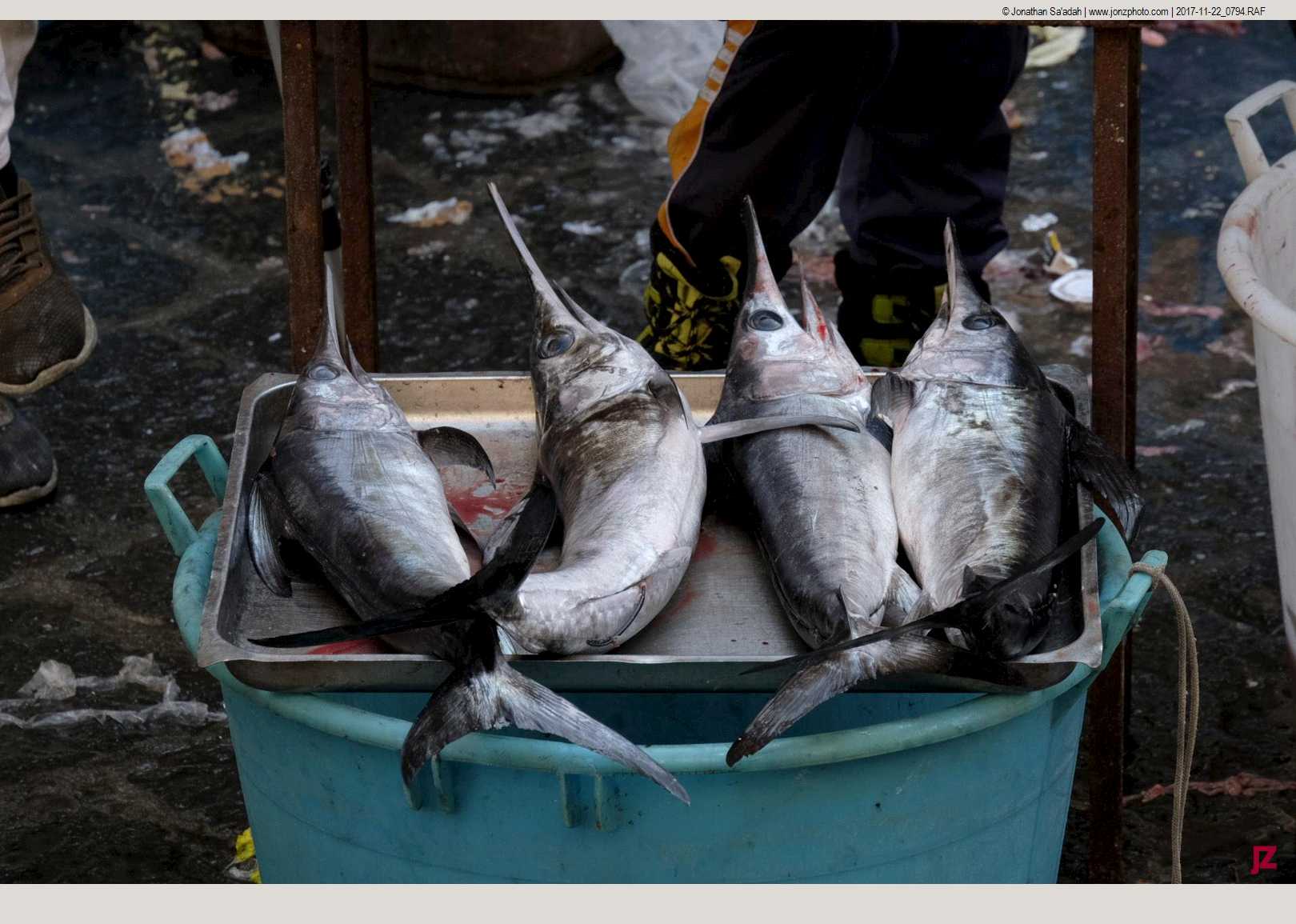
At first, I hesitated to descend into the pit, but I am glad I did. Beth ventured down as well and bought swordfish for our dinner. As you can see, women appear here only as customers, though they, too, often command the space with large, forceful personalities.
To me Sicily feels related to southern Italy but contrasted with Naples where we were before everyone seems quite relaxed and the pace of life less frenetic. At least on the eastern side of the island.
Yesterday in Syracuse we had rented a car and were just pulling out of the parking lot. The streets are tight so to get out of the parking space I needed to nose out into traffic and then back in again to get angled ok, but once I pulled into traffic I couldn’t get the Renault into reverse gear. So there I was, blocking traffic. I figured great, now I’m really going to get it! But no one seemed preturbed. Five or six cars backed up waiting patiently for me to get my act together. Beth went back into the rental agency to find someone to help. Meanwhile, an older man jumped into the passenger seat next to me and showed me the ring on the stick shift that needed to be pulled up to get the car in reverse. By then it had probably been 2-3 minutes (it felt like an eternity!) and finally someone got impatient and honked. My friendly helper looked startled, crossing his eyes in mock disgust, and interrupted our learning session to jump outside the car and yell at the guy honking.
OK, I thought, it’s not that different from Naples!
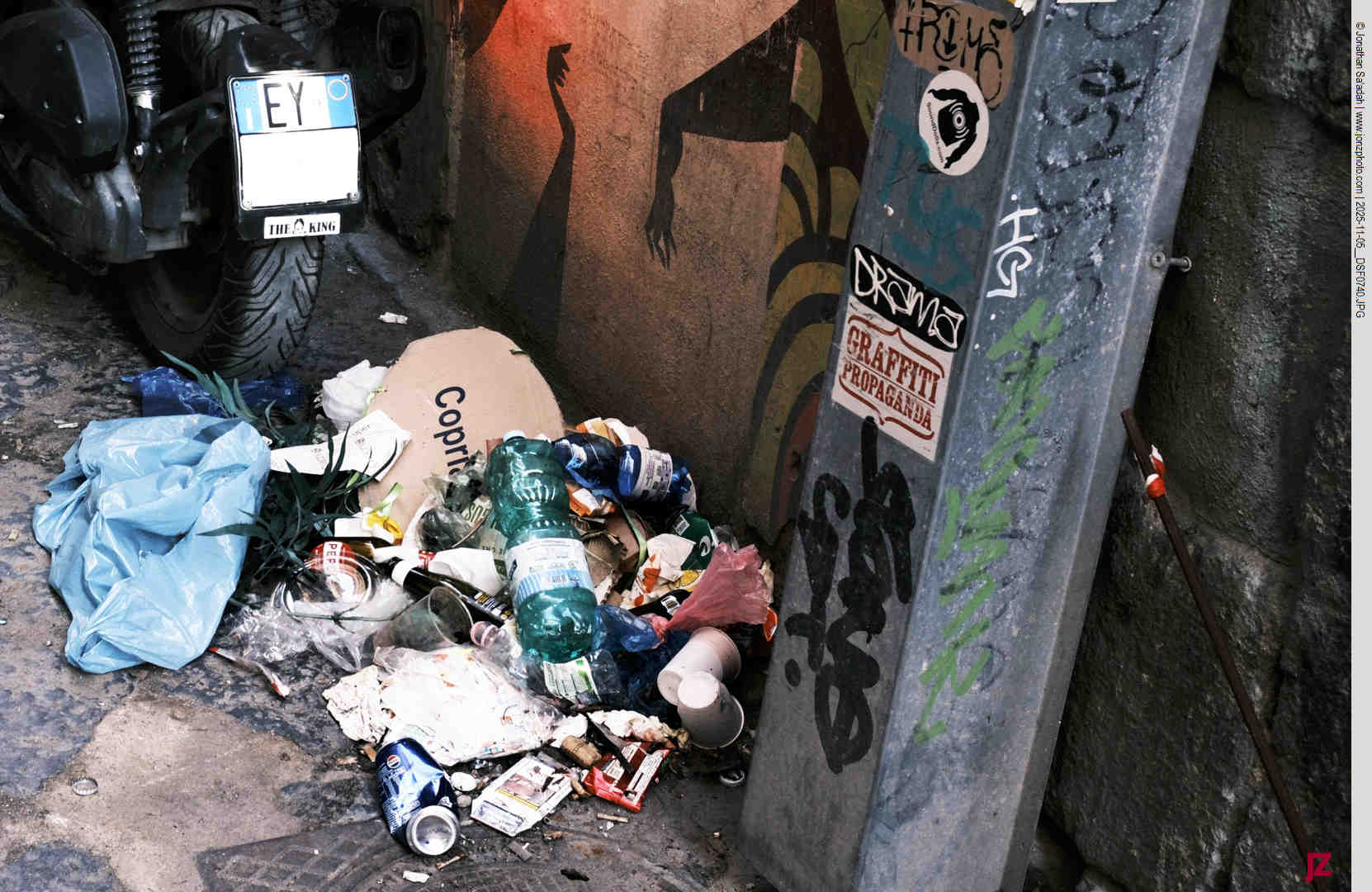
Leaving Montreal I thought I’d be ready for Naples but once I’m here I’m not so sure! The ride in from the airport was unlike anything I’ve ever experienced in a car! Moments of weightlessness as we careened off big rollers, followed by pure aggression at intersections. Once in the city my first impressions are of physical deterioration and vandalism. Trash overflows from bins and piles up against walls and in public squares. Graffiti covers nearly every surface, from shop security doors to church walls. It’s not artistic street art but overt vandalism with sprayed names and messages. Historic buildings are falling apart, gardens overflow with weeds, and even beautiful landmarks like Santa Chiara Church have exteriors covered in graffiti despite their stunning interiors.
Chaotic Street Life
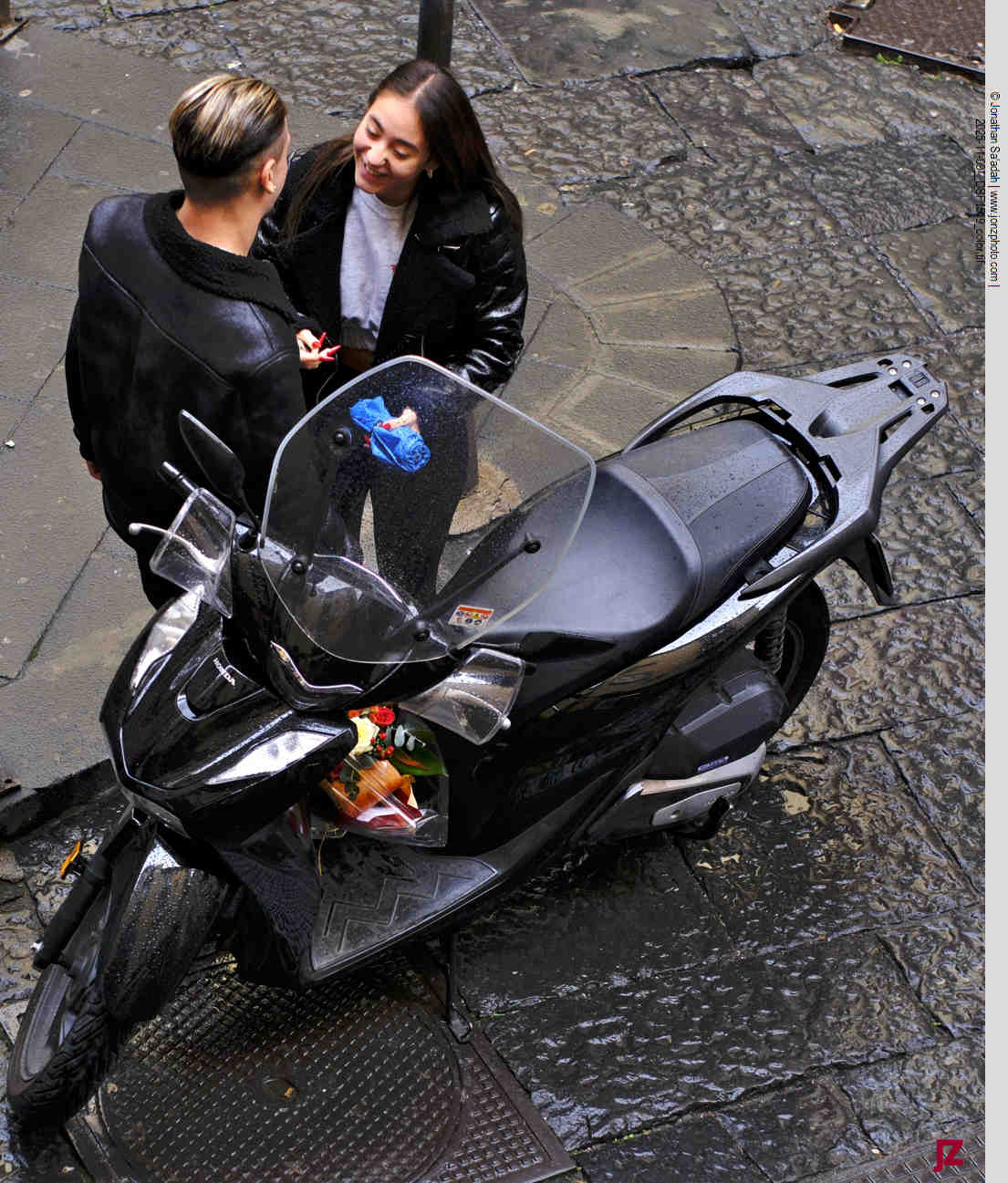
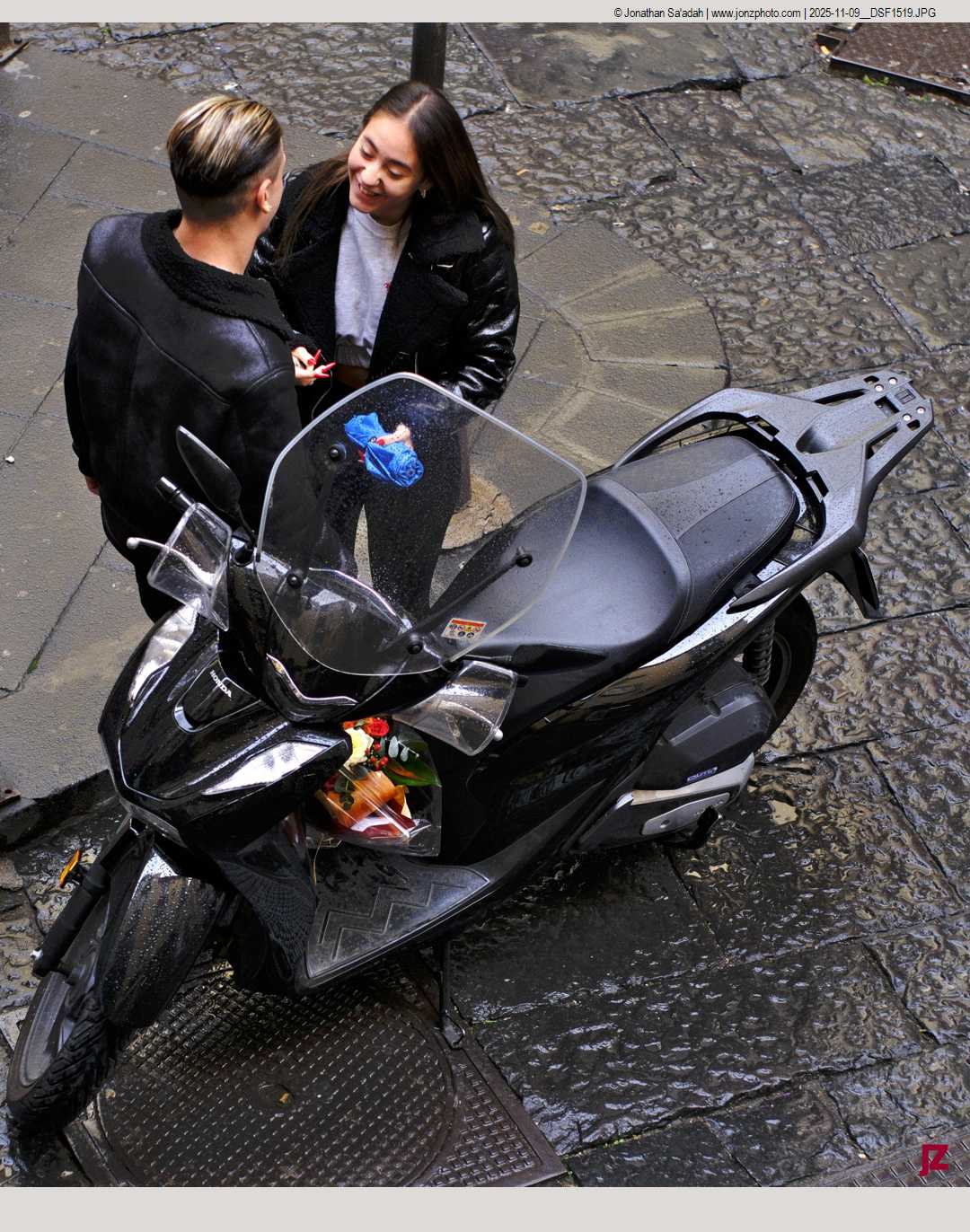
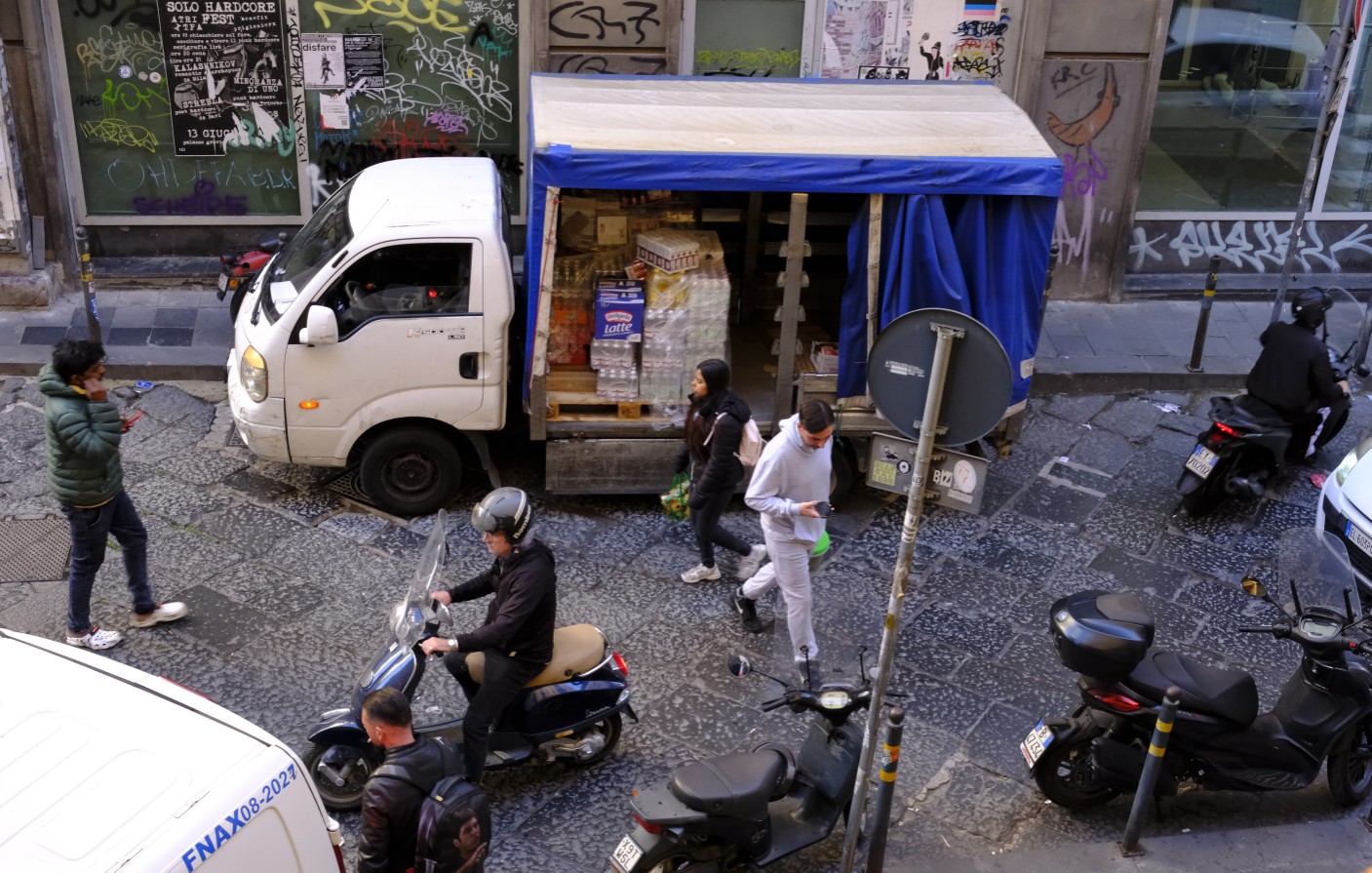
The narrow alleyways in our neighborhood, create an atmosphere of controlled anarchy. Motorbikes and scooters race through what appear to be pedestrian-only streets, weaving through gaps that barely exist and following unwritten rules. The city operates on improvisation and quick thinking, appearing chaotic but running on deep, unspoken codes that I don’t understand either. Neighbors shout to each other from balconies festooned with colorful laundry, vendors yell from market stalls, and motorbikes zip past constantly.
Historical Decline and Marginalization
Naples’ fall from grace as once the largest and most prestigious city in Italy contributes to the irony of its situation. Centuries of economic struggles in southern Italy have forced Neapolitans to master the art of survival through an informal economy of street vendors, artisans, and small family businesses.
Unapologetic Authenticity
But through it all I can still see why we chose to visit this place. What makes Naples a mess is also what makes it authentic – the city refuses to sanitize itself for tourists or conform to homogenized urban standards. Life happens in the open, unfiltered and raw, with little concept of personal space. This “lived-in” quality creates an intense energy that I find magnetic – a real city where real people navigate daily hardships with remarkable resilience and spirit. I feel a bit wary but also excited to be here.