Category: Travel

  • Returning to an Old Friend: Al-Andalus

    Returning to an Old Friend: Al-Andalus

    We first ate at al-Andalus in 2013, on our first visit to Mexico City. A Mexican friend who had moved to Montreal told us it was her favorite restaurant in the city. We took that as a high recommendation and went. We have gone back almost every time since. But with the pandemic there was a big gap, and we skipped it on last year’s trip, so it had been nearly seven years since we’d entered its quiet courtyard and climbed up the worn stone stairs to the dining rooms. In that time al-Andalus has expanded to other locations and become a well-known brand in CDMX. The original, though, is still at Mesones 171, in a seventeenth-century colonial building in the Centro Histórico – a building that was, by local lore, the city’s first officially licensed brothel. To me it’s like a pilgrimage.
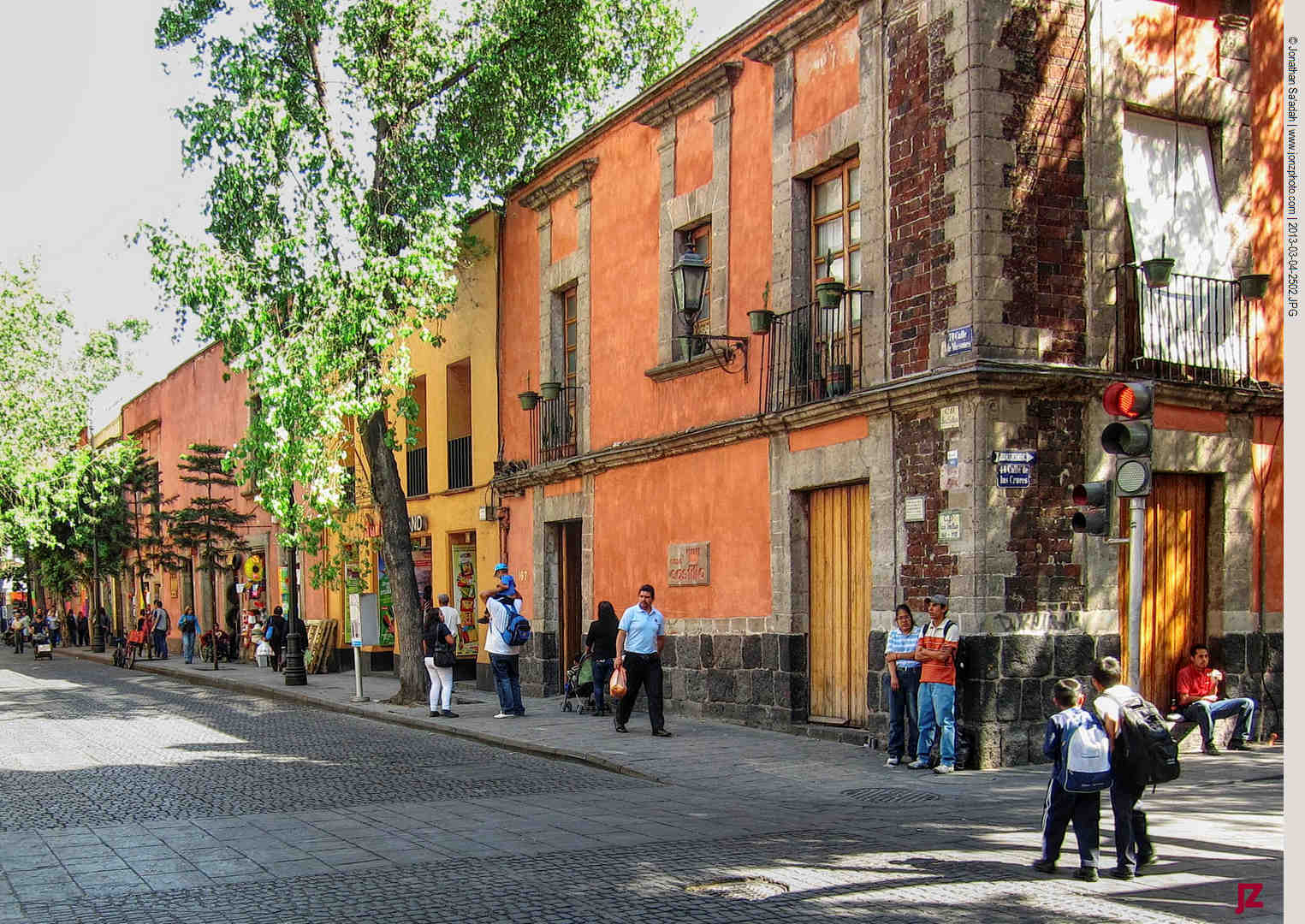
    The open entrance in the center of the photo is where you enter al-Andalus.

    That the restaurant sits on Calle Mesones is no accident. The street’s eastern stretch, running toward the old La Merced market district, has been the center of Arab commercial life in Mexico City for well over a century. Lebanese immigrants began arriving in the second half of the nineteenth century, and many of them set up shop here and on the surrounding streets – Correo Mayor, Jesús María, República del Salvador, Venustiano Carranza – selling textiles, haberdashery, foodstuffs, and dry goods. The Maronite Cathedral of Our Lady of Valvanera, just a few blocks away on República de Uruguay, became the spiritual anchor of the community and remains the seat of the Maronite Catholic Eparchy in Mexico. Its statue of Saint Charbel, draped in colored ribbons bought at the mercerías on the same street, is venerated by Lebanese and Mexican faithful alike, and you can still hear blessings spoken in Aramaic inside (though I haven’t).

    The Maronites who came to Mexico were mostly young – more than half were between sixteen and thirty – and they arrived carrying Ottoman passports that marked them simply as Turks. Lebanon did not yet exist as a nation. They were fleeing the same conditions that influenced my family’s history and that I wrote about here. They entered through the Gulf ports of Veracruz, Tampico, and Progreso, and many who had intended to continue to the United States found opportunity enough in Mexico to stay. As was the pattern in other countries, the Lebanese immigrants started as ambulant peddlers, loading a wooden box with tinned goods and walking from town to town. From that box, dynasties were built. Julián Slim ran a dry-goods store on Calle Jesús María, a few steps from the Plaza de Loreto; his son Carlos became the richest man in the world. Antonio Domit started a shoe workshop in the 1920s in La Merced that grew into a national brand. Neguib Simón, a Yucatecan of Lebanese origin, created the Plaza de Toros México and pioneered the shopping arcade.
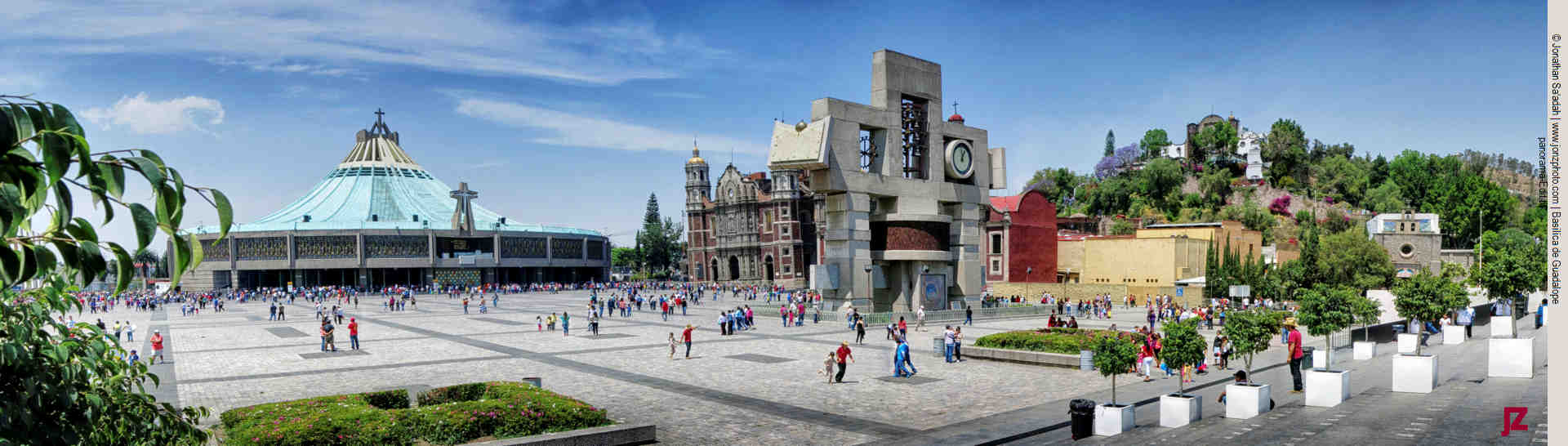
    Carlos Slim, the second generation immigrant from Lebanon, has had a huge impact on Mexico City. He donated this plaza next to the Basilica of Our Lady of Guadalupe, built the Museo Soumaya and filled it with artwork, and owns dozens of buildings in the Centro Histórico of the city where he is a key player. Through his construction company he was the main promoter for a new airport that was opposed and canceled by the Morena government.

    That the Maronites integrated as deeply as they did owes something to religion. They were already Christians – Eastern-rite Catholics – and in a country where Catholicism was the social fabric, that mattered enormously. They married locally, hispanicized their names, learned Spanish quickly, and sent their children into Mexican schools and churches. But they also kept their own institutions. Although Lebanese immigrants made up less than five percent of Mexico’s foreign-born population in the 1930s, they accounted for roughly half of all immigrant economic activity. Today there are an estimated 400,000 to 600,000 Mexicans of Lebanese descent.


    And it runs, unmistakably, through the food. The Lebanese brought shawarma; Puebla turned it into tacos árabes on pan árabe, and Mexico City turned those into tacos al pastor on corn tortillas with pineapple and salsa. It is arguably the most eaten street food in the country, and it began with a vertical spit and a Lebanese cook.
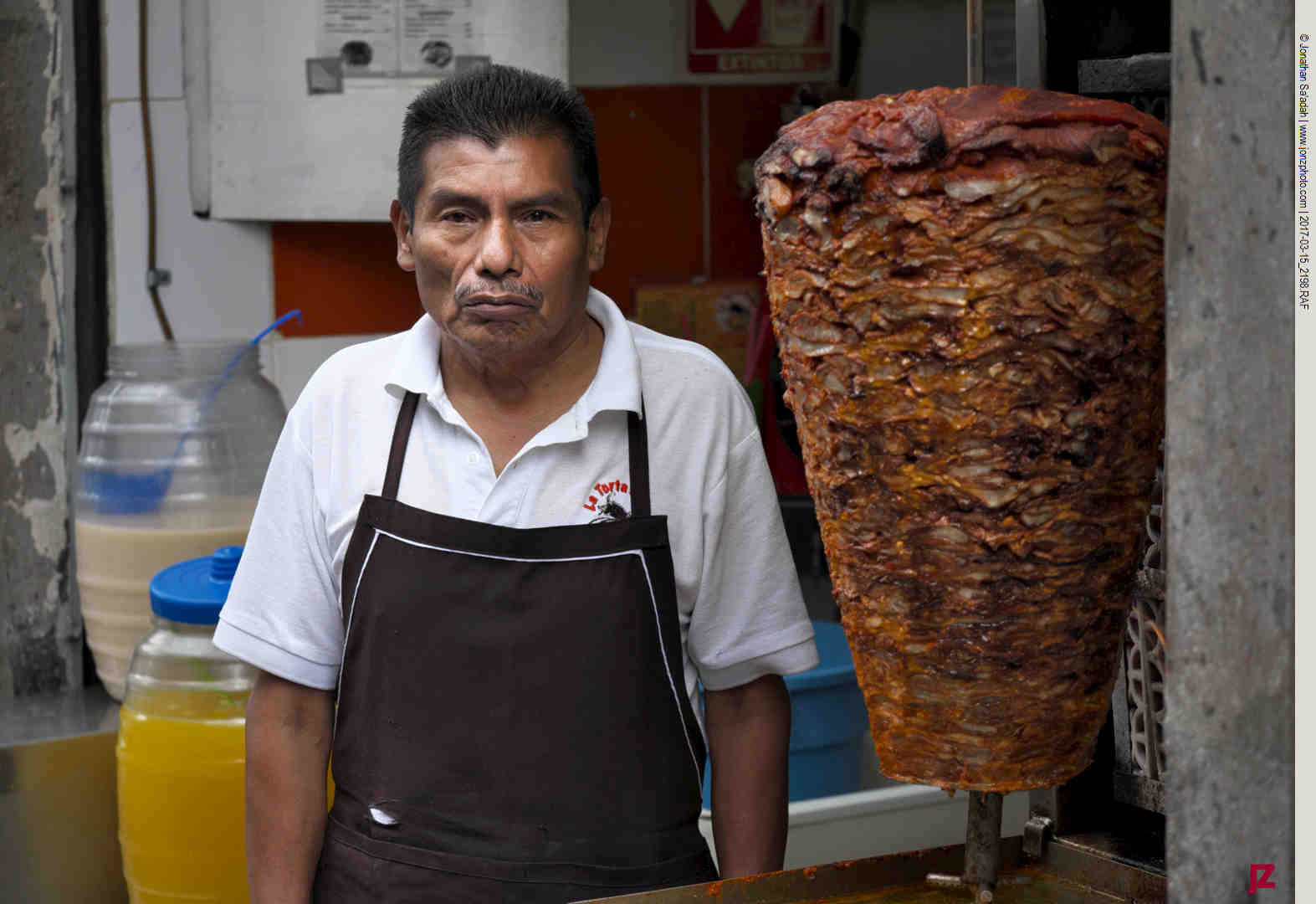
    A CDMX street vendor selling shawarma, not connected to al-Andalus.

    Al-Andalus was opened in 1994 by chef Mohamed Mazeh, who had arrived in Mexico in 1990 and started by selling tacos árabes. The original Mesones location – thick stone walls, high ceilings, white tablecloths, not much decoration – feels more like a family home than a restaurant. It has since expanded to branches in Nápoles, San Ángel, Santa Fe, and inside Palacio de Hierro. But the Mesones original remains the place where I want to eat and feel at home.
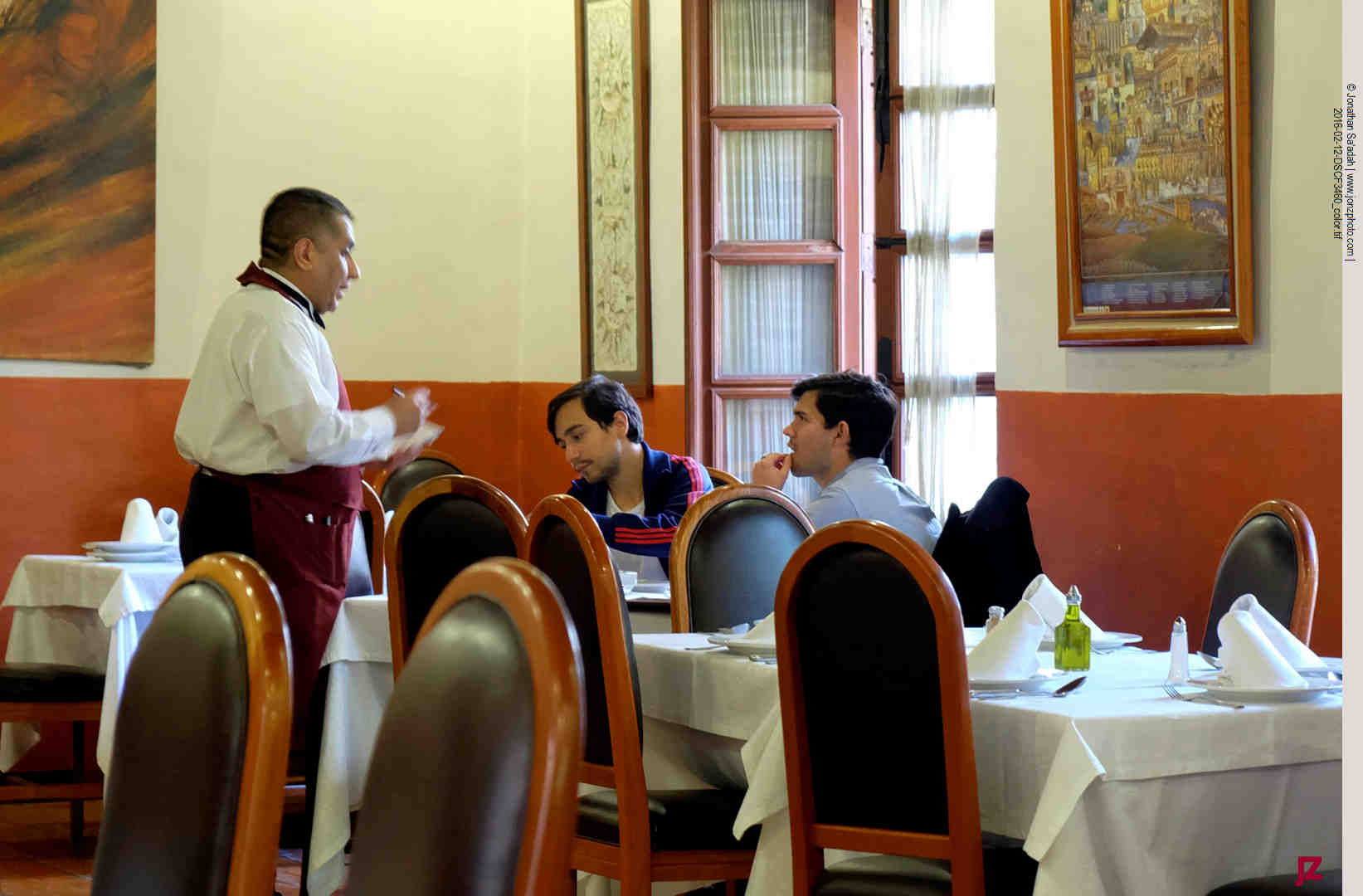
    Today we went back. Fresh lemonade. Tabbouleh made primarily with tomatoes and flat-leaf parsley – unlike my mother’s recipe, which was heavy on curly parsley and mint. Hot pita, baked fresh in the massive stone oven, brought to the table still puffing with steam; I photographed the baker afterwards spinning the pita onto the oven floor like frisbees. Roasted lamb chops served sizzling on a cast-iron plate. Yoghurt with cucumbers. Kibbeh in a wedge, delicate as anything, with more tabbouleh on the side. And to finish, small, crispy Lebanese baklava.

    Seven years away, and it was exactly as we wanted, our favorite place to eat in the city, by far.
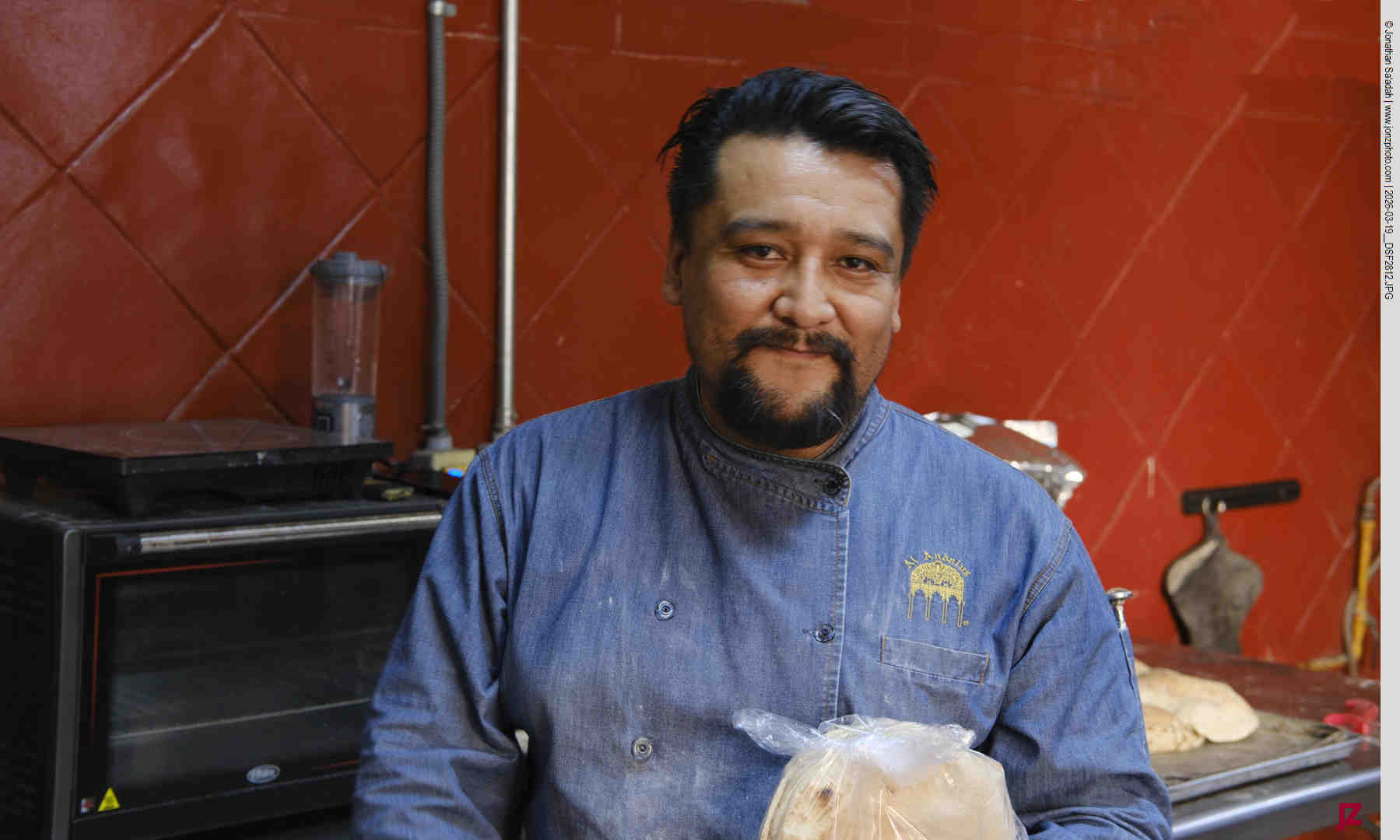
    Baking pita at al-Andalus.

  • Being Somewhere Different

    Being Somewhere Different

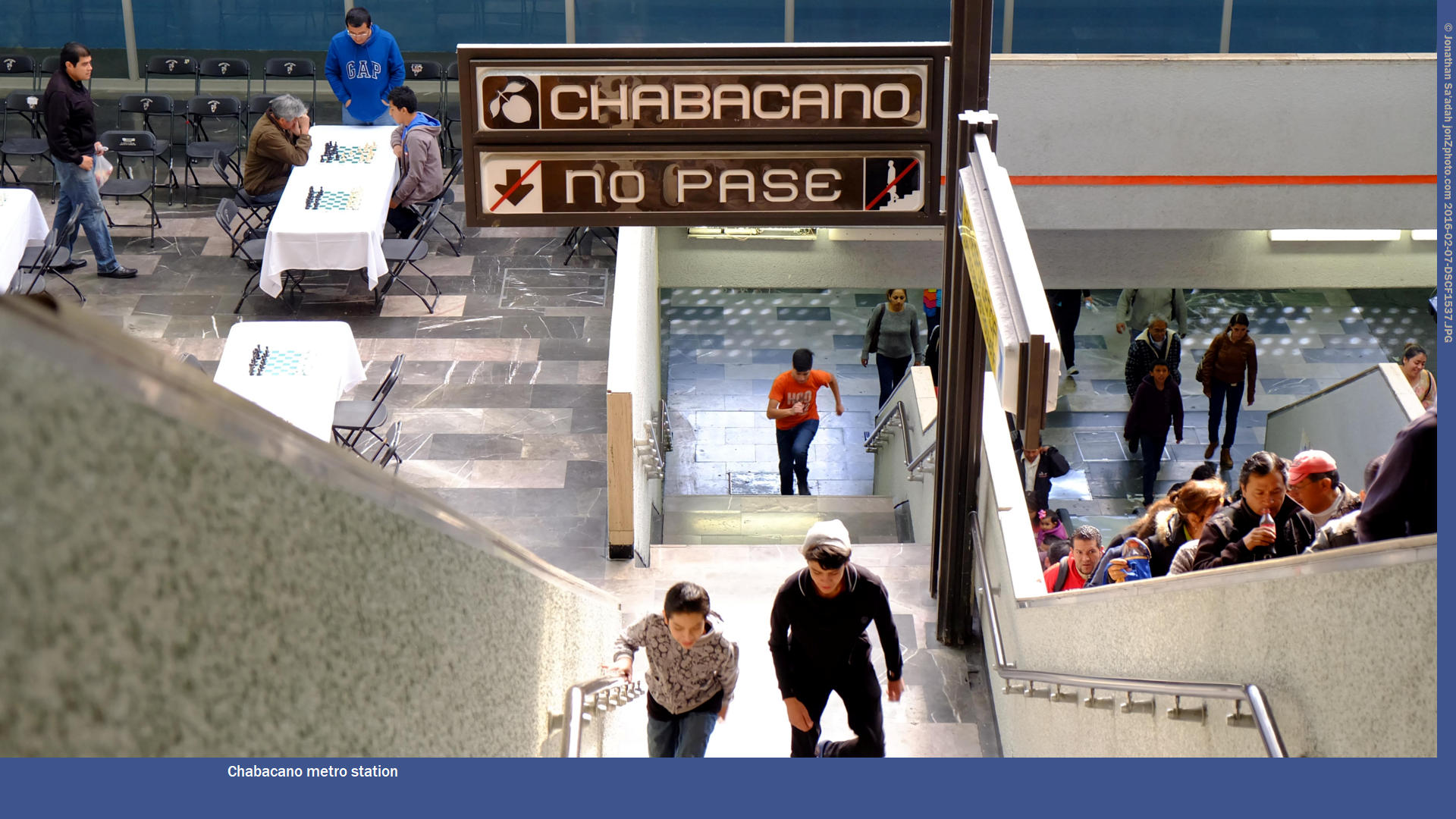
    When I was in my twenties I used to ride the metro there with a good friend who was French, and she always was annoyed (“Why do you care?”) with my habit of choosing which car of the train to board so I’d be lined up with where I was going. I still do it, and I’d say honestly that it’s probably a marker of a certain type of obsessive personality which I now understand and confess to.

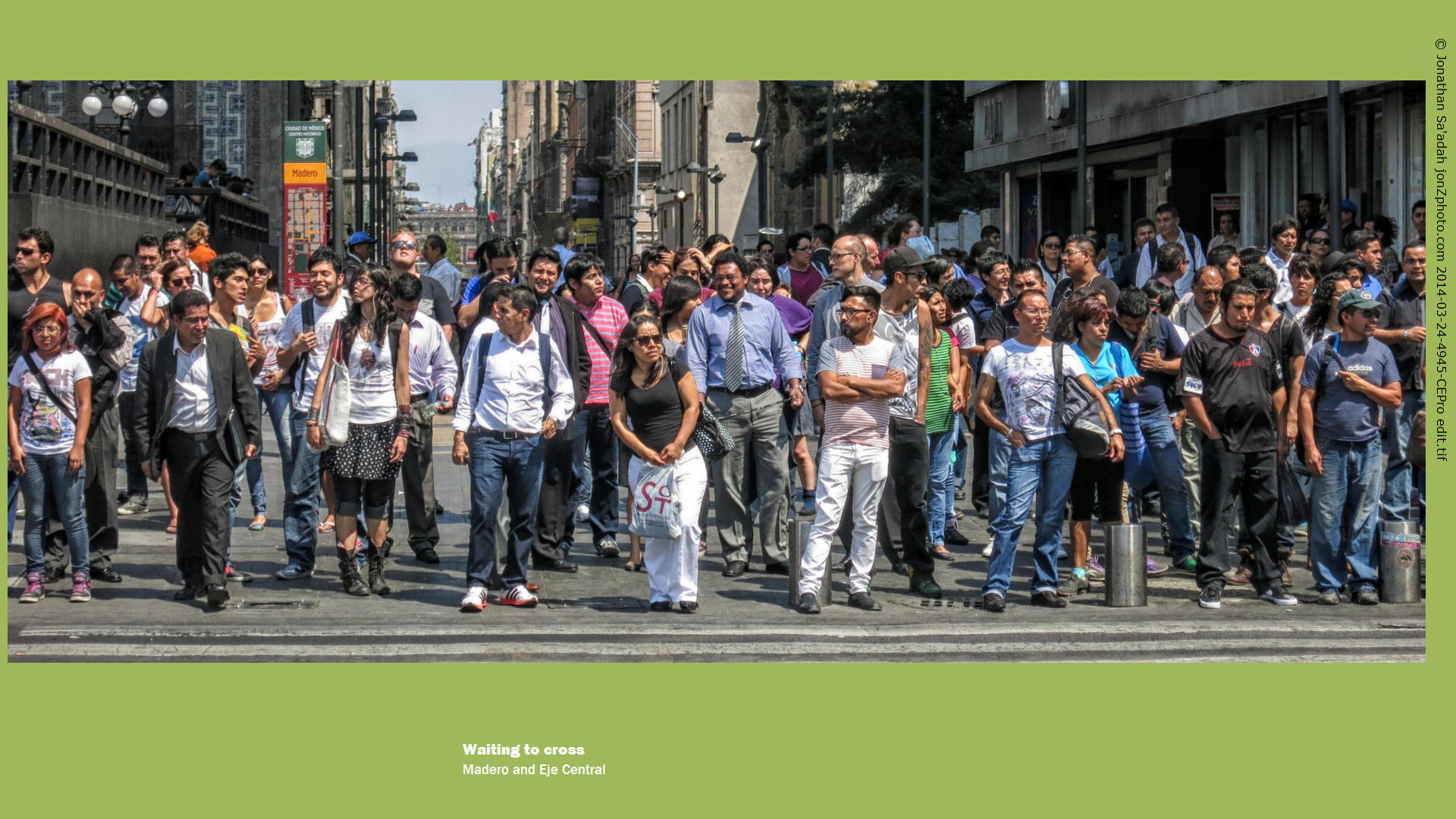
    Like my friend, Mexico too is the opposite of that personality. A few nights ago I rode the metro back to our rental and across from me was a family, three generations riding together. A couple with what looked like the woman’s mother, and her two children. Her husband held an oversized girl (probably about five) in his arms as she slept and the mother read her other younger daughter from a paperback book. I almost stayed on the train past Tacuba (where I needed to transfer) just because I was enjoying watching them. If I really knew how to live slow I probably would have stayed on the train.


    A couple of days ago I received a screed from a good friend asking “Why should it be more difficult to turn on a TV today than it was 50 years ago?” I think that’s a good question. I’ve spent several days trying to craft a workaround so I can import captions into the picture galleries on this blog, almost a complete waste of time since I never got it working. I still position myself on trains, and am still hyper-aware of timings that most people hardly pay attention to.

    Sometimes it’s good to be in a place that’s just the opposite of who you are. I’d like to think I share some characteristics with the people in Mexico City – and that’s true – but there’s certainly a lot of foreign territory.

    Sadly, I’m not still friends with the woman from my twenties. Her email address hides behind multiple layers of verification codes, and I’ve never been willing to jump through the hoops. But I actually would like to compare notes and see where she ended up too.

  • Beaming Color

    Beaming Color

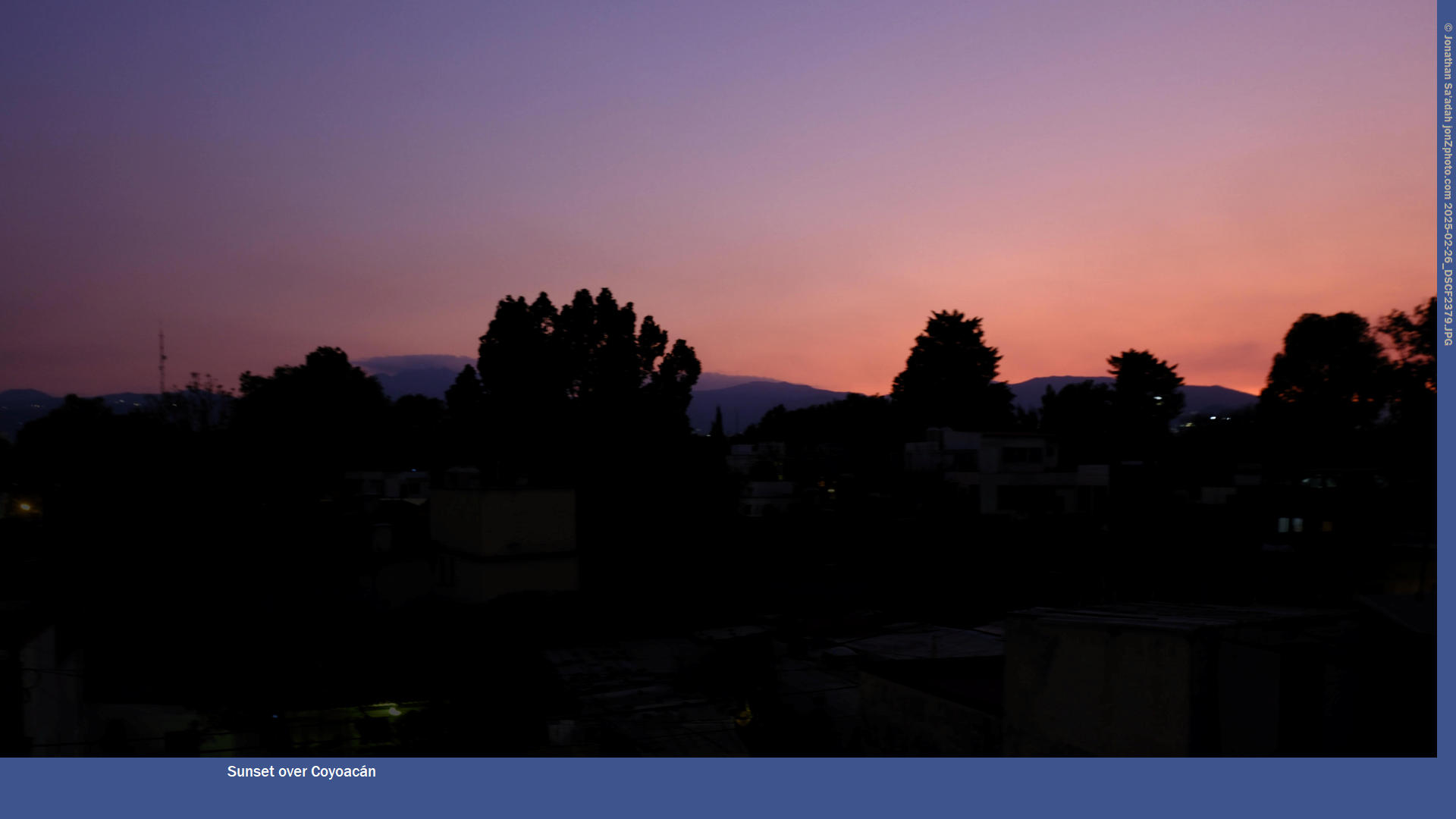
    I feel it’s my compassionate duty to beam back warmth and color to my northern friends enduring the gnarly part of winter. As we took off from the Montreal airport the landscape was a frozen monochrome white. Beautiful, in a graphic way, once you got off the ground but still hard ice.
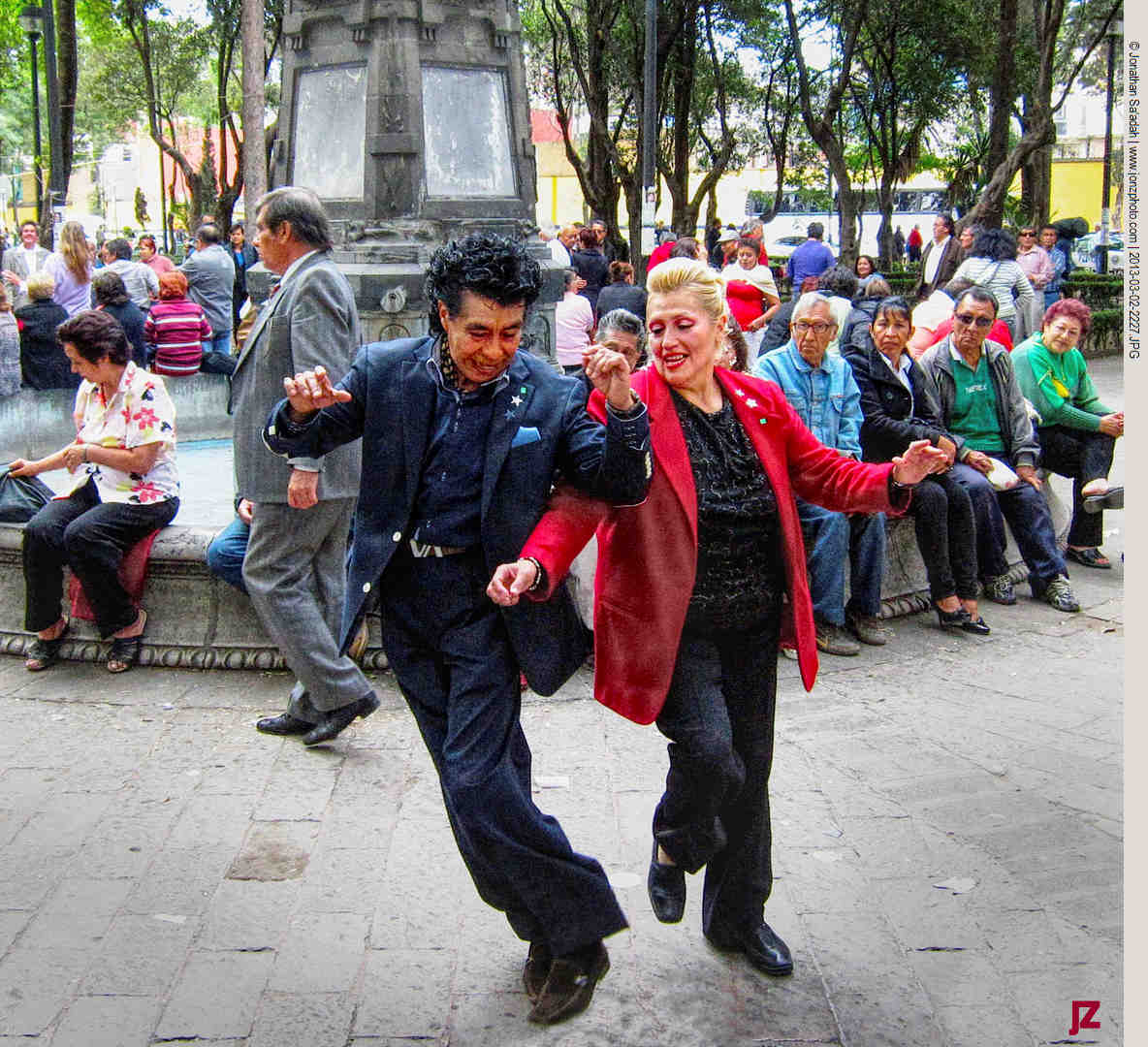
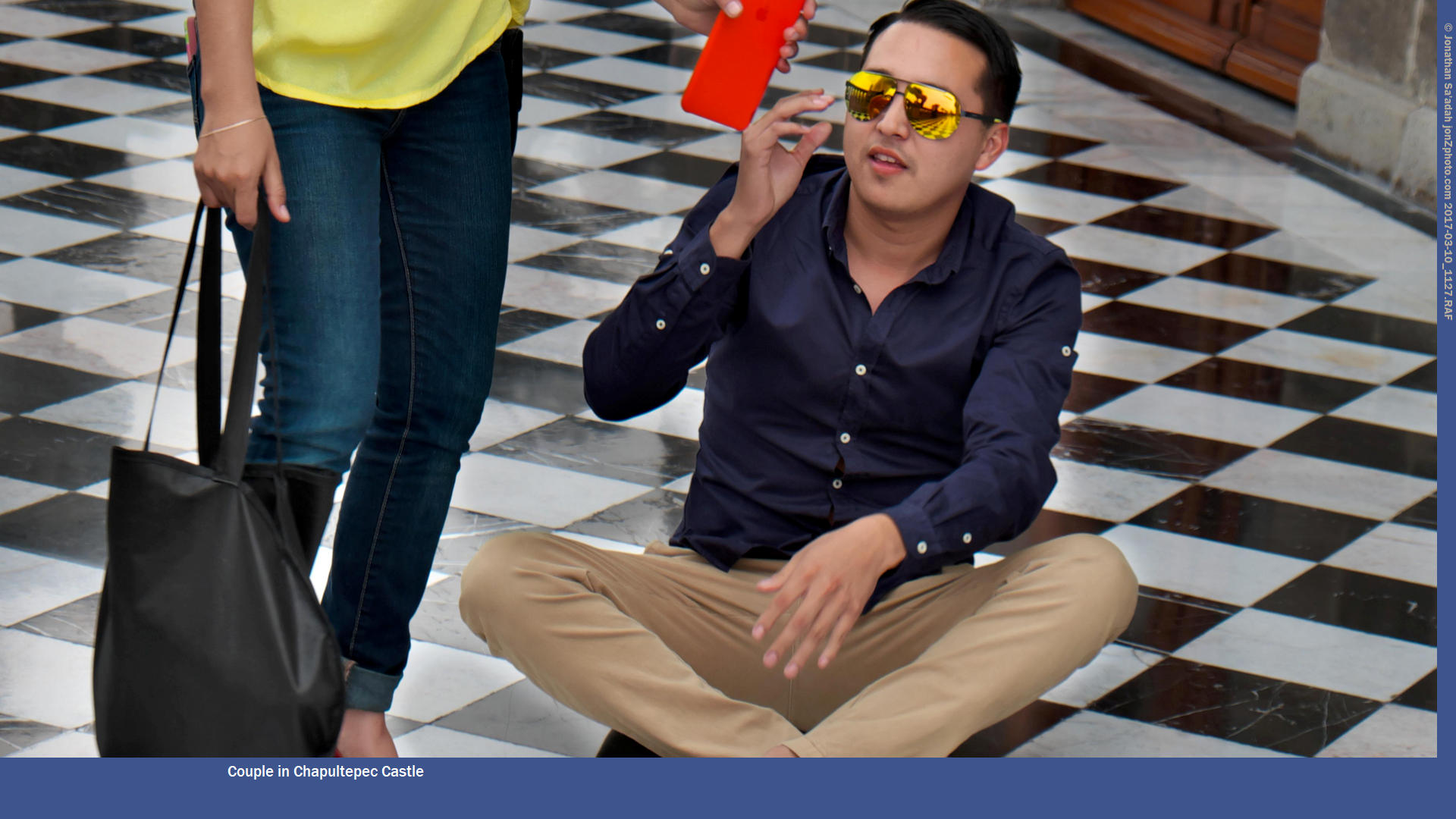
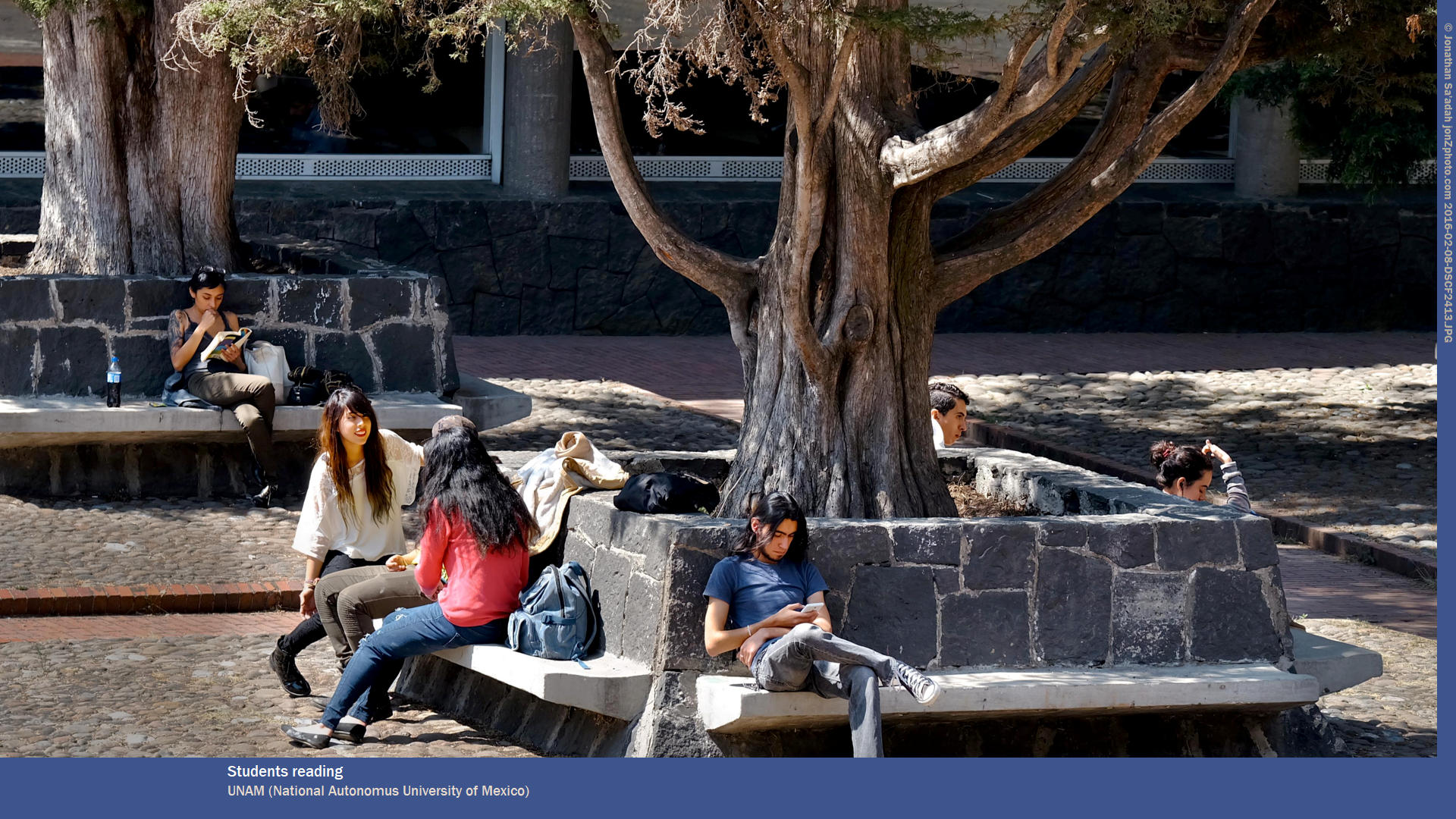
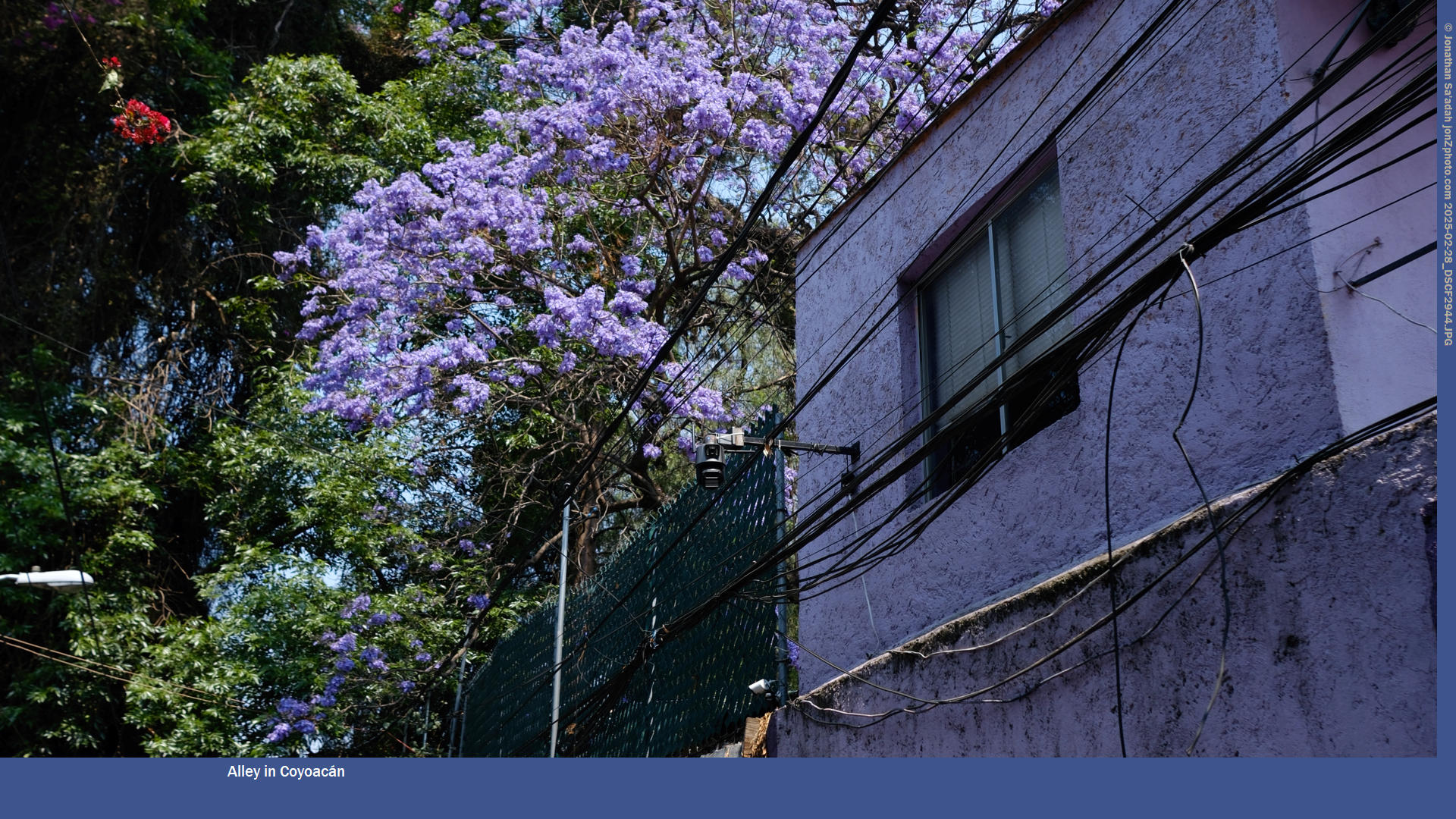
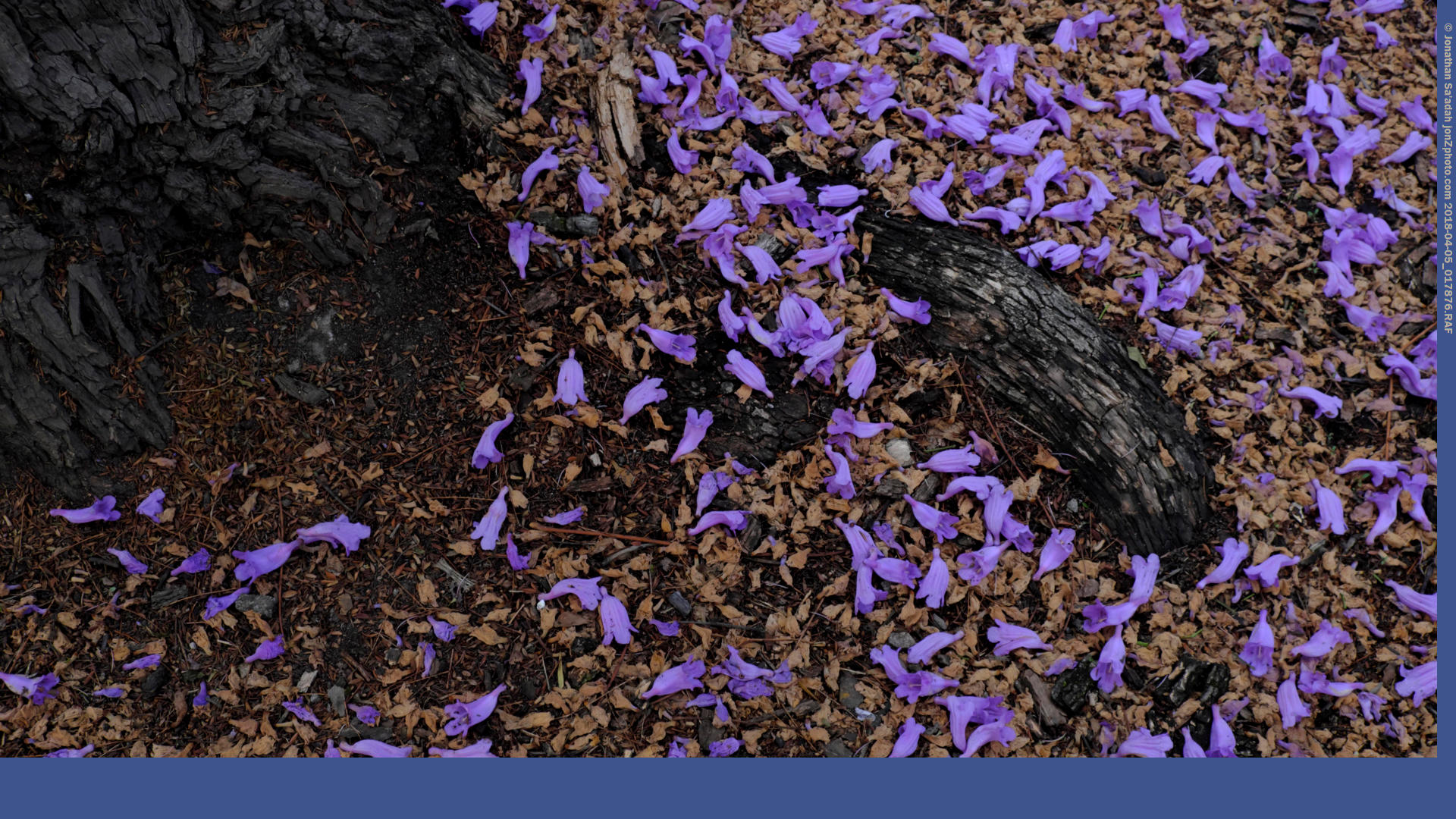
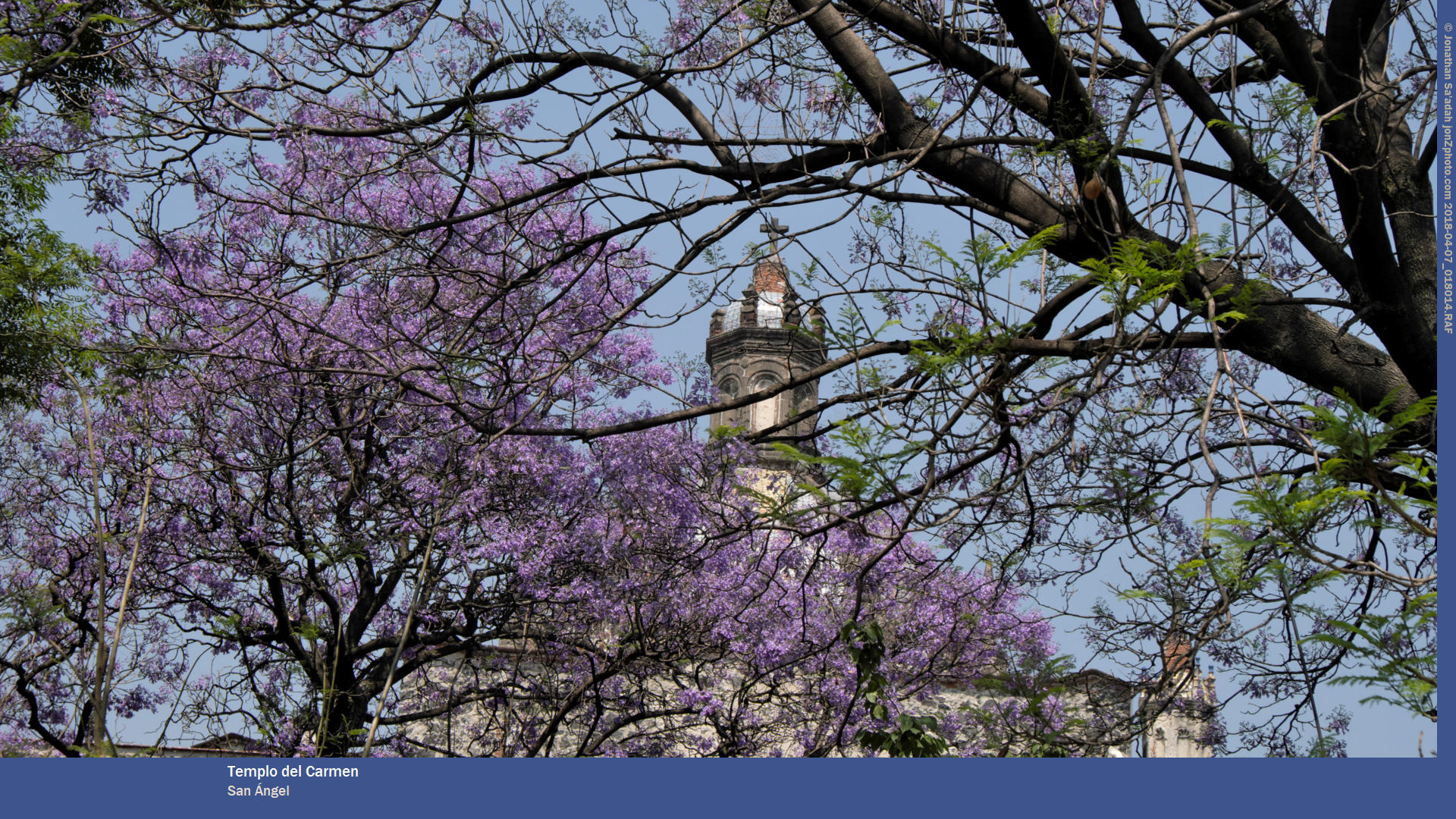
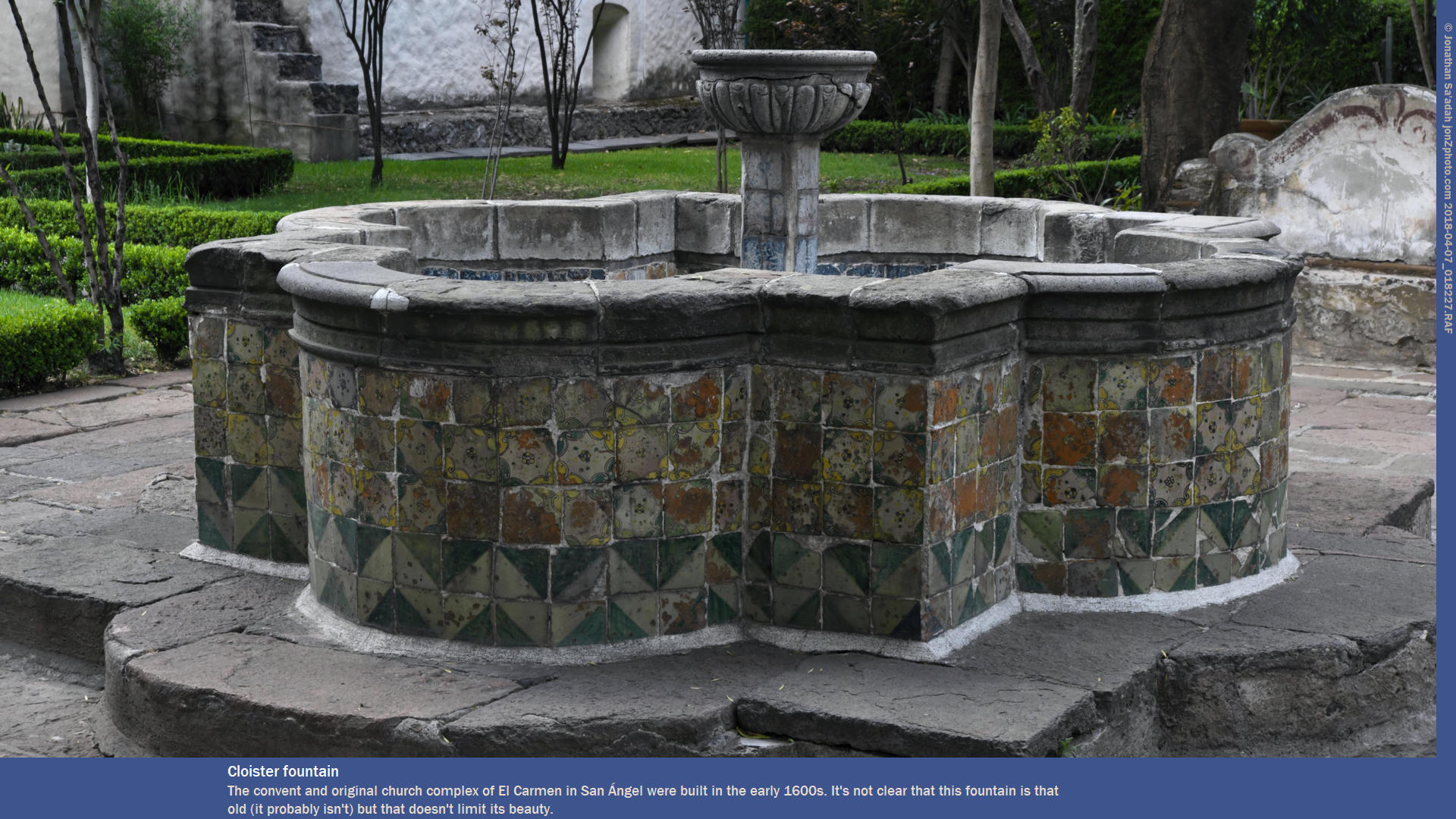
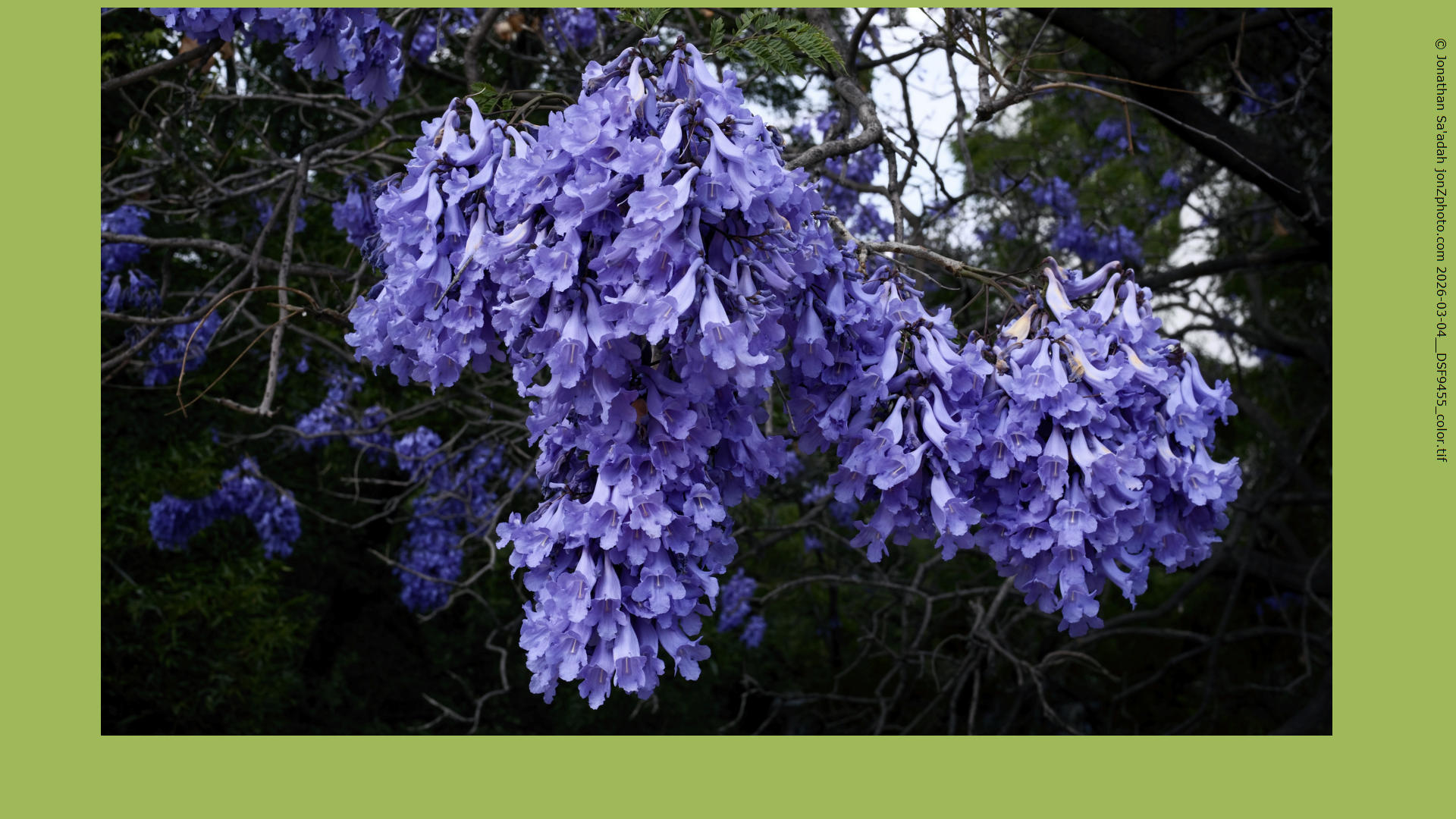
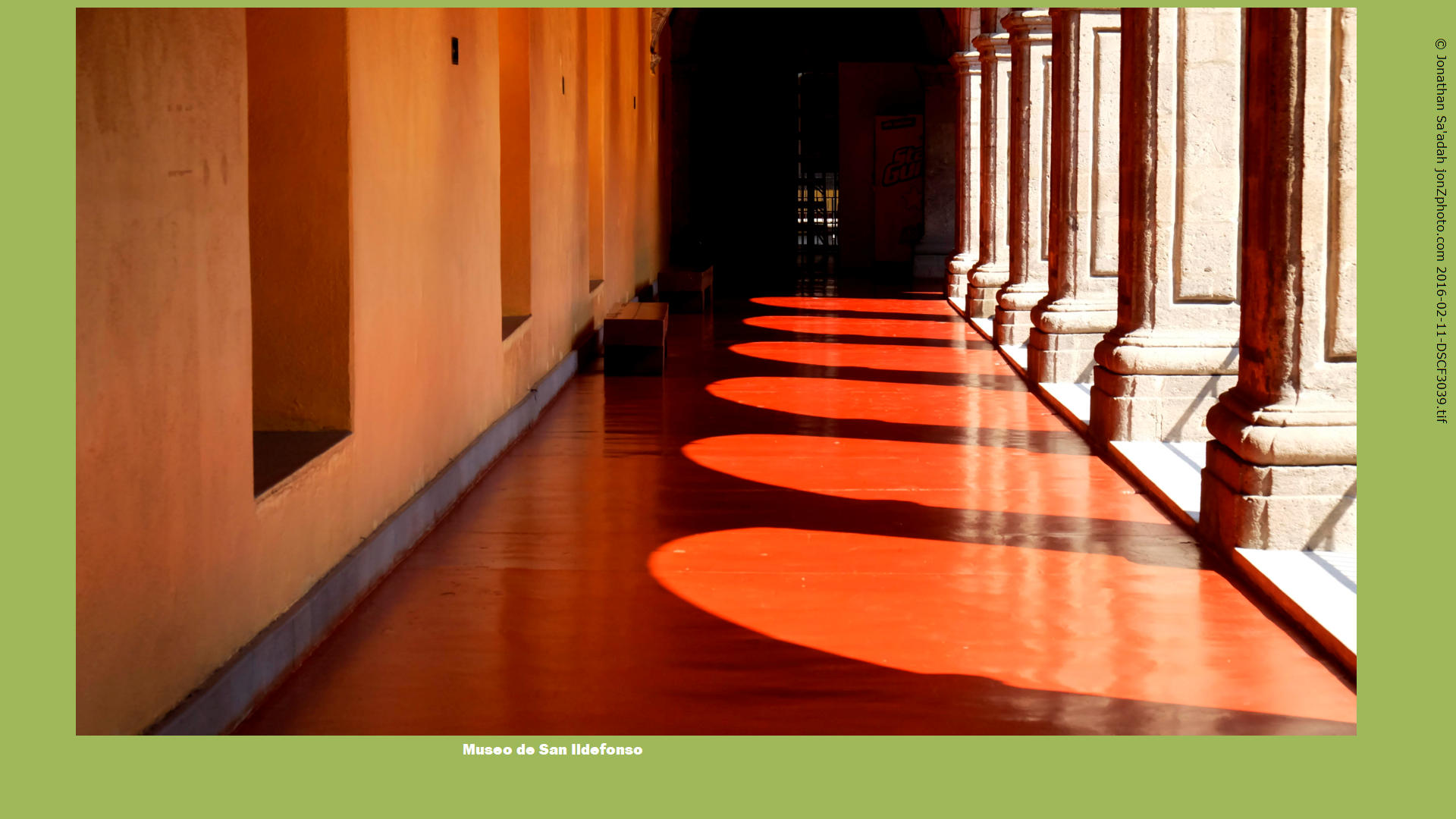
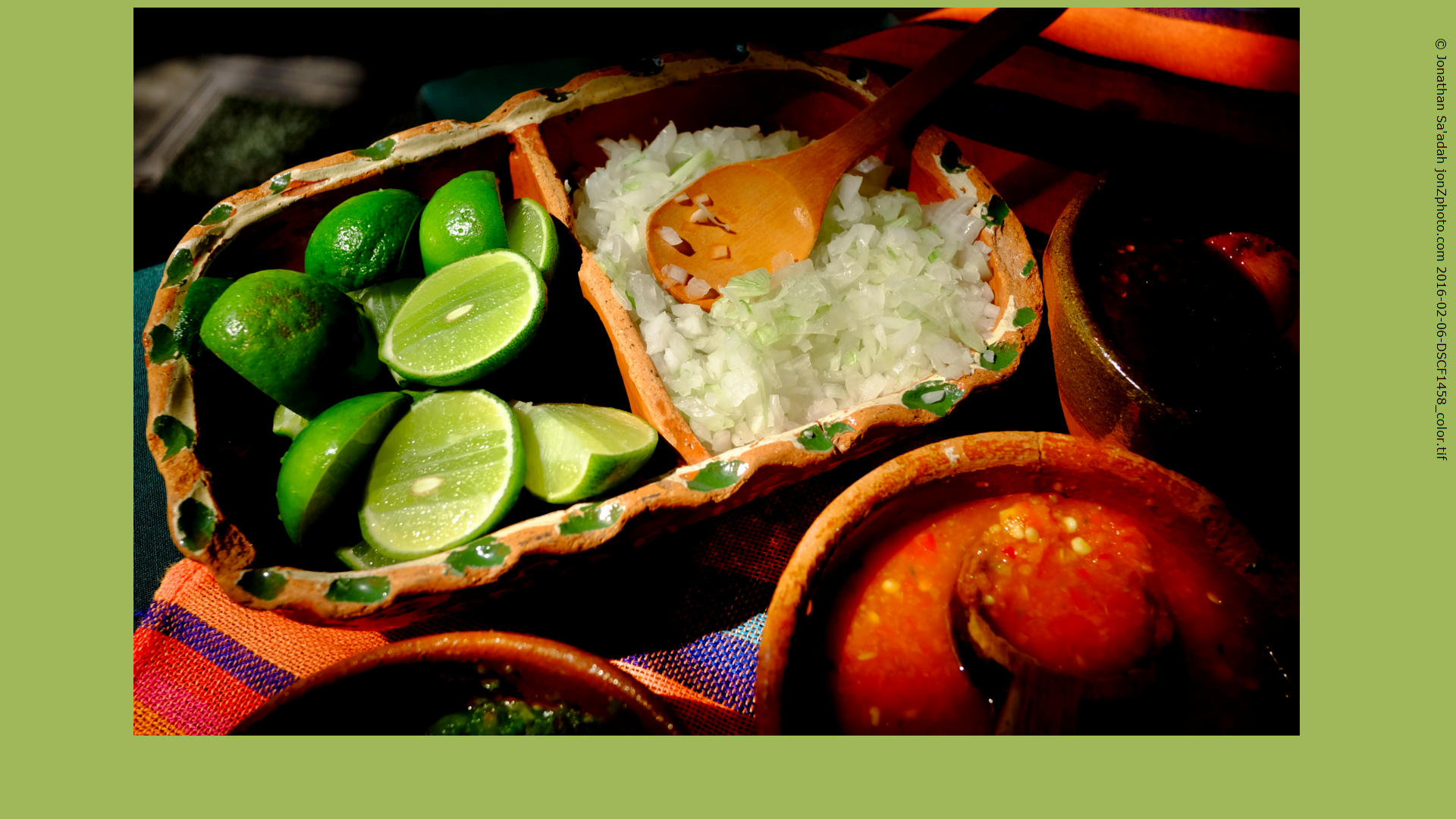
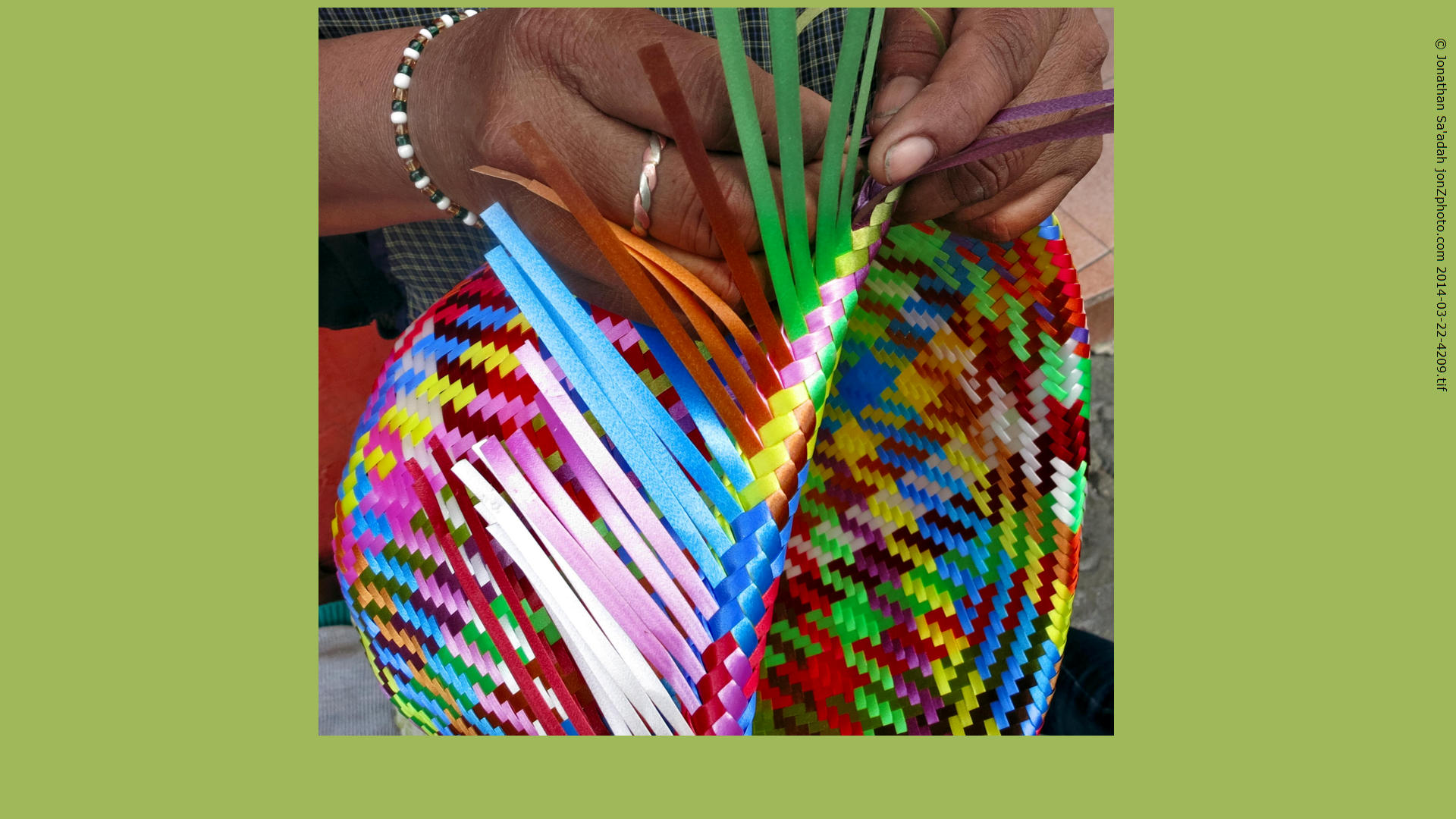
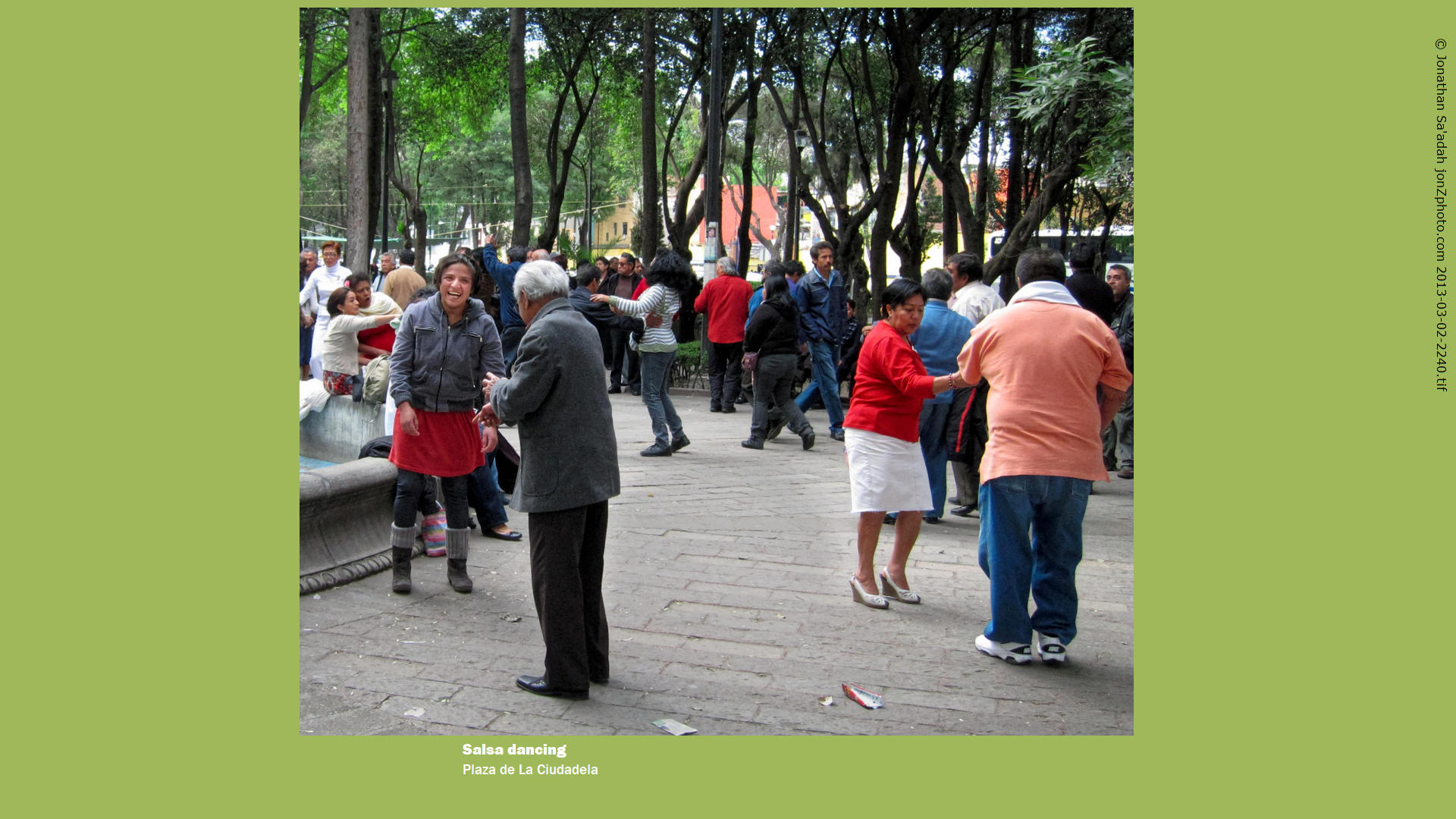
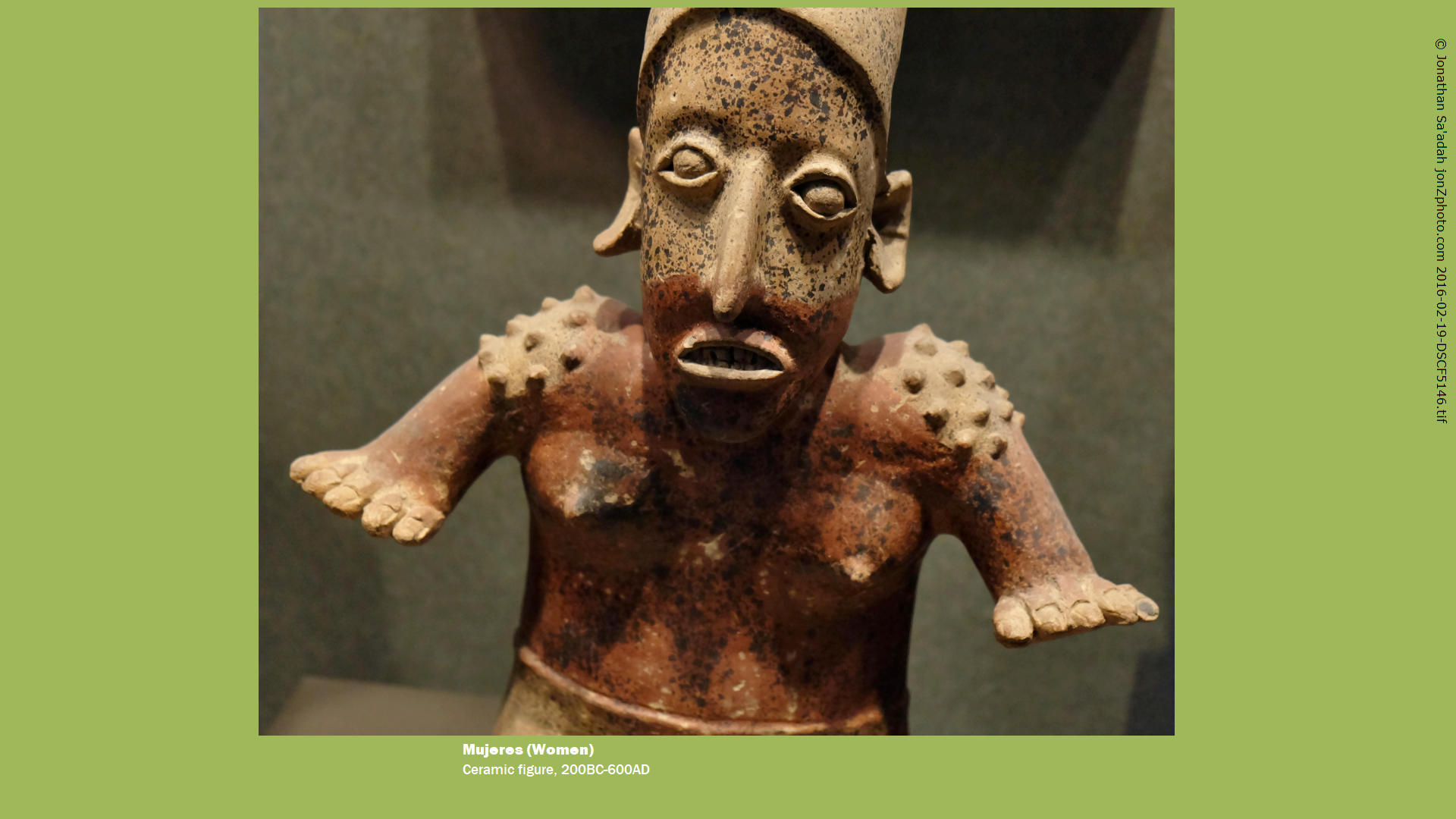
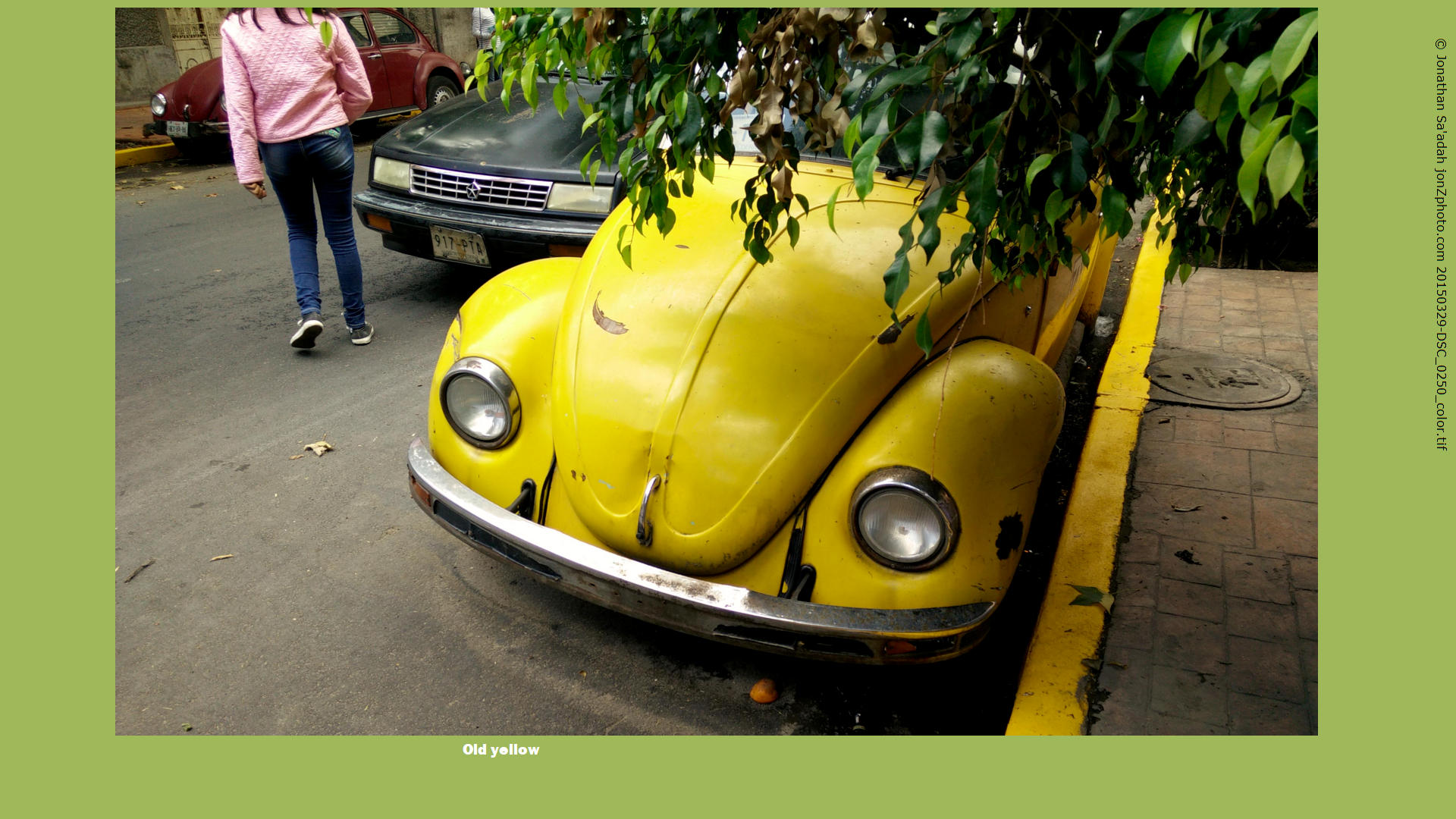
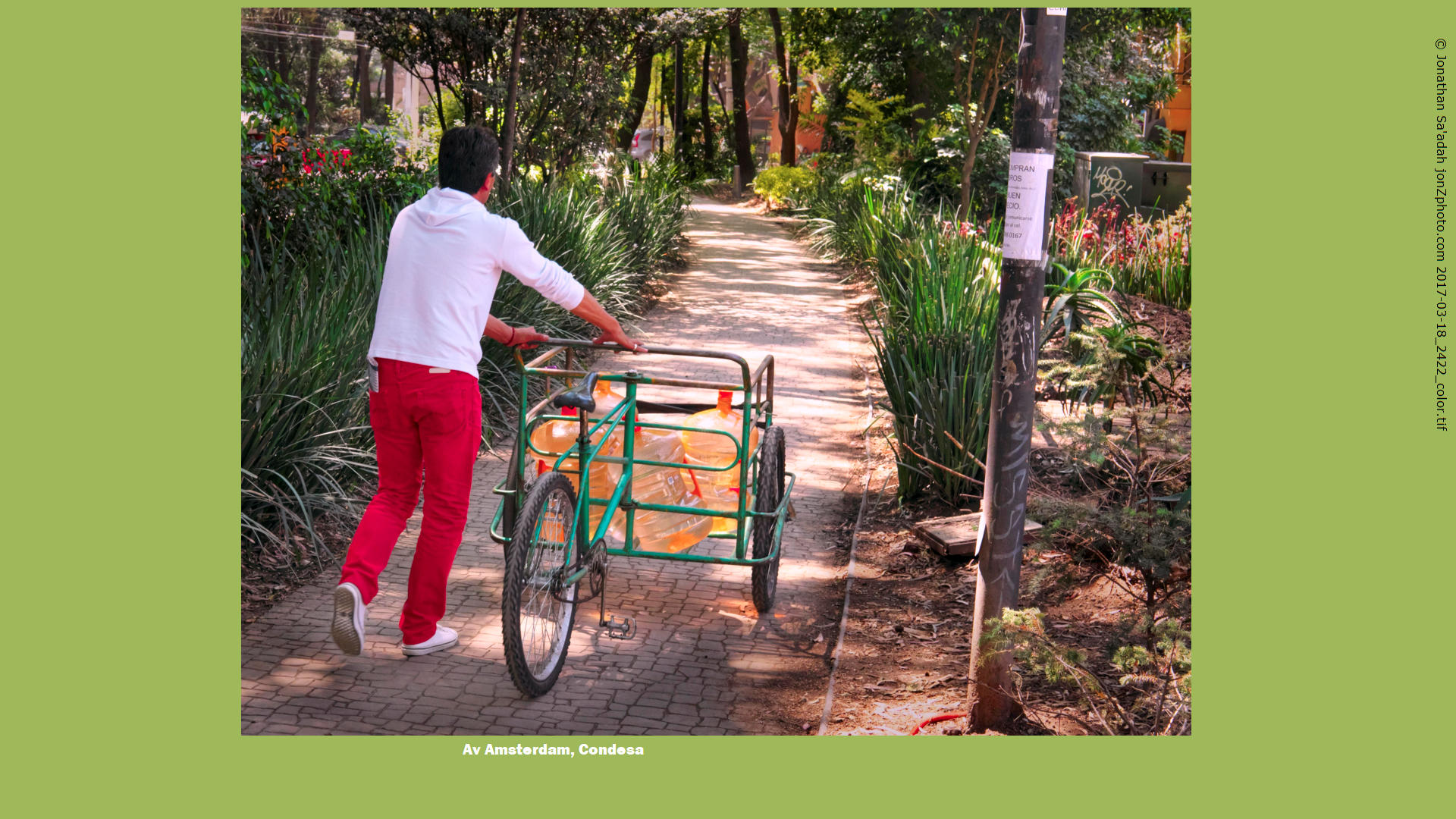
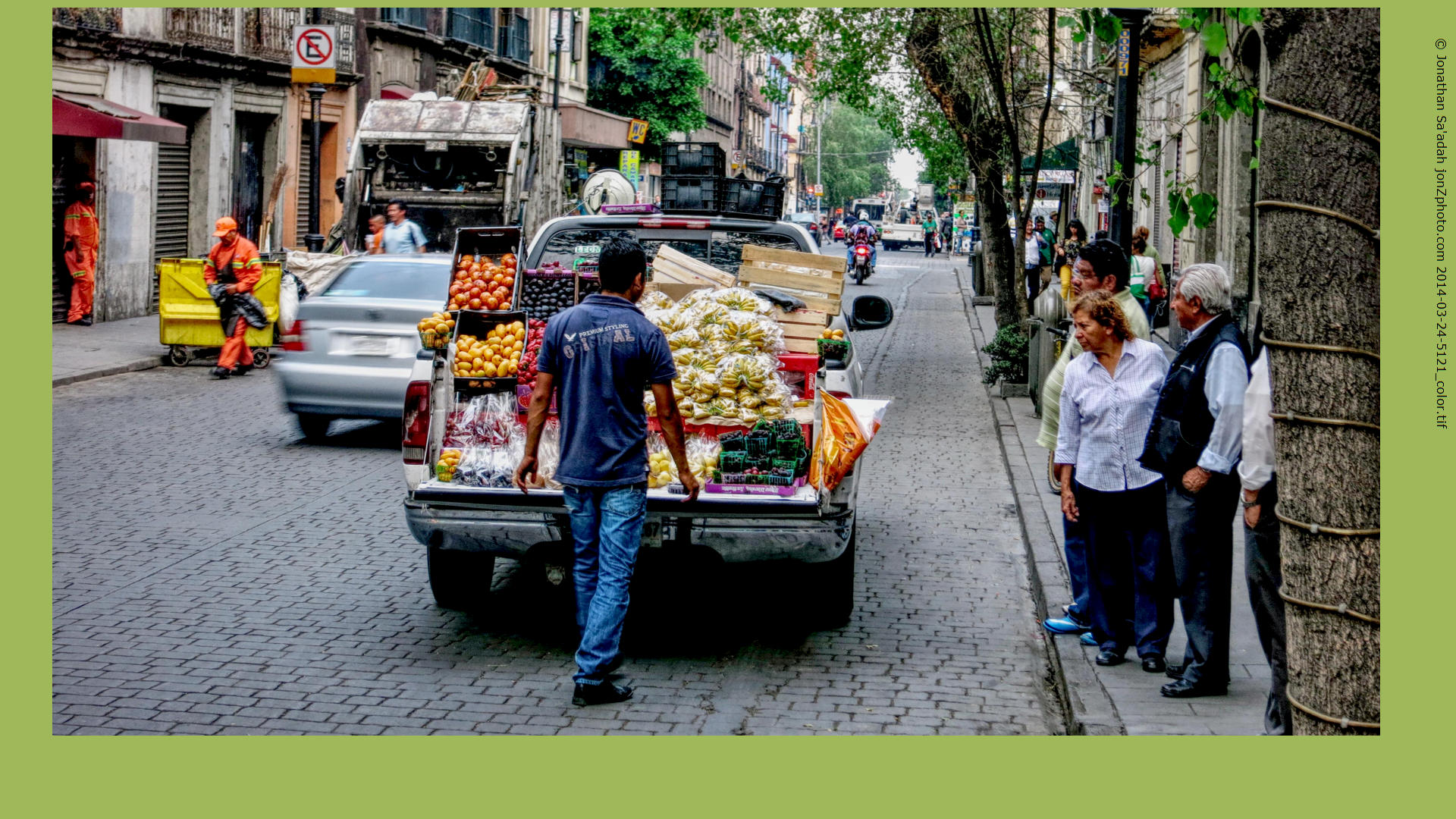
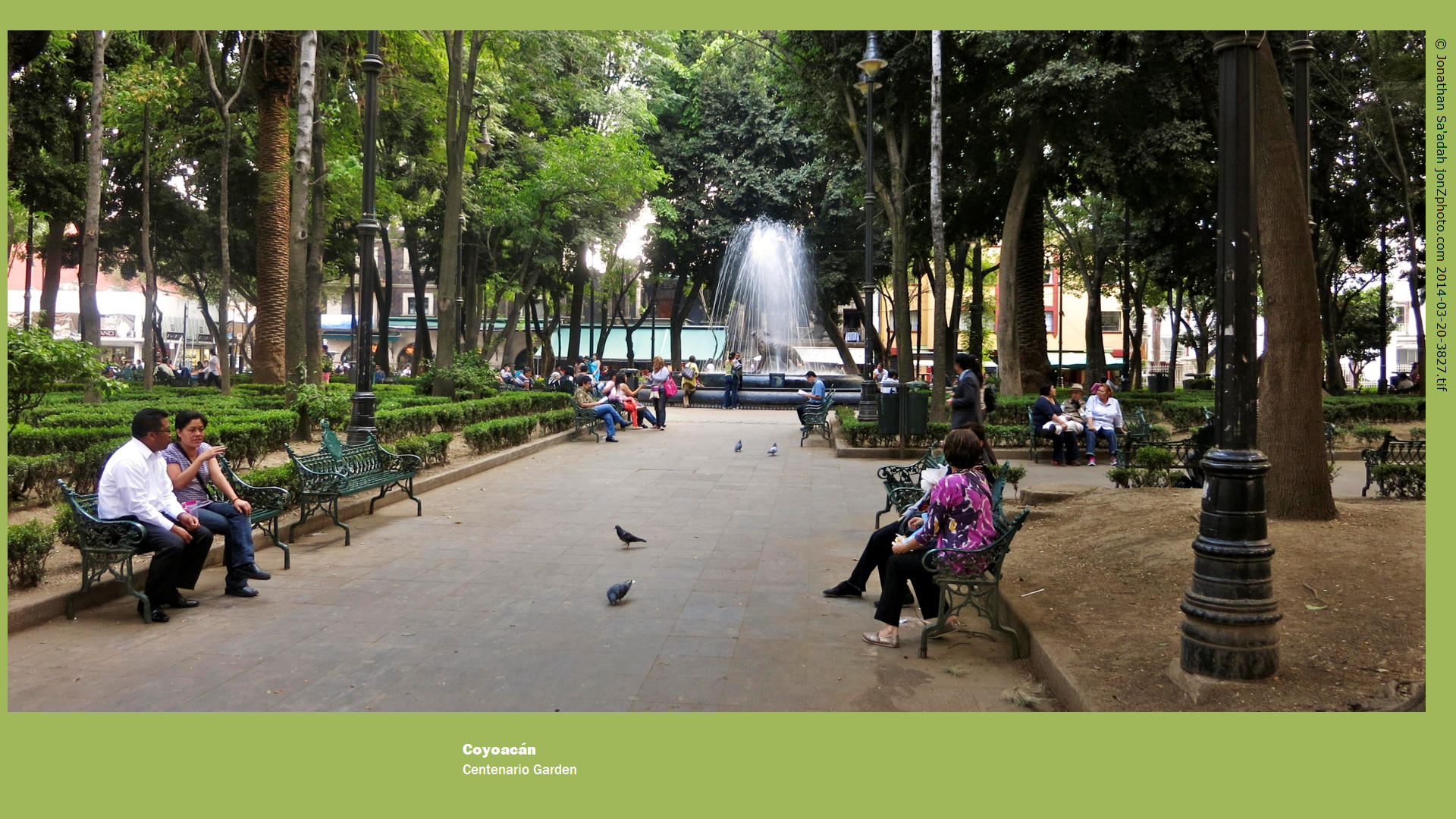
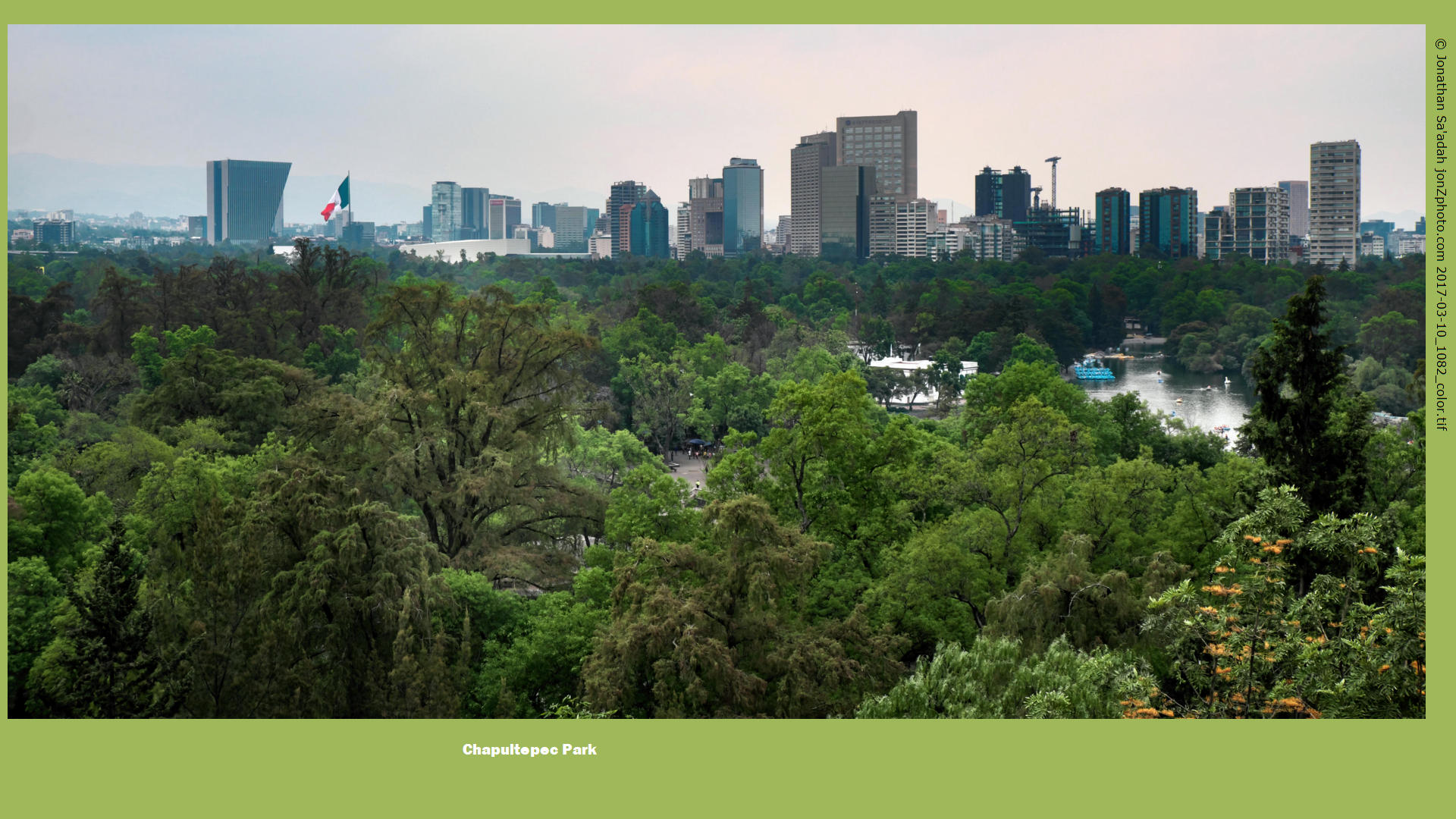
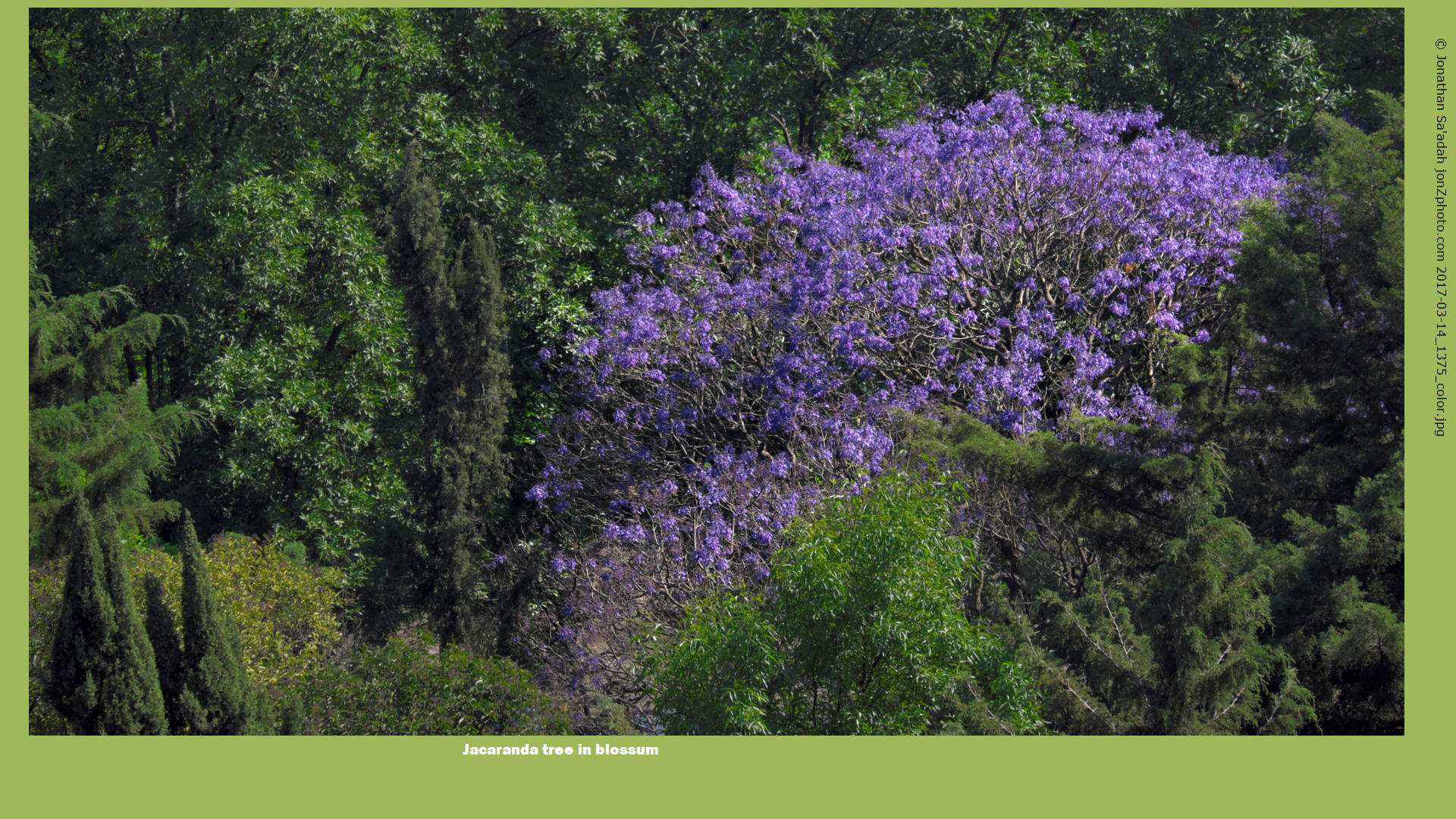
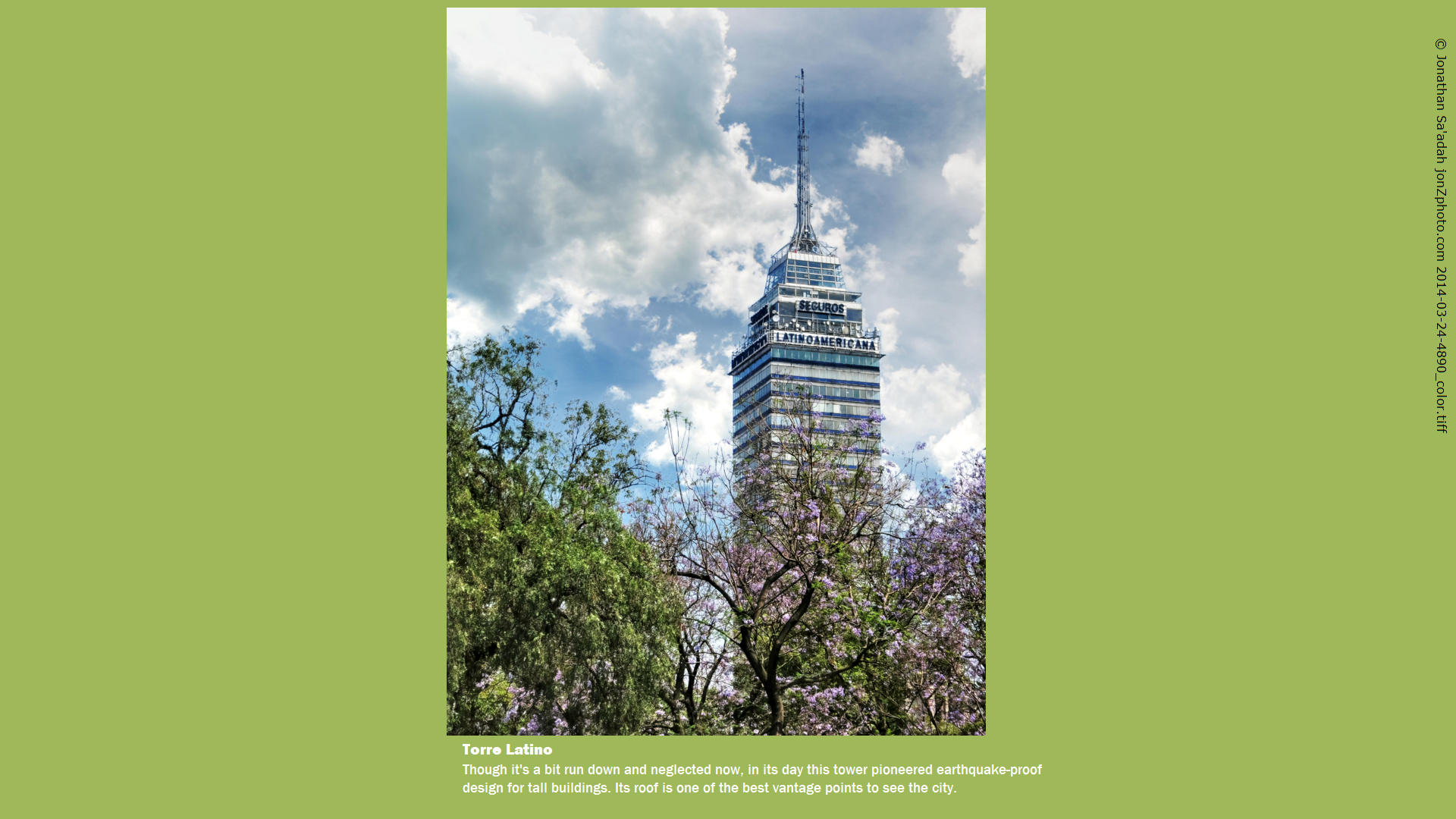
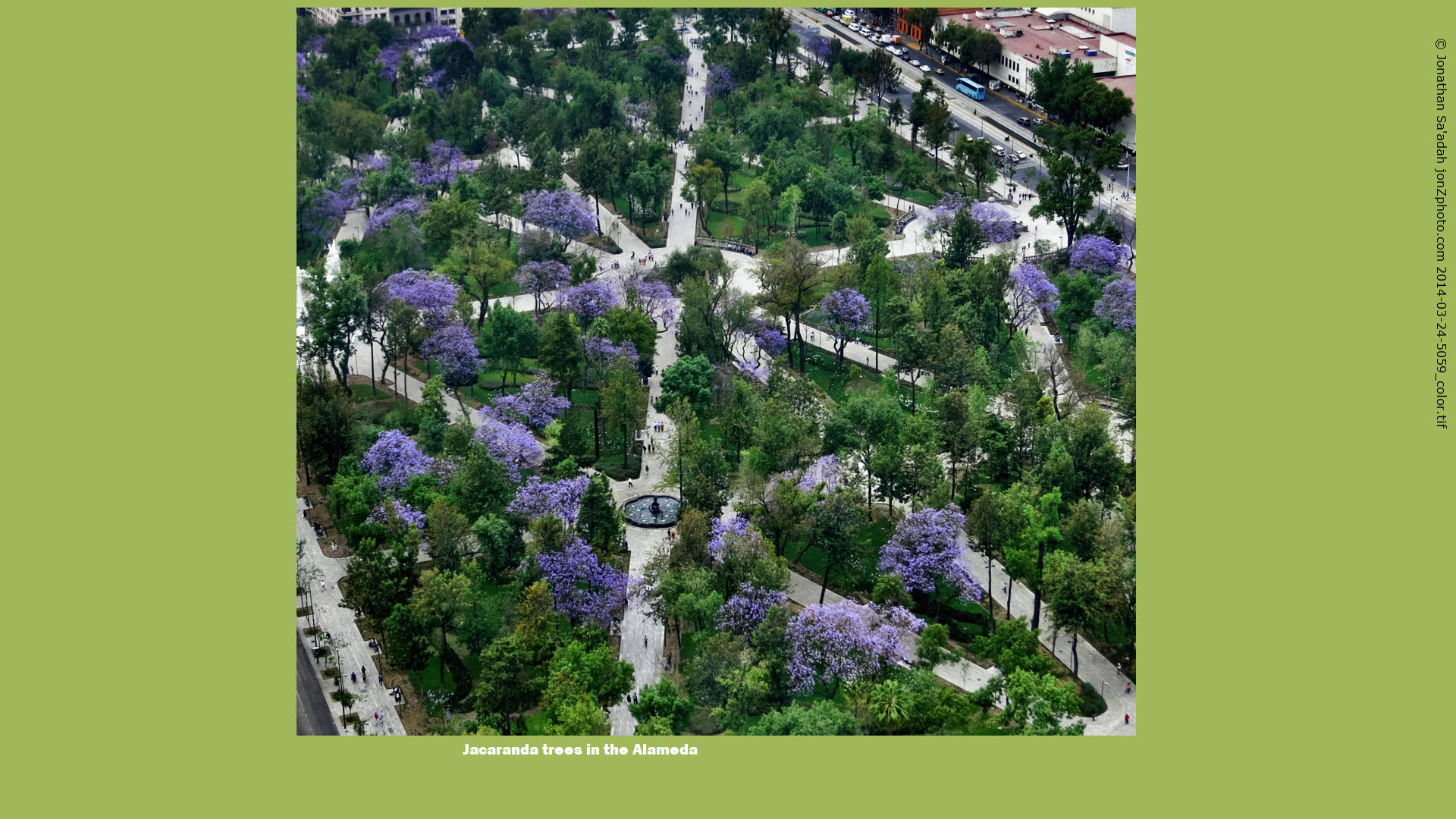
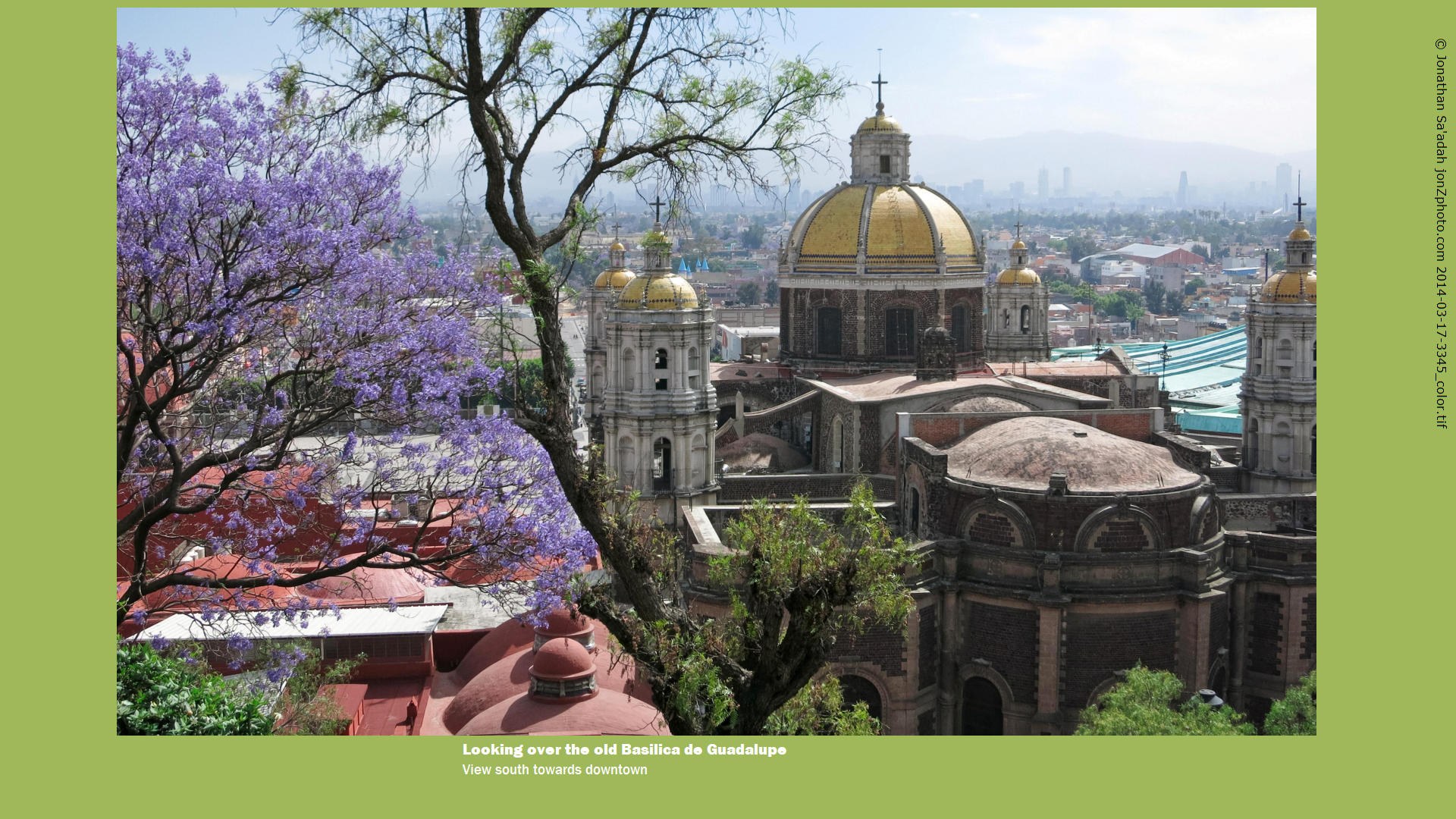
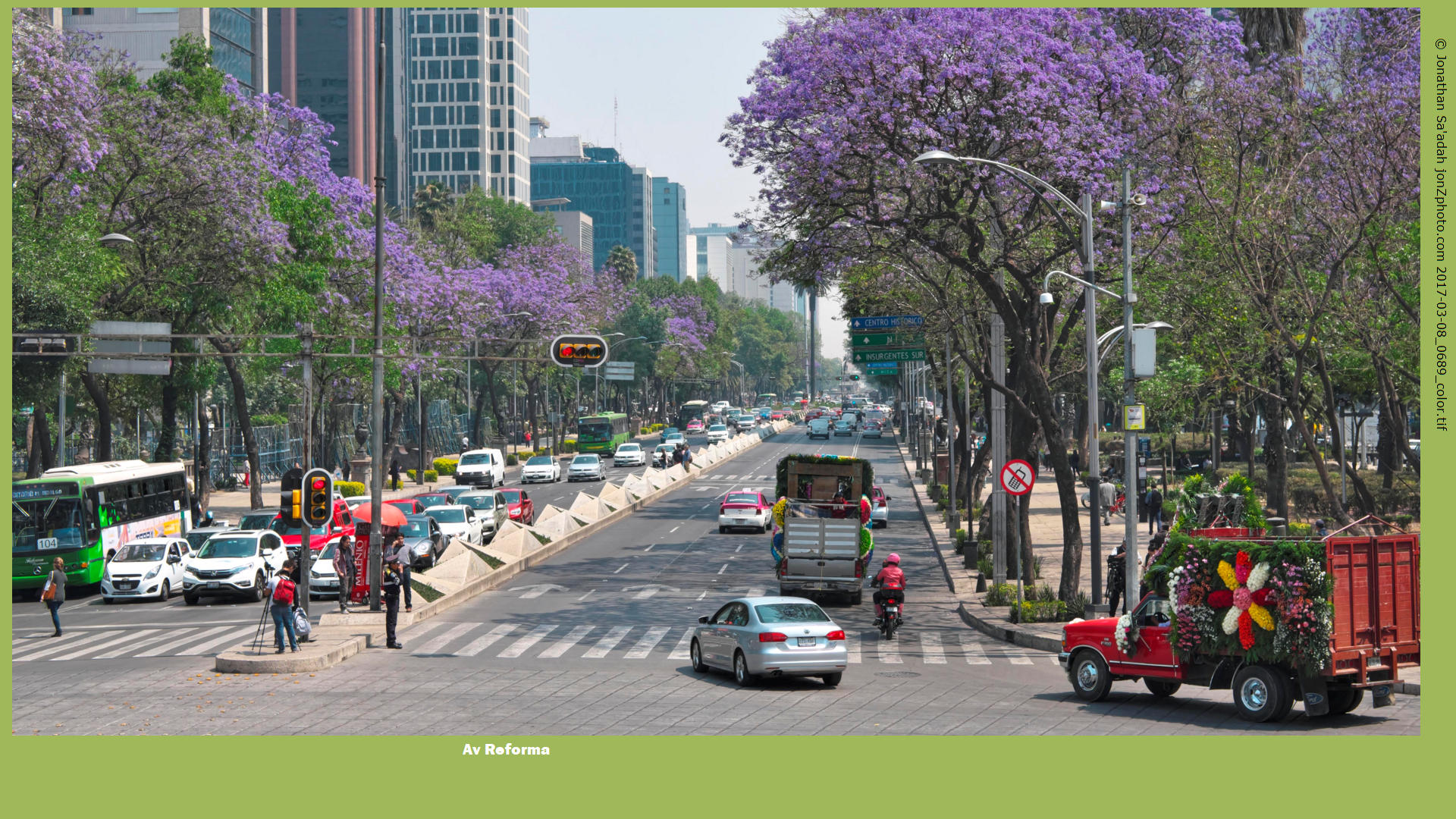
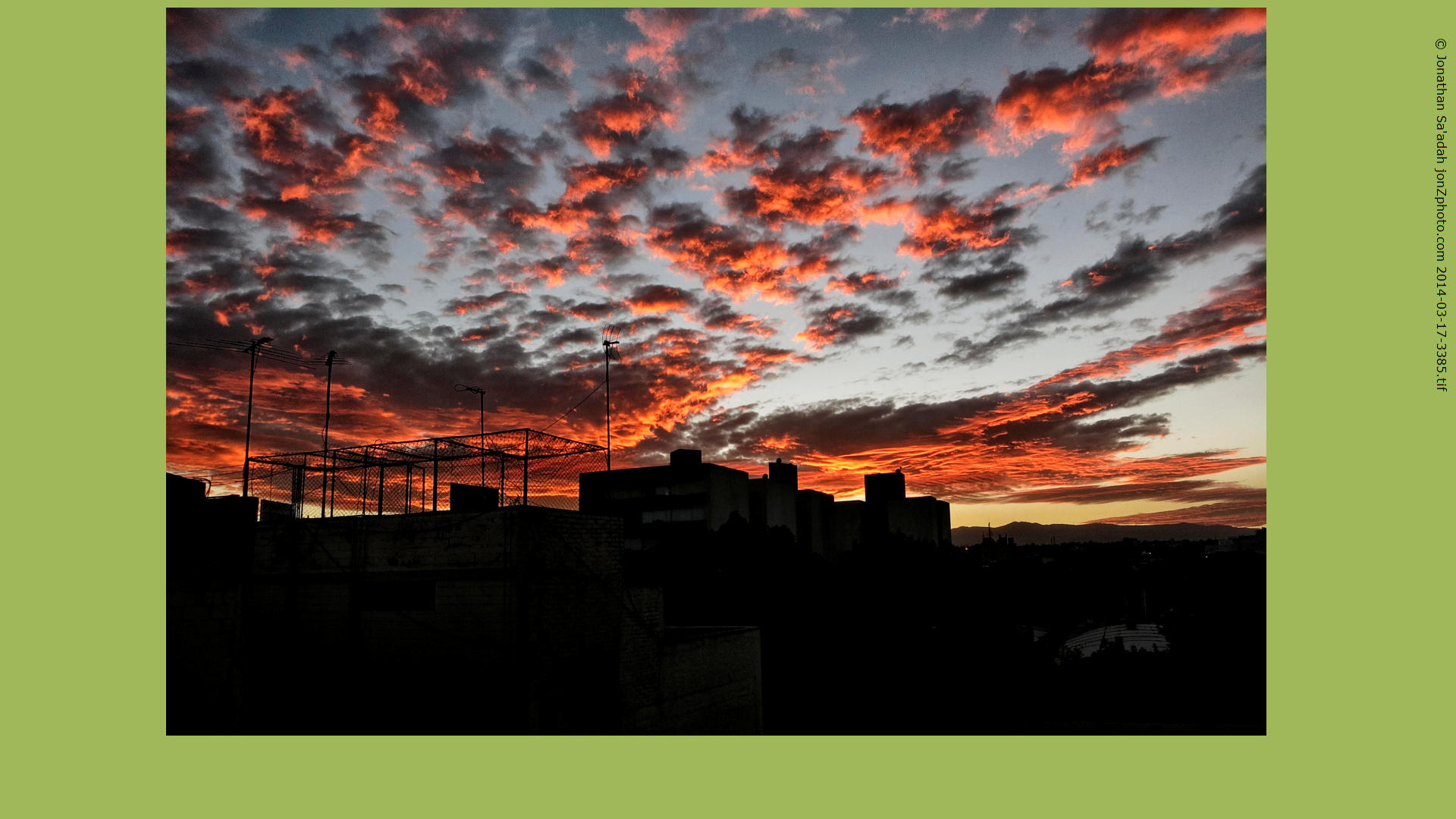
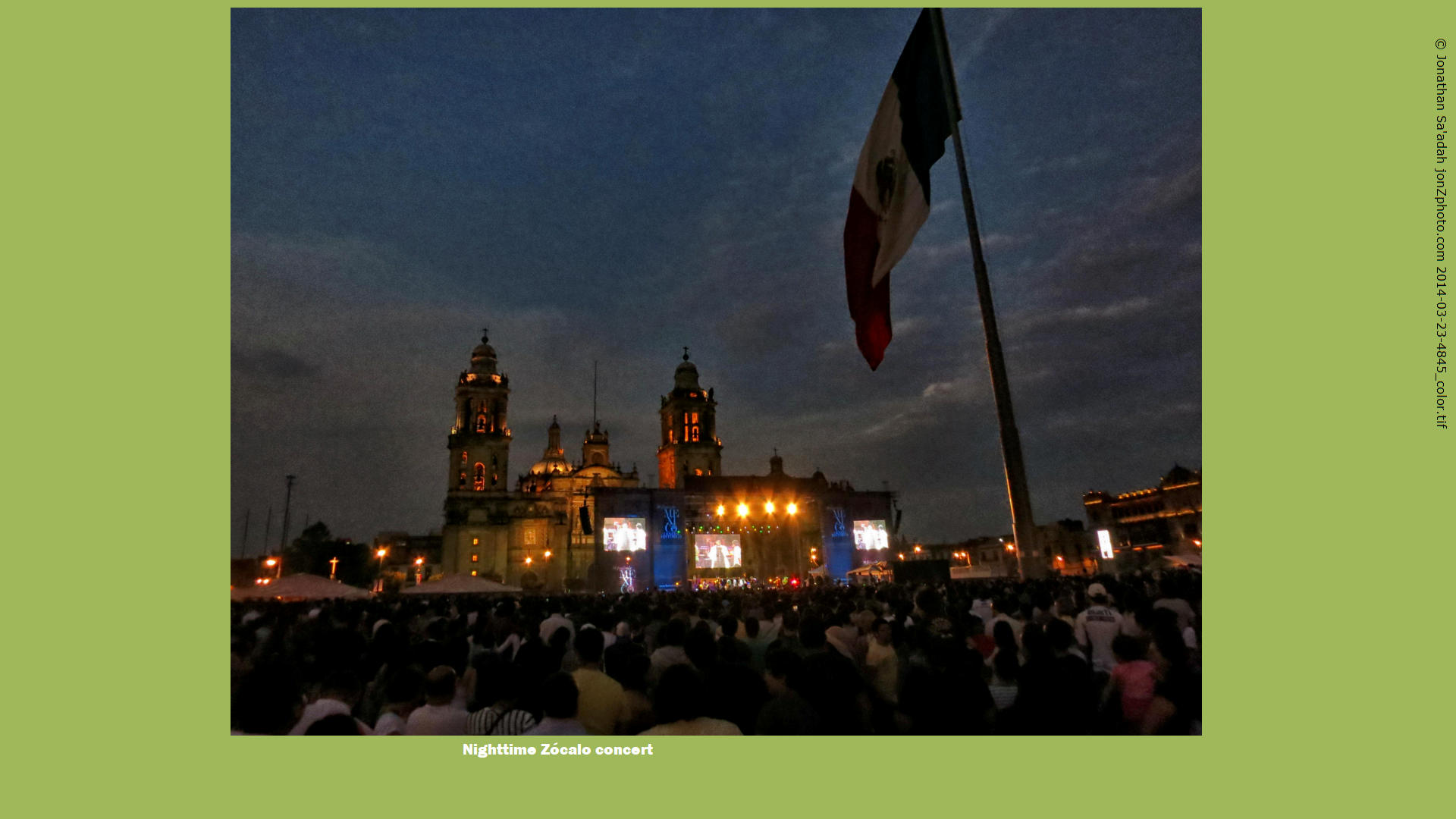
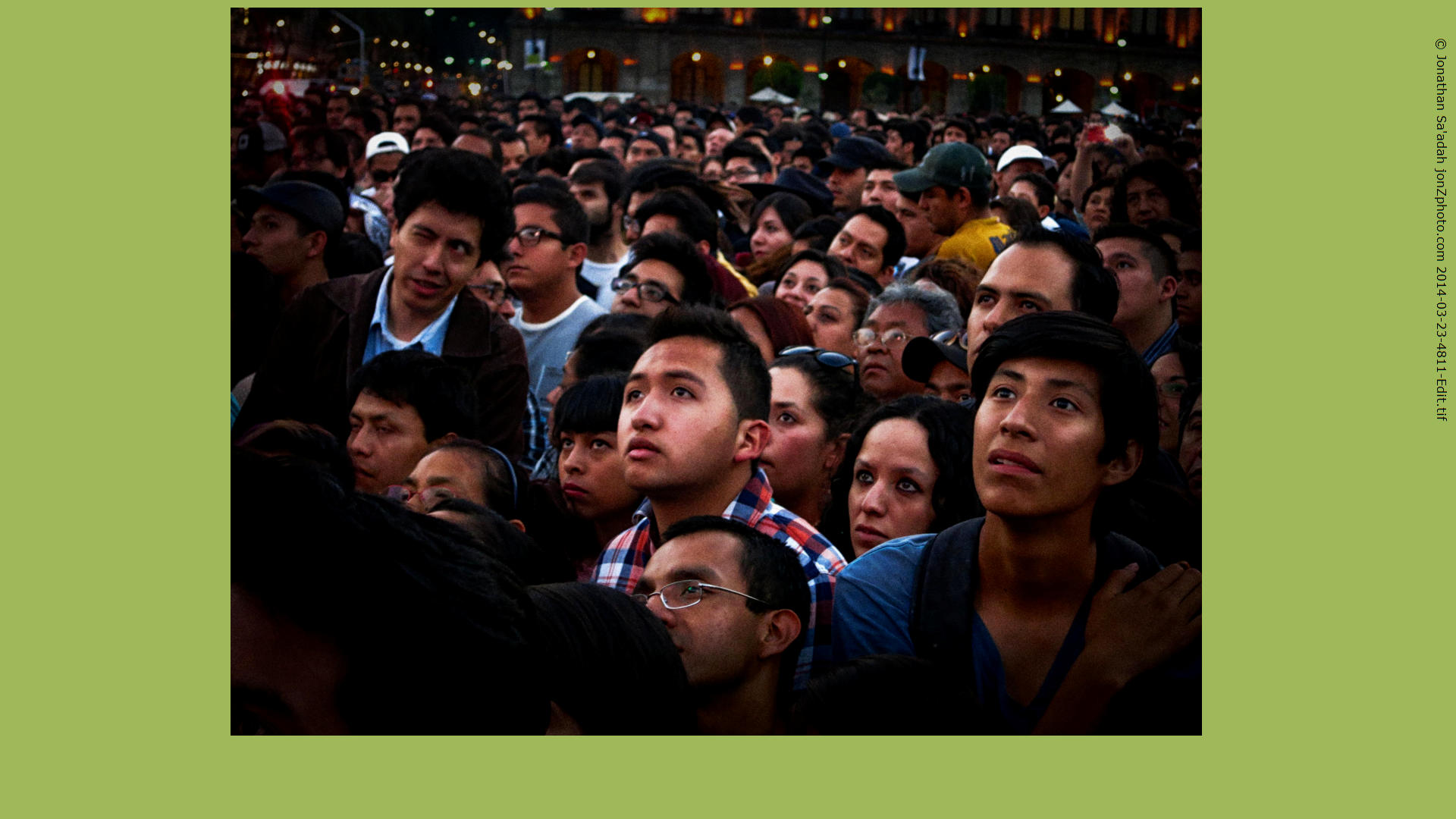
    A friend from home has been reminding me almost daily of the countdown to changing our clocks, a small encouragement and marking of spring’s impending arrival. I hope some of these photos will work to warm you. Some are from previous visits to Mexico City, but they are all taken at this time of year, when the city breaking out into spring.

  • Meteora II

    Meteora II

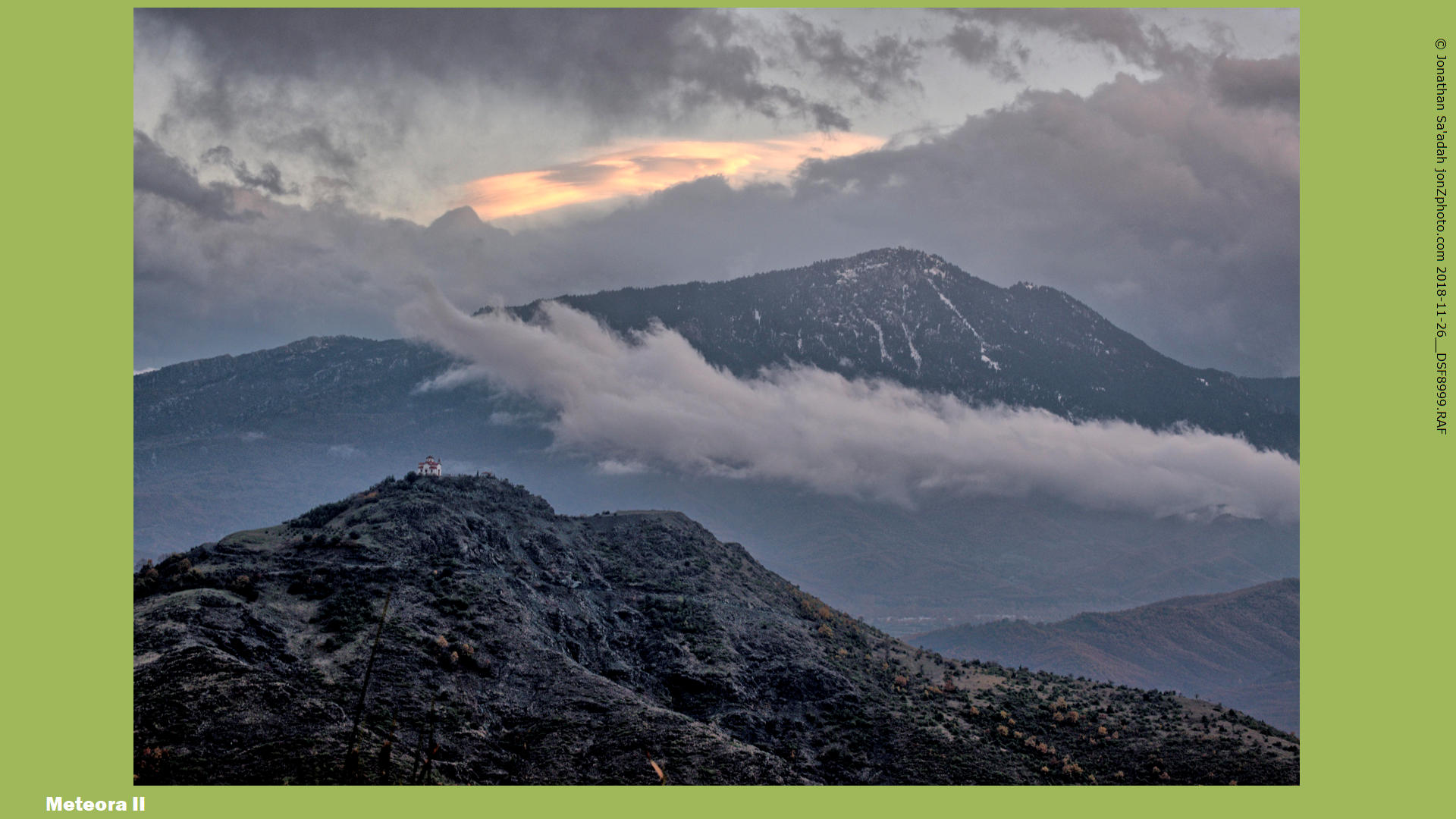
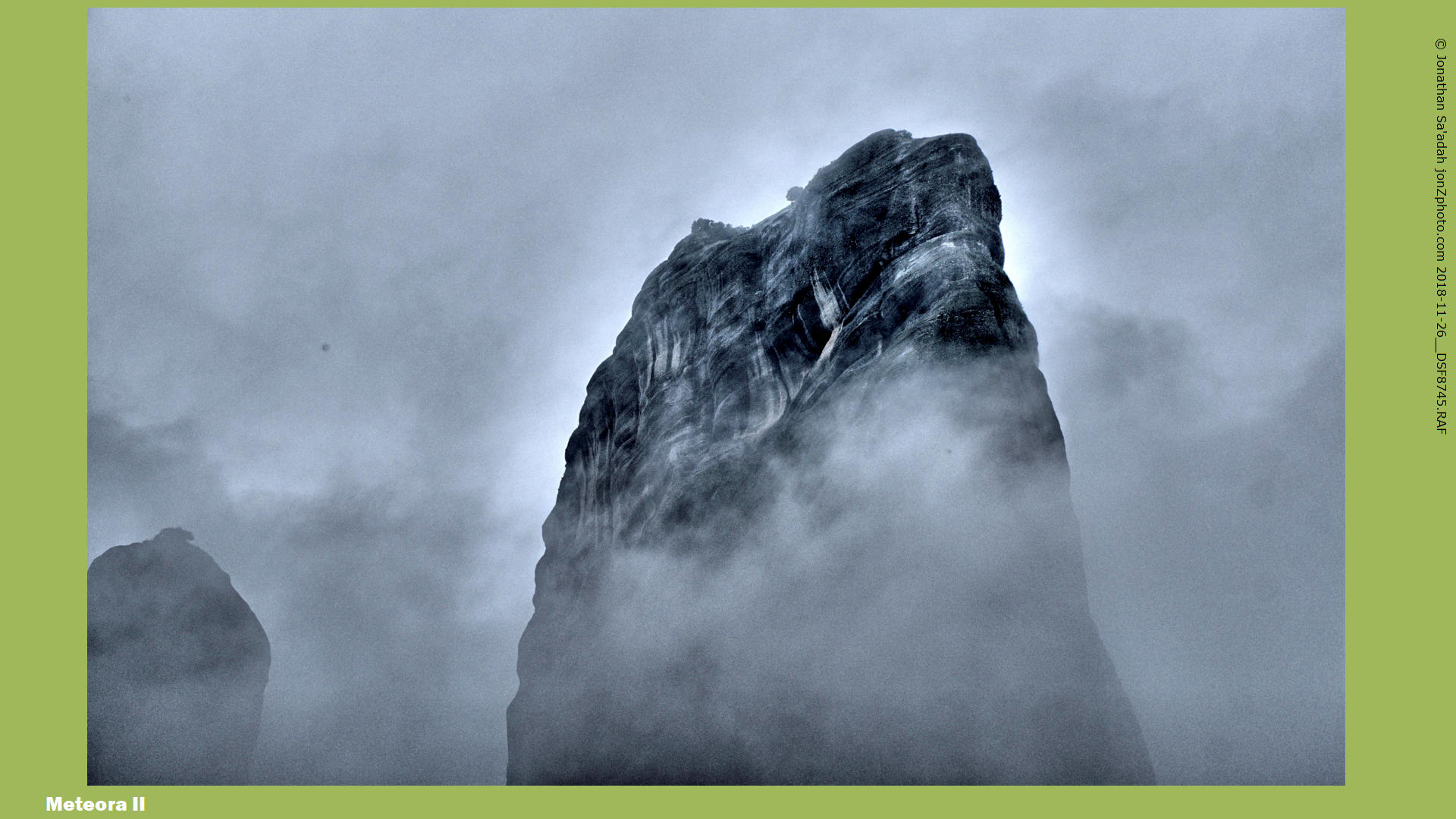
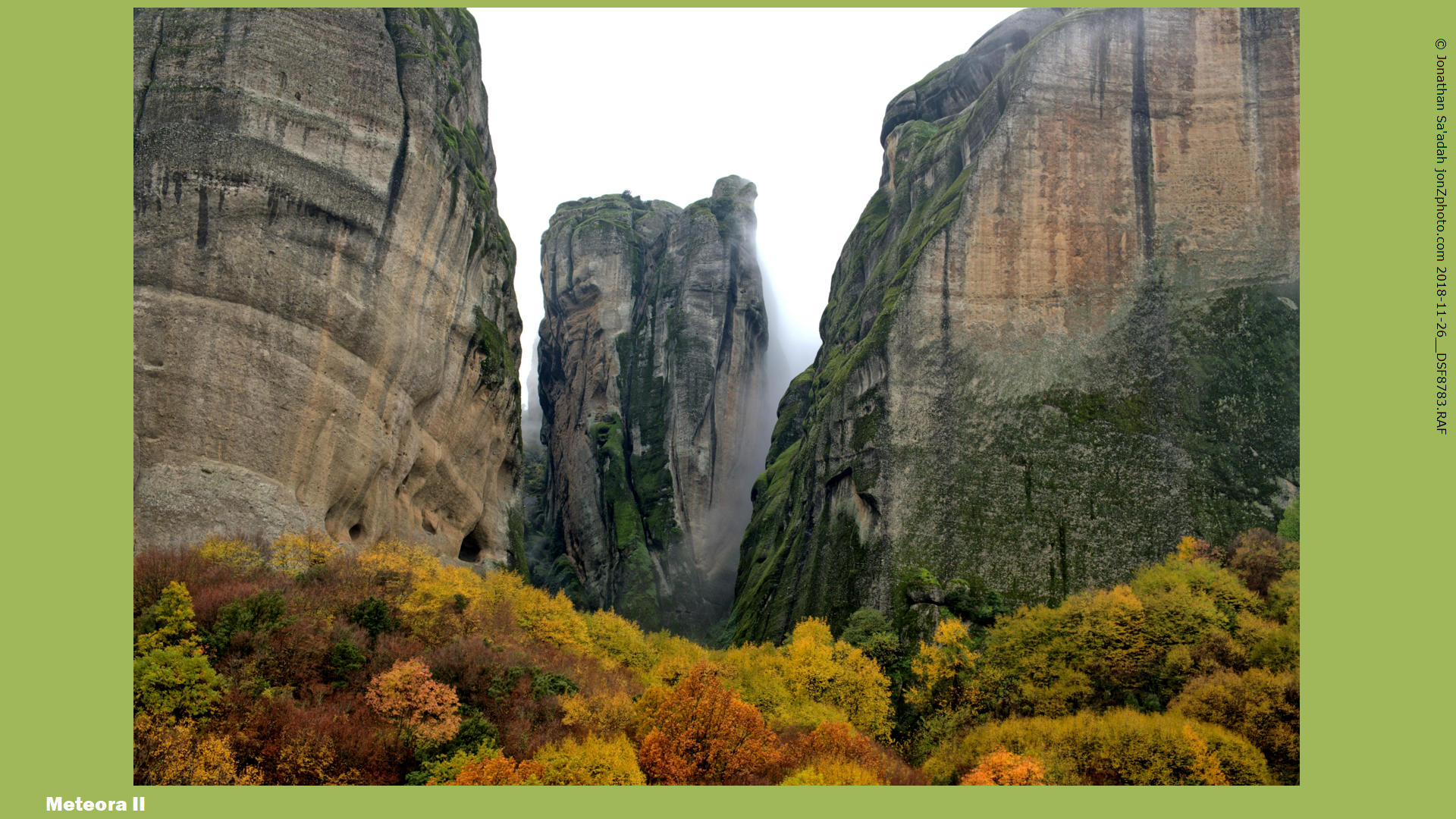
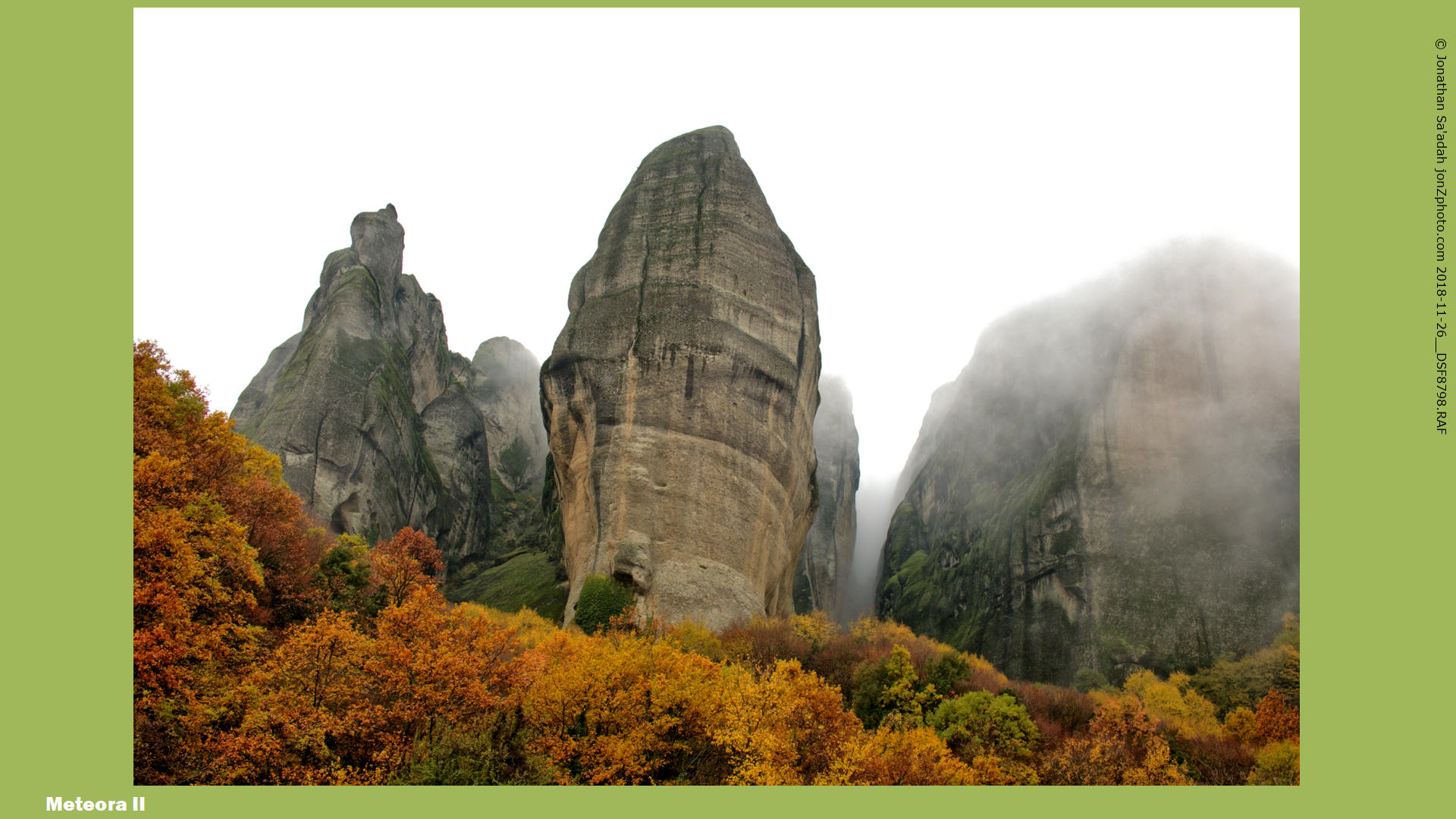
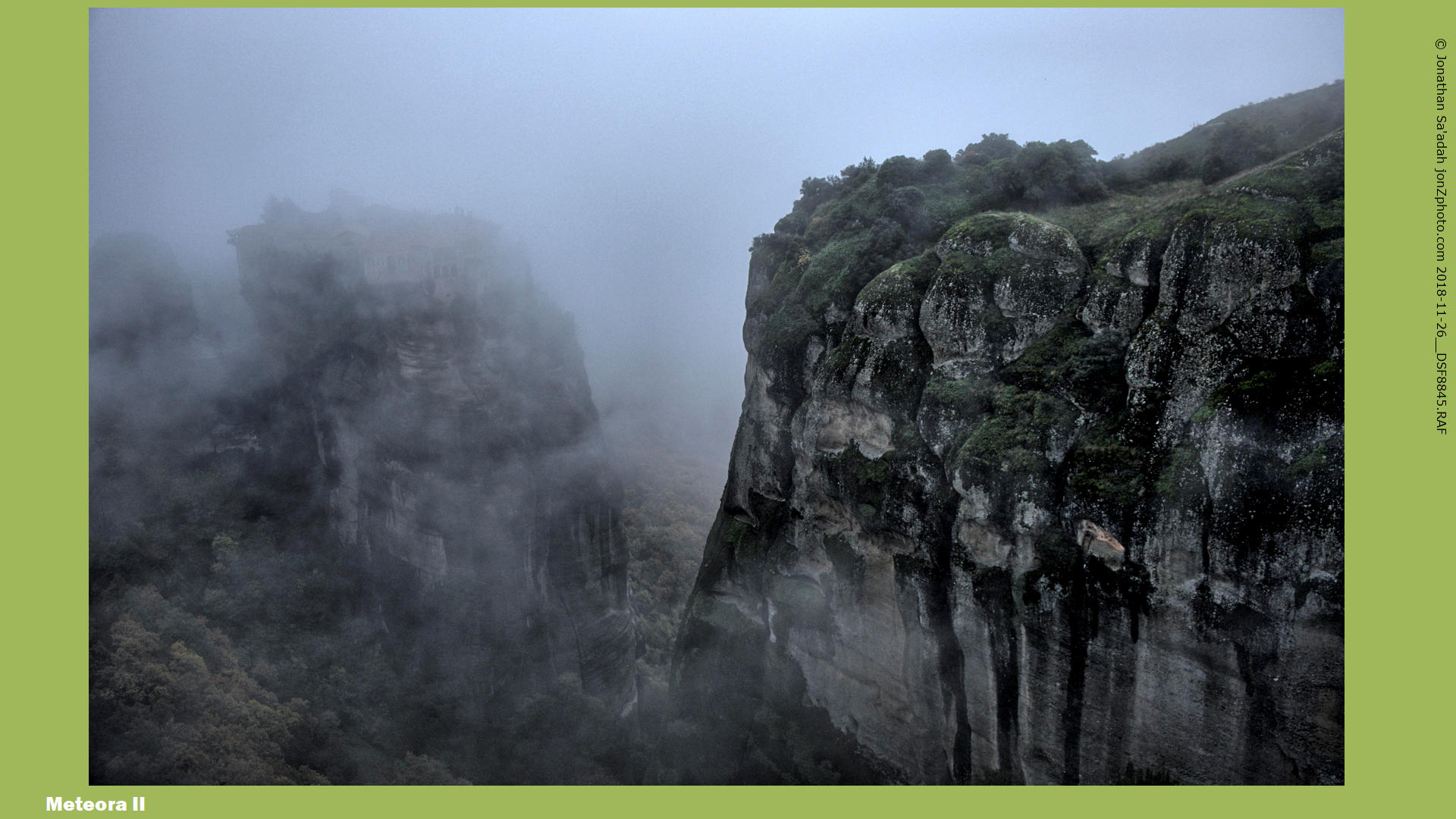
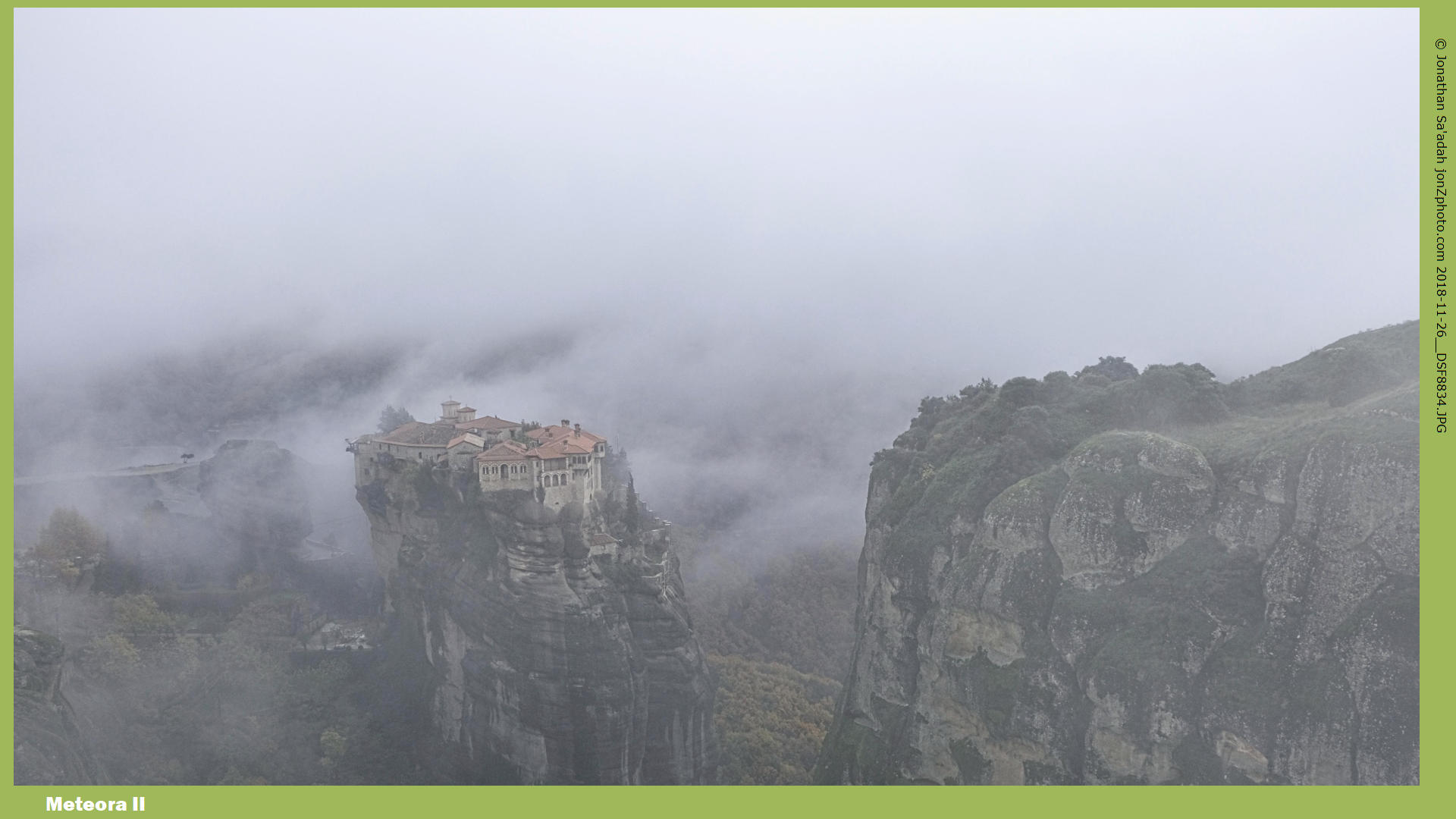
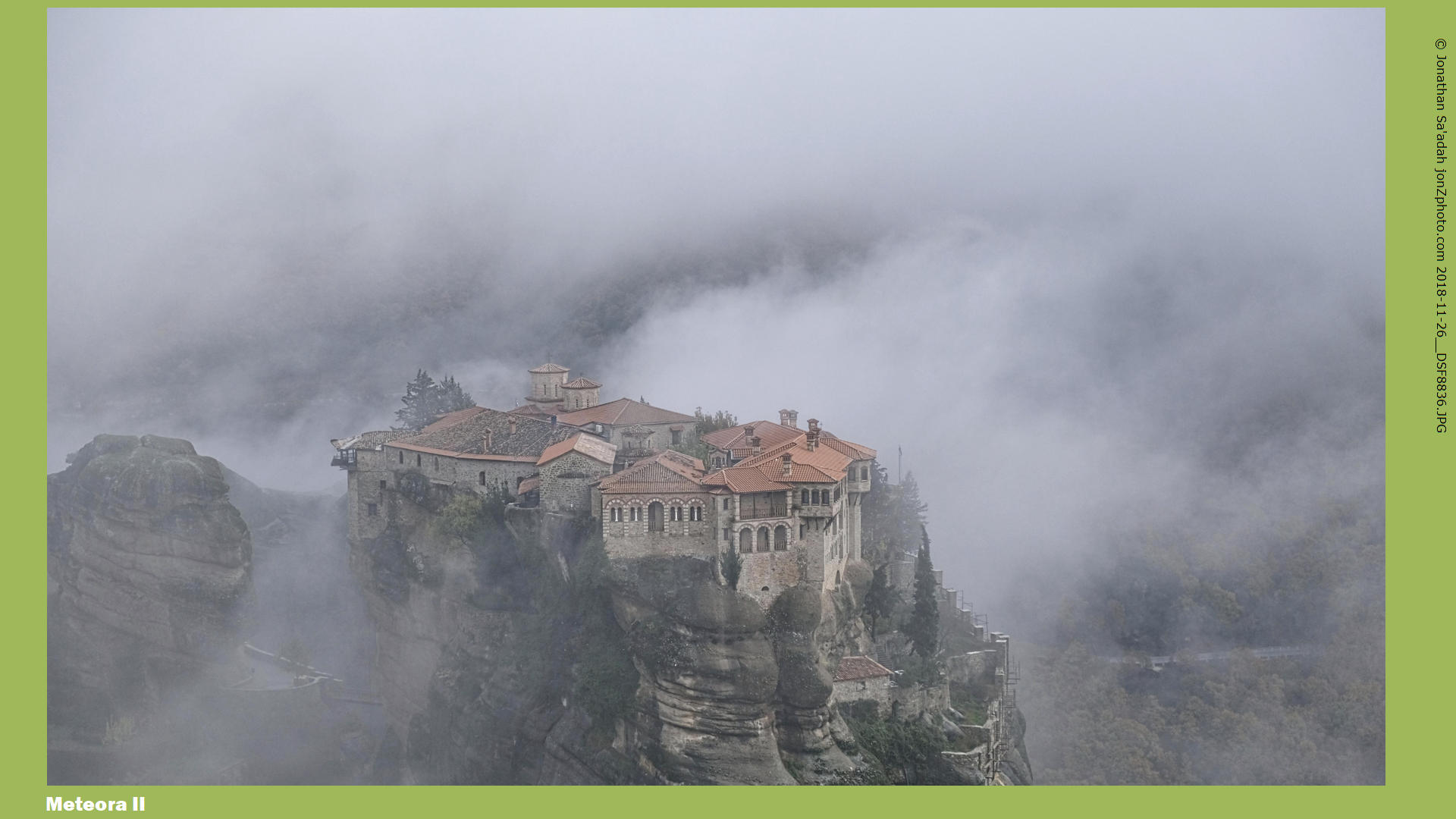
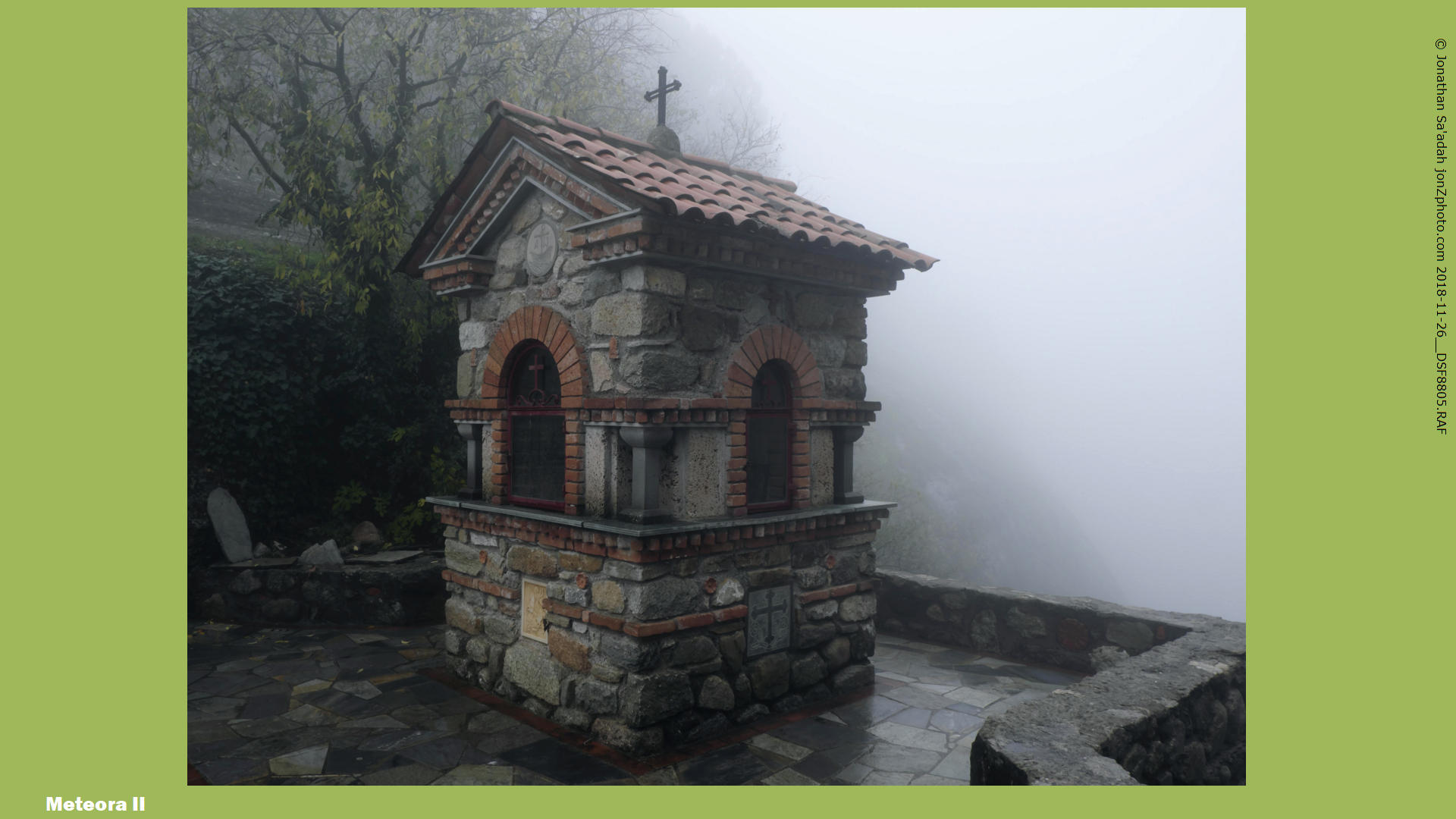
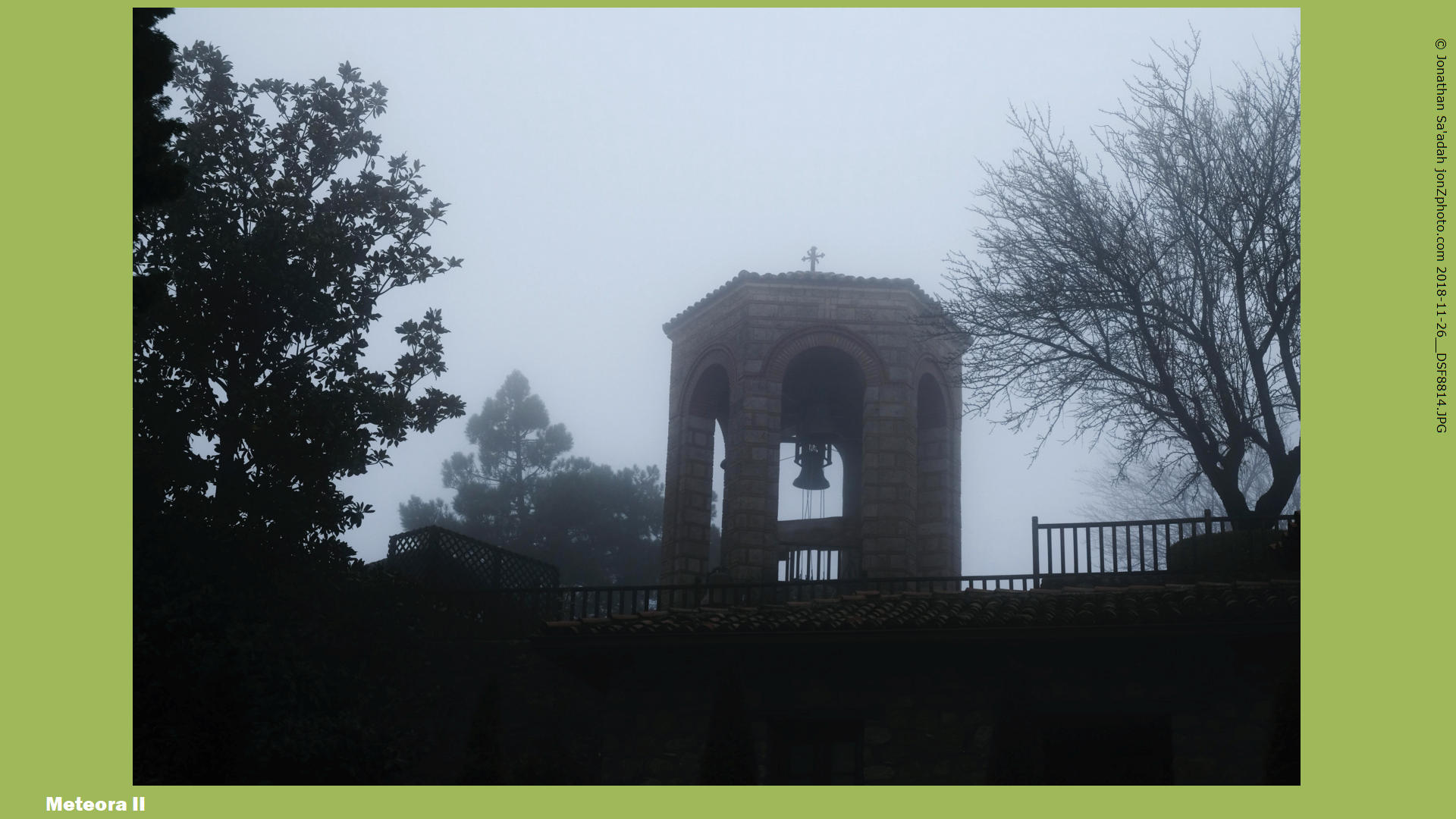
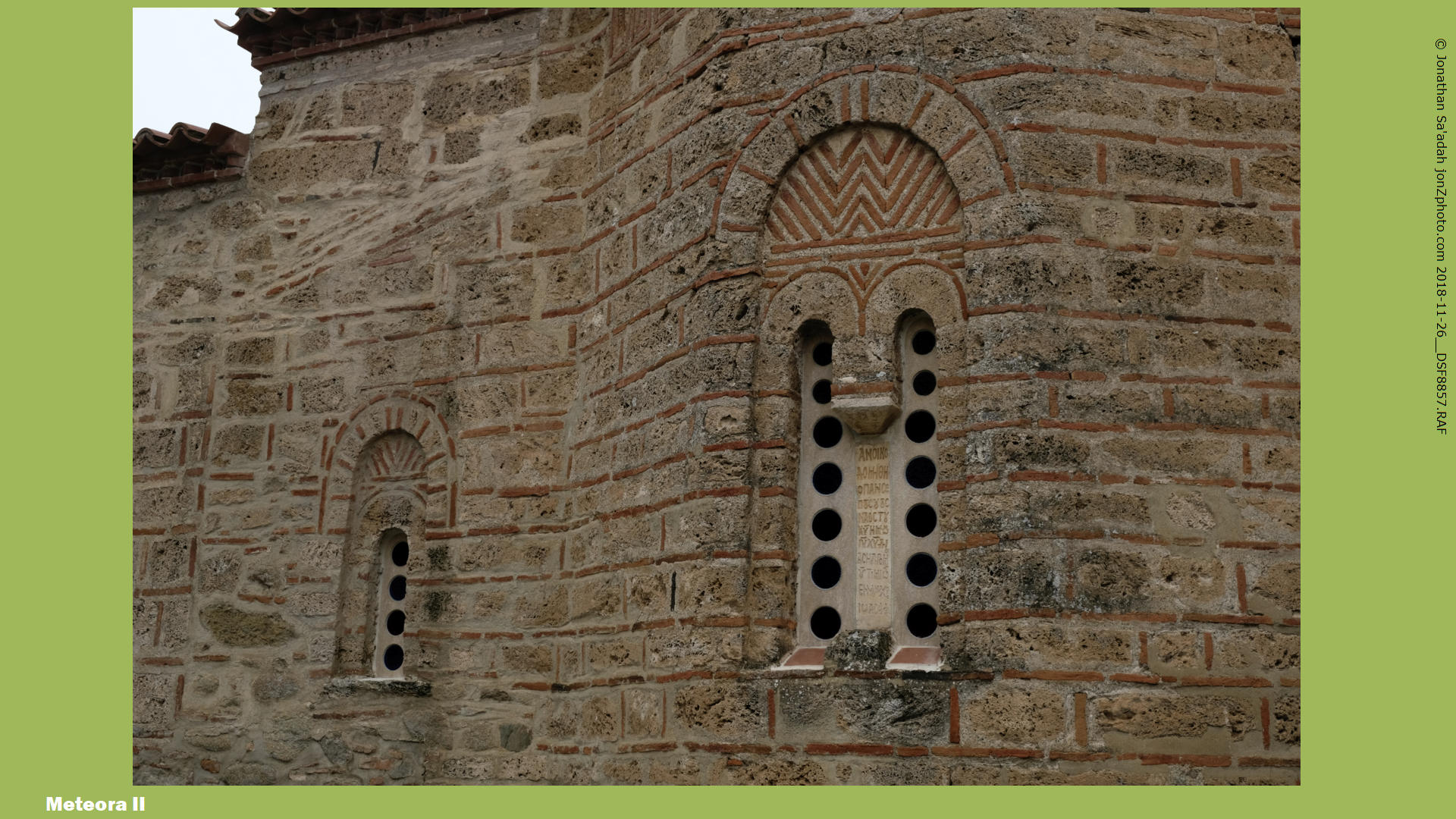
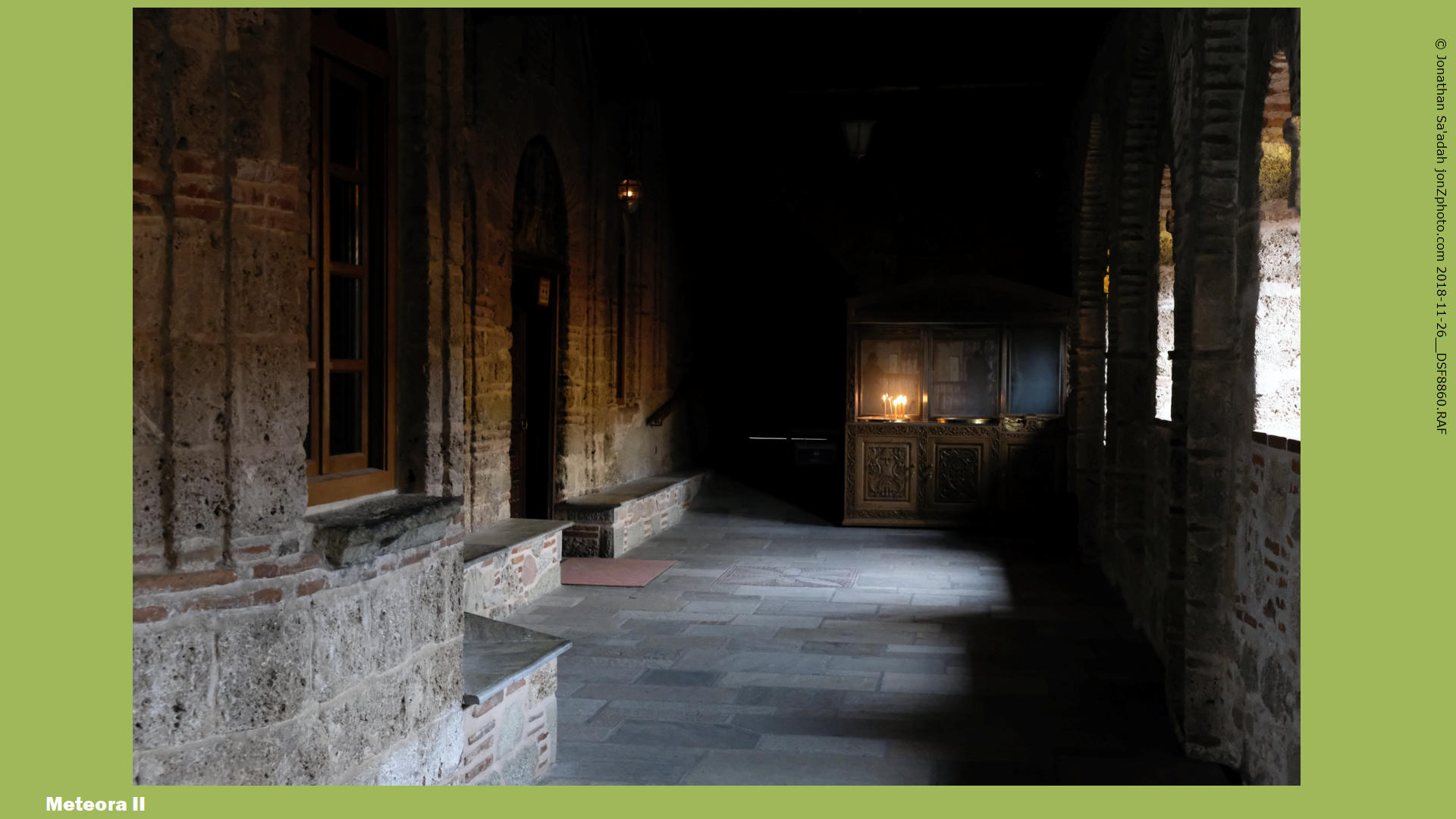
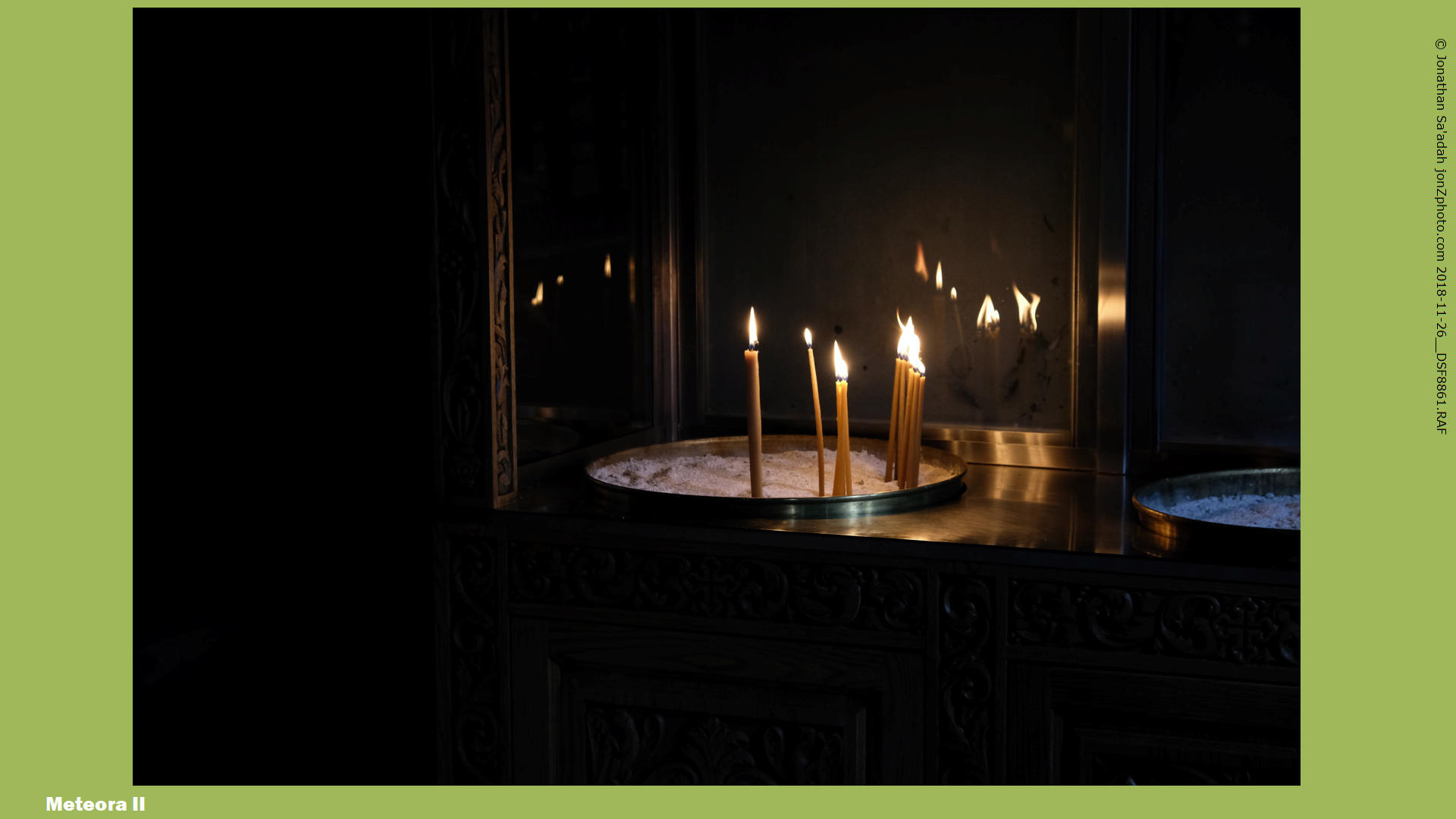
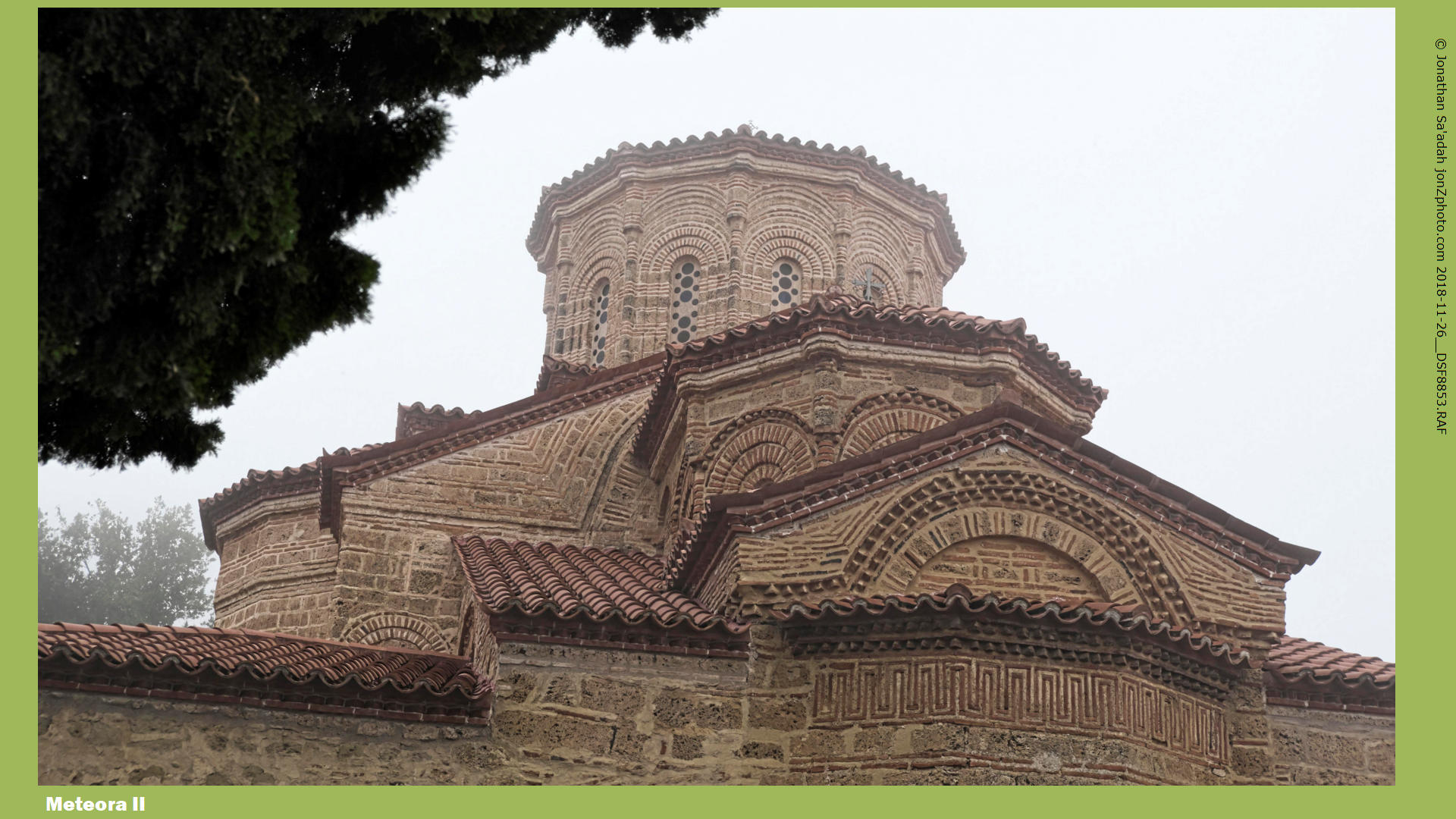
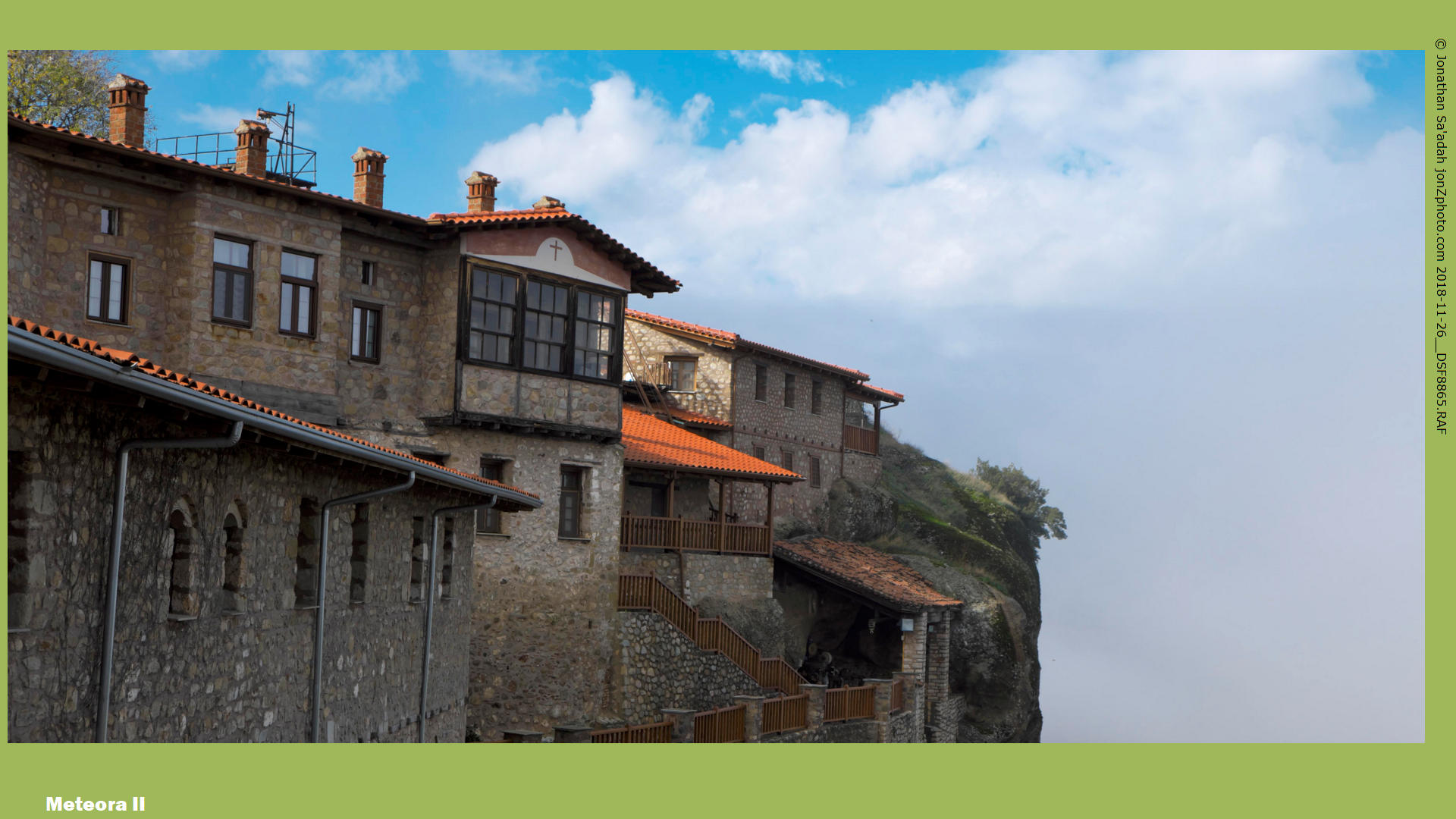
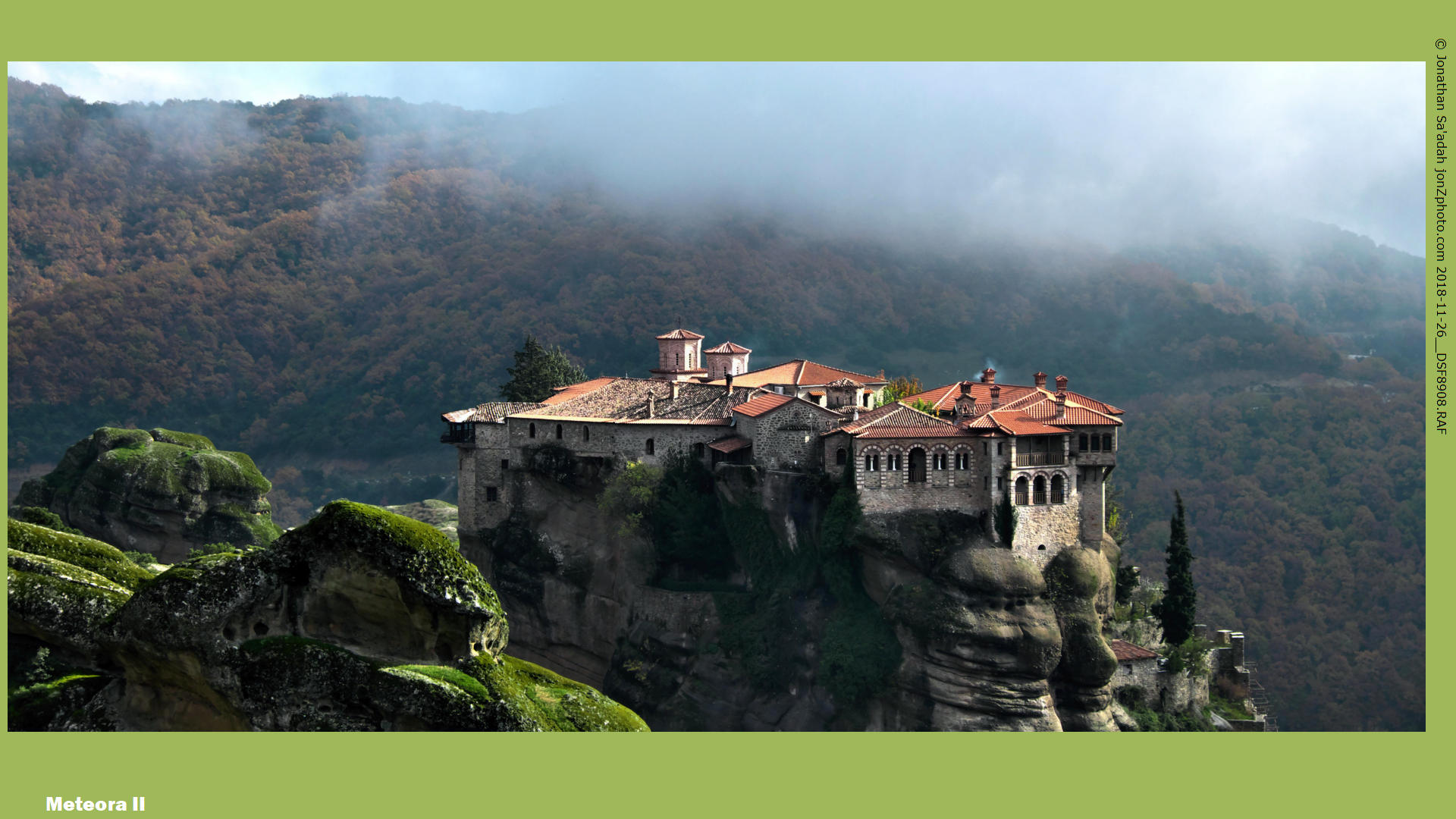
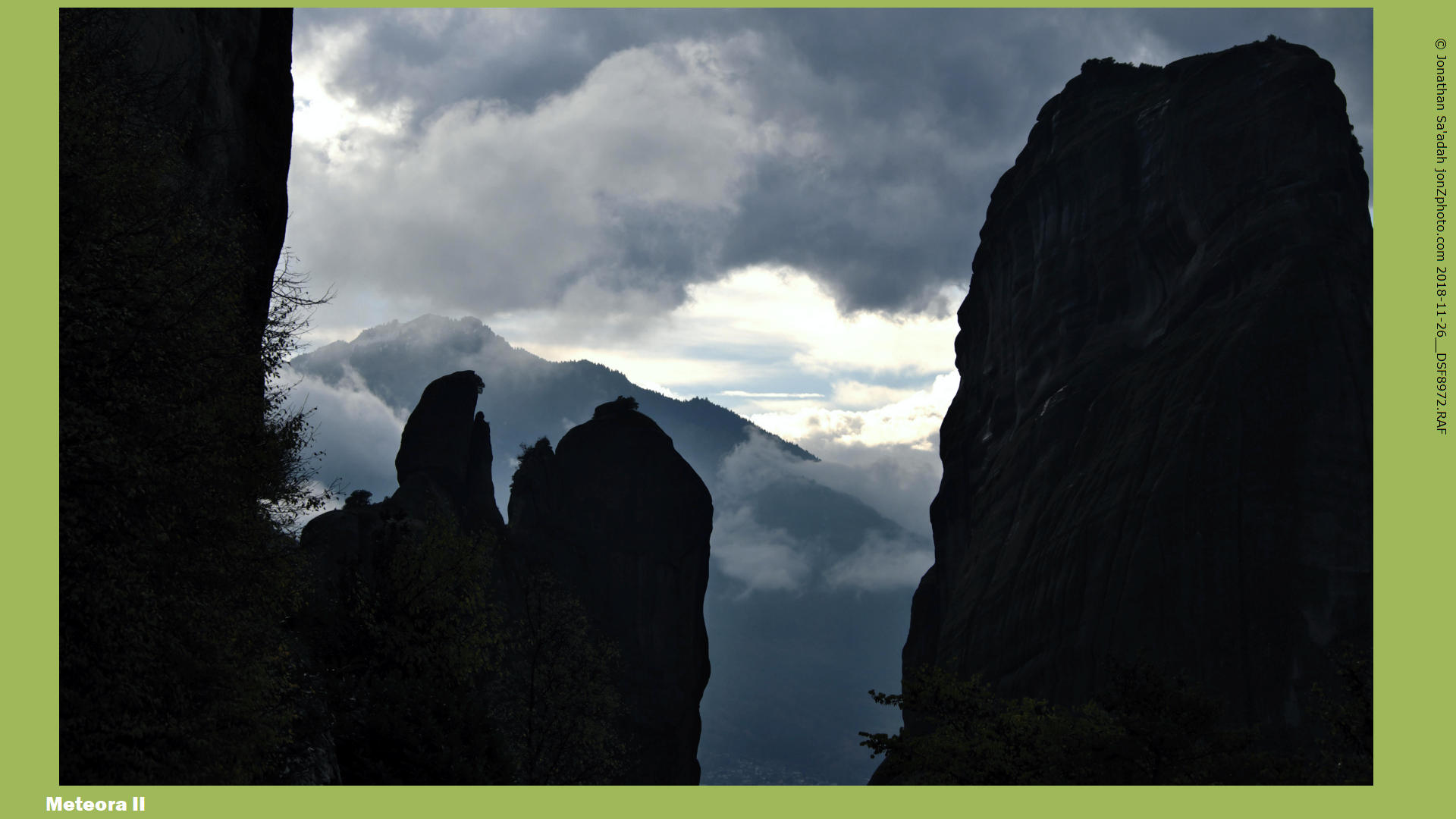
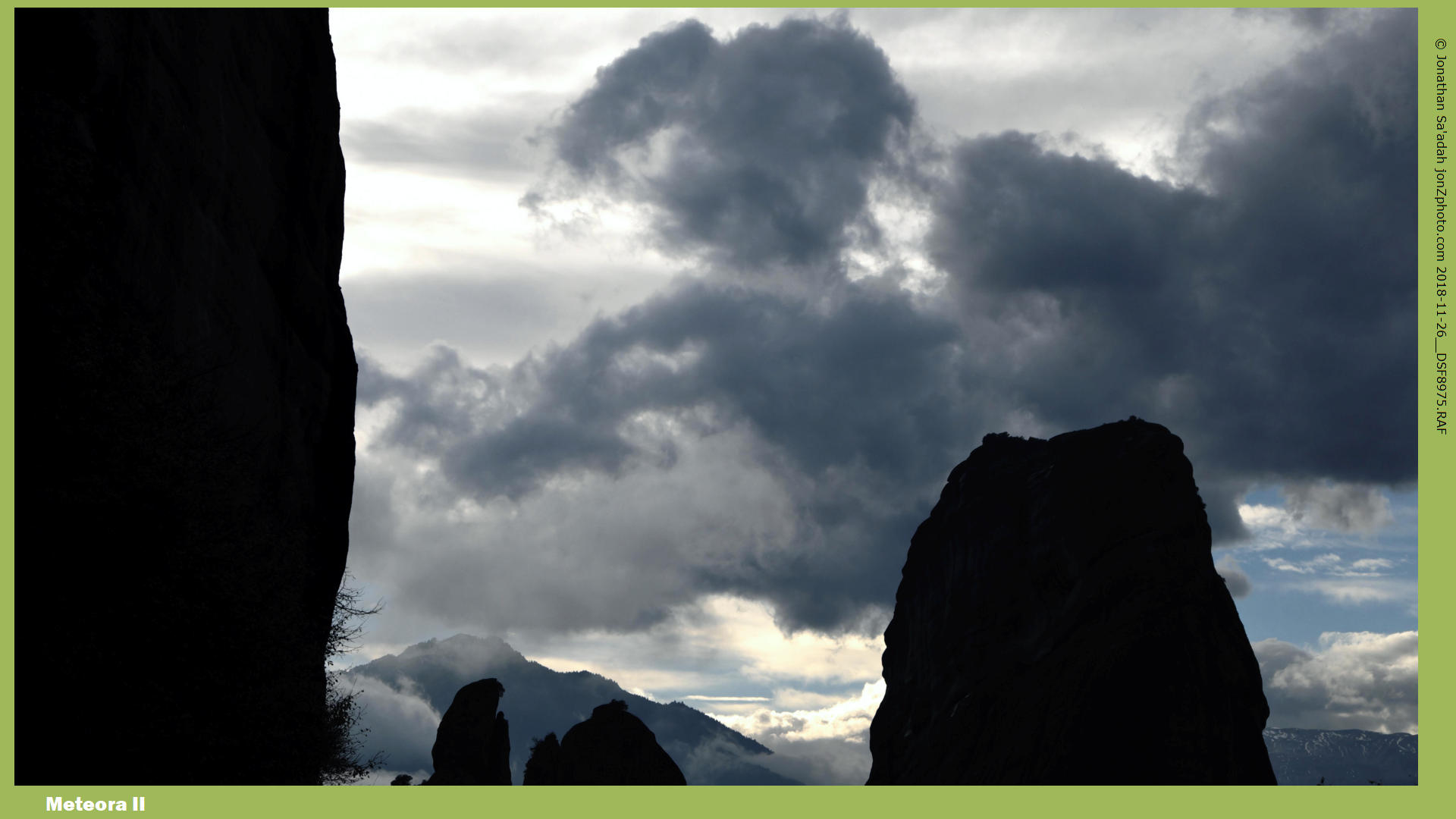
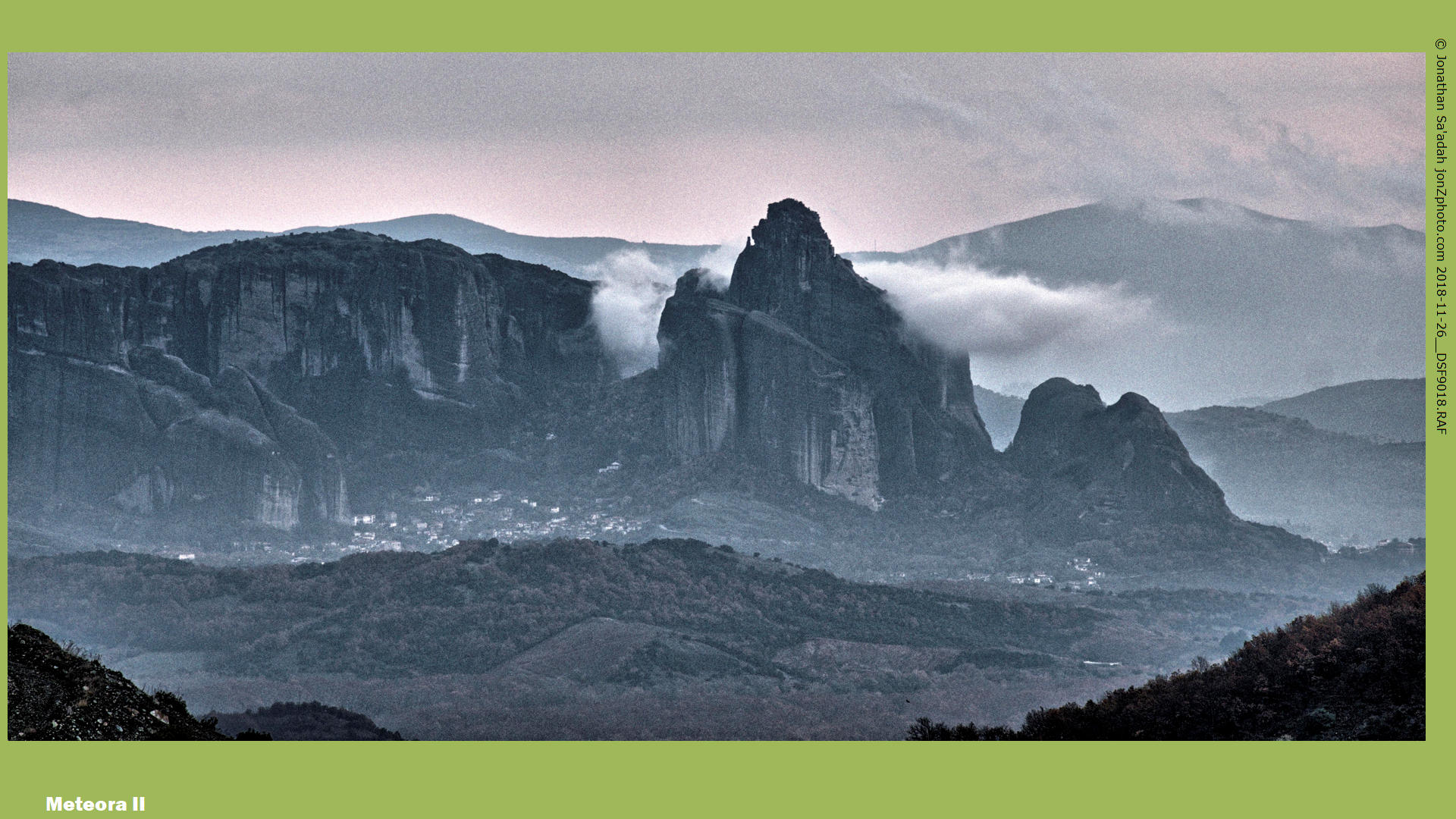
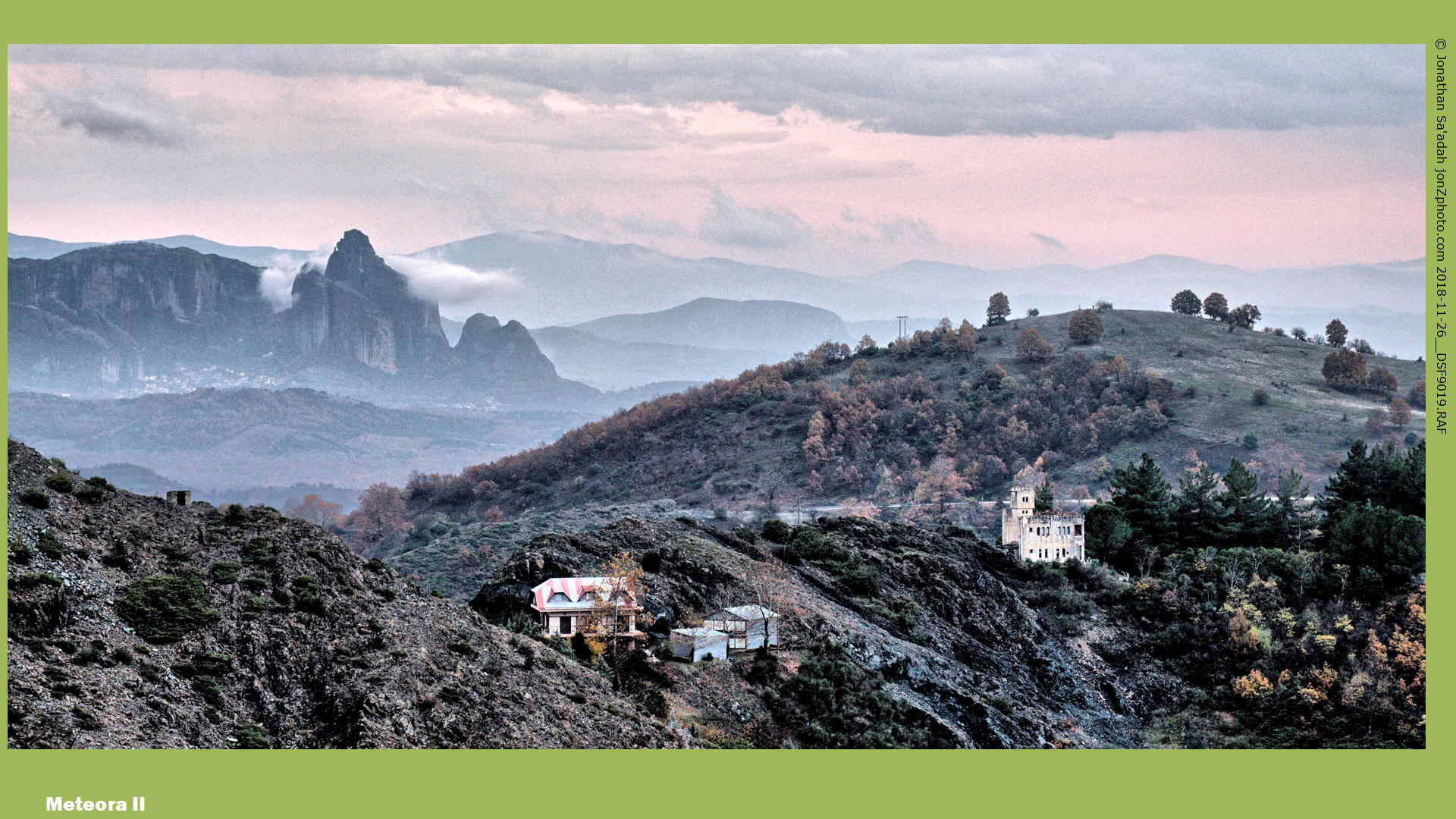
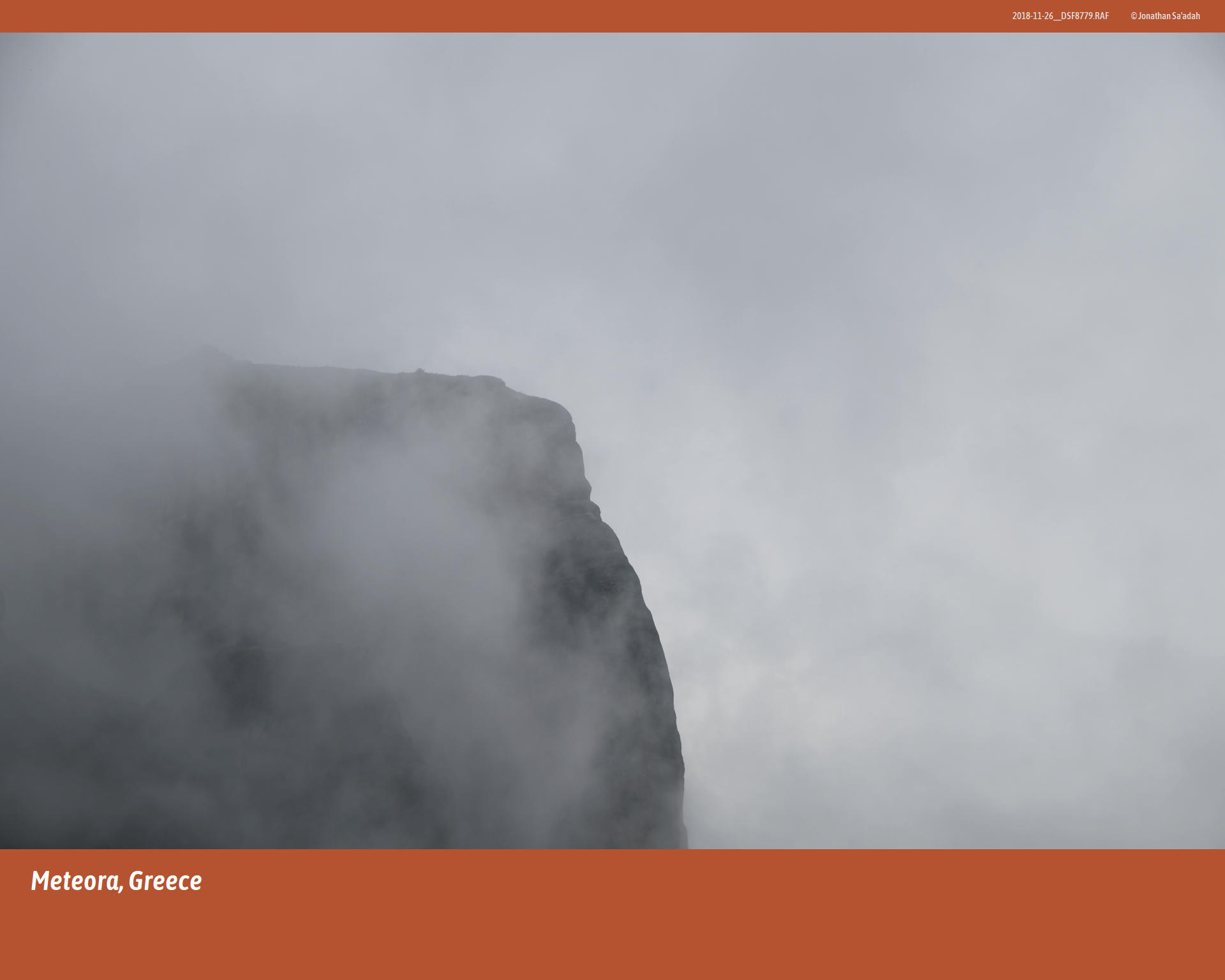
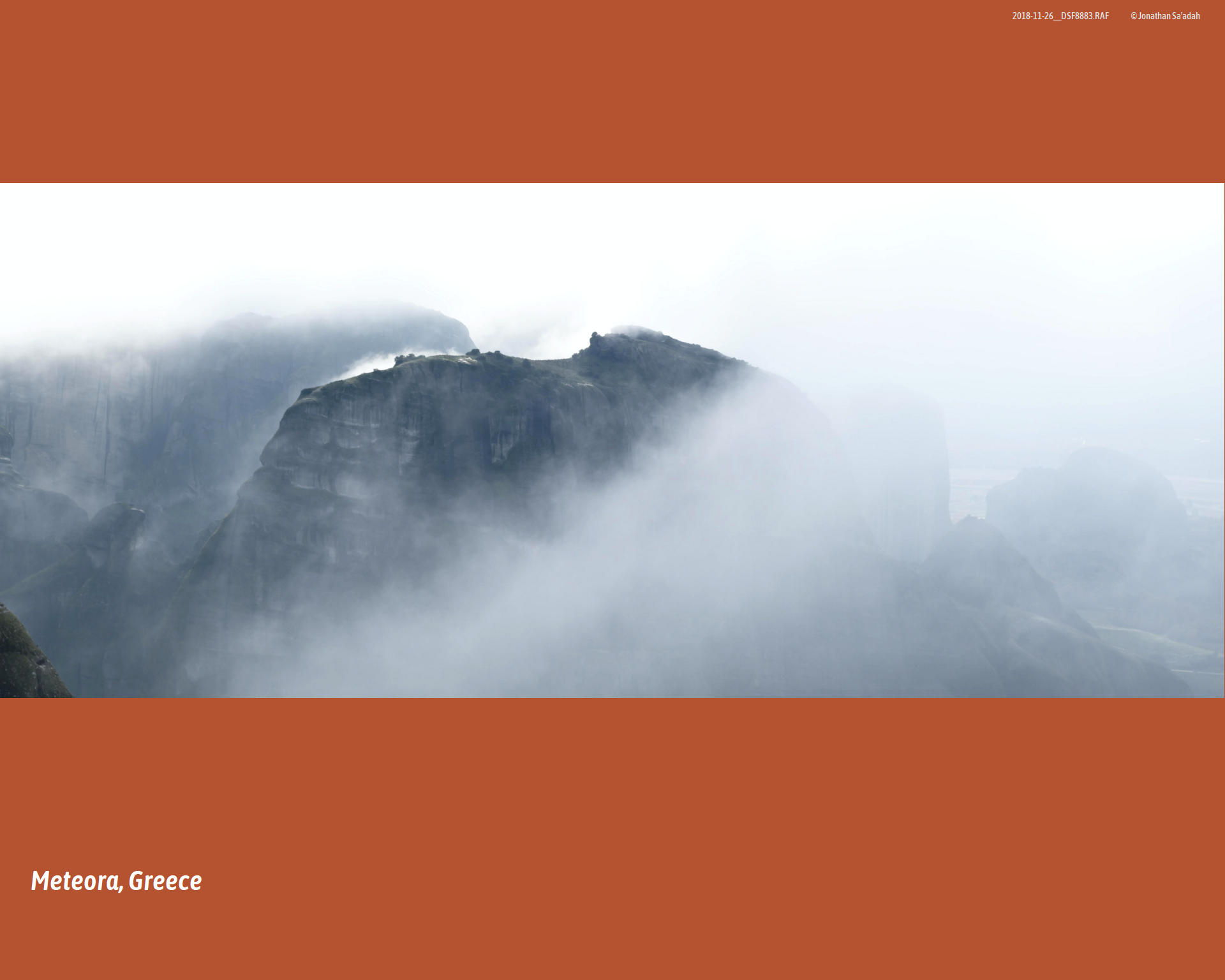
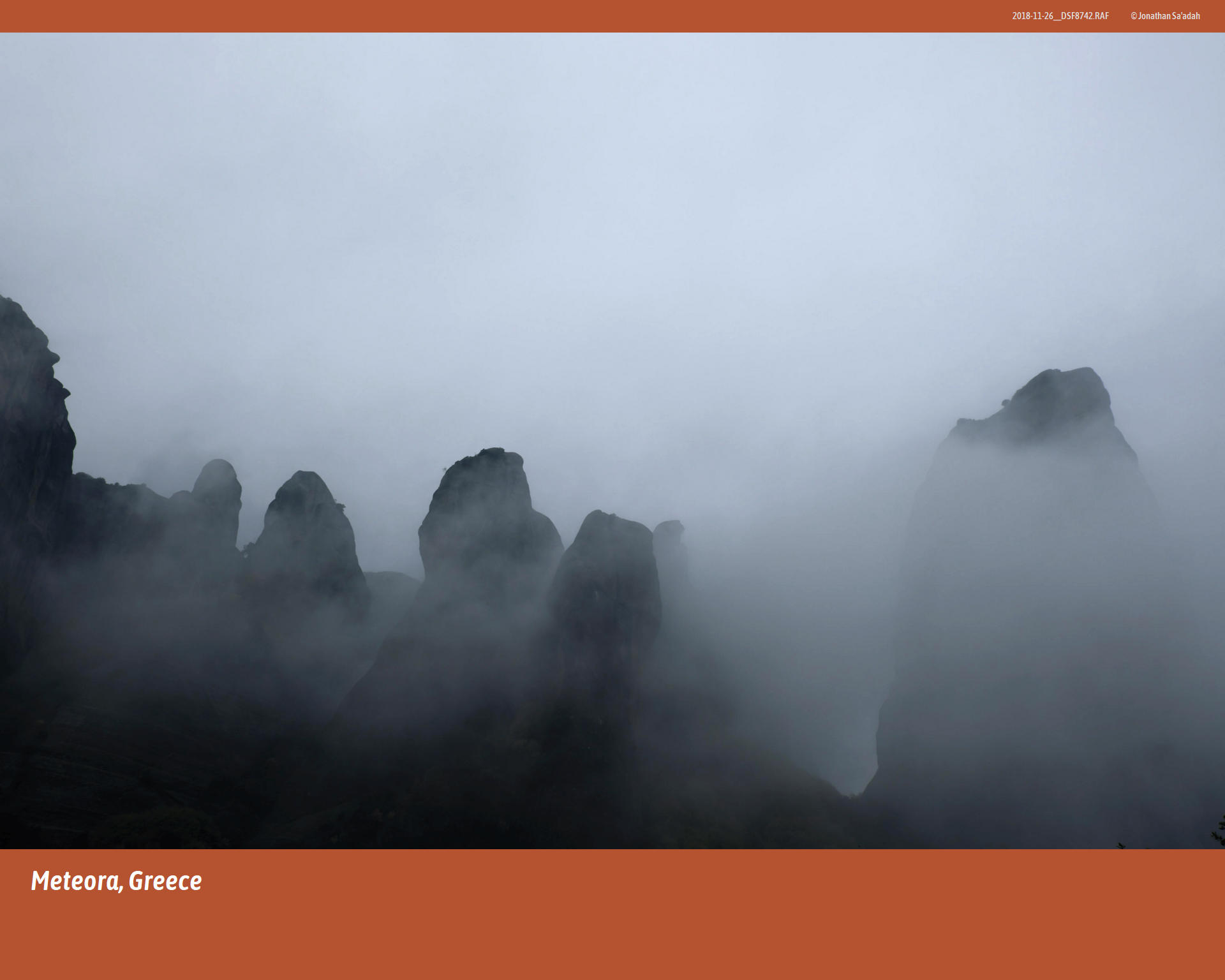
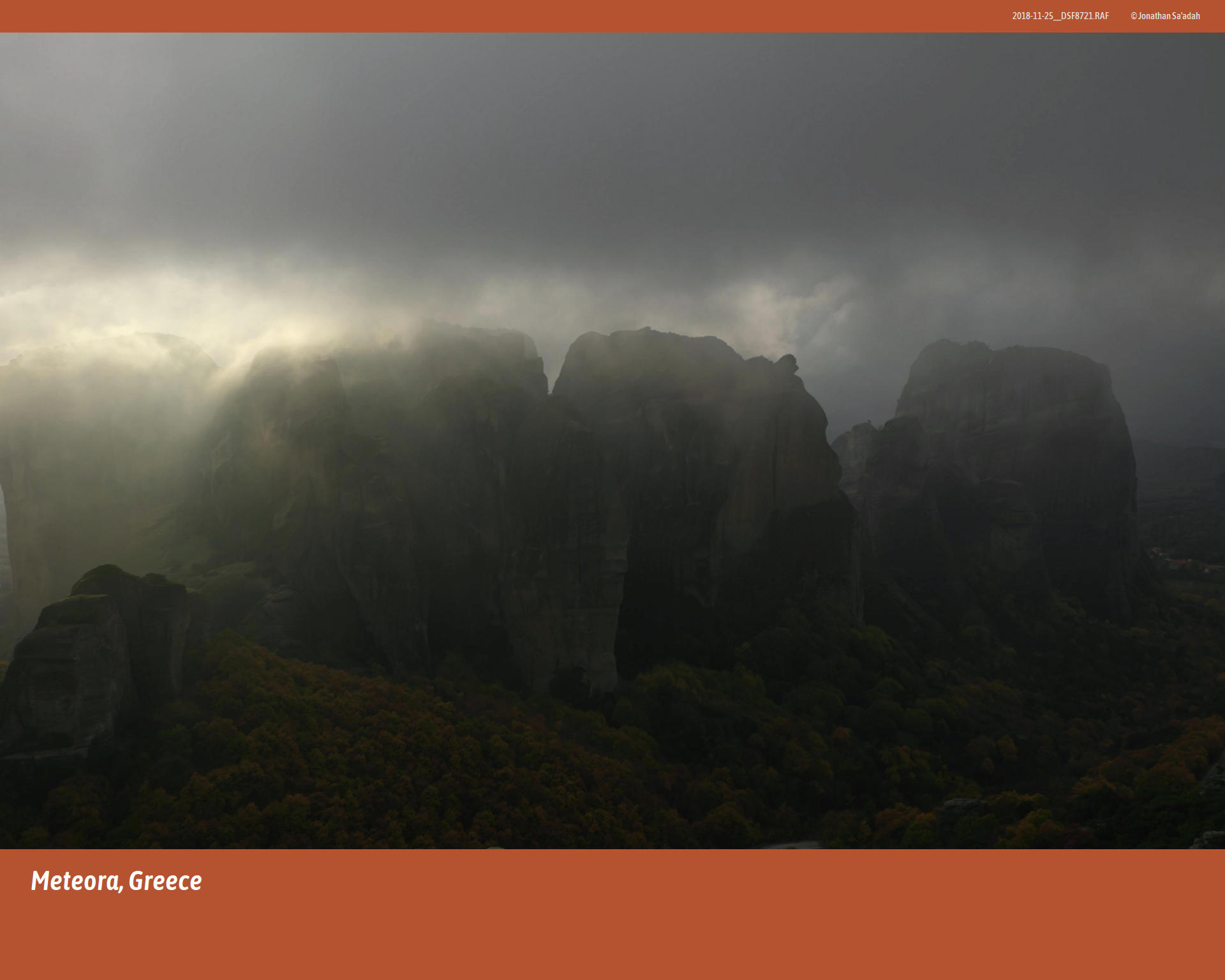
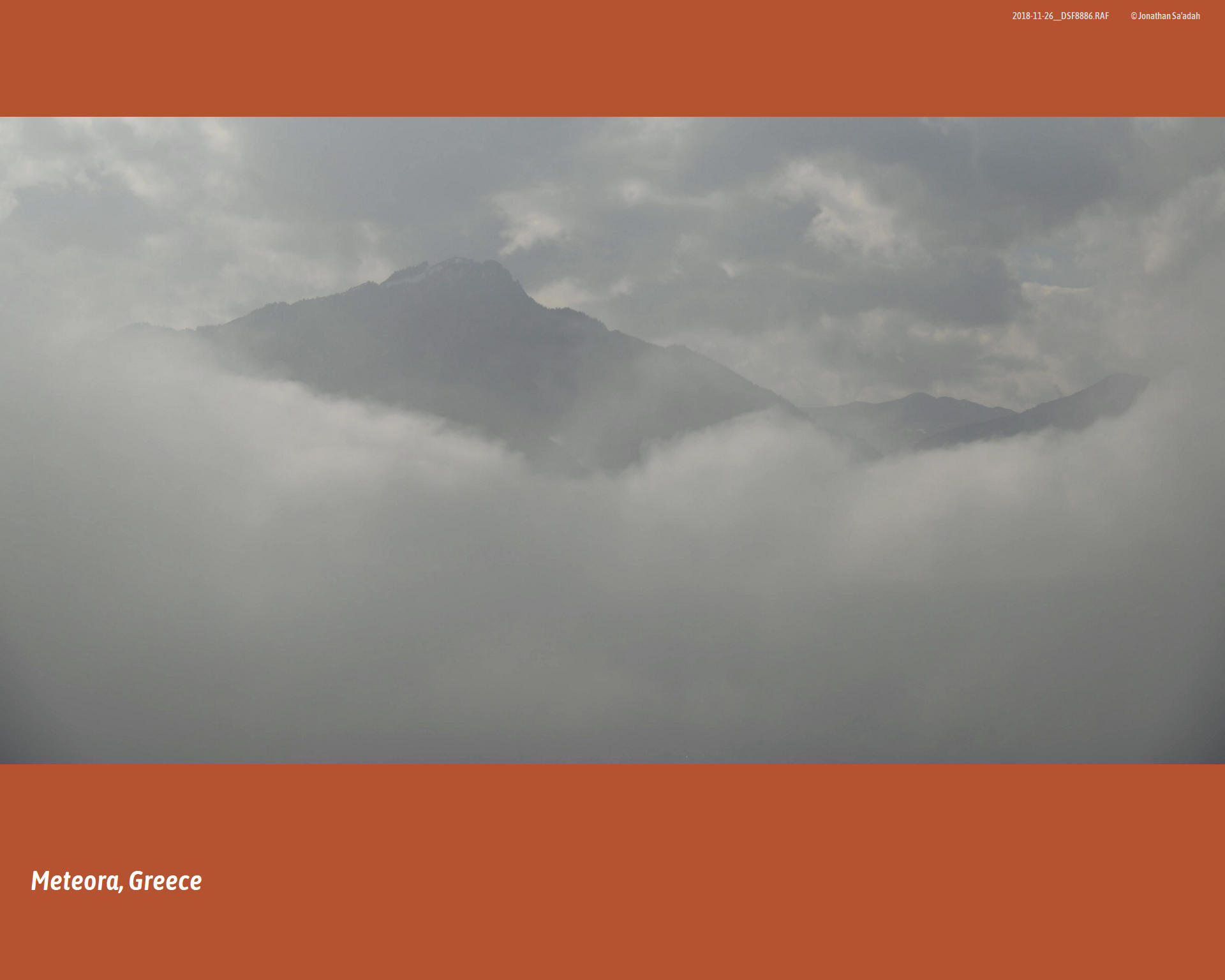
    The fog rolls in before dawn, thick as wool and heavy with moisture. It slides down the stone towers of Meteora, wrapping itself around ledges, dripping from the pine needles, muting the world into a hush. The monastery bells sound closer in this weather, their slow toll absorbed by the air before it can echo off the cliffs.

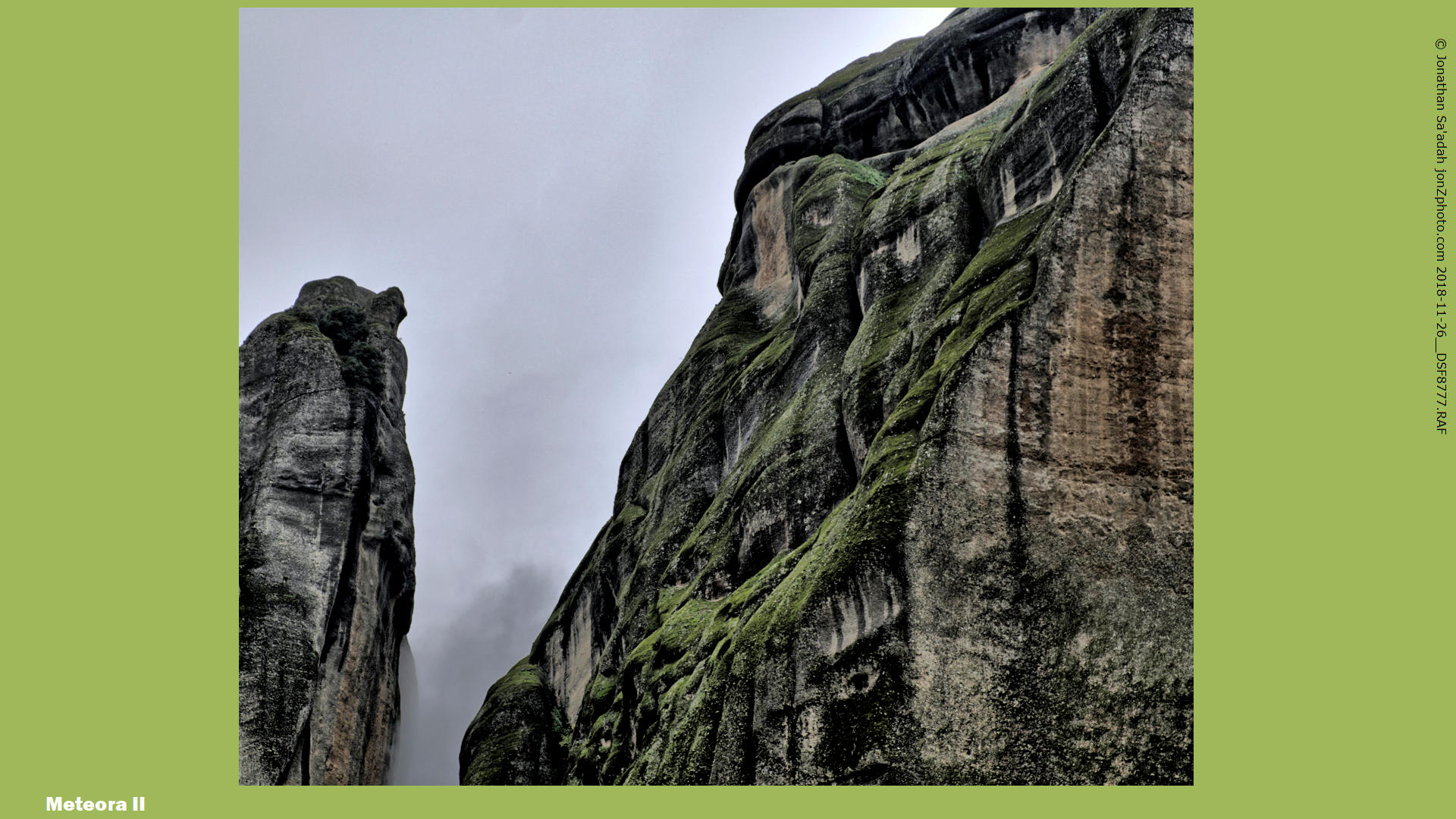
    The sandstone smells damp and raw, its ancient layers darkened almost to bronze. Steps cut into the rock are slick; your hand finds the cold iron of the rail, wet to the touch. Even your breath feels visible here, joining the drifting mist that curls across the paths. From below, the valley disappears entirely—there is no distance, only the whiteness that erases edges and scale.

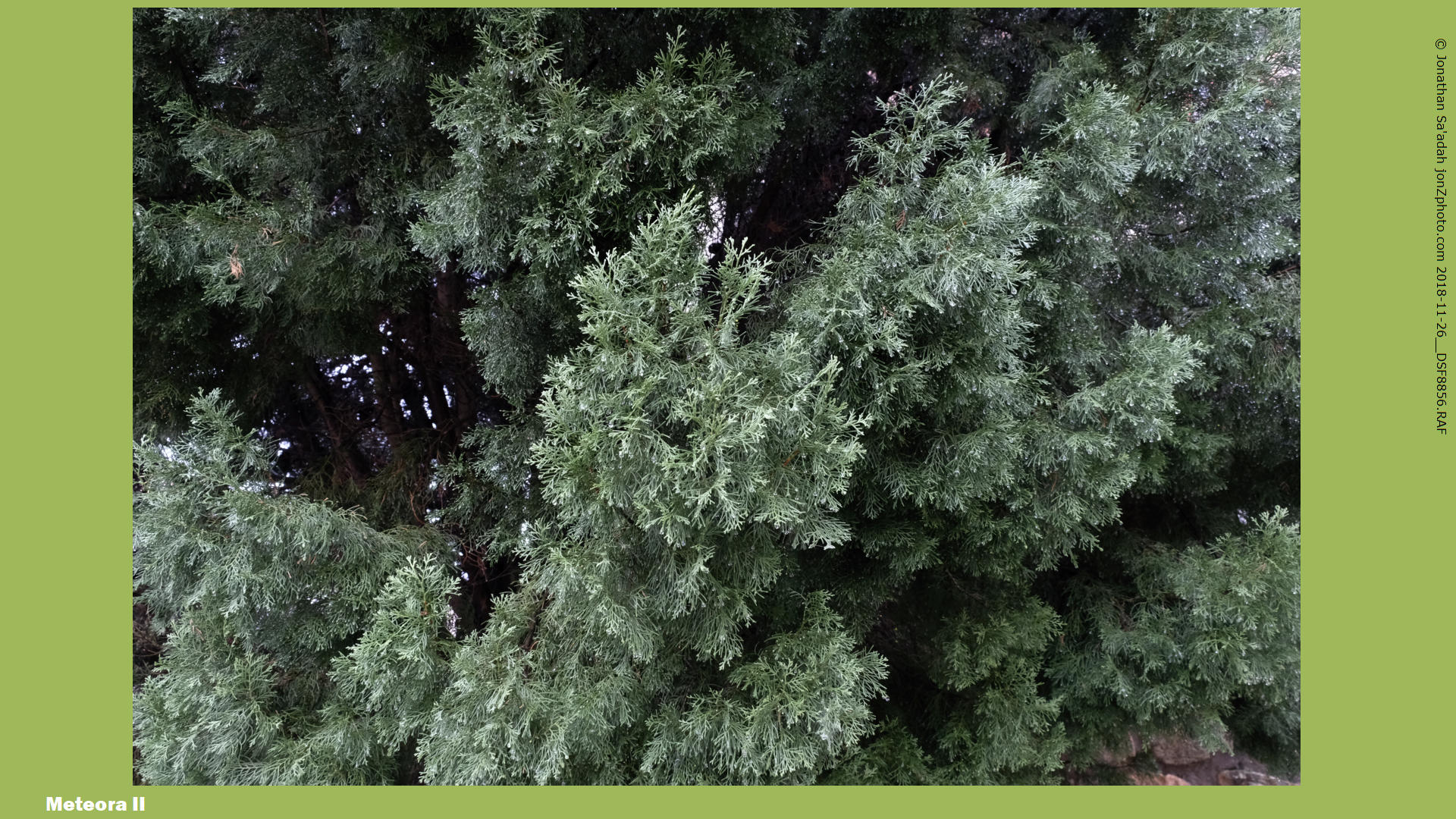
    When the fog begins to thin, it leaves beads of water on every surface: railings, ferns, camera lenses. A patch of blue cracks open above one monastery roof, sudden and startling. For a few seconds, the whole landscape gleams—stone, sky, and lingering veil of fog turning silver together, as if the world were exhaling after holding its breath all morning.

    More photos and writing about Meteora

  • Meteora

    Meteora

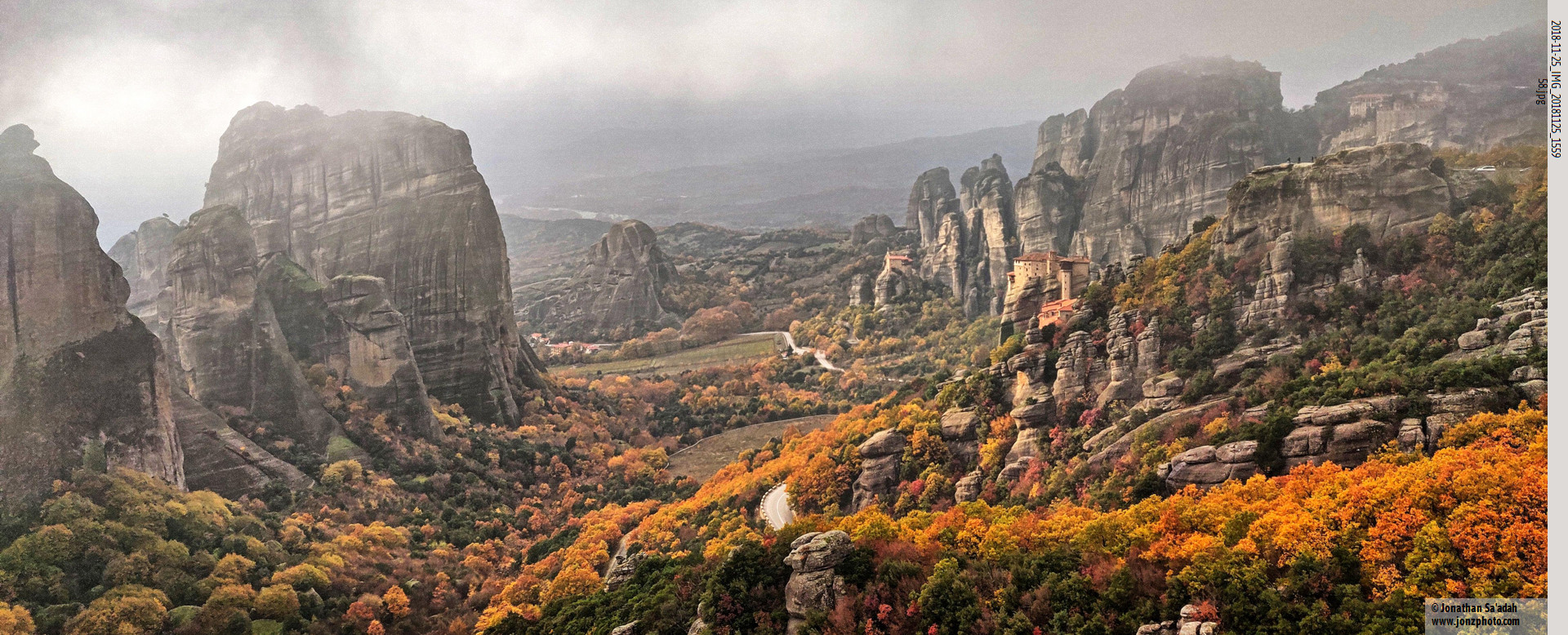
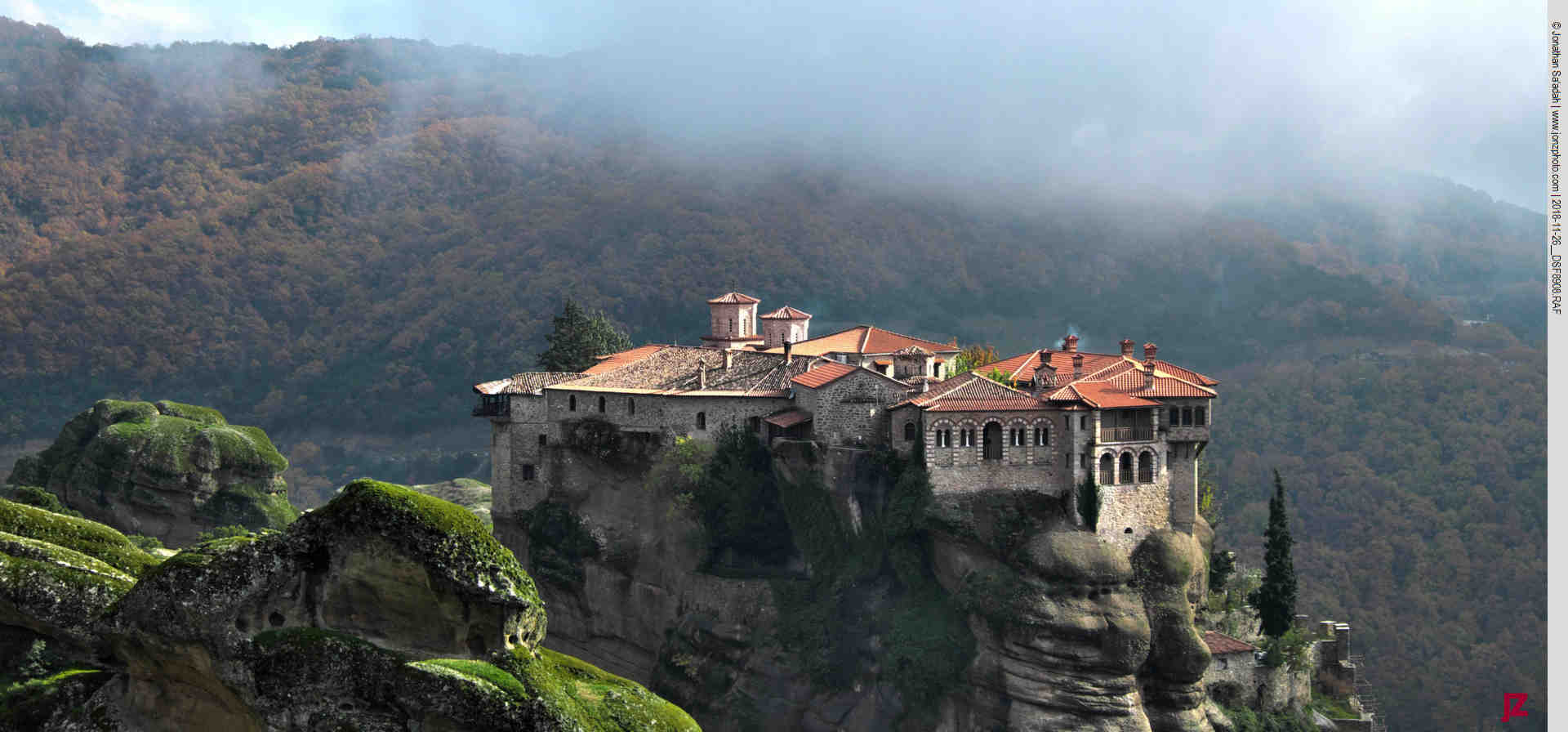
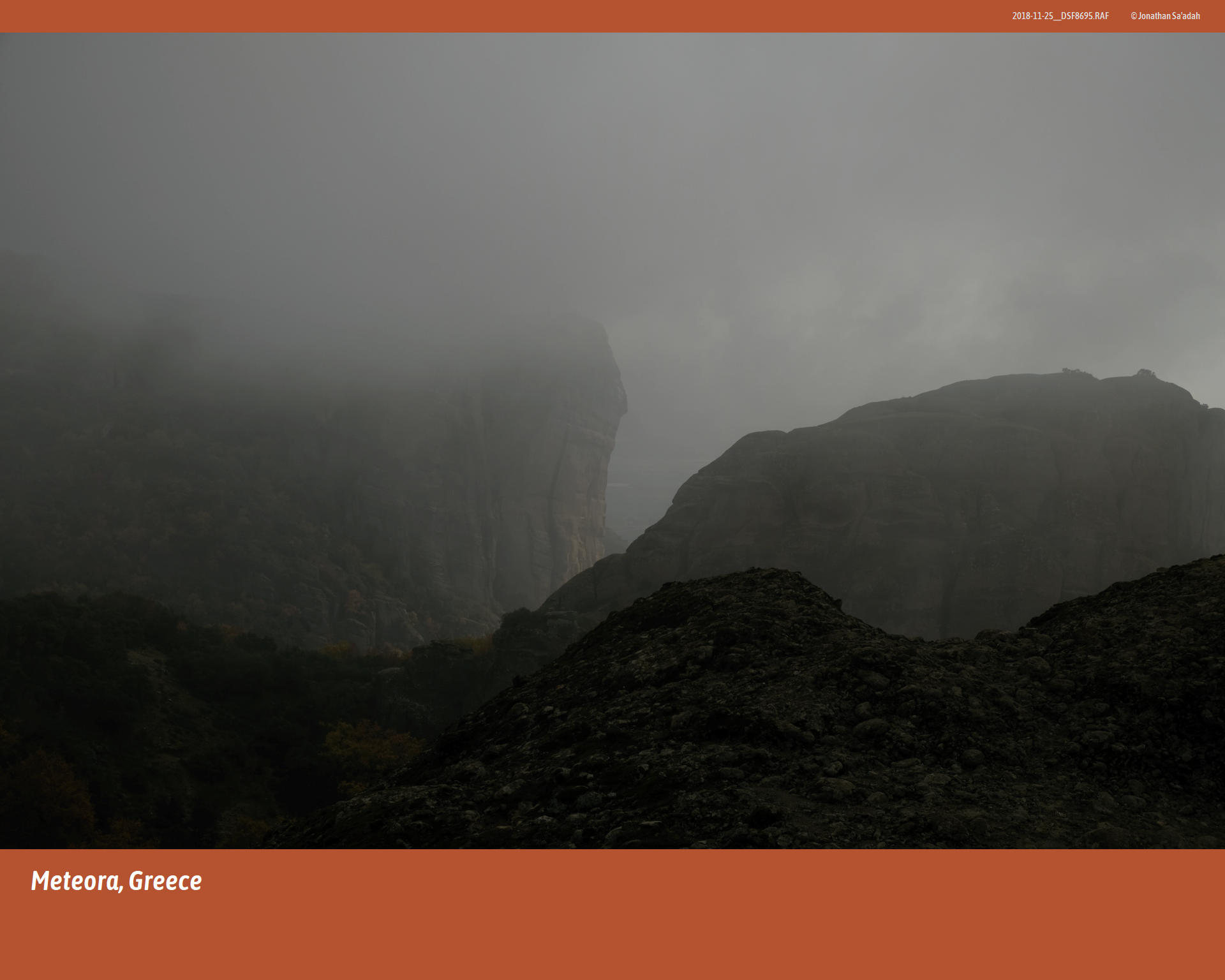
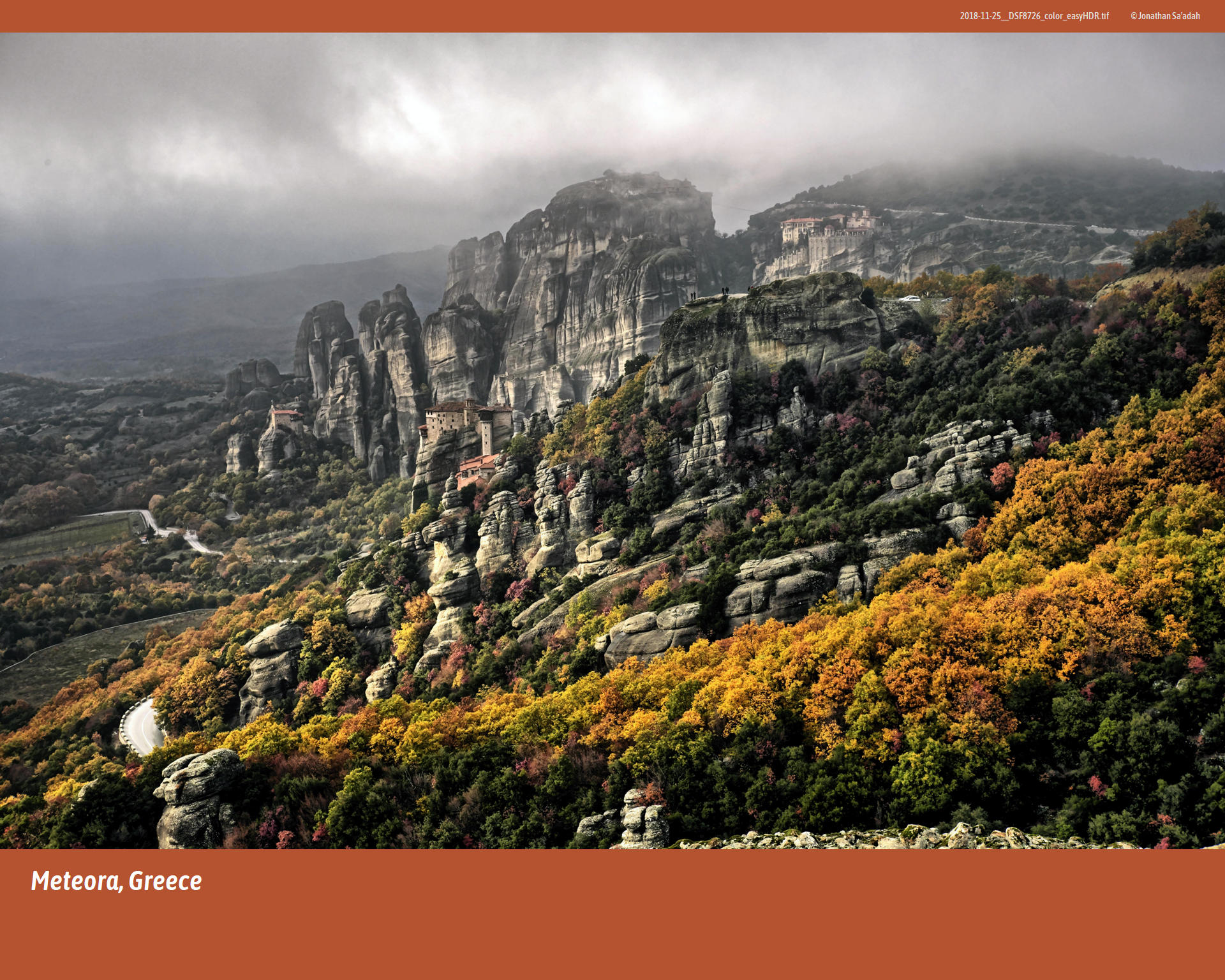
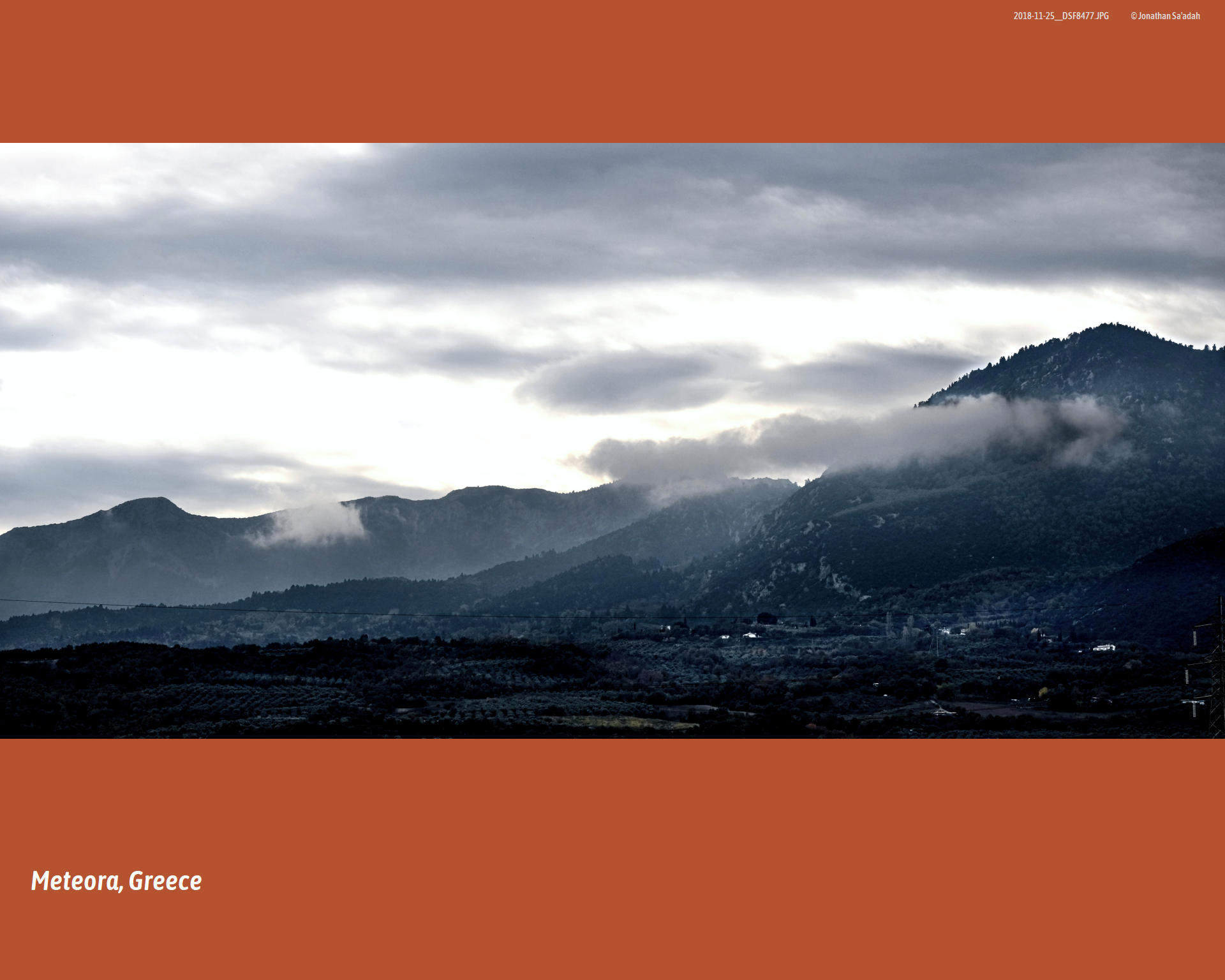
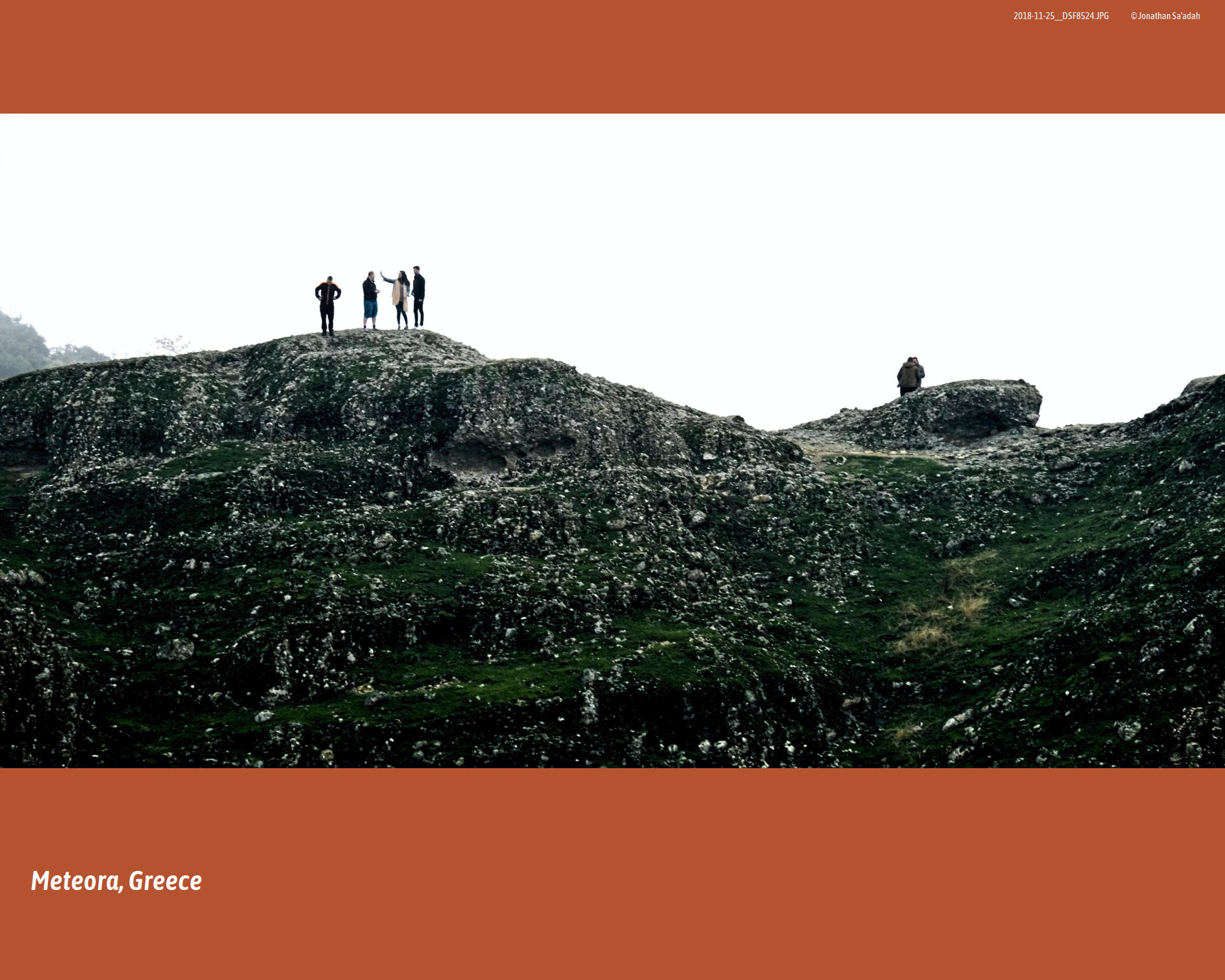
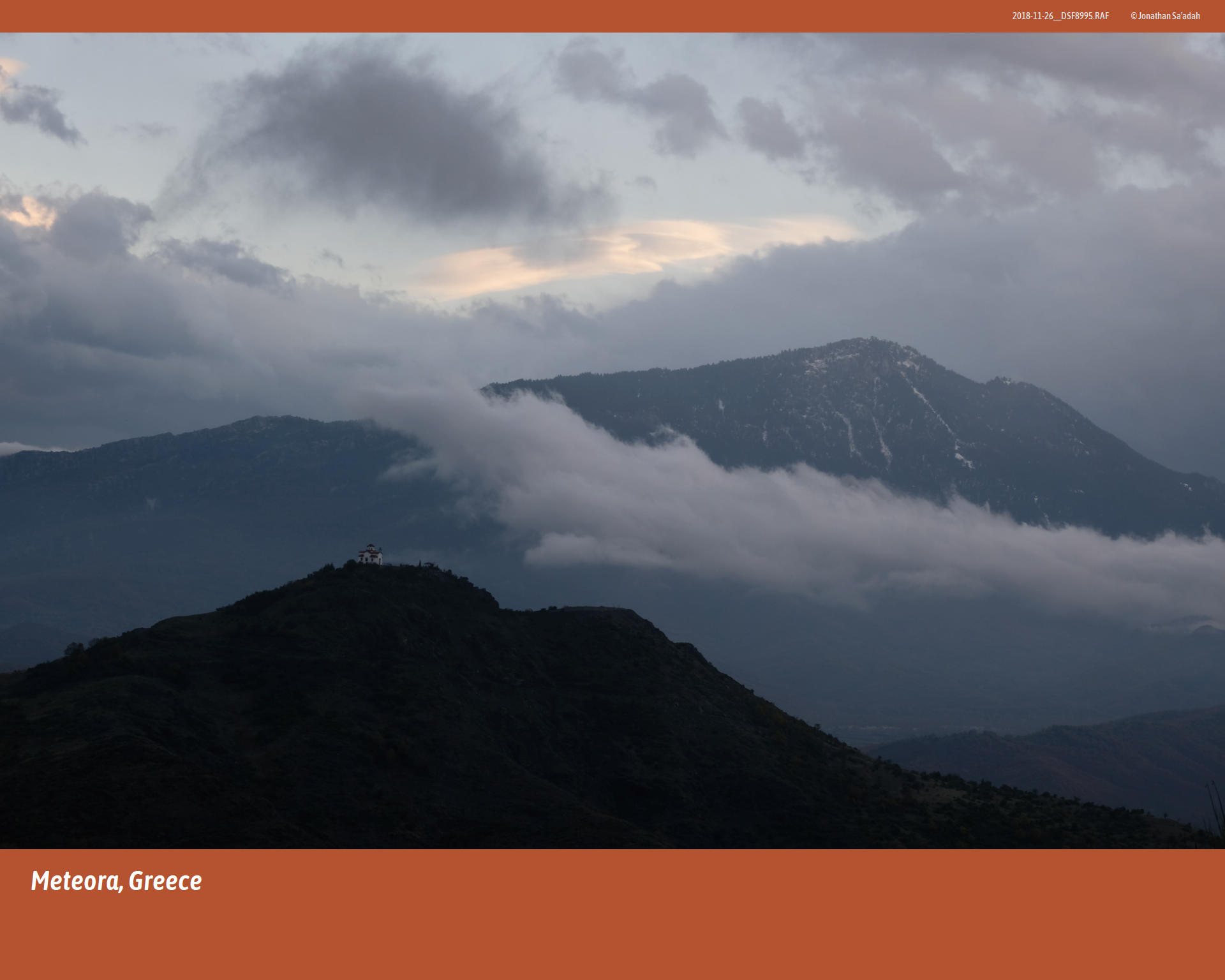
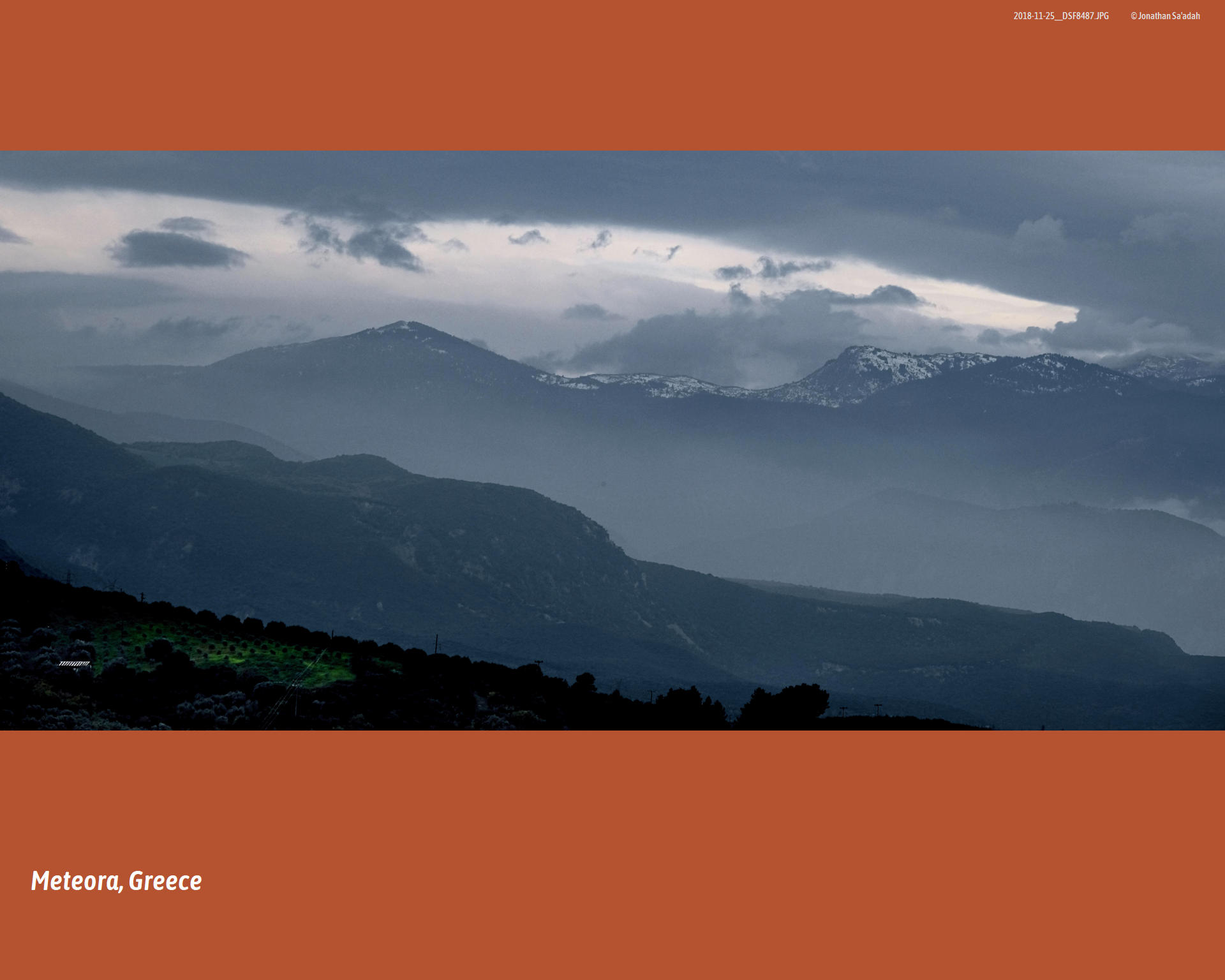
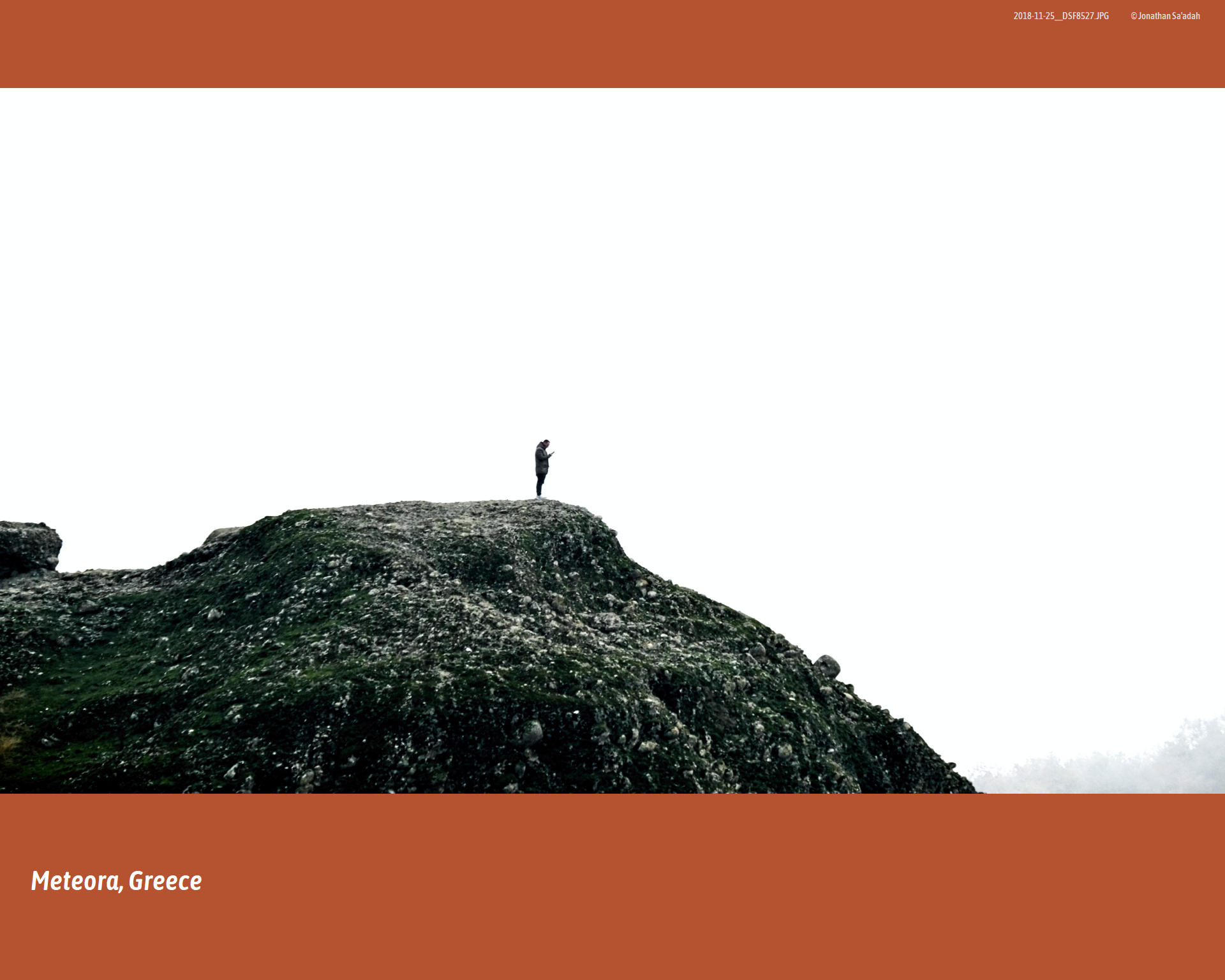
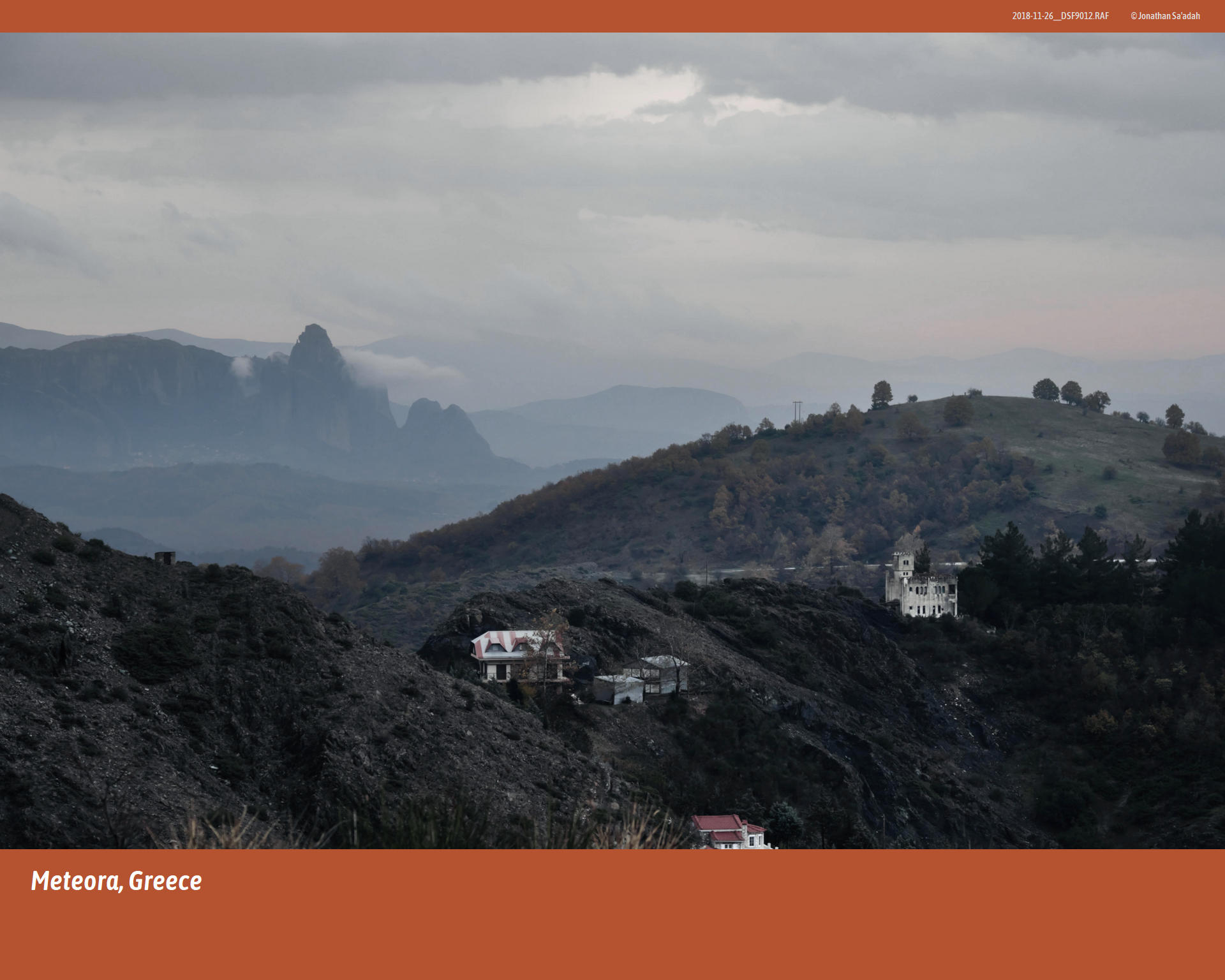
    We had come to see Meteora on a misty morning in November, 2018. The ground-hugging fog drifted like a low cloud across the Thessalian plain, swallowing the road ahead and the hulking silhouettes of rock that we knew were there but could not yet see. Somewhere above, the monasteries of Meteora – “suspended in the air,” as their name has been translated for centuries – waited in the whiteout, as they have since the first hermits began climbing into caves up there in the 11th century.

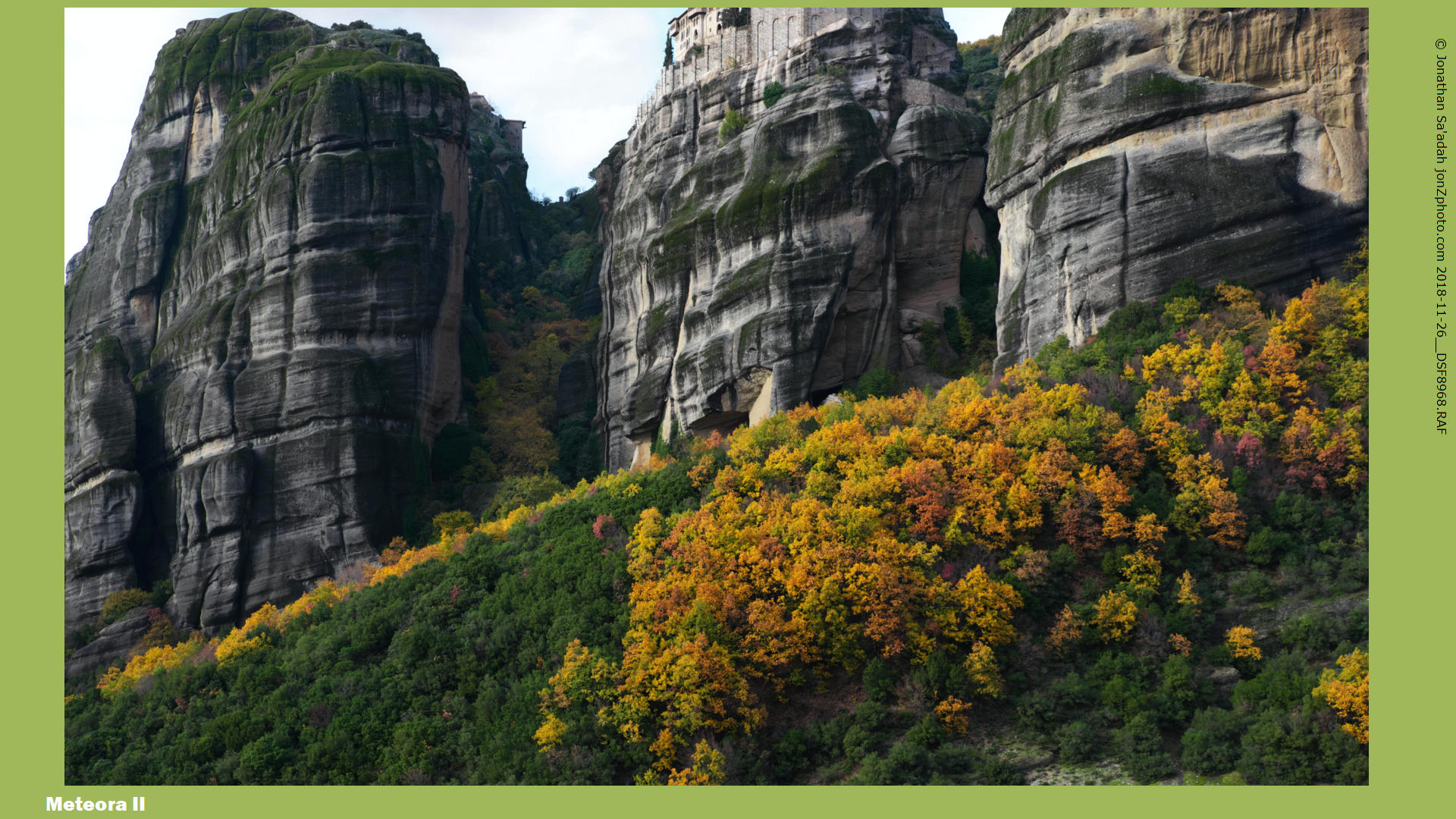
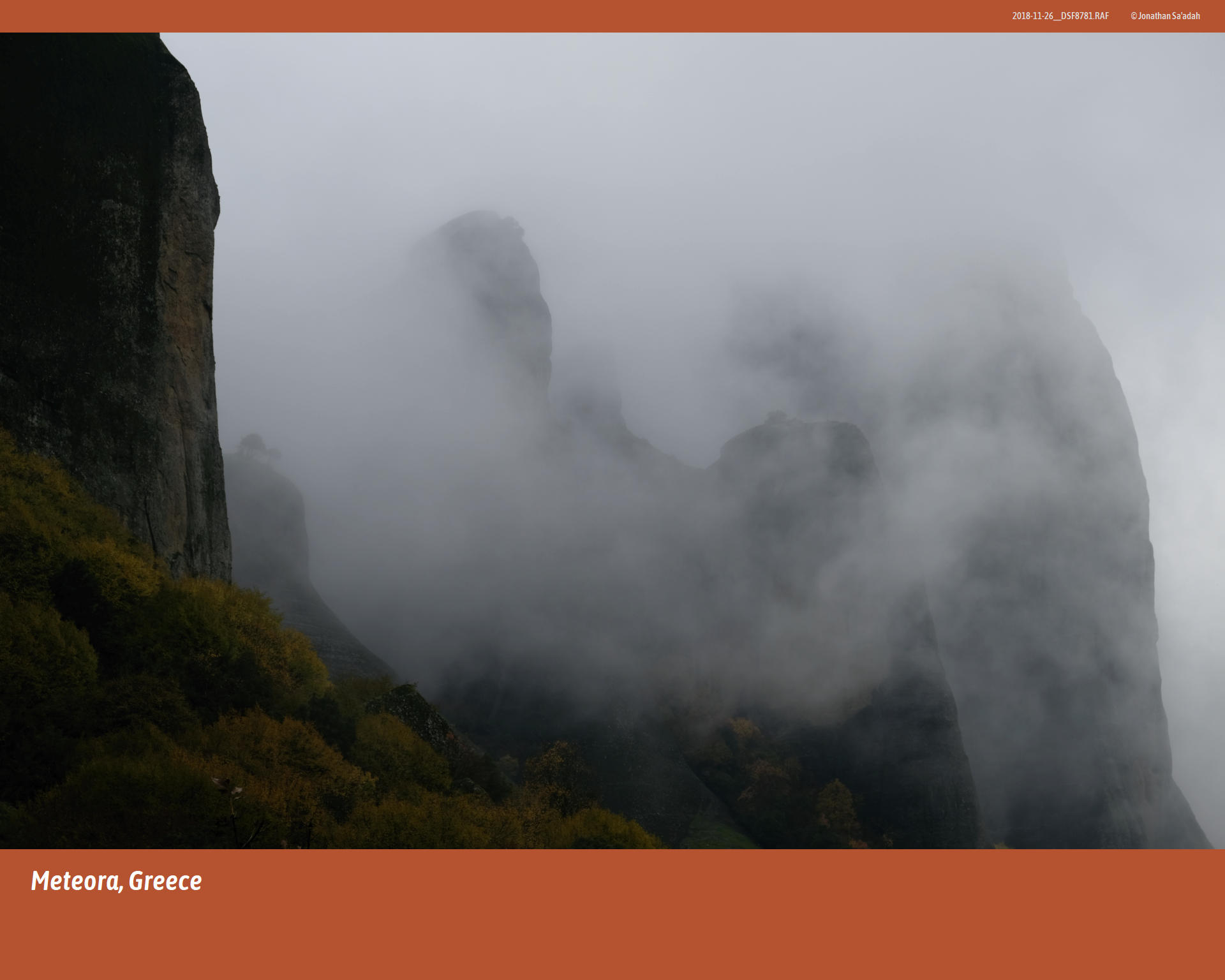
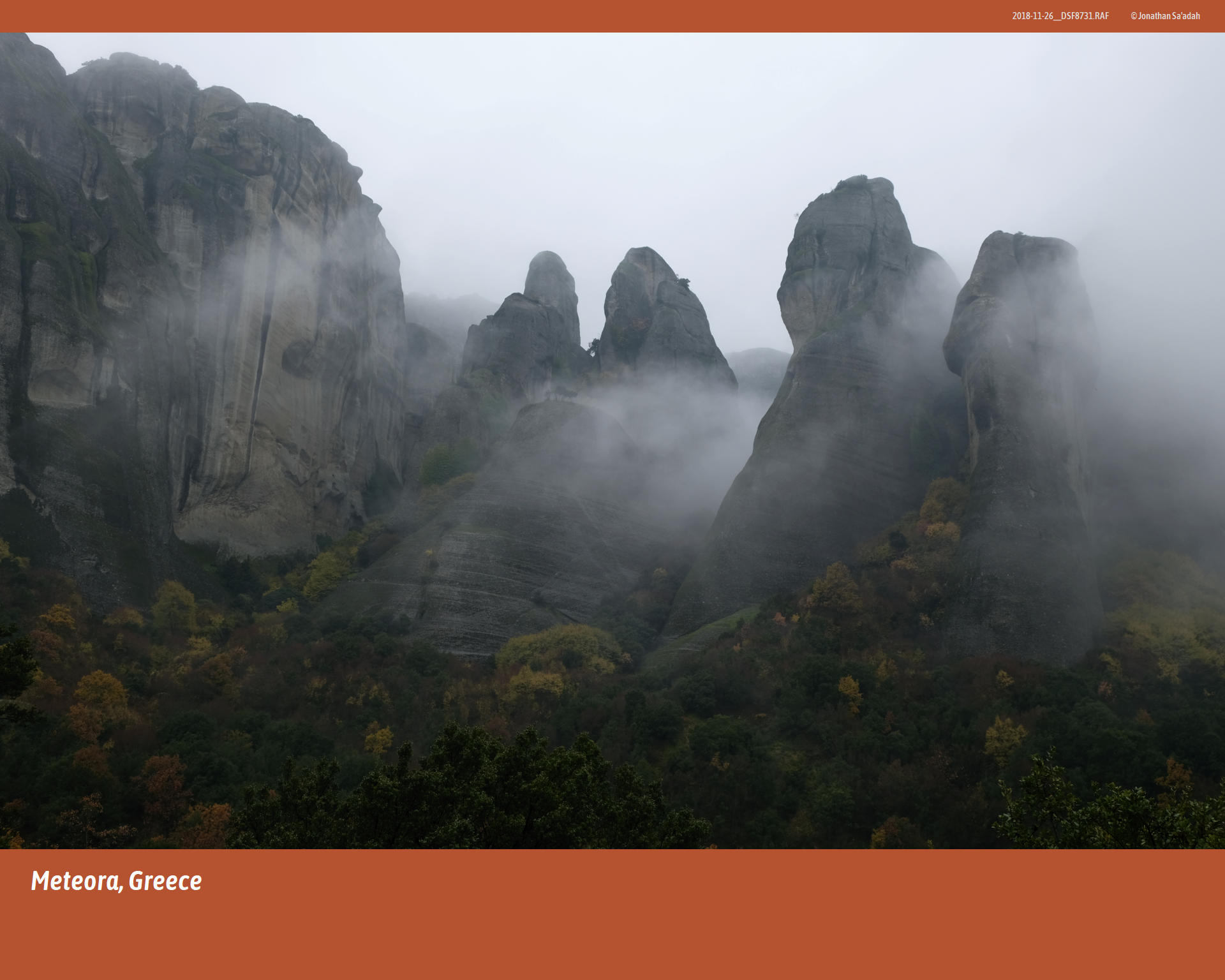
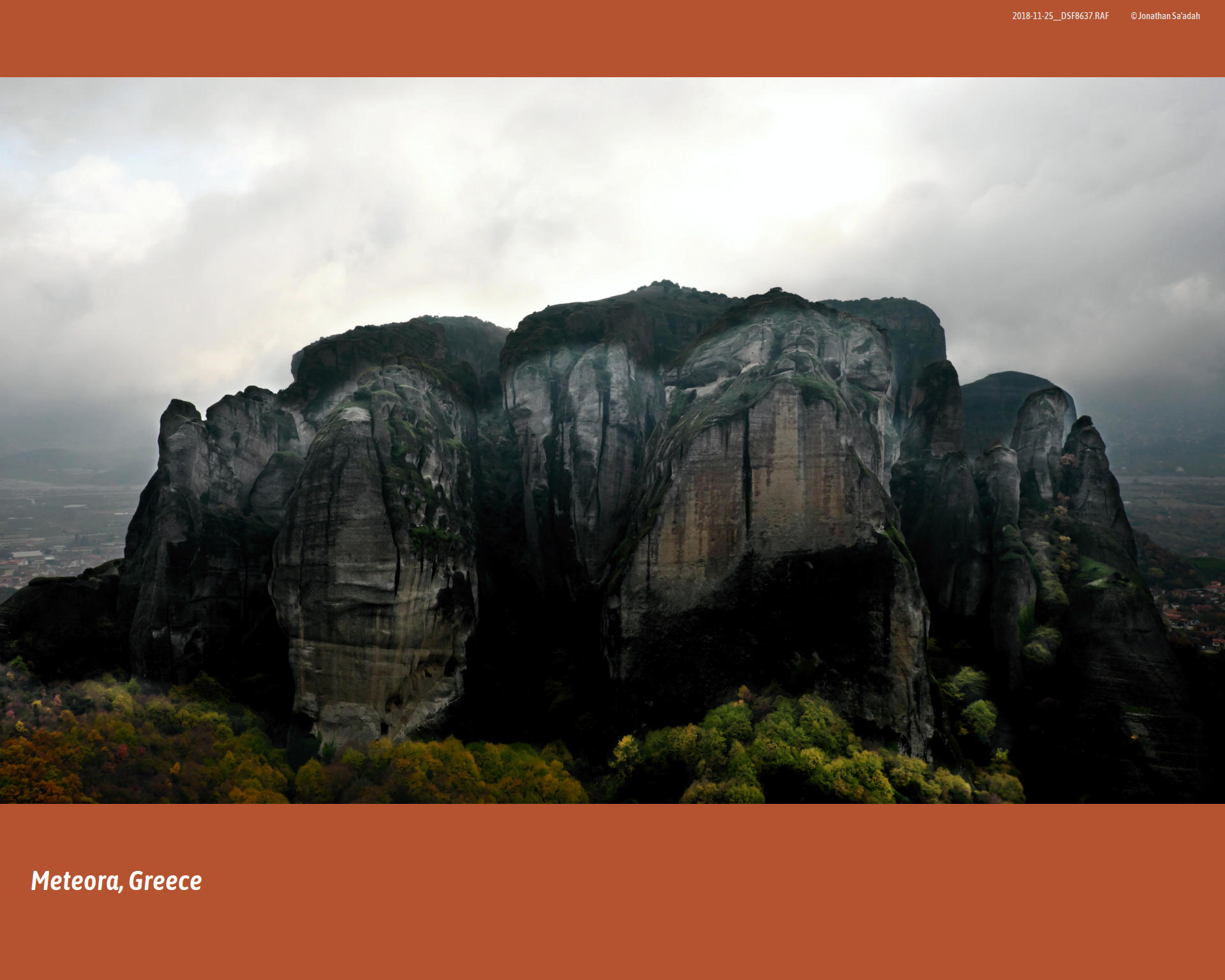
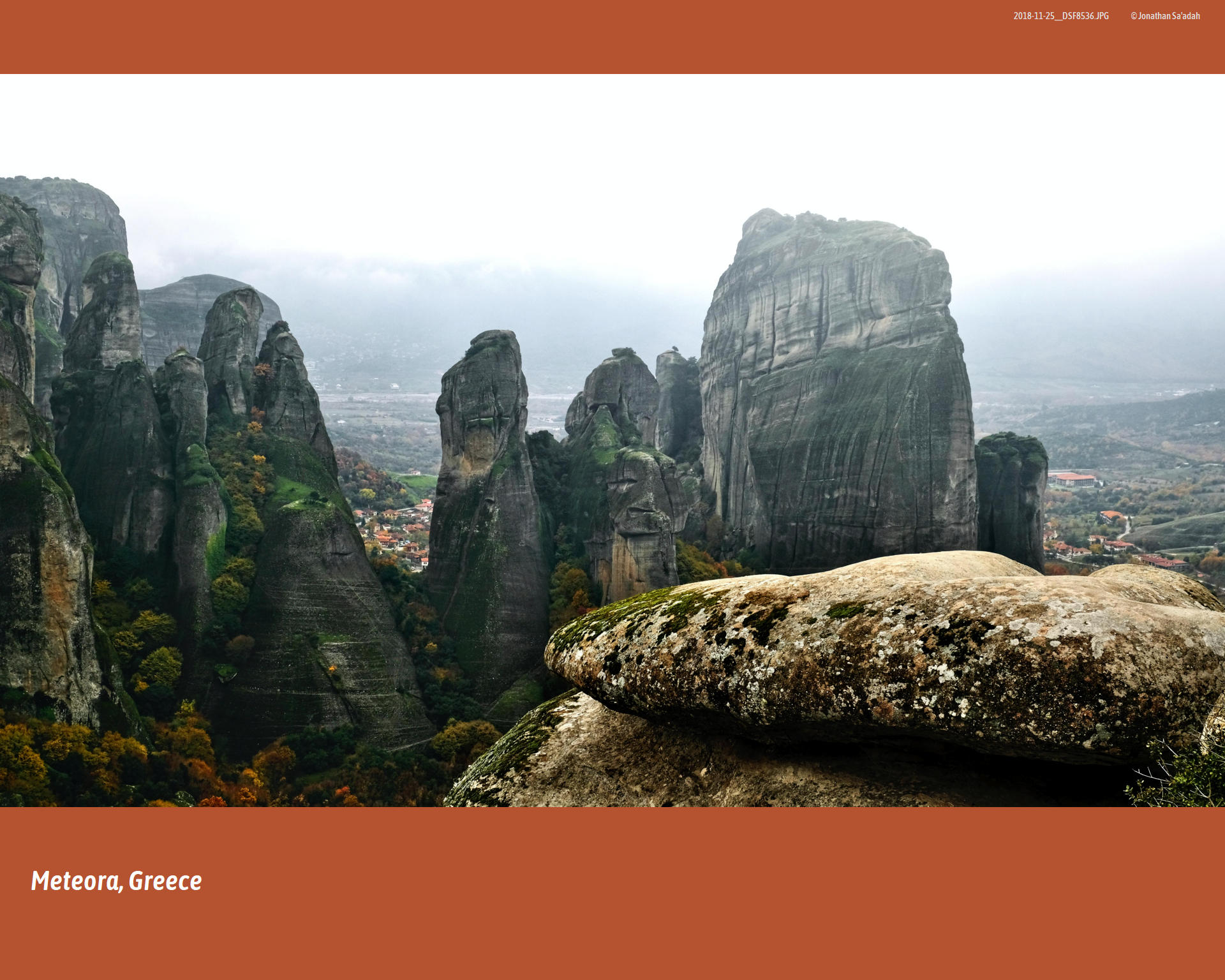
    As the sun rose higher, the fog began to thin, tearing open in slow, luminous veils that revealed vertical sandstone columns, their flanks slick and dark from the night’s moisture.

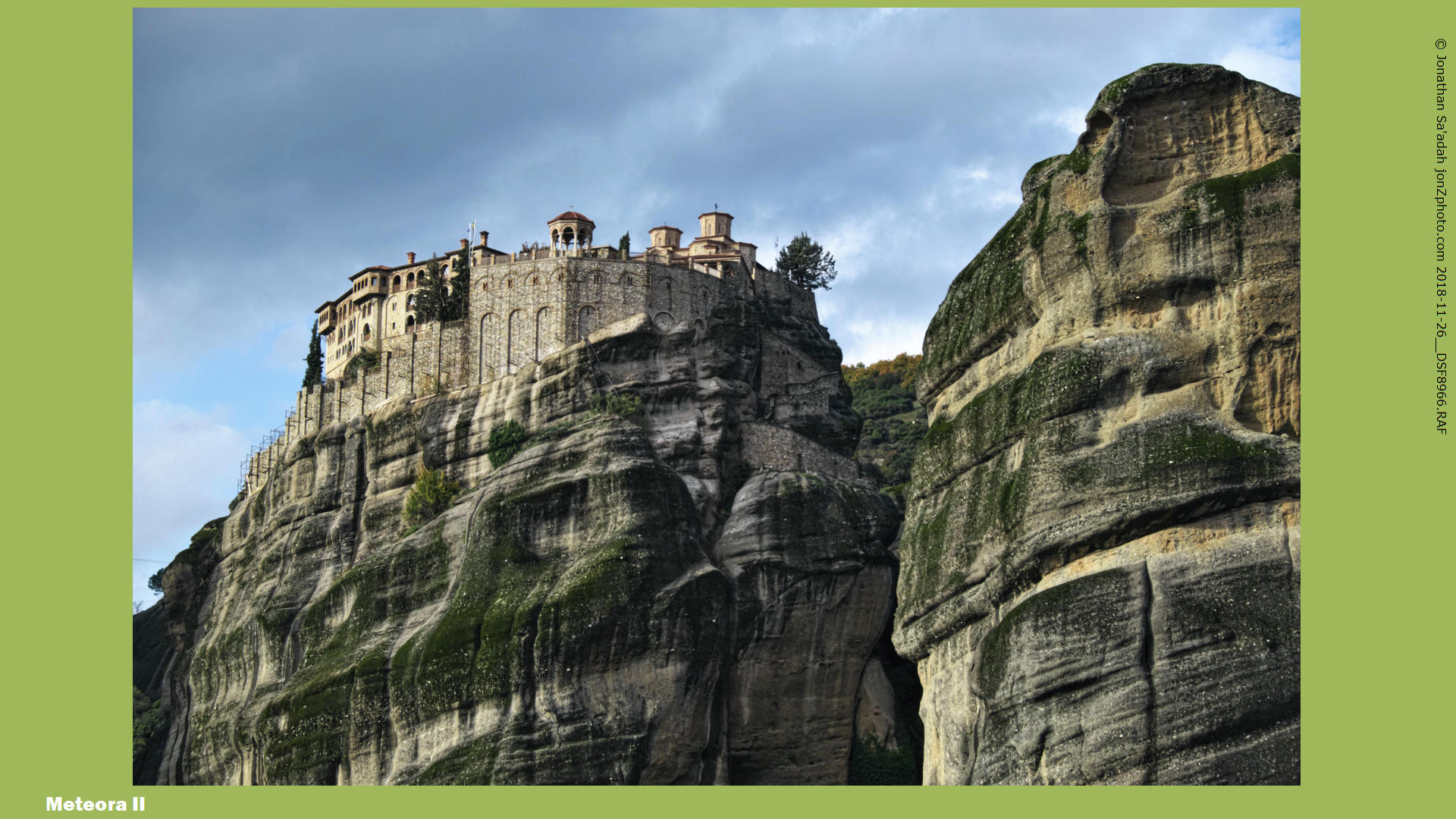
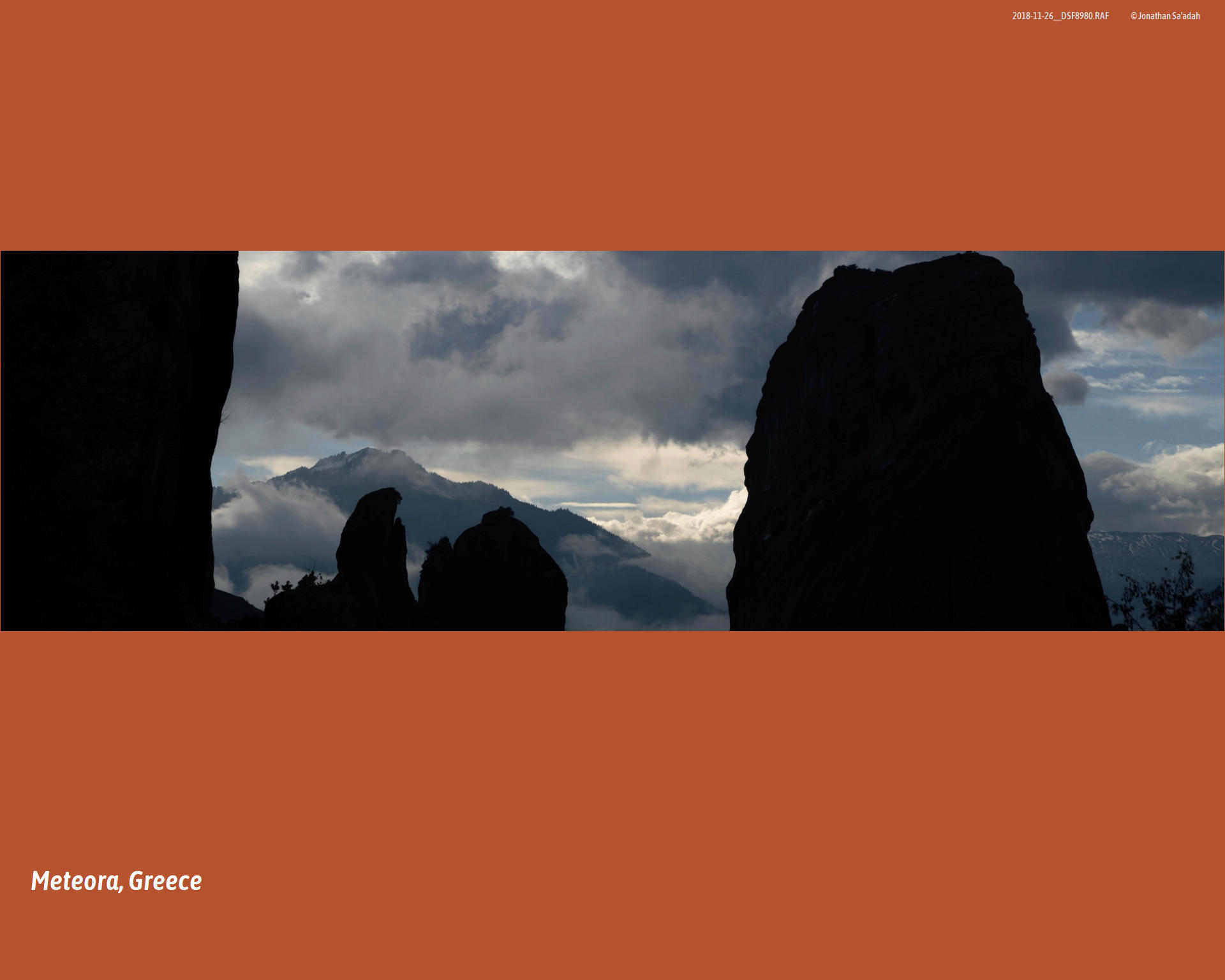
    These towers were born some 60 million years ago, when a vast river emptied into an inland sea and left behind a thick delta of sand and stone that erosion later carved into cliffs and pinnacles. In that shifting light, each rock appeared to detach from the earth itself, justifying the medieval monks’ sense that this was not simply landscape, but a kind of natural ladder between ground and sky.

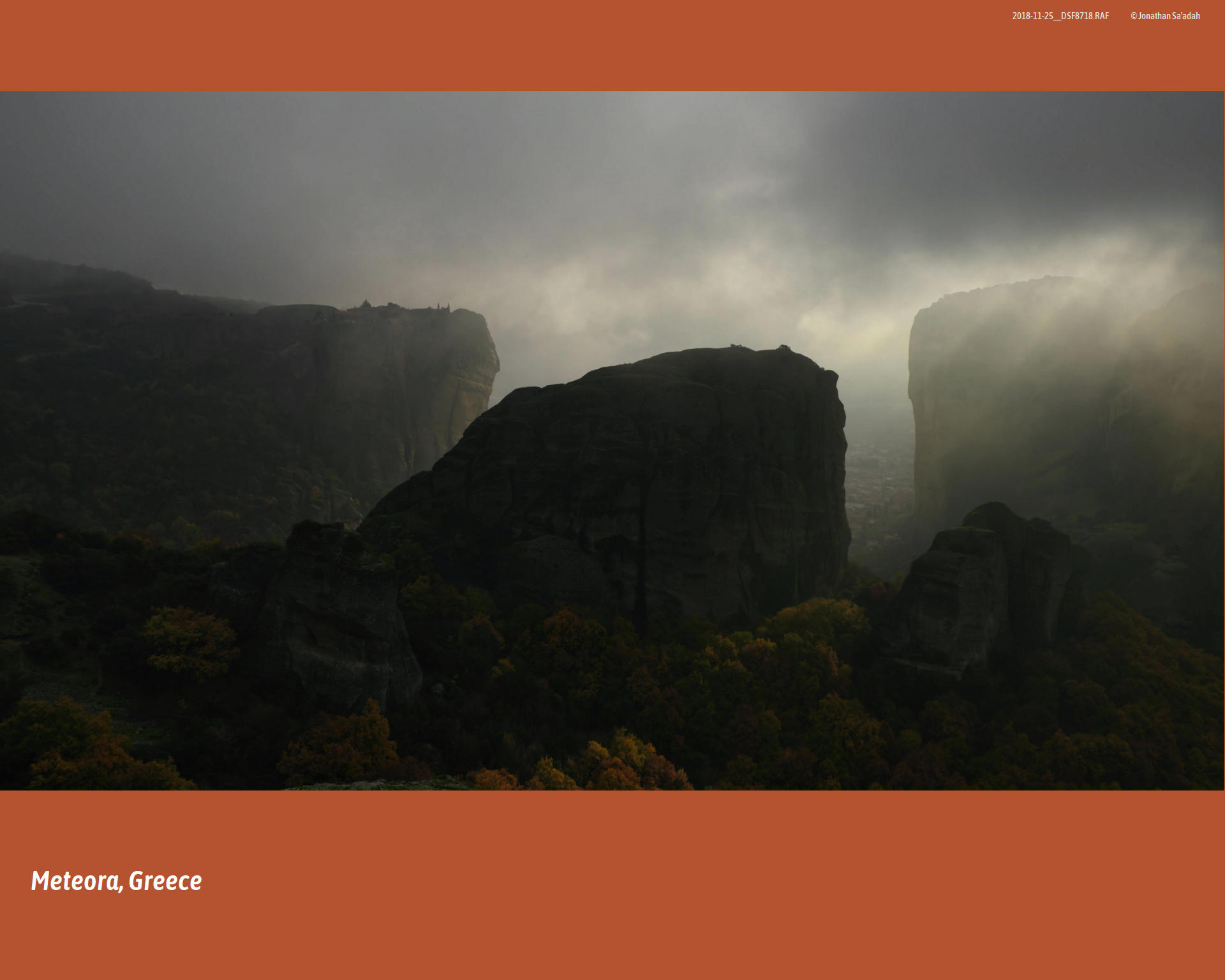
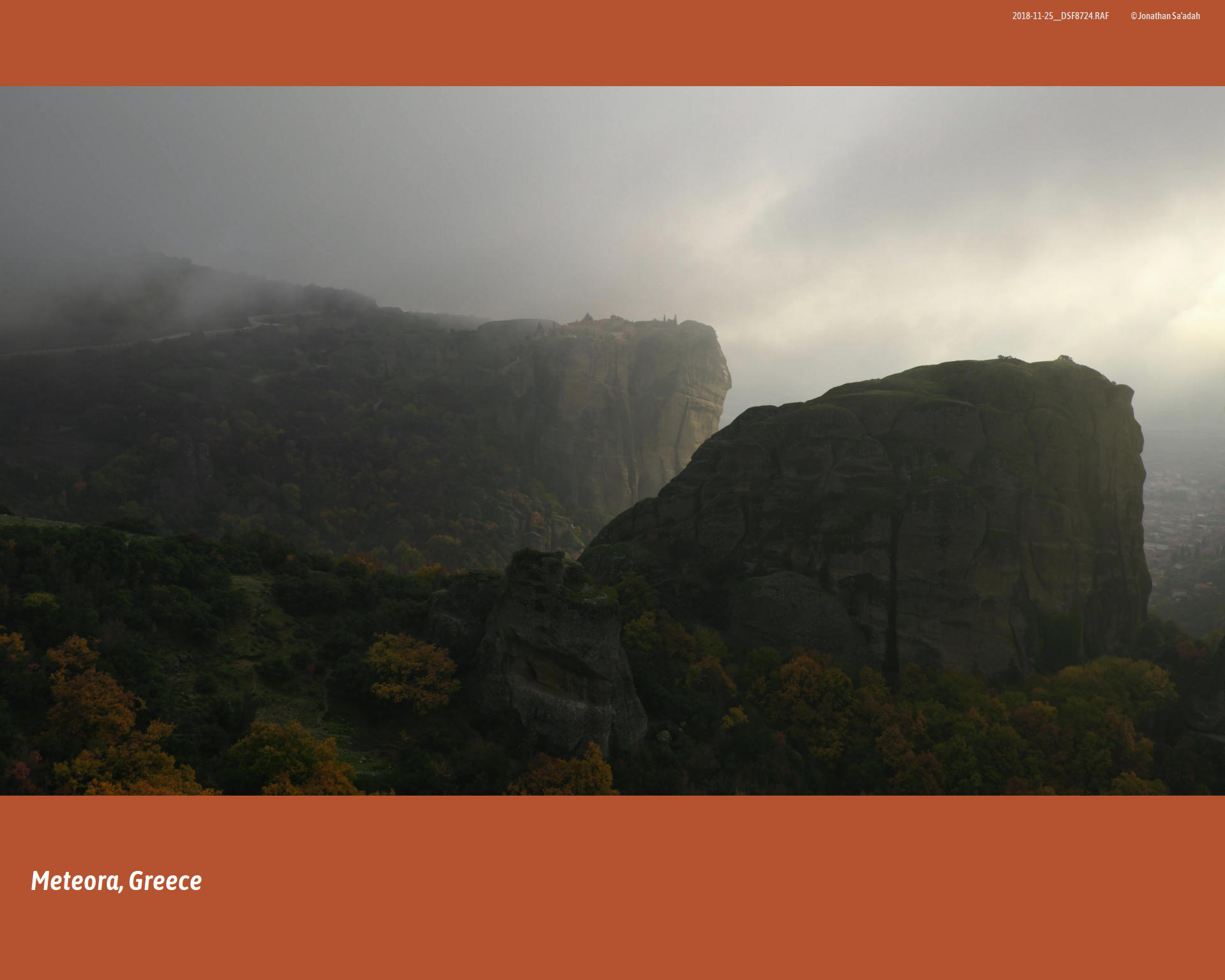
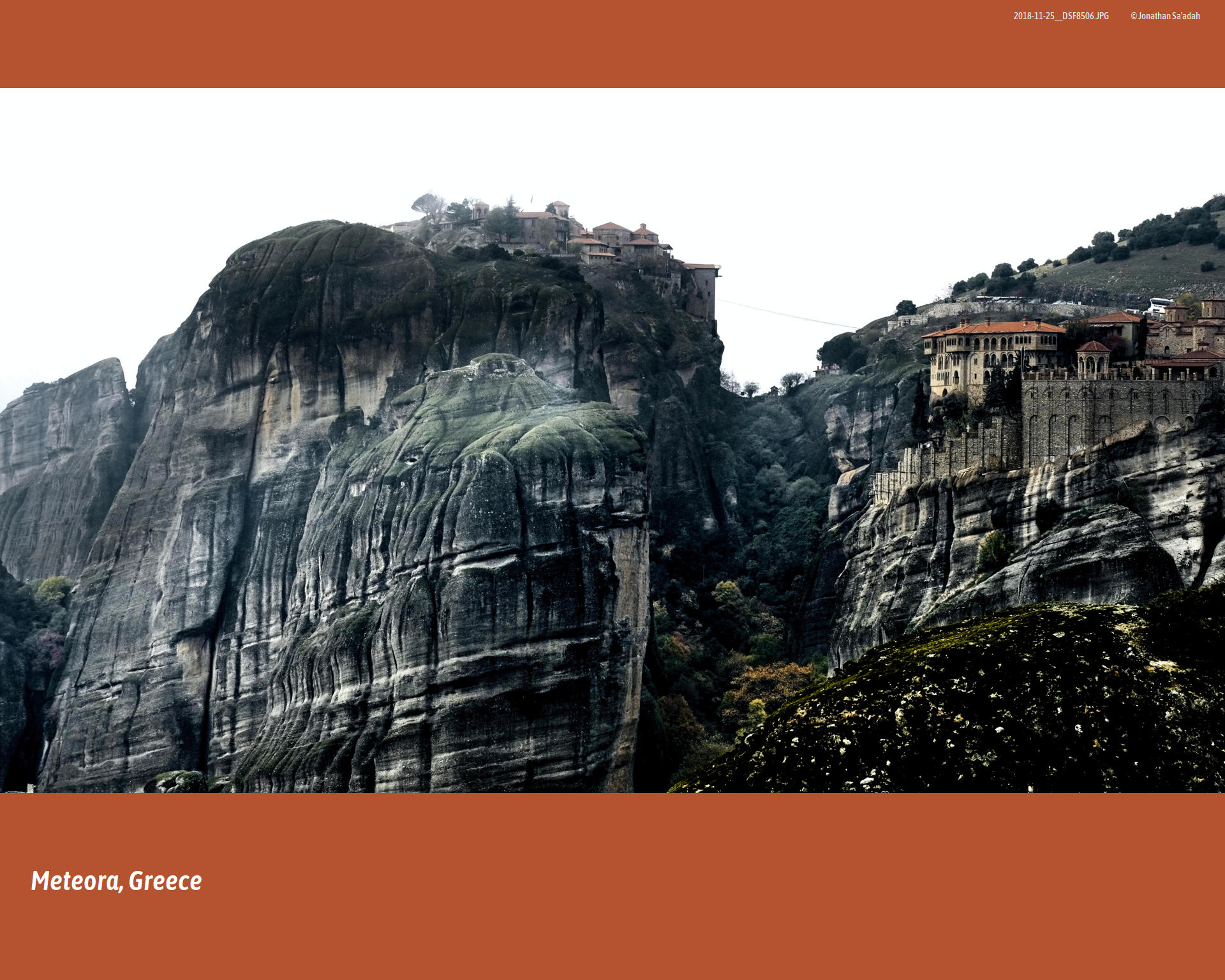
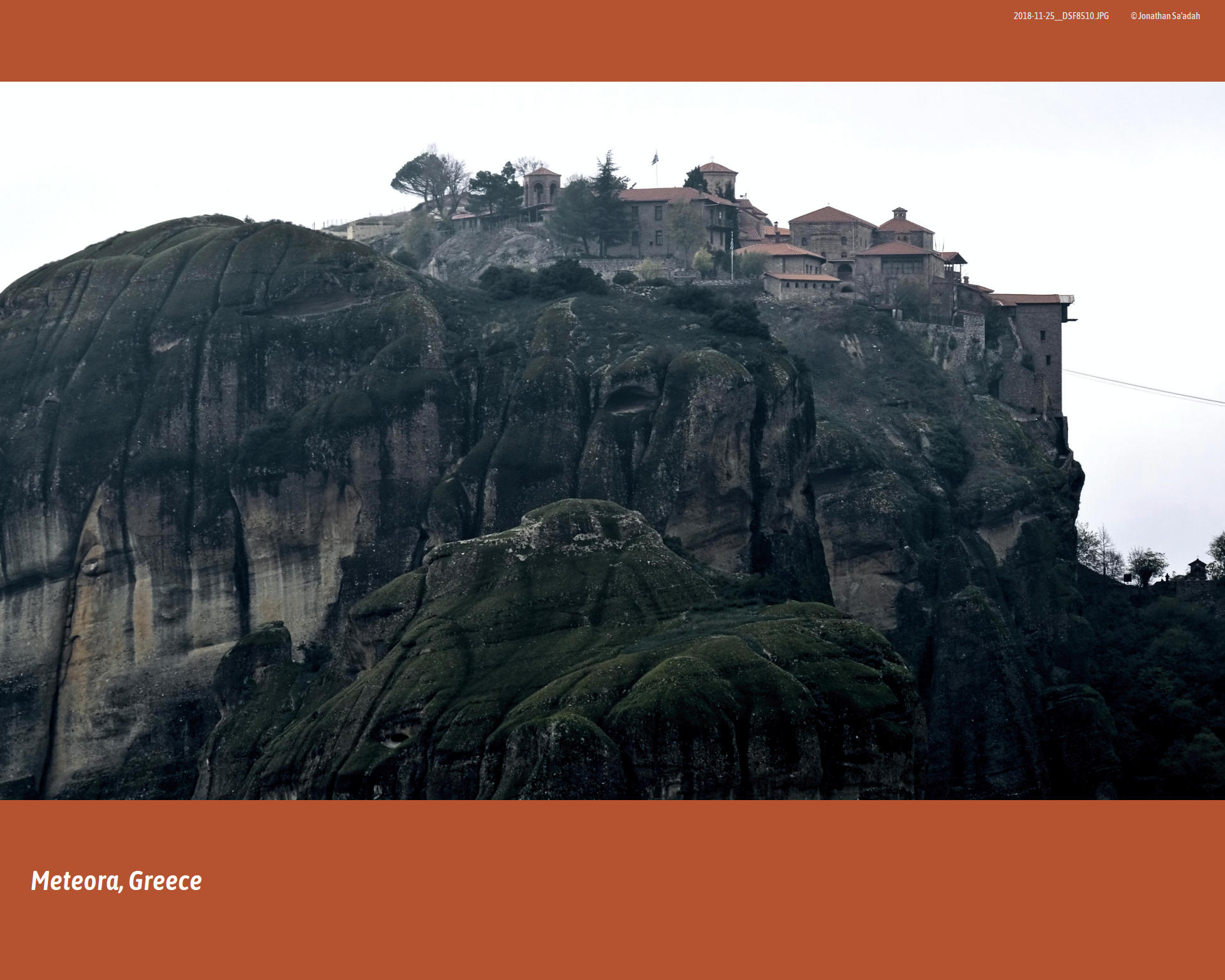
    High on the cliffs, a monastery emerged from the mist: a cluster of ochre walls and red-tile roofs clinging to the summit as if it had grown from the stone. In the 14th century, Athanasios Koinovitis, later known as Athanasios the Meteorite, chose one of these broad rock platforms to found the Great Meteoron, hauling every beam and stone up the sheer face by rope and ladder. The isolation offered protection in that age of raids and political upheaval; access once depended on nets and retractable stairways, a deliberate barrier between the cloistered world above and the dangerous valley below.

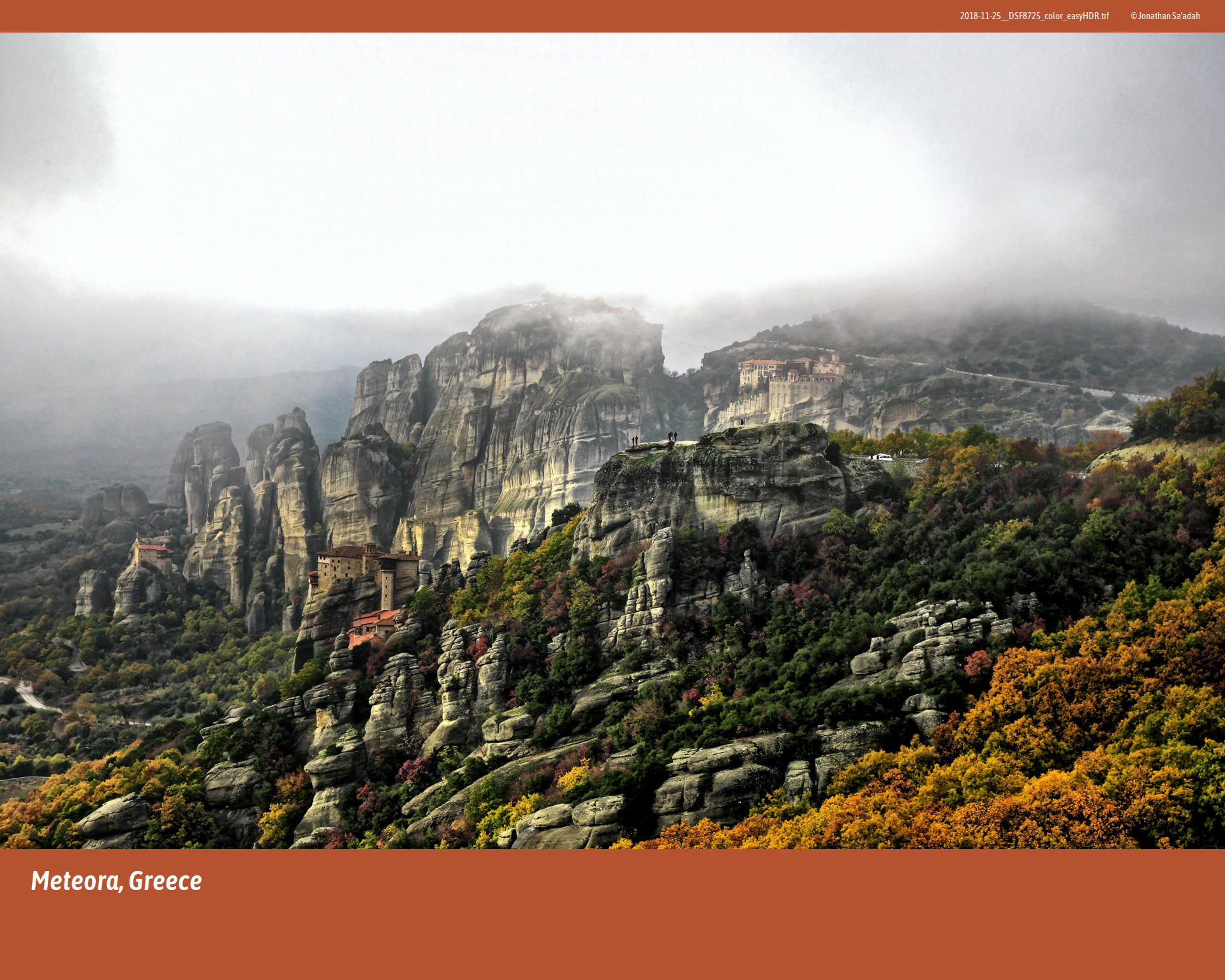
    By the time the sun finally broke through, the valley below had turned into a tapestry of autumn color: rust-red oaks, yellowing plane trees, and dark green pines pooling at the bases of the rocks. In the era of Ottoman rule, when these monasteries flourished under sultans who left Orthodox institutions largely intact, the same slopes hid rebels and sheltered refugees; in the 19th and 20th centuries, walls that once enclosed prayer were scarred by shells and mortars.

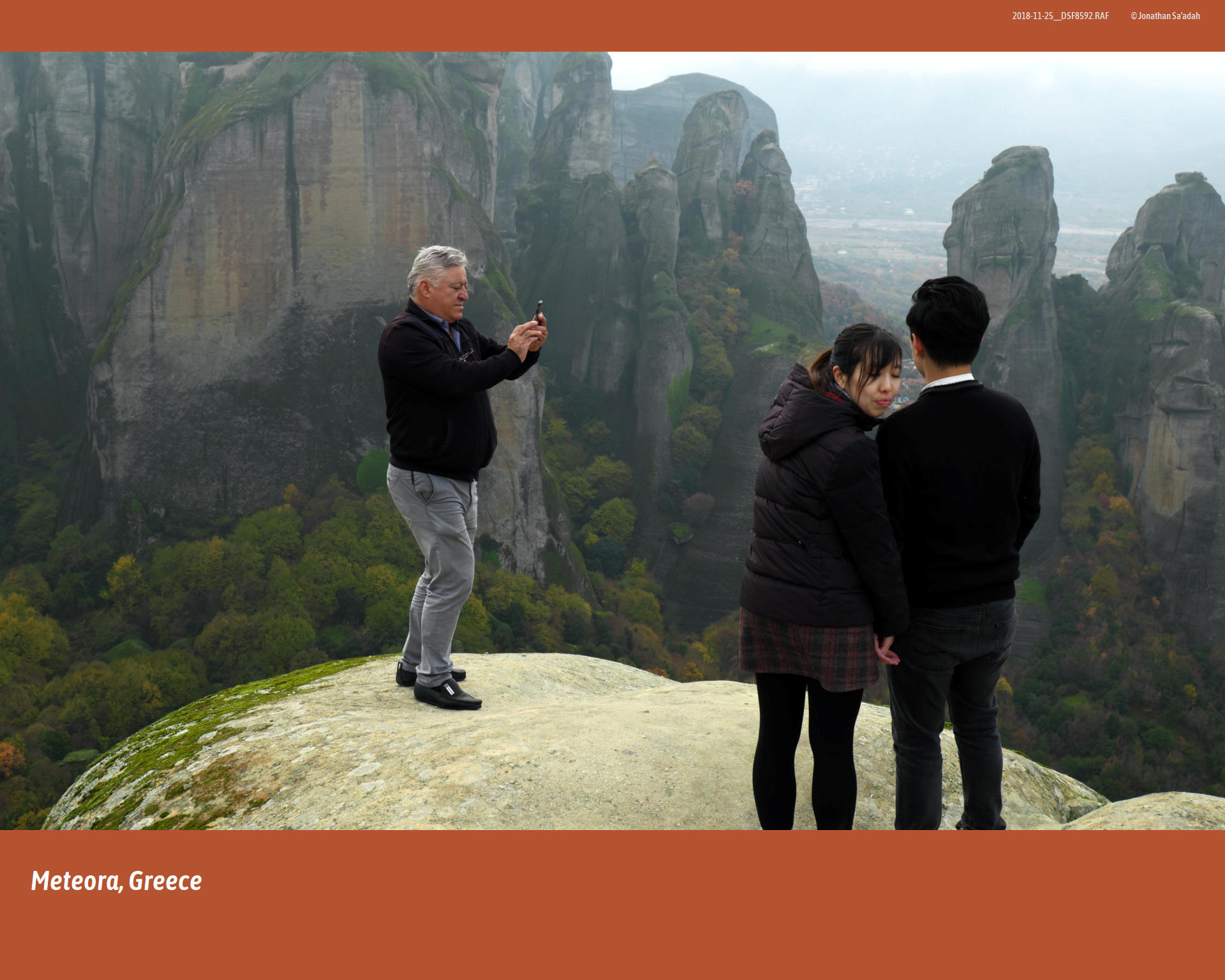
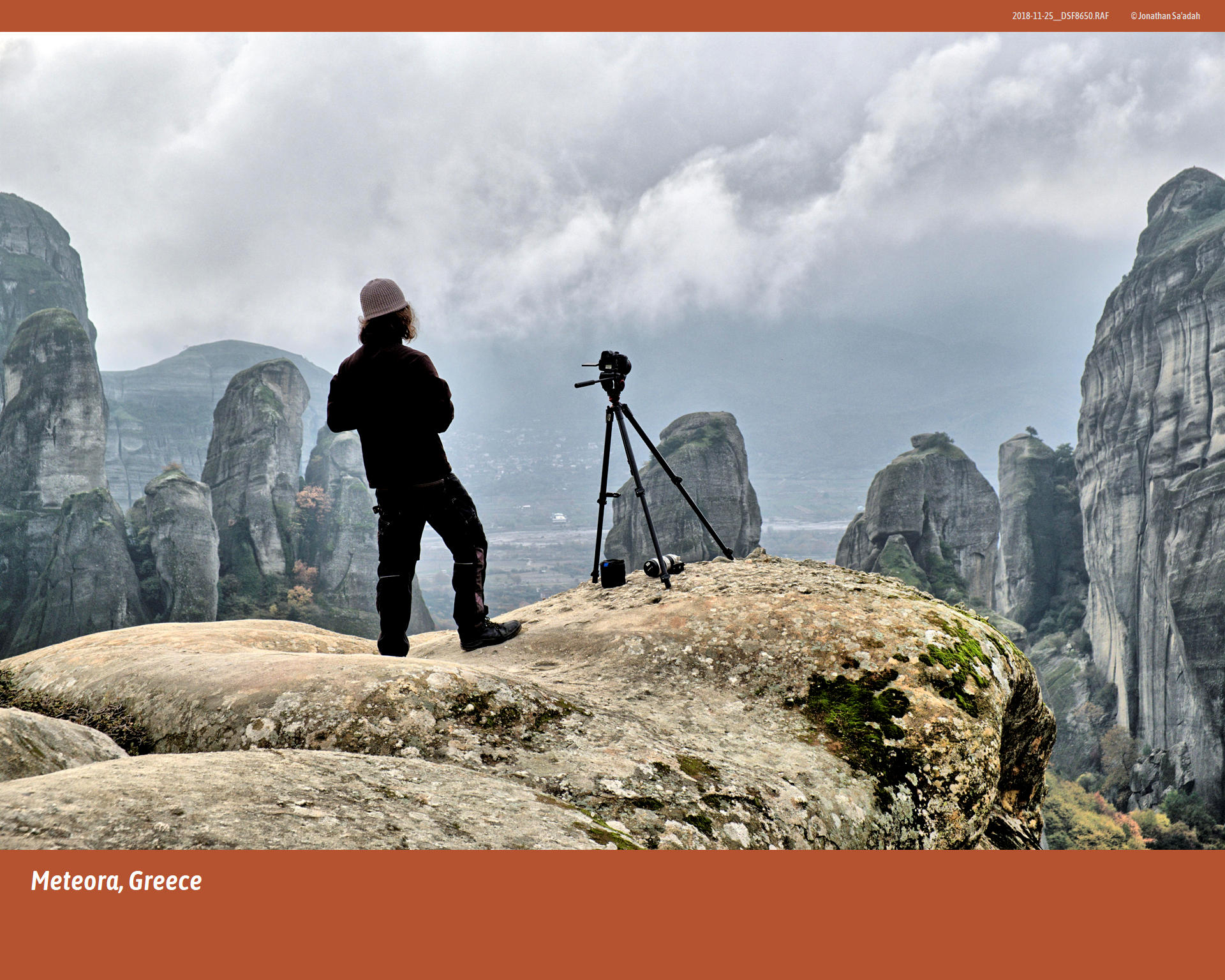
    As we moved along the viewpoints that early morning, each gap in the fog offered a new alignment of rock, monastery, and forest, a sequence of tableaux that seemed staged by the weather itself. Looking out across the chasm to another monastery perched on its own pillar, it was possible to imagine the first hermits edging out of their caves at dawn, watching mist lift from this same plain and reading it as a sign – of judgment, of mercy, of simple passing time – in a landscape that felt charged with meaning. Today, buses replace mules and carved stairways replace rope ladders, but the choreography of fog and light still resists domestication; for a few minutes on that November day, the cliffs and their glowing trees belonged less to the age of mass tourism than to the long, solitary devotion that first drew human beings to live in the air.