
About eight years ago, as part of my application for Canadian residency, I was required to submit my American Social Security card. As a child I remembered having the piece of paper, but hadn’t seen it for about forty years so I had to get a duplicate. It’s not something that an American citizen would have to do too often; most people know their Social Security number by heart and that’s about all that’s required.
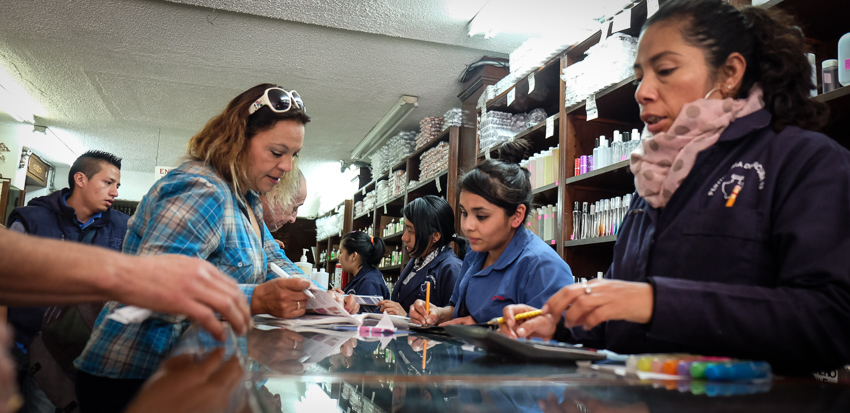
Burlington is Vermont’s only true city (small still) and the office I had to go to was there. I was a little shocked at what I saw. Vermont state offices tend to be relatively friendly places. Not exactly small town, but perhaps small state. This was a federal office and not only was it protected by guards, but it had small holes for talking to the “service” representatives and many written rules posted in the small waiting space. And guess what? Most of the people there were immigrants.
I got used to the idea of being an immigrant in the long process of applying for first residency and then citizenship in Canada. The idea that you are special – that you don’t have to go to these types of offices – pretty well melts away. But in the US if you are a born citizen you hardly ever have to notice what happens to people who aren’t. Some of the places to look, if you are interested, are at the larger land border crossings or at traffic stops, where skin color and legal status often become determining factors of how you are treated. Another place it’s in your face is should you take a bus across the border, where people are basically sorted by their appearance, before even the presentation of documents.
Being an immigrant myself in Canada has made me a lot more sensitive when I see people having trouble. I think that if you haven’t been an immigrant it’s difficult to understand what it’s like. What it’s like to learn a whole new culture, to be in a country where perhaps you have no real roots other than being there.
We have been lucky to have a core of people who have become friends, some close friends, by virtue of us having joined an Anglican parish in Montreal. We were drawn to this specific parish originally because of the outstanding music, but in the eleven years we’ve been part of this community there’s been much more than the music holding us there – and that’s not to downplay the music at all. I’ve many other reasons to be there and also what Christianity’s good side is. But it’s not all easy – being a member of a church in Quebec is akin to having leprosy. The Catholic church abused Quebecers, and they returned the favor by abandoning the organized church with a vengeance. Most of the swear words in Quebec are church-derived, and being involved in any sort of church-related activity raises hives for many of our acquaintances and friends.
It might be surprising to note that quite a few of the people in the Anglican community I’m speaking about are Francophones born in Quebec. Obviously they are of a different stripe to be doing what they are doing, but so too are the rest of us. This parish, which is actually housed in the large downtown cathedral, has had a long history of social activism, and early on put up a large rainbow flag. The flag is not quite so controversial now but still periodically some unhappy person comes into the Cathedral and tries to tear it down. But it would be hard to tear down the tolerance and evolving understanding that’s part of why we have belonged to this parish, and why it’s meant so much to me.
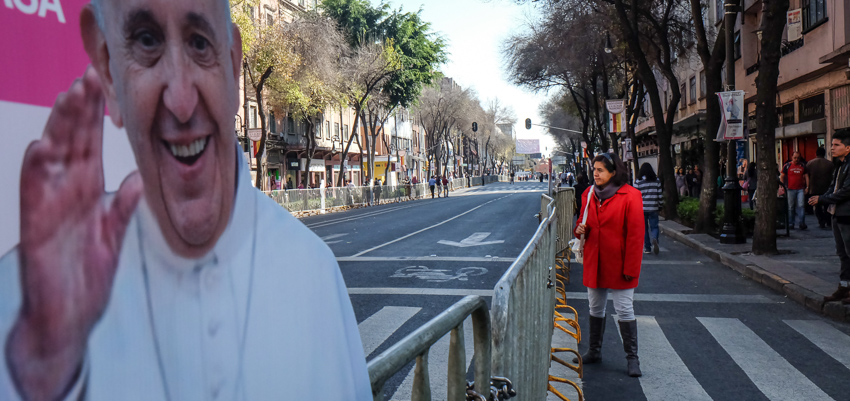
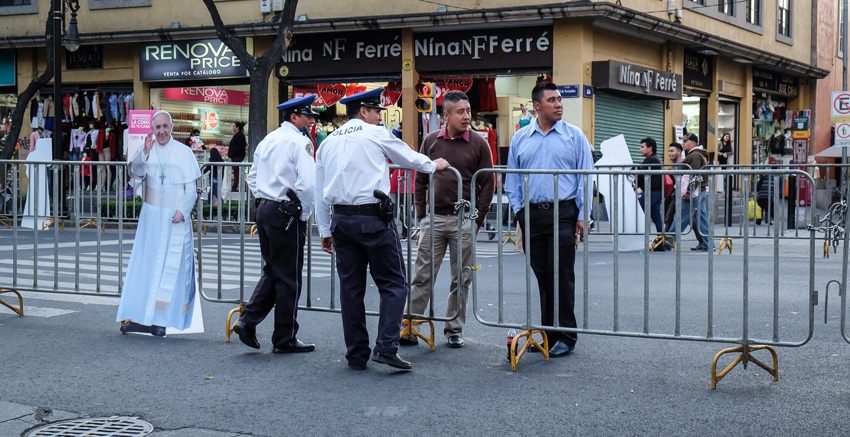
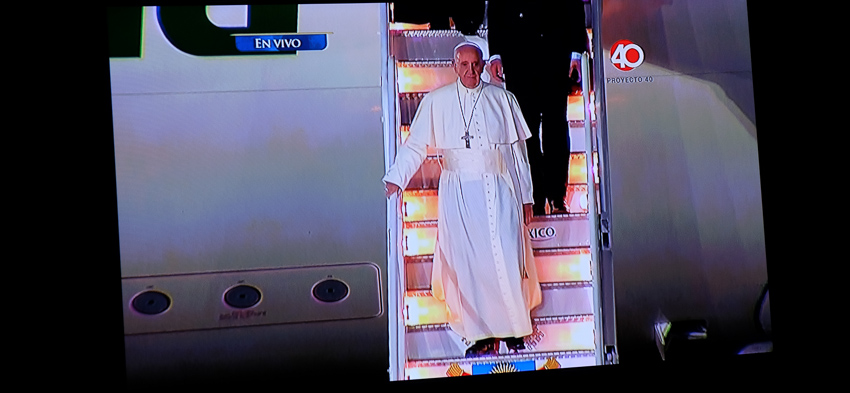
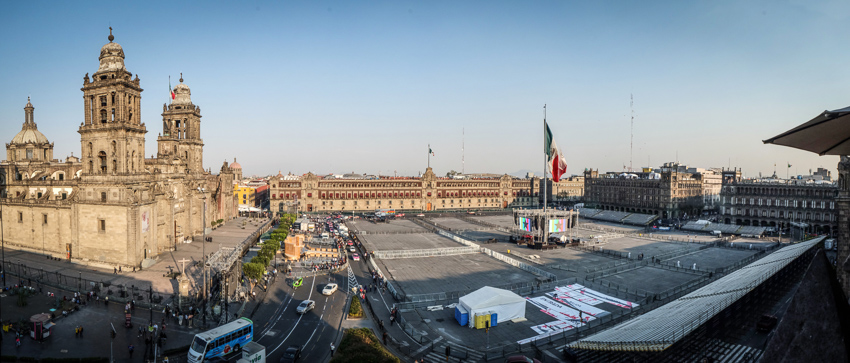
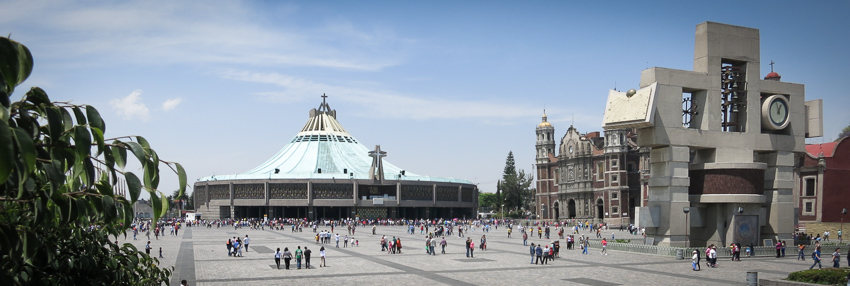
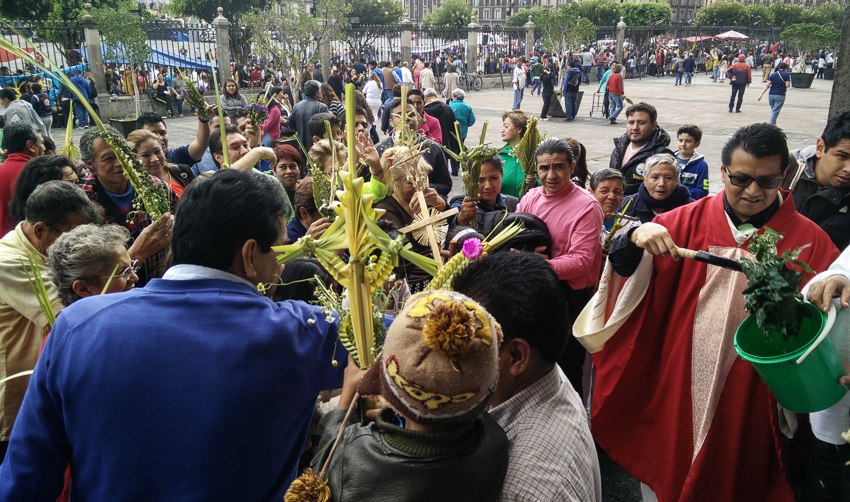
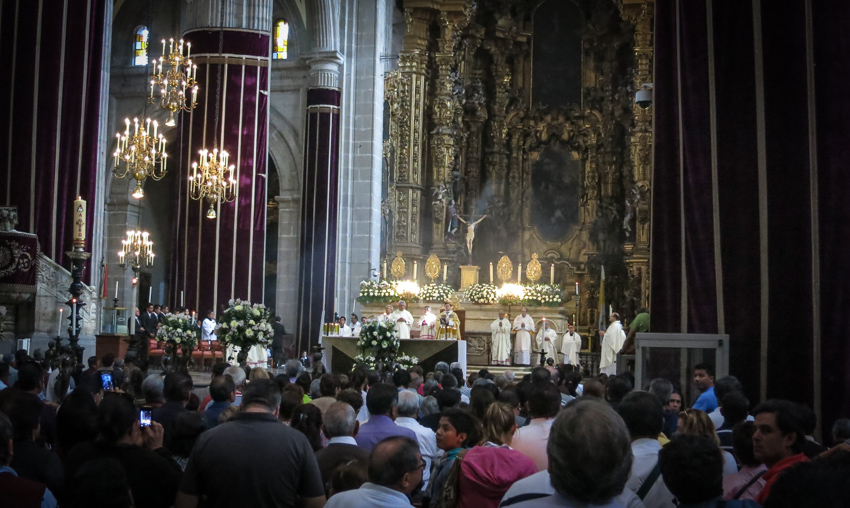
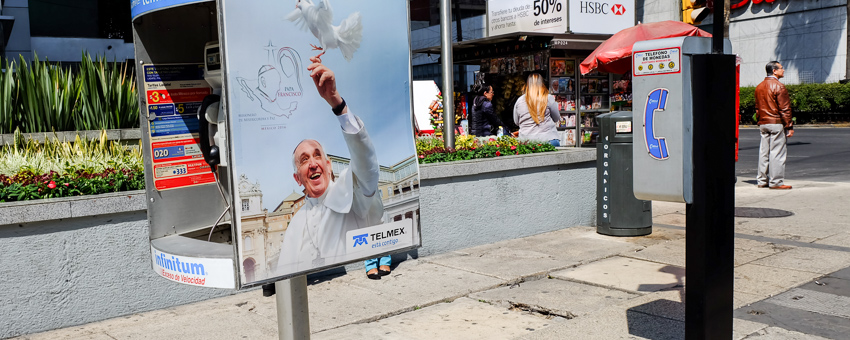
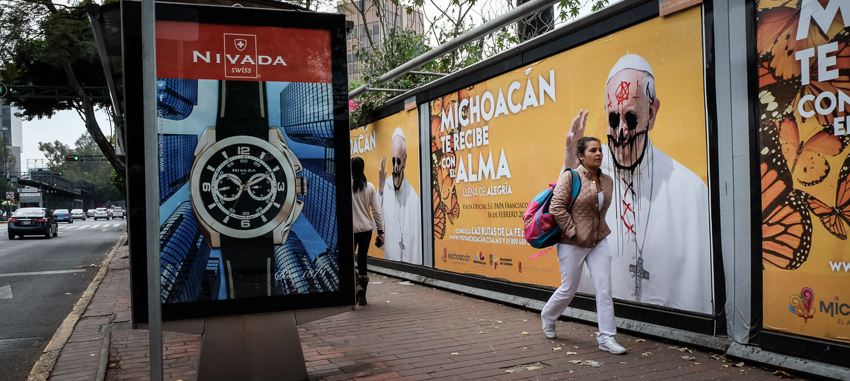
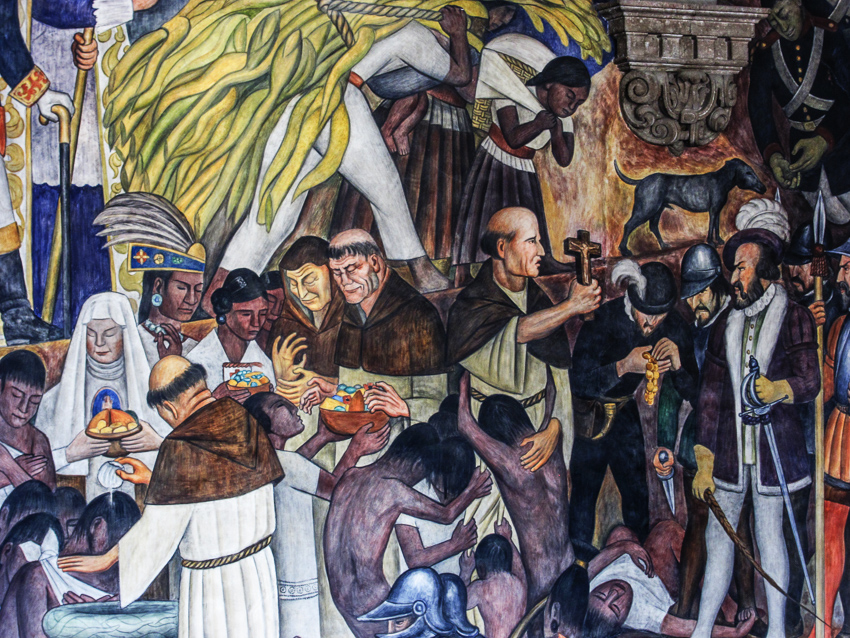
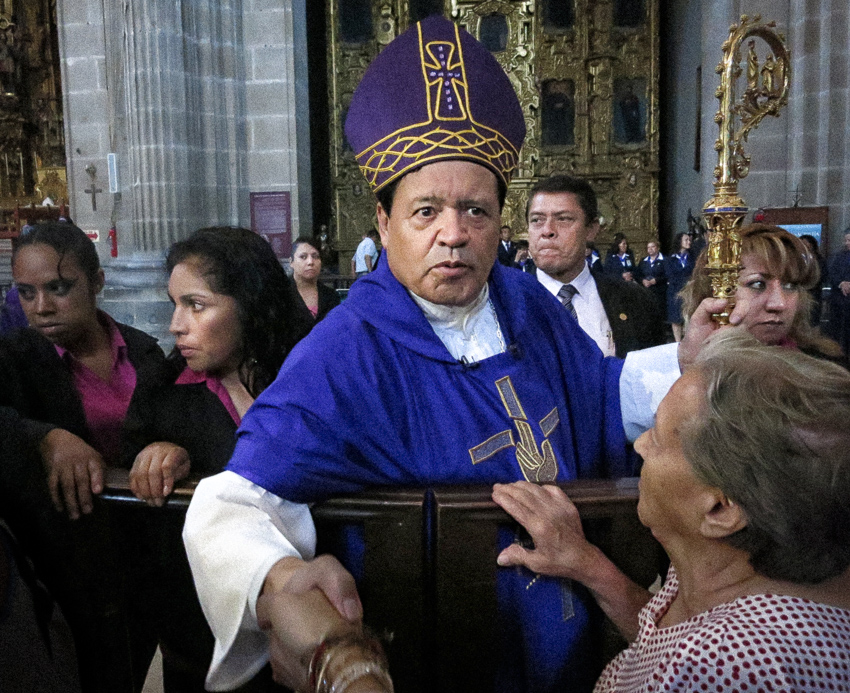
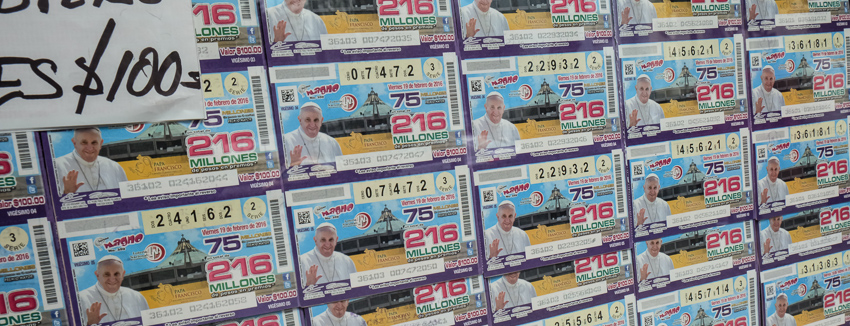
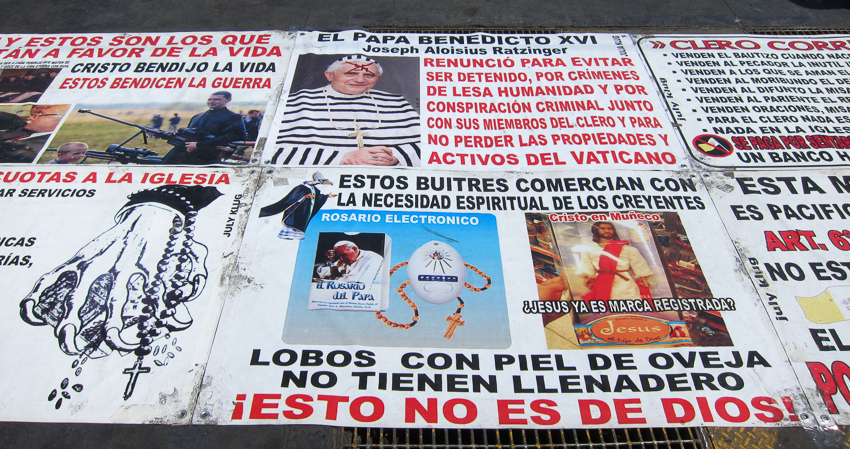
I say this by way of introducing what will be happening in the next few days with the visit of the Pope to Mexico City. I don’t know enough to write a long intelligent commentary about the relationship of the Catholic Church to Mexico. I’ve seen so much, and so little. We’ve gone to services at the small parish church in the neighbourhood nearby, we’ve gone to fancy services in the Metropolitan Cathedral, we’ve watched and noted a lot of behavior, we’ve read. But it’s the same as applying for residency – I’m an outsider and will never really understand that much even in the big sense, much less the nuance.
Please add your comments.
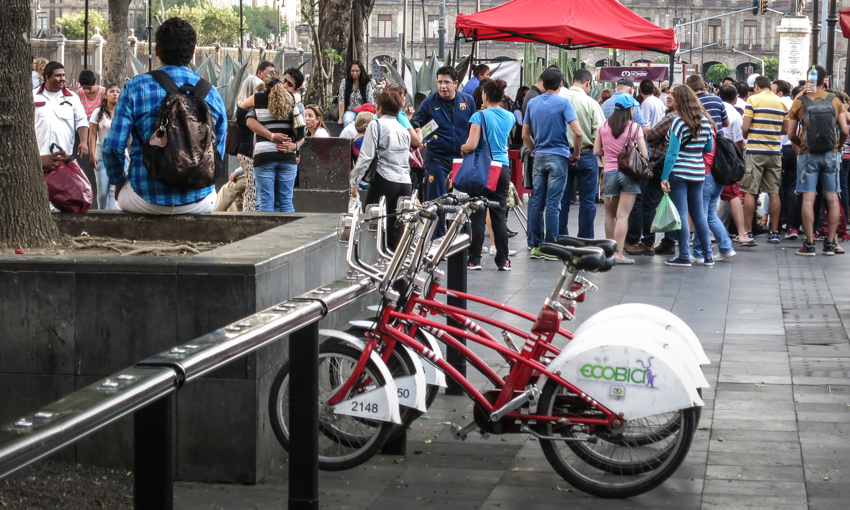
Theoretically, renting a bike in Mexico City as a tourist should be easy. In practice, it’s a bit of a pain (but follow me out). Mexicans with national cards can buy a year pass to ecobici for 400 pesos/21.26USD. As a tourist the rate is 300 pesos/15.95USD per week. In addition the weekly pass needs to get renewed every seven days (surprise!), and that means a trip to the ecobici office and, sometimes, a wait. Of course have an ID (you only need a driver’s license). As tourist it’s still a good deal – see the chart below for comparisons to other cities – but no where as sweet as the year pass. In addition, count on your credit card getting docked for 1500 pesos/79.77 USD for each week. I guess they are protecting themselves in case you turn out to be a criminal with a passport and a desire for the heavy bikes. The deposit is refunded after the rental period is over; our deposits have been returned promptly.
You get the treat of lining up with everyone else to get your pass. Unlike polite Canadians your line-companions will be openly annoyed by the long waits, but along with them you too are required to take a written test to prove your extensive knowledge of the traffic laws in the DF. If you’re there when everyone isn’t arguing with each other, you might get some help (and a pass) from the generally friendly staff. Recently they have allowed for an English version of the test, which certainly makes things easier. If you are a normal rider most of the answers are common sense.
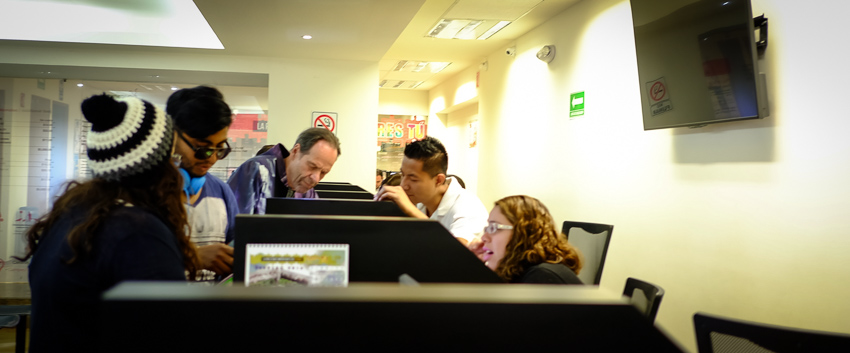
I’m perverse enough that I enjoyed going to the office, at least the first couple of times. After that it gets a little old, and you wish they might at least consider a two week or month pass, so you don’t have to go back repeatedly.
What you can’t complain about, though, is the cost. It’s less than of the cost of other systems, which follows in the pricing in general for public transport: subsidized and affordable from a tourist point of view.
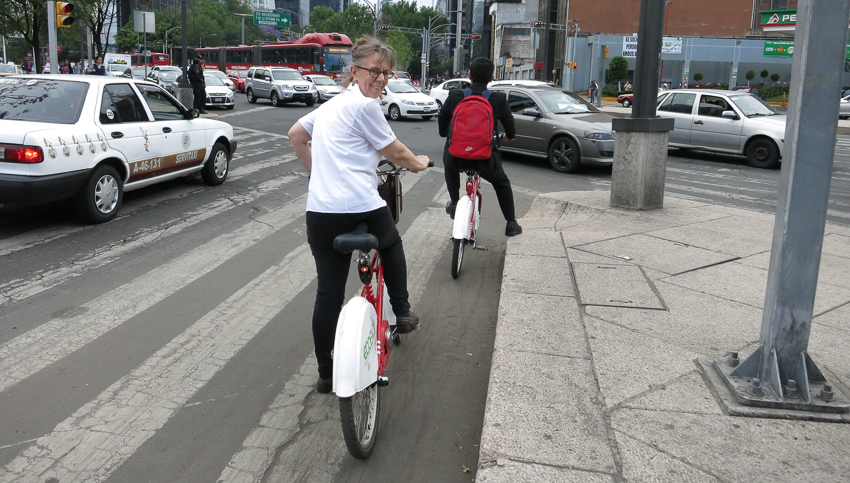
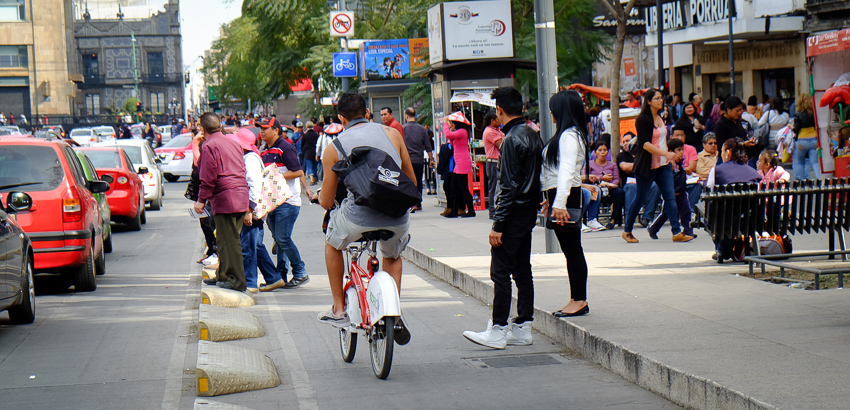
The ecobici bike rental system in Mexico City has stands throughout the core of the city. It’s not everywhere, though, by any means. It is popular and after sounding whiny I have to say that I enjoy using it, and appreciate the bike lanes that are often spacious and well segregated from both pedestrian and car traffic (the photo above with pedestrians wandering around is on a Saturday afternoon across from the Alamada – a worst case scenario!). Even where there aren’t bike lanes, in my experience if you stick to the interior streets (and not the high speed avenues) riding is not too intimidating if you are attentive and experienced. There’s room and when there isn’t it’s because traffic is stopped, and you can do quite a bit better than everyone else! Don’t even consider going on the high speed streets and avenues.
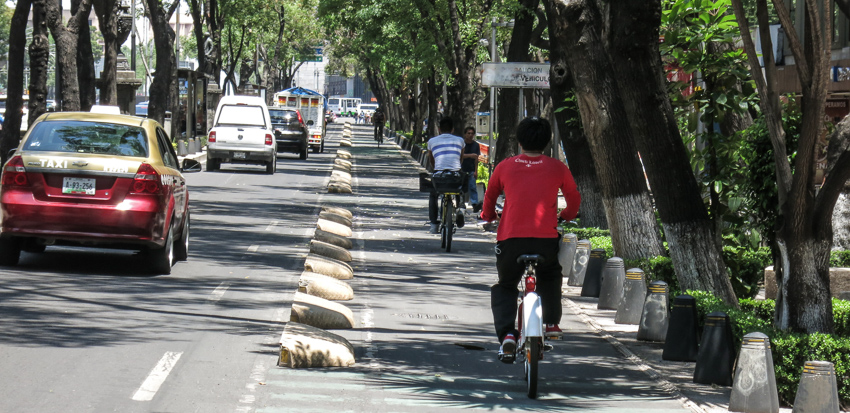
Unlike the Bixi system in Montreal and bike rental systems in many other cities, in the DF there is no way around having the plastic card, so it’s not as friendly to the visitor. But if you are curious about the city and its people, you’ll learn a lot …
| Mexico City | Montreal | New York | |
|---|---|---|---|
| Year started | 2010 | 2008 | 2013 |
| One year subscription | 400 pesos/21.26 USD (2015) | 87.00 CAD/62.52USD (2015) | 149.00 USD (2015) |
| One week subscription | 300 pesos/15.95 USD (2015) | Not available, 72 hrs for 14.00 CAD/10.06USD (2015) | 25.00 USD (2015) |
| Number of rides | ~9.5 million (2015) | 3.5 million (2015) | ~12 million (2014) |
| Number of subscribers | ~1 million (2015) | 38,000 (2015) | 97,864 (2015) |
| Number of stations | 444 (2015) | 460 (2015) | 332 (2015) |
| Number of bikes | 6,500 (2015) | 5,200 (2015) | 6,000 (2015) |
| Free ride period | 45 min | 30 min (1 or 3 day pass) 45 min (other passes) | 45 min with annual pass 30 min with others |
| Additional cost for 2 hour ride | 45 pesos/2.39USD (2015) | 12.25 CAD/8.04USD (2015) | 20.50 USD annual pass (2015) 25.00 USD other passes |
| Links to websites | ecobici | Bixi | Citi Bike |
My favorite way to get to know a city is on a bike. But Mexico City is so huge there’s no way – even if you lived here – to know even a fraction of its different neighbourhoods. It is large beyond imagination, and always changing. As a visitor I’m limited to narrow windows – but I’m always curious and travelling around, trying to learn more.
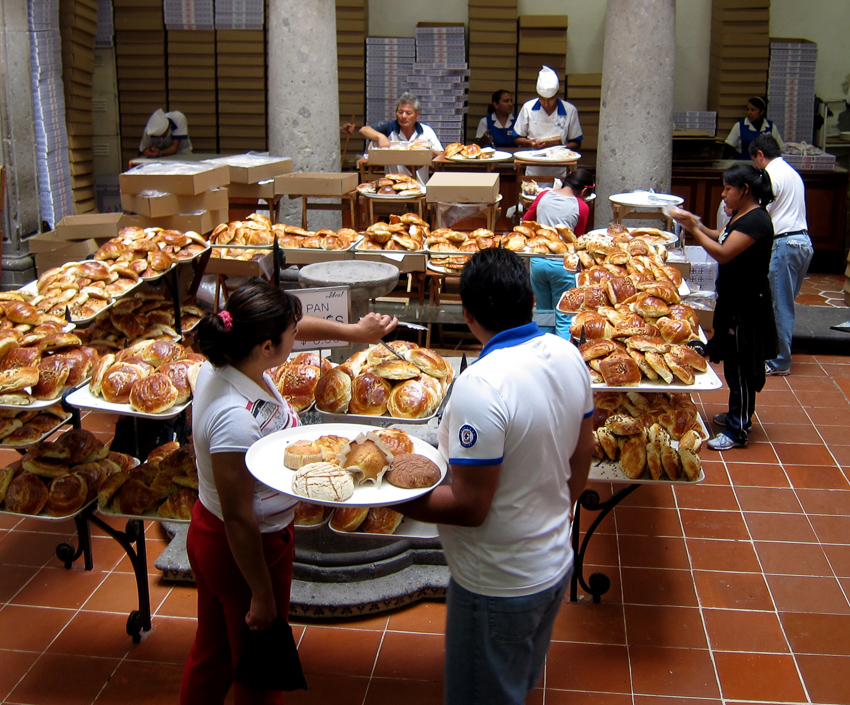
Bikes are great for exploring. With a bike I have freedom to skip over what’s not interesting, and go for whatever has a natural draw, which can often be a surprise – like salsa dancing in a park, an open air market (tianguis), or just simply a beautiful place noticed while passing by.
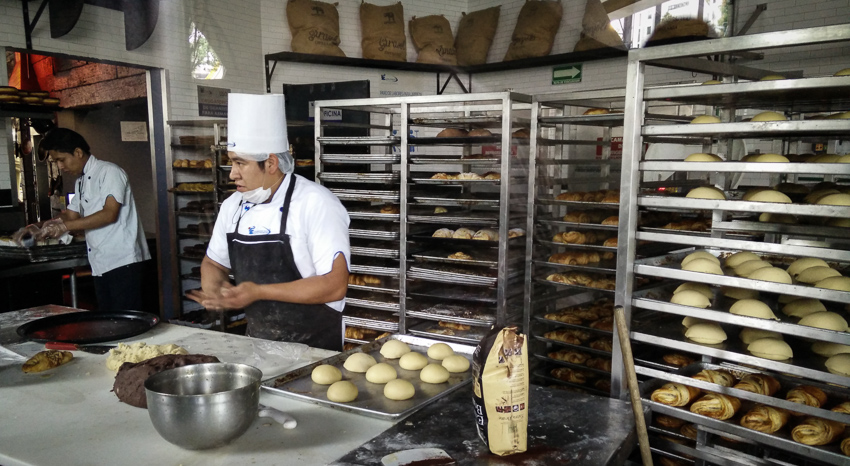
Calories are required for this type of exploration, and pasteries are an ideal way to gain them. We’ve gotten so we have limit how often we stop, picking up an aluminium tray and a pair of tongs, and helping ourselves to fresh goodies. They are straight from the oven and lined up on serving trays. The rotation of what’s there changes day to day and hour to hour.
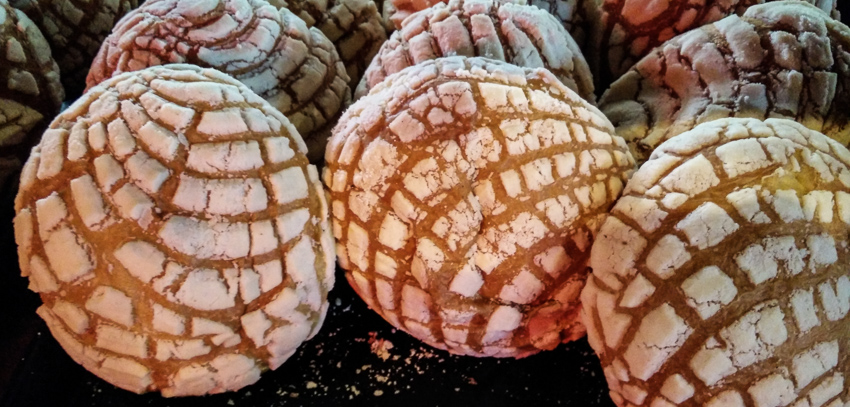
It’s a wide variety to choose from and they are not at all gloopy sugar-coated white bread. I don’t know the technical description, perhaps someone reading can comment, but they are usually made with a dough that tends toward a cake taste, instead of bread. There are fillings and coatings that are both decorative and subtlety delicious
When you are paying there is a characteristic way of packaging each pastery where it’s put on a type of thin paper (a cross between film wrap and wax) which is doubled over the pastery, the corners held, and the entire assembly spun around serveral times to yield a package with two poney-tails at its top. After that all we need is a cup of coffee. If it’s morning we’ll head to the nearest park to enjoy breakfast and watch the surrounds.
There will be plenty of time for biking later on.