Category: Europe

  • The Bittersweet Story of Syria’s Christians

    The first in a series introducing my new photo book “Return to Damascus: A Personal Journey.” This post is about my family’s long-term history in Syria and at least some of the story of how we ended up in America.

    “He saved us with a single act of mercy.”

    These words, spoken by my father, referred to Abd el-Qadir al-Jaza’iri’s heroic intervention in Damascus in 1860 – a moment that shaped my family’s destiny and countless others.
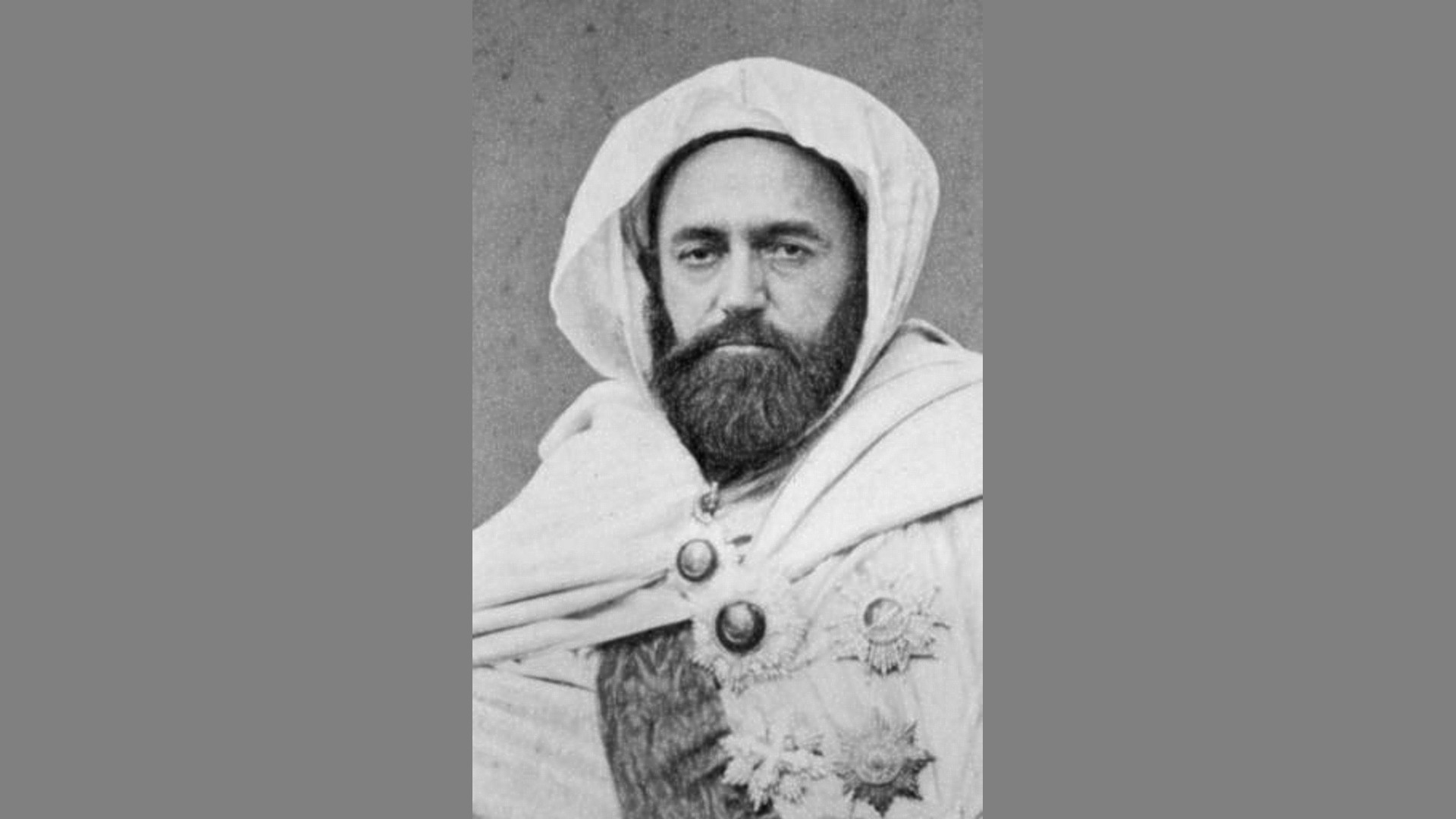
    Abd el-Qadir (1808-1883) was trained as a religious scholar but for 15 years (1832-1847) he led the Algerian resistance against French colonization. After his surrender in 1847 he was imprisoned in France for five years before being released by Napoleon III and moving to Damascus. He lived in the city as a respected figure with a retinue of Algerian followers, so he was uniquely positioned to intervene in the anti-Christian violence of 1860. (US Library of Congress)

    When I set out to understand my family’s roots, I discovered that the story of Levantine Christian migration is both a tale of lucky survival and and stubborn resilience. It stretches from the violence that erupted in Mount Lebanon and Damascus in 1860 to the streets of Montreal, Brooklyn, Detroit-Dearborne, Brazil, Argentina, and many other places today. Syrian Christians have forged new communities across the globe, carrying traditions, languages, and memories with them.

    The 1860 Watershed

    In the spring of 1860, centuries of relative coexistence between Christians and Muslims in the Ottoman Empire shattered. Economic tensions, administrative reforms, and armed conflicts in Mount Lebanon spilled into Damascus, where Druze militias and local mobs attacked Christian neighborhoods. Thousands were killed, and homes and churches were destroyed. It was a catastrophe that reverberated across the Mediterranean world.
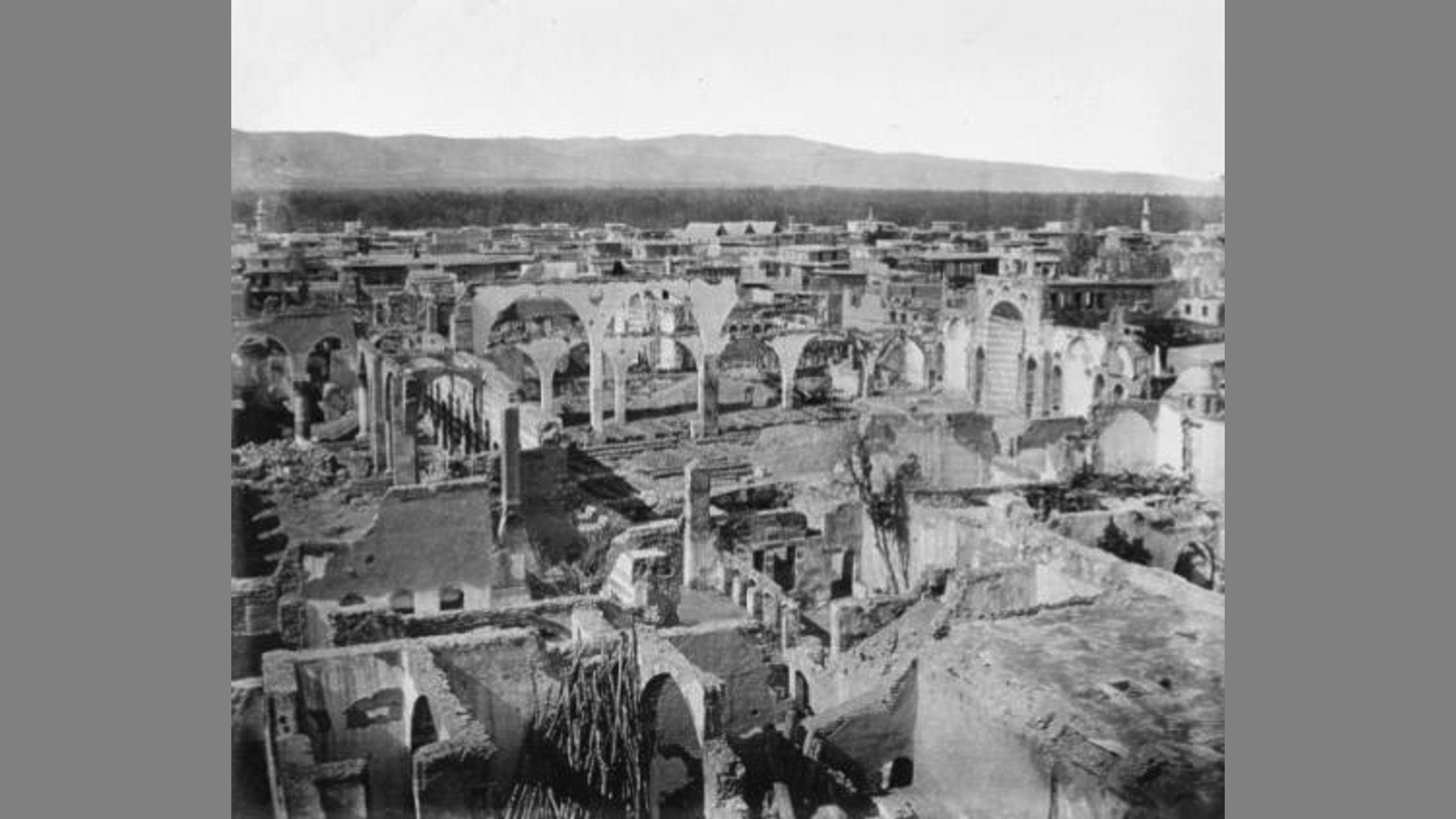
    The Christian quarter of the Old City in Damascus after the 1860 violence In spite of Abd el-Qadir’s intervention an estimated 2,500 Christians died in Damascus alone, with 1,500 homes burned and 270 houses destroyed by looters. (US Library of Congress)

    Amid the chaos, one leader stood out: the Algerian-born Emir Abd el-Qadir. Living nearby, he intervened to protect Christian refugees – placing his family and followers between the mobs and Christians and personally leading women and children to safety.
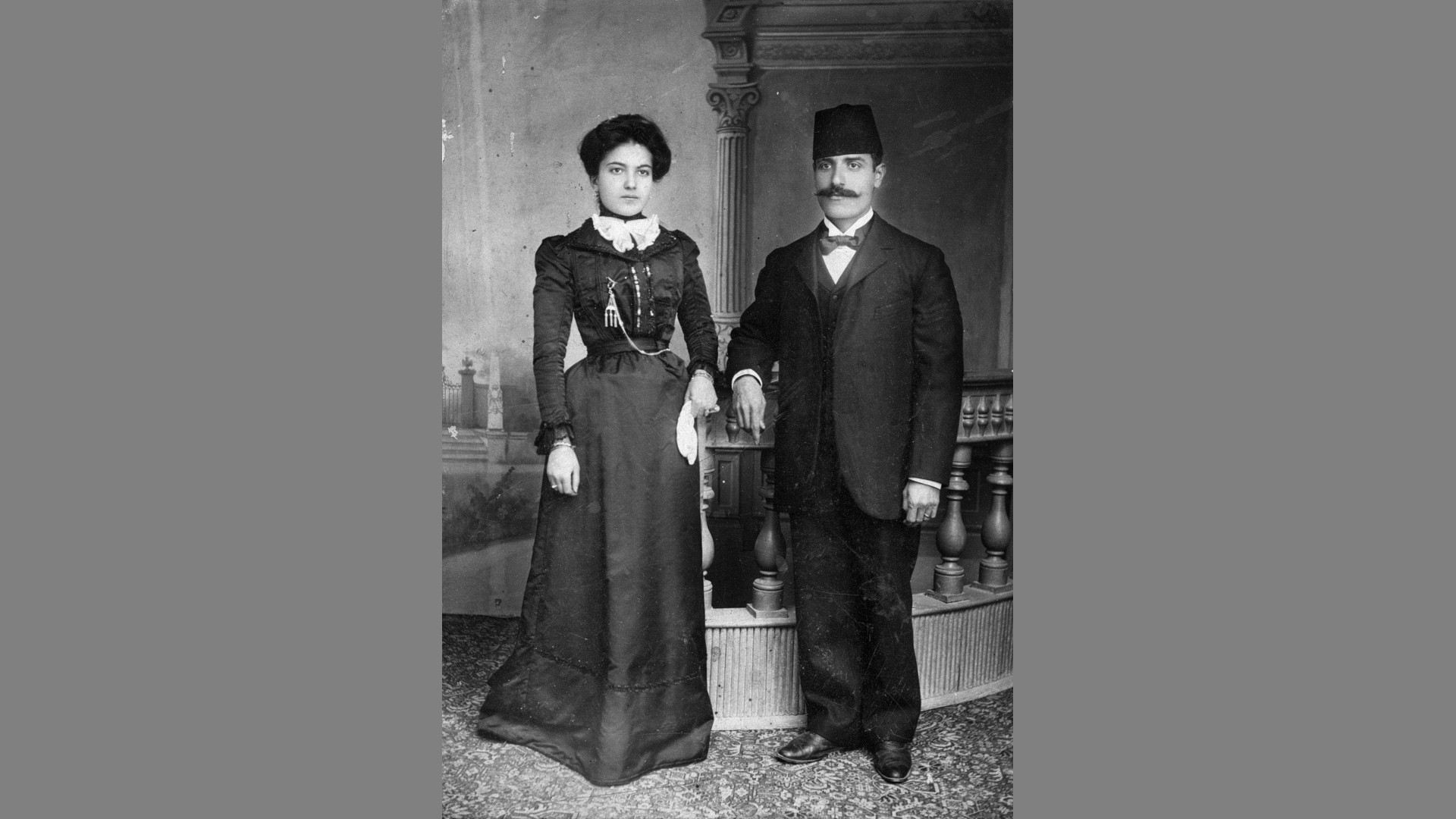
    My paternal grandparent’s wedding photo My grandfather is wearing a fez because under Ottoman rule Arab Christians were required to show subservience. My grandmother was not born in Damascus but came from the nearby Christian village of Yabrud.

    This 1860 violence triggered the first large wave of Christian emigration. Families, traumatized by the massacres and fearful of a repeat, turned their eyes westward.

    Pioneers to Canada

    The earliest Levantine Christian settlers in Canada arrived in New Brunswick in 1879. Unlike the later urban enclaves in Montreal and Toronto, these pioneers ventured into small towns – opening general stores and peddling goods across rural routes. They etched their names into local histories as hardworking merchants who bridged cultural divides. Many never expected to settle permanently. They did though, building homes, marrying local partners, and raising children who knew their Syrian history only through photographs and stories passed down at the dinner table.

    America’s Mass Migration

    Simultaneously, a much larger exodus was underway to the United States. Steamship companies marketed opportunities in Philadelphia, Chicago, and New York – highlighting factories hungry for labor and the potential for a better life. Between 1860 and 1914, nearly half of Mount Lebanon’s Christian population emigrated, with Syrians joining the ranks of what was referred to at the time as “the new Americans.”

    In Philadelphia, Syrian entrepreneurs opened fruit stands and textile shops. In Chicago, they staffed steel mills during the city’s rapid expansion. My father, who left Damascus in the 1920s for Beirut and later America, found work in a Vermont school teaching Arabic and in a couple of nearby churches as an Universalist minister. Like many, he sent letters back home – describing snowdrifts blocking roads and the smell of pine forests in ways that made our family’s memories of olive orchards and souks feel like distant dreams.
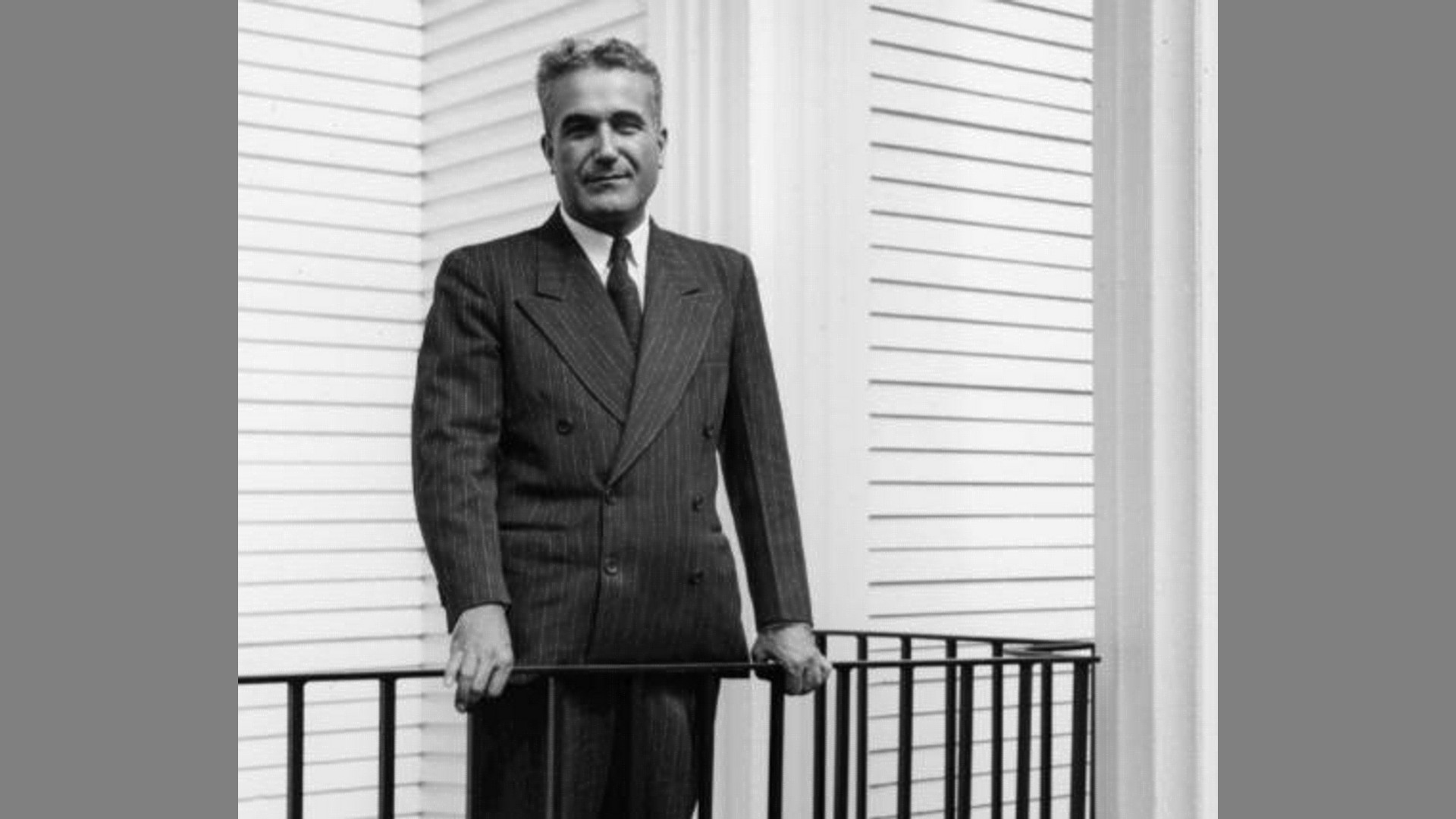
    Mounir Sa’adah, my father, on the porch of the Universalist Church in Woodstock, Vermont, where he served as minister from 1946-1964. (Ken Miner, Photographer)

    A Special Bond with France

    Across the Atlantic, France held a unique allure for Levantine Christians. The French “Protectorate” over Lebanon and Syria (1920-1946) created educational, linguistic, and administrative ties, making Paris a natural destination for students and professionals. Catholic missions in Beirut and Aleppo funneled promising young Christians into French universities, where they studied law, medicine, and literature.

    After graduation, some returned home; others remained in France, blending into Parisian neighborhoods. Their emigration differed from North America’s because they often enjoyed closer political ties and shared religious networks – and yet, they encountered challenges of assimilation and identity that echoed those of their North American counterparts.
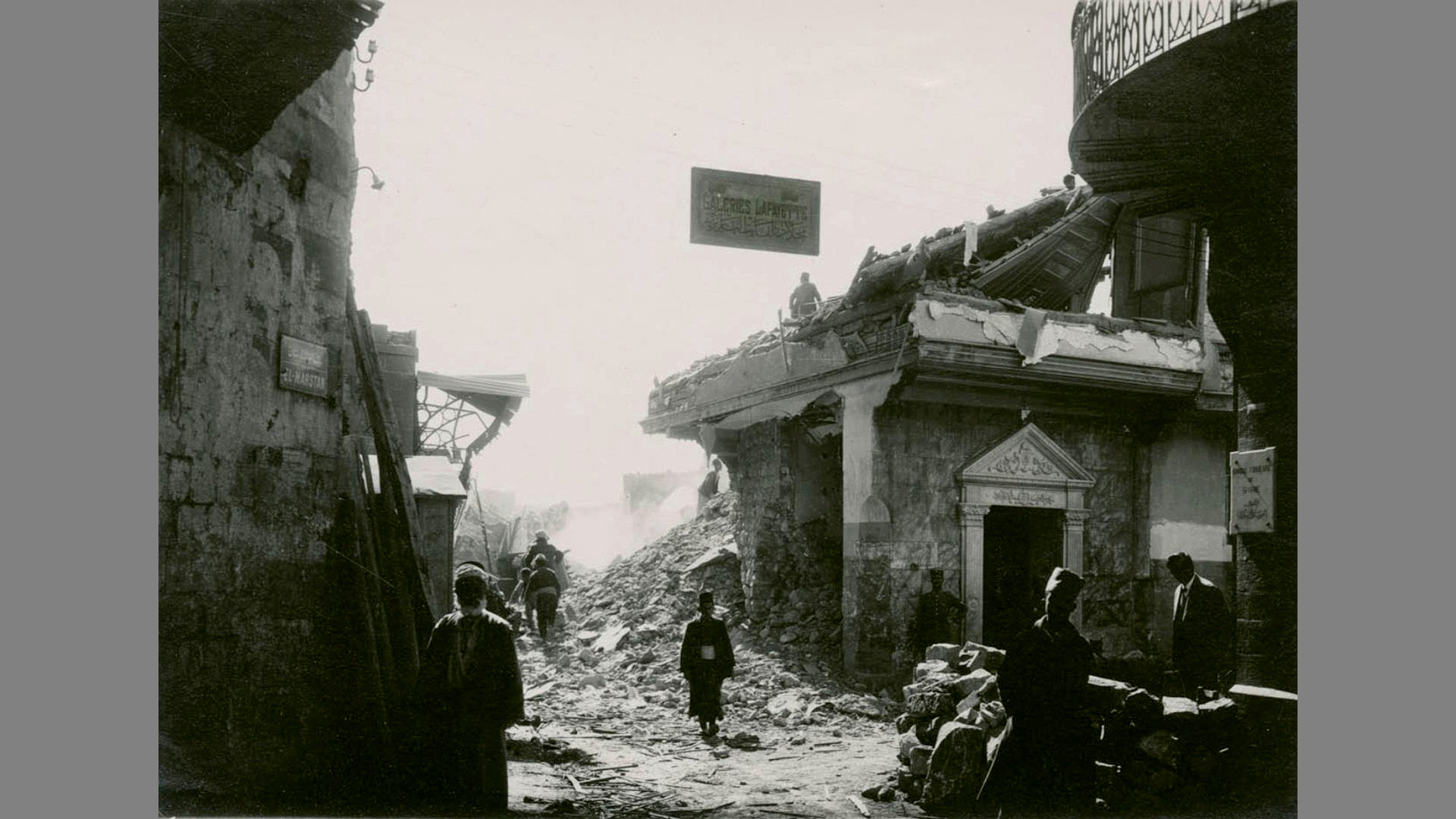
    Syria’s complicated history with France In the text I put “Protectorate” in quotes because the reality is that France forcibly prevented Syrians from forming their own independent nation. These are buildings bombed by the French in 1920, at the same time the roof of the main souk was shot up. (US Library of Congress)

    Economic and Social Drivers

    These early migrants were motivated by more than fear. Steamship agents sold tales of golden opportunities, churches organized sponsorships, and community letters home detailed business successes. Young men also sought to avoid Ottoman military conscription, which often meant years of service under harsh conditions.

    This “emigration fever” spread quickly. Prosperity stories – of peddlers returning with wagons full of cash – encouraged others to risk the voyage. Similar stories were repeated by migrants to Mexico and South America. Families pooled savings to buy single tickets, hoping to reunite later. Missionaries and diaspora societies provided lodgings, language lessons, and job placement assistance.

    Preserving Culture in the Diaspora

    Diaspora communities across Canada, the United States, and France worked hard to preserve their culture. Churches taught Arabic and Aramaic liturgies; social clubs hosted dance nights; local grocers sold za’atar and ma’amoul; newspapers in Arabic bridged generations. Families celebrated Christmas with mezze spreads, blending Levantine recipes with North American traditions.

    Through these practices, they maintained a strong sense of identity – one that connected them to the villages of Mount Lebanon, the courtyards of Damascus, and the stone village of Ma’lula. Yet, each new homeland shaped them in turn, creating unique hybrid cultures that were neither fully Syrian nor completely Western.

    Weaving Family and Diaspora

    My own family’s journey followed these patterns. My paternal grandparents remained in Damascus where my father was born in 1909, later attending the American University in Beirut. In 1946, he and my mother traveled to Vermont. After departing the Middle East, he never returned for any extended period, yet It remained a strong part of him.

    My mother, who was not Syrian but Armenian, had three children with my father, of which I was in the middle. The book “Return to Damascus” is loosely about my father’s own pilgrimage to Damascus in 2000 when he was ninety years old and where he retraced his arc: from the United States back to the streets he had grown up on.

    Early 1990s family trip to Montreal to purchase Syrian groceries We drove up from Vermont on a day trip to shop in a small Syrian grocery store. I have my arms around my parents and the woman on the left (next to my wife, Beth) is Abbe Sawabini, who married into a Palestinian family and lived in Burlington, Vermont.

    Setting the Stage for Cultural Preservation

    History plays an important role in my photography book. The images of Ma’lula, the candid portraits along with the streets and places of Damascus, carry deeper meaning for me because of the family diaspora story. But our stories are by no means unique. My family’s history reminds me that many family photo albums hold stories of departure and return, of belonging and loss. But for me the journey from Damascus to Montreal is not just geographical – it is a testament to the enduring spirit of Levantine Christians who carried their heritage across oceans and generations.


    “Return to Damascus: A Personal Journey” can be pre-ordered from Phoenicia Publishing at a discount for delivery in November.
  • The Irresistible Pull of Gritty Cities

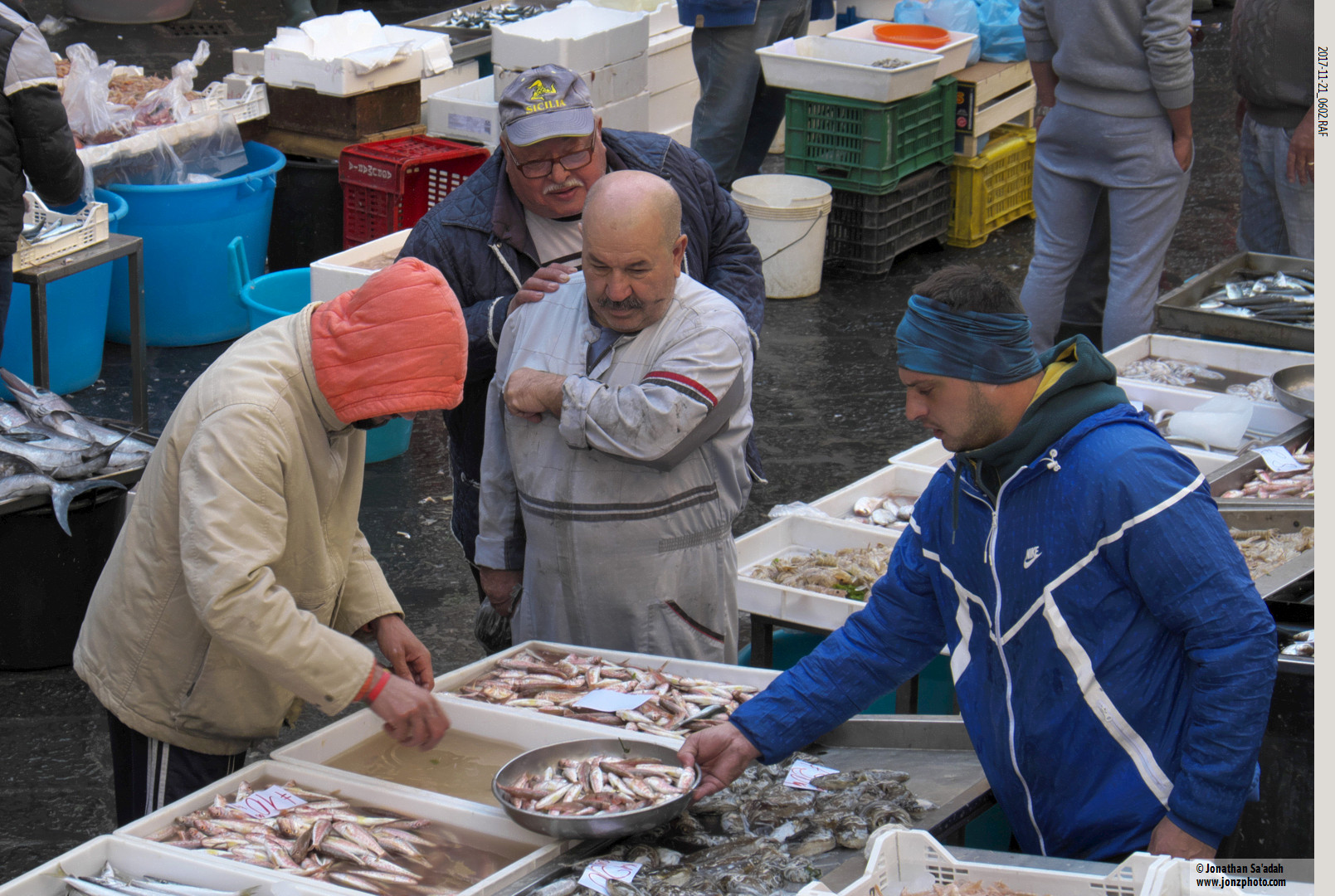
    Catania Fish Market The star of this market is the swordfish, but even the sardines are unusual. It’s true that plastic crates and digital scales abound, but still there’s a feeling of the market being enmeshed in long-running traditions, which gets reflected in the city’s approach to urban planning as well.

    The Irresistible Pull of Gritty Cities: Understanding Why We Love What We’re Missing
    Part II

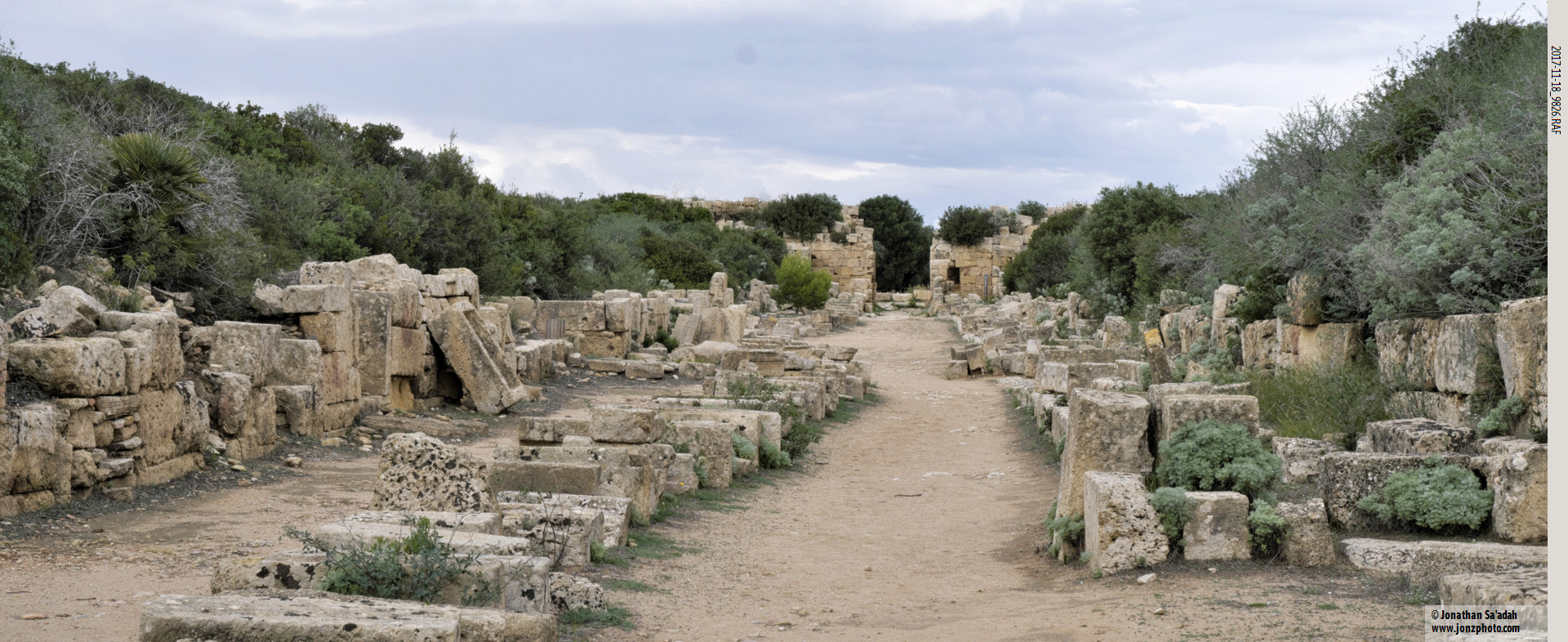
    No problem with gentrification here This street was founded by Greek colonists in Agrigento, on the southern coast of Sicily, probably around 580 BCE. I would surmise that the Greeks used slaves to haul the blocks used in the construction.

    This mixing isn’t just socially beneficial – to me it’s economically essential for urban vitality. It’s what helps create a local economy with non-chain, locally owned businesses. Diverse housing types create diverse local economies, supporting the small-scale entrepreneurship that makes a neighbourhood interesting and economically resilient.

    The housing diversity in these cities also reflects their adaptability over time. Buildings that were constructed as grand single-family homes can be subdivided into apartments when economic conditions deteriorate, or combined back into larger units when gentrification pressures increase. We’re often critical of this, but it ‘s a flexibility built into the architectural DNA of older cities that allows them to respond to changing demographics and economic conditions without wholesale demolition and reconstruction.

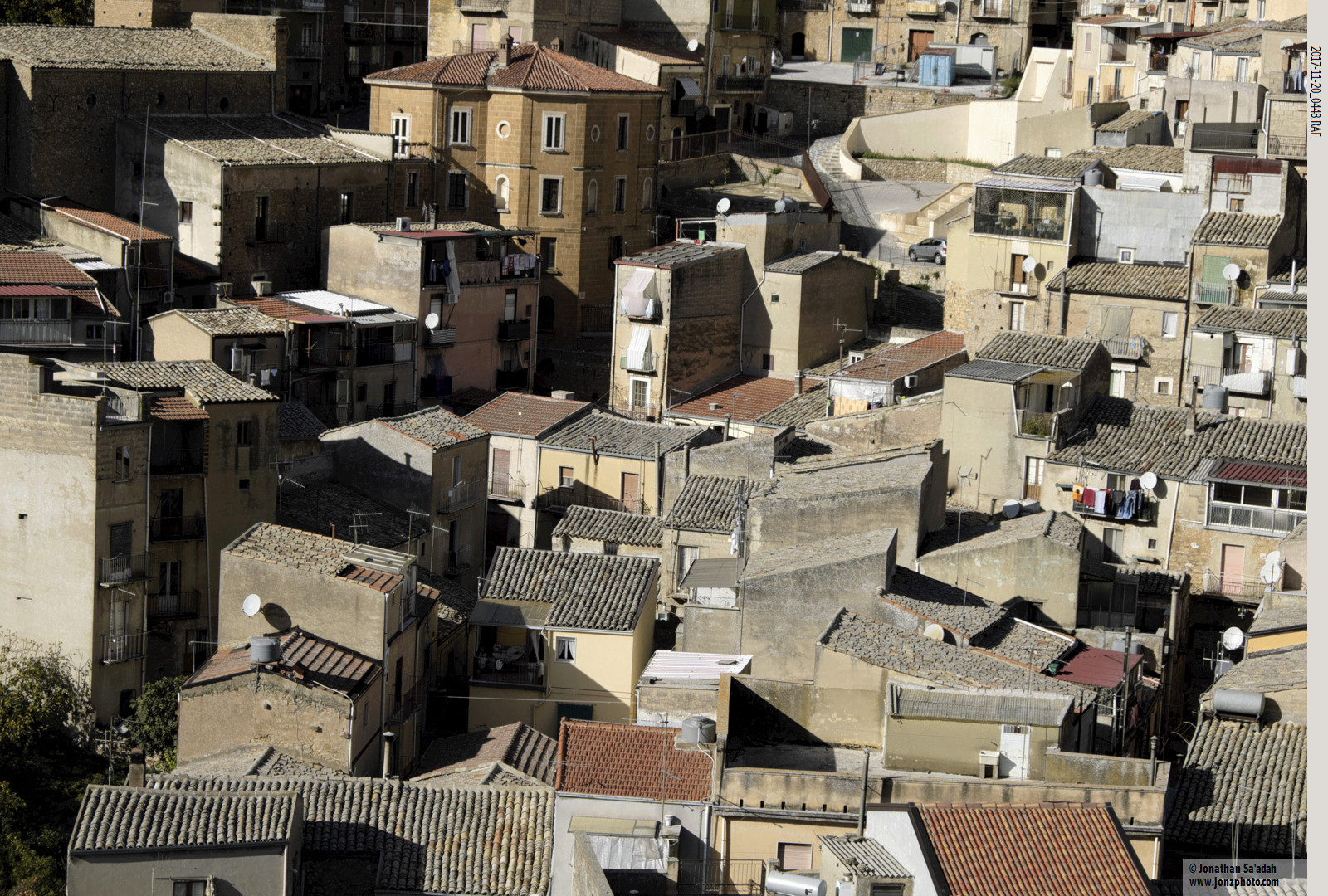
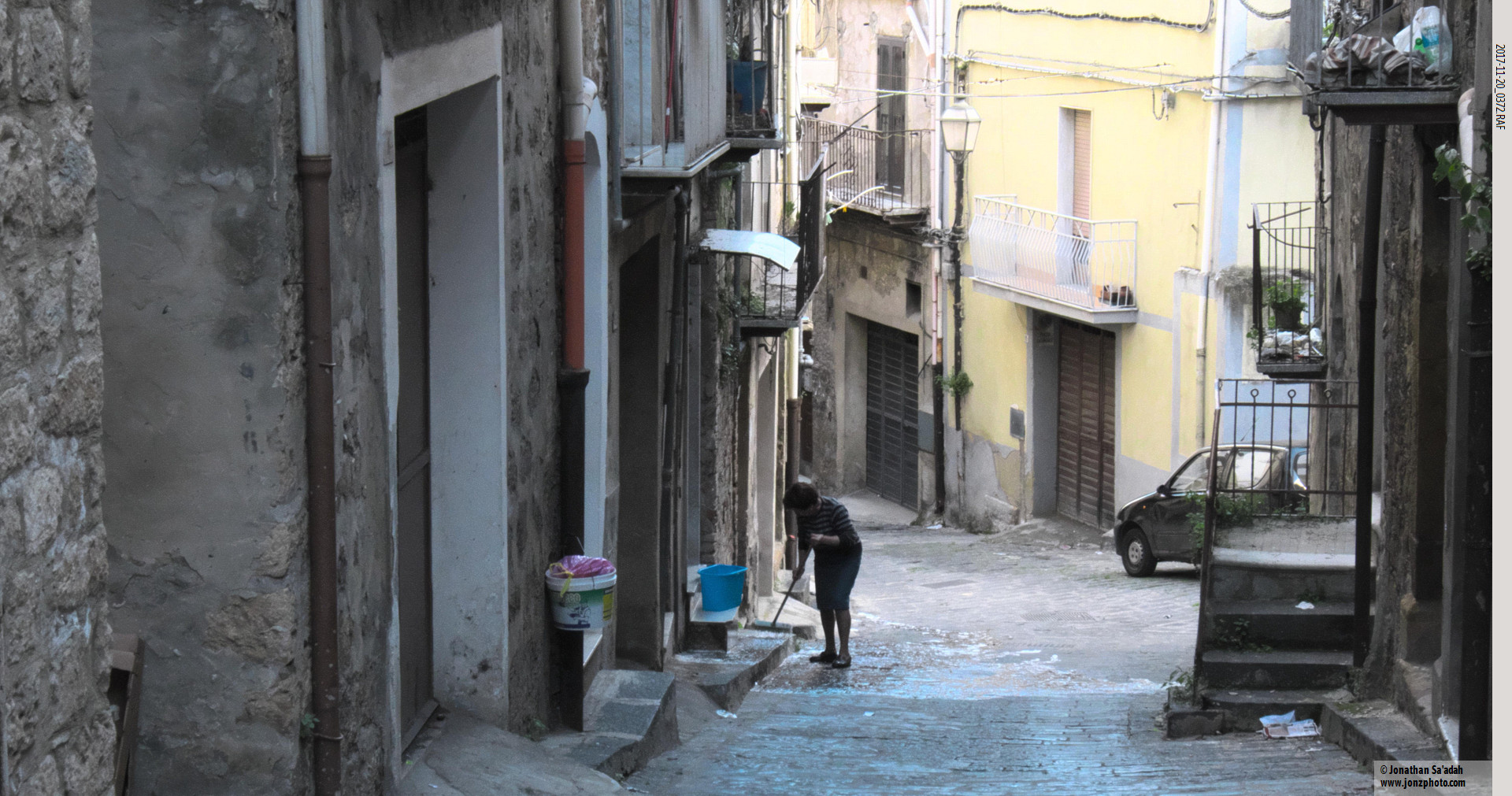
    Even in ancient neighbourhoods like this one in the Sicilian hill town of Piazza Armerina you can differentiate the renovated houses by window style and roofing.

    The Art of Adaptation and Resilience

    Perhaps the most remarkable quality of these beloved gritty cities is their capacity to adapt and evolve while maintaining their essential character. They’ve survived empires, wars, economic collapses, and social upheavals not by standing still, but by continuously adapting their built environment to new needs while preserving the underlying urban logic that makes them work.

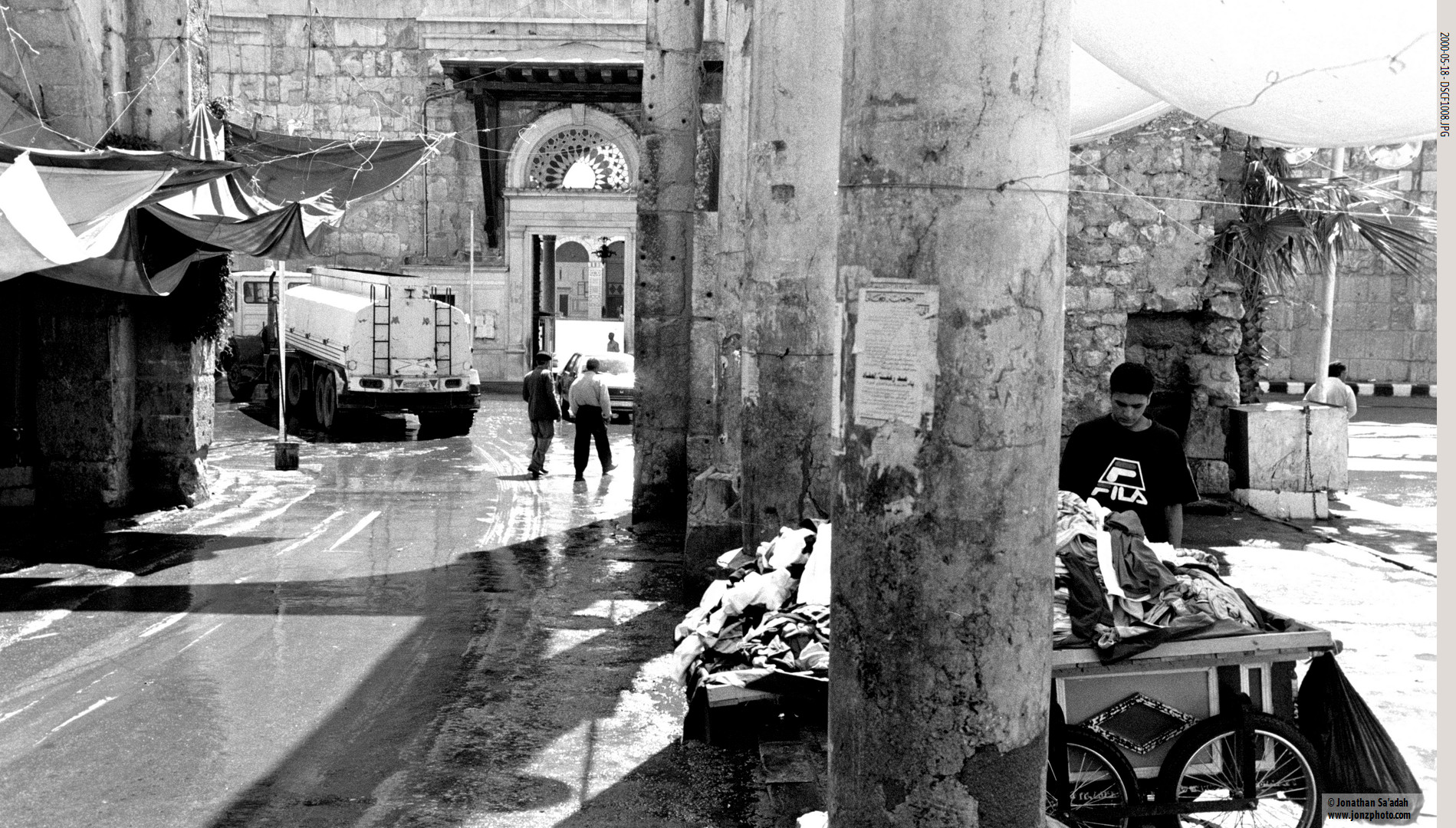
    Damascus offers perhaps the most dramatic example of this adaptability. The old city has continuously evolved over millennia, with Roman columns supporting Islamic arches, Byzantine churches converted to mosques, Ottoman palaces repurposed as museums, and traditional courtyard houses transformed into restaurants and cultural centres. Each layer of history adds to rather than erases the previous ones, creating the rich texture that makes the city so compelling.

    ▲ Damascus is probably the best example of a living city, with Roman, Ottoman, and “contemporary” structures all sharing space in this photo.

    The Integration That Creates Magic

    What makes these cities truly special isn’t any single characteristic but how all these elements work together to create something greater than the sum of their parts. The human scale enables walkability, which supports diverse public spaces, which creates markets for diverse housing types, which generates the economic activity that supports adaptation and renewal. It’s a virtuous cycle that has been refined over centuries of urban living.

    What We’re Missing at Home

    Standing in my ordered, well-regulated neighbourhood in Montreal, I often think about what we’ve traded away in our pursuit of efficient, predictable urban environments. Our streets are wider and cleaner, our building codes more rigorous, our public spaces more carefully maintained. These aren’t bad things – they reflect genuine improvements in public health, safety, and accessibility.

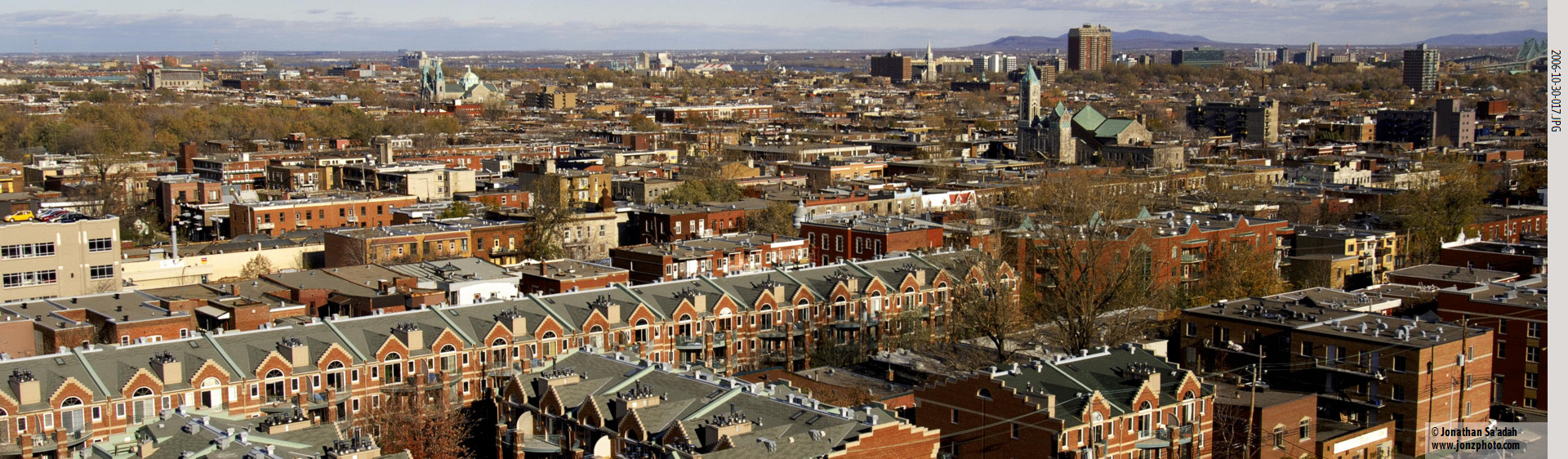
    ▲ The Montreal Plateau is relatively flat as its name implies, with spikes of church spires and an occasional out-of-place apartment tower. The visually boring cookie-cutter buildings in the foreground enforce a visual style, but their predictability saps vitality.

    But in our effort to eliminate the inefficiencies and unpredictabilities of older urban forms, we may have eliminated some of their essential vitality as well. Our zoning codes separate uses that these older cities mix naturally. Our building standards favor large-scale development over the small-scale, incremental growth that creates diverse, affordable neighbourhoods. Our traffic engineering prioritizes movement over lingering, getting through rather than being in.

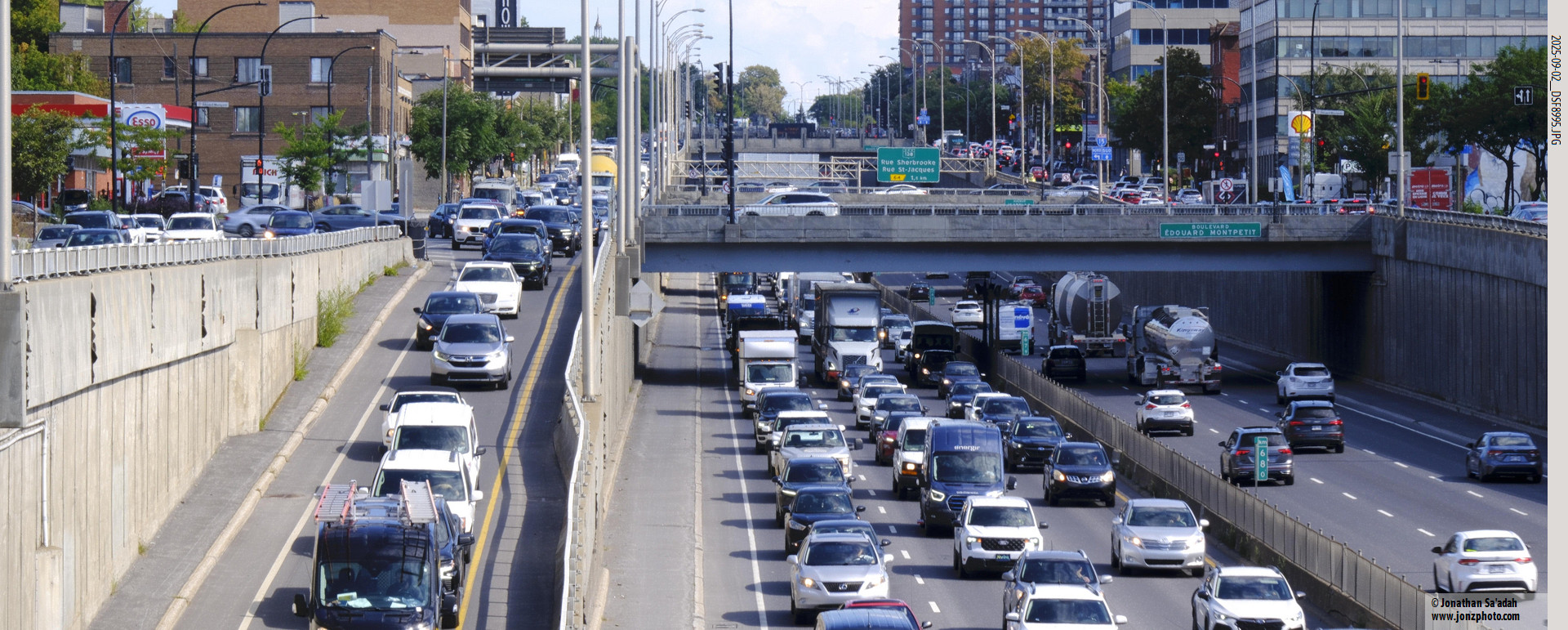
    Exceding all predictions The Décarie autoroute as it was designed in the early 1960’s was supposed to max out at 90,000 cars per day. It now handles an average of almost double that.

    The question isn’t whether we should abandon our standards and return to some romanticized past, but whether we can learn from what these older cities do well while maintaining the genuine improvements of contemporary urban planning. Montreal offers some lessons in this direction. The city’s pedestrianization of portions of Ste-Catherine Street shows how even established cities can evolve toward more human-centred design.

    Living in the Tension

    Perhaps what I’m really drawn to in these places isn’t their grittiness per se, but their willingness to live in productive tension between competing values. They’re not trying to optimize for a single goal but rather to balance multiple, sometimes contradictory objectives: old and new, local and global, efficient and experiential, ordered and spontaneous.

    The cities I love aren’t perfect, and I certainly wouldn’t want to eliminate building codes or return to pre-modern public health standards. But they offer something that our more regulated urban environments often lack: they feel like places where humans have lived, adapted, and created something together over time. They feel like home not because they’re comfortable or convenient, but because they’re complex and alive.

    The narrow streets of Damascus, the piazzas of Palermo, the pedestrian rhythms of Thessaloniki – these aren’t just tourist attractions or nostalgic throwbacks. They’re working examples of urban principles that we ignore at our peril. As cities around the world grapple with climate change, housing affordability, and social isolation, these older urban forms offer tested strategies for creating places that are not just efficient but truly livable. The question is whether we’re wise enough to learn from them.

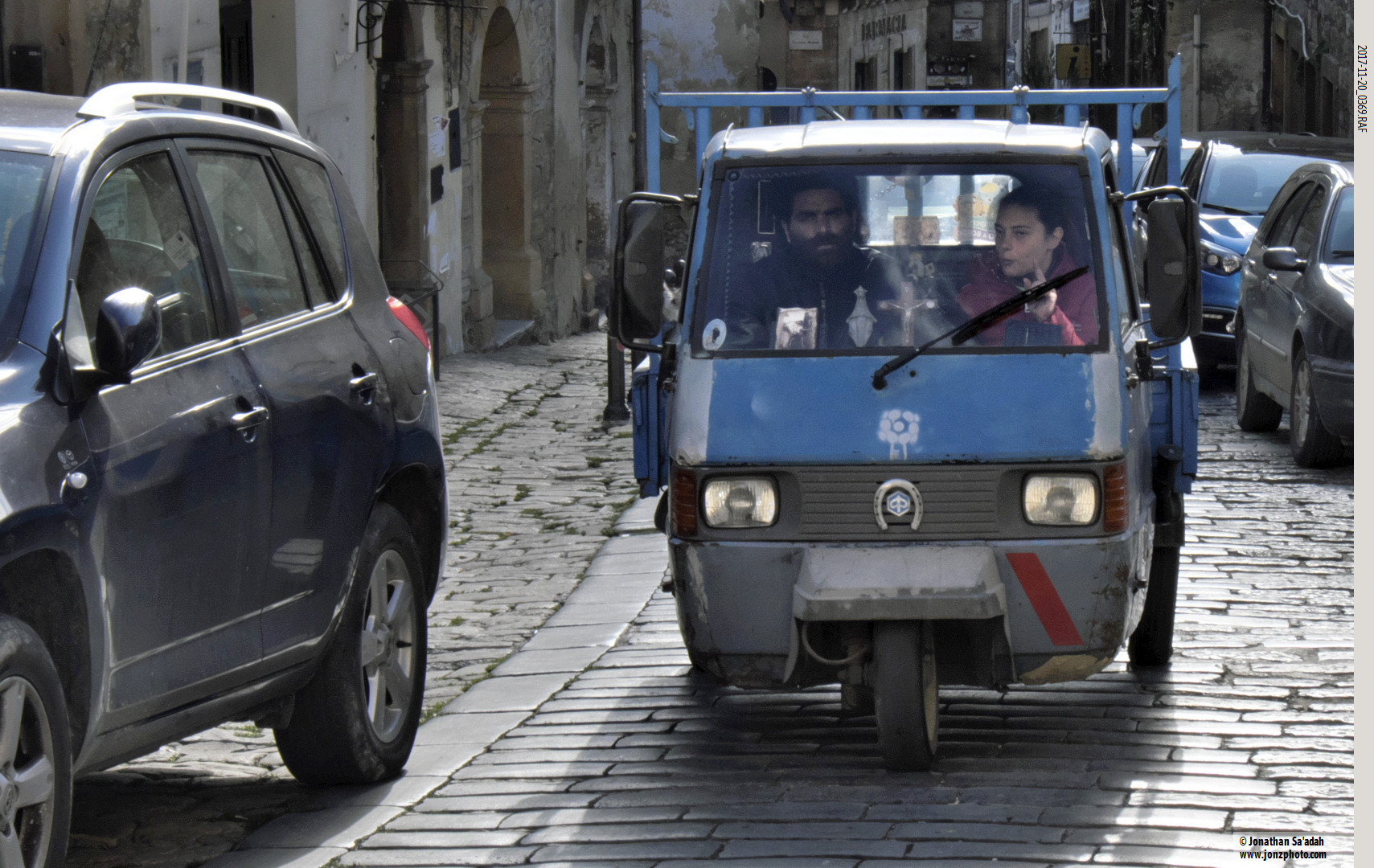
    ▲ A couple in a Piaggio Ape, a vehicle nimble enough to navigate easily through town, and displaying the icons of their traditions. Piazza Armerina, Sicily.

    The Damascus photograph in this post is taken from a book I’m just finishing (Return to Damascus: A Personal Journey) on the experience I had in returning to where my father had been born.

  • The Irresistible Pull of Gritty Cities | Part 1 of 2

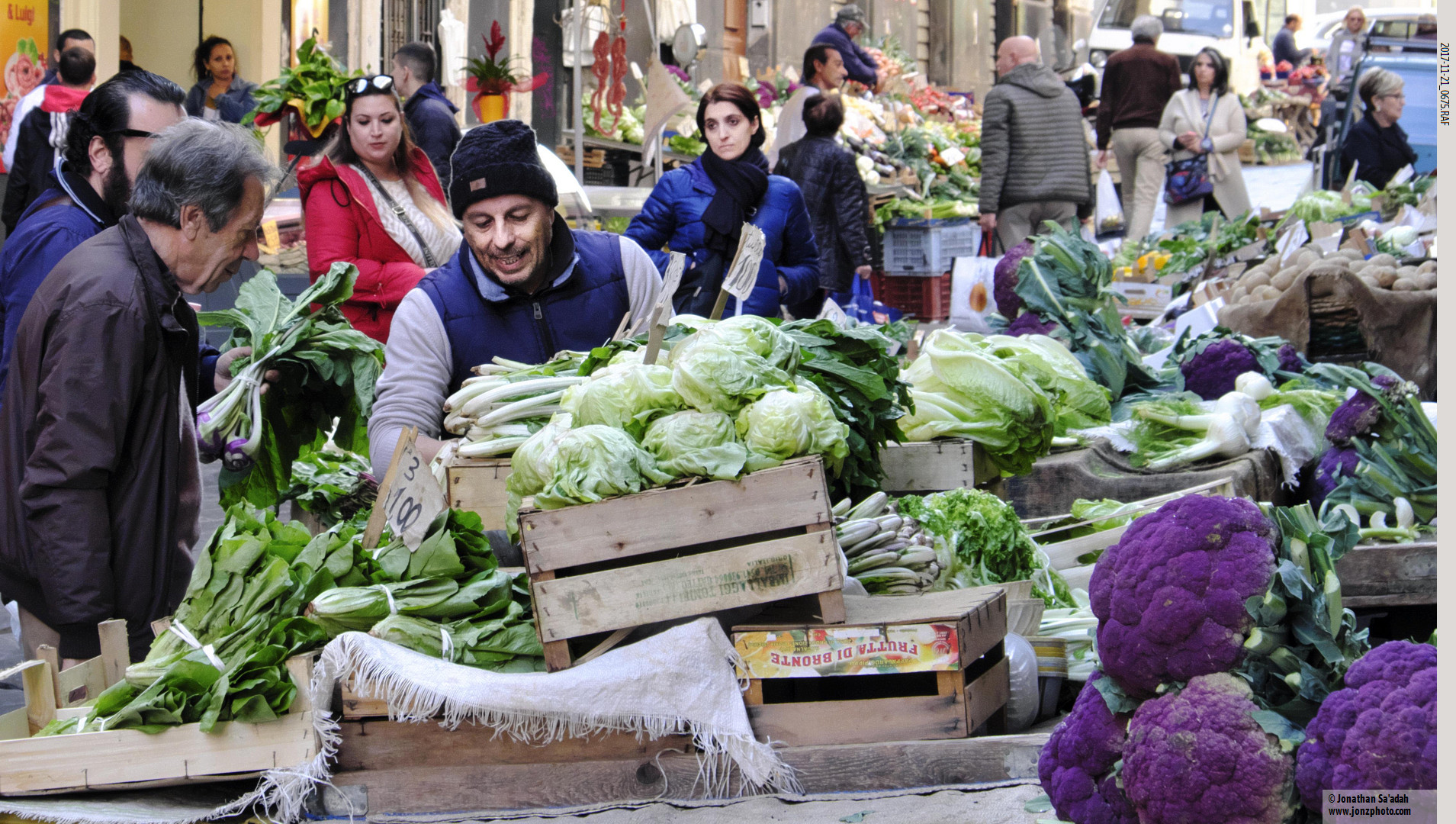
    Catania Open Market I envy the Sicilians and their abundant produce, even at the end of November. Their markets are noisy and colorful. The produce feels close to the farm, which it is.

    The Irresistible Pull of Gritty Cities: Understanding Why We Love What We’re Missing

    I’ve always found myself drawn to certain cities with an almost magnetic pull – places that feel lived-in, weathered, and wonderfully imperfect. From the narrow stone alleys of Damascus to the chaotic vitality of Mexico City, from Palermo’s winding streets to the crumbling decadence of Thessaloniki, these are cities that seem to embrace their contradictions. They’re places where modernity coexists awkwardly but beautifully with centuries of accumulated history, where every street corner tells multiple stories, and where the urban fabric feels genuinely human in scale.

    Thessaloniki Old City We drove our car through these streets and it was definitely a social experience, since traffic was both directions and each encounter was a negotiation. The stairs on the right definitely would not satisfy Montreal’s setback regulations.

    As someone who calls Montreal home – a city that sits comfortably between order and character – I often wonder what it is about these grittier places that captivates me so deeply. Is it simply the allure of the tourist’s gaze, romanticizing what locals might find frustrating? Or is there something more fundamental about how these cities are designed and how they’ve evolved that creates genuinely superior urban experiences?

    I believe it’s the latter. These cities embody qualities that many of our more regulated, sanitized urban environments have systematically designed out – and in doing so, we’ve lost something essential about what makes a city truly livable.

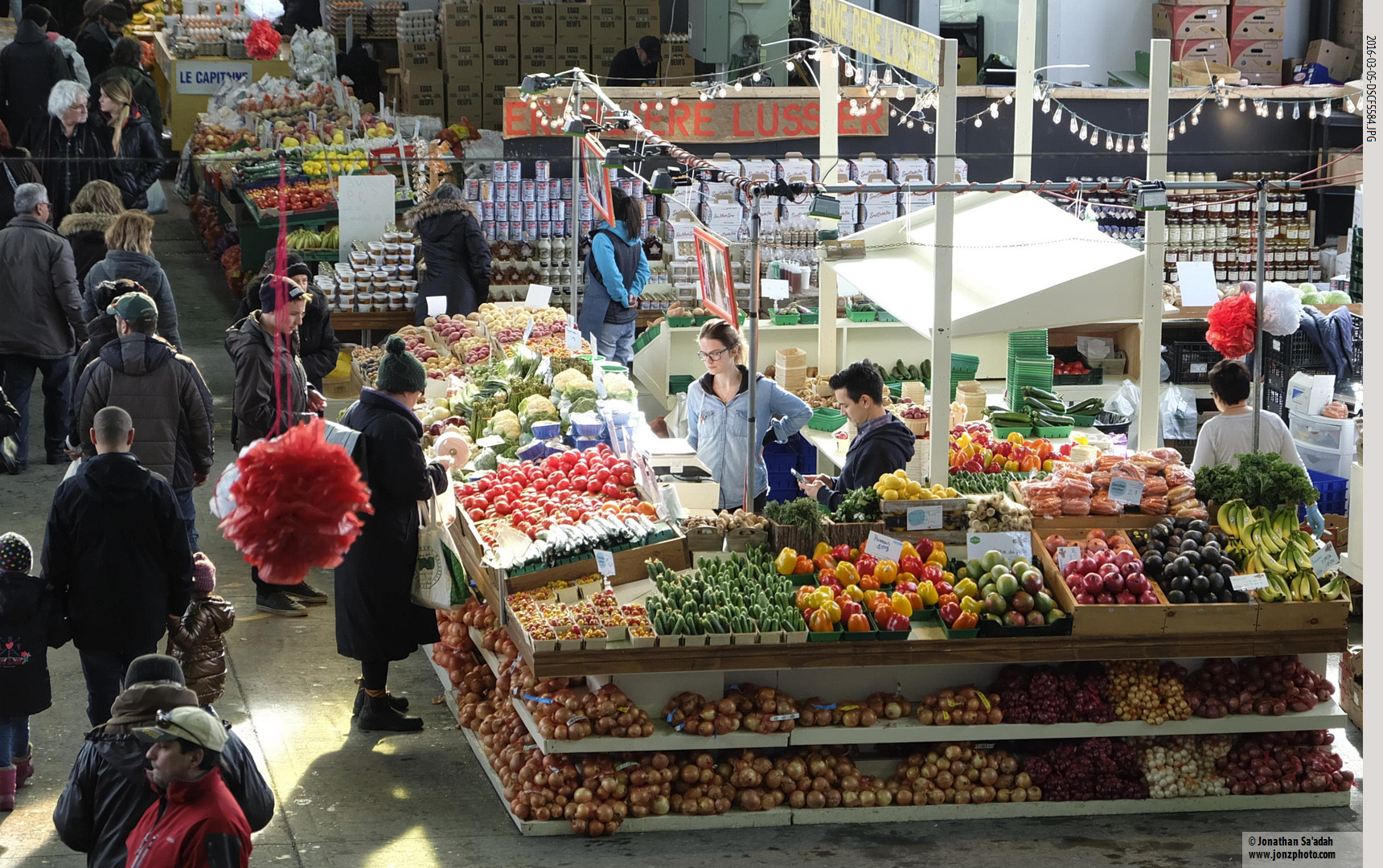
    Jean-Talon Market Montreal Our winter markets are abundant but everything is quite orderly, and (sadly!) imported from afar, especially when compared to Catania.

    The Human Scale That We’ve Forgotten

    Walk through the old quarters of Damascus or wander the residential streets of Palermo, and you’re immediately struck by how perfectly sized everything feels for human beings. Buildings rise to four or five stories – tall enough to create urban passageways but low enough that you can still make eye contact with someone leaning out a third-floor window. Streets are narrow enough that neighbours can converse across them but wide enough for the essential choreography of urban life: children playing, vendors selling, neighbours meeting, deliveries being made, life happening.

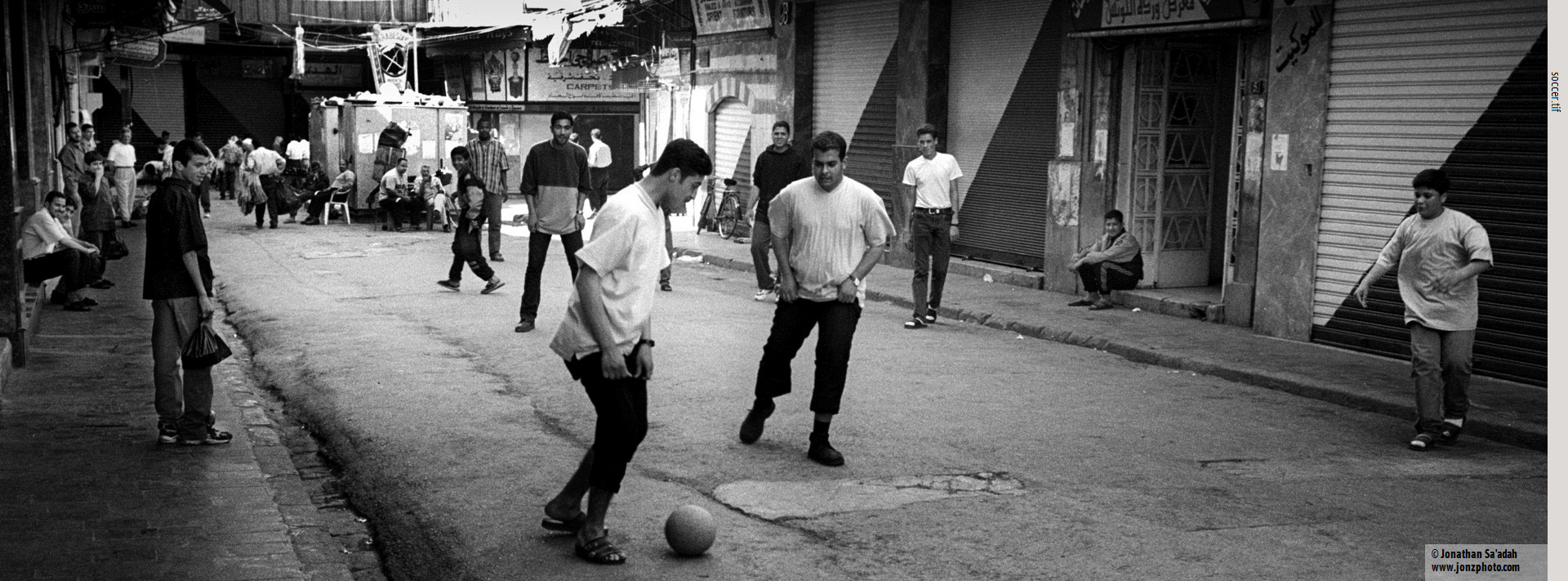
    Damascus Street Football Other than there not being any women in this photograph, a lot is happening on the street. This was in the Old City.

    This isn’t accidental. It’s the result of centuries of organic development where buildings were constructed at the pace and scale that individual families and small communities could manage. In Thessaloniki, the traditional urban fabric prioritizes pedestrian comfort over vehicular efficiency. The narrow streets that might frustrate a traffic planner become perfect corridors for social interaction, where the pace naturally slows and encounters become inevitable.

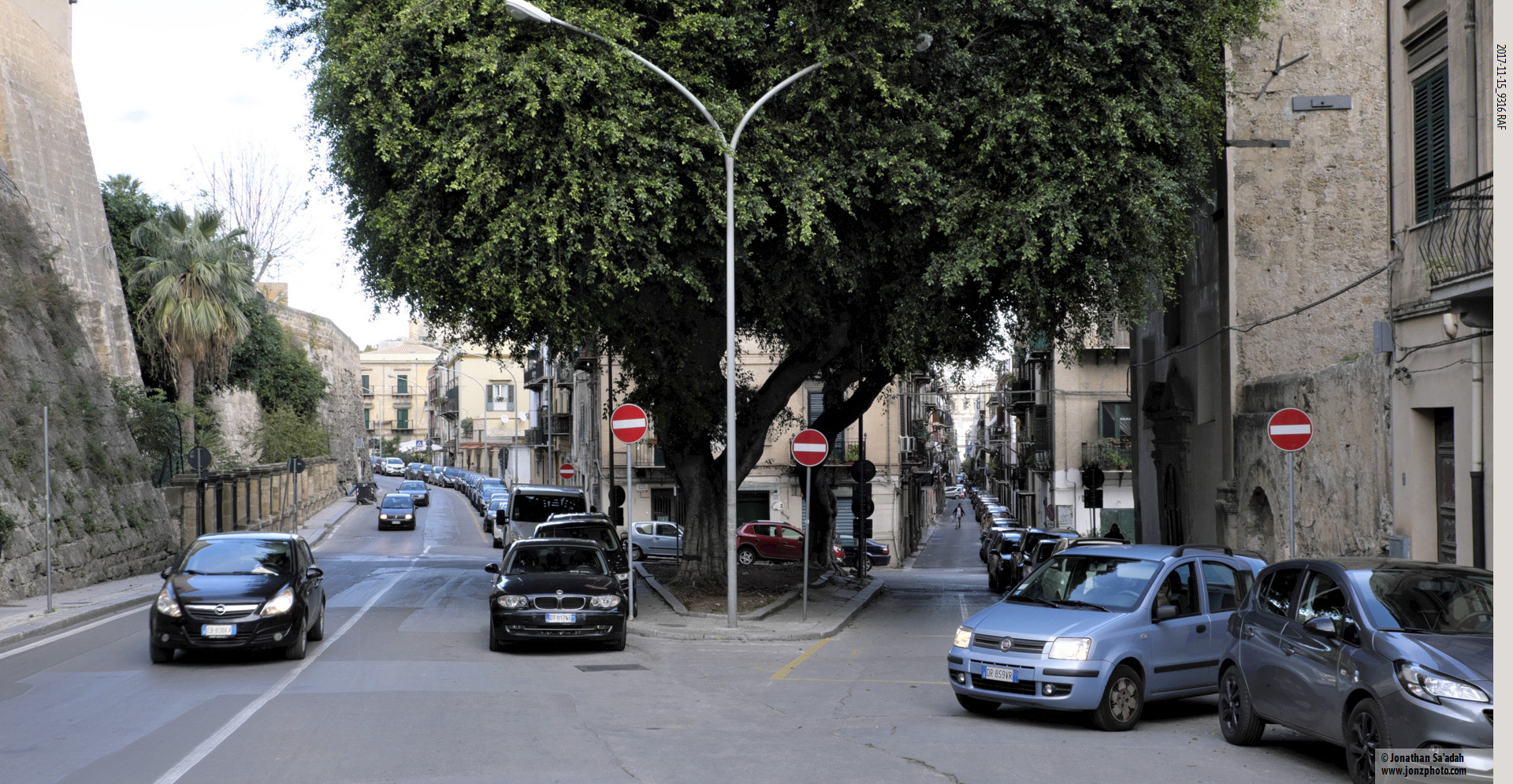
    Palermo’s streets pick up on the city’s ancient layout, with automobiles present but taking a backseat.

    Contrast this with our modern approach to urban development, where efficiency and standardization trump human experience. Even in Montreal, our newer developments tend towards what we define as modern experience – wider streets, taller buildings, larger blocks that prioritize movement over lingering. We’ve optimized for cars and commerce rather than for the casual encounters and spontaneous connections that actually make urban life rich.

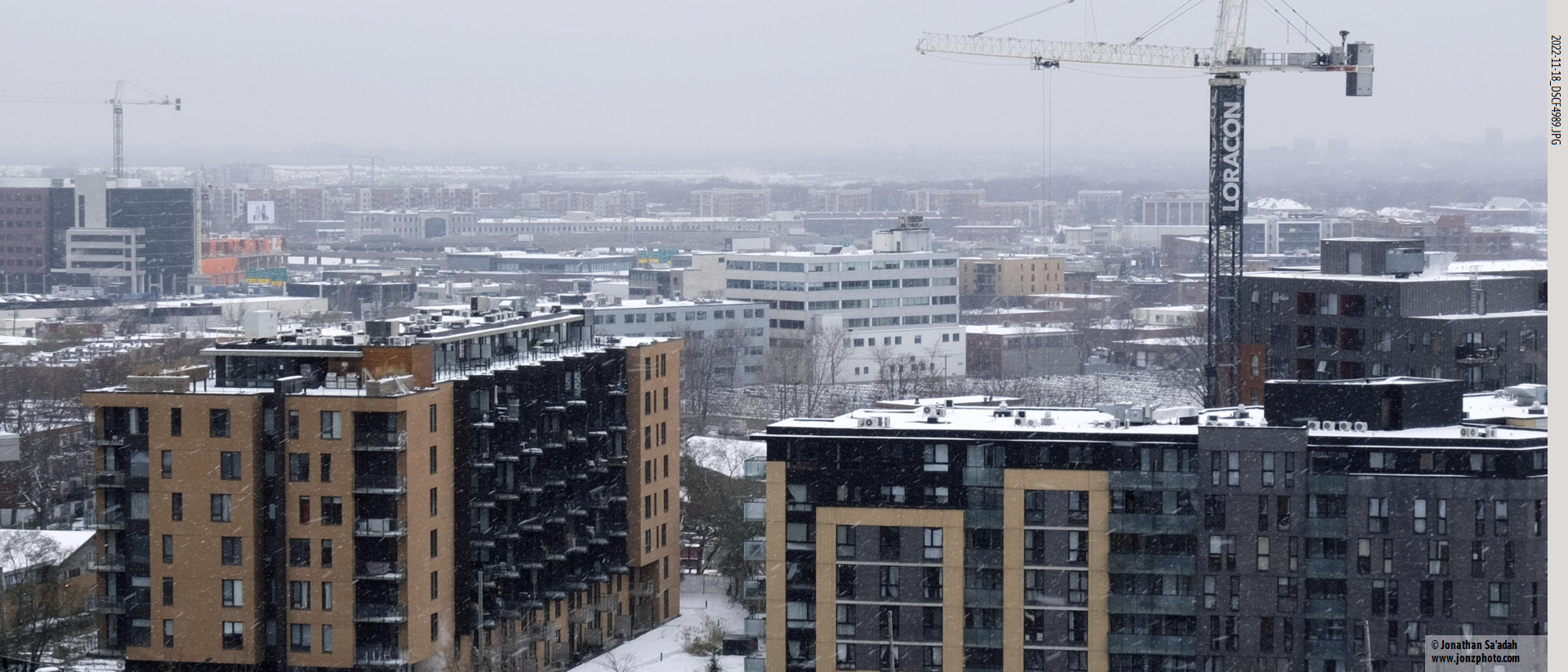
    Looking north in Montreal from Côte-des-neiges at residential and commercial buildings in one of the fastest expanding parts of the city.

    The smaller scale of these older cities creates what seems to me the conditions necessary for urban vitality. Even though they may look to be museum pieces, they aren’t. They are living examples of urban design that puts human experience first.

    Public Spaces as the City’s Living Rooms

    Perhaps nothing distinguishes these gritty, beloved cities more than the quality and accessibility of their public spaces. Not just parks or grand plazas, but the everyday spaces where public life unfolds: the stepped streets of Damascus that become impromptu gathering places, the piazzas of Palermo that serve as outdoor living rooms for entire neighbourhoods, the casual sidewalk life of Mexico City where sidewalks and public spaces encourage people to meet and relax”.

    These cities understand something fundamental: public space isn’t just about recreation, it’s about democracy. It’s where different social classes, ages, and backgrounds encounter each other naturally. When public space works well, it becomes the foundation for social cohesion and civic engagement.

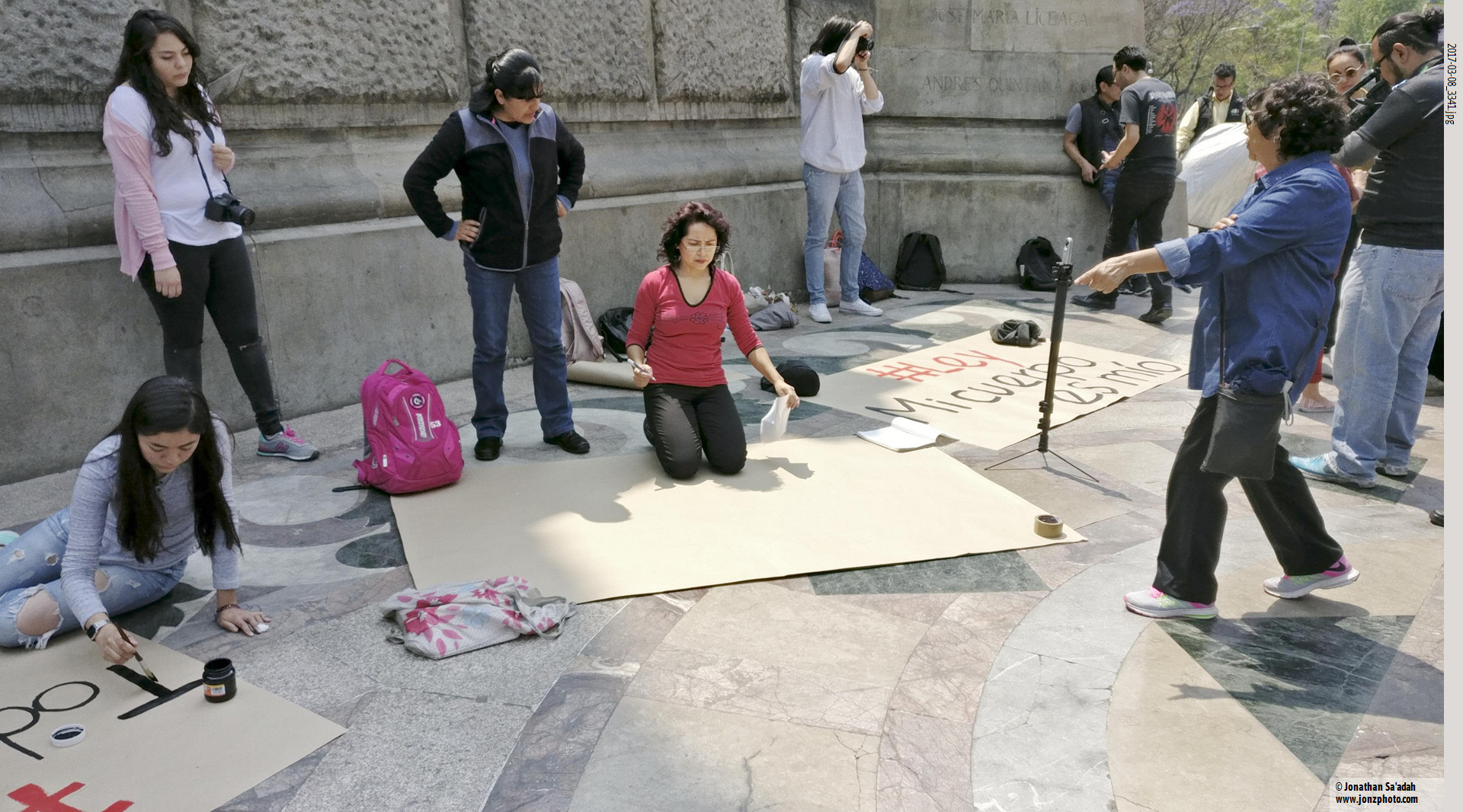
    Preparation for Women’s Day March International Women’s Day has been commemorated in Mexico City since the 1930s, but the massive street mobilizations began gaining momentum in more recent decades as a response to Mexico’s epidemic of gender-based violence.

    Mexico City is often dismissed as sprawling and car-dependent, but alongside that reality I see a lot more going on. The city’s downtown areas have spacious parks and sidewalks, accommodating an unending ballet of commuters, tourists, and street vendors. On Sundays, major arteries like Paseo de la Reforma are closed to cars and opened to pedestrians and cyclists, temporarily transforming the large parts of the city into one enormous public space.

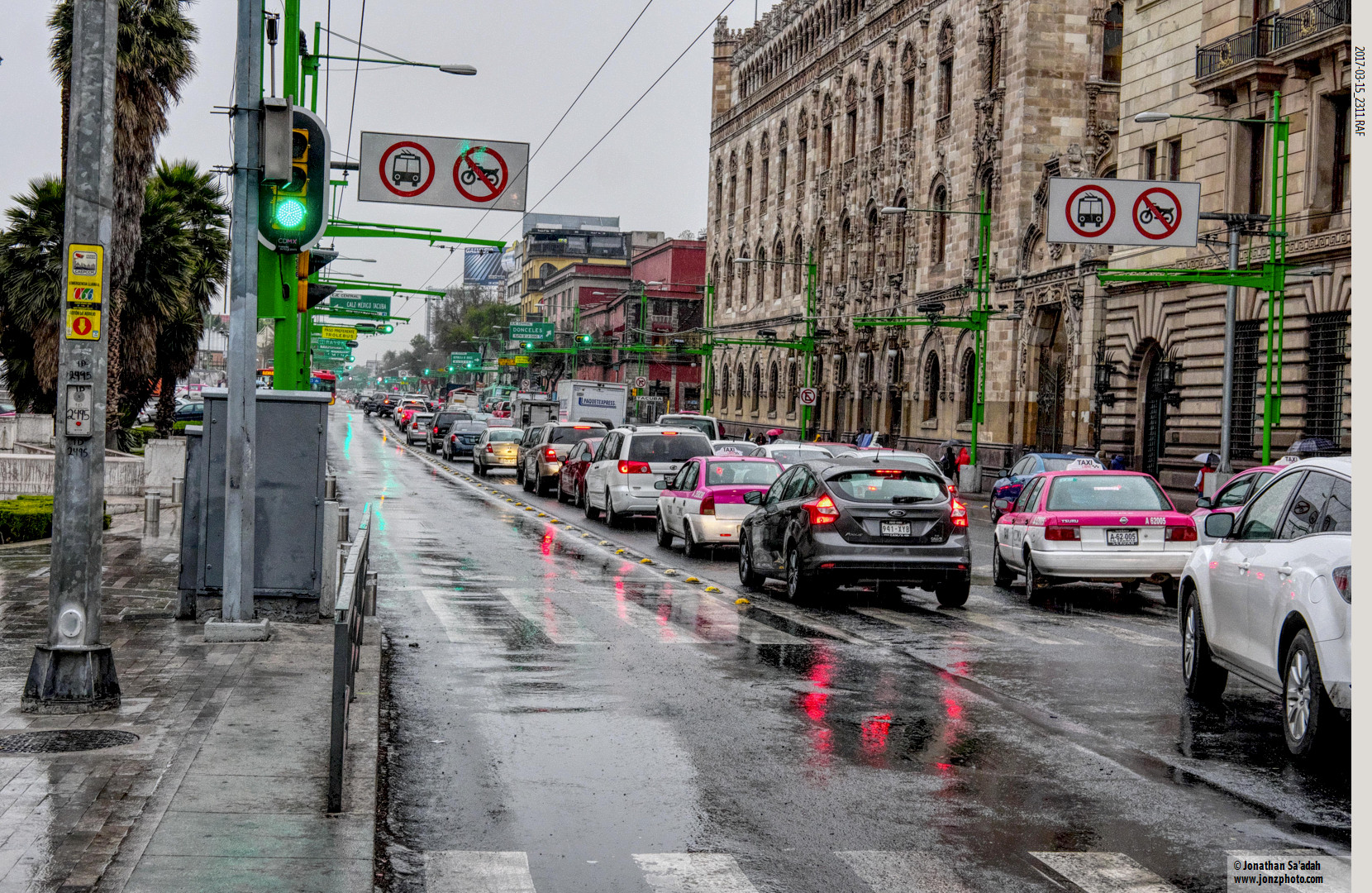
    Mexico City’s less romantic side The city government has tried different approaches at reducing car traffic, all with little success. Nevertheless, there is an inexpensive and well-used public transport system used by 14 million people a day. The open lane is a reverse direction lane for buses.

    What these cities understand is that public space isn’t a luxury – it’s infrastructure. Just as essential as water pipes or electrical grids, public space is the network that allows urban society to function, providing the venues for the informal encounters and casual sociability that bind communities together.

    Walkability as a Way of Life

    In these cities, walking isn’t exercise or a lifestyle choice – it’s simply how you get around. This creates a fundamentally different relationship between residents and their urban environment. When you walk regularly, you notice things: the quality of surfaces, the presence or absence of shade, the rhythm of street life, the small businesses tucked into ground floors.

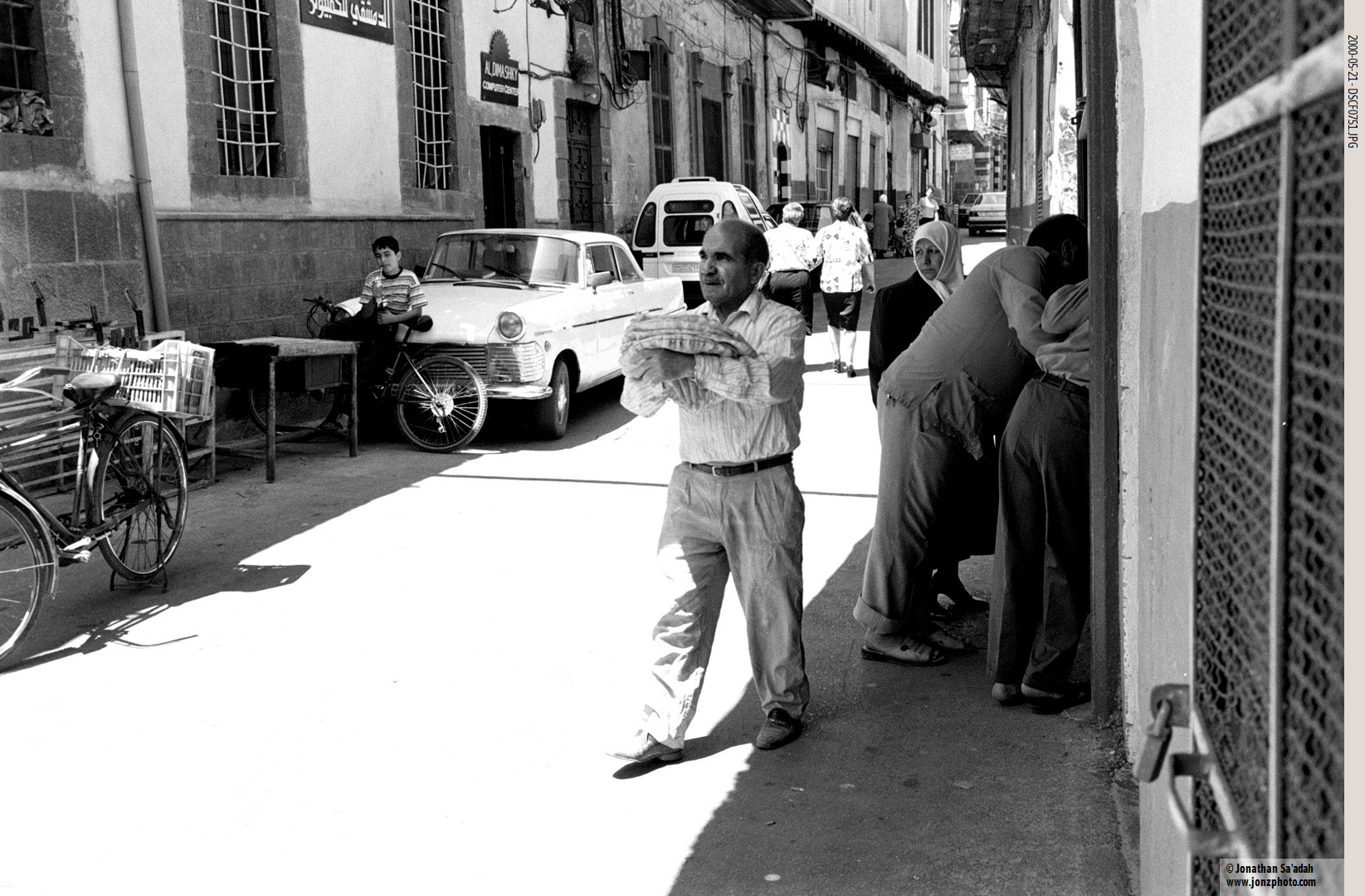
    Damascus Old City Bakery Man carries away hot bread purchased from a small bakery.

    Thessaloniki, despite its challenges with broken pavements and sidewalks, illegally parked cars and motorcycles, kiosks and coffee tables, has a vibrant street culture. I look forward to going back soon to see how the city has adapted to its newly-opened metro system, which hopefully will reduce the perpetual gridlock many of its streets experience during the day. Hopefully the ongoing integration of walking and public transit has created an even more layered urban experience.

    Mexico City exemplifies this integration beautifully. Despite its size and complexity, the city maintains an impressive pedestrian culture. Under the leadership of mayor Claudia Sheinbaum (who has a background in environmental engineering) the city dramatically expanded its network of public transit, bolstering its generous public spaces with wide sidewalks and creative public squares.

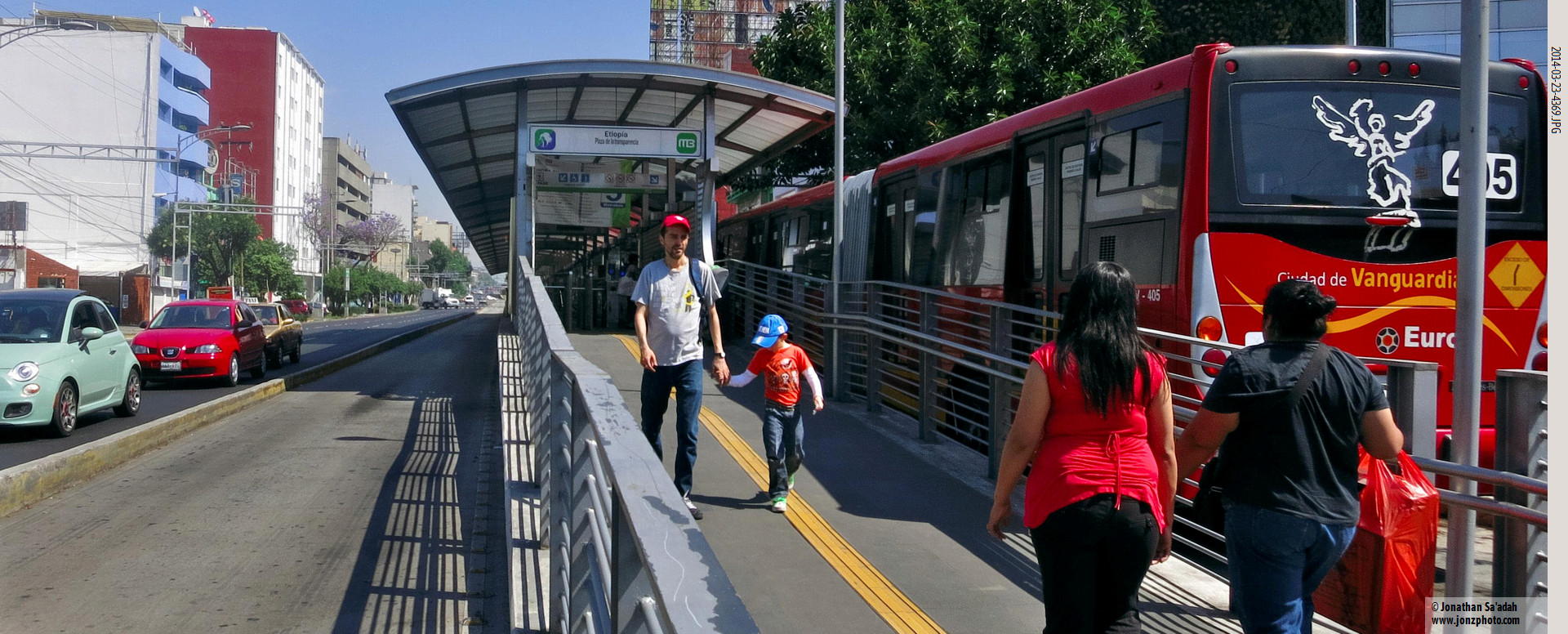
    Mexico City’s Metrobus System provides rapid transit with a two dedicated lane system. Multi-unit buses (some all electric) load in stations much like a metro line. Claudi Sheinbaum was instrumental in launching the system as Secretary of the Environment (2000-2006) under then-mayor Andrés Manuel López Obrador, who went on to be President, as she has too.

    Next week: Housing.
    The Damascus photographs in this post are taken from a book I’m just finishing on an experience I had with my father, returning to where he was born.

  • Untold Stories Behind Joseph Losey’s M Klein: When Art Meets History

    This is the lead post for a detailed series exploring the making of Joseph Losey’s M Klein. Each post reveals new layers of this remarkable collaborative achievement – from the personal journeys of its creators to the technical innovations that brought their vision to life, from the political courage required to tell unpopular truths to the artistic strategies that made those truths unforgettable. Jump to Table of Contents

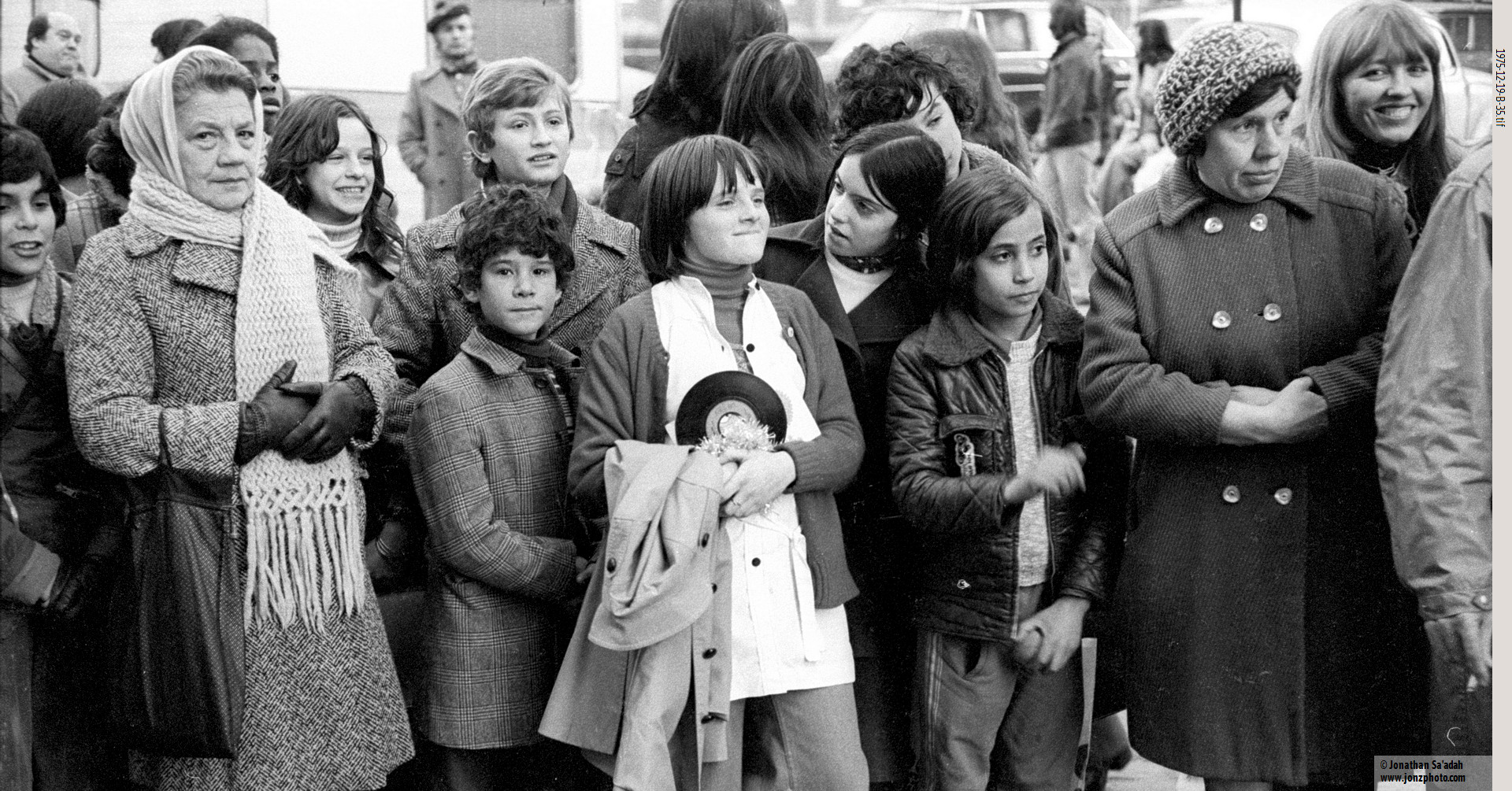
    Hoping to catch a glimpse of a star Crowds often gathered hoping to see Alain Delon. Here they were lucky – his driver parked across the street and so he could briefly be seen entering a building.

    When Joseph Losey set out to make M Klein in 1975, he wasn’t just directing another film about wartime France – he was orchestrating a deeply personal project that brought together artists and professionals who had lived through the very persecution they were depicting on screen. The behind-the-scenes story of this masterpiece reveals how committed professionals transformed their own trauma into cinematic truth, creating one of cinema’s most powerful explorations of identity and complicity.

    When the Persecuted Make Films About Persecution

    The most remarkable aspect of M Klein‘s production wasn’t its star power or budget – it was the extraordinary convergence of people whose lives had been shaped by the events they were recreating. Margot Capelier, the Casting Director, was born into a Jewish family in Paris and had lived through the Nazi occupation, losing family members in the Holocaust. Alexandre Trauner, the Art Director, was a Hungarian Jew living in Paris who had fled to southern France to escape the occupation, working clandestinely in the underground resistance. Lucie Lichtig, the Continuity Director, was Jewish and active in the Alliance branch of the Resistance. Finally, Claude Lyon, the head of the film lab (LTC) used by Losey, lost his mother.

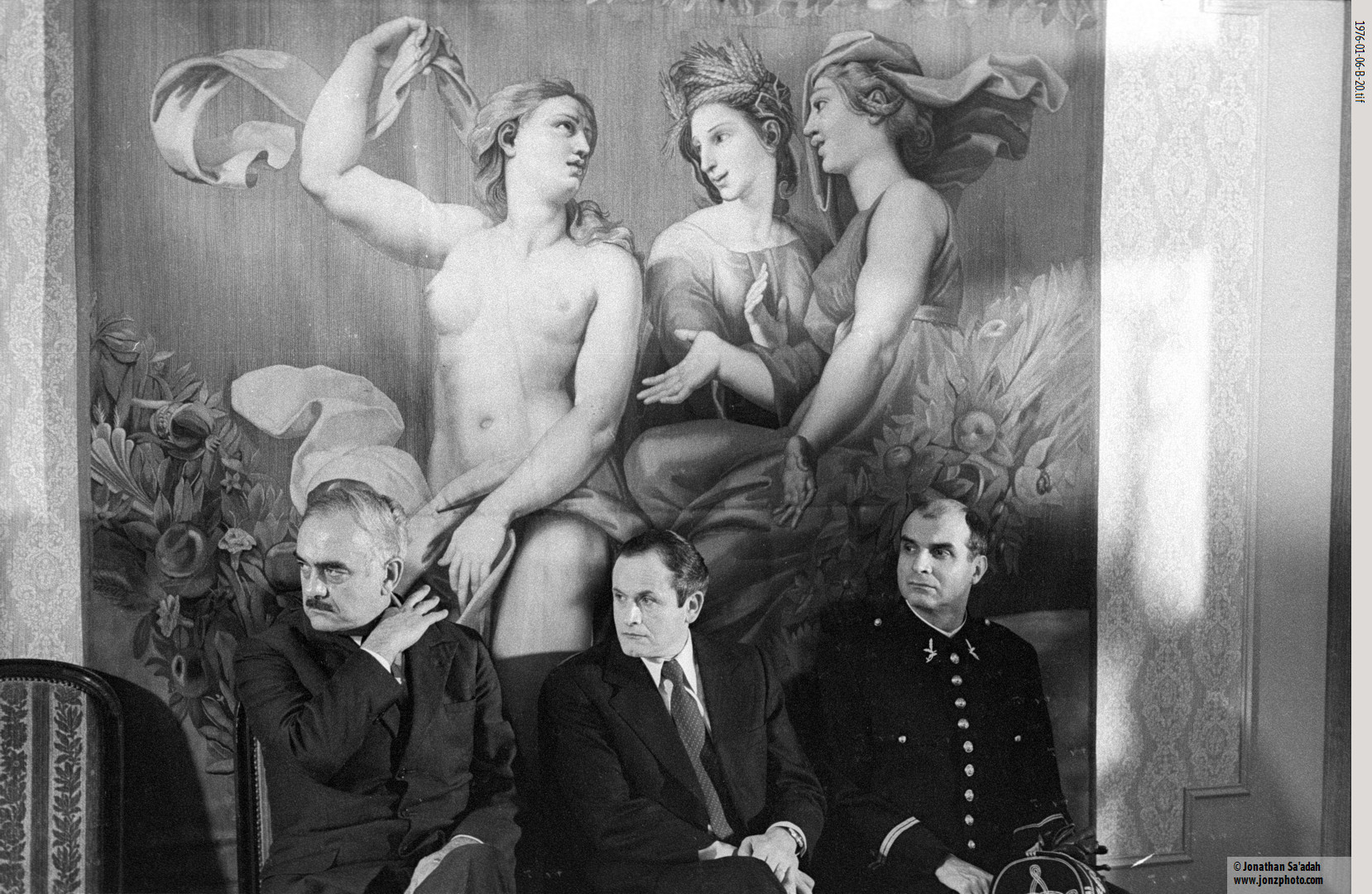
    ▲ Three Vichy fonctionnaires prepared and waiting for a city-wide police planning session for the roundup of Jews. The wall-art often came from personal collections; this mural was only briefly visible in the scene.

    Even Joseph Losey himself brought personal understanding of persecution, having been blacklisted from Hollywood during the McCarthy era and forced into European exile. This wasn’t just professional film-making – it was a gathering of survivors using their craft to ensure these stories would never be forgotten.

    The Challenges That Created Cinema Magic

    M Klein was notorious for its production challenges, but these obstacles also created camaraderie and a feeling of accomplishment. Some of the film’s most memorable moments came out of pure chaos. When rare snow began falling in Paris – the entire crew had to scramble to protect the equipment and the day had to be rescheduled, turning what should have been a routine day into a logistical nightmare. The awful, insect and rodent infested building on 42 rue des Panoyaux, where Klein searches for his Jewish double, was so unstable that the city required engineering work just to make it safe to enter – not that anyone wanted to. Still, getting the work done at that location was another credit to everyone, and contributed to the film.

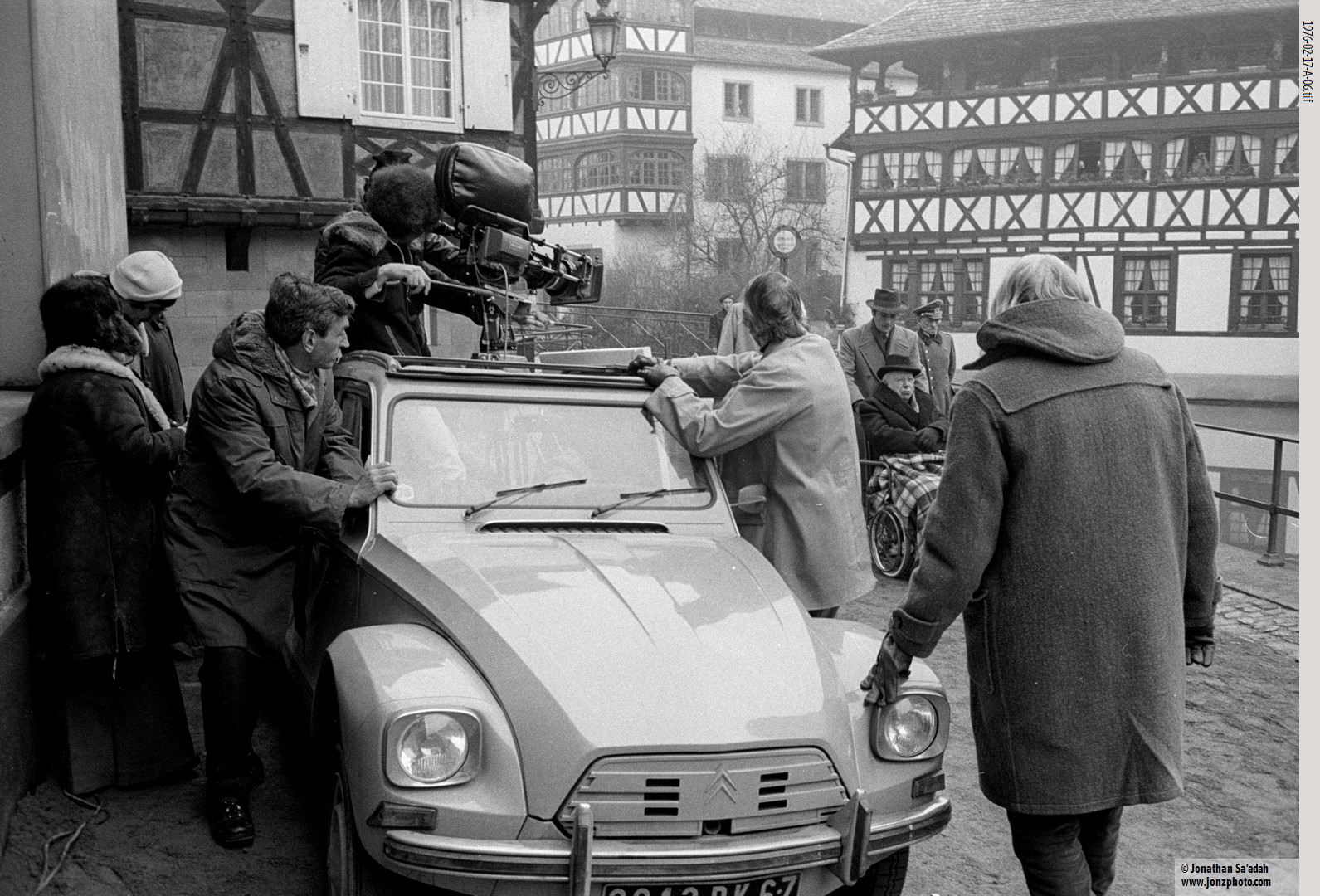
    In Strasbourg, the canal location that had been carefully scouted proved impossible for the planned tracking shots due to rough cobblestone surfaces, forcing the crew to hastily “modify” a Citroën Deux Chevaux with a camera mounted through its sunroof. These weren’t just production problems – they were challenges that the team reacted to – and they elevated the production by requiring creative teamwork to find solutions.

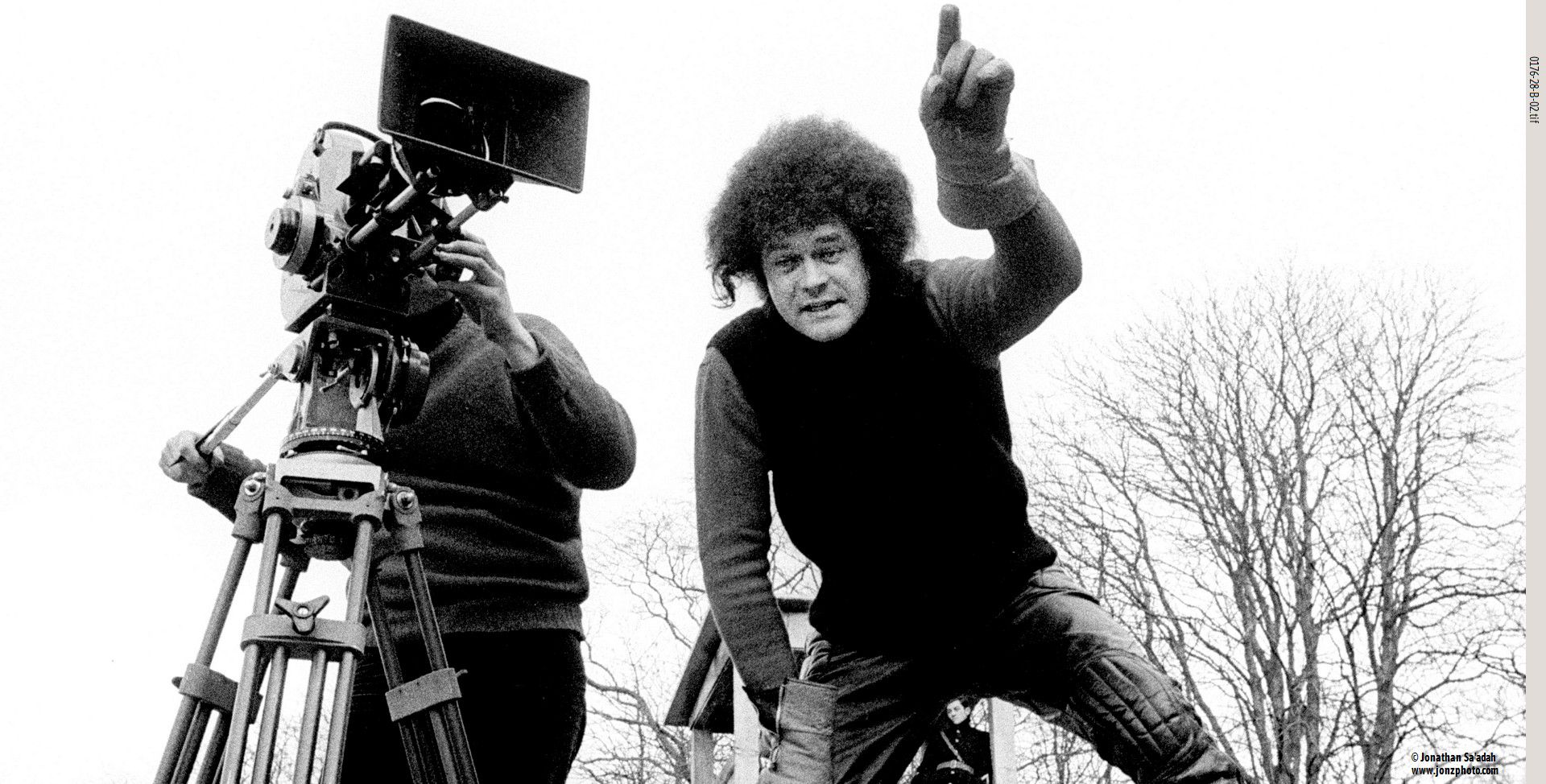
    Challenges The camera is mounted on a Citroën Deux Chevaux to compensate for the uneven surface of the cobblestones which have been hastily covered with sand. Losey, back to the camera, has the best angle to see the action, as the cameraman films from his precarious position, wedged in the sunroof of the car.

    The Invisible Artisans Who Helped Shape a Masterpiece

    Behind every great film are the craftspeople whose contributions often go unrecognized. Reginald Beck, who had edited eighteen of Losey’s films, couldn’t even receive proper screen credit for M Klein due to British union regulations, despite being the actual editor of the film. Gerry Fisher, the cinematographer on his sixth collaboration with Losey, had developed such an intuitive understanding with the director that they barely needed to speak during setups.

    Frantz Salieri, the multi-discipline artist who created the film’s pivotal cabaret scene, brought his own radical theatrical background to ensure the anti-Semitic content would be read as critique rather than endorsement – using male actors in female roles to prevent actual racists from finding the performances appealing.

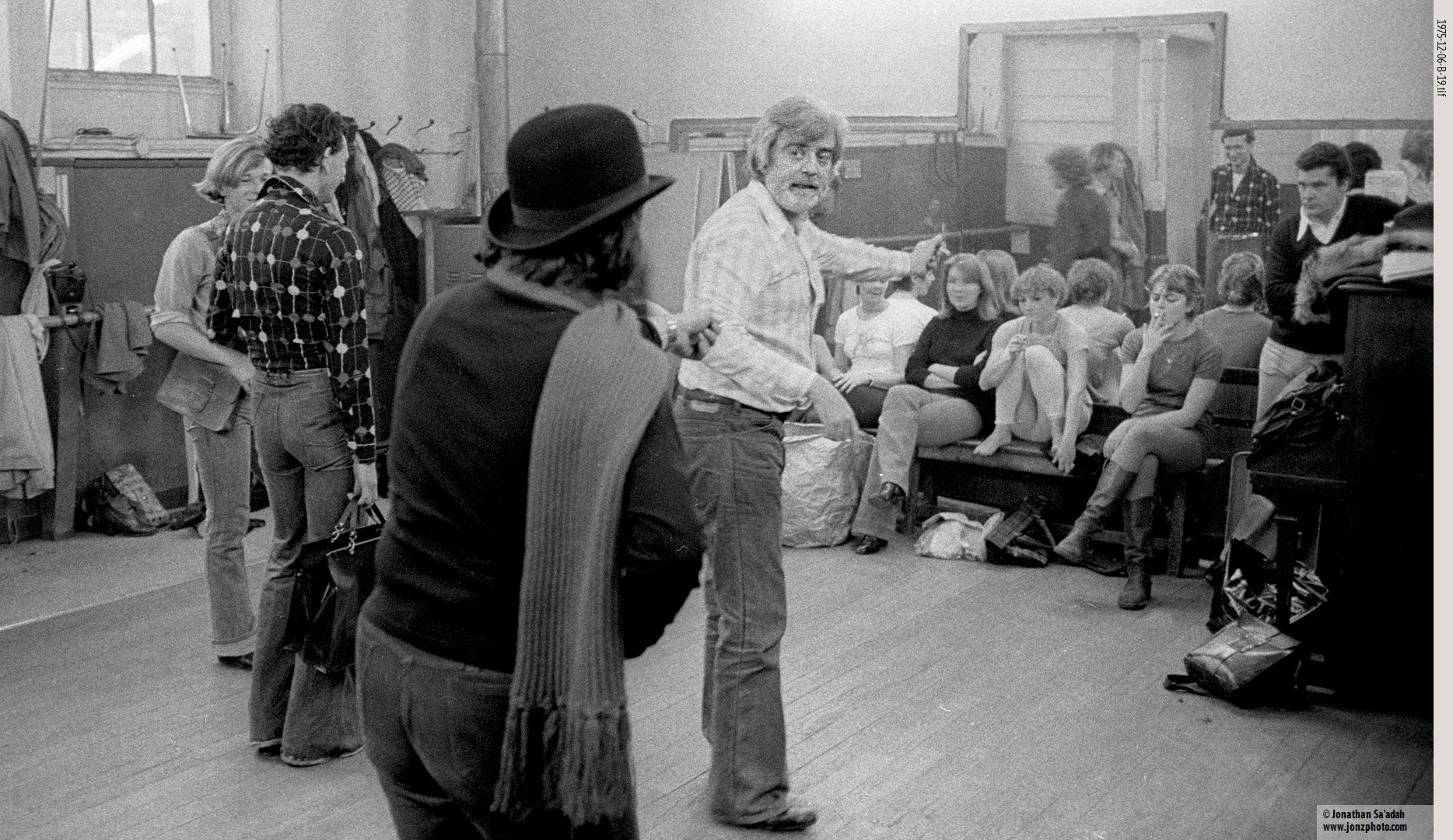
    ▲ Frantz Salieri in rehearsal. The man in the bowler hat played the awful clown, and members of the “chorus line” are seated on the bench. Salieri worked with members of his own troupe, professional dancers, and actors from the cast to create the cabaret show.

    The Art of Turning Constraint into Creativity

    The most fascinating aspect of M Klein‘s production was how limitations became opportunities. When star Alain Delon walked off the set in anger on January 20, 1976, threatening the film’s completion, Losey’s professional integrity and honest communication brought him back. When the cramped quarters of La Nouvelle Eve cabaret made filming nearly impossible, the tight spaces actually enhanced the claustrophobic atmosphere the scene required.

    The decision to use thirty-two locations throughout Paris, despite production company resistance about costs and complexity, gave the film a level of authenticity that studio work could never achieve. Each challenge became part of the film’s DNA, contributing to its lasting power and relevance. They were intangibles that were created through Losey’s intransigence, and they made a big difference.

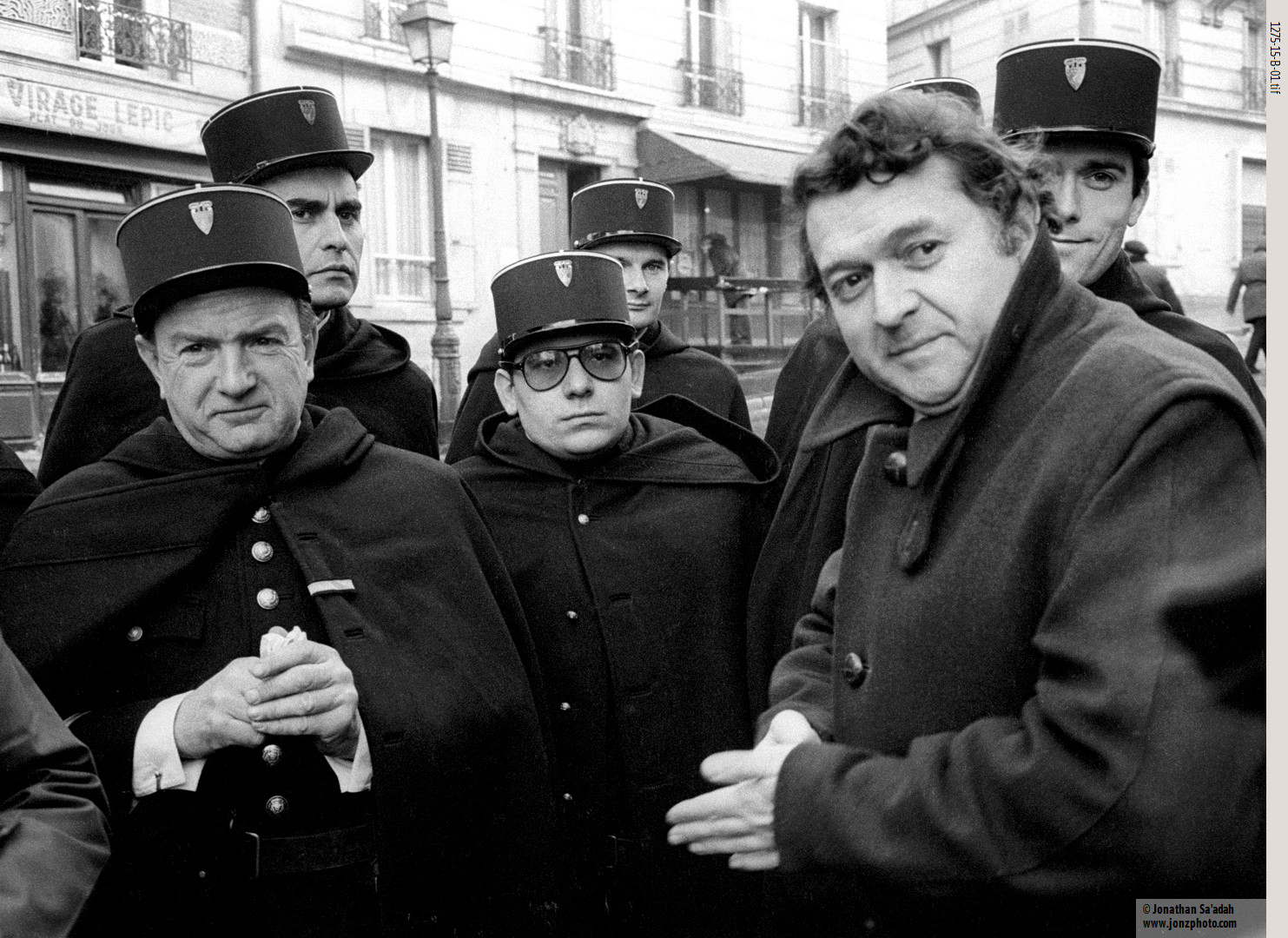
    ▲ First Assistant Director Philippe Monnier coaching French “gendarmes” in an early-morning recreation Vel’ d’Hive Roundup, which happened in the middle of July, 1942. The scene also involved many cars and police wagons from the period. The Roundup was ordered by the German Nazis, but carried out by the French.

    Why These Stories Matter

    The making of M Klein reveals something profound about the relationship between art and history. This wasn’t just a film about the Holocaust – it was created by people who had lived through persecution, who understood from experience what it meant to be suddenly classified as “other,” to have your identity questioned, to become a stranger in your own country.

    Every aspect of the production – from Margot Capelier’s casting choices informed by her own survival, to Alexandre Trauner’s intimate knowledge of wartime Paris, to Losey’s understanding of what it meant to be politically exiled – was shaped by lived experience of the themes the film explored.

    The complete story of M Klein‘s creation offers a masterclass in how artists can transform personal trauma into universal truth, how technical challenges can become creative opportunities, and how the most powerful cinema often emerges from the most difficult circumstances.

    Links to all the posts in this series

    1. Joseph Losey: The Blacklisted American Director Who Found Redemption in European Cinema
    2. Alexandre Trauner and Joseph Losey: Crafting the World of M Klein
    3. Reginald Beck: Invisible Artisan of Cinema
    4. The Artful Eye: Gerry Fisher’s Cinematographic Journey
    5. Laughter in the shadows: The chilling cabaret scene of M Klein
    6. Homage to Margot Capelier, Casting Director for M Klein
    7. Exploring location shooting in Joseph Losey’s M Klein
    8. Joseph Losey’s film M Klein: A behind-the-scenes look
    ▲ Pierre-William Glenn, the strong, athletic camera operator was the person actually behind the camera, directed by Gerry Fisher, the cinematographer.

    Some other sources about Joseph Losey

    Barthel, Joan. “I’m an American, for God’s Sake!” New York Times  (1923-), March 26, 1967. ProQuest Historical Newspapers: The New York Times.

    Caute, David. Joseph Losey: A Revenge on Life. New York: Oxford University Press, 1994.

    Film Director Joseph Losey and Playwright Harold Pinter Discuss “Accident”, 1967, 2024. https://www.youtube.com/watch?v=hhQQ-wBSQkI.

    Joseph Losey : Je n’irai Pas En Angleterre, 2012. https://www.youtube.com/watch?v=gTLxYCVUfSU.

    Joseph Losey Tribute, 2018. https://www.youtube.com/watch?v=IMNxtkGpWtc.

    Losey, Joseph. Conversations with Losey. Edited by Michel Ciment. London ; New York: Methuen, 1985.

  • Joseph Losey: The Blacklisted American Director Who Found Redemption in European Cinema

    Hollywood exile Joseph Losey transformed from a promising American filmmaker into one of Europe’s most celebrated auteurs after fleeing McCarthyism in the 1950s. His journey from blacklisted director to celebrated European master of psychological cinema reveals both the destructive power of political persecution and the resilience of artistic vision.

    Decades after his death, critical studies continue to emerge about Joseph Losey’s work and life. In an industry where few directors achieve lasting recognition, Losey’s enduring influence stems from his unique position as an American artist who found his voice in European exile, creating films that bridged continental sensibilities with Hollywood craftsmanship.

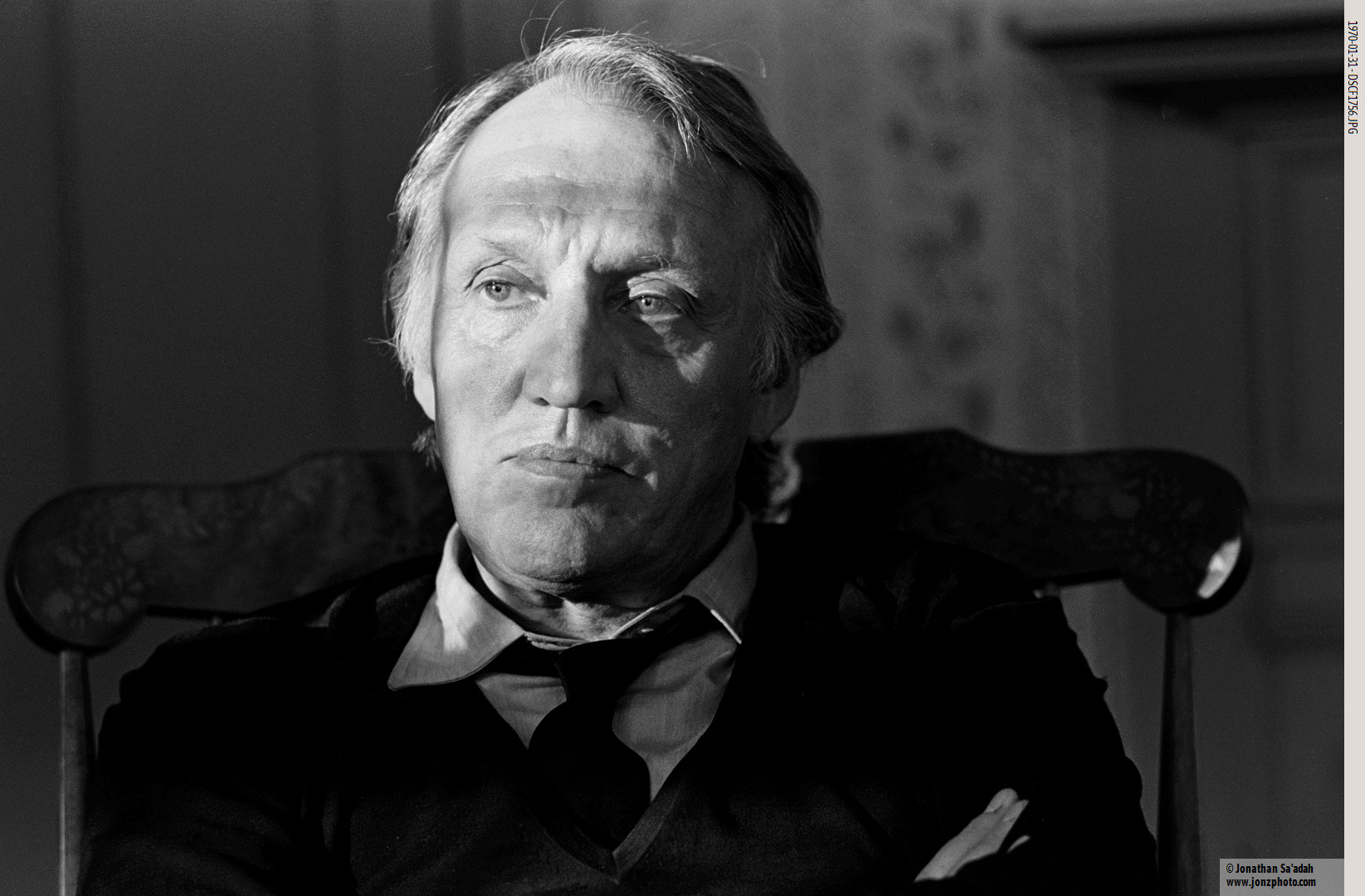
    ▲ Joseph Losey as guest professor at Dartmouth College, 1970, in his first trip back to the United States after his forced departure due to blacklisting. He was given an honorary doctorate by the college three years later.

    From Privilege to Exile: The Making of an Artist

    Born into a family with a history of wealth and privilege, Losey’s immediate circumstances were more modest. His grandfather had not bequeathed his fortune to Losey’s father, Joseph Losey II, who worked as a claim agent for the Burlington Railroad after failing to complete college. Despite reduced circumstances, Losey grew up surrounded by culture and arts through his aunt’s connections in La Crosse, Wisconsin. Her home was a large estate where renowned musicians like Sergei Rachmaninoff and Jascha Heifetz would stay (and rehearse) when they visited the city for performances.

    This early exposure to high culture shaped Losey’s artistic sensibilities. He pursued undergraduate studies at Dartmouth and graduate work at Harvard, later traveling to Russia to study film. Upon returning to the United States, he was hired by Hallie Flanagan, National Director of the Federal Theater Project, to work on the groundbreaking Living Newspaper project in New York. The work, already controversial with right-wing critics, would later contribute to his political troubles.

    Losey’s career trajectory seemed destined for success when Dore Schary, head of production at RKO, offered him his first directorial position in 1948. However, his fortunes changed dramatically when Howard Hughes acquired controlling interest in RKO. Hughes offered Losey a “poison chalice” – directing I Married a Communist – which Losey categorically refused. This decision effectively ended his relationship with RKO. A year later, and after much trouble, he was released from his contract and allowed to work for Paramont, but by then J. Edgar Hoover’s FBI had flagged him as a communist sympathizer.

    The European Renaissance

    Rather than testify before Joseph McCarthy’s committee and implicate fellow leftists, Losey chose exile. His departure from the United States was hurried and unplanned, arriving in Europe without work and with tenuous legal status. His passport renewals were always uncertain, often valid for only two years, and work permits presented constant challenges.

    The early European years were marked by financial hardship and professional humiliation. Losey directed low-budget genre films under pseudonyms to protect his collaborators from blacklisting. Yet these difficult circumstances proved transformative. The European film industry, particularly French critics, proved more receptive to his evolving style as he developed the complex themes of alienation, outsider status, and social critique that would define his mature work.

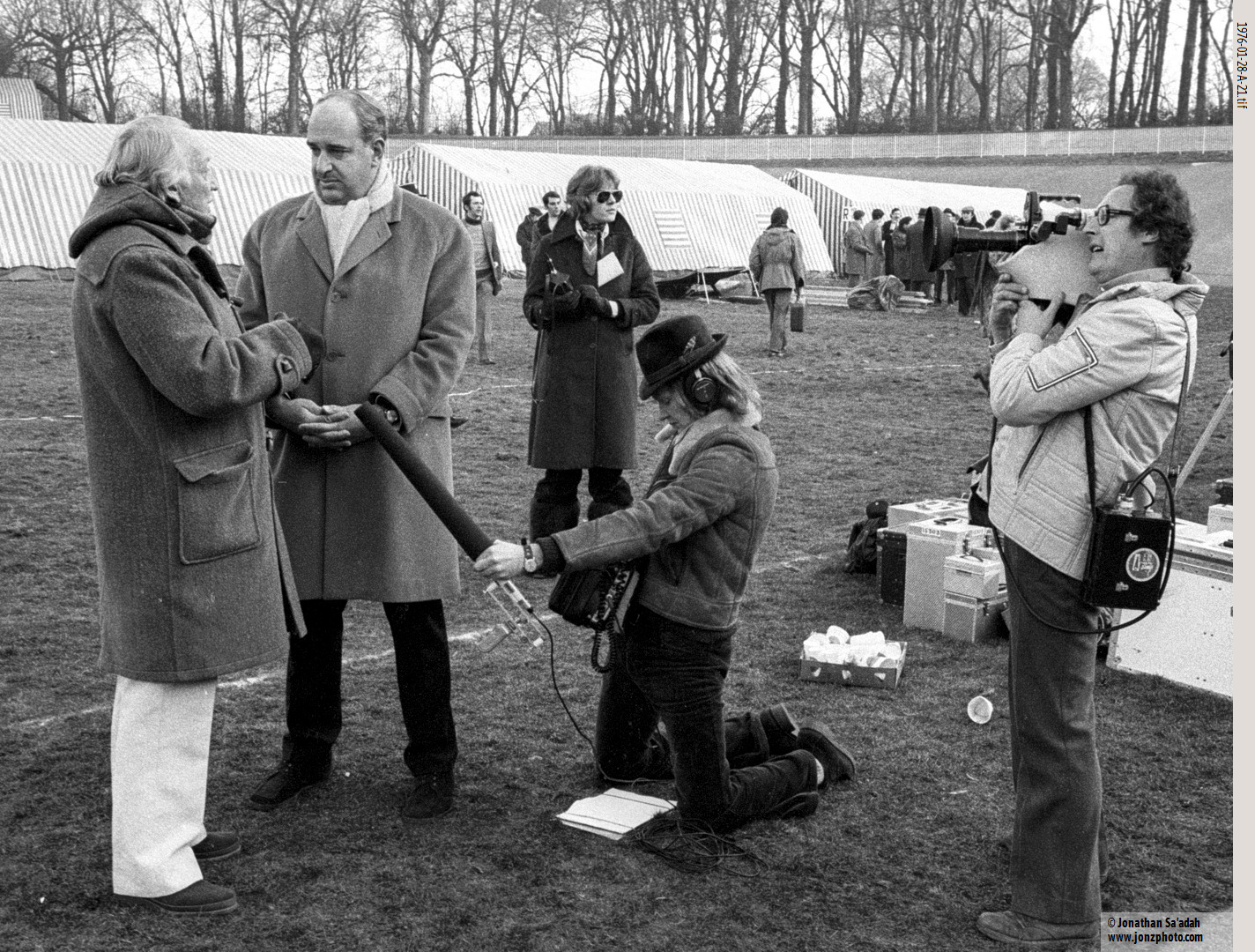
    ▲ Losey being interviewed for French TV in 1976. The striped tents in the background were used for dressing and makeup of the over 2,000 extras who were used in the stade scene filmed at the Vélodrome Municipal de Vincennes in the eastern part of Paris.

    Despite the constraints, Losey repeatedly found projects that resonated with his moral and political beliefs. He later acknowledged that being blacklisted had been a blessing, removing him from Hollywood’s commercial temptations and allowing him to develop as a serious filmmaker. His European period saw acclaimed collaborations with screenwriter Harold Pinter on The Servant, Accident, and The Go-Between.

    ▲ Losey at Usine Citroën. The scene filmed here, when Klein is searching for his double’s girlfriend, was one of the few places in the film where Losey allowed a sympathetic view of humanity to show through the female workers in the wartime factory.

    The M Klein Production: A Career Pinnacle

    By 1975, when Losey began work on M Klein in France, he had established himself as a major auteur in European cinema. The project came to him through actor Alain Delon, who owned the rights to the screenplay. Losey heard that Greek director Costa-Gavras had declined directing the film, and he contacted Delon. Delon was eager to work with a recognized auteur to enhance his serious acting credentials. Having previously collaborated successfully with Losey on The Assassination of Trotsky, the project went forward.

    Losey’s personal history of political persecution and exile deeply informed his approach to M Klein, a film exploring themes of identity, persecution, and moral complicity in wartime France. Before production began, he worked with screenwriter Franco Solinas in the Italian coastal town of Fregene, with his wife Patricia serving as translator. Losey significantly revised the script, cutting an hour of material to create greater intensity and developing characters more fully, particularly the female roles.

    The production process revealed Losey’s meticulous approach to film-making. His days began at 6:30 AM and extended past 7:00 PM with dailies, followed by planning for upcoming filming, business negotiations, and correspondence. The demanding schedule reflected his total commitment to the craft, a work ethic that impressed cast and crew alike.

    The Director’s Burden and Vision

    Losey’s approach to directing embodied the complex demands of the role – balancing financing, writing, casting, and countless daily decisions while maintaining artistic vision under commercial pressure. His reputation for integrity and refusal to compromise attracted top professionals who knew he would “stick to his guns.”

    The production of M Klein exemplified these qualities. From the first day of shooting at Cachan, where actress Isabelle Sadoyan performed a brutal nude scene under carefully controlled conditions, Losey established a tone of mutual respect and professionalism. The international crew, including professionals from England, France, and Italy, responded to his leadership with enthusiasm and dedication.

    ▲ Preparing to film at Cachan, south of Paris. Actress Isabelle Sadoyan is on the left in the robe, and far right Patricia Losey is just visible. This was the first day of filming and set the tone for the entire eight-week shooting schedule.

    Not every aspect of production went smoothly. On January 20, 1976, Alain Delon left the production in anger, threatening the film’s completion. Yet through Losey’s consistent honesty and professional integrity Delon was brought back in. Losey built sufficient trust among his collaborators to overcome such crises. He neither pulled punches nor compromised the truth, qualities that sustained his reputation throughout his career.

    Legacy of an Artist in Exile

    Joseph Losey’s career represents a unique trajectory in cinema history – an American artist who found his authentic voice only after being forced from his homeland. His story illustrates both the destructive power of political persecution and the possibility of artistic redemption through exile. The films he created in Europe, particularly his collaborations with Harold Pinter and works like M Klein, demonstrate how personal adversity can fuel artistic achievement.

    Losey’s enduring influence lies not just in his films but in his embodiment of the artist as exile – someone who transformed displacement into creative advantage. His work continues to resonate with contemporary audiences because it addresses universal themes of alienation, identity, and moral choice while maintaining the technical excellence and narrative sophistication that mark great cinema.

    The blacklisted director who fled McCarthyism ultimately created a body of work that stands as testament to artistic integrity. In losing his American career, Joseph Losey found his authentic voice as a filmmaker, proving that sometimes the greatest creative breakthroughs emerge from the most challenging circumstances.


    Joseph Losey’s films

    Date of releaseFilmCountry
    1948The Boy with Green HairUnited States
    1950The LawlessUnited States
    1951MUnited States
    1951The ProwlerUnited States
    1951The Big NightUnited States
    1952Stranger on the ProwlItaly
    1954The Sleeping TigerUnited Kingdom
    1956The Intimate StrangerUnited Kingdom
    1957Time Without PityUnited Kingdom
    1958The Gypsy and the GentlemanUnited Kingdom
    1959Blind DateUnited Kingdom
    1960The CriminalUnited Kingdom
    1962EvaItaly/France
    1963The DamnedUnited Kingdom
    1963The ServantUnited Kingdom
    1964King & CountryUnited Kingdom
    1966Modesty BlaiseUnited Kingdom
    1967AccidentUnited Kingdom
    1968Boom!United Kingdom
    1968Secret CeremonyUnited Kingdom
    1970Figures in a LandscapeUnited Kingdom
    1971The Go-BetweenUnited Kingdom
    1972The Assassination of TrotskyItaly/France/United Kingdom
    1973A Doll’s HouseUnited Kingdom
    1975The Romantic EnglishwomanUnited Kingdom
    1975GalileoUnited Kingdom
    1976Monsieur KleinFrance
    1978Roads to the SouthFrance
    1979Don GiovanniItaly/France
    1982La TruiteFrance
    1985SteamingUnited Kingdom

    More about Joseph Losey

    Archer, Eugene. “Expatriate Retraces His Steps: Joseph Losey Changes Direction with His British ‘Servant.’” New York Times (1923-), March 15, 1964. 115707295. ProQuest Historical Newspapers: The New York Times.

    Barthel, Joan. “I’m an American, for God’s Sake!” New York Times (1923-), March 26, 1967. ProQuest Historical Newspapers: The New York Times.

    “BFI Screenonline: Losey, Joseph (1909-1984) Biography.” Accessed January 23, 2024. http://www.screenonline.org.uk/people/id/451136/index.html.

    Canby, Vincent. “Cool, Elegant ‘Mr. Klein’ Is a Metaphorical Movie.” New York Times (1923-), 1977, 44.

    Caute, David. Joseph Losey: A Revenge on Life. New York: Oxford University Press, 1994.

    Ciment, Michel. Michel Ciment Interview Losey in Paris, 1976.

    Film Director Joseph Losey and Playwright Harold Pinter Discuss “Accident”, 1967, 2024. https://www.youtube.com/watch?v=hhQQ-wBSQkI.

    Galileo Protal. “Life of Galileo with Bertolt Brecht.” Museum, 2010. https://portalegalileo.museogalileo.it/egjr.asp?c=36300.

    Gardner, Colin. “Joseph Losey.” In Joseph Losey, 1st ed. Manchester Film Studies. Manchester, UK: Manchester University Press, 2019.

    Gavrik Losey, Son of Elizabeth Hawes, Oral History Interview, 2016 September 12, 2016. https://www.youtube.com/watch?v=yZkZTxWgMO8.

    Goldberg, Eva. “Politics in American Popular Culture.” American Popular Culture. Accessed July 2, 2025. https://americanpopularculture.com/archive/politics/galileo.htm.

    Goodman, Ezra. “Meet Pete-Roleum.” Sight and Sound, London: British Film Institute, Summer 1939. 1305505140. ProQuest One Literature.

    Houston, Beverle, and Marsha Kinder. “The Losey-Pinter Collaboration.” Film Quarterly 32, no. 1 (1978): 17–30. https://doi.org/10.2307/1211896.

    Houston, Penelope, and John Gillett. “Conversations with Nicholas Ray and Joseph Losey.” Sight and Sound, London: British Film Institute, Fall 1961. 1305505087. ProQuest One Literature.

    Joseph Losey : Je n’irai Pas En Angleterre, 2012. https://www.youtube.com/watch?v=gTLxYCVUfSU.

    Joseph Losey Tribute, 2018. https://www.youtube.com/watch?v=IMNxtkGpWtc.

    Losey, Gavrik. Gavrik Losey Interview. The British Entertainment History Project, 2019. https://historyproject.org.uk/interview/gavrik-losey.

    Losey, Joseph. Conversations with Losey. Edited by Michel Ciment. London ; New York: Methuen, 1985.

    Palmer, James. The Films of Joseph Losey. Cambridge Film Classics. Cambridge: University Press, 1993.

    Prime, Rebecca. “‘The Old Bogey’: The Hollywood Blacklist in Europe.” Film History: An International Journal, Indiana University Press, 2008.

    Sarris, Andrew. . . . “. . . And the Man Who Made It: Joseph Losey.” New York Times (1923-), November 17, 1968. 118367559. ProQuest Historical Newspapers: The New York Times.

    Weiss, Jason. “Screenwriters, Critics and Ambiguity: An Interview with Joseph Losey.” Cineaste Publishers, Inc., 1983.