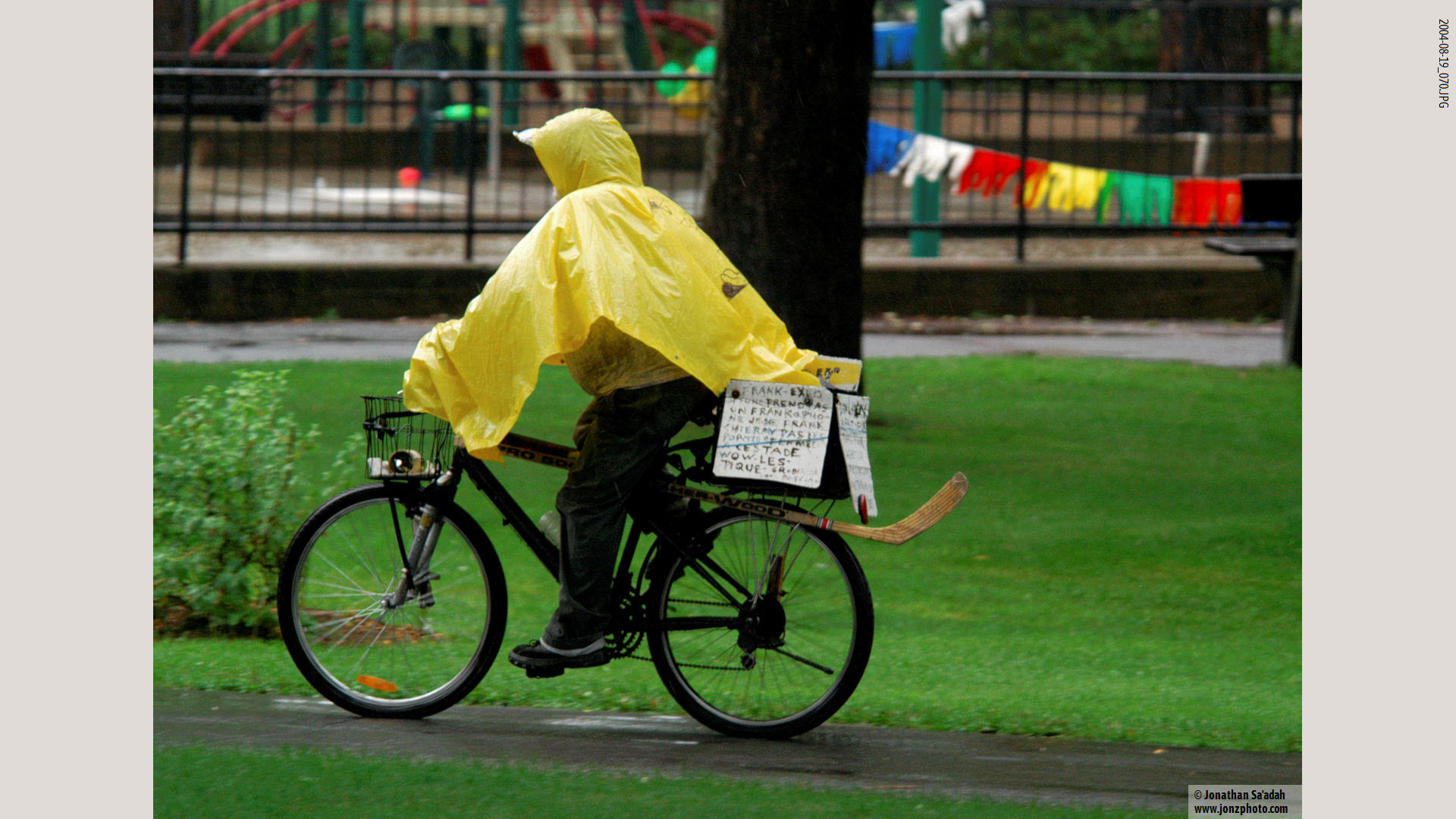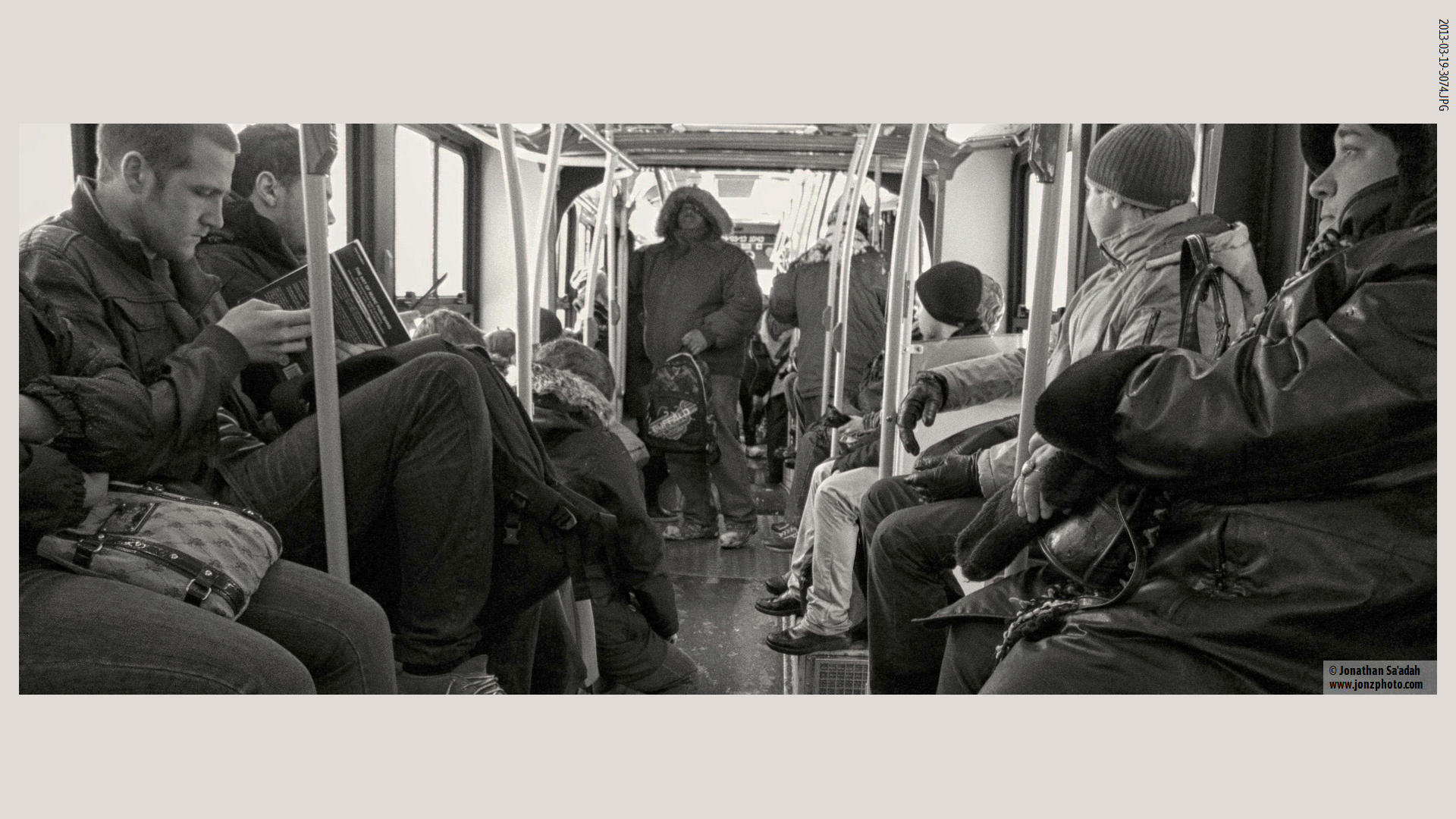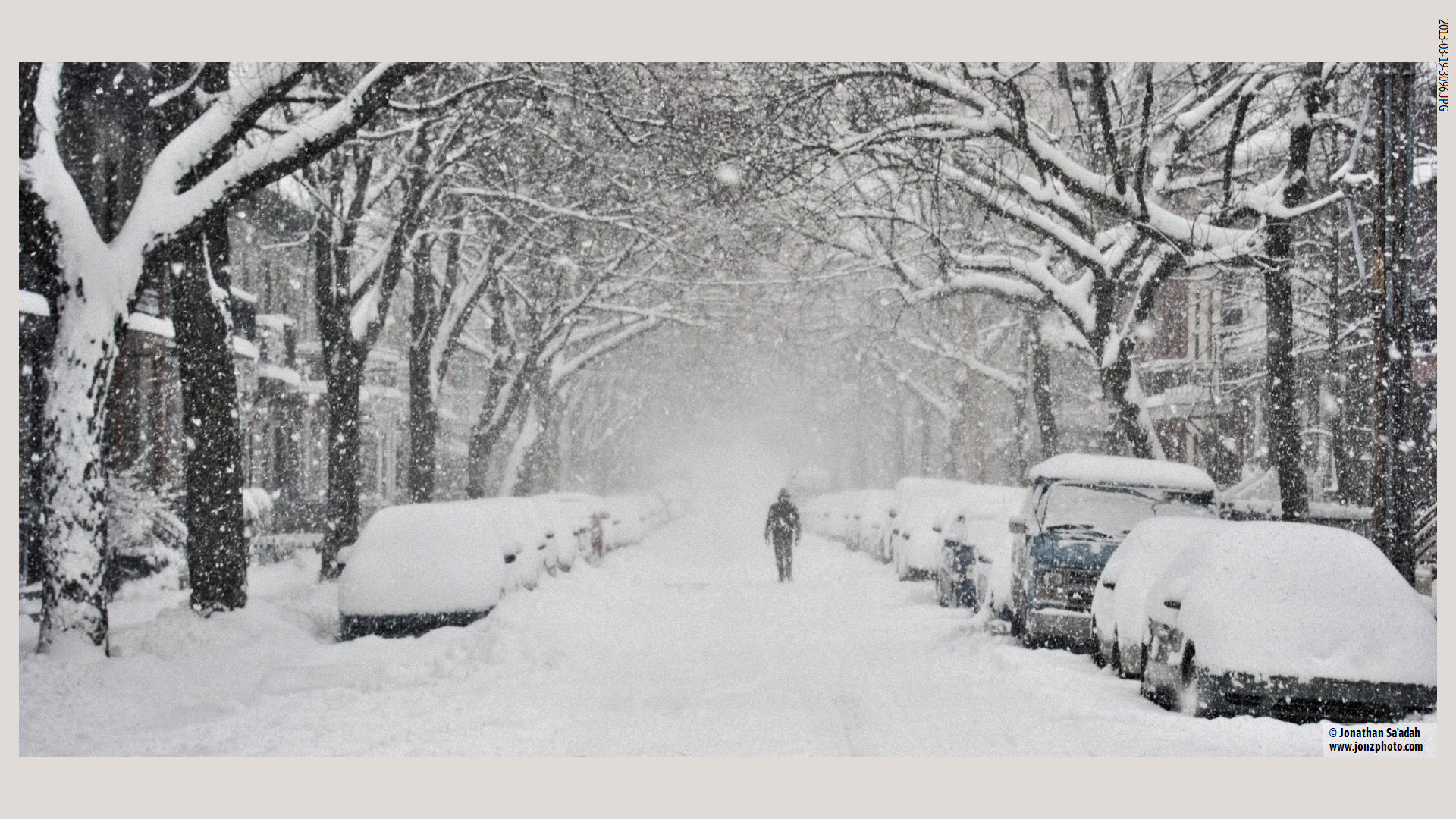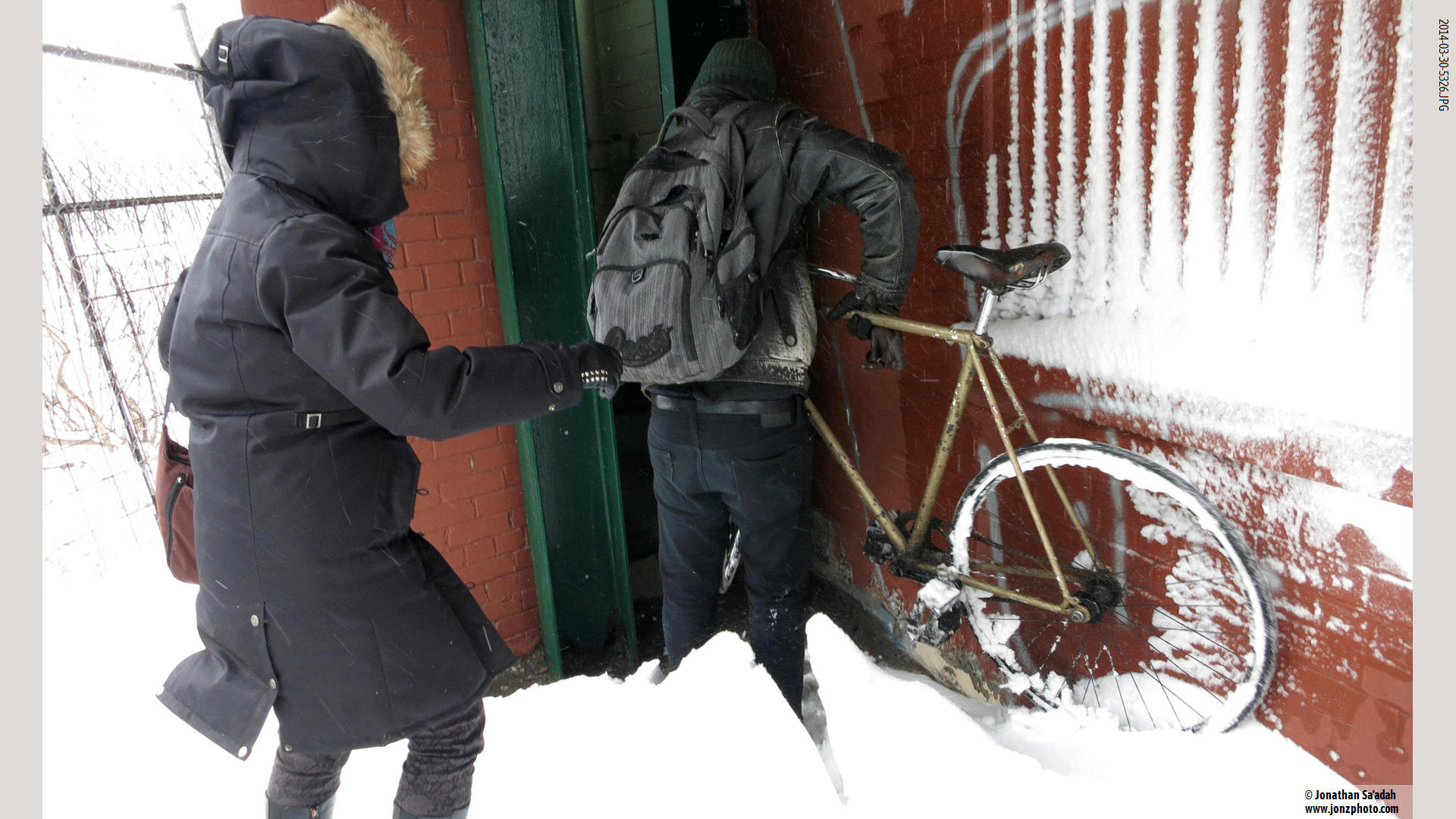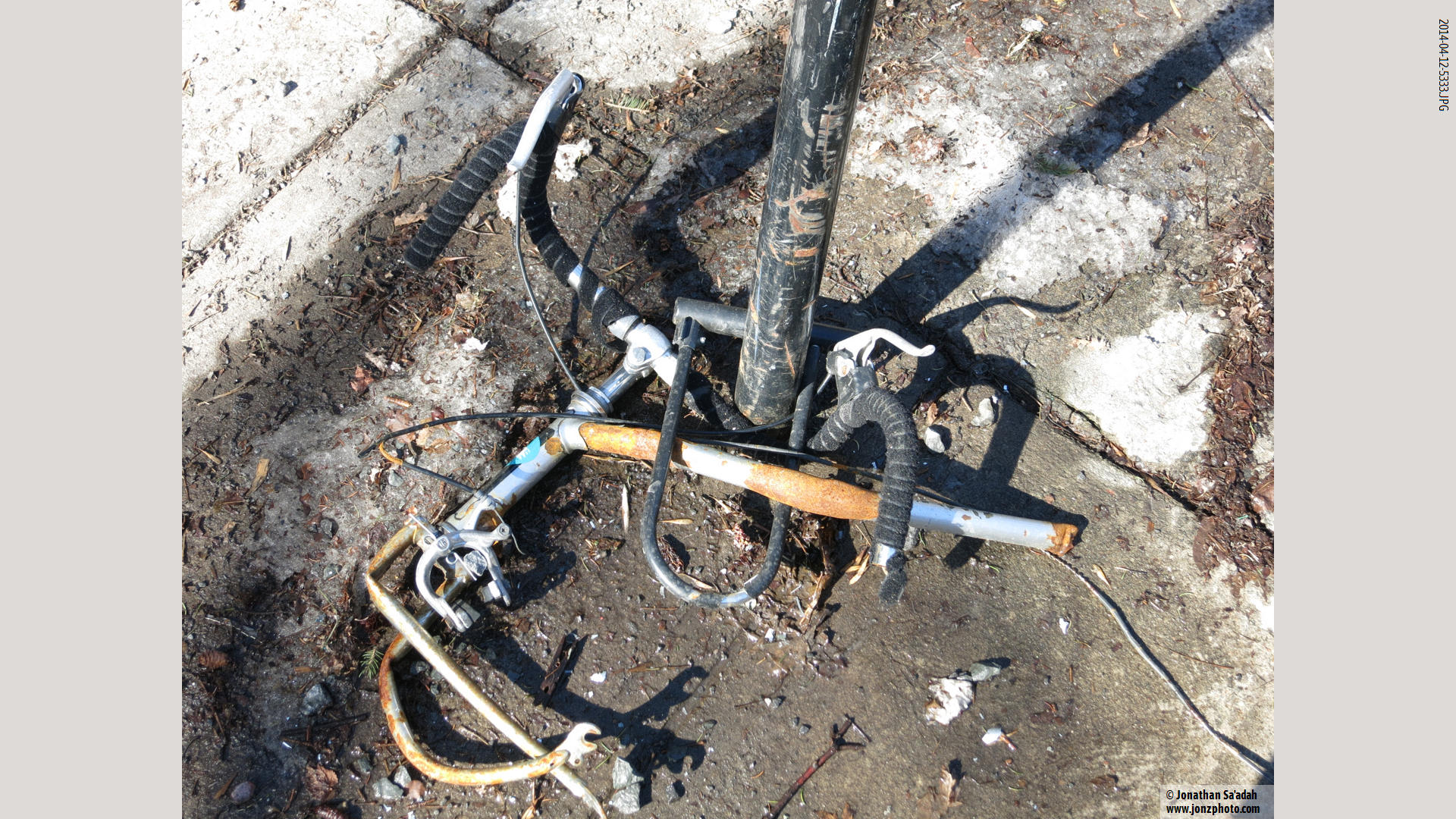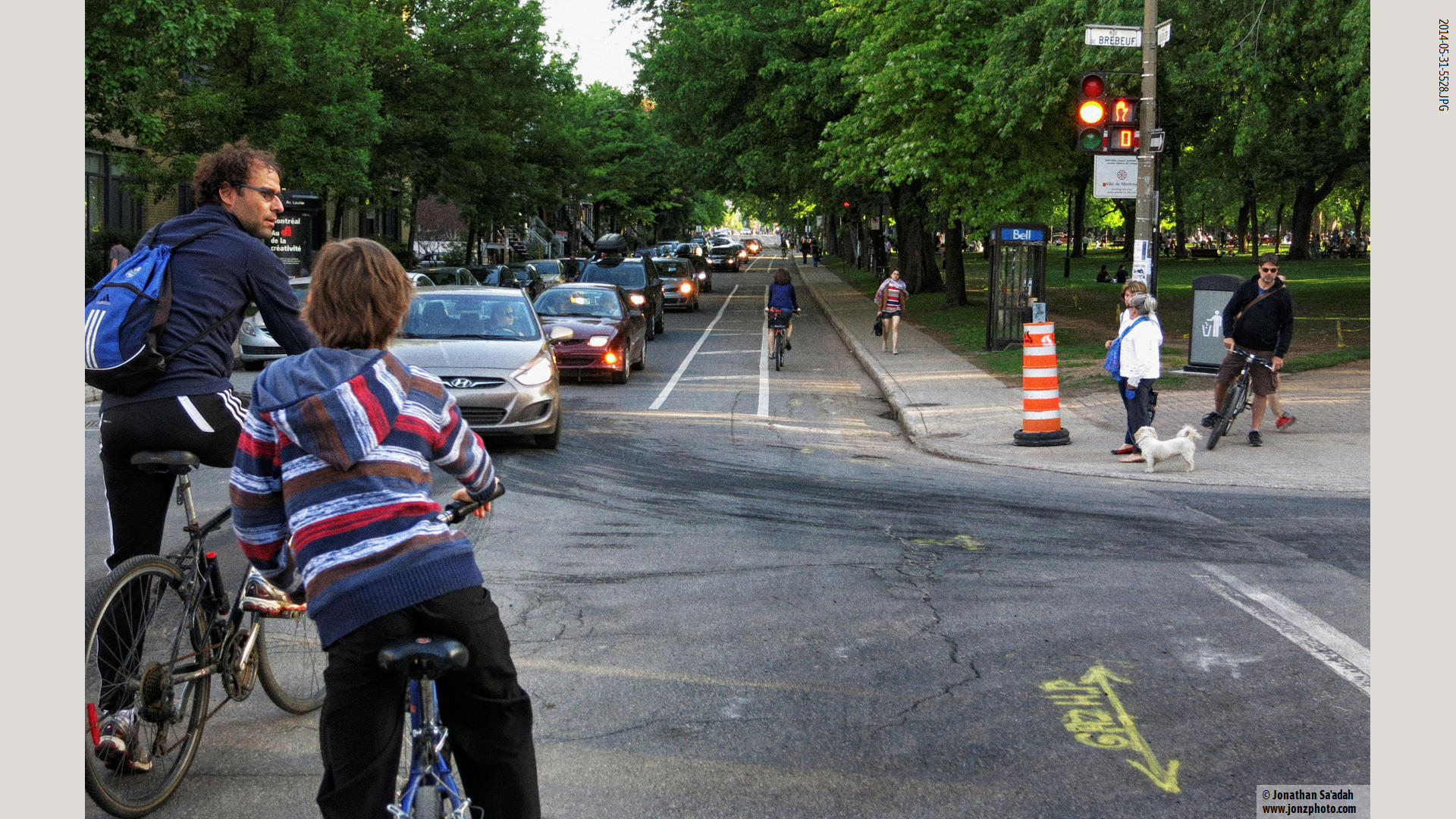
There’s something beautifully absurd about dreaming of Formula One glory while religiously using the metro and my bike in the city. It’s like being a vegetarian who fantasizes about winning hot dog eating contests – technically possible, but requiring some serious mental gymnastics to reconcile the contradiction.
The Making of a 36-Horsepower Speed Demon
My personal journey to Formula One dreams began in the most modest way possible: behind the wheel of my parent’s 1958 Volkswagen Beetle. While other kids were playing touch football or watching TV, I was sitting in our family’s parked Beetle, gripping the steering wheel with white knuckles, shifting through imaginary gears with the precision of someone who was still more than ten years away from having a driver’s license.
It was an ironic situation even then. Here I was, fantasizing about joining the ranks of Stirling Moss – while my automotive reality consisted of a parked car that even when running took roughly the same time to reach highway speed as it takes to get from Lionel-Groux to Snowdon (stops on our metro).
Those BBC radio reports crackling through our family’s shortwave radio painted vivid pictures of Monaco’s glamour, but they somehow missed mentioning the modern issues of environmental rape and pillage tied to petro use. They certainly didn’t prepare me for the cognitive dissonance I’d experience many decades later as a Montreal resident torn between childhood racing fantasies and an adult commitment to sustainable transportation.
Montreal’s Great Transportation Transformation
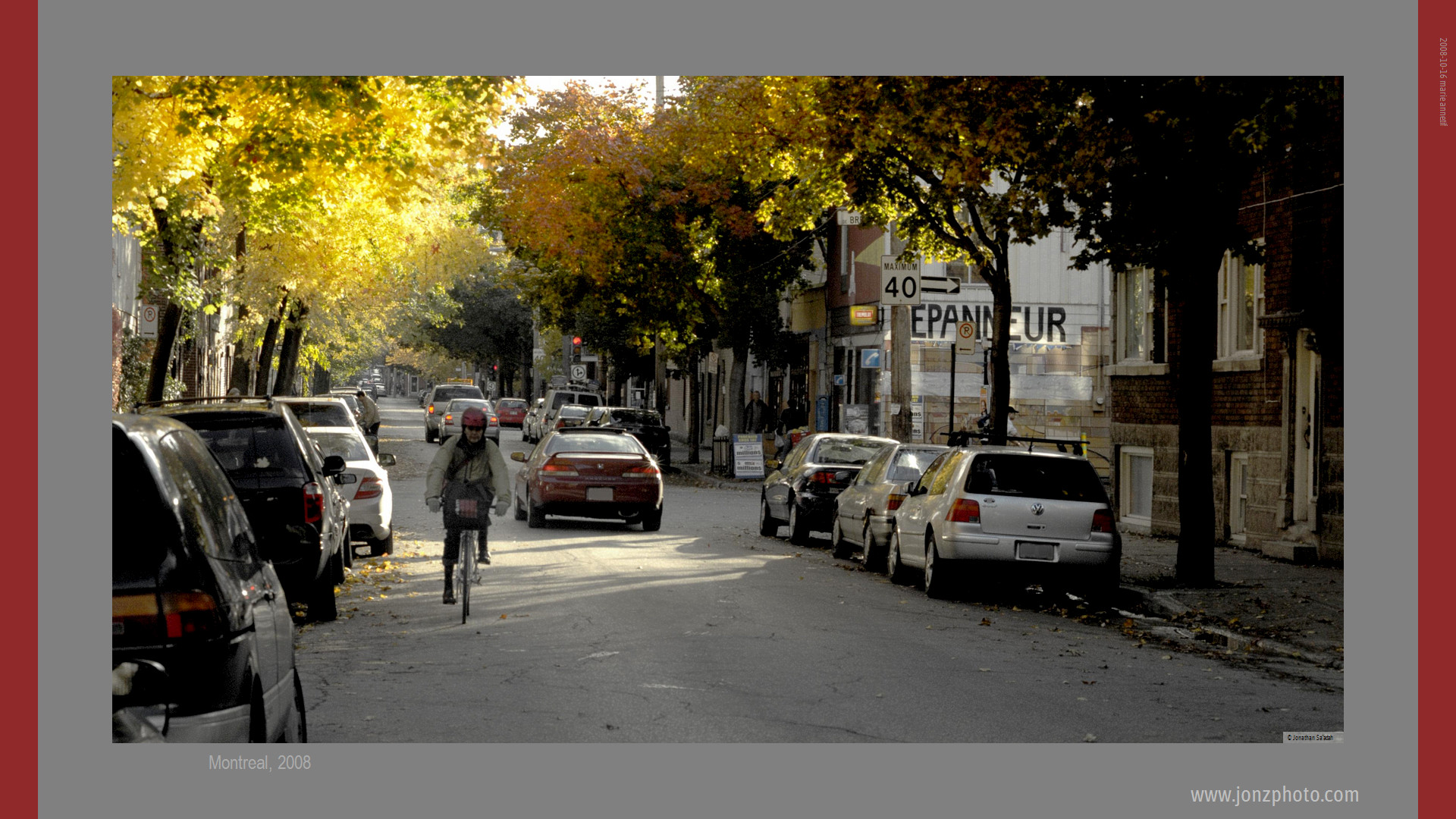
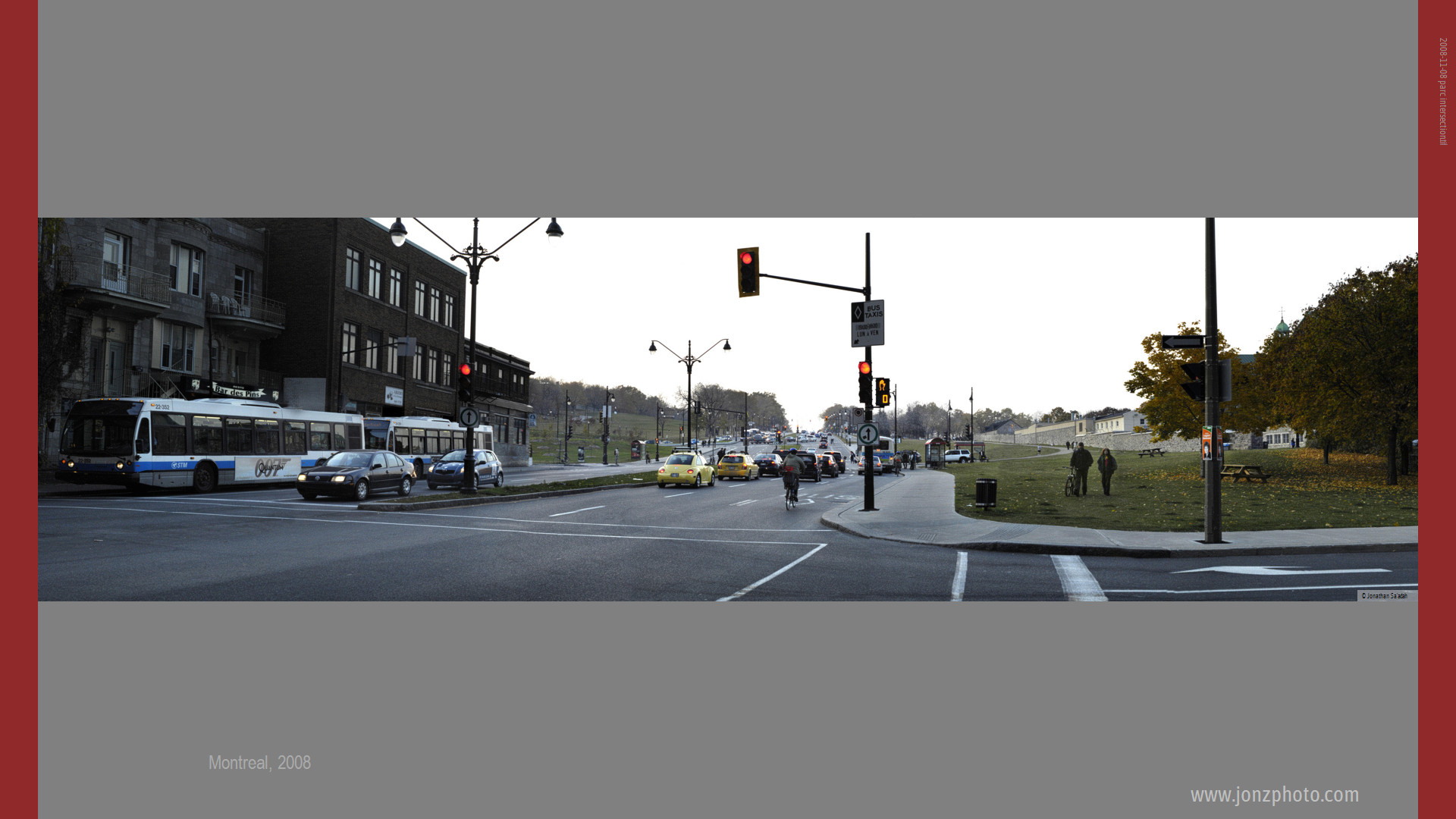
Moving to Montreal in 2003 was like stepping into a city caught between two realities. The Montreal public transit system was already one of North America’s most heavily used systems. Yet Montreal remained (and remains) a city where cars dominate the landscape. There’s a dream of urban sustainability but even in me there’s a conflict with secret Formula One fantasies.
The Annual Montreal Contradiction
Every June, when Formula One descends upon Circuit Gilles Villeneuve, Montreal experiences a total ethical meltdown. The small island in the Saint Lawrence that hosts our Grand Prix was originally created for Expo 67, then re-purposed into a racing circuit that celebrates everything Montreal’s current transportation policies are trying to discourage.
The race circuit itself embodies this paradox perfectly. The city lavishly hosts a sport that burns fossil fuels at obscene rates while promoting electric vehicles and public transit.
The Netflix Effect and Modern Racing Culture
The popularity of Netflix’s “Drive to Survive” has created a new generation of Formula One fans who, like me, experience the sport primarily through screens rather than exhaust fumes. It’s not exactly socially acceptable to be interested in a sport that represents everything we’re supposed to be moving away from, but secretly I am.
When my wife mentioned to a very close friend that we’d watched all seven seasons, the look of bewilderment that crossed her face was eloquent. Even if it was brief before she masked it. It was the expression of someone trying to reconcile how two people who take public transit everywhere and enthusiastically support biking could simultaneously be enthralled by the world’s most environmentally questionable sport.
Living with the Paradox
Montreal’s approach to transportation politics reflects a city that deals in nuance. We promote walkability through indices that measure access to employment and amenities while simultaneously maintaining one of Formula One’s most visible venues. Somehow, both realities coexist in the same metropolitan area without the universe completely collapsing from the contradiction.
Embracing the Contradiction
Perhaps the real wisdom lies in accepting that humans are complicated creatures capable of holding multiple truths simultaneously. I can genuinely believe that Montreal’s future depends on reducing car dependency while still hoping Lewis Hamilton will win as I hear the obnoxious bellowing of Formula One engines echoing across the St. Lawrence River.
There’s no doubt though that Montreal’s approach to transportation doesn’t adhere to ideological purity. The city that gives us extensive bike networks also gives us a yearly walk on the dark side. It’s an approach that acknowledges that progress is perhaps served by not abandoning everything from our past in our quest for purity.
After all, even as a committed environmentalist I can still appreciate the engineering marvel of a Formula One car, just as I hope the most dedicated tourist racing fan can get on our fancy new metro trains and wish they had them in their city. Montreal has figured out how to celebrate both, and maybe that’s the a sophisticated approach for where we are now.