Tag: Montreal

  • The Sweetest Block in Montreal: A Short History of the Cadbury Chocolate Factory

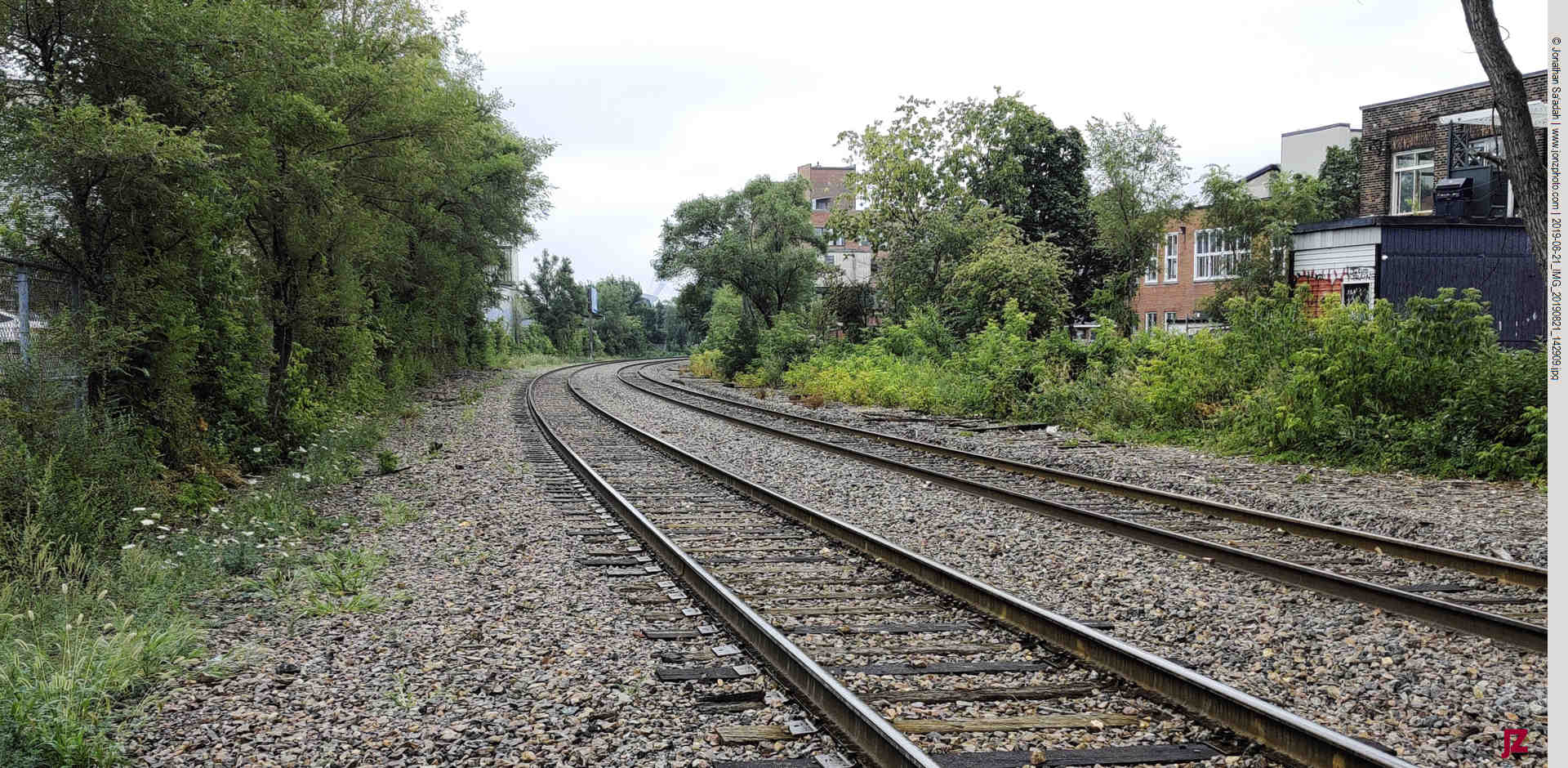
    The Canadian Pacific tracks run in a arc across the northern edge of the Plateau-Mont-Royal, lined with old sidings and industrial buildings. The Cadbury building is in the center, visible between the trees.

    In 2006 we had just been granted permanent residency in Quebec and were looking for an artist’s studio space. It seemed most likely that we’d have success along the northern edge of the Plateau, in one of the semi-abandoned industrial buildings lining the Canadian Pacific railroad tracks. We searched and found several that matched what we wanted. The one we liked the most was on rue Masson, and we were told it had been a chocolate factory. That worked for me. Being in such a space, surrounded by rich, warm, and imaginary smells of cocoa being fashioned into chocolate bars, really struck a chord. Little did we know…
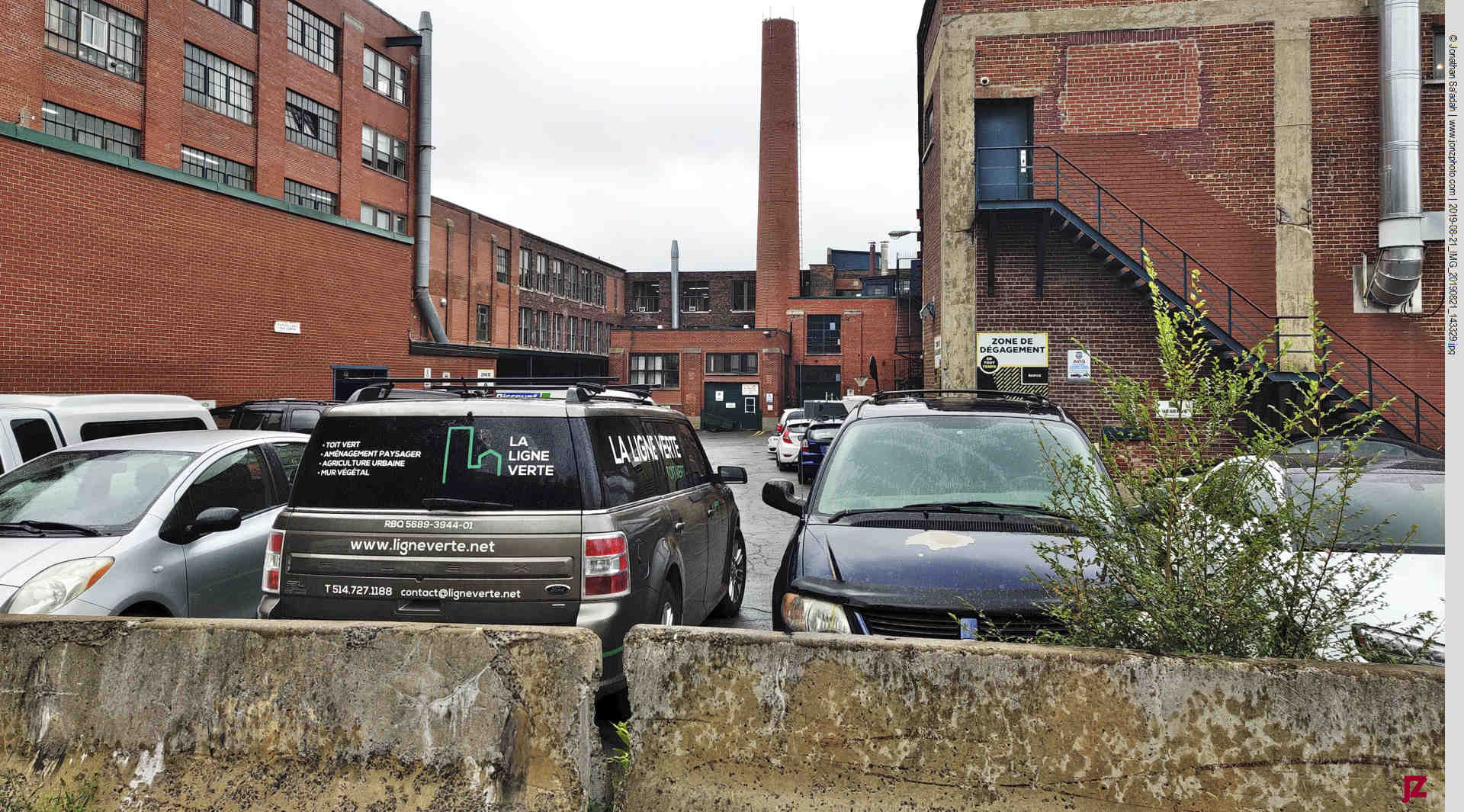
    The Cadbury building, as we called it, was built in 1909 by Fry Cadbury Ltd, the Canadian arm of the English company that in 1847 produced the first eating chocolate bar. Cadbury turned chocolate from a bitter drink into a solid confection that could be sold, unwrapped and savoured, making a fortune on its products.
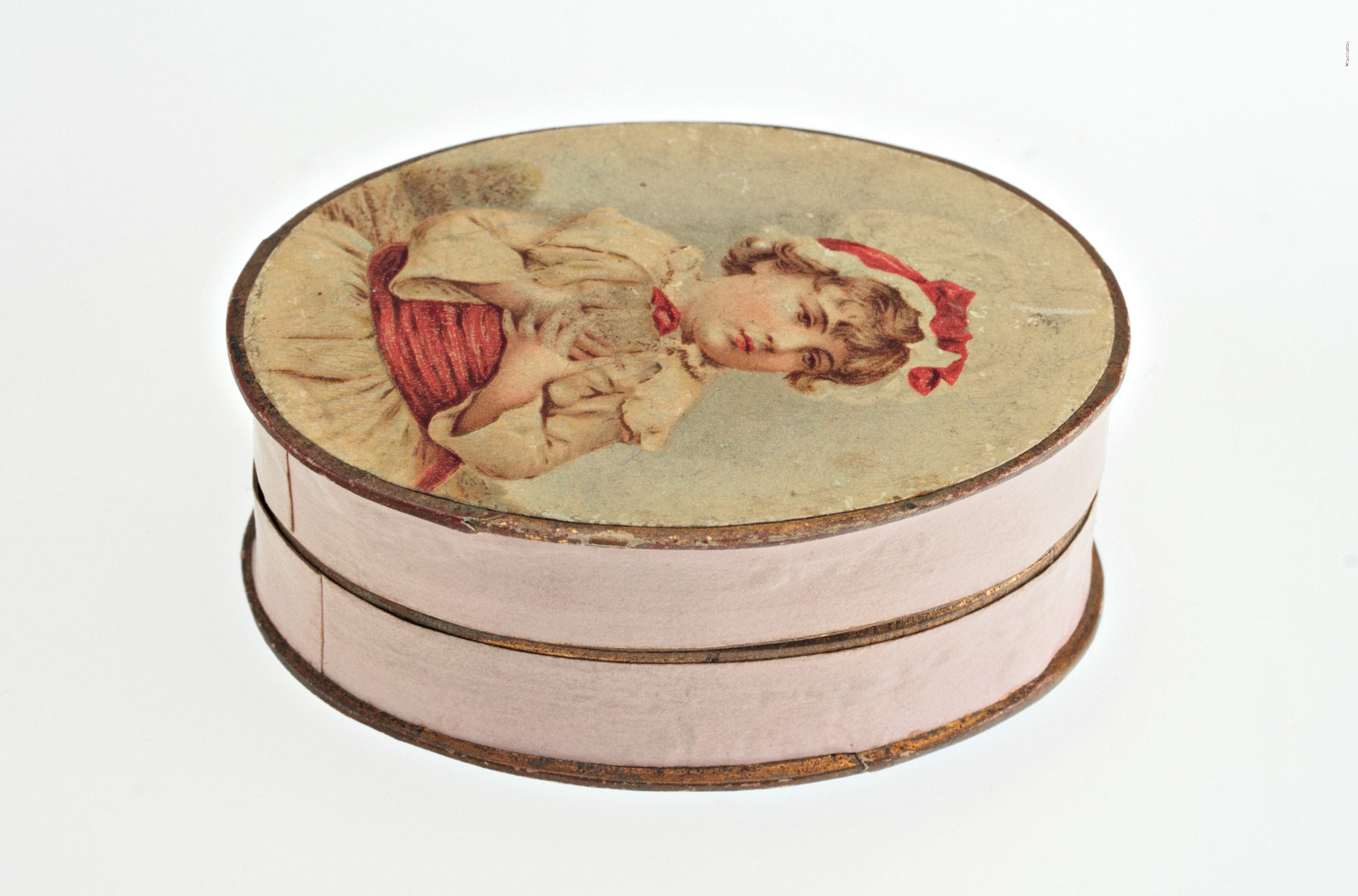
    A sampler of Cadbury chocolates, from about 1900. Photo: McCord Museum

    A small part of its operation was a five-story brick industrial building at 2025 rue Masson on the north edge of Montreal’s Plateau-Mont-Royal, solidly built and purposefully designed. Through much of the twentieth century the factory hummed along as a genuine anchor of the community, employing five hundred workers and producing candy bars by the millions: Caramilk, Dairy Milk, Crunchie. The building was part of the community fabric. The English company itself went through several corporate takeovers and transformations, but these changes had little effect on the rue Masson operation. That was to change abruptly.
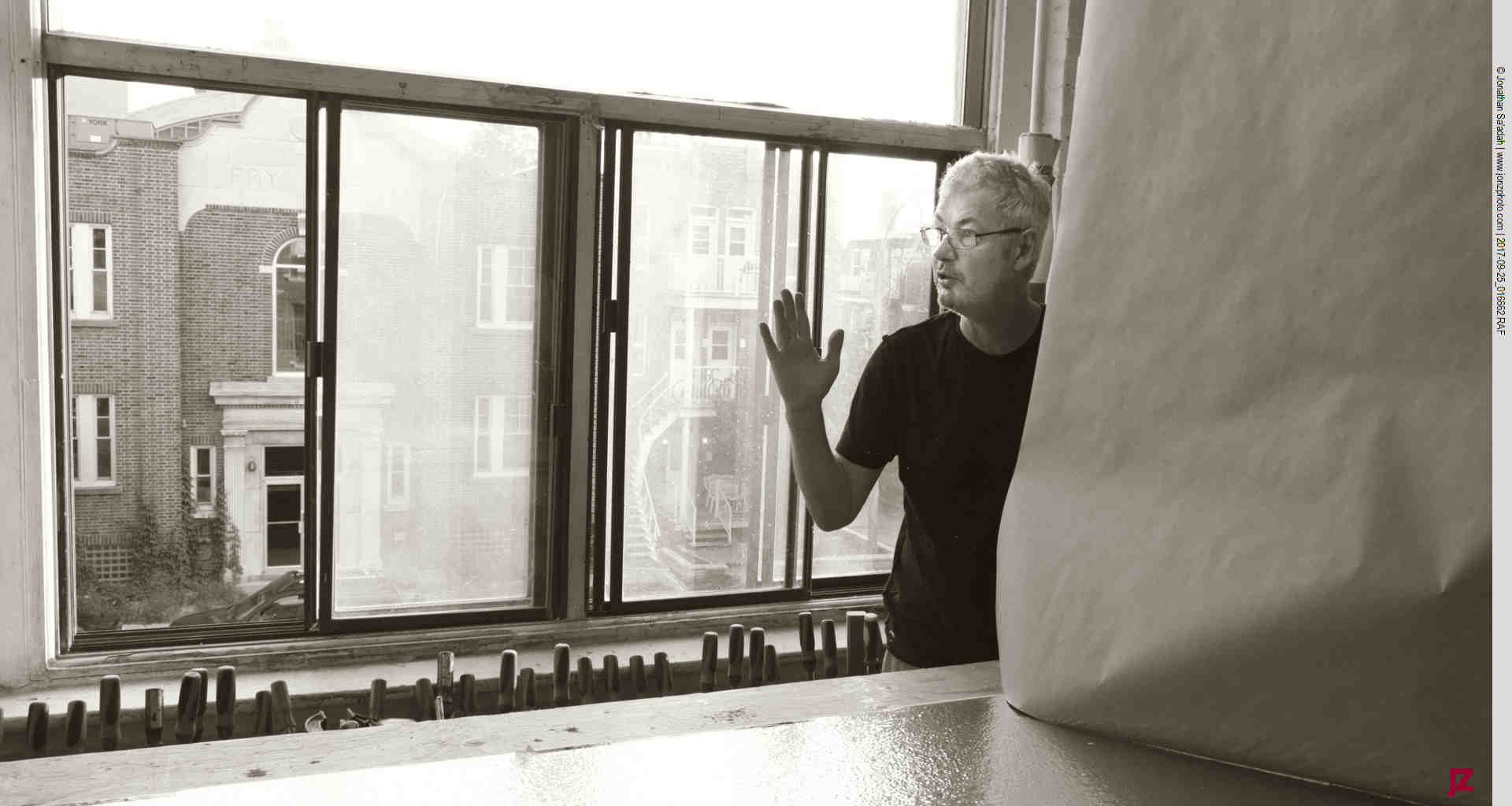
    Fellow Cadbury tenant Gildas Berthelot working in his studio. I did a book about his unique wooden creations link.

    The 1978 Closure and Its Political Storm

    On Thursday evening, November 16, 1978, the Cadbury plant on rue Masson abruptly closed its doors. The company’s stated reason was economic: demand for chocolate bars had declined, and its Whitby, Ontario plant – east of Toronto – was more efficient. Consolidating production there simply made more financial sense, management claimed.
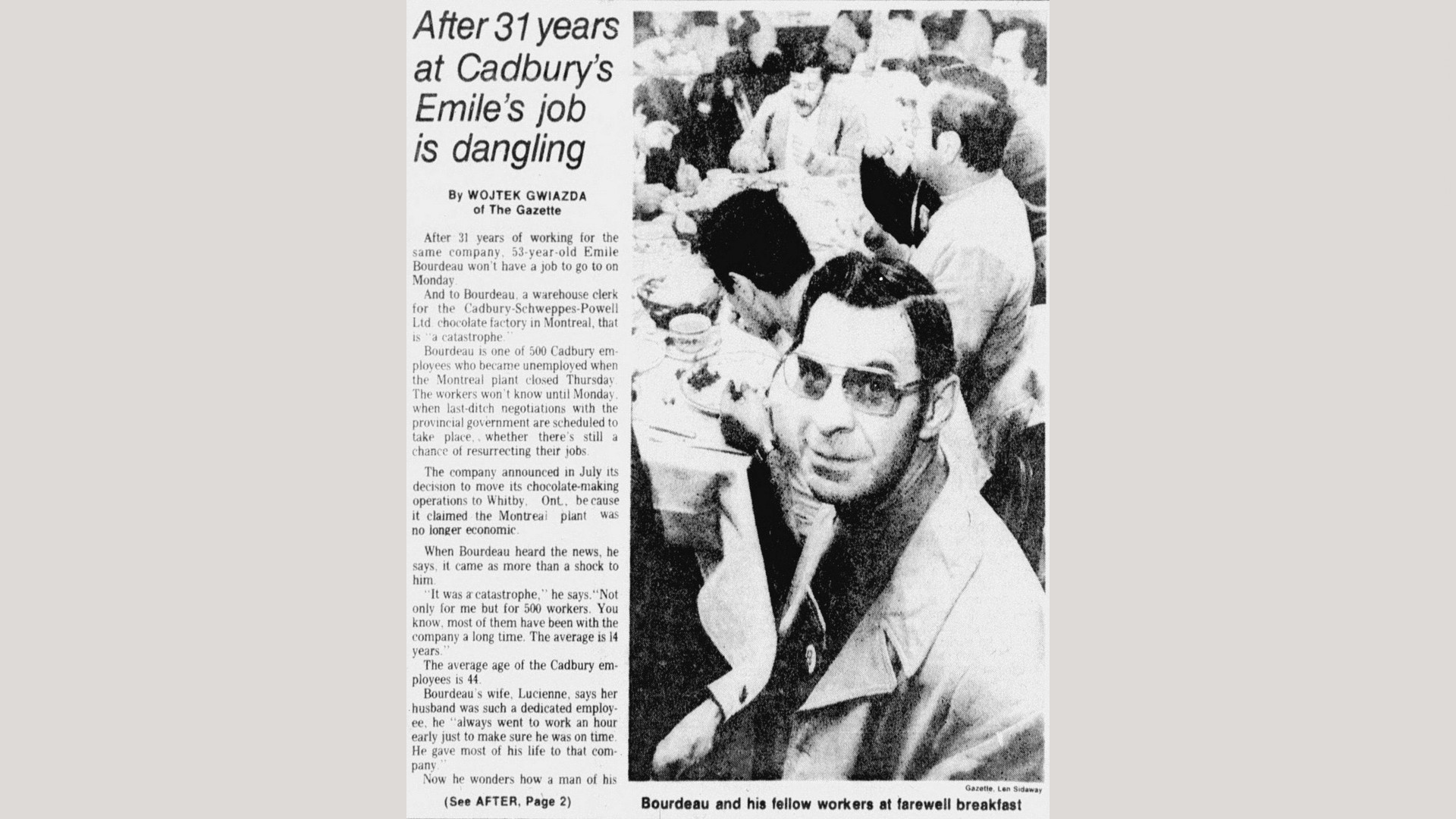
    Front page article from the Montreal Gazette, November 17, 1978.

    Five Hundred People Lost Their Jobs

    The timing was explosive. The closure came almost exactly two years after the election of the Parti Québécois (PQ) under René Lévesque on November 15, 1976 – the vote that had upended the political order in Quebec and stoked deep anxieties about sovereignty among English-Canadian and British-linked businesses. In that charged atmosphere, the Cadbury closure landed like a provocation. It arrived the very same week that Sun Life Assurance announced it was moving five hundred jobs from Montreal to Toronto – part of a broader corporate exodus in which approximately a hundred fifty corporate headquarters departed Montreal in the years following the PQ election.

    Many Quebecers did not believe the economic rationale. Cadbury stoked the fight as well. After announcing the closure and the elimination of five hundred jobs, it invited workers to a “closure celebration” at the Queen Elizabeth Hotel in downtown Montreal. The gesture was received as precisely what it was meant to be: an in-your-face insult.

    In Quebec a public campaign started to shut down sales of Cadbury products. It was not a fringe effort. The campaign drew support from two hundred fifty organizations across the province: political parties, unions, and community groups joined forces to pull Cadbury products off grocery lists.

    And it worked. Retailers across Quebec reported a measurable impact on Cadbury sales. The Cadbury closure became a lasting symbol to the Quebec labour movement, showing Quebec workers how they were “at the mercy of both governments and employers” – a phrase that captured the sense of vulnerability felt by working people caught between distant boardrooms and political upheaval.
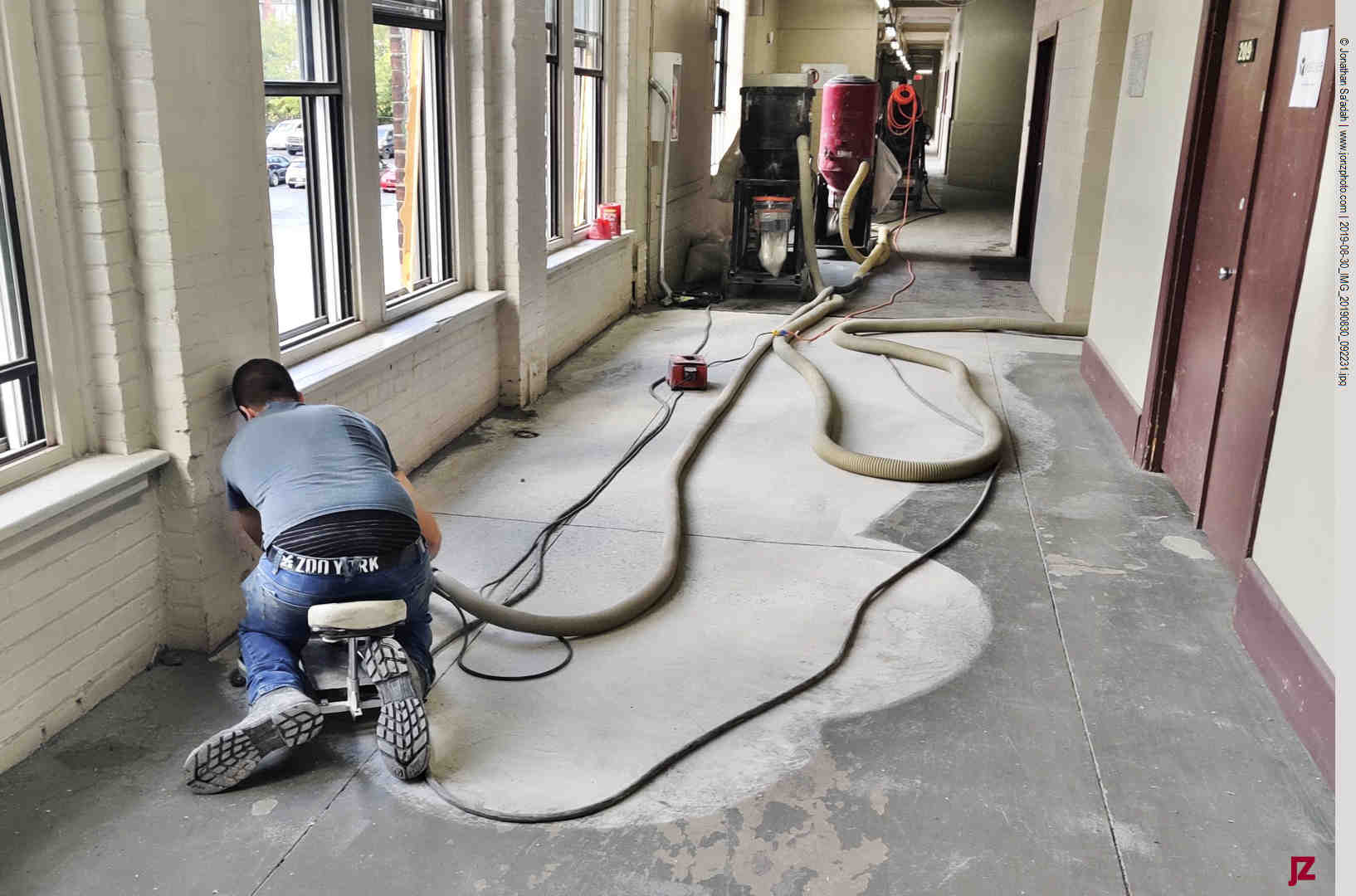
    We knew the end of our tenancy was near when the new owners started “polishing” the concrete floors. They were well worn for good reason: it was possible to easily sled heavy objects down the corridor and onto the freight elevator (at the end of the hallway).

    We Move On

    Cadbury is still in Toronto, though it’s part now of some global snack conglomerate (US) whose name means nothing to most people (Mondelez International). But the rue Masson factory which we experienced is still there – now known as Les Lofts Cadbury – a heritage industrial building converted into artist studios, offices, and flexible workspaces. The name remains, even after the chocolate is long gone. Where workers once wrapped Caramilk, commercial tenants now tend to their work in small chopped-up spaces taken from the original factory workfloors.
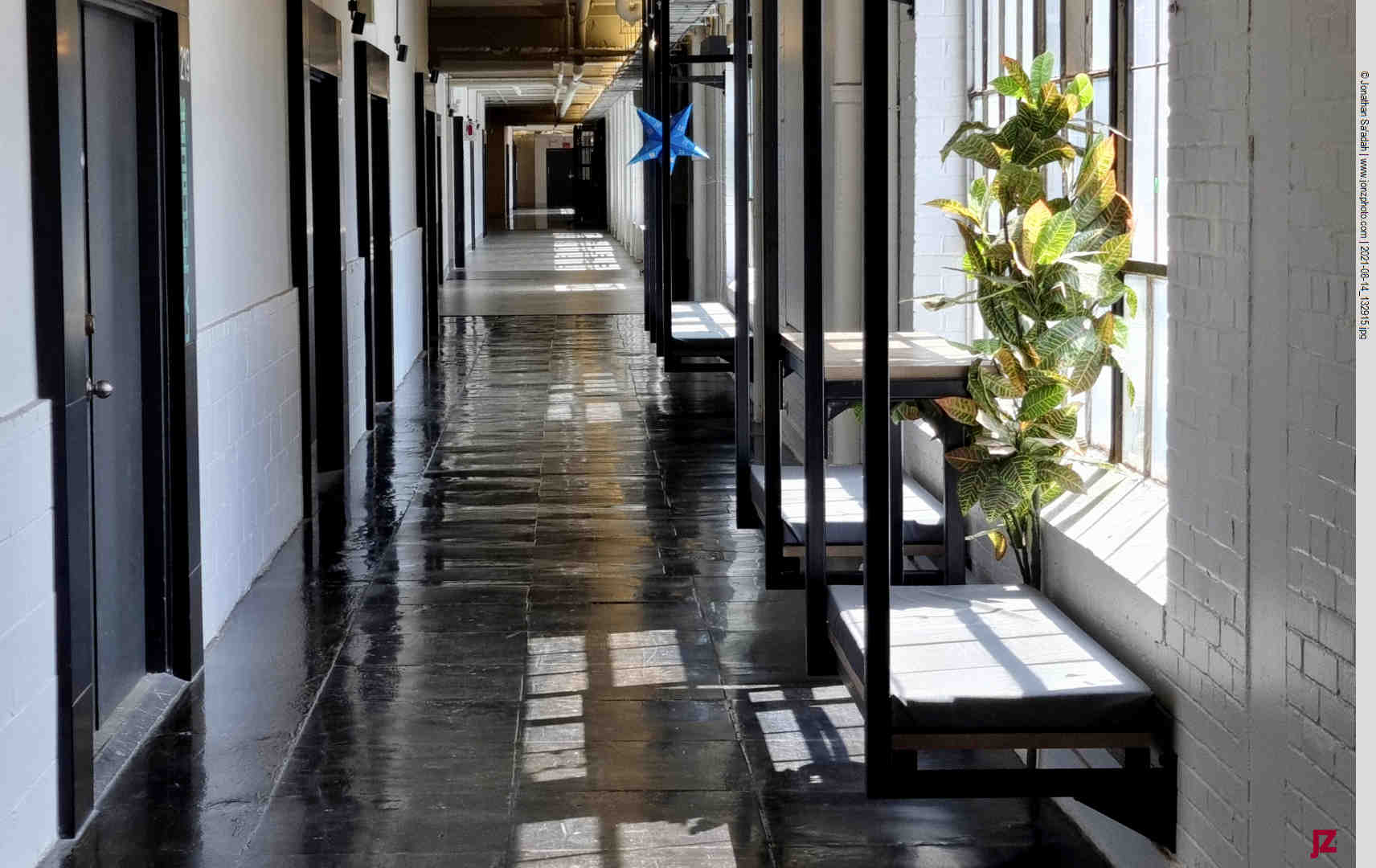
    After the floors were “polished” by the new owners they were painted black, more as a statement of style rather than of practicality. The benches were an attempt at sophisticated leisure, as was the sickly croton.

    We were a small part of that story. We moved in when the building still offered rough spaces in a questionable neighborhood. During the sixteen years that we rented the surrounding area morphed from shabby declining industrial character to mildly trendy. A street café opened nearby selling expensive avacado sandwiches then near the end of our stay a commercial property investor bought the building from the seedy, cash-under-the-table owner we had known. Huge grinding machines were brought in to polish the concrete floors, which were then painted black. The front office changed from mostly somnambulists to fashion-forward techies. In the hallways small sitting areas were built encouraging one to pause and drink a cappuccino (no, I never saw anyone using them). Rents were also increasing dramatically each year. It was time for us to move on, and we did.
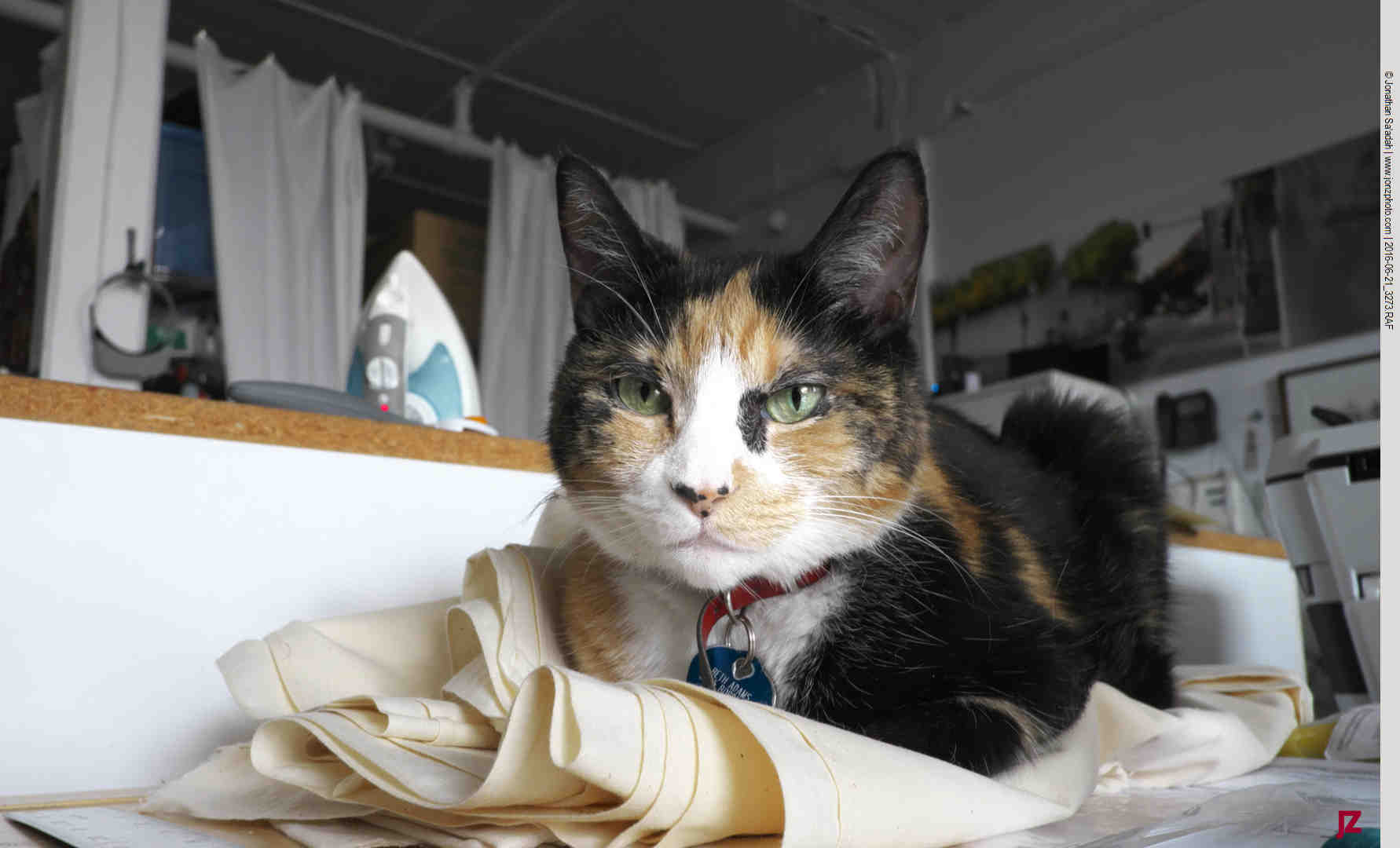
    Manon always kept close tabs on us while we worked.
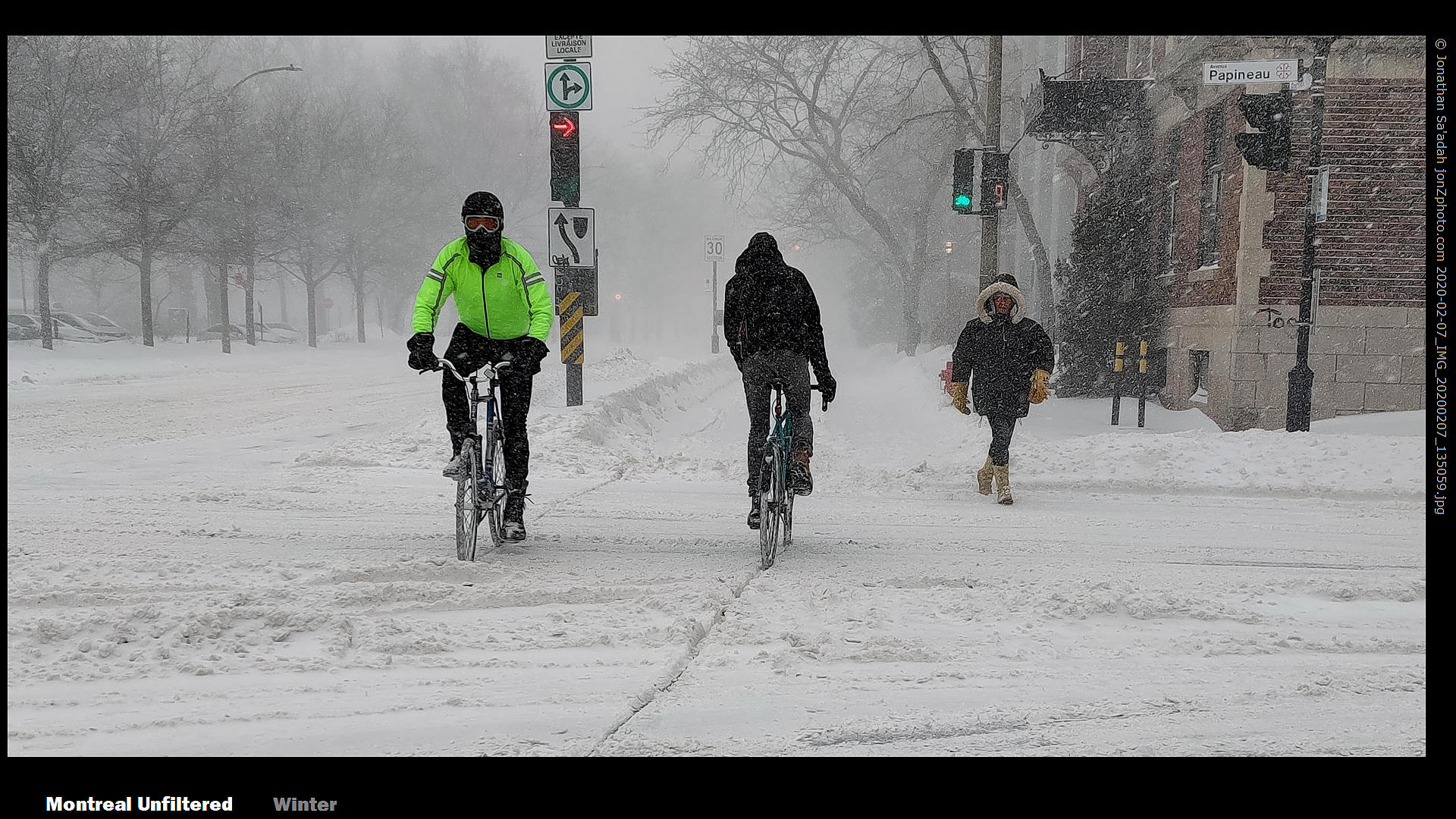
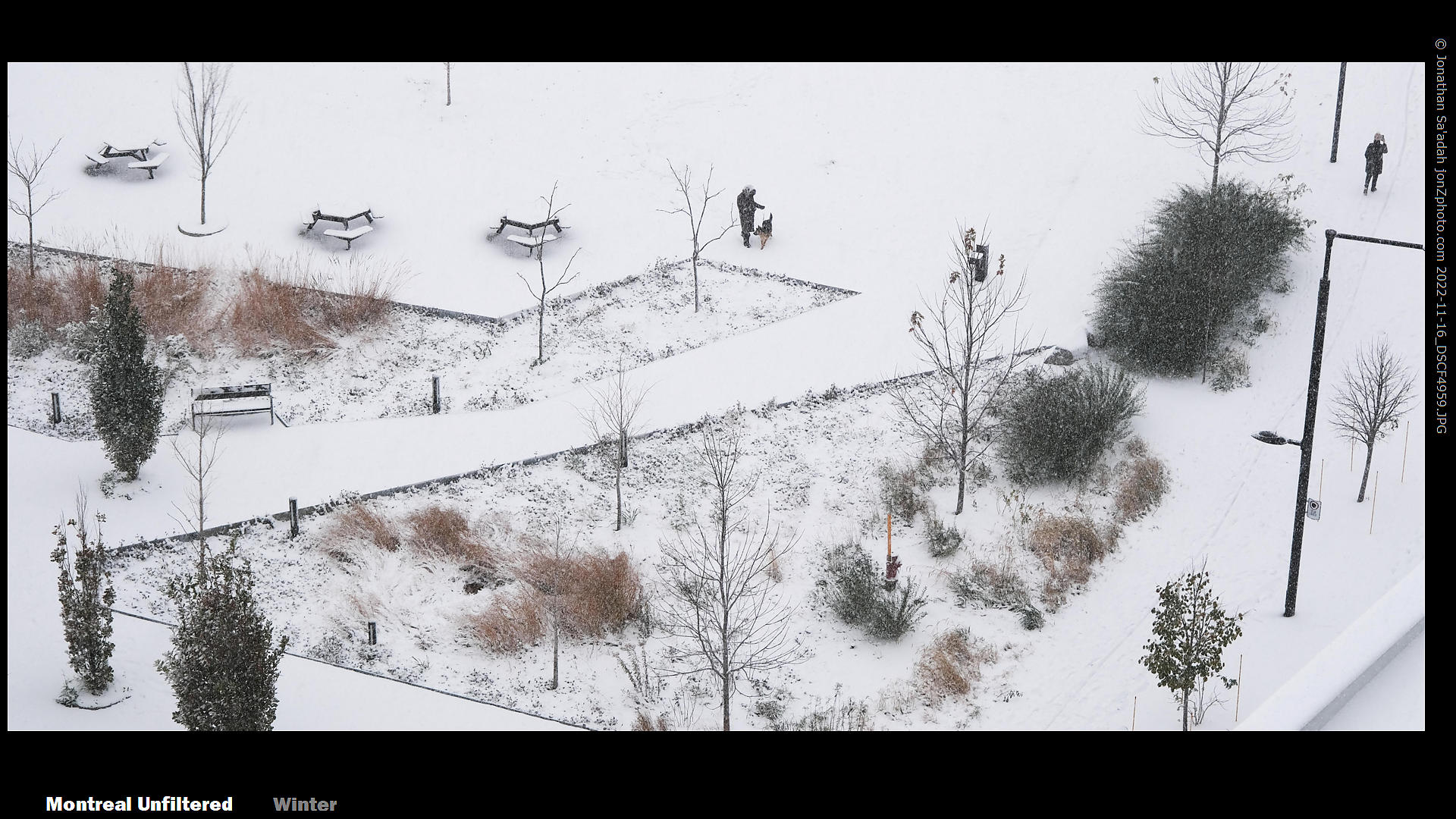
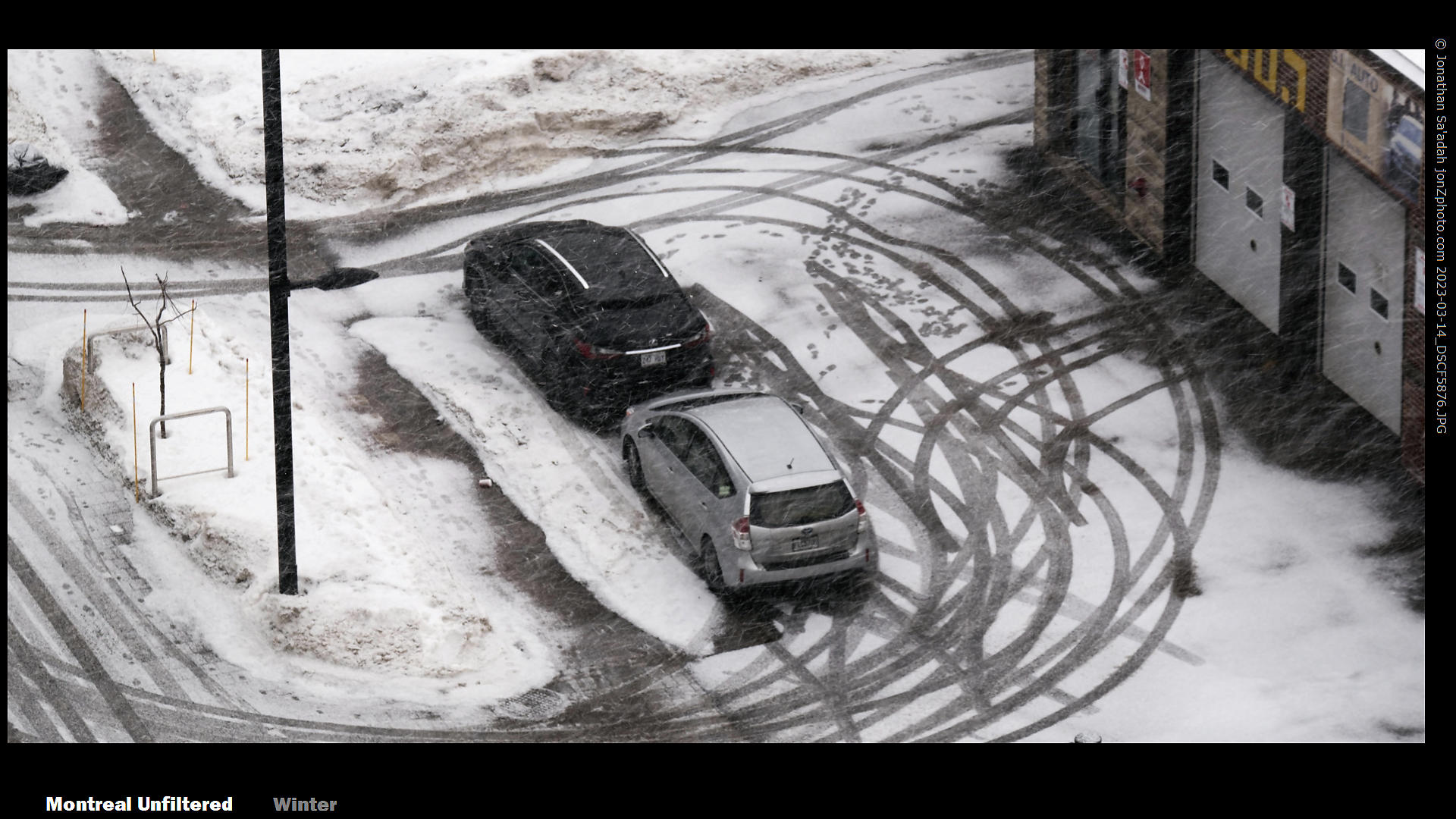
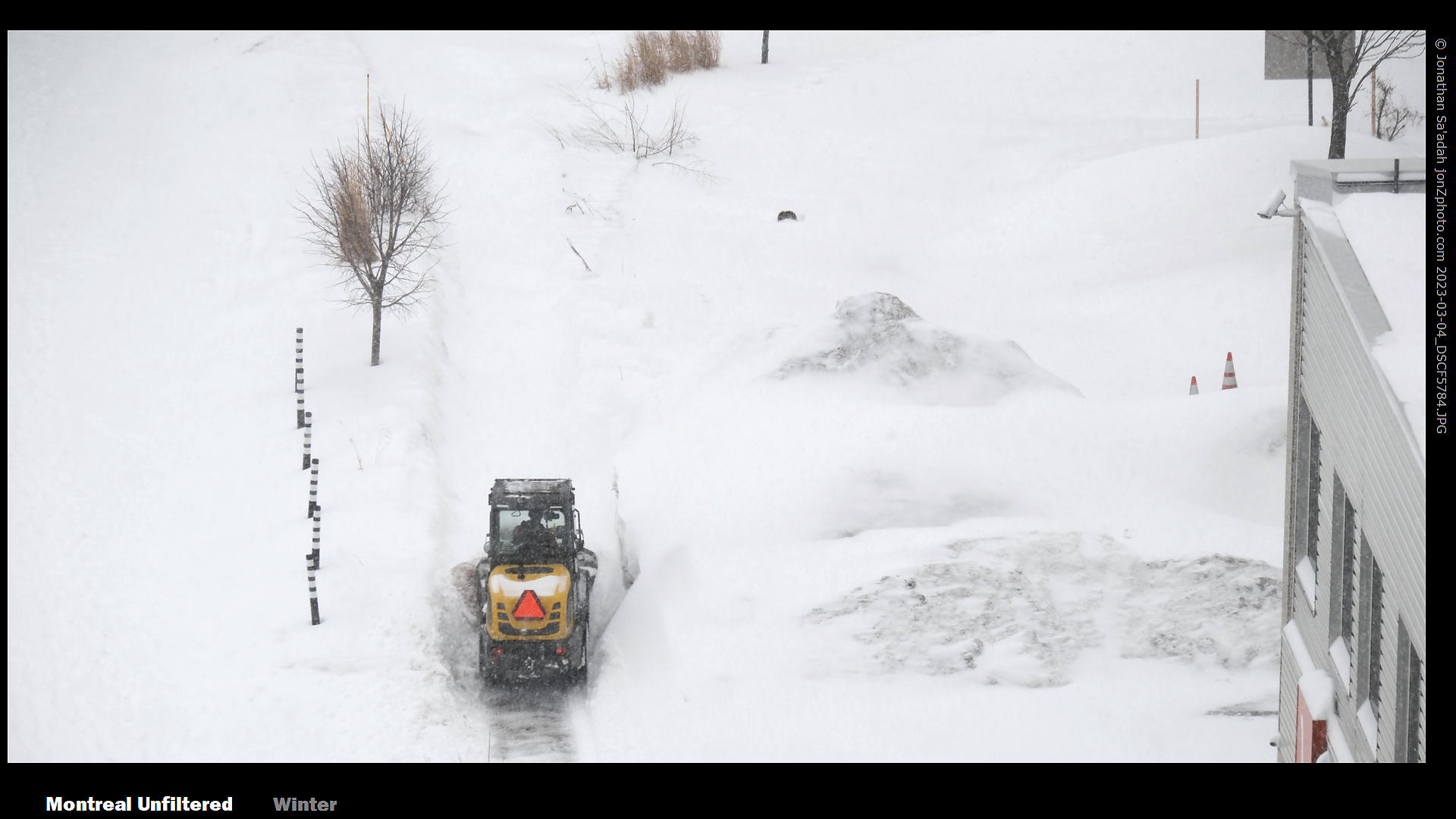
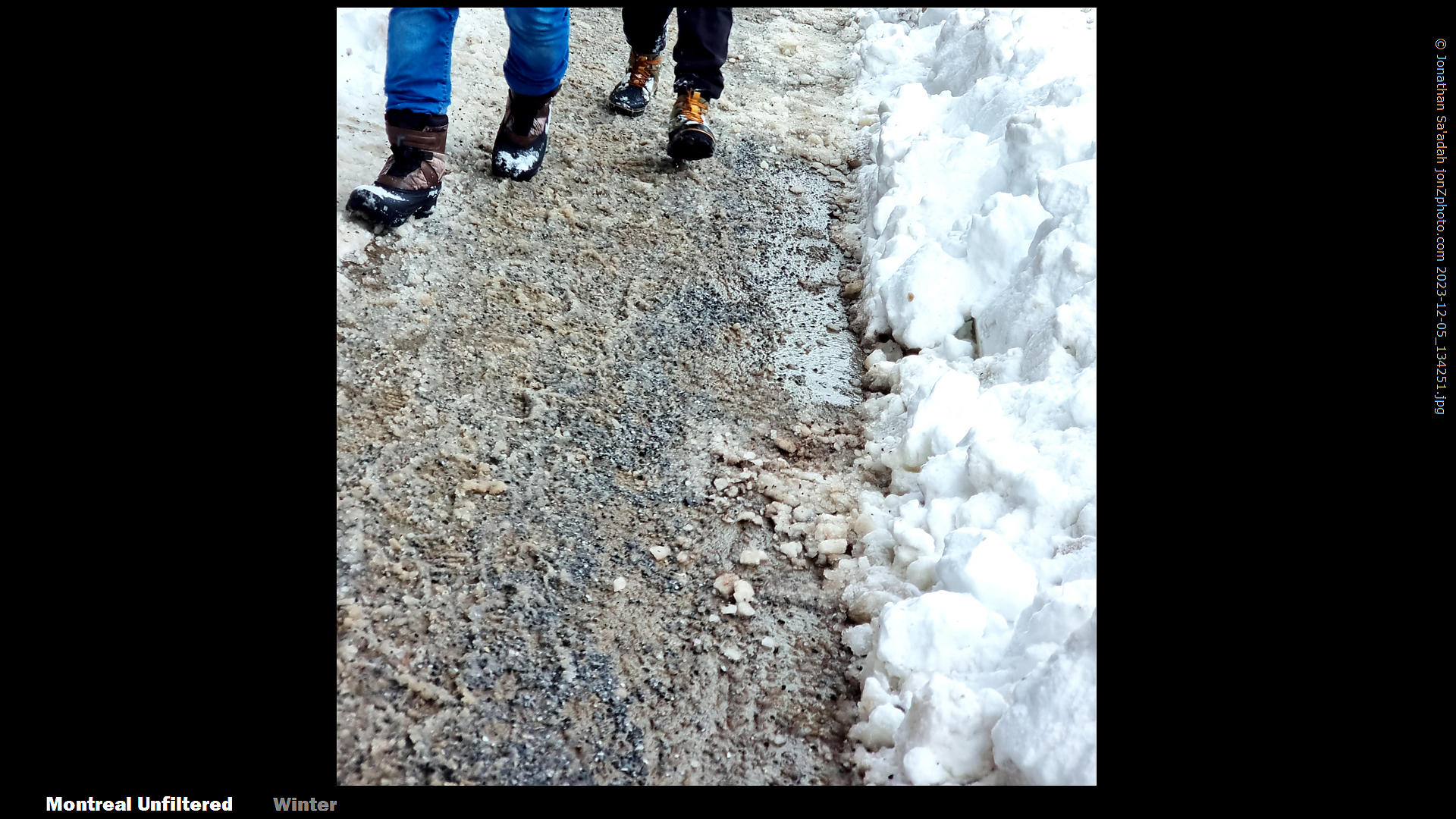
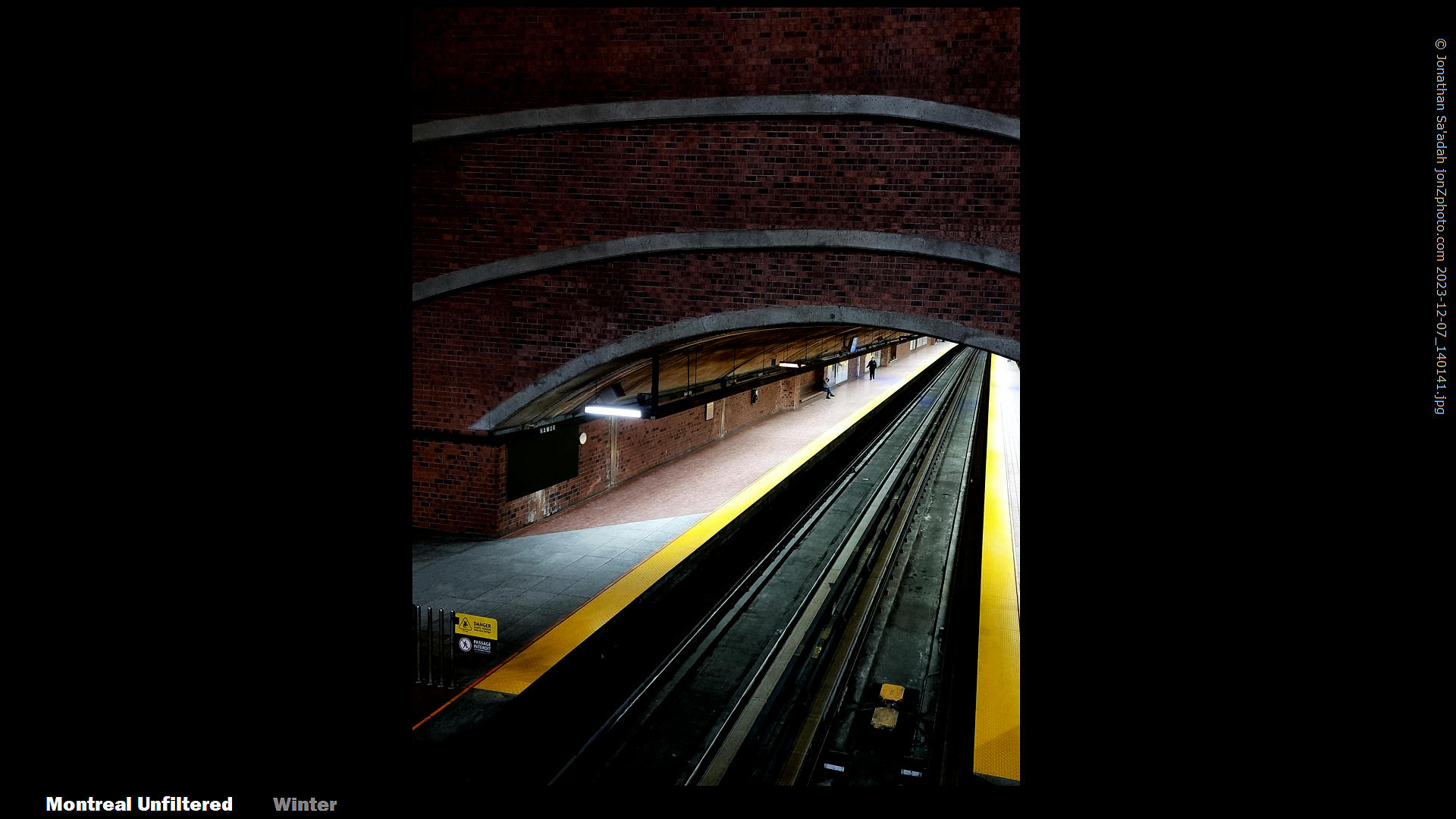
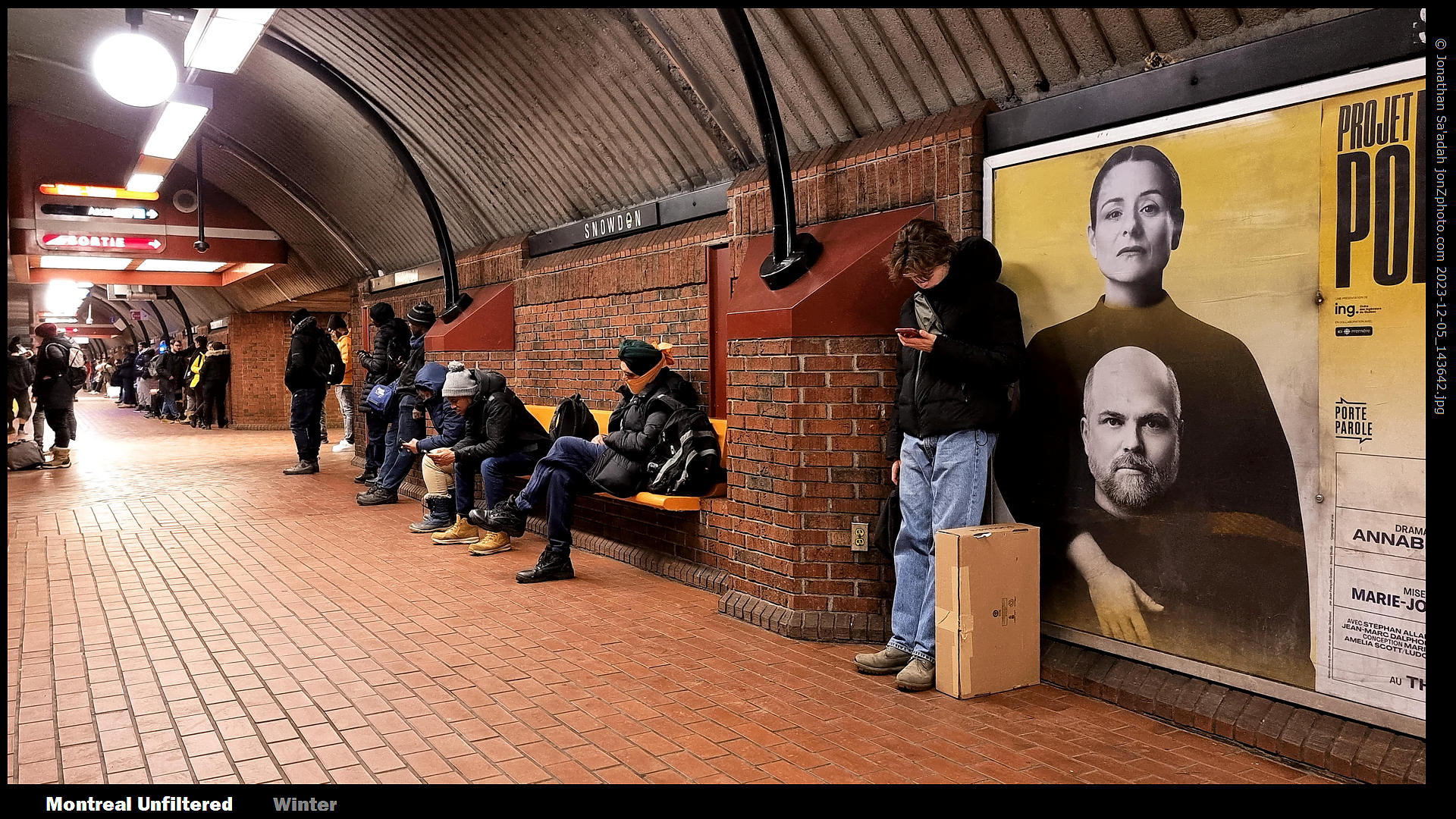
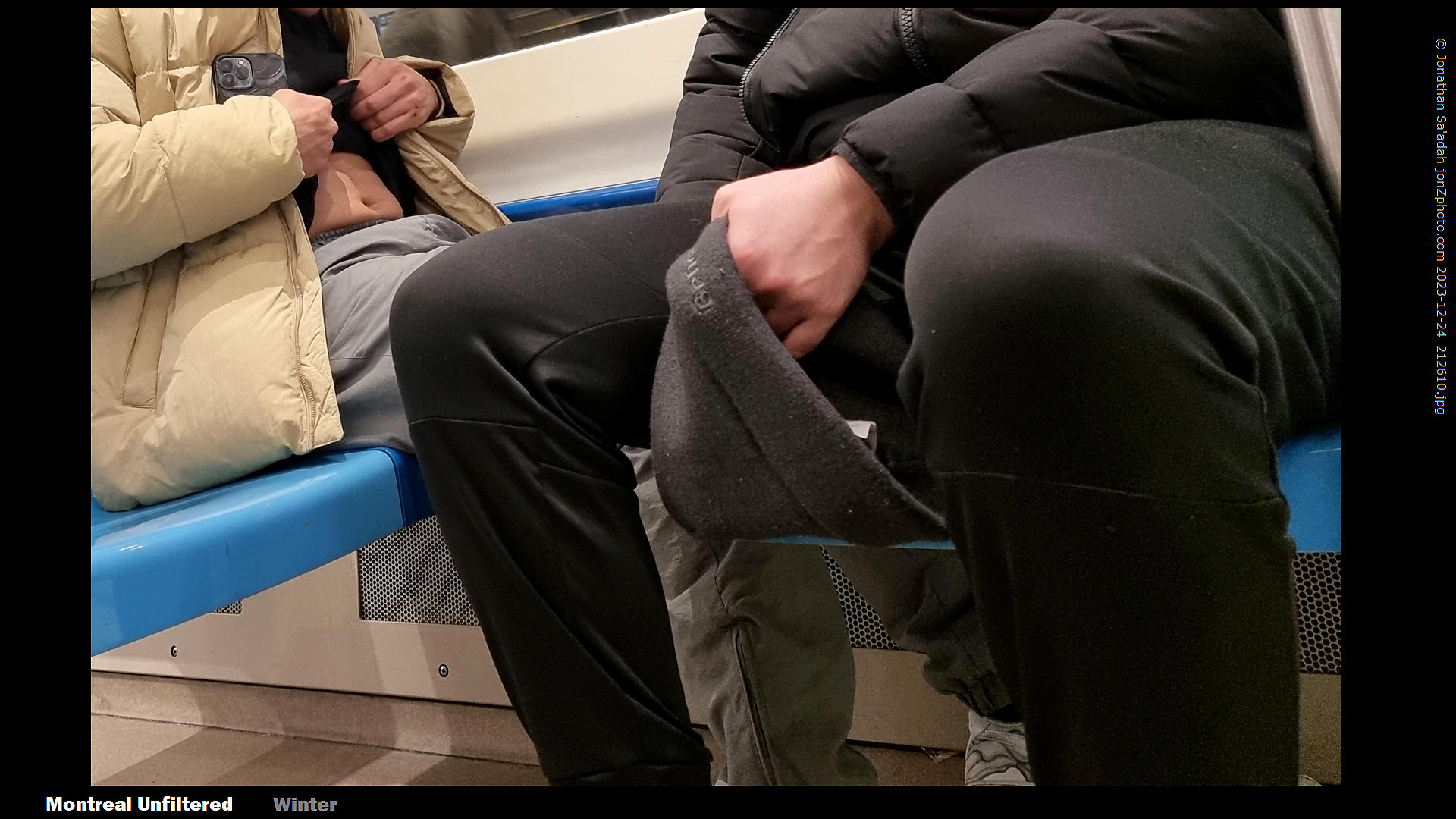
  • Montreal Unfiltered | Winter

    Montreal Unfiltered | Winter

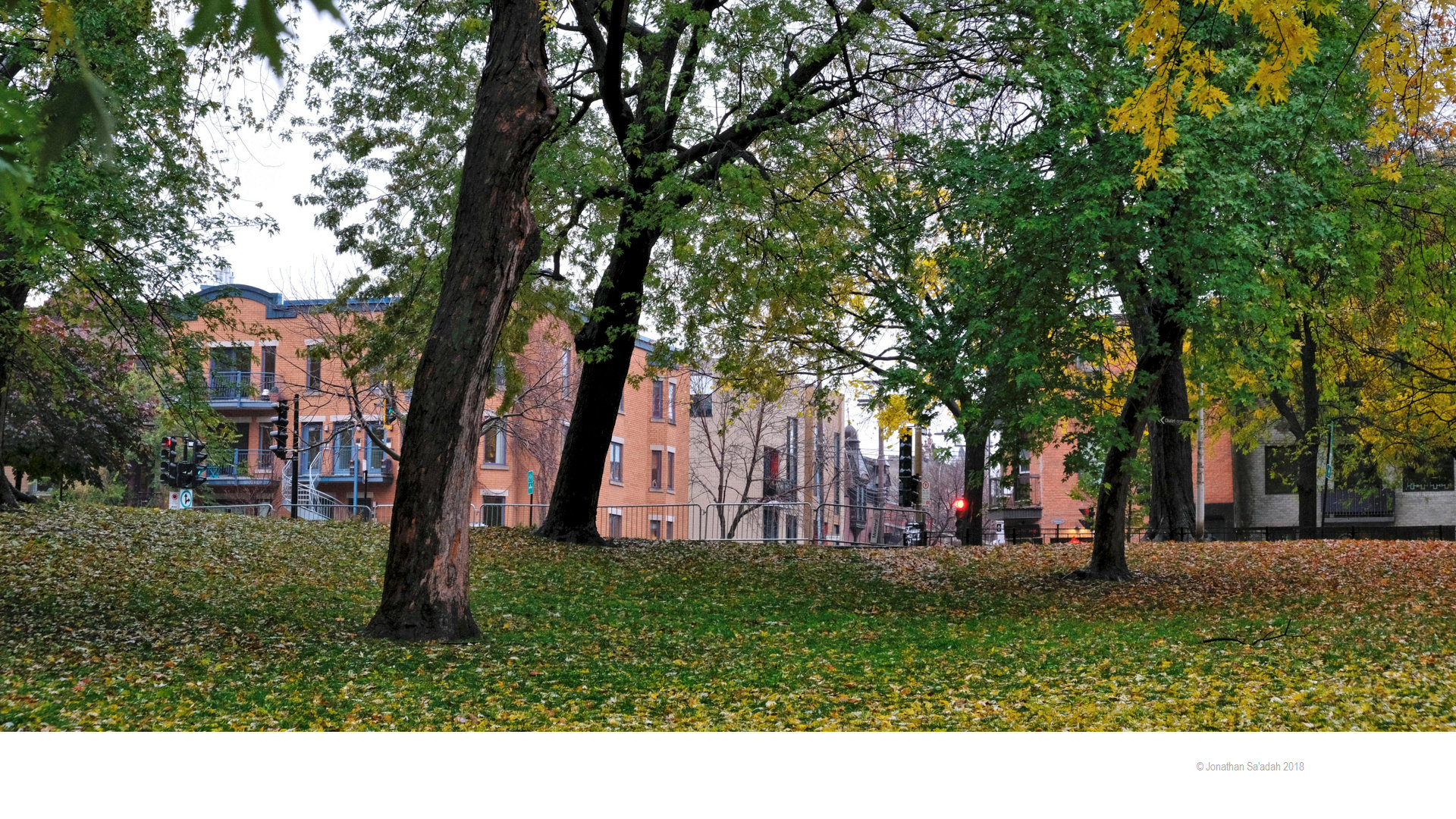
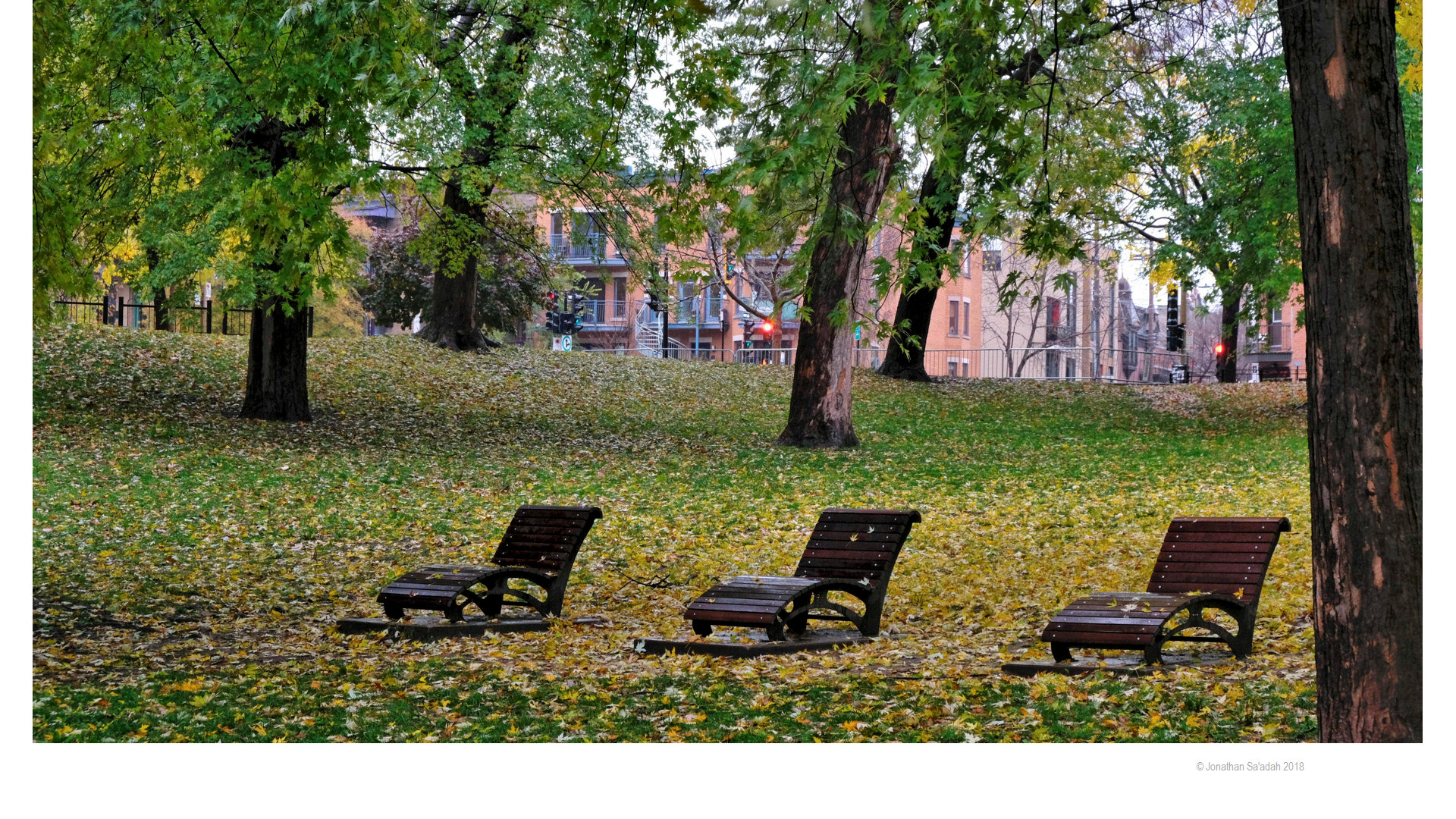
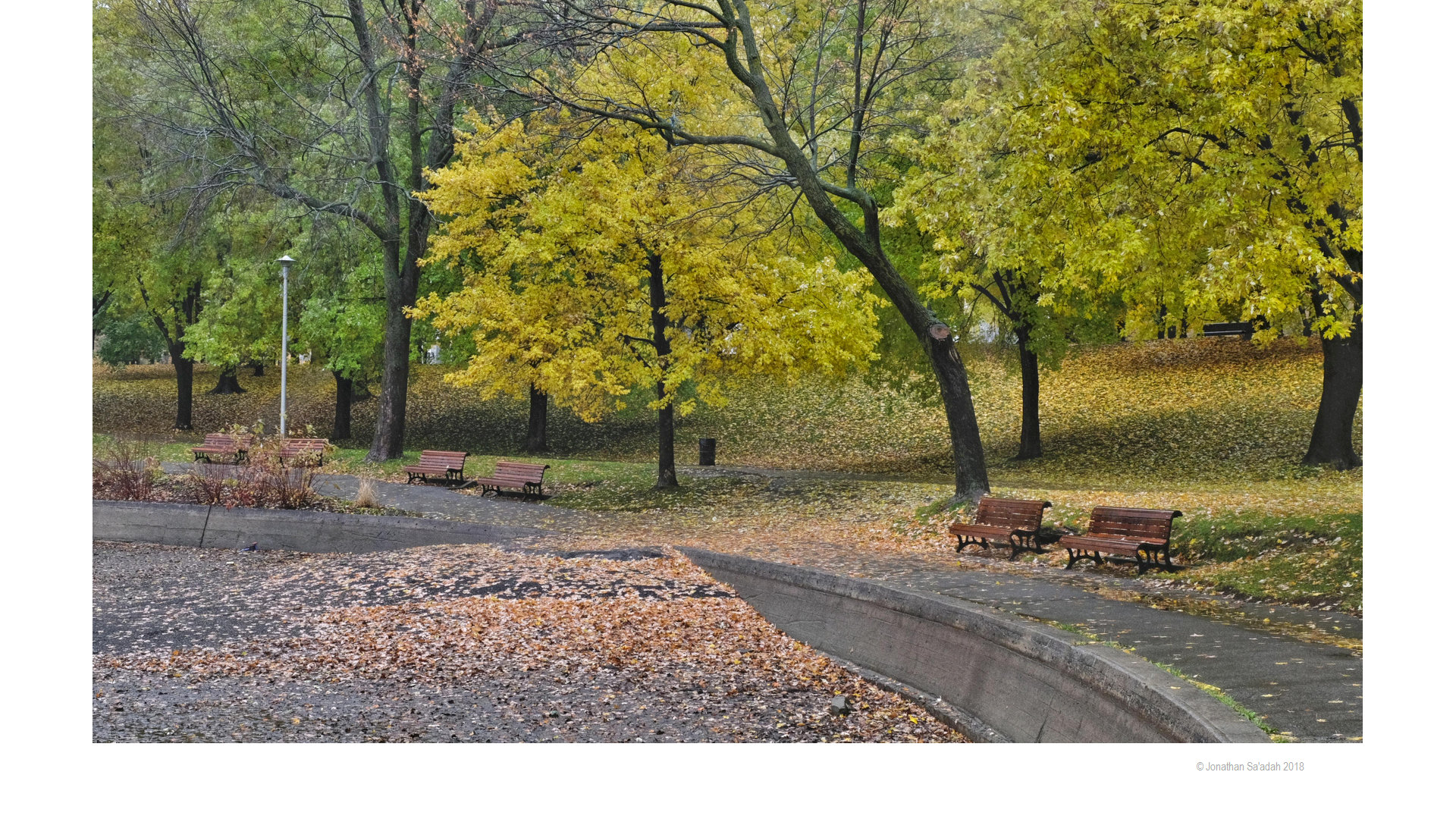
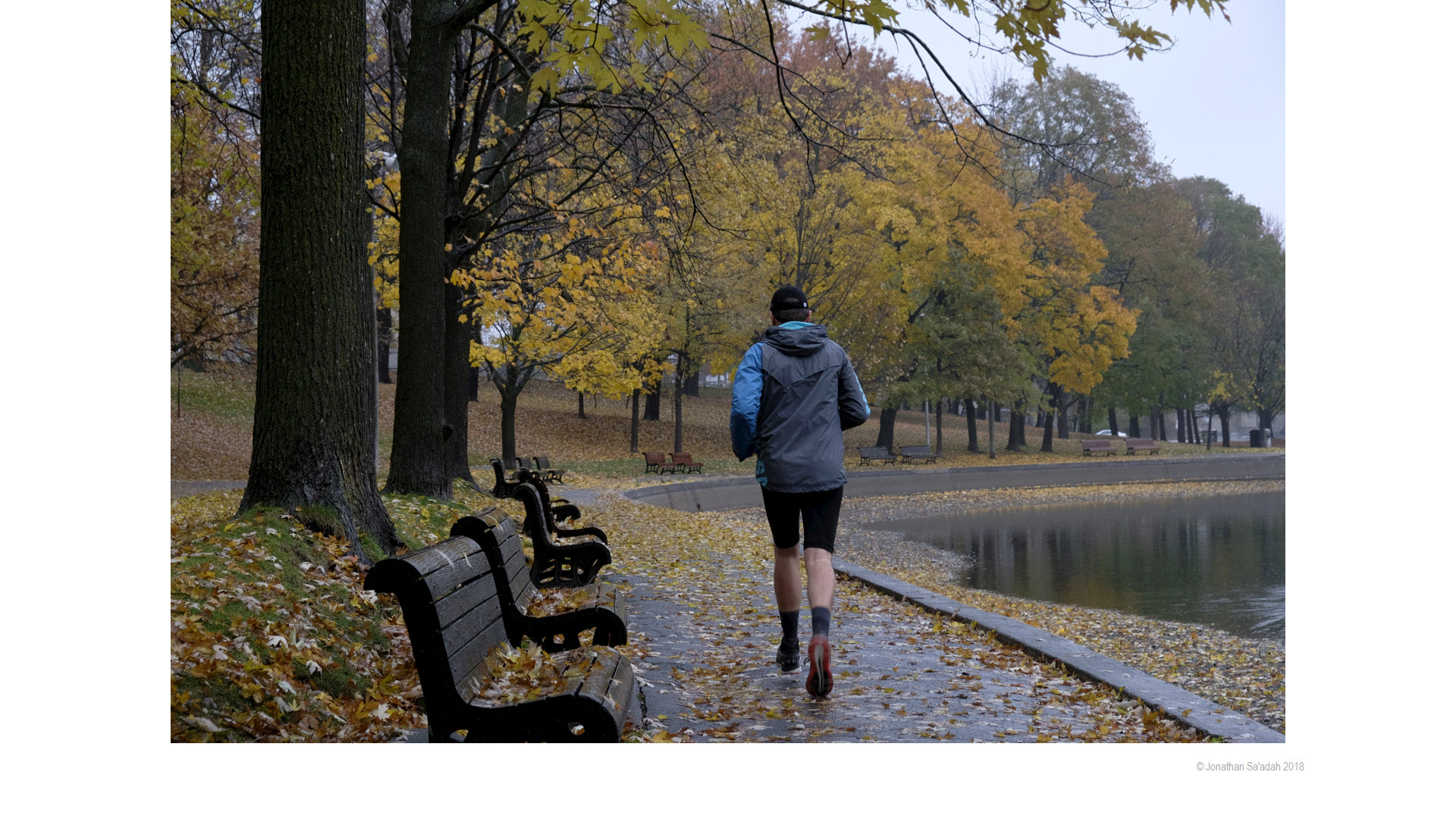
  • Fall in Montreal

  • Michael Pitts

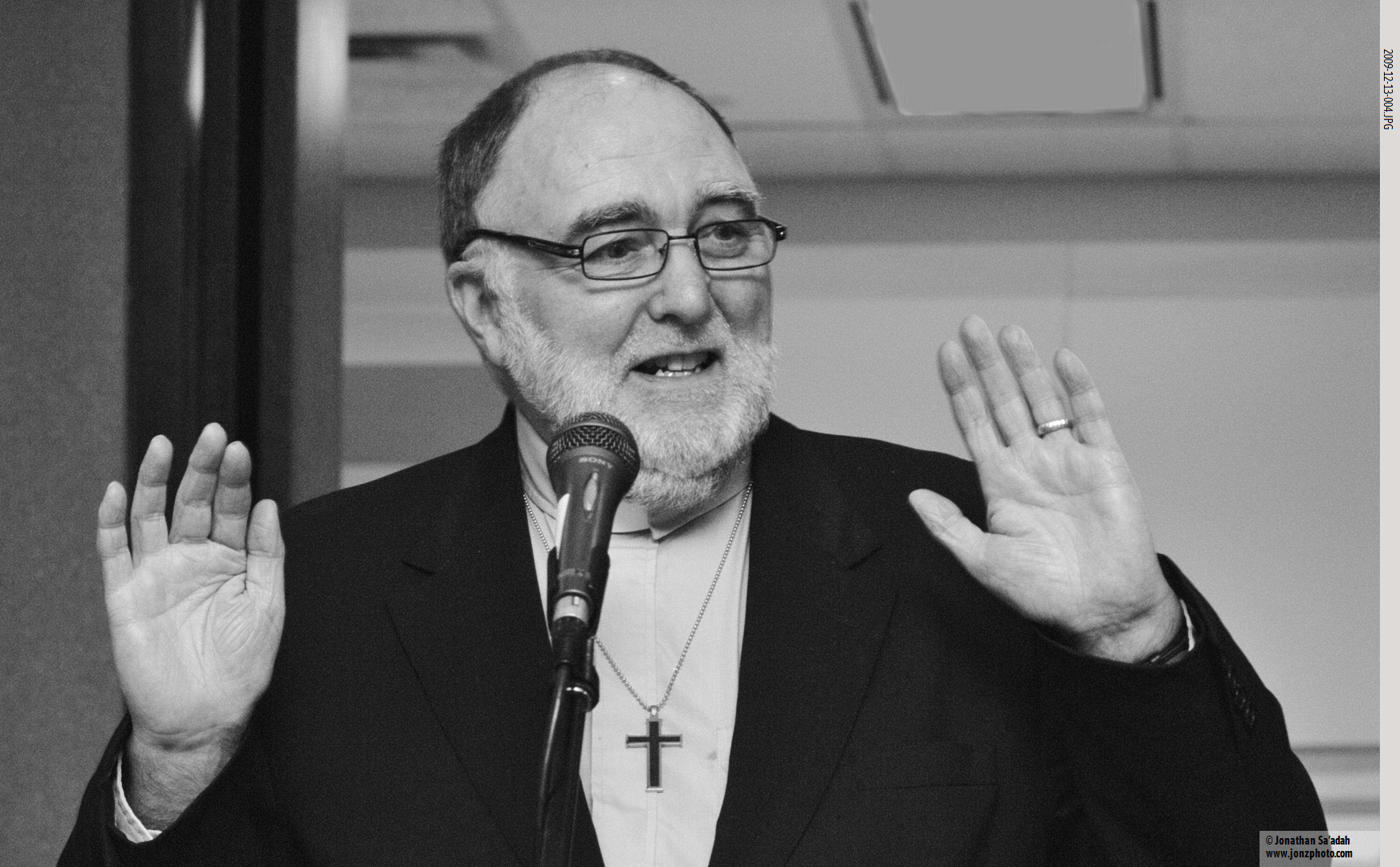
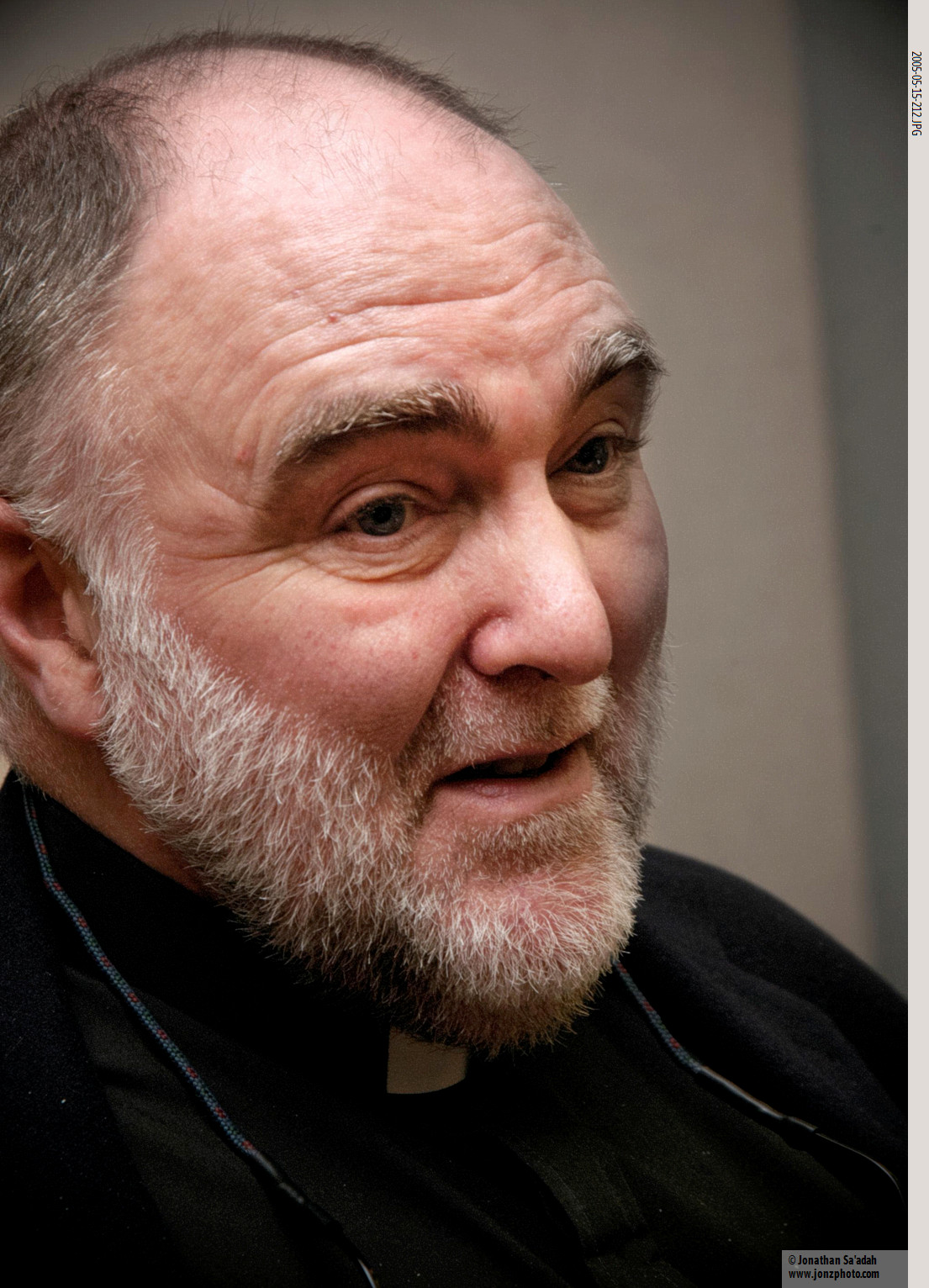
    Michael Pitts Dean of Christ Church Cathedral, Montreal, 1991-2009.
    A Dean Who Changed Our Lives: Remembering Michael Pitts

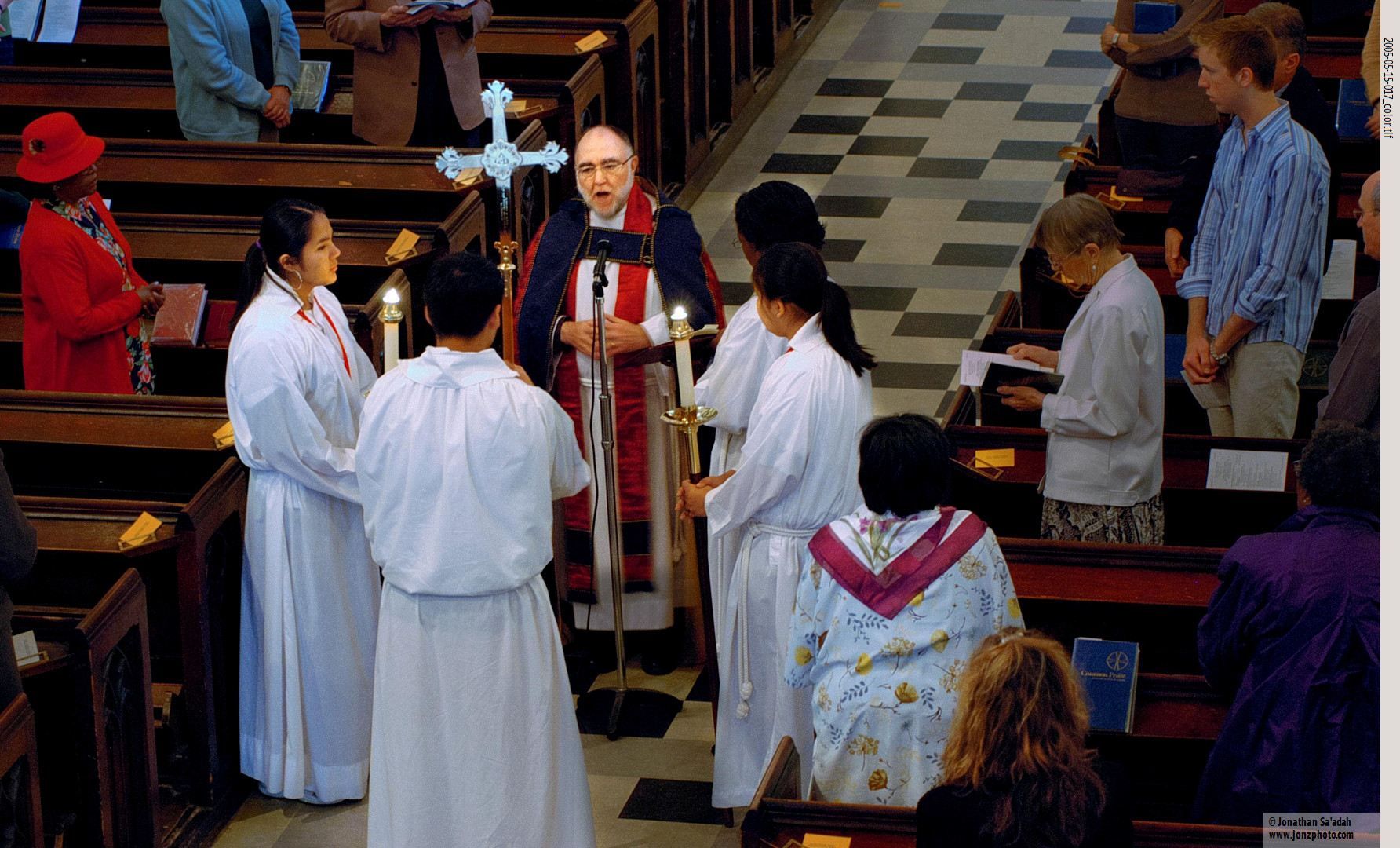
    On Sunday morning as I sit in the familiar wooden pew of Christ Church Cathedral during the Sunday mass, listening to the announcement of his death, I can’t help but think of the man who shaped this sacred space for so many of us over eighteen transformative years. The Very Reverend Michael J. Pitts served as our Dean from 1991 to 2009, but to simply list those dates feels inadequate – almost insulting – to capture what this remarkable man meant to our cathedral community.

    When Michael first arrived in Montreal from England in 1988, eventually taking on the deanship in 1991, Christ Church Cathedral was at something of a crossroads. The Anglican Church was grappling with questions of identity, relevance, and inclusion that would define the next several decades. We needed more than just a competent administrator or a polished preacher – we needed a visionary, a pastor, and a bridge-builder. In Michael Pitts, we found all three.

    The Preacher and Teacher

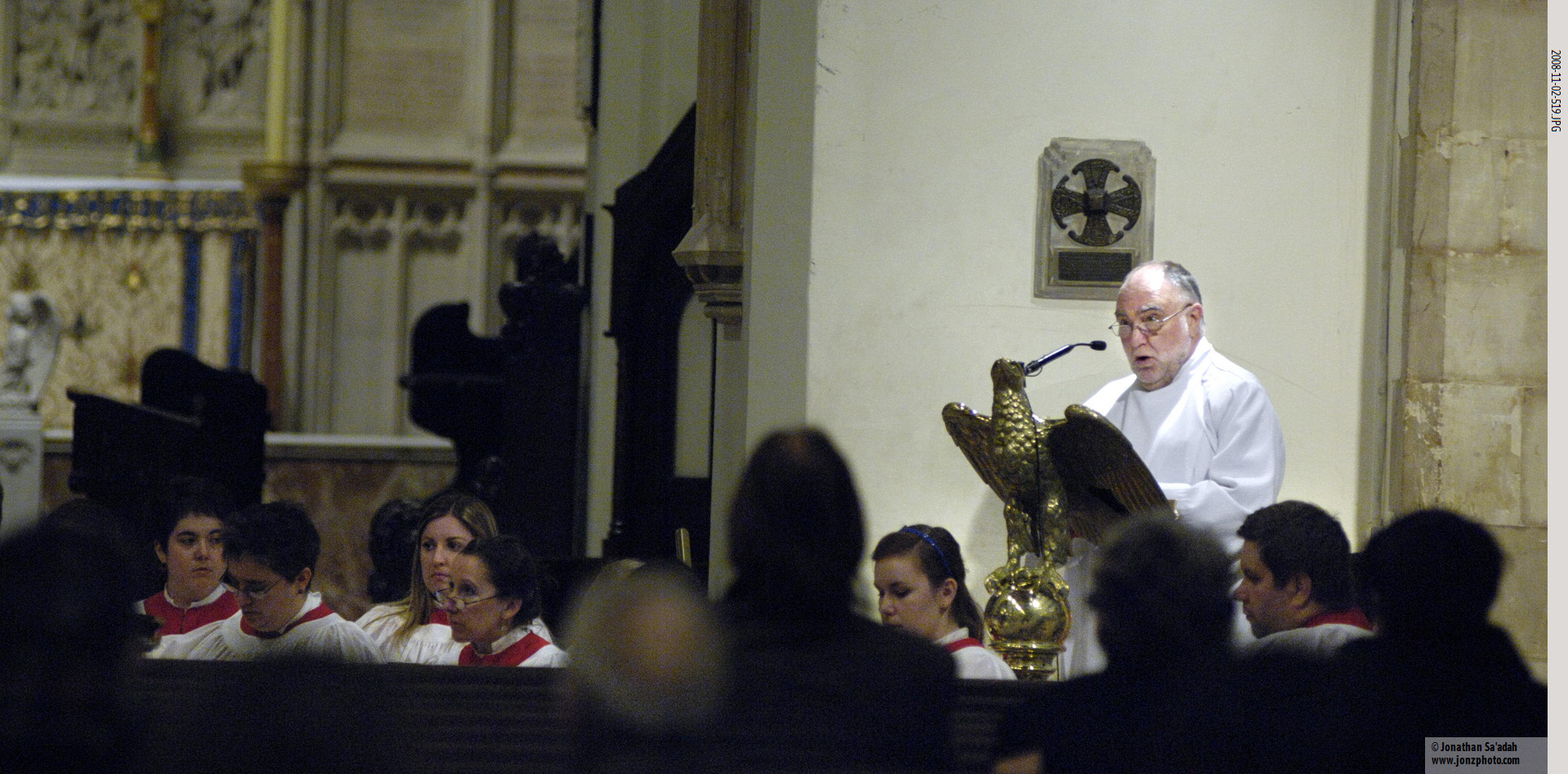
    Michael’s sermons were legendary among our congregation, and for good reason. Here was a man who had studied classics and ancient history at Oxford, trained at Queen’s College Birmingham, yet possessed the rare gift of making complex theological concepts accessible to everyone struggling with faith questions. His intellectual rigor never overshadowed his pastoral heart. Whether he was exploring the intersection of science and faith – a particular passion of his – or unpacking a difficult biblical passage, Michael had this remarkable ability to make you feel both challenged and comforted.

    A Champion of Justice

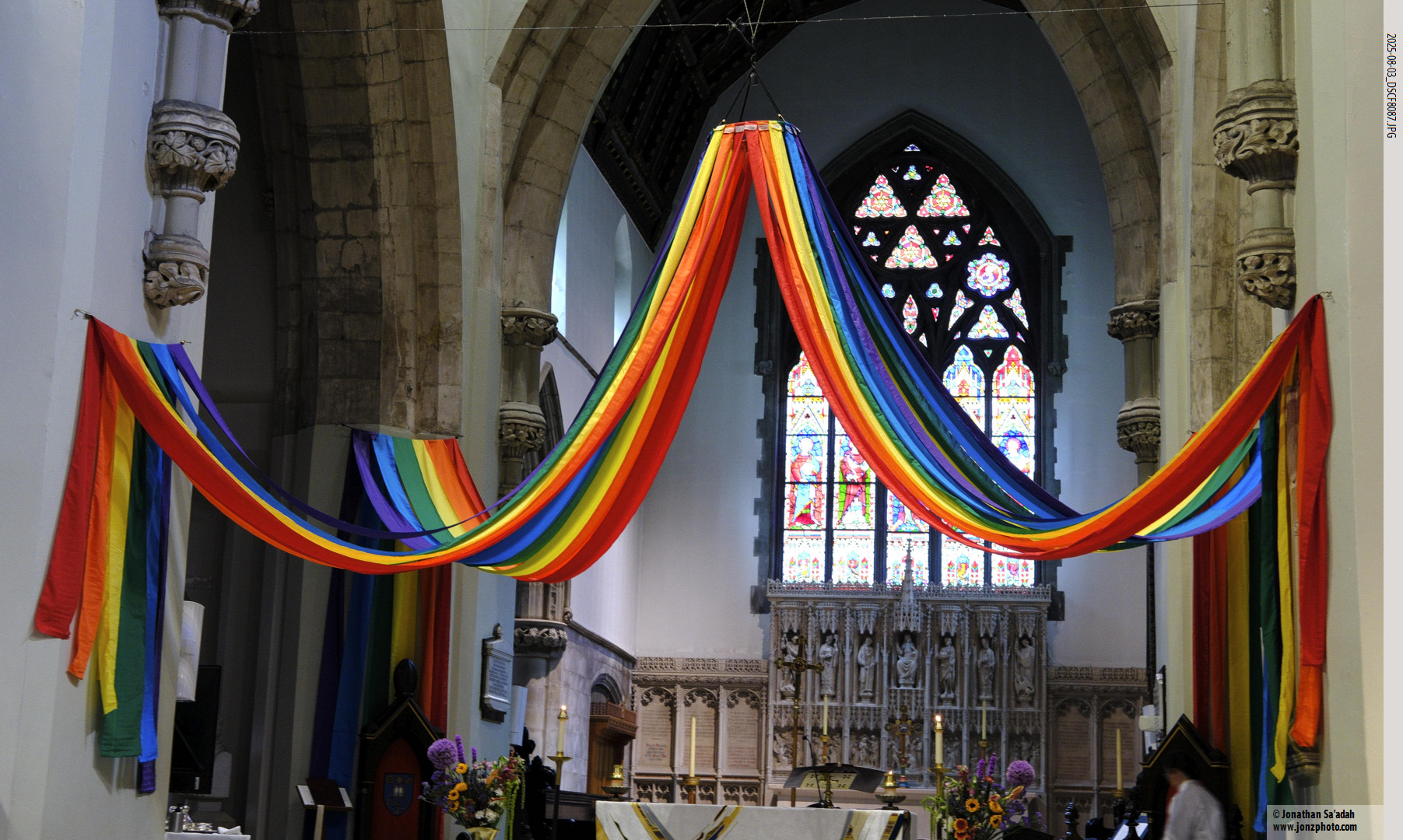
    Perhaps what I admired most about Michael was his courage in championing causes that weren’t always popular, even within our own Anglican community. His advocacy for the full inclusion of LGBTQ2S persons in church life and ministry wasn’t just a theological position for him – it was a moral imperative rooted in his understanding of the Gospel. This wasn’t easy in the 1990s and early 2000s, when these conversations were tearing apart Anglican communities worldwide.

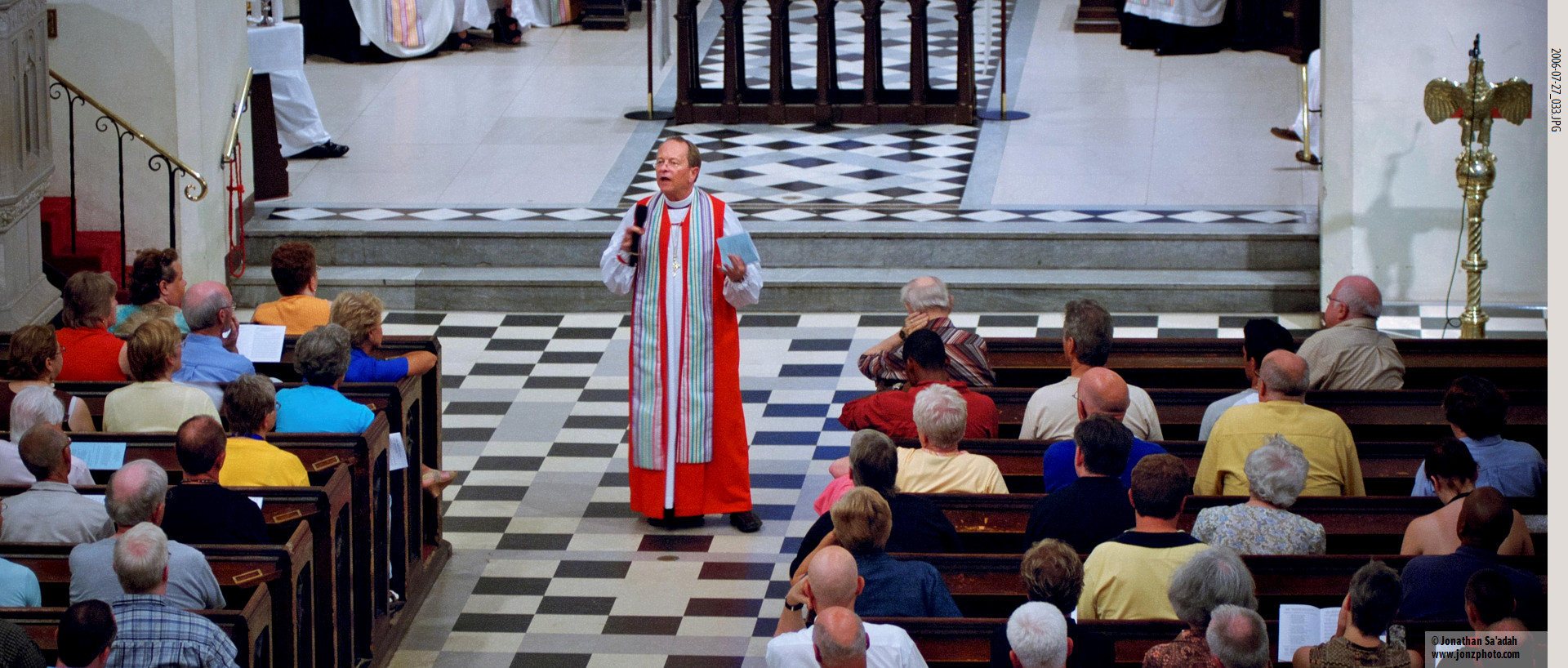
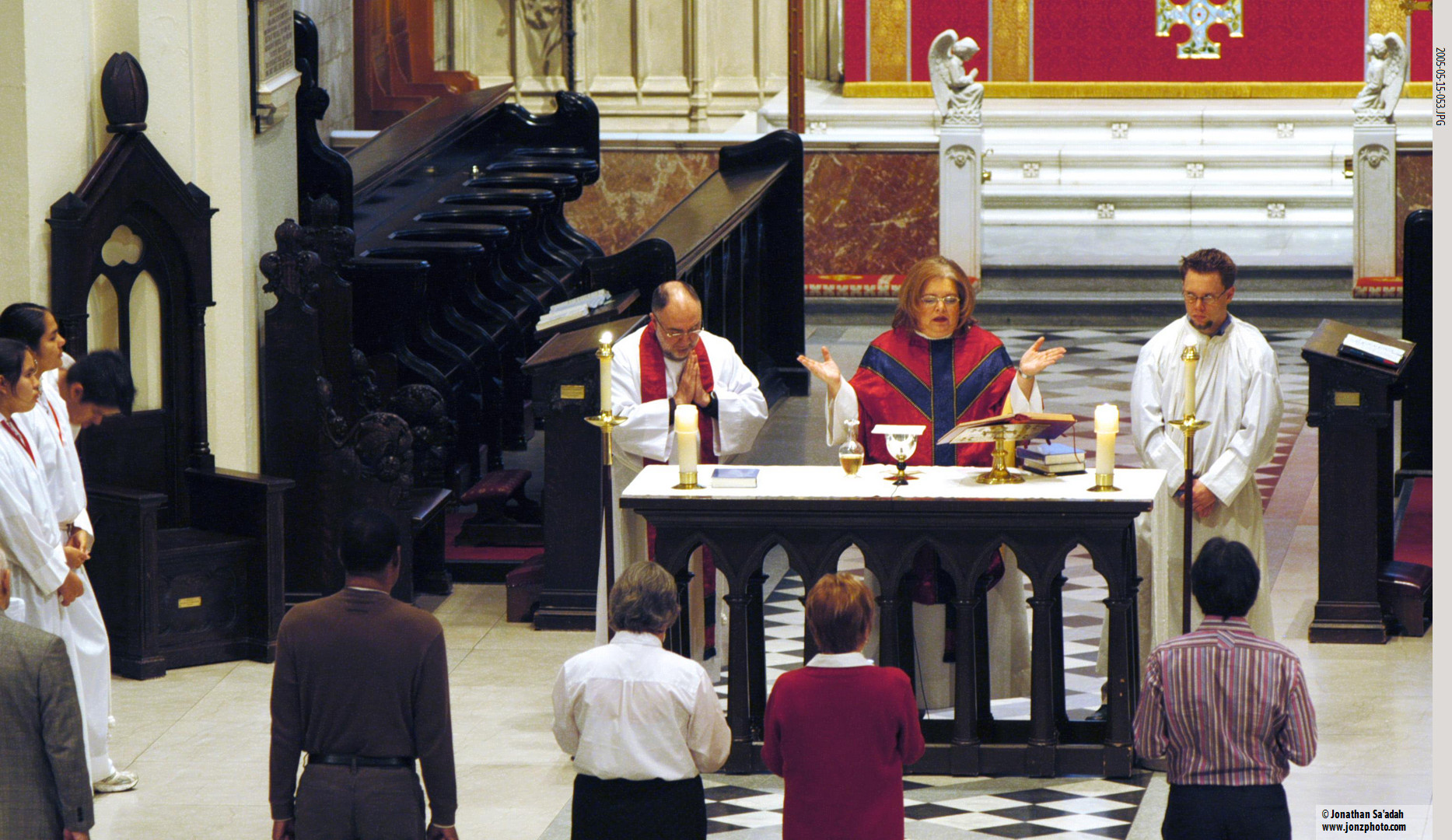
    In Dean Pitt’s tenure huge strides were made as the Cathedral contributed to leading the diocese on LGBTQ2S issues. In July, 2006 Bishop Gene Robinson, the first openly gay bishop in the Anglican church, gives the sermon during a special mass at the Cathedral.

    Michael navigated these turbulent waters with remarkable grace. He never compromised his convictions, but he also never demonized those who disagreed with him. Instead, he created space for dialogue, for questions, for gradual understanding. Our cathedral became a place where gay and lesbian couples felt welcomed long before it was officially sanctioned, where transgender individuals found acceptance, where families wrestling with these issues could find support rather than judgment.

    Dean Pitts with Assistant Priest Joyce Sanchez. With Canon Sanchez and Dean Pitts the cathedral had a leadership team that helped ordain the first openly gay priest in the diocese (2012).

    Michael understood that justice work wasn’t separate from pastoral care – it was pastoral care. When he stood up for the marginalized, he was doing exactly what he’d been called to do as our Dean.

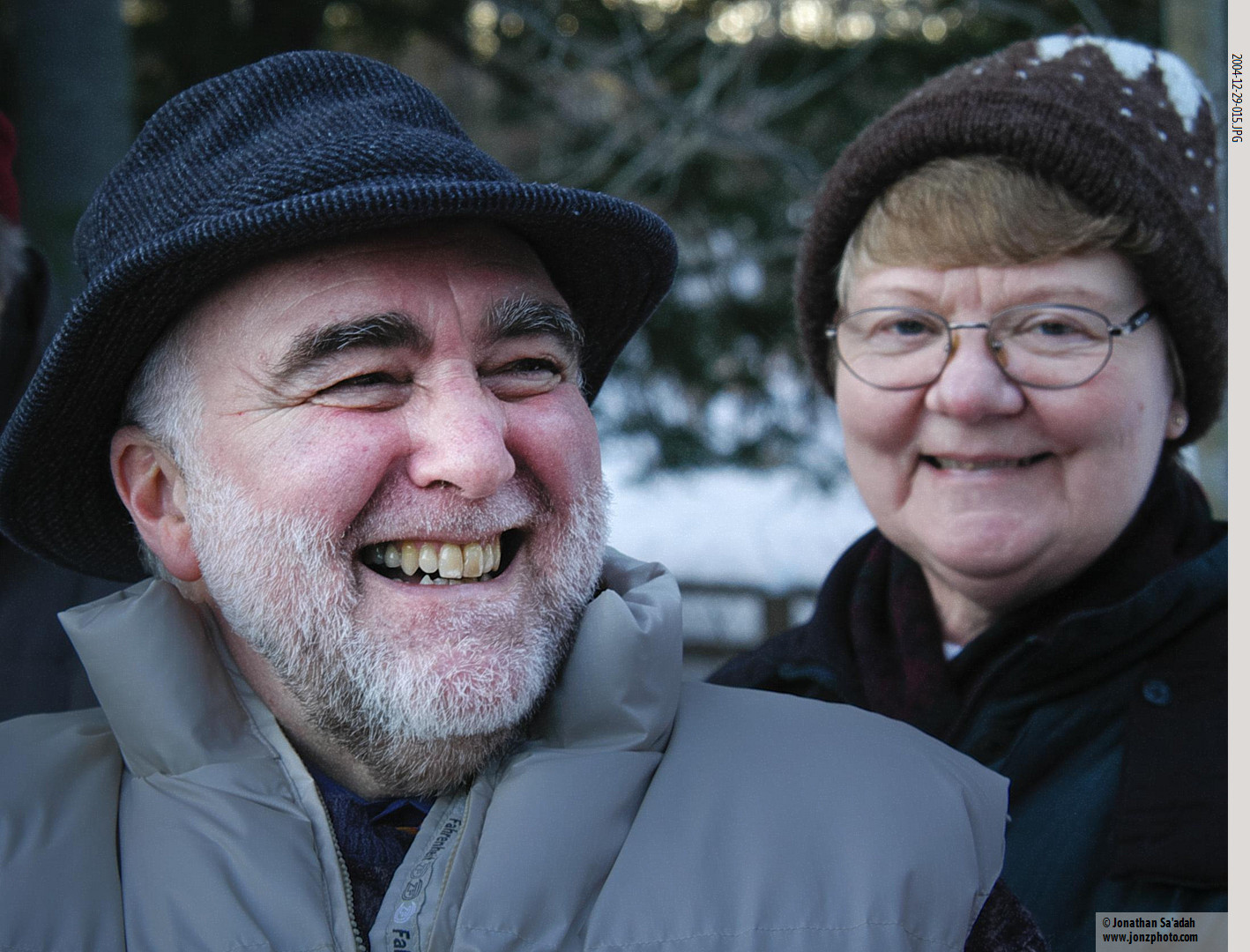
    ▲ With Kylliki near their home in Rawdon. December, 2004.

    A Family Man in Our Cathedral Family

    Michael’s wife, Kyllikki, herself a Lutheran pastor and theologian, brought her own wisdom and warmth to our community. In her quiet way she was a strong presence alongside him, and together they formed a strong union from which we were all touched by their love.

    Michael never pretended to have it all figured out. Throughout his life, as well as his time with us, he was refreshingly honest about the challenges of ministry, the struggles of faith, the difficulty of maintaining work-life balance. This vulnerability made him more effective as a leader, not less. We trusted him precisely because he didn’t present himself as superhuman.

    Beyond the Cathedral Walls

    Michael’s ministry extended far beyond our cathedral walls. His work with seafarers, factory workers, and the urban homeless before coming to Montreal shaped his understanding that the Gospel was meant for everyone, especially those on society’s margins. During his time as Dean, he maintained connections with Montreal’s broader community, participating in interfaith dialogue, social justice initiatives, and community building efforts that reflected well on all of us.

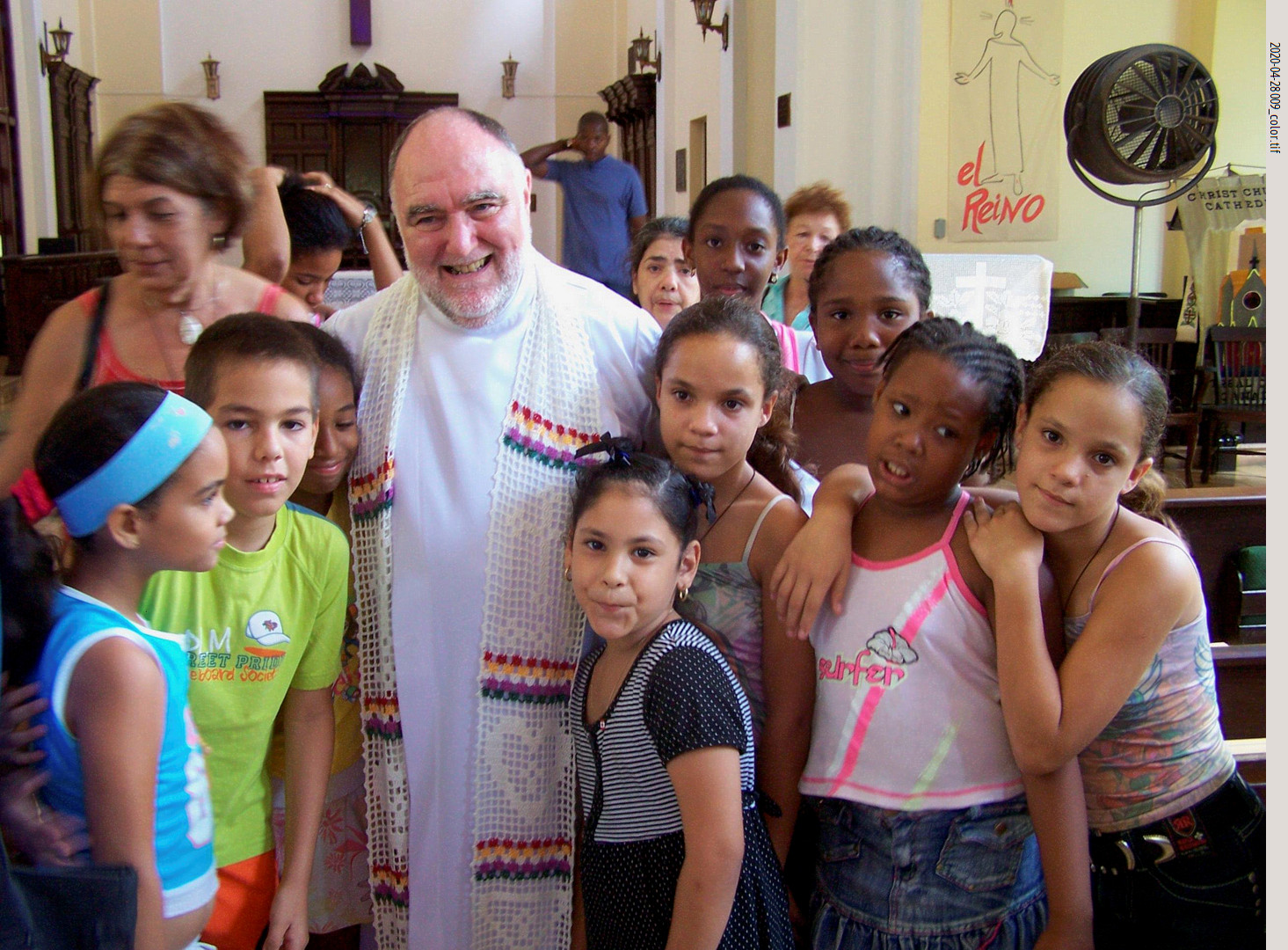
    ▲ Dean Pitts with Cuban children in our then-partner Anglican cathedral in Havana. The relationship with the Havana community was established through the work of Canon Sanchez. Dean Pitts made two trips to Cuba, where found a vibrant congregation participating both in their faith and as members of the communist state. (Photo credit: unknown)

    After his retirement from the deanship in 2009, Michael’s commitment to ministry only deepened. His work in the Diocese of Quebec, travelling by air, water, and land to serve isolated fishing villages along the north shore, demonstrated that his calling to serve had nothing to do with prestige or comfort. Here was a man in his seventies, still willing to endure difficult travel conditions to bring communion to people others might have forgotten.

    A Lasting Legacy

    As I look around our cathedral today, I see Michael’s fingerprints everywhere. Not in any physical renovations but in the spirit of the place. We’re still the inclusive, intellectually honest, socially conscious community he helped shape. New members often comment on the warmth they feel here, the sense that questions are welcomed rather than discouraged, that faith is understood as a journey rather than a destination.

    Michael taught us that being Anglican didn’t mean being wishy-washy or uncommitted. Instead, he showed us that our tradition’s emphasis on reason, scripture, and tradition working together could produce a faith that was both deeply rooted and dynamically responsive to the needs of each new generation.

    The Very Reverend Michael J. Pitts wasn’t perfect – he’d be the first to tell you that. But he was exactly the Dean we needed when we needed him. He challenged us to grow, and showed us what it looked like to live out the Gospel with both conviction and compassion. For those of us privileged to call him our Dean for eighteen years, the gratitude we feel is matched only by the responsibility we carry to continue the work he began among us.

  • Two City Parks | Montreal Unfiltered

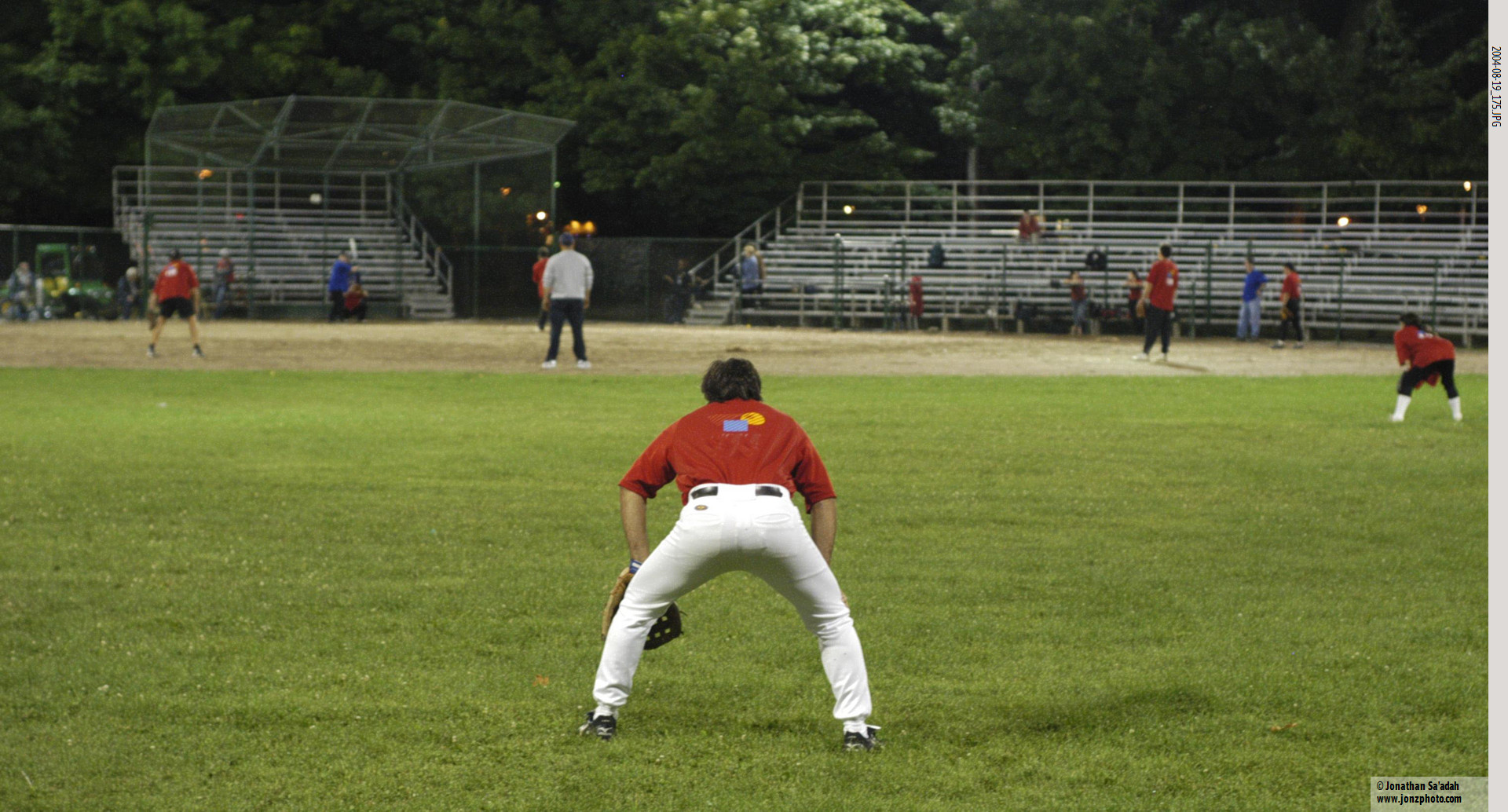
    Summer evening softball in Parc Lafontaine

    I’ve lived on the edge of two parks in Montreal. The first was an established historic park known for its beauty (Parc Lafontaine), and the second a recently constructed city park (Parc Saidye-Bronfman) where we live now in an “up and coming” neighborhood, the “Triangle” section of Côte-des-neiges. Soon after we moved in we invited a friend from our first neighborhood over and looking out she exhaled “¿That’s a park?!?!!??”.

    She’s actually a very kind person, it was just a momentary slip.

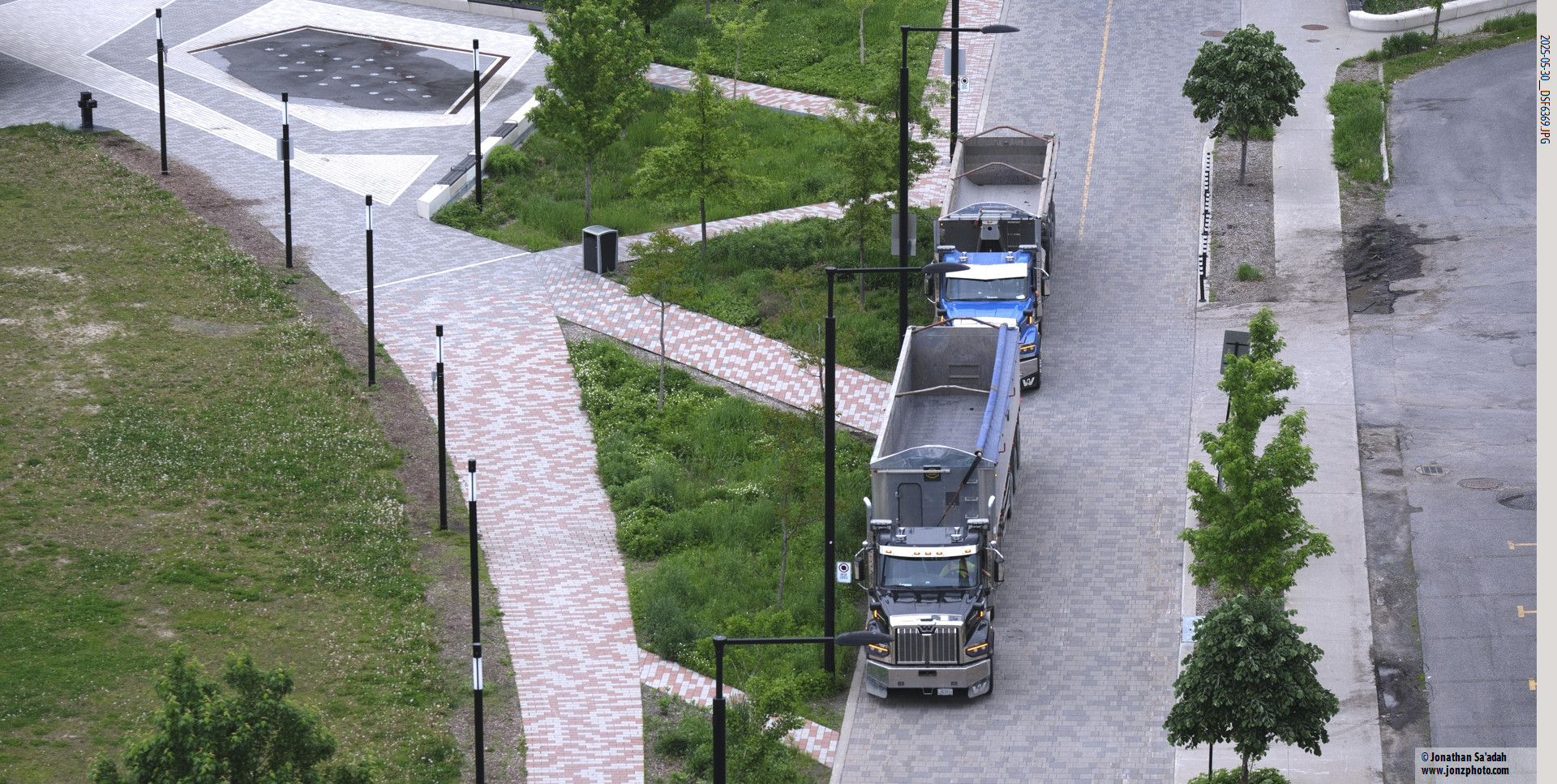
    Trucks waiting to be loaded with fill from excavation of a new apartment building. Part of Parc Saidye-Bronfman is visible on the left.

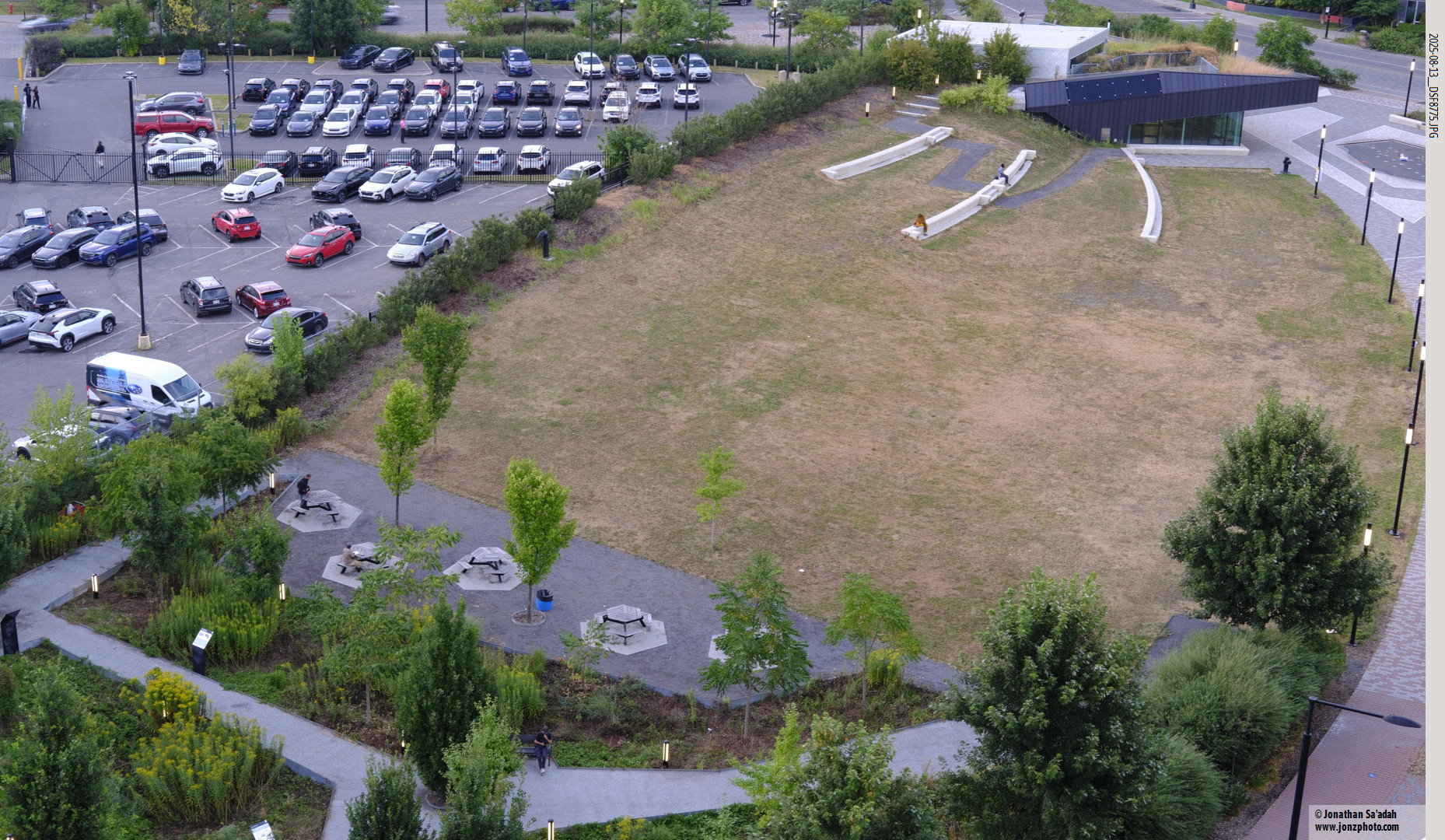
    She had a point. It’s not much of a park right now, and it may never be. There’s a difference between a park that inhabits a large parcel of land and evolves over decades, weaving its way into people’s lives, and one that’s a relatively soulless small pocket park, put in because developers are required to tick a box called “green spaces”. The whole thing comes off as if no one really has their heart in it.

    Parc Saidye-Bronfman

    The history of our present park runs something like this: it was envisioned as being twice its current size (which would still have been small), but somewhere along the way its boundaries got whittled down. It was also planned to showcase the use of indigenous plants, but that too is falling short as the messy natives are uprooted and replaced by fabric cloth and the standard city plantings. It’s a bit like after the check-box we’re moving on.

    Beth, who blogs occasionaly about the city with an invariably philosophical and generous eye, goes down when she spots the city gardeners. They hem and haw, in the end sighing and saying they’re just doing what they are ordered to do (and “could she write a letter….”) But I wonder what the real story is, and what it is we will probably never know.

    What I do know is that humans need places where they can exhale a little, and it’s in parks where the air tastes a little greener and the asphalt recedes enough that you can hear your own heartbeat. I do miss Parc Lafontaine where I used to go out for an early morning and walk on damp paths, hearing children chattering on their way to school. It’s too bad that in these new neighborhoods the city more often than not bows to developer’s wishes rather than taking a long step back and acting with a vision that’s more than a future of promised bike paths and trolleys and two-lane roads, which won’t work. Parks matter because cities are not built of steel and ambition alone. We need the quiet space true parks give. We need green sanctuaries where the earth remembers itself, and invites us to remember it too, even if it is a bit messy.