Tag: Italy

  • Exploring Neopolitan Pizza – Starita

    Exploring Neopolitan Pizza – Starita

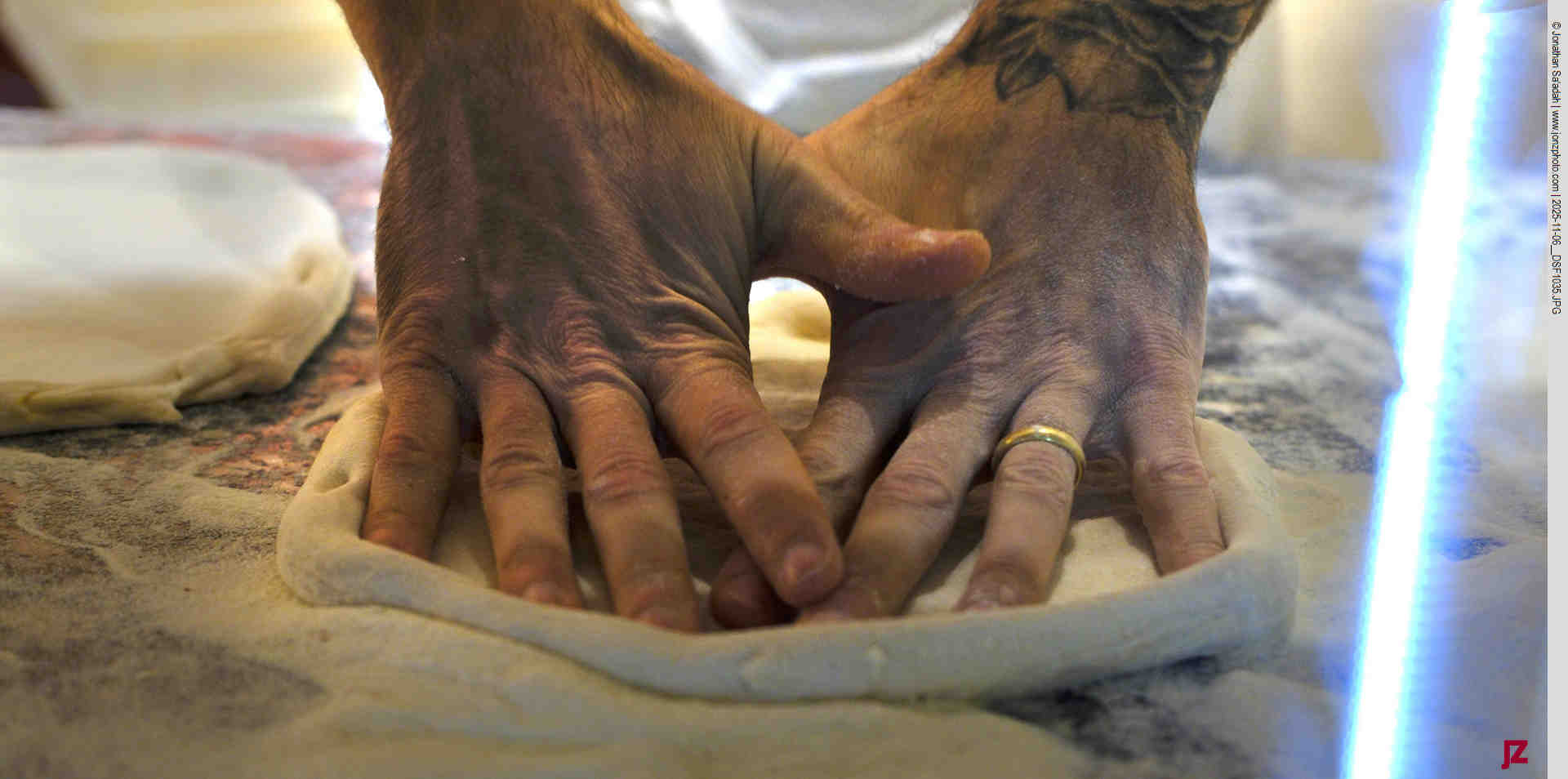
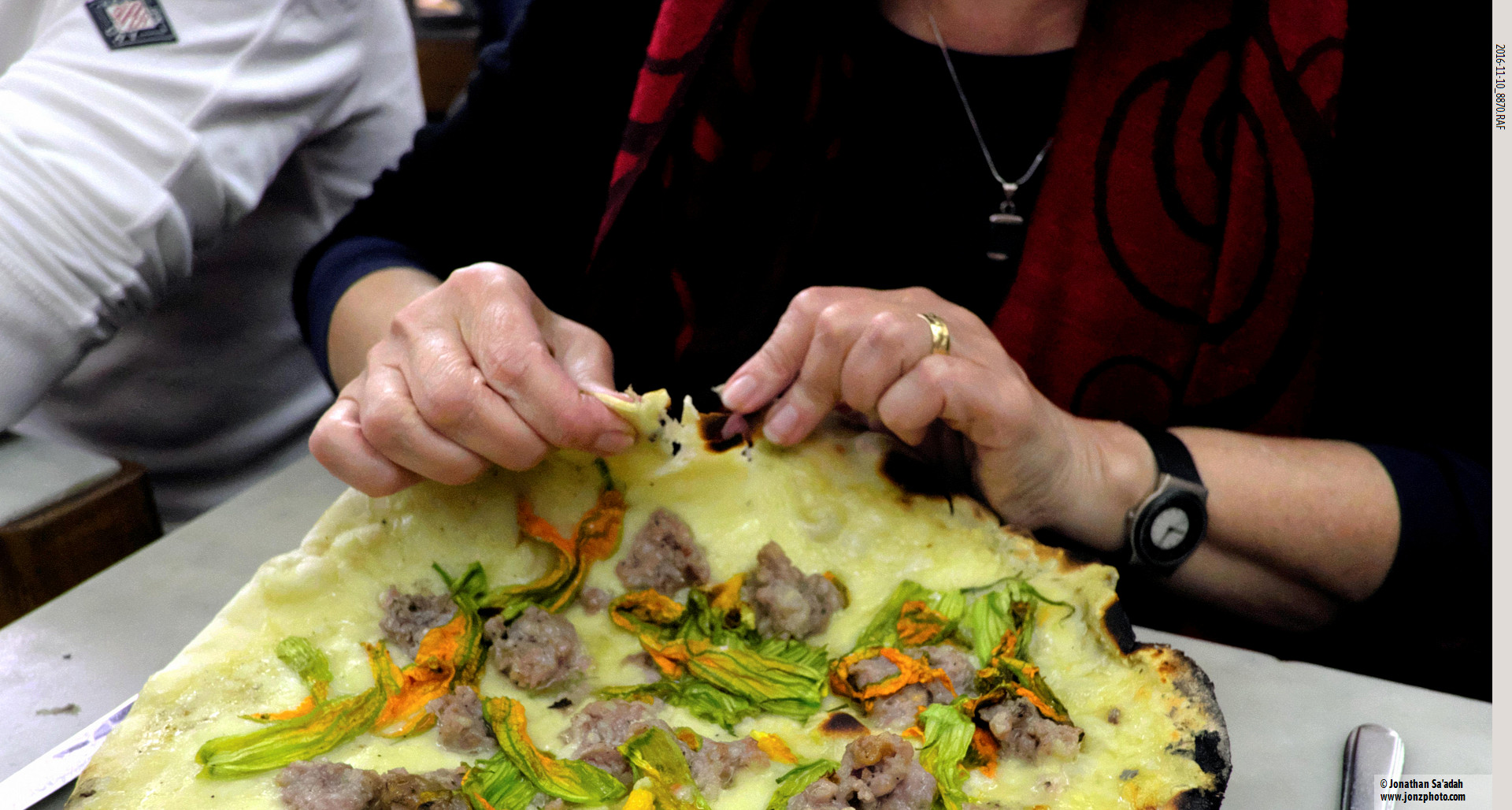
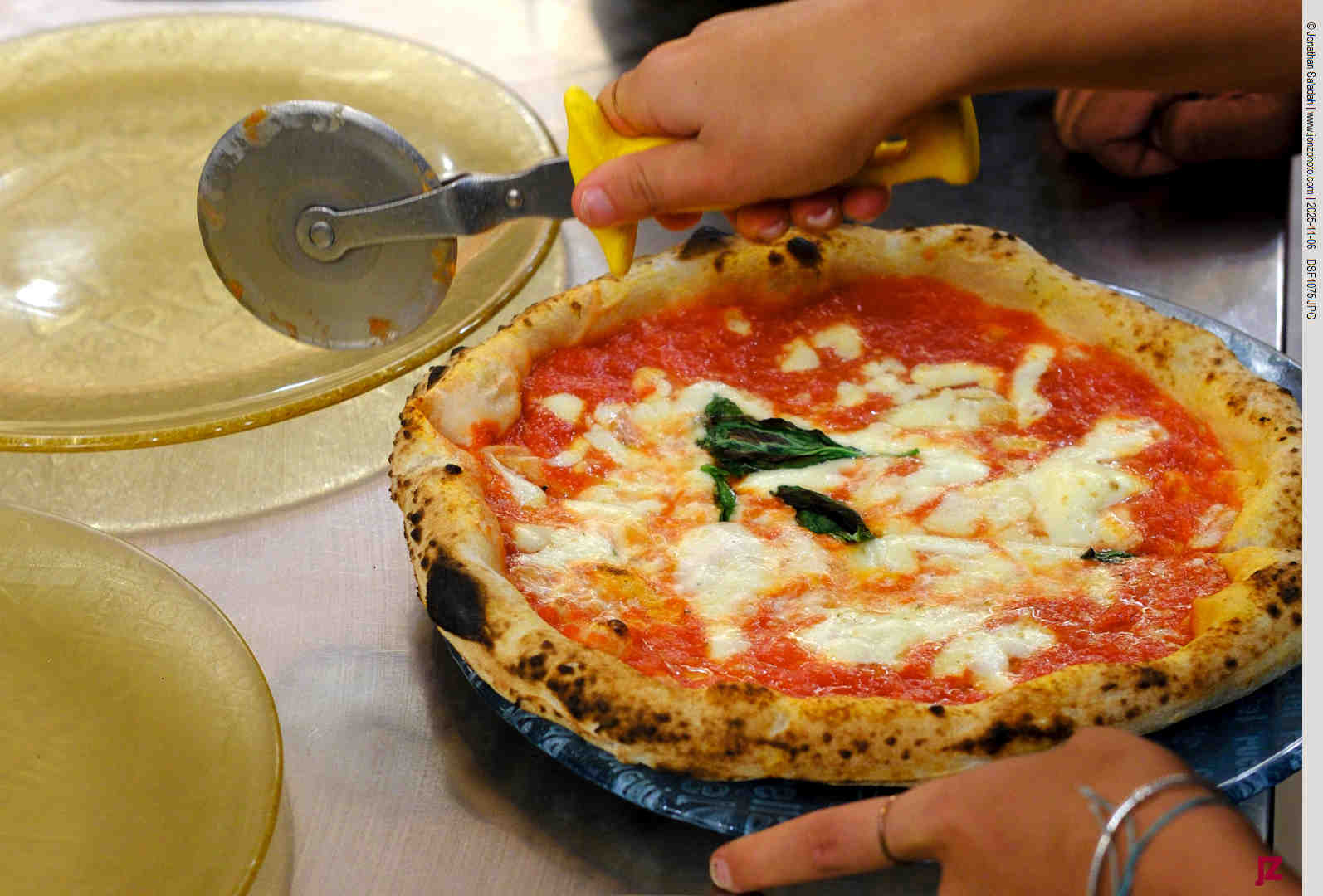
    A Neopolitan pizza, just out of the oven, and ready to serve. What could be better? Normally it’s brought to the table unsliced, still inflated and soft from the intense heat.

    One of the reasons, maybe even the main reason – I wanted to go to Naples, was to eat Neopolitan pizza on its home turf. I was surprised how my priority faded away as I jumped into this truly rich and alive city. I was also surprised at how, instead of me leading the pizza eating, it was Beth clamouring for more. Some days weโ€™d eat pizza twice – considerably up from the tolerance level at home. Part of the difference, of course, has something to do with my pizza not being on the level of Napoli pizza. Napoli pizzas are so light as to be almost ethereal. It feels and tastes like a divine combination of melted hot mozzarella, tomato and warm soft dough dancing in a steam cloud. At home Beth will usually leave the edges of my pizzas on the plate. In Naples I had to protect my own slices from my ravenous partner.

    Even with our enthusiastic approach we werenโ€™t able to come close to covering the list of pizzerias I wanted to visit. But three places stood out. Itโ€™s almost not fair to highlight them because even the worst pizza we had in Naples still approached a work of art. Thatโ€™s how good Naples pizza was, so it certainly didnโ€™t disappoint either one of us. This essay is about Starita, one of those places.
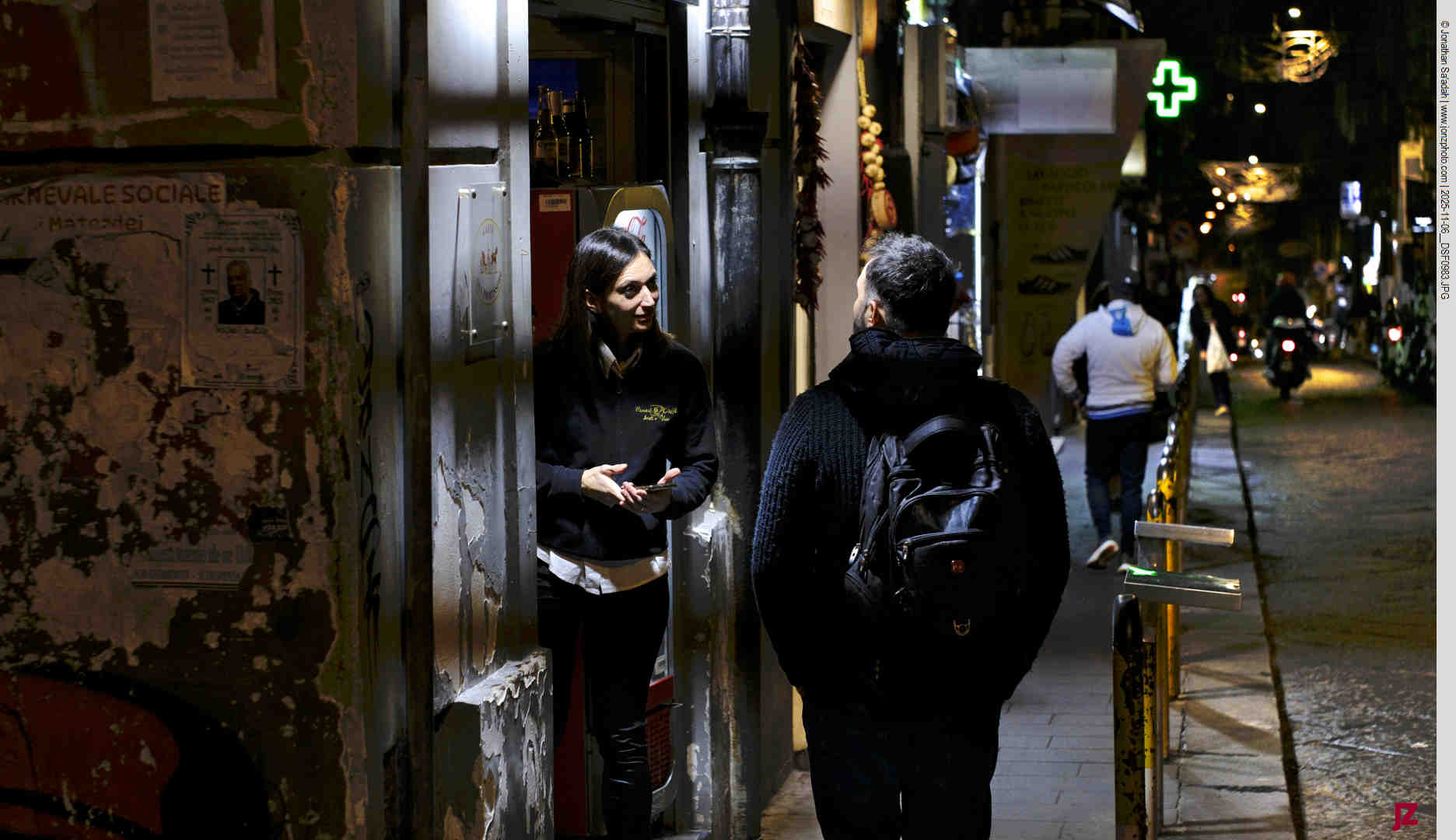
    Via Materdei near Starita Pizza

    I did get the impression that pizza has become big business in Naples. A lot of people – tourists from all nations (including Italy) – come to Naples expecting to eat pizza and serving them in large numbers generates good cash. So many of the pizzerias have expanded their seating capacity, either by renovating their existing premises, buying adjacent properties and serving there too, or opening up other pizzerias at other locations under their name. Pizza in Naples isn’t expensive – it costs about half of what we pay in Montreal – but a successful pizzeria can be a lucrative enterprise.
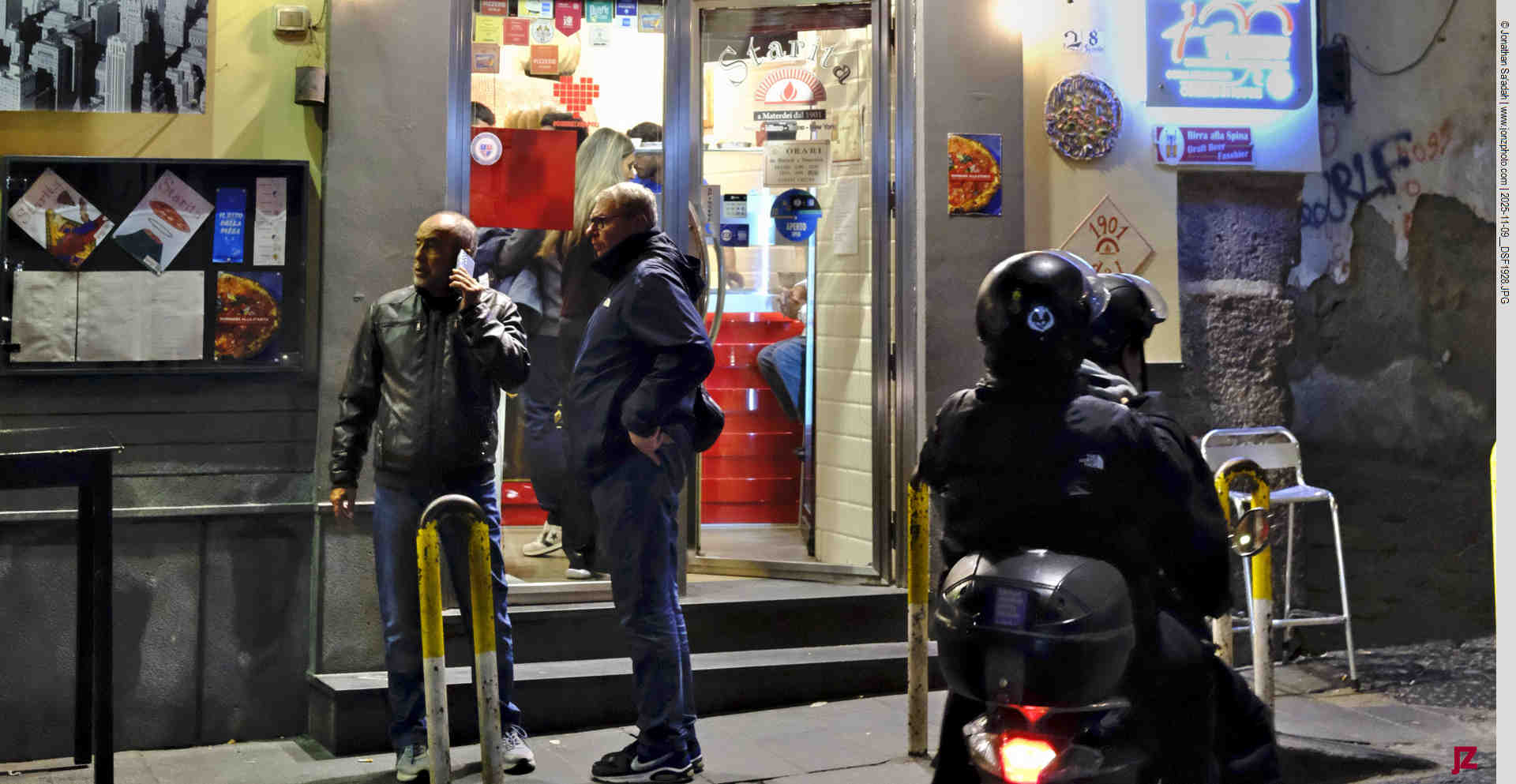
    Starita’s entrance
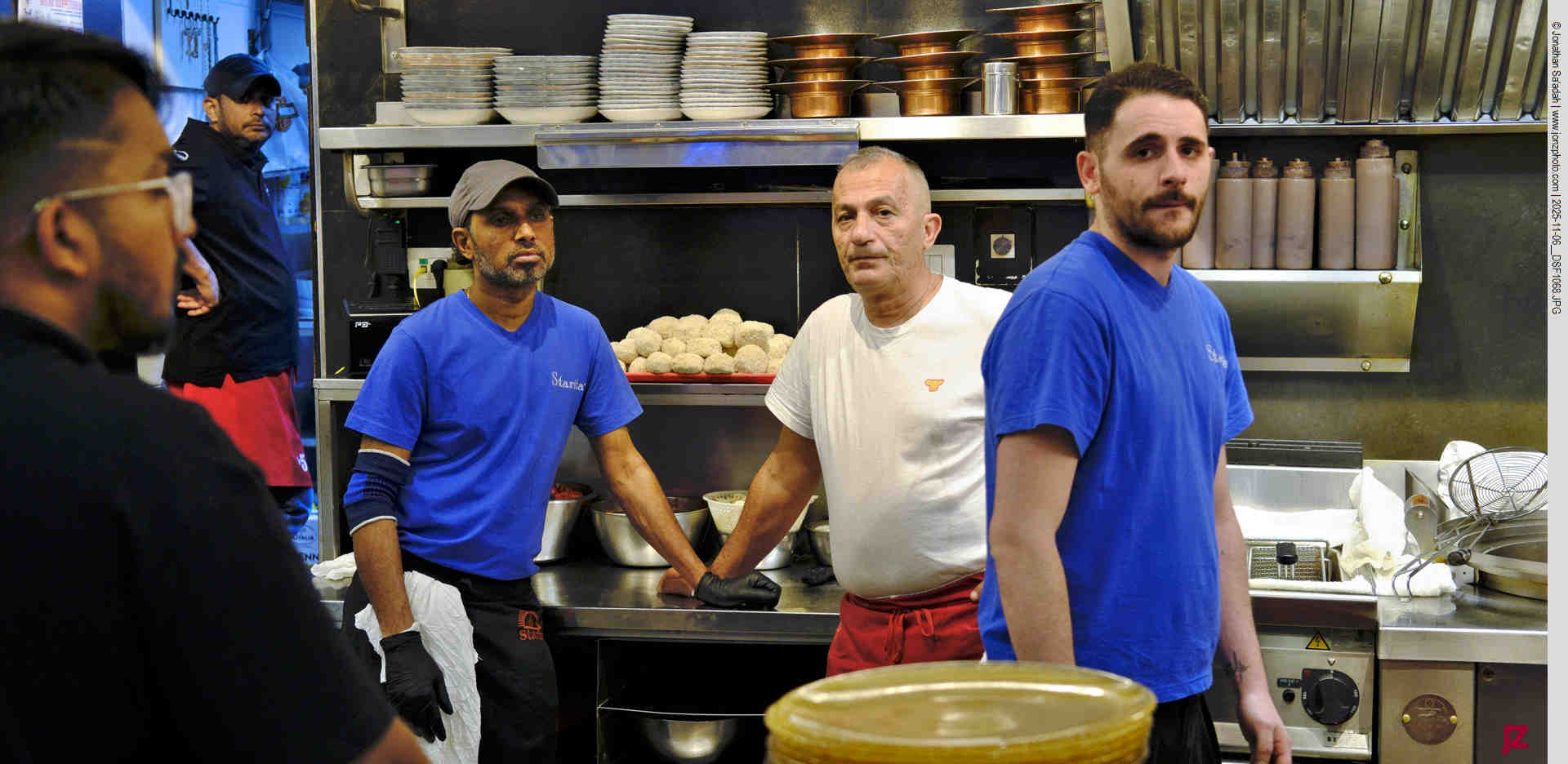
    Kitchen staff at Starita giving me the one-over.

    Starita is up a narrow stony lane in a working-class neighbourhood. The street itโ€™s on – Via Materdei – climbs up out of Naplesโ€™ historic center. Starita began life in 1901 as a cantina, serving local wines. The original founder – Alfonso Starita – stuck to the simple formula serving wine to working-class residents of the neighborhood. It was one of his children who in 1933 expanded the operation, serving utilitarian Neapolitan dishes – bean soup, fried anchovies, fried baccalร , tripe, and fried pizzas. It wasnโ€™t until 1948 that Starita became a pizzeria friggitoria – a fried food shop and pizzeria. A few years later its fame was sealed by a bodacious Sophia Loren, who in the 1954 film Lโ€™Oro di Napoli, played a sexy, beautiful and adulterous pizza seller. Starita was used in the film as a hole-in-the-wall shop selling fried street food. Instantly, the film put Starita on the map. The connection between Starita and Sophia Loren has become inseparable from the pizzeriaโ€™s identity. But the depiction in the film of pizza being the food of the poor, with pizza being sold on credit, was real and was drawn from the economic conditions of postwar Naples, experiences that the Starita family had lived through firsthand.
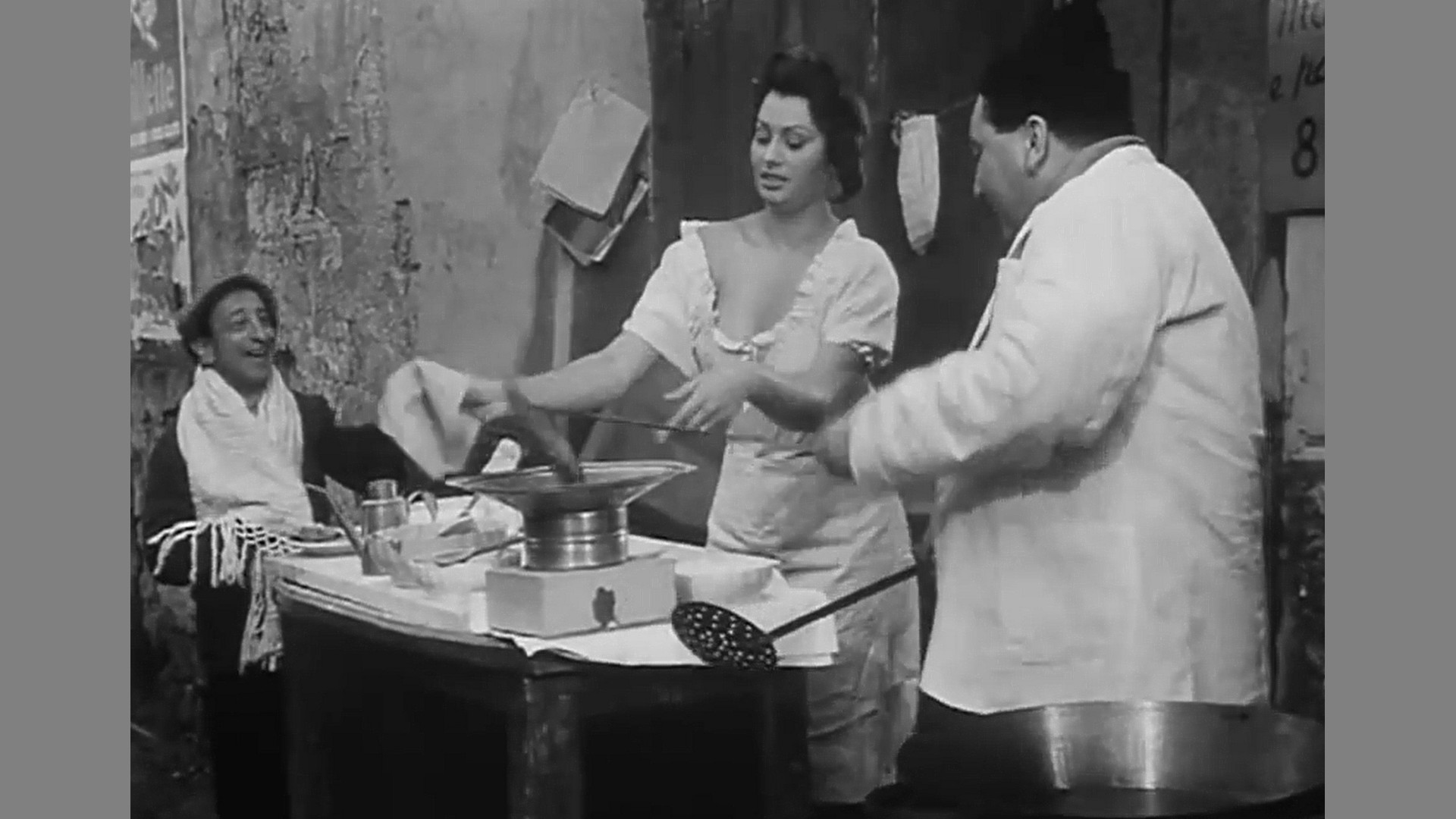
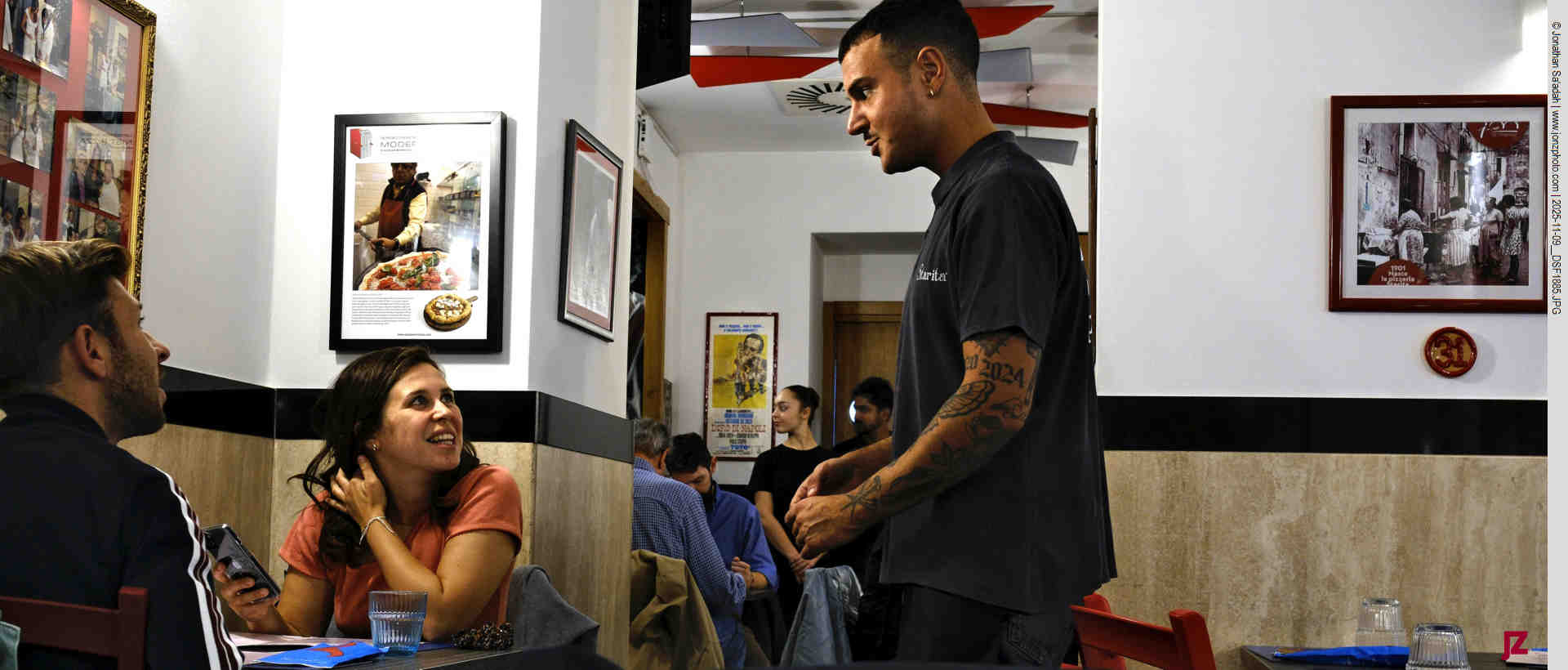
    Starita in 1954 Vittorio De Sica’s film L’Oro di Napoli with Sophia Loren and Giacomo Furia using Starita as a location. This film instantly made the pizzeria a popular destination! Photo credit: Screengrab from YouTube
    Starita today An original poster for the Sophia Loren film is on the back wall.

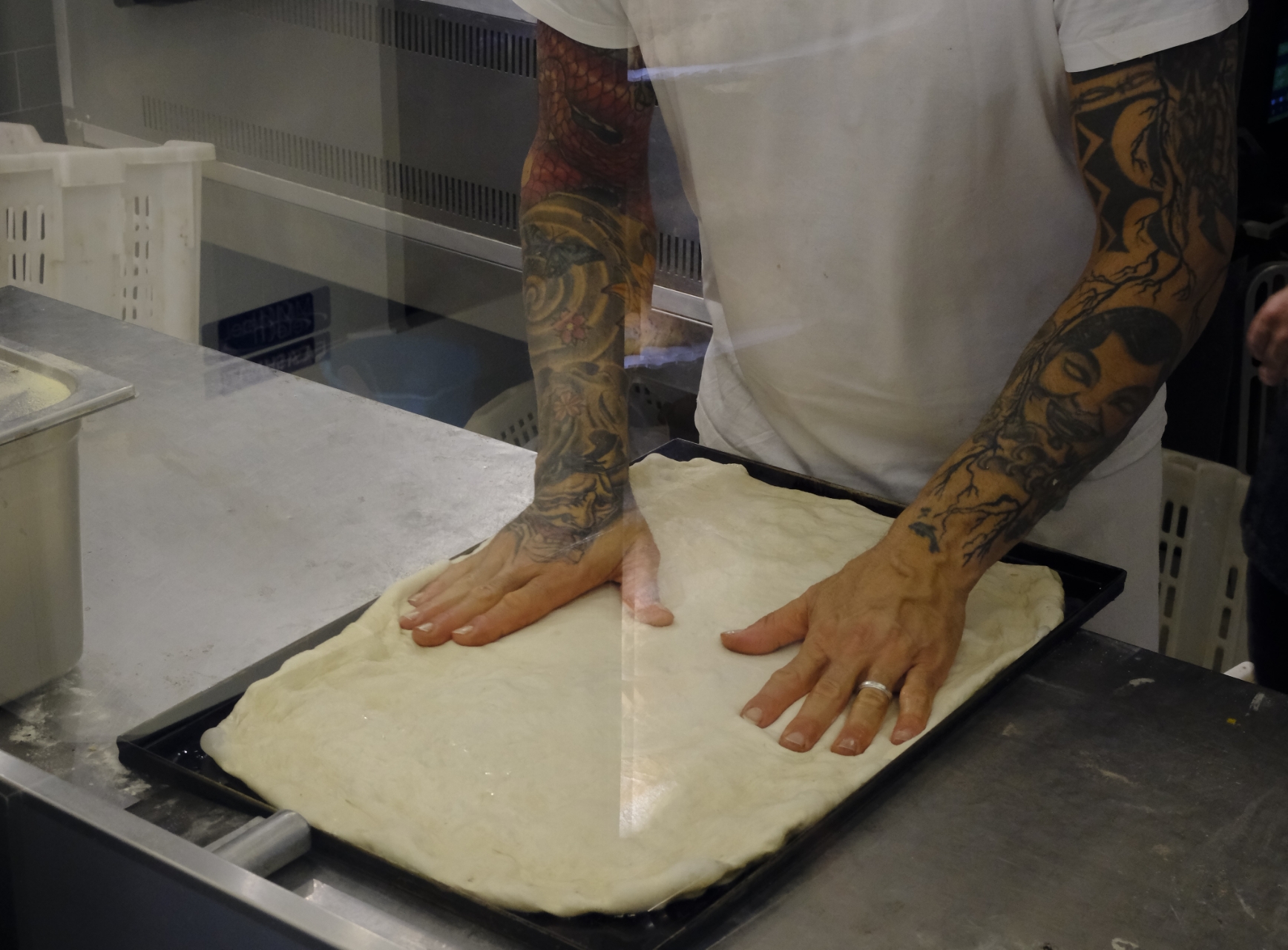
    I wasnโ€™t prepared for how friendly it would be to eat there. We probably didnโ€™t appear to be anything more than English-speaking tourists, albeit both with a pizza-based enthusiasm (probably not rare either), but we were treated well. The experience is that your order is placed and a couple of minutes later the pizza is before you – itโ€™s literally that fast. Thereโ€™s an immediacy to eating that makes it quite satisfying! As well, none of the pizzerias in Naples are shy about having pictures taken – they invite it – and some even have carefully thought out angles they try and encourage you to show. Starita doesnโ€™t go that far. It is a pizzeria confident of its position and concentrates on making great pizza, and providing an environment that makes eating those pizzas a memorable experience. For us they succeeded. Even though we were trying to eat in as many places as we could manage, we still came back a second time.
    From its modest days as a neighborhood cantina Starita has expanded. Well reviewed versions of the pizzeria have opened in Manhattanโ€™s Hellโ€™s Kitchen (2012), Milan (2016), Turnin (2018) and Florence (2021). Despite the growth, the Materdei original remains the beating heart of the operation. The pizzas are what count, and they are what will draw me back there over and over.
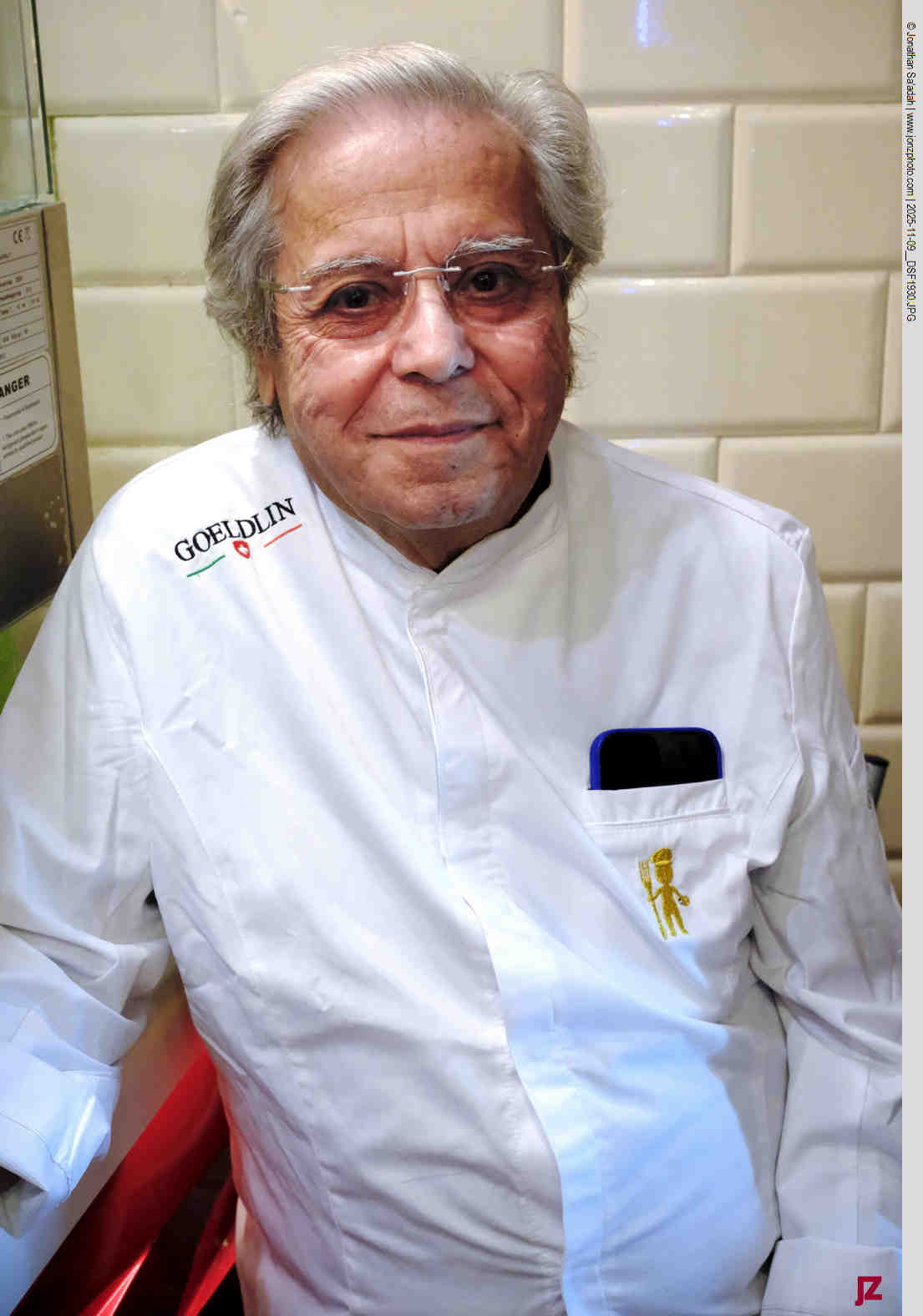
    Antonio Starita is the third-generation owner of Starita and a central figure in the institutional protection of Neapolitan pizza culture. In 2016, he became the founding president of the Unione Pizzerie Storiche Napoletane, which brings together ten of Naples’ oldest pizzerias (Antica Pizzeria Port’Alba, L’Antica Pizzeria da Michele, Pizzeria Lombardi, Starita, and others). He is currently transitioning the business to the fourth generation – his son and daughter.

    For more:
    YouTube video of how they make their dough link (this will make you hungry!)
    YouTube video of the Sophia Loren scene from L’Oro di Napoli link link2 (both worth watching!)
  • How Wrong I Was

    How Wrong I Was

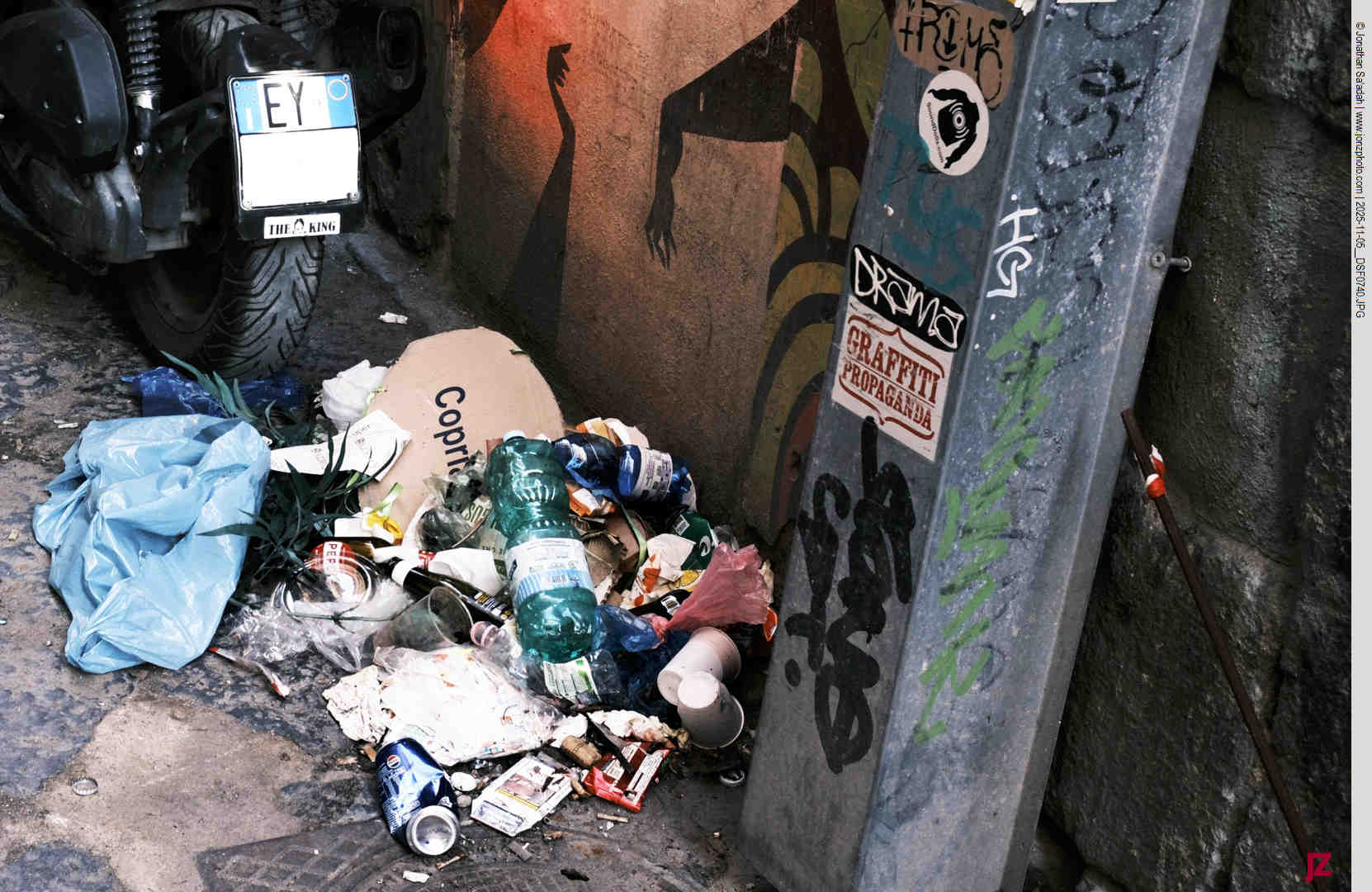
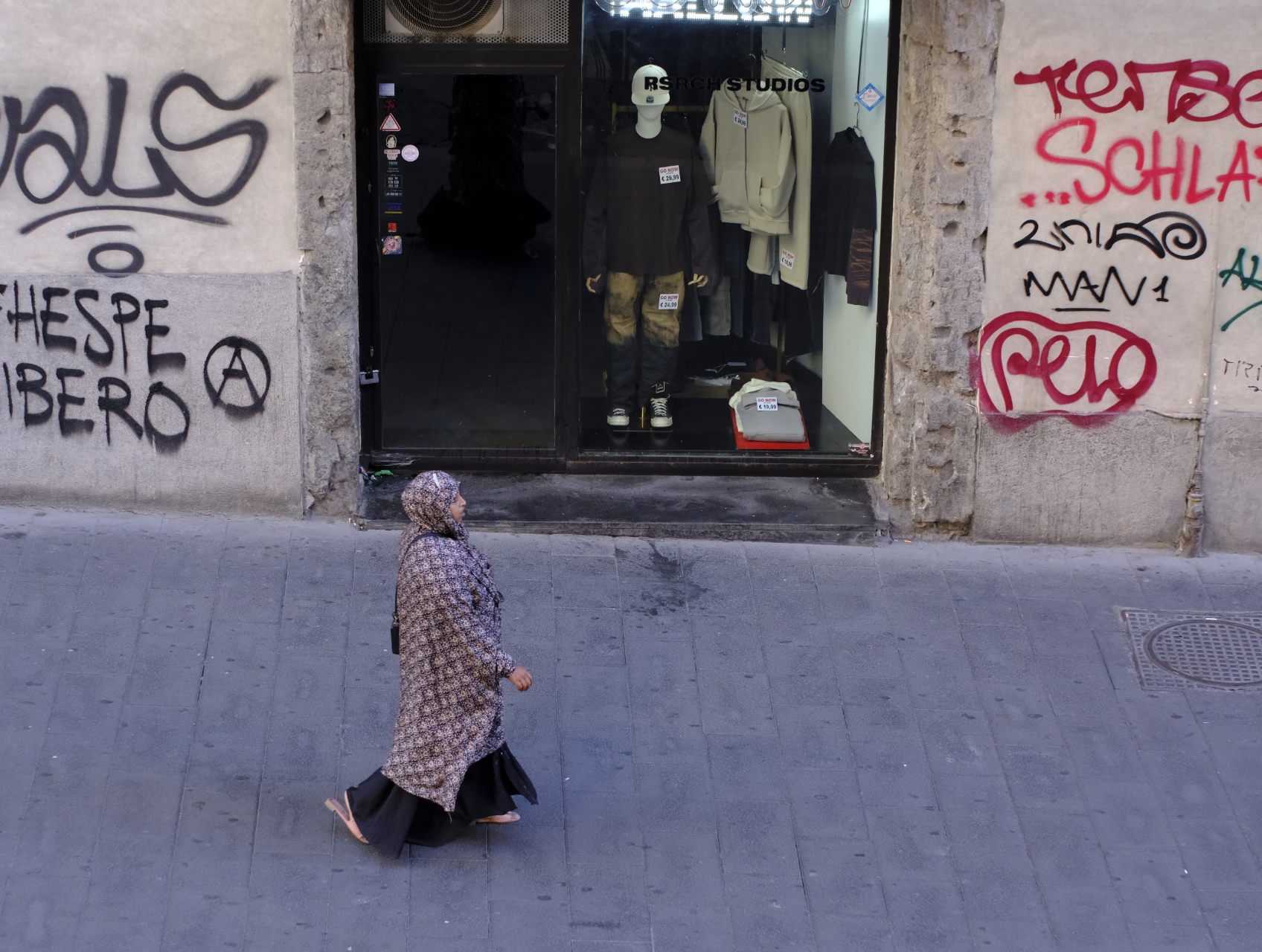
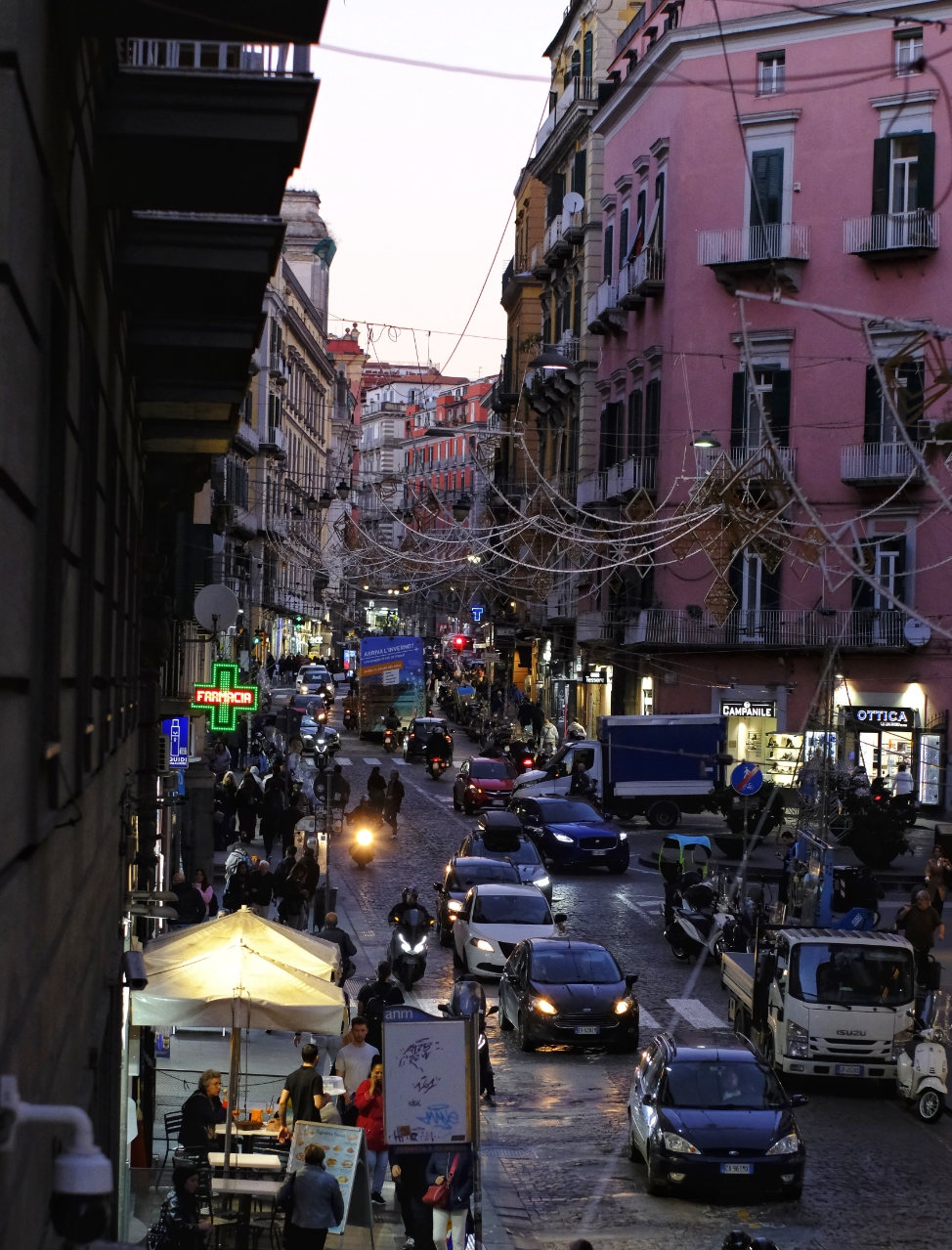
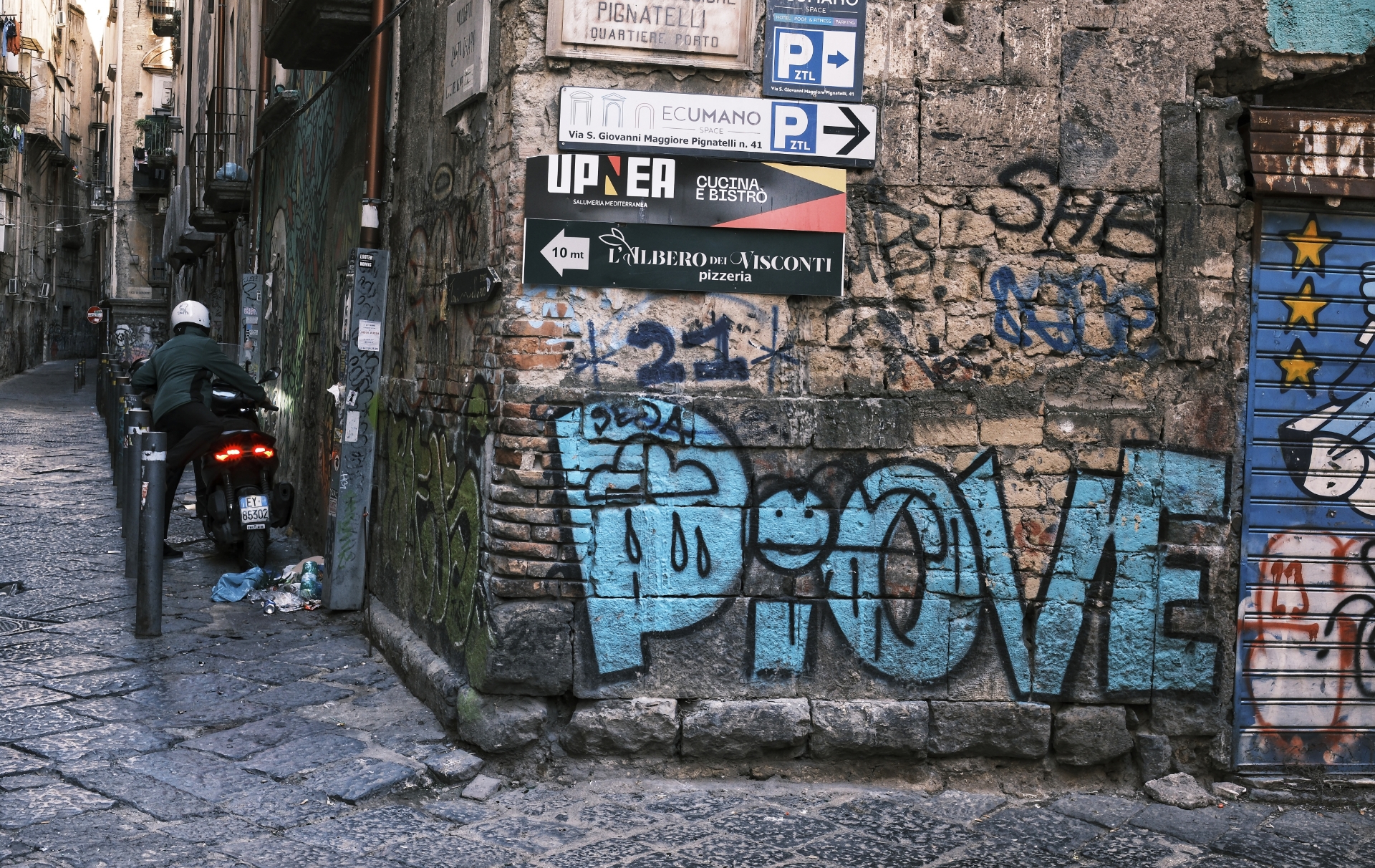
    When we arrived in Naples my first impressions were of physical deterioration, vandalism, and filth. When thrown suddenly into the chaos and traffic just outside the airport the contrast with Montreal felt like too much! A visceral body blow.

    Looking back now I can see how wrong I was. Yes, Naples is chaotic, smelly and, in ways, a maddening place but its lifeblood and character transcend its drawbacks. I came away feeling lasting affection and respect.

    Disclosure: Alas, I have no blood connection to Italy, so what I write is based on a short period – nine days in the city, though I’ve had other visits to the country. Italy, and Naples especially, inspires strong opinions so chime with your experiences.

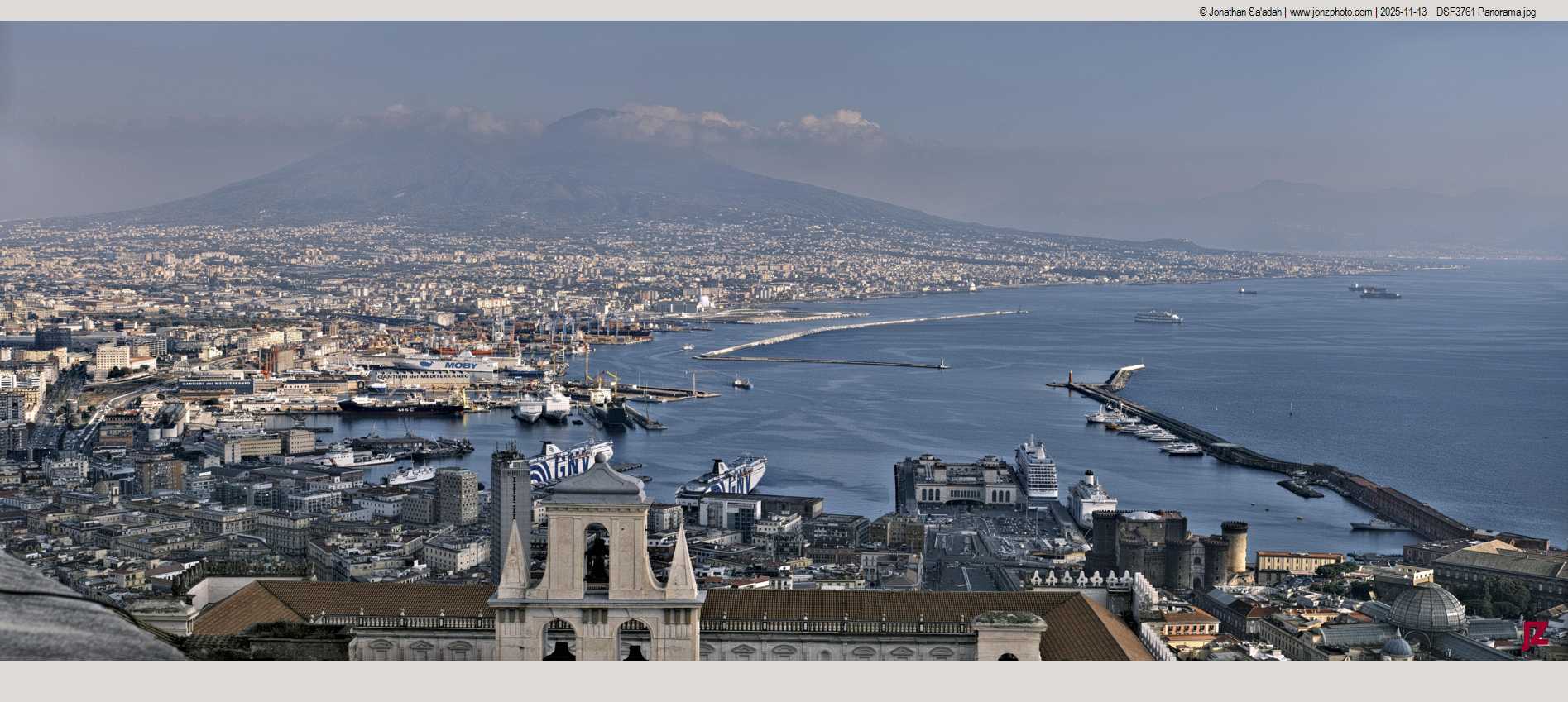
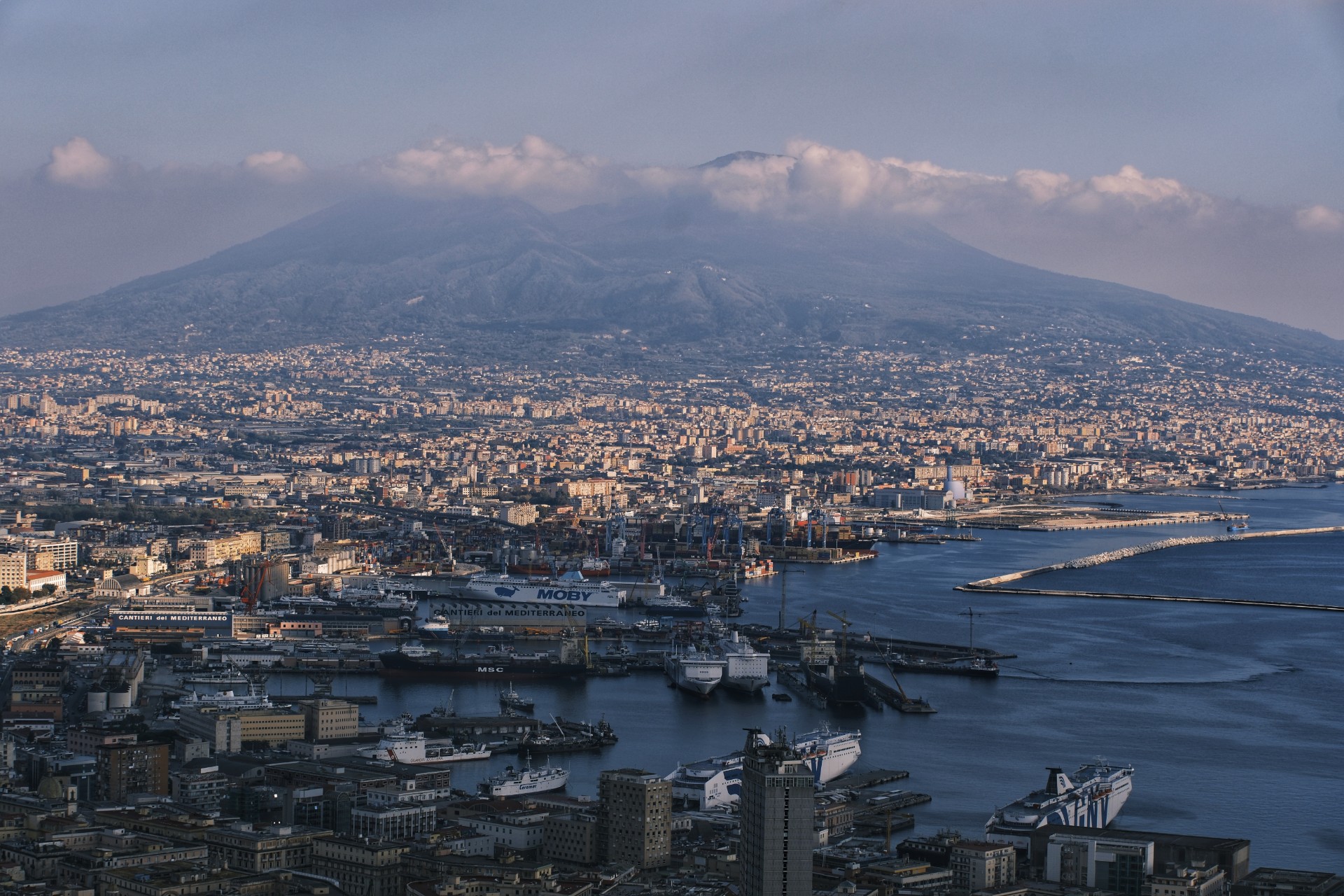
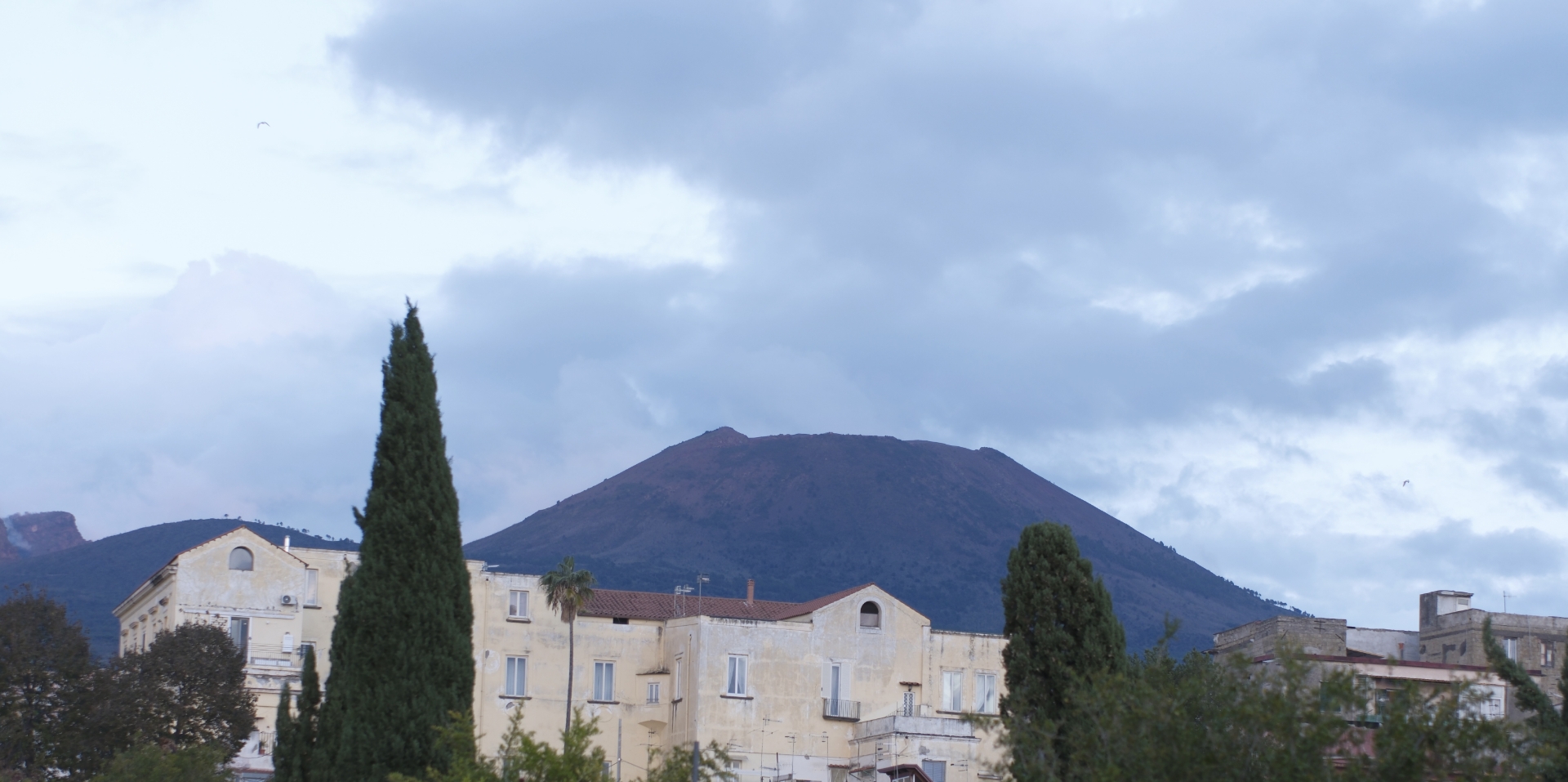
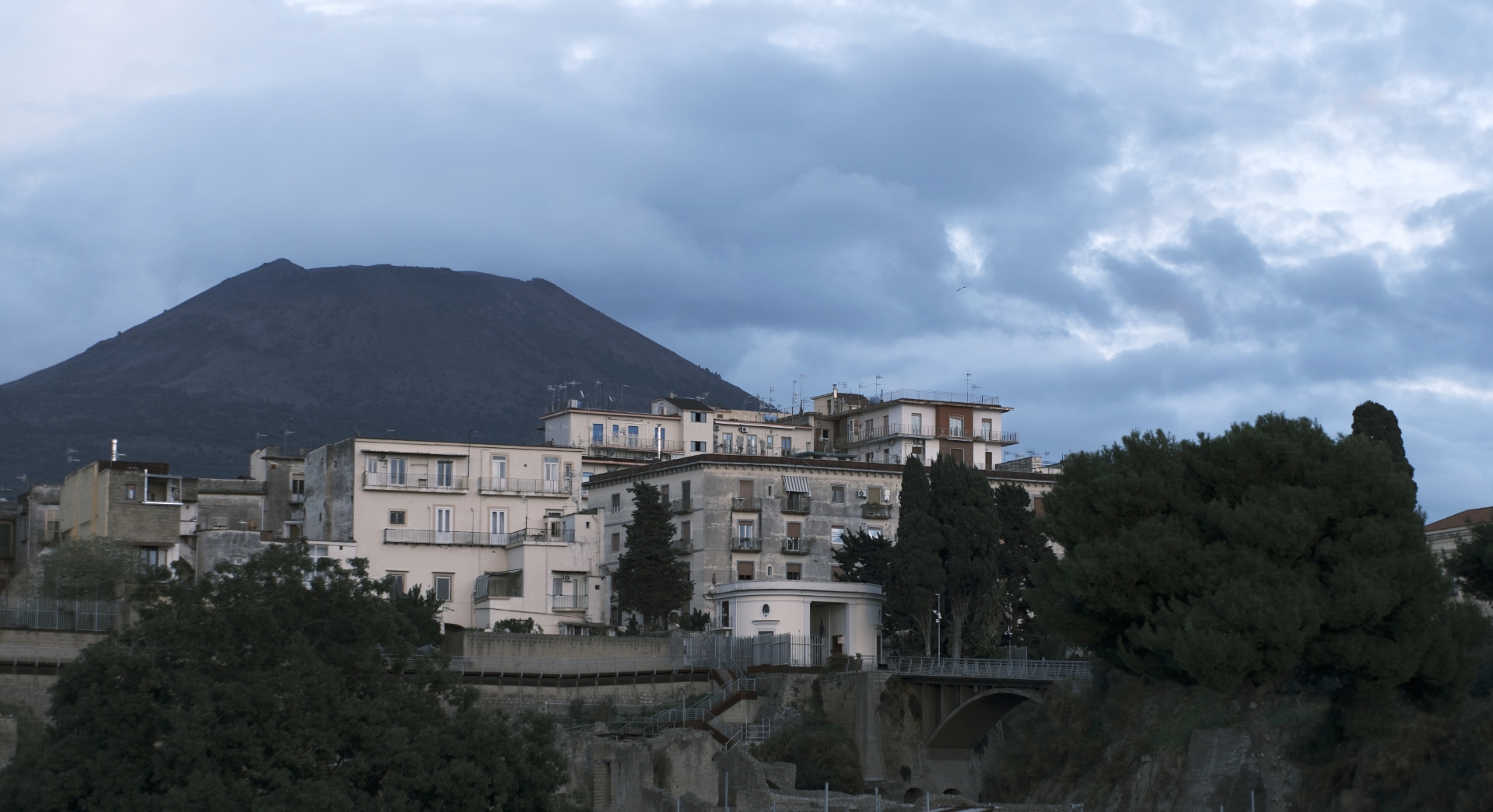
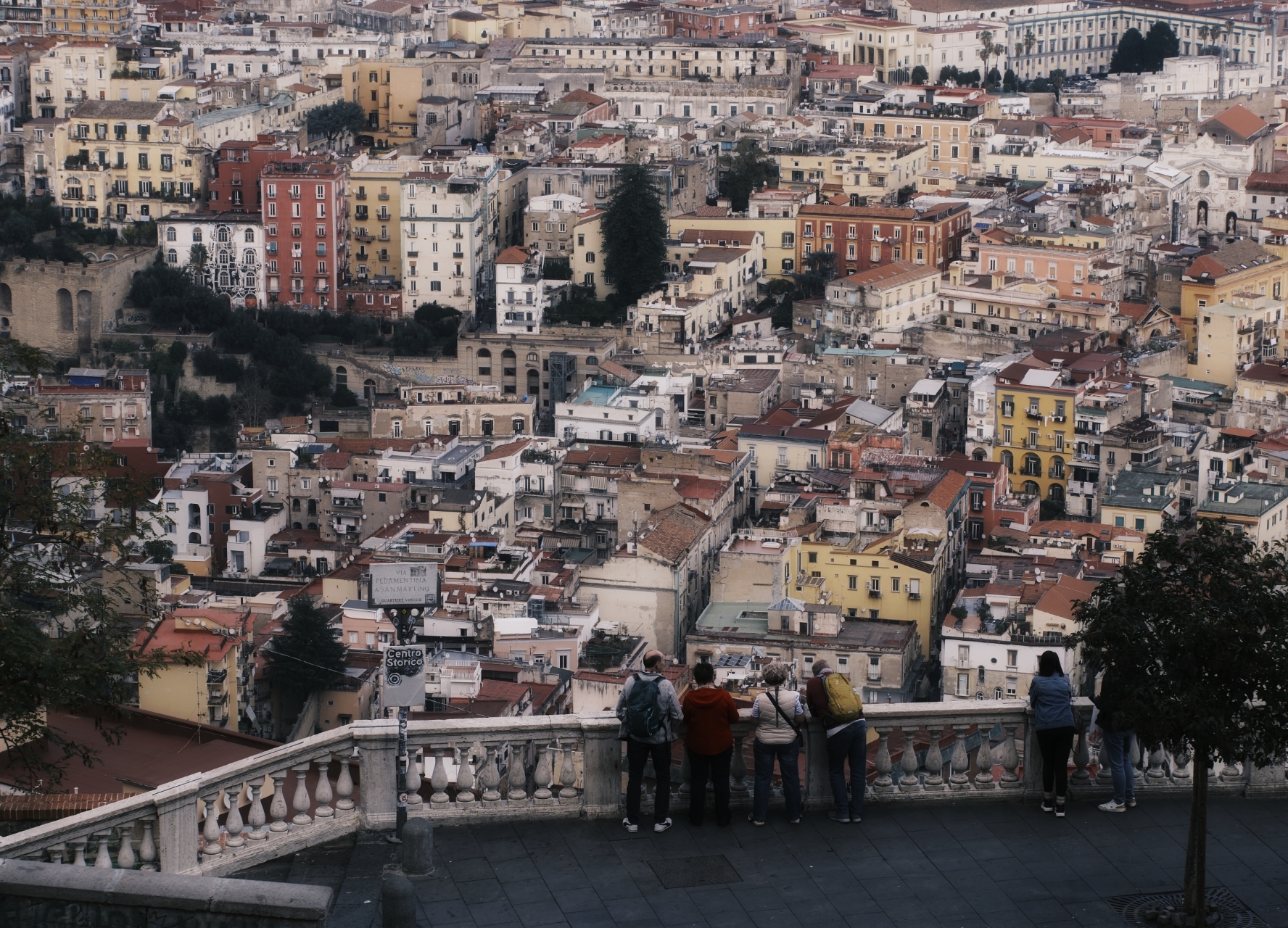
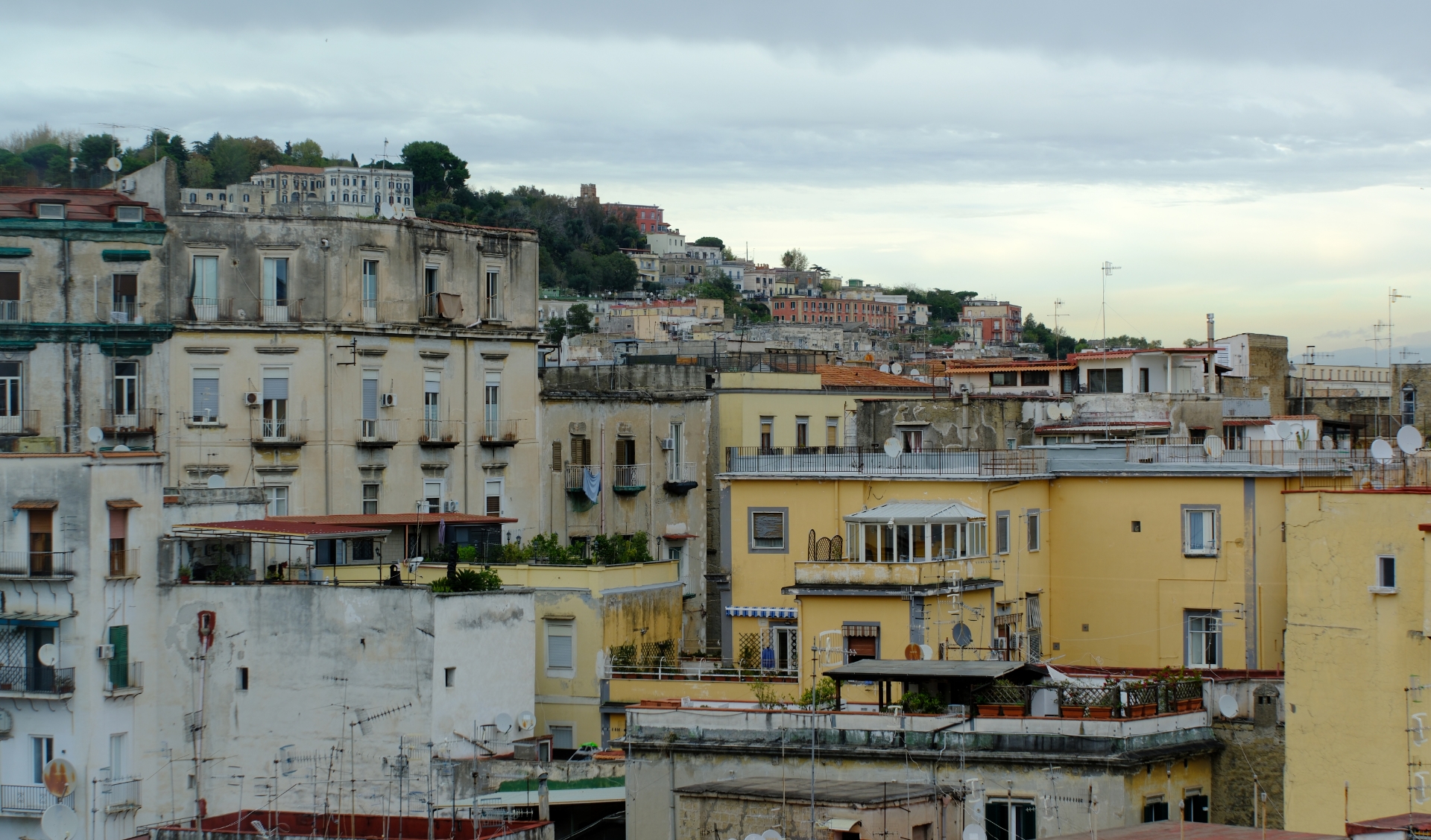
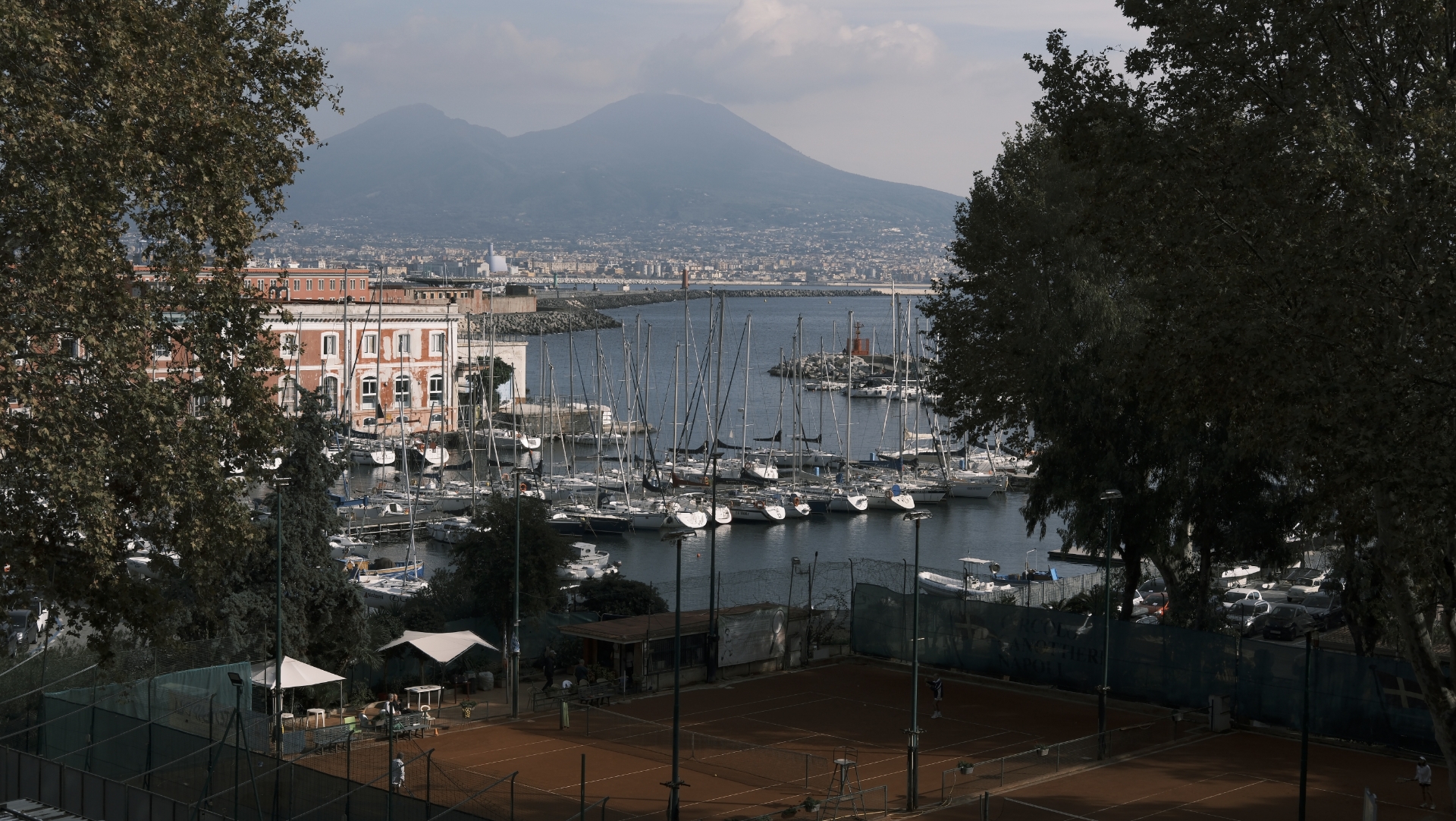
    โ–ฒ Naples is actually about only a half of Montreal’s population within the metropolitan area, but it clearly wins on location with the Mediterranean and warm climate. Not to be overlooked, there’s always the question of Vesuvius looming above.

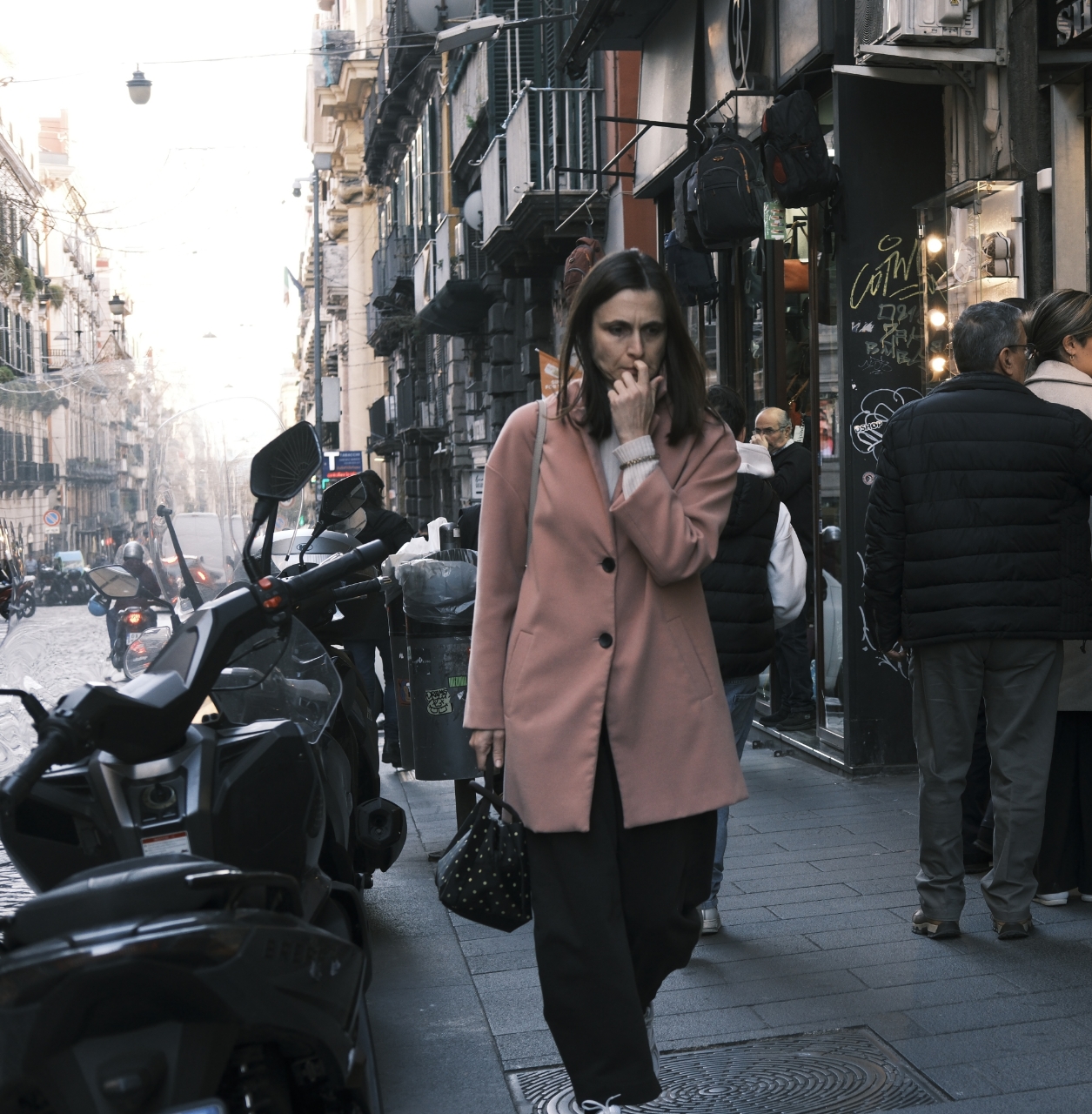
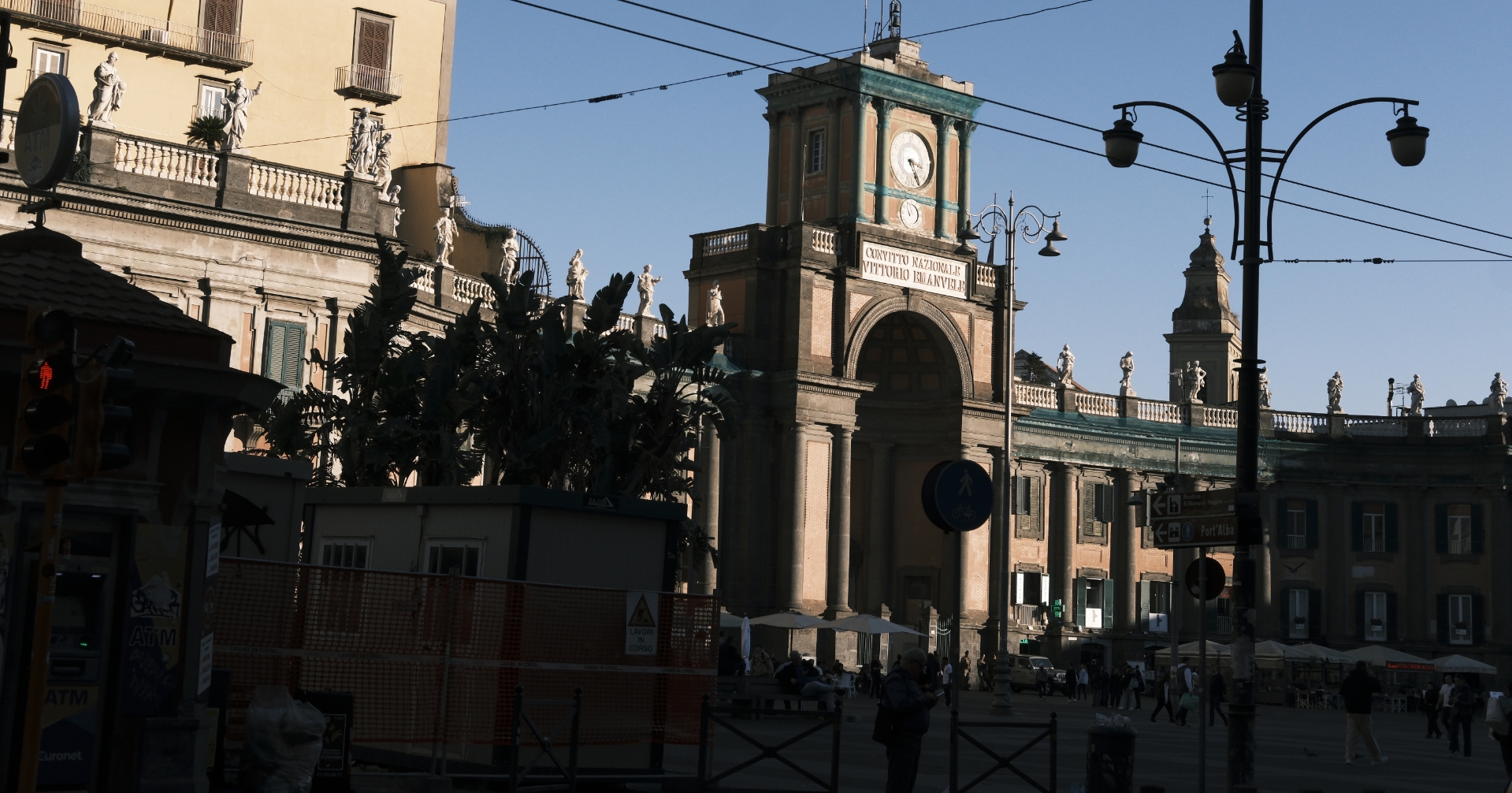
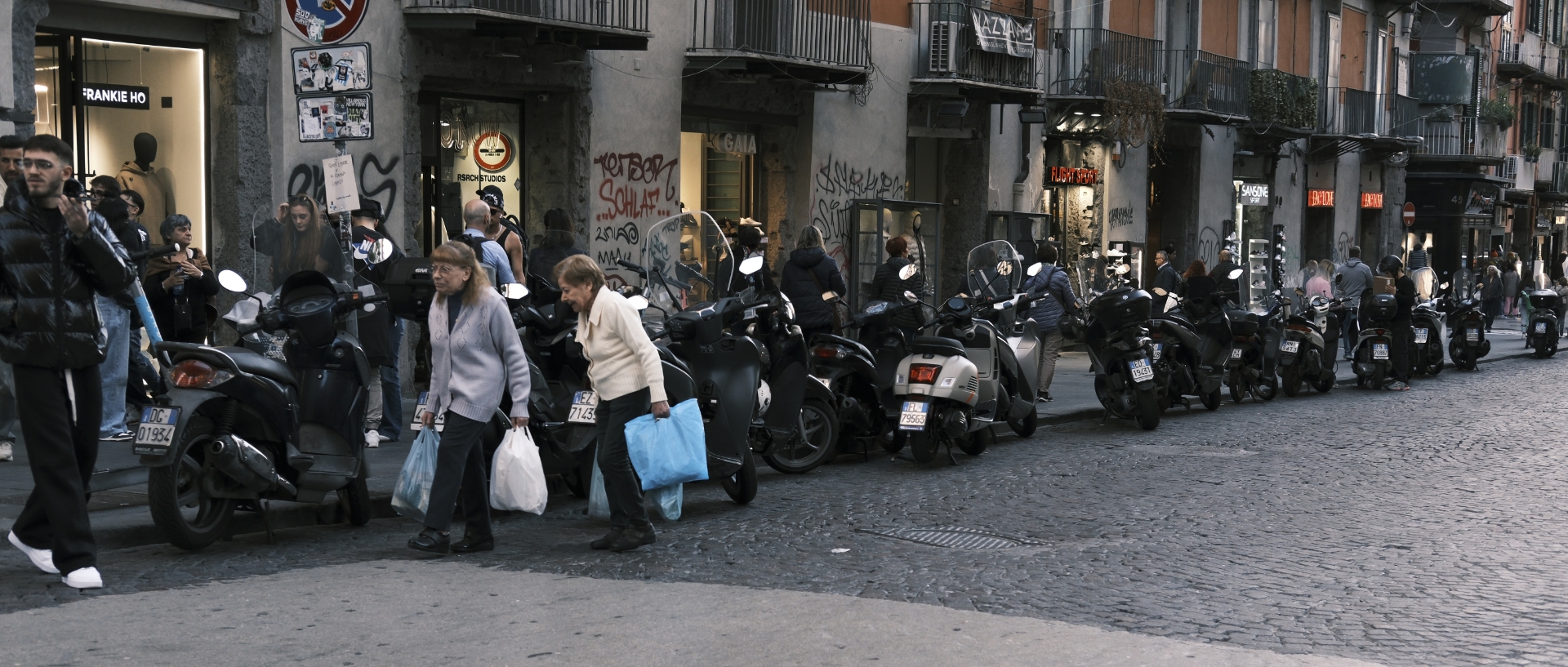
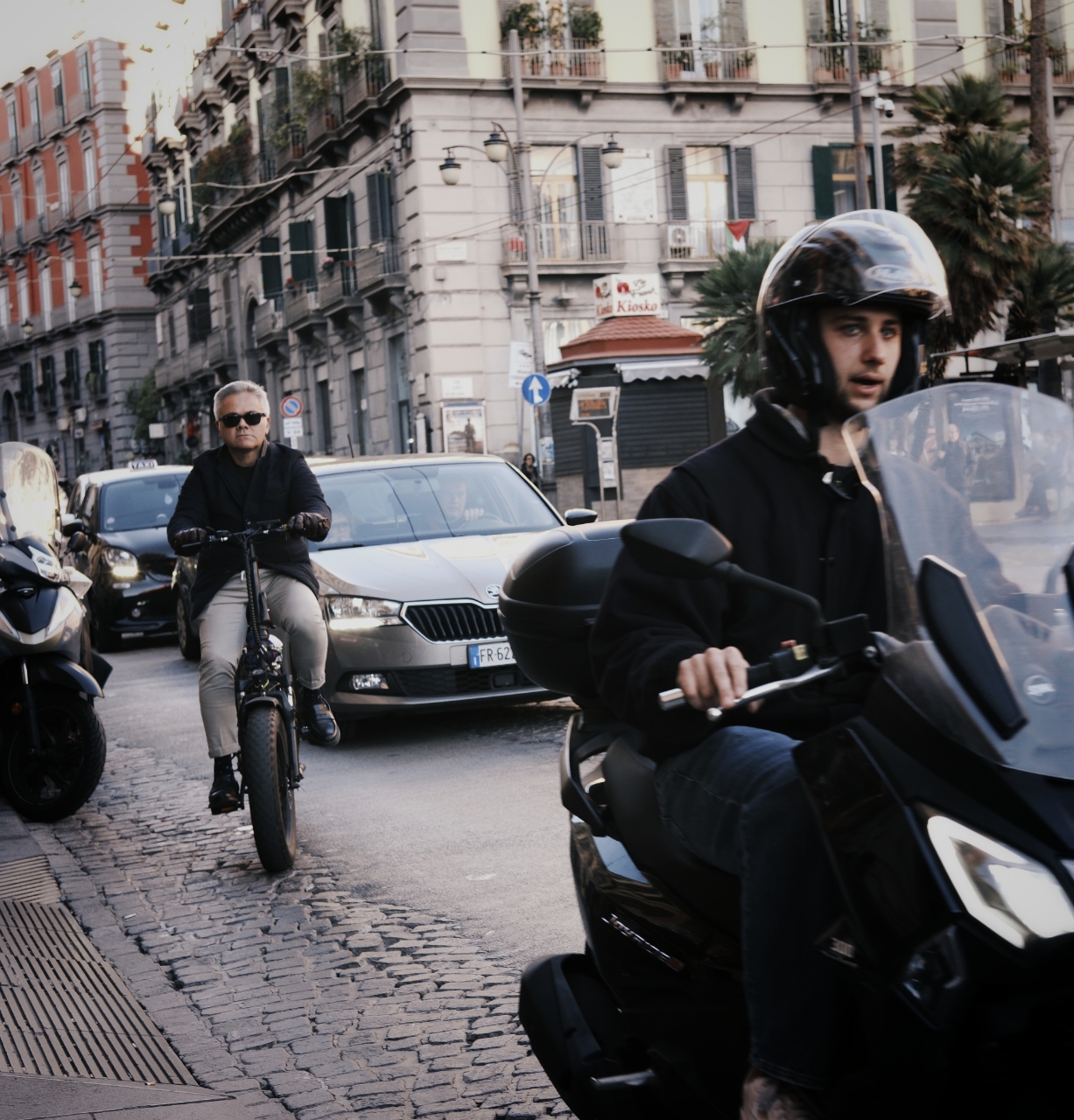
    What I saw in Naples and what excited me the most was life unfolding in a continuous present. Damascus had a similar feel, but lacking the lively social give-and-take. History is not a frozen backdrop but a living participant in the present. The city’s streets compress centuries of urban life into a narrow, vertical spaces in which architecture, religion, commerce, and society are densely layered and constantly in motion. Everyday life spills outward from apartments and courtyards onto sidewalks, alleys, and piazzas, turning public spaces into hybrid spaces of living rooms, marketplaces, and theatres. It’s a feeling that I’ve fractionally experienced in other cities, but nothing like what washed over us in Naples.

    A city built for the street

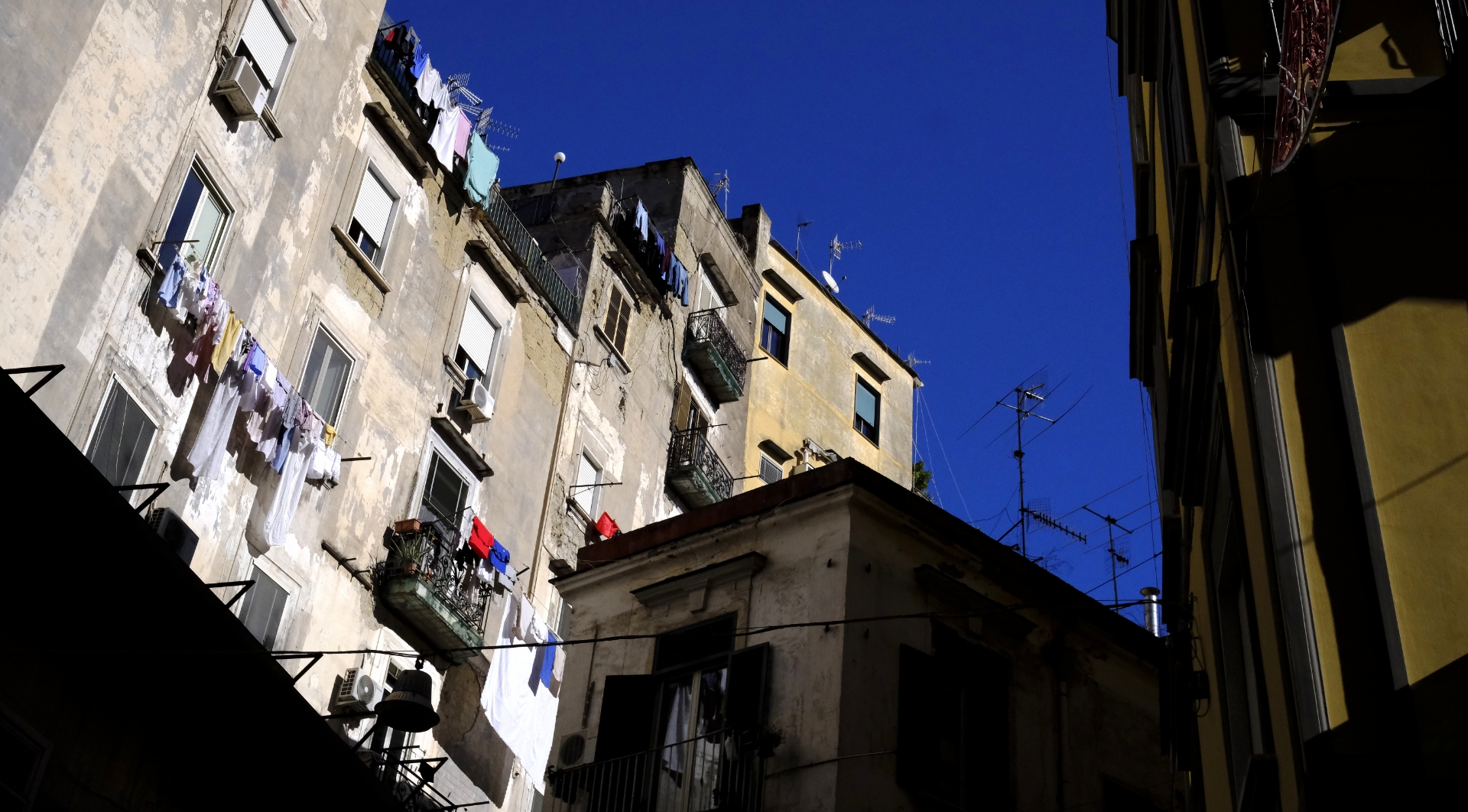
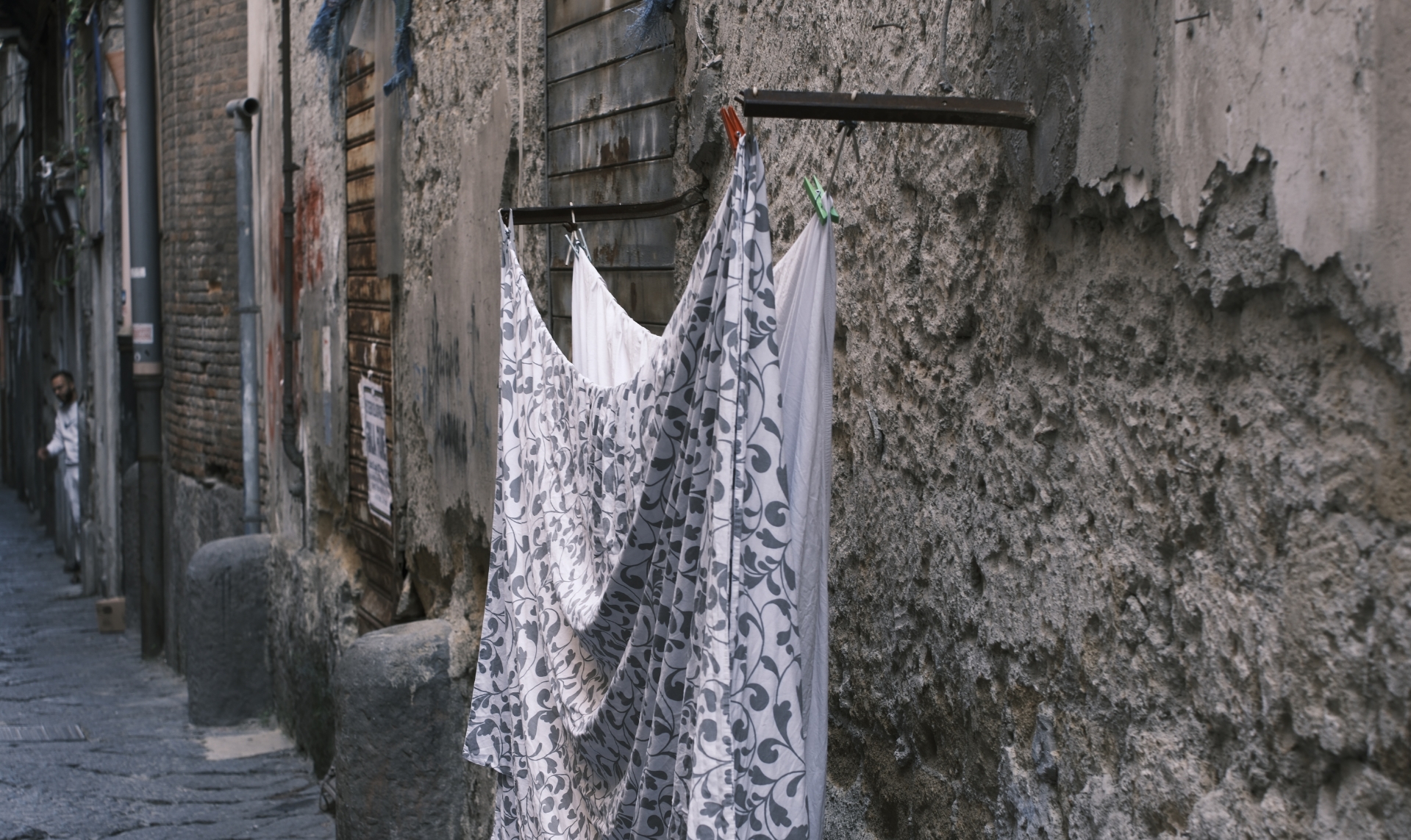
    Naples’ street culture is inseparable from its urban fabric, especially in the historic center. Narrow streets and tall palazzi push life outward: balconies overhang the stone alleys, laundry stretches from window to window, and voices carry easily across the void. The result is a public realm where boundaries between inside and outside are porous, and where residents use doorsteps, stoops, and thresholds as extensions of domestic space.

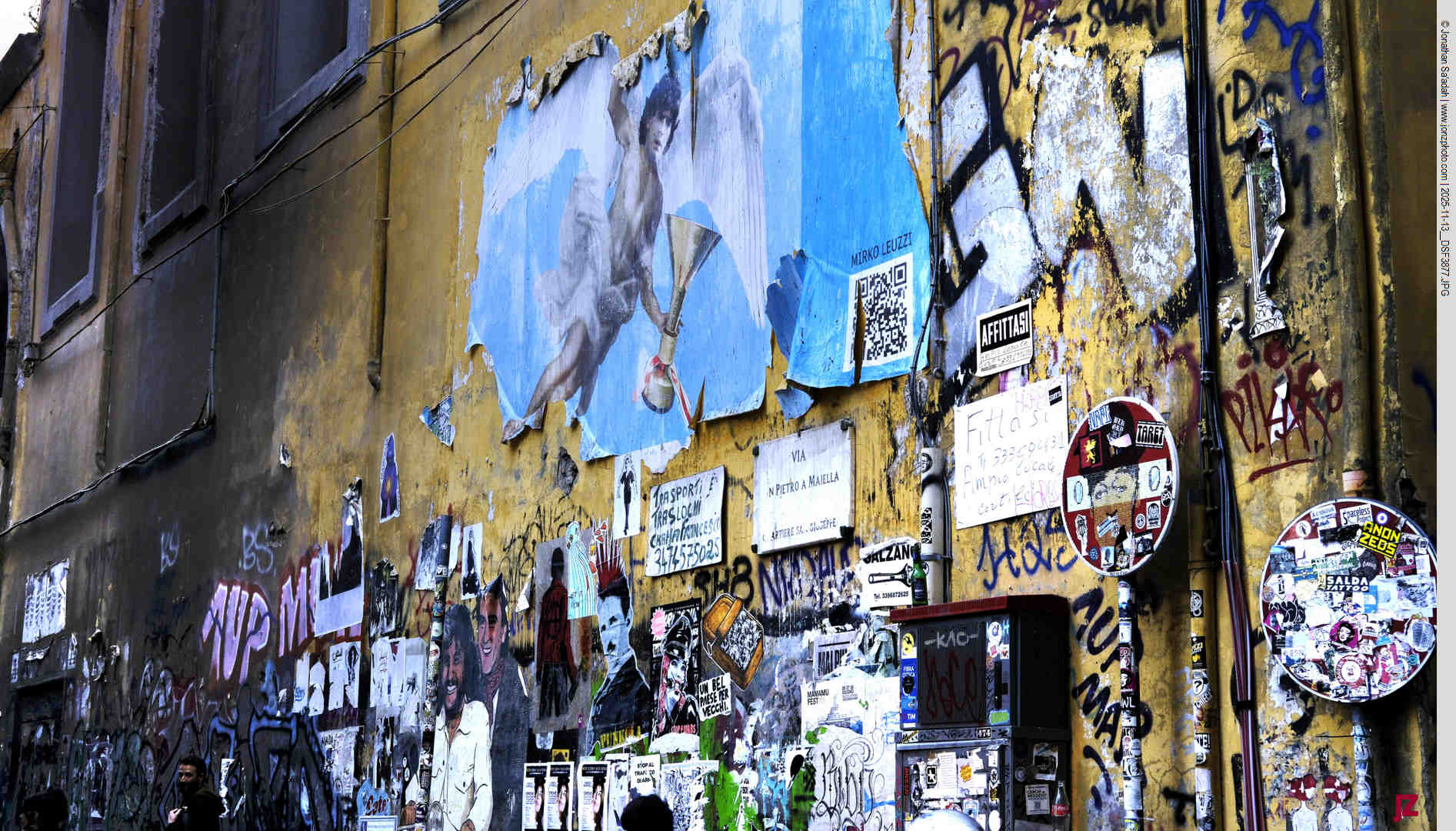
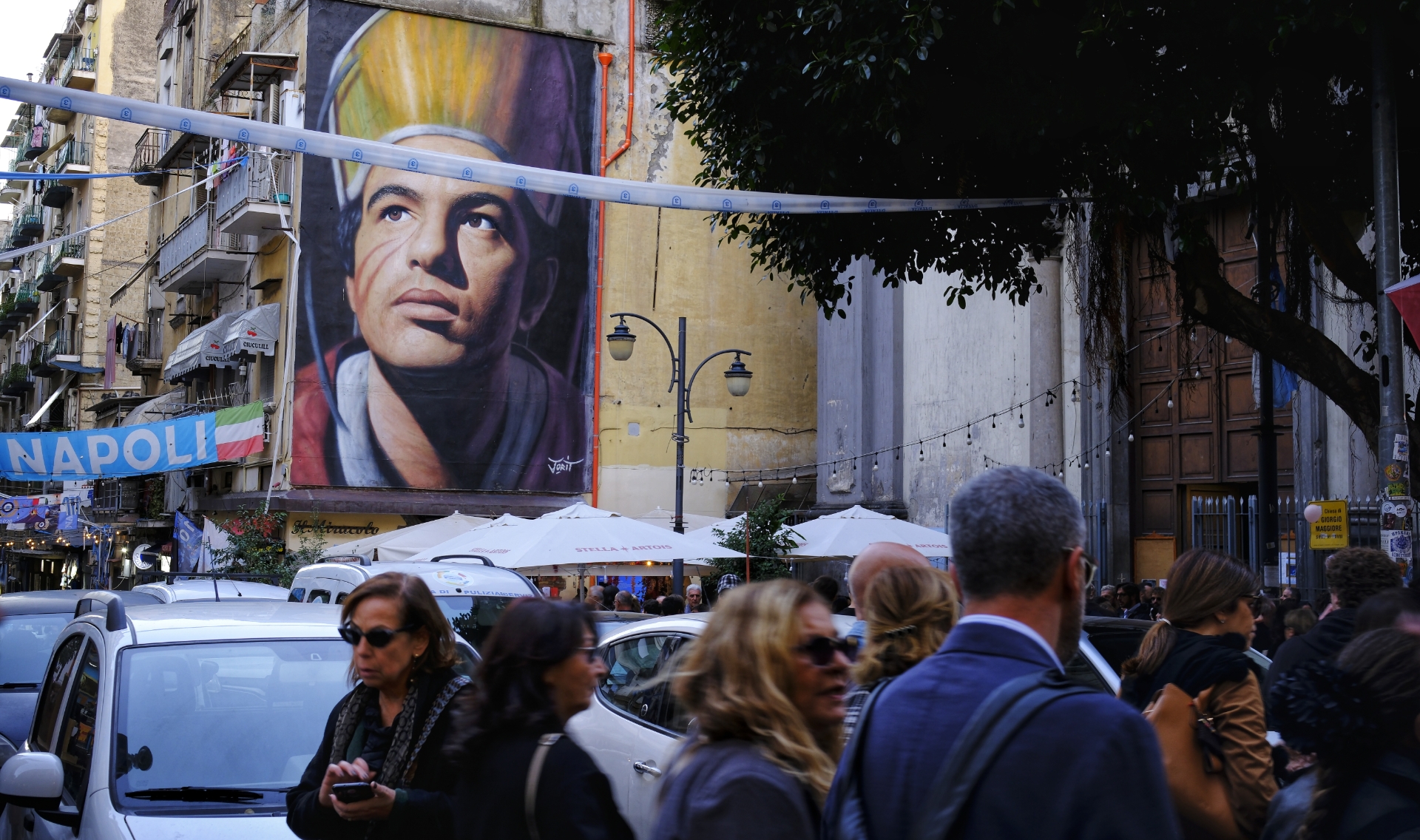
    โ–ฒ All the Neopolitan elements of street decoration. Diego Maradona hovers above it all.

    Rituals, religion, and everyday devotion

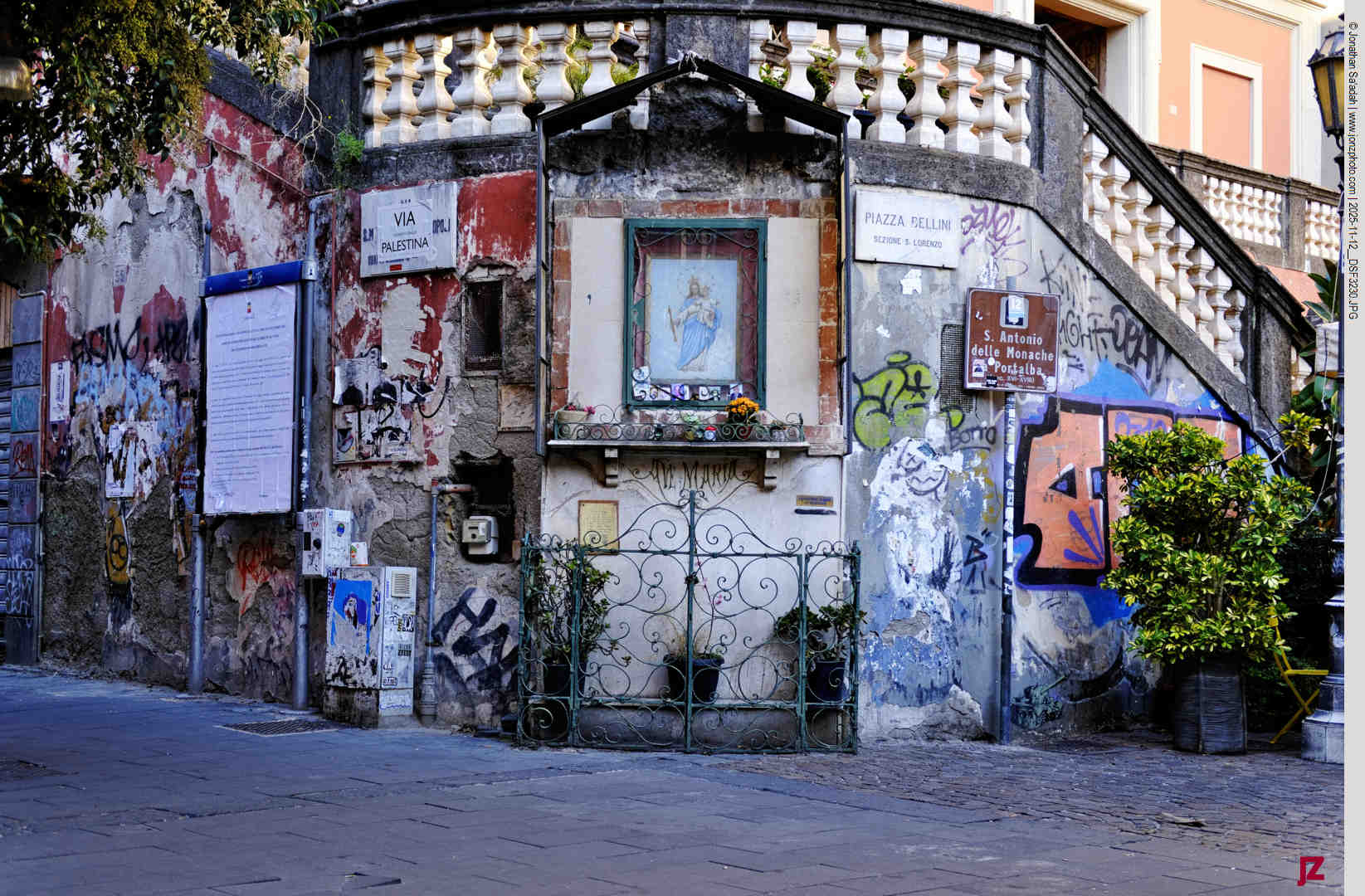
    Street shrines โ€“ dedicated to the Madonna, local saints, and more recently figures like Diego Maradona โ€“ punctuate corners and facades, anchoring a popular religiosity that is both deeply felt and casually integrated into routine. Grief and celebration remain visible rather than privatized. Processions, move through the same streets that serve as commercial arteries, briefly reorganizing traffic and commerce around communal rites.

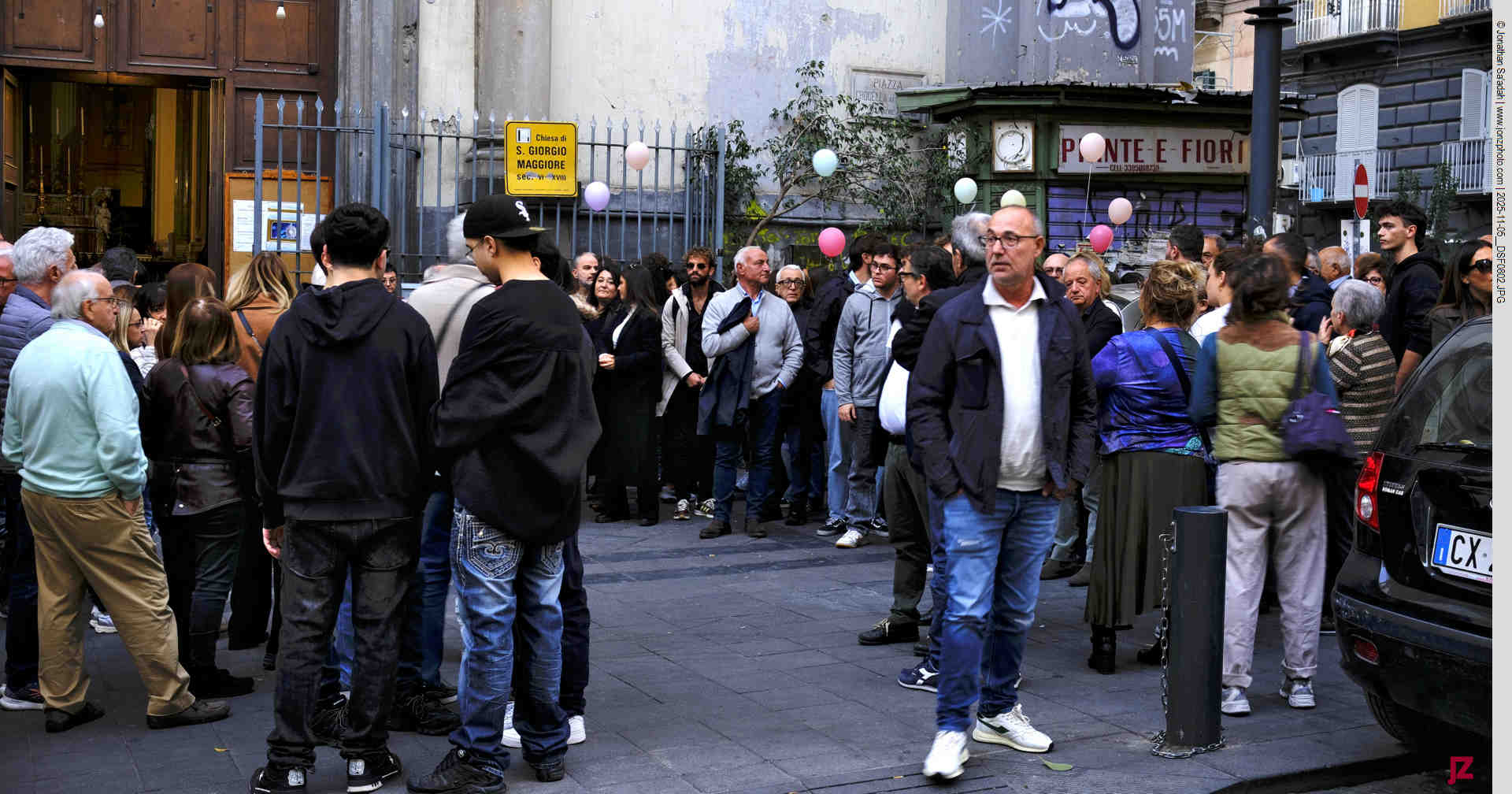
    โ–ฒ Mourners on the street outside a church waiting for the hearse.

    Commerce, food, and the social economy

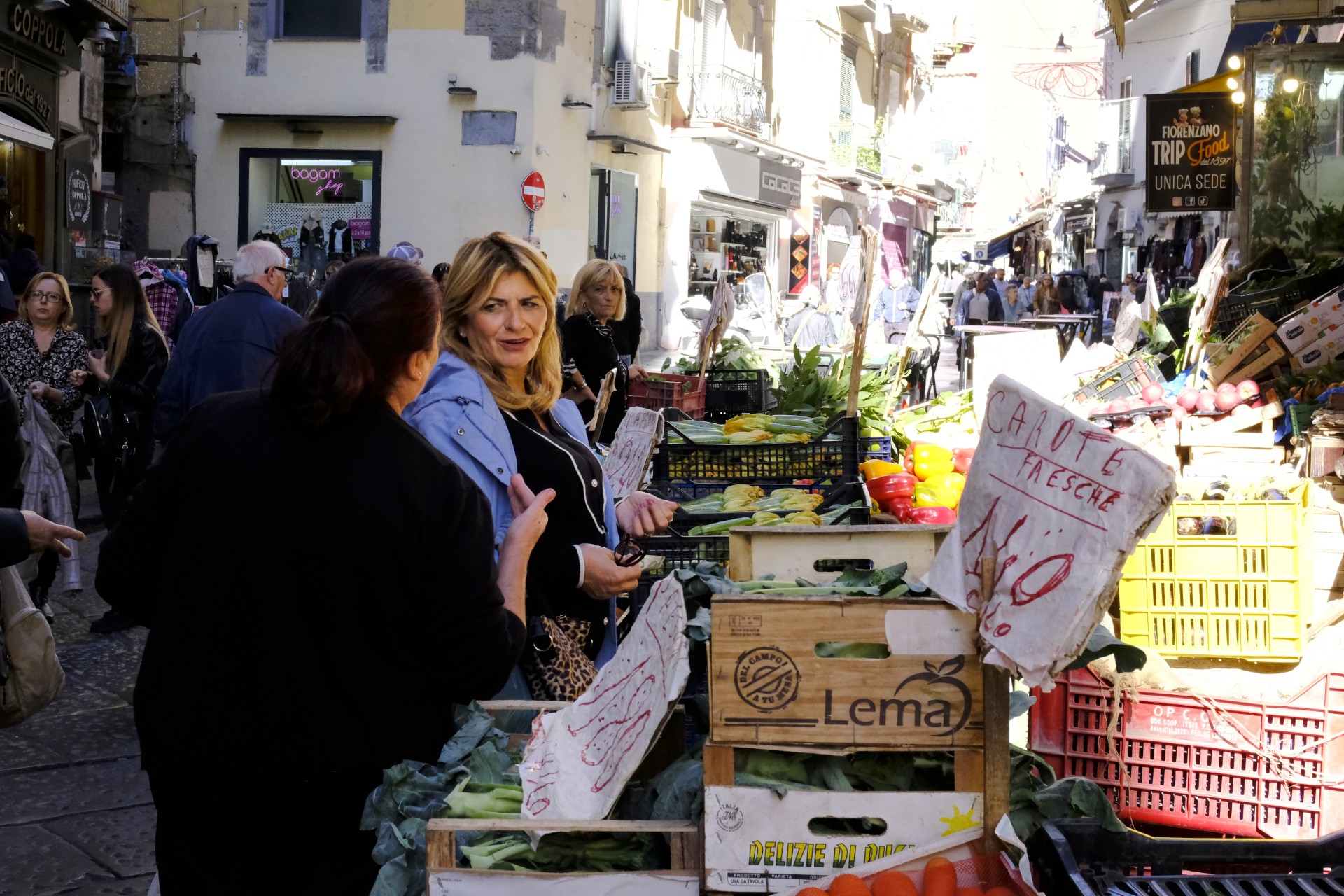
    Street-level culture in Naples is also a culture of commerce, from formal shops along Via Toledo and other main arteries to informal stalls, barrow vendors, and door-front sellers. Food is central: pizza al portafoglio, fried snacks, and pastries are eaten on the move, reinforcing an urban tempo in which eating, talking, and walking blur into a single activity. Small businesses โ€“ tailors, repair shops, artisan workshops โ€“ often have doors flung wide open, allowing passersby to watch work in progress and which favors a network of long-standing relationships.

    Noise, performance, and conflict

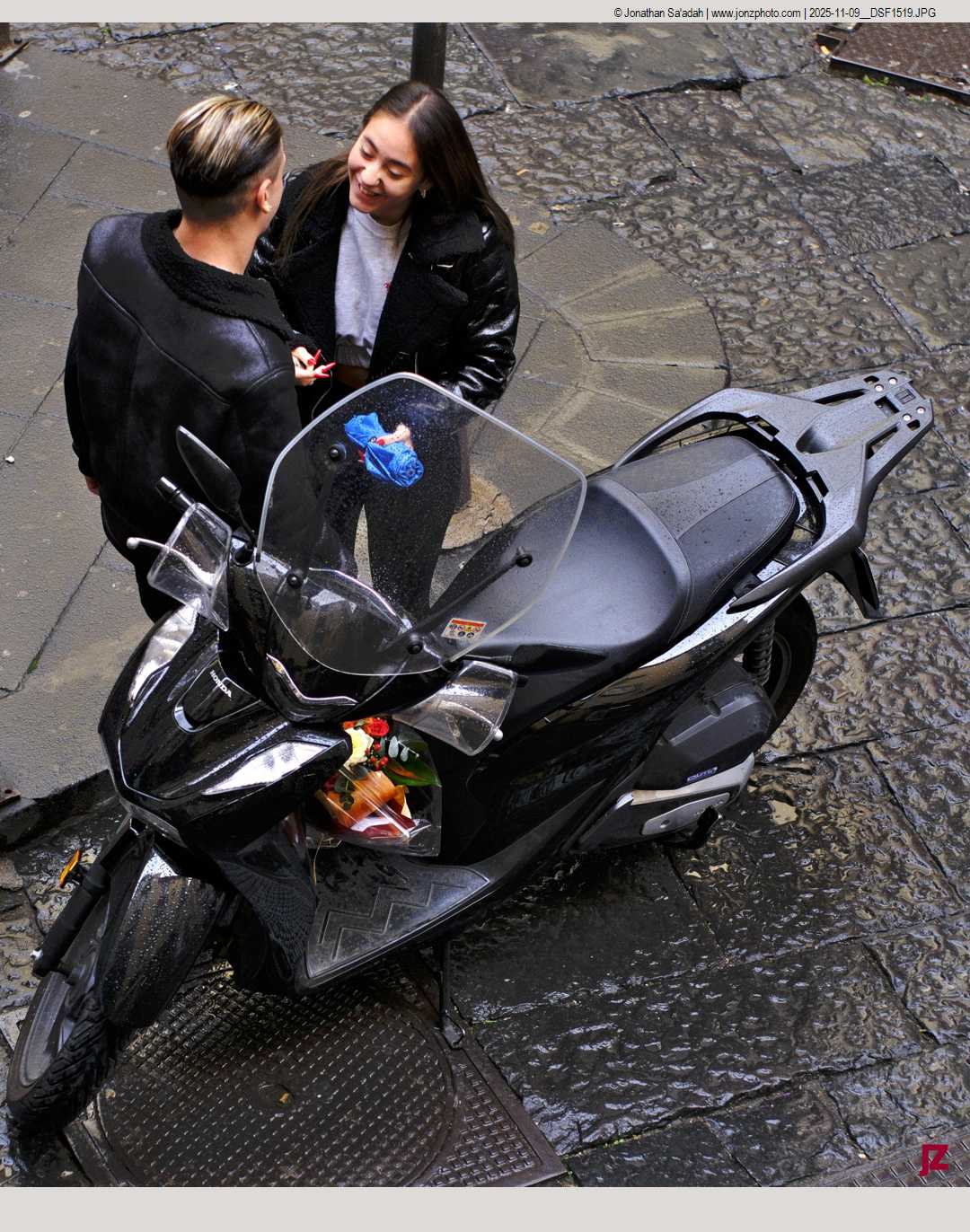
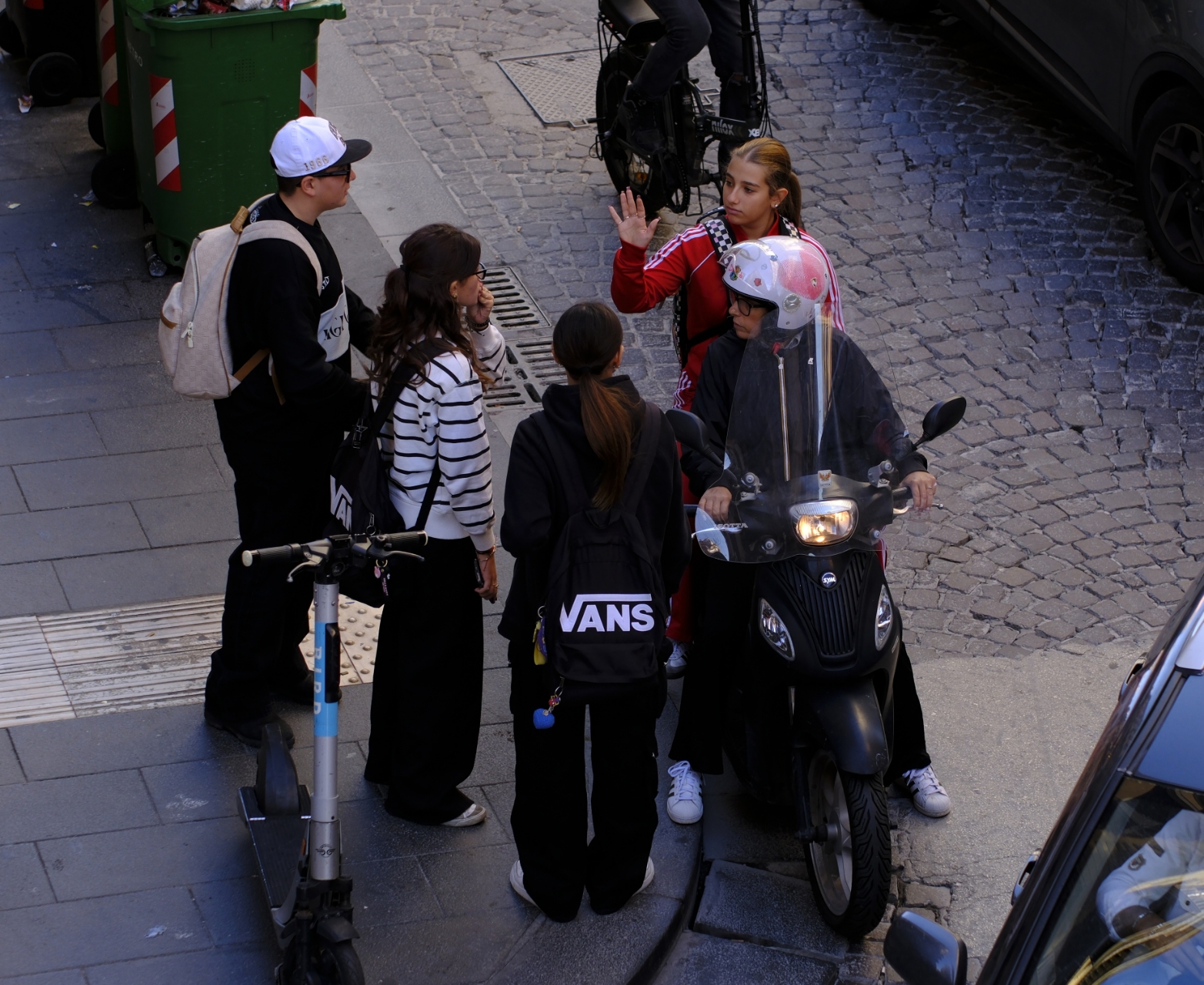
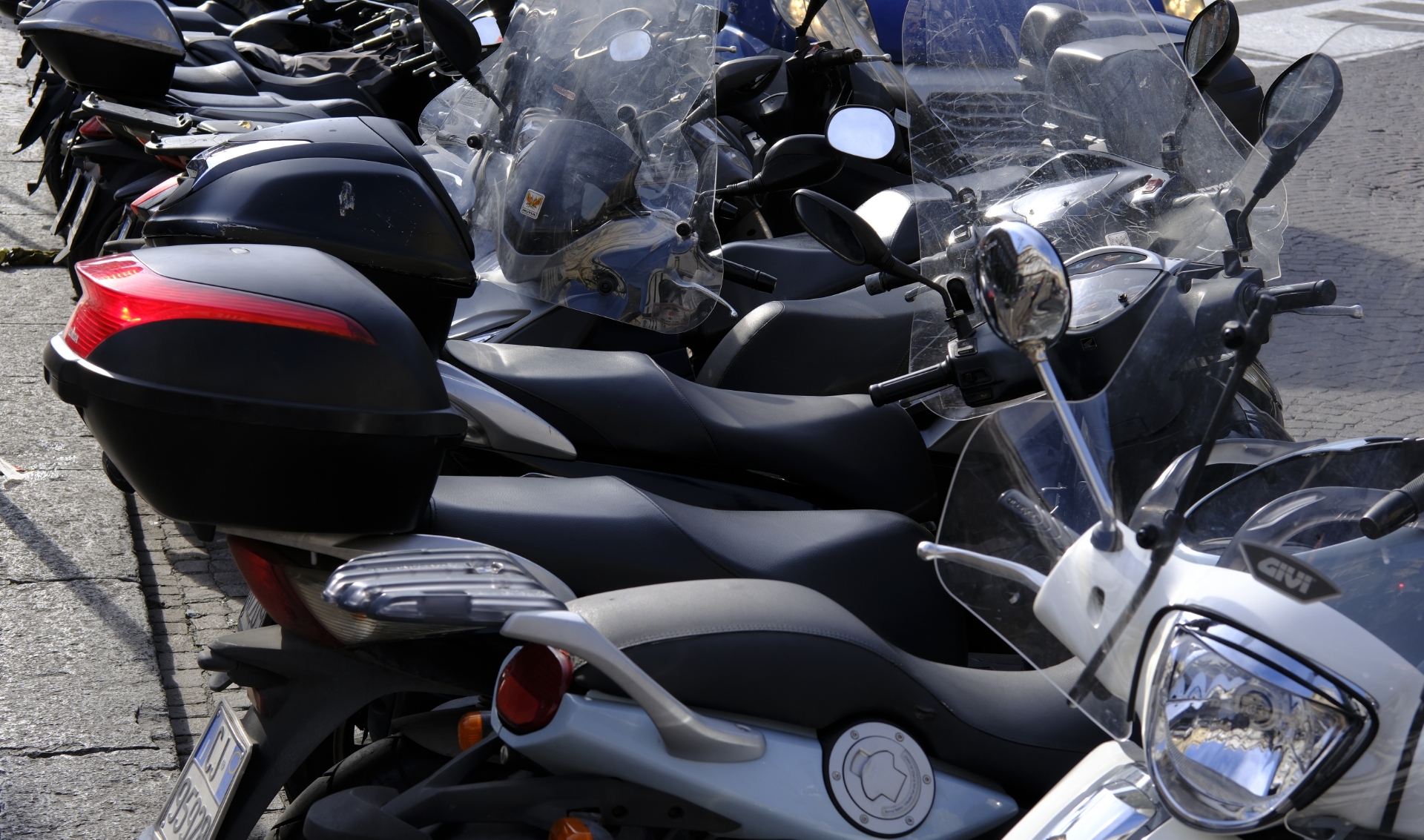
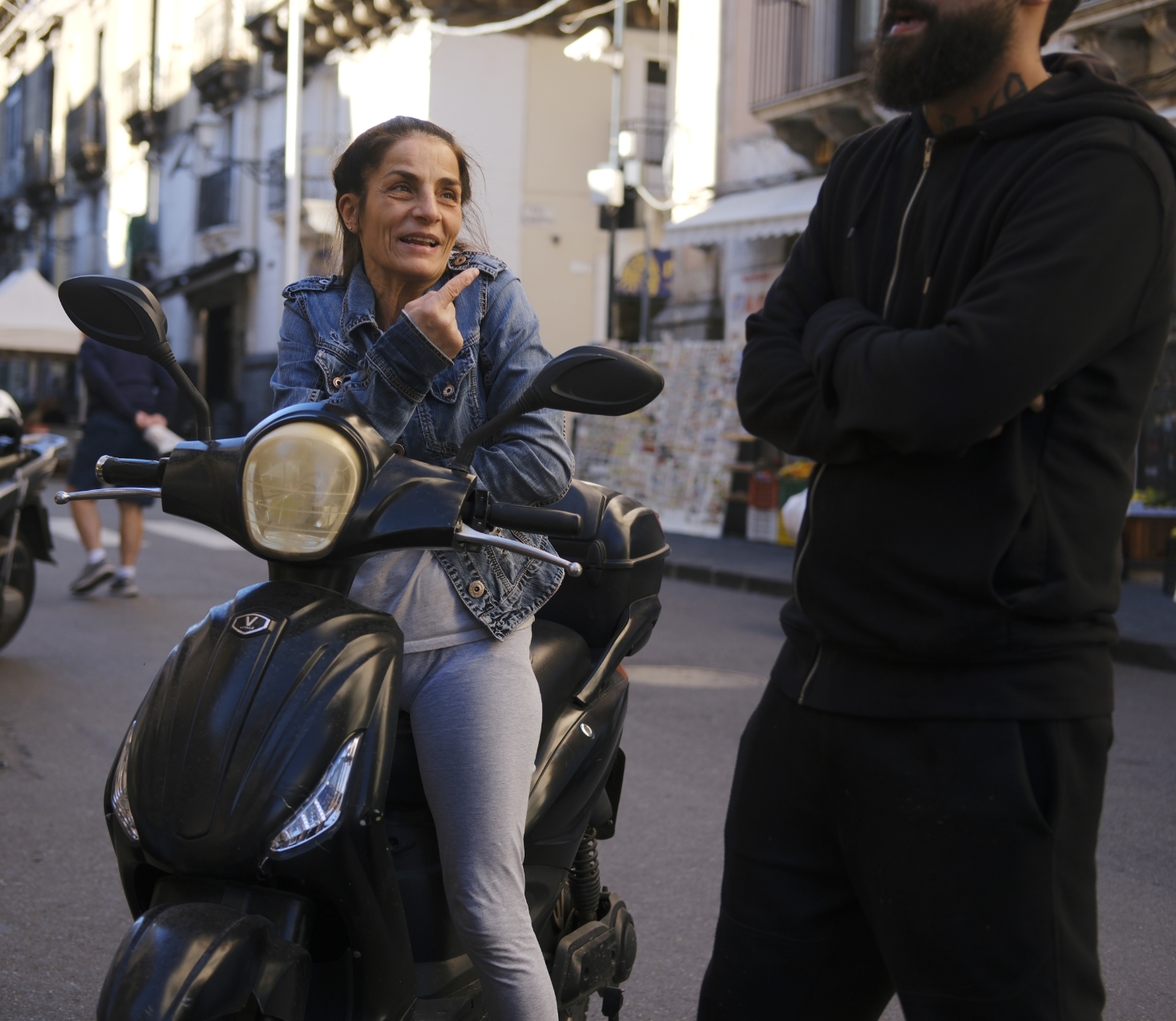
    Sound is one of the principal mediums of Neapolitan street life: motor scooters, shouts, arguments, laughter, and music densely fill the acoustic space. Conversation easily becomes performance; the theatricality has roots in a real culture of gestural communication and public argument, where disagreement is aired loudly but does not always imply rupture.

    Graffiti, stickers, and visual claims

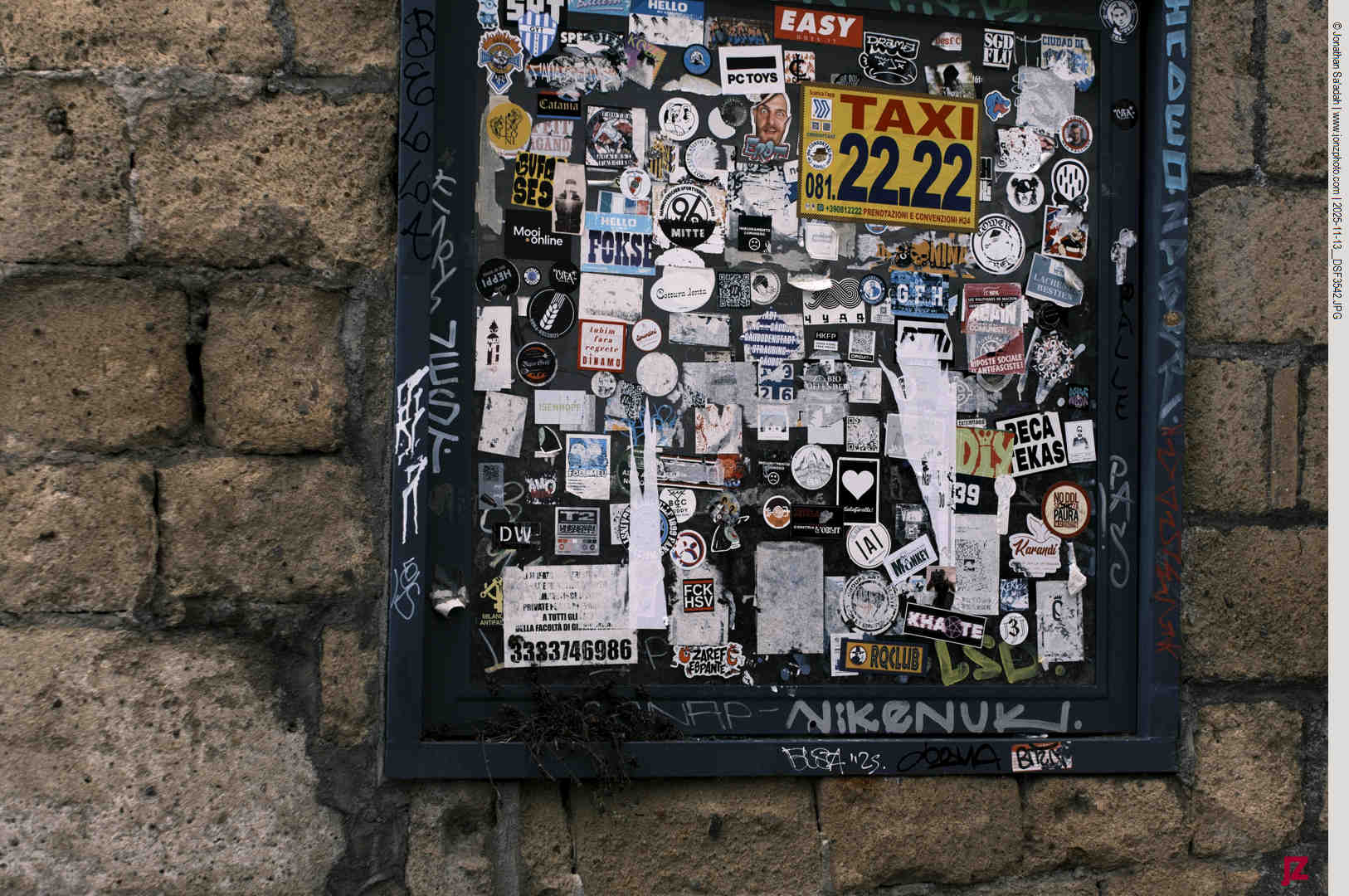
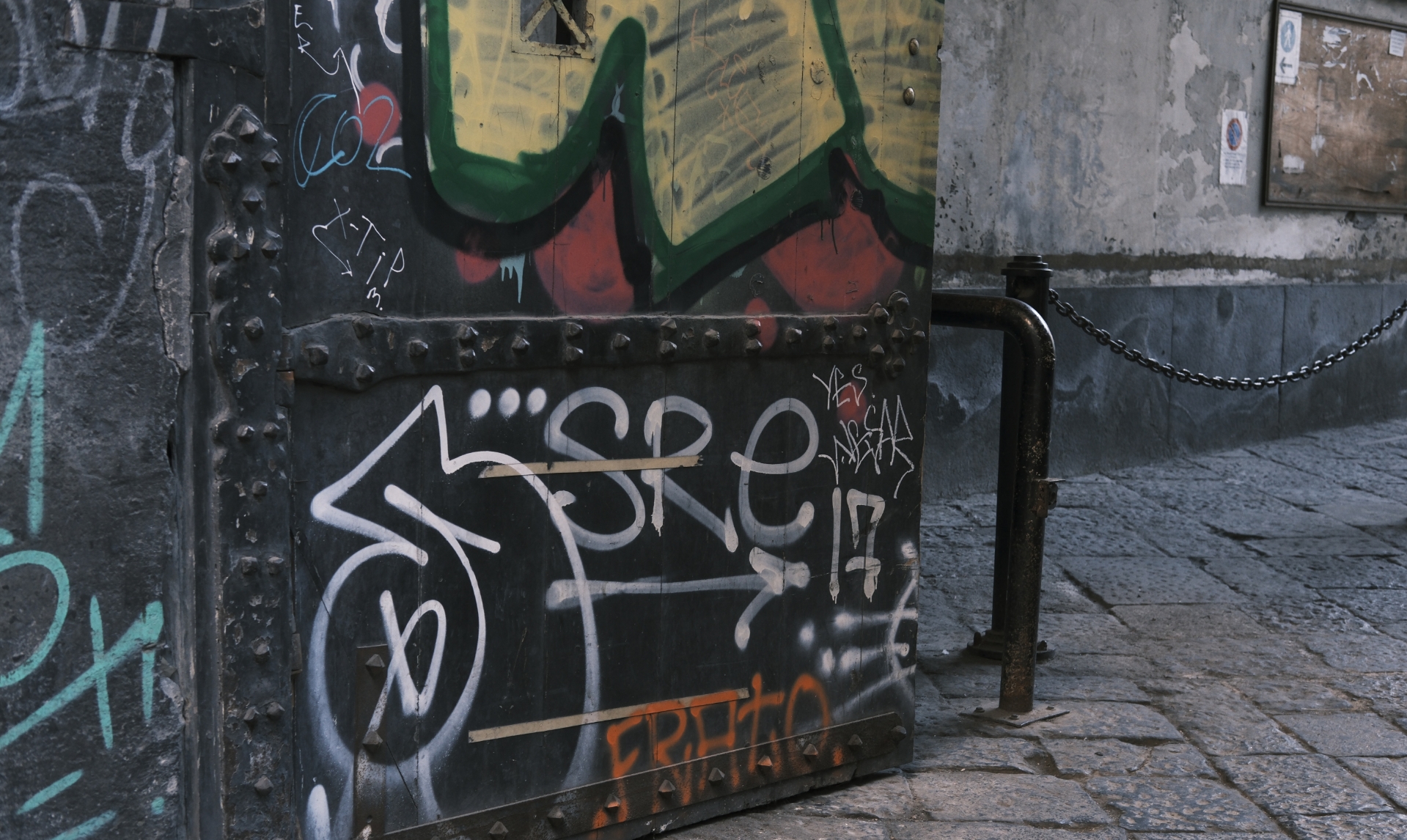
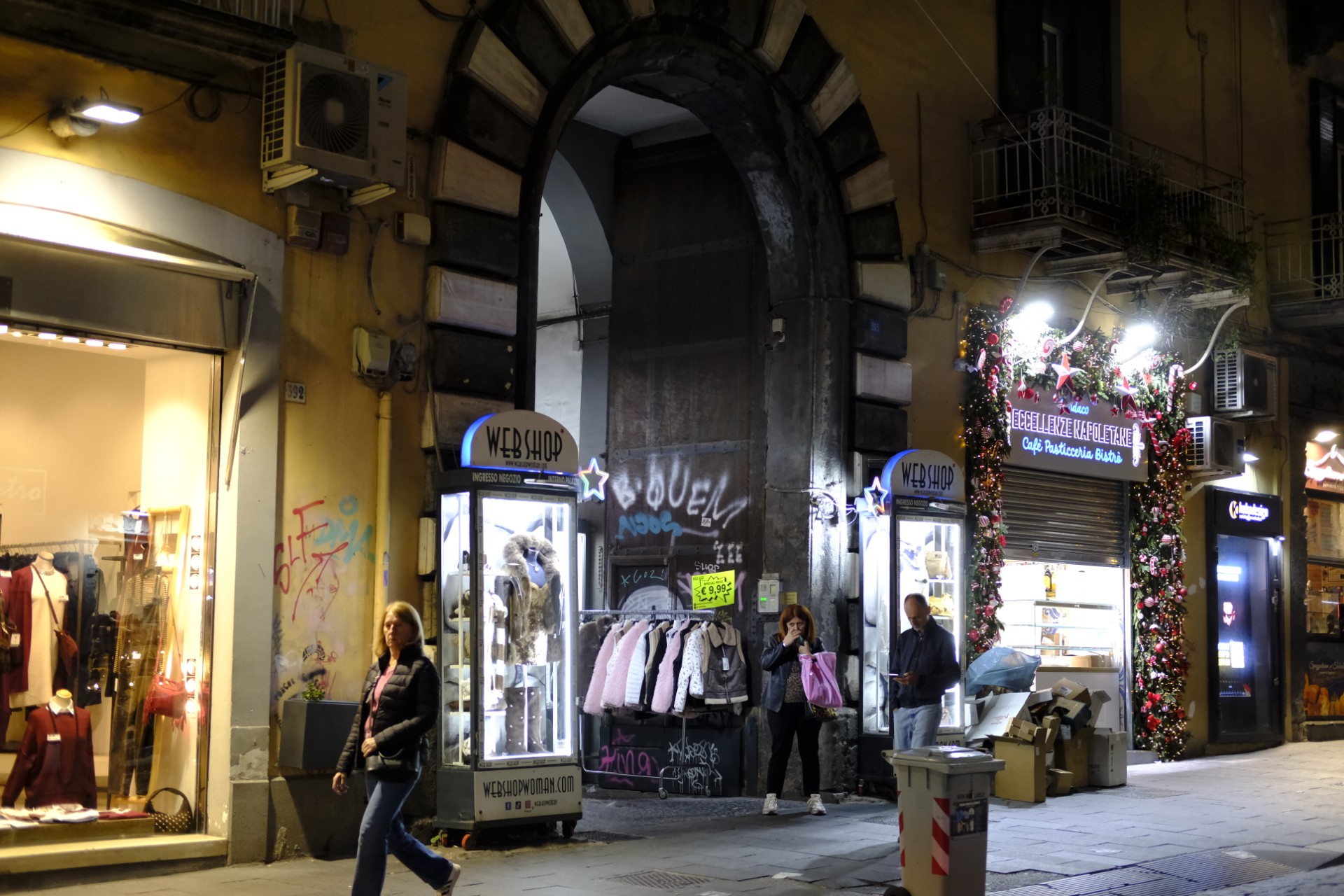
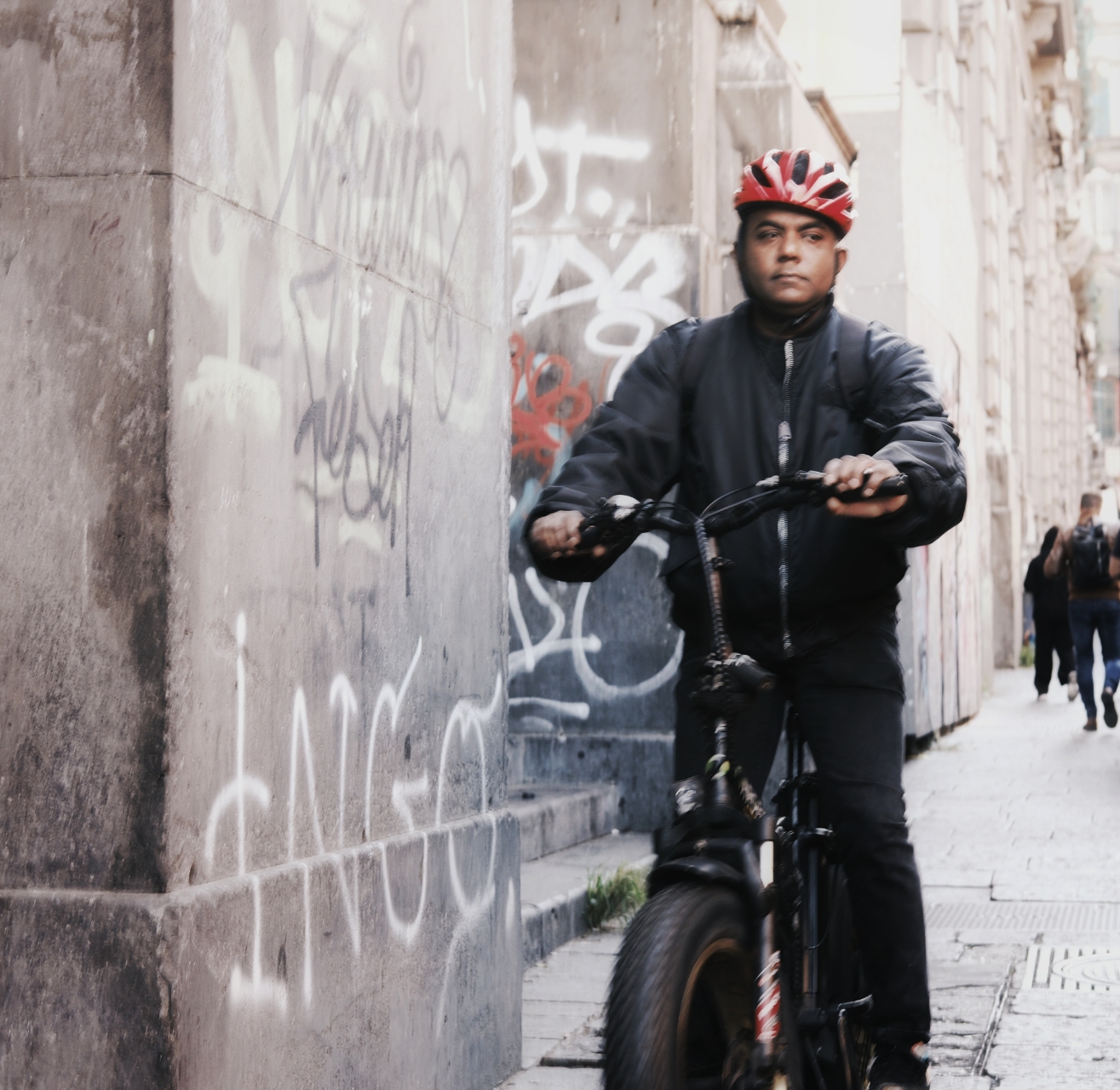
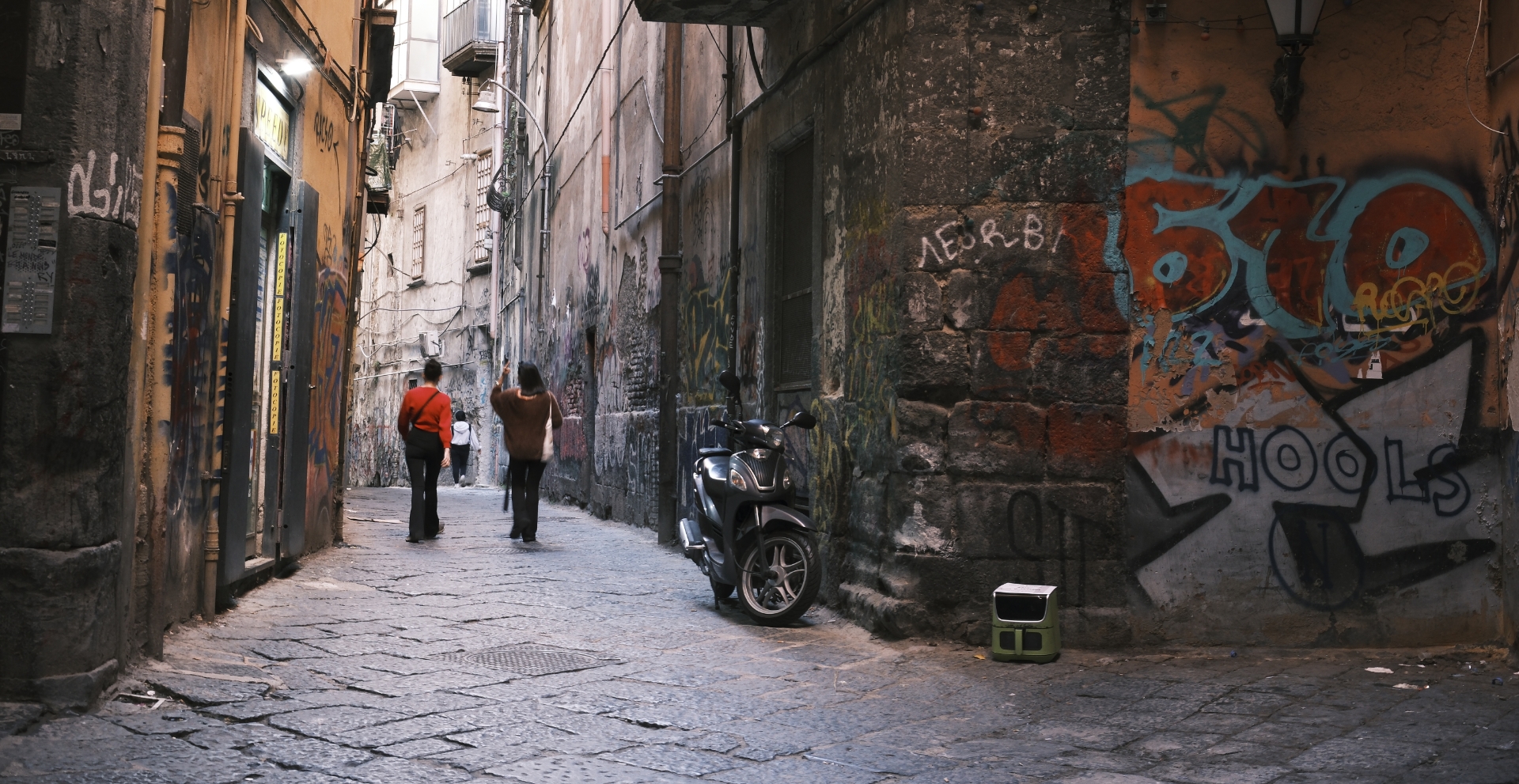
    Walls, shutters, and street furniture function as a visual gallery of tags, murals, stickers, posters, and hand-painted signs, through which individuals and groups claim presence and allegiance. Football imagery โ€“ especially around Maradona and SSC Napoli โ€“ intertwines with political symbolism, memorials, and commercial advertising, producing surfaces that narrate loyalties, losses, and local pride. Municipal regulation and cleanup are uneven, so these layers are rarely erased; instead, they accumulate, reflecting a city in which informal expression is both tolerated and expected as part of the everyday street-level environment.

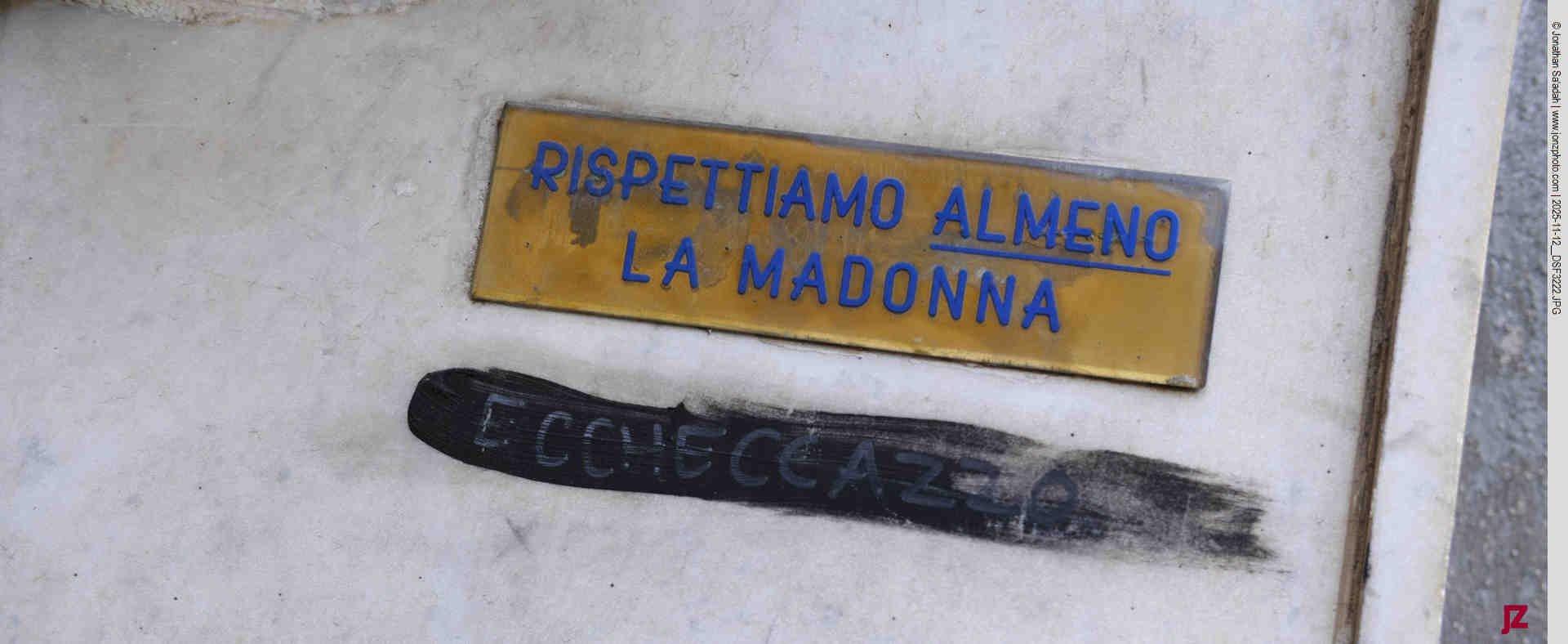
    โ–ฒ Street Shrine to the Madonna
    โ–ฒ Instructional plaque below the shrine admonishes: “Let’s at least respect the Madonna”. Below it, in answer, but crossed out: “What the Hell?” or “What the fuck?”

    Return to North America

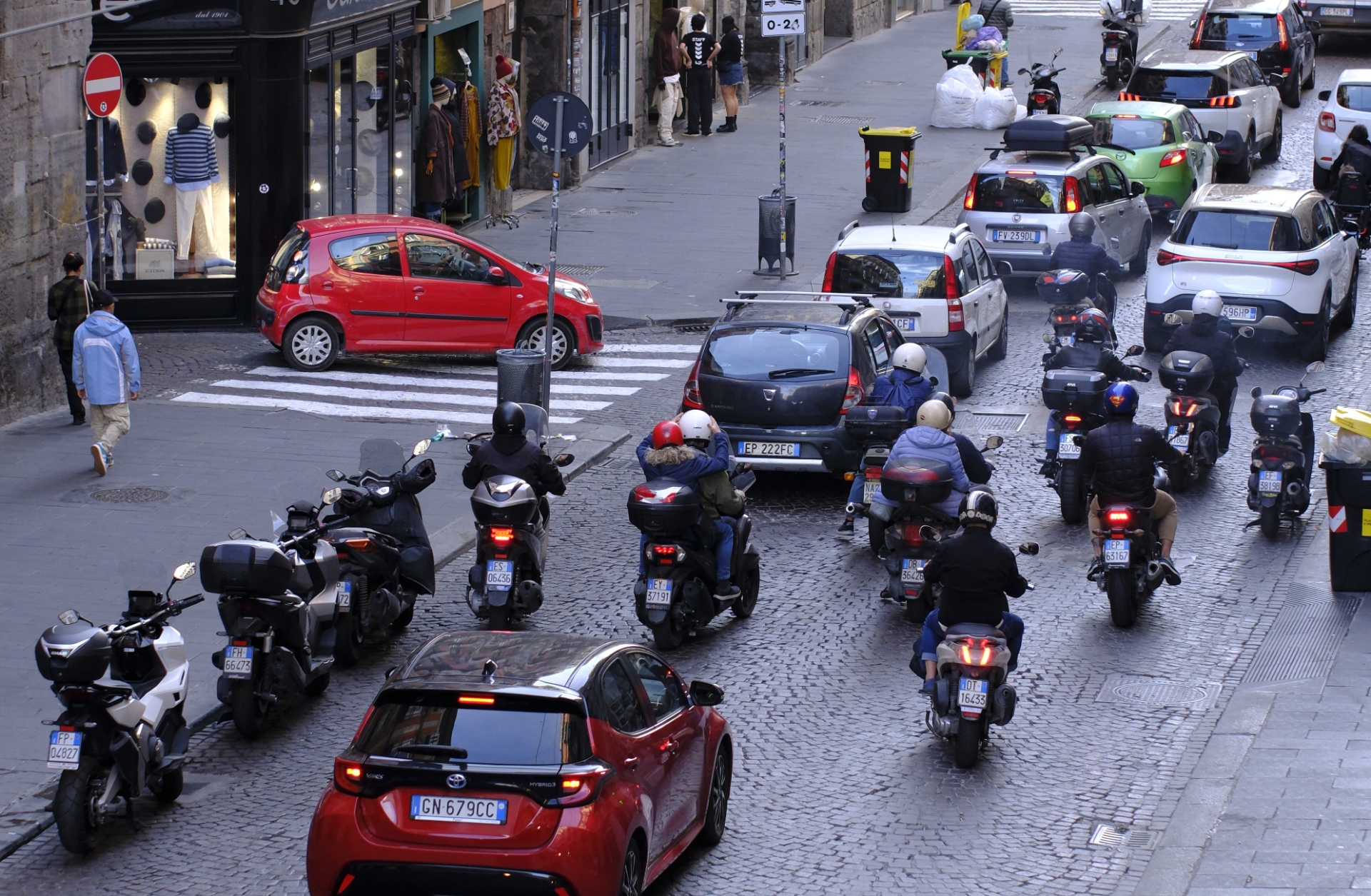
    There’s almost no obvious overlap between Naples and Montreal. If I pulled my car out into an intersection and acted like a normal Neopolitan driver, I would so shock my fellow Montrealers that counseling teams would be called in by arriving cops, to say nothing of where I’d end up. But even though we sit like silent glum blobs glued to our phones while we ride our public transport, I still ask if we’re not chronically depressed because we don’t have an easy life dealing with northern-latitude weather. There’s no light a lot of the year and grocery stores ask high prices for food that in Naples would be classified as road kill. If we were en masse moved south and fed the foods of Italy I could see us lighting right up – sparking around with high energy collisions off each other and making noise in the metro. We have the spirit, just not the environment. Watch out, dear residents of Naples!

  • My Favorite Pizzerias: Ai Marmi, Rome

    My Favorite Pizzerias: Ai Marmi, Rome

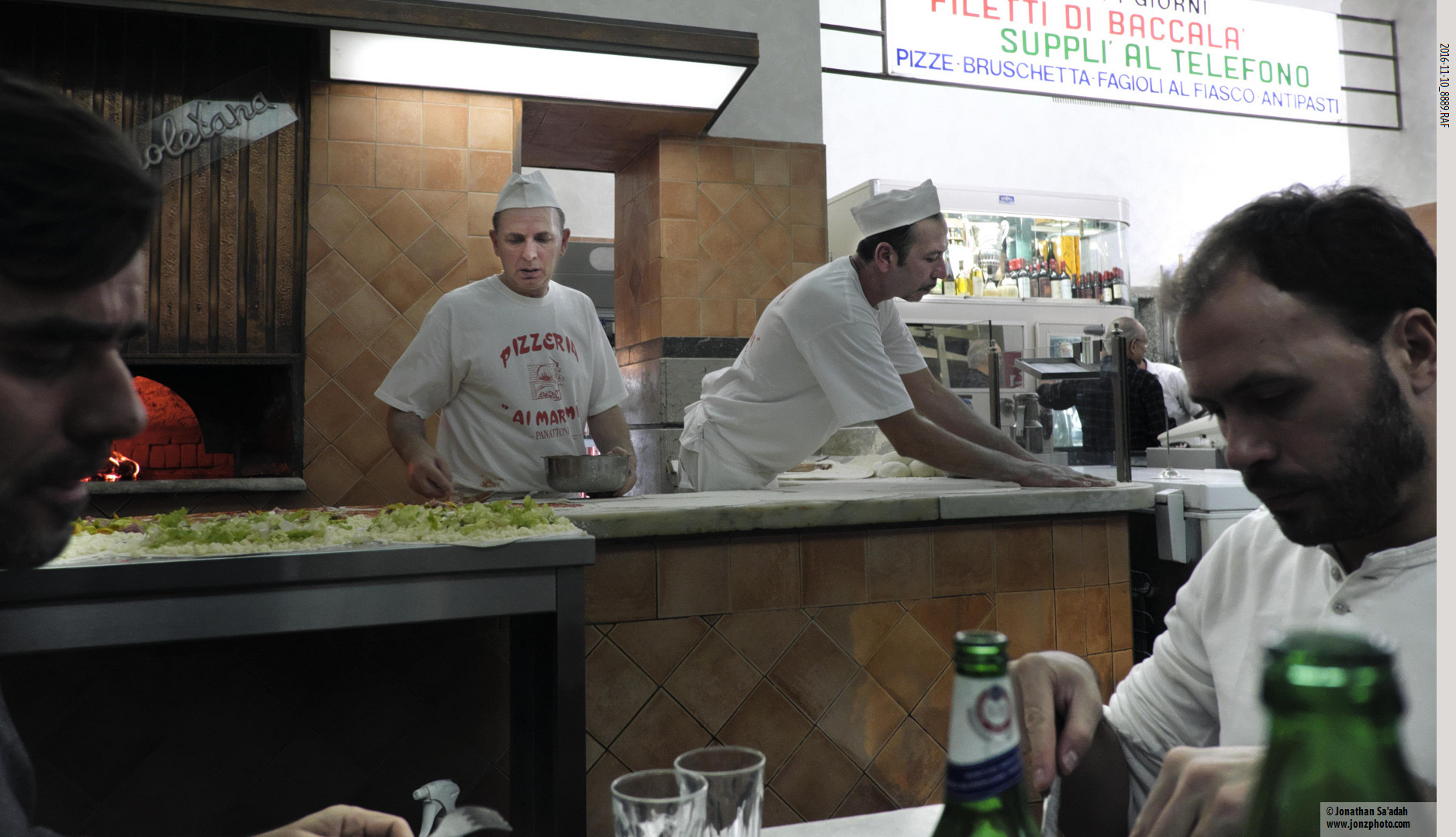
    My Favorite Pizzerias: Ai Marmi in Rome

    I noticed the place because it always seemed to be closed, metal-shutters drawn tight to the ground. Since it was nearby the apartment we were renting and I passed by it frequently, wondering what was this phantom pizzaria. A failed business? A front for some nefarious project? It was hard to tell.

    One evening I was out in the neighborhood and to my surprise the shutters had just been pulled up and the pizzeria was open. Not only was it open but it was large, bright, and beginning to fill up. I went back to the apartment and alerted Beth, and together we returned just early enough to get in among the first sitting.

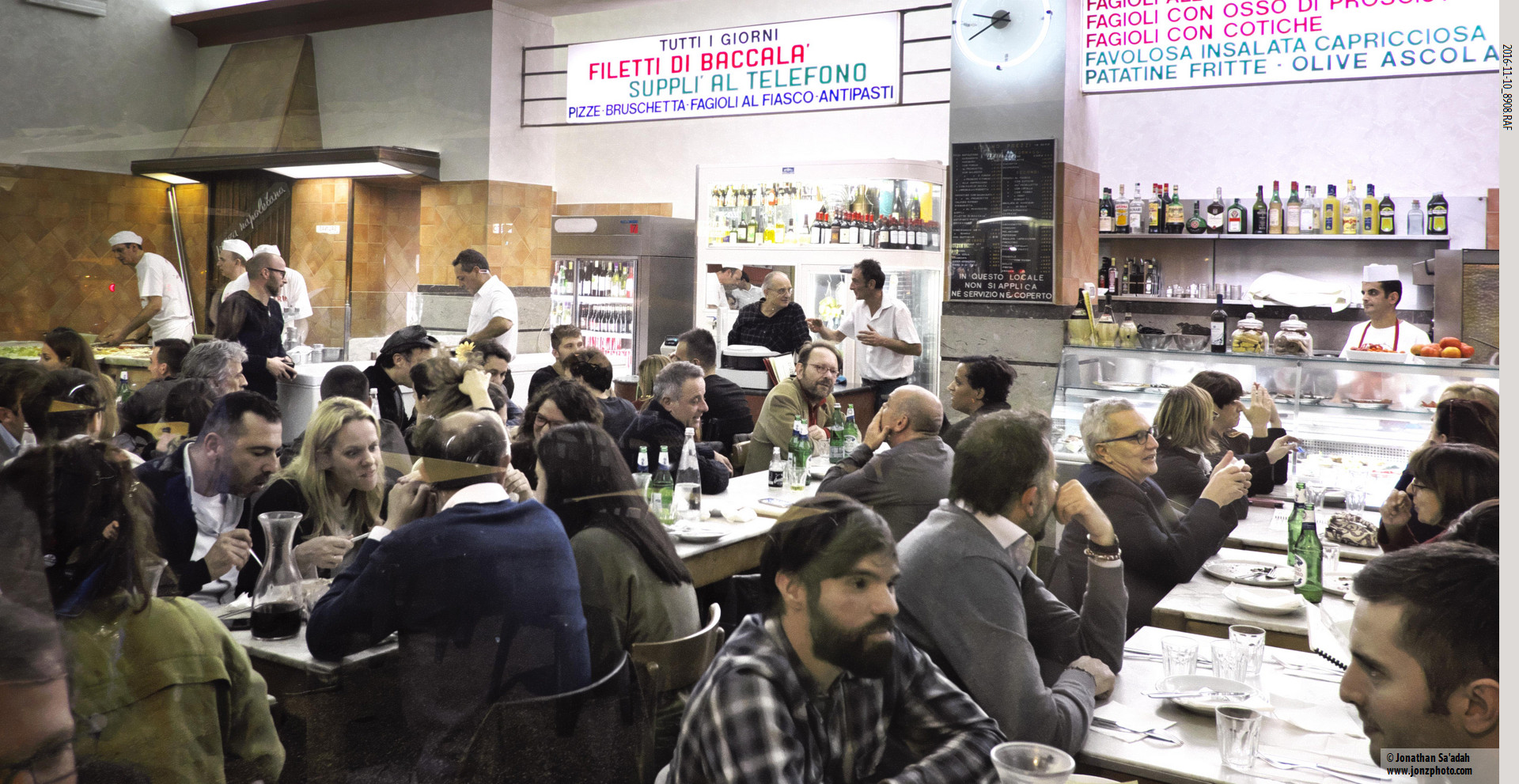
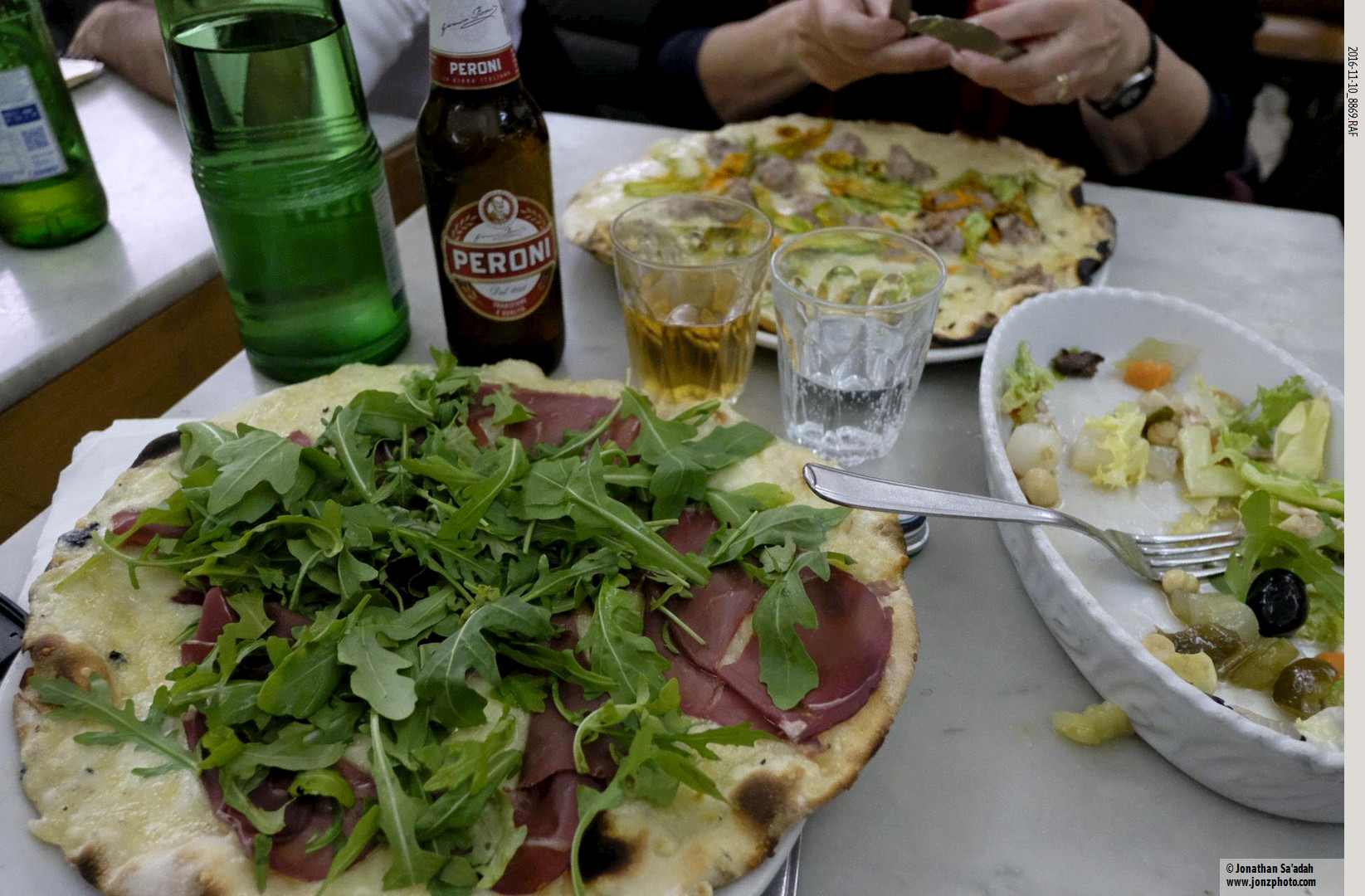
    Ai Marmi is my dream pizzeria. Not self-conscious, delicious food, with an easy, social atmosphere. It should know what it’s doing, it’s been in business in the same place for over 90 years, serving thin crust Roman-style pizzas. It’s easily one of my favorite restaurants on earth.

    History of Pizzeria Ai Marmi in Trastevere

    Ai Marmi has been serving pizza since it opened its doors in 1931 as an ancient wood-fired oven bakery. The restaurant was originally known as “Panattoni Pizza,” named after its founding family. Since 1980, it has been operated by the Panattoni brothers – Paolo, Renzo, and Carlo – who inherited the business and continue to use pizza recipes handed down from their great-grandfather.

    Distinctive Characteristics and Nicknames

    The establishment is affectionately known by Romans through two distinctive nicknames:

    “Ai Marmi” (The Marble Slabs) – This name derives from the restaurant’s signature marble-slab tables that have remained a constant feature since its opening. These thick marble surfaces serve both functional and aesthetic purposes in the pizza-making process.

    “L’Obitorio” (The Morgue) – This more colorful nickname was coined by renowned Italian poet Pier Paolo Pasolini, who lived nearby and frequently dined at the its tables. The moniker refers to the cold marble tables that resemble those found in traditional morgues or classic old-style Neapolitan pizzerias.

    Cultural Impact and Atmosphere

    Throughout its nine decades of operation, Ai Marmi has maintained its authentic Roman character, creating a gastronomic and cultural experience that to me puts it at the pinnacle of the pizza world. The restaurant’s bustling, hectic atmosphere, where tourists are consistently outnumbered by local Romans, creates an authentically chaotic environment that’s part of the Marmi’s charm.

    The pizzeria serves as a time capsule of Roman dining culture, with fluorescent lighting, no tablecloths, and communal marble tables where diners sit elbow-to-elbow. This unpretentious setting has remained largely unchanged since its founding, maintaining the authentic experience of a working-class Roman pizzeria.

    Culinary Tradition

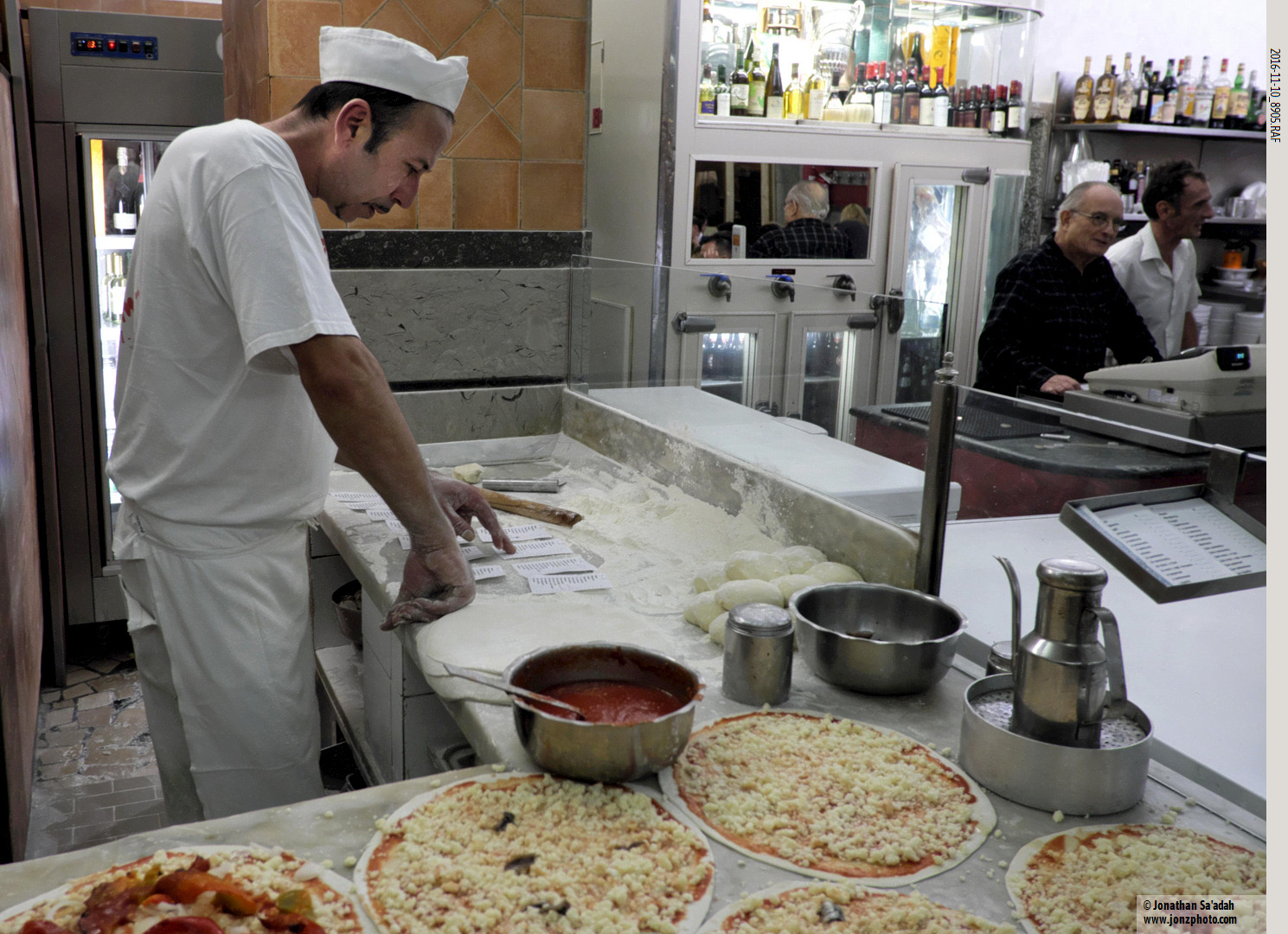
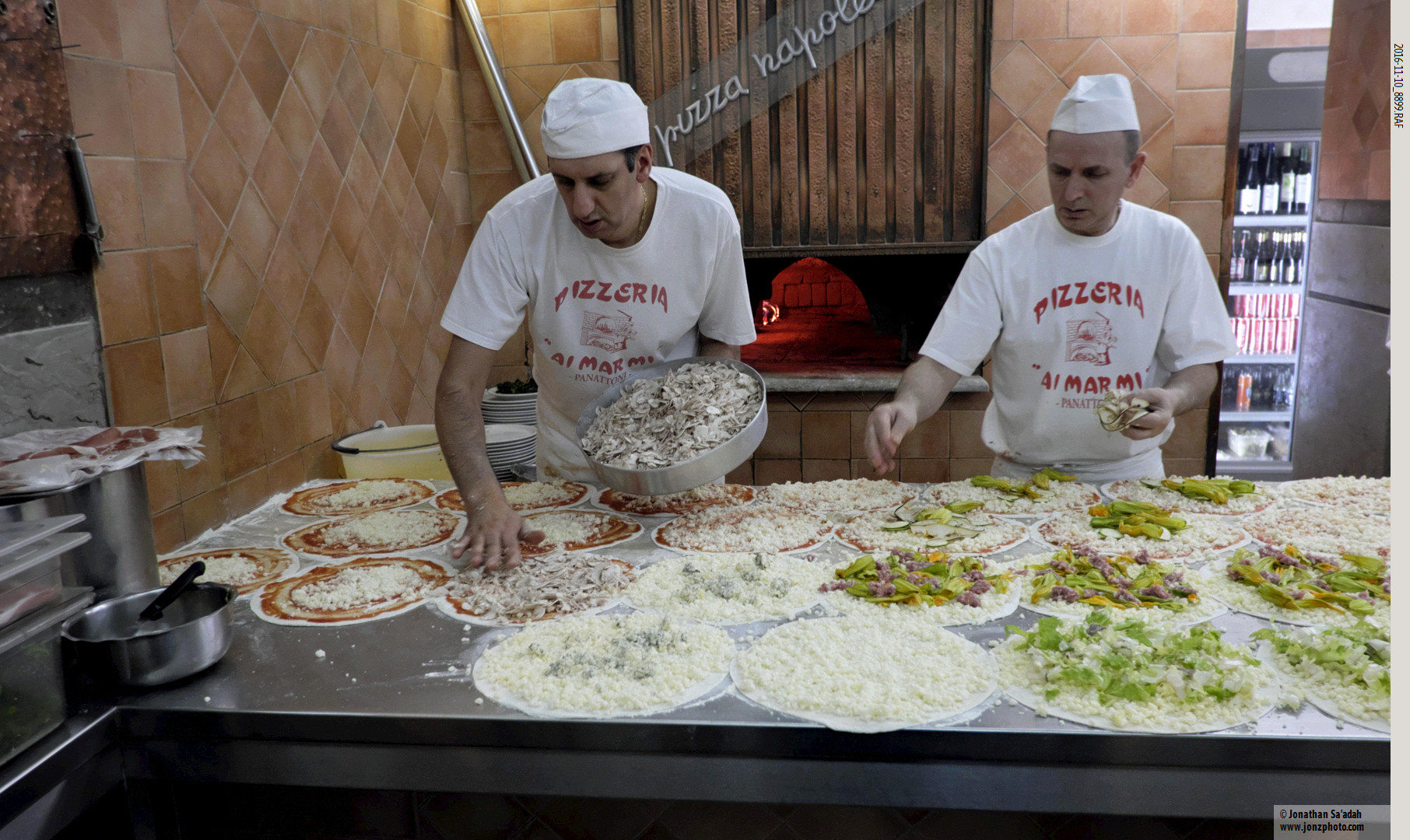
    Ai Marmi specializes in traditional Roman-style pizza – characterized by its thin, crispy crust that’s rolled out with a traditional rolling pin and baked in their original wood-fired oven dating back to 1931. The restaurant continues to prepare pizza using time-honored techniques, with pizzaiolos working continuously to serve the constant stream of customers who nightly queue outside. Being there when Marmi opens, just when the shutters are rolled up, is an exciting experience and not at all like what’s happening at the more curated restaurants in Trastevere and Rome.

    Beyond pizza, the establishment is known for traditional Roman appetizers including supplรฌ (rice croquettes), fiori di zucca (fried zucchini flowers), and baccalร  (fried cod), maintaining the full spectrum of authentic Roman street food culture.

    This is pizza authenticity at its best – a restaurant serving the same style of super-thin, slightly burnt crispy Roman-style pizza that has been its signature for nearly a century. It’s no wonder that it’s a beloved institution for both locals and visitors seeking an authentic taste of Roman culinary history.


    Knezovic, Jasmina. “Roman Holiday: Pizza Mia!” Zamezi, May 28, 2013. https://zamezi.wordpress.com/2013/05/28/roman-holiday-pizza-mia/.
    Macchioni, Phyllis. “This Italian Life: AUNTIE PASTA: When in Rome.” This Italian Life, November 15, 2012. https://thisitalianlife.blogspot.com/2012/11/auntie-pasta-when-in-rome.html.
    Old Friends, New Places Pizzeria Ai Marmi Trastevere. July 5, 2013. http://www.gillianslists.com/2013/07/old-friends-new-places-pizzeria-ai.html.
    “One Last Pizza in Rome, Italy-Trastevere’s Pizzeria Ai Marmi Is Magnifico!” The Pizza Snob, October 11, 2015. https://thepizzasnob.net/2015/10/11/one-last-pizza-in-rome-italy-trasteveres-pizzeria-al-marmi-is-magnifico/.
    Roma food, dir. The INCREDIBLE Work in the Roman Pizzeria “Ai Marmi” in Rome Trastevere Since 1931 – SUBTITLES. 2023. 9:09. https://www.youtube.com/watch?v=gGMVmetvHXA.
    So Hungry Italy, dir. For Over 90 Years! Rome’s Artisanal Iconic Pizzeria! “Pizzeria Ai Marmi.” 2024. 26:05. https://www.youtube.com/watch?v=qwFjj-OtXd0.

  • Eastern Sicily

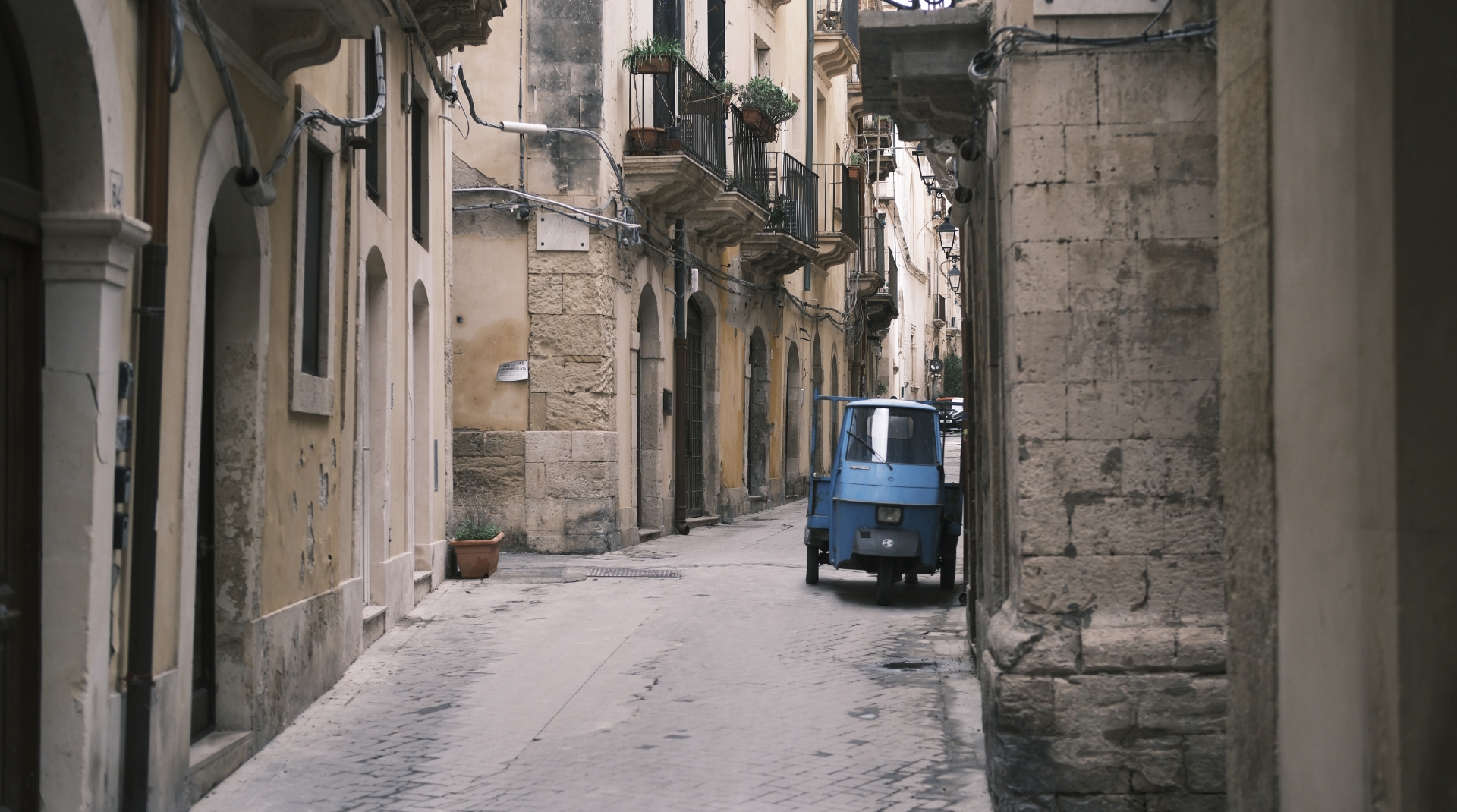
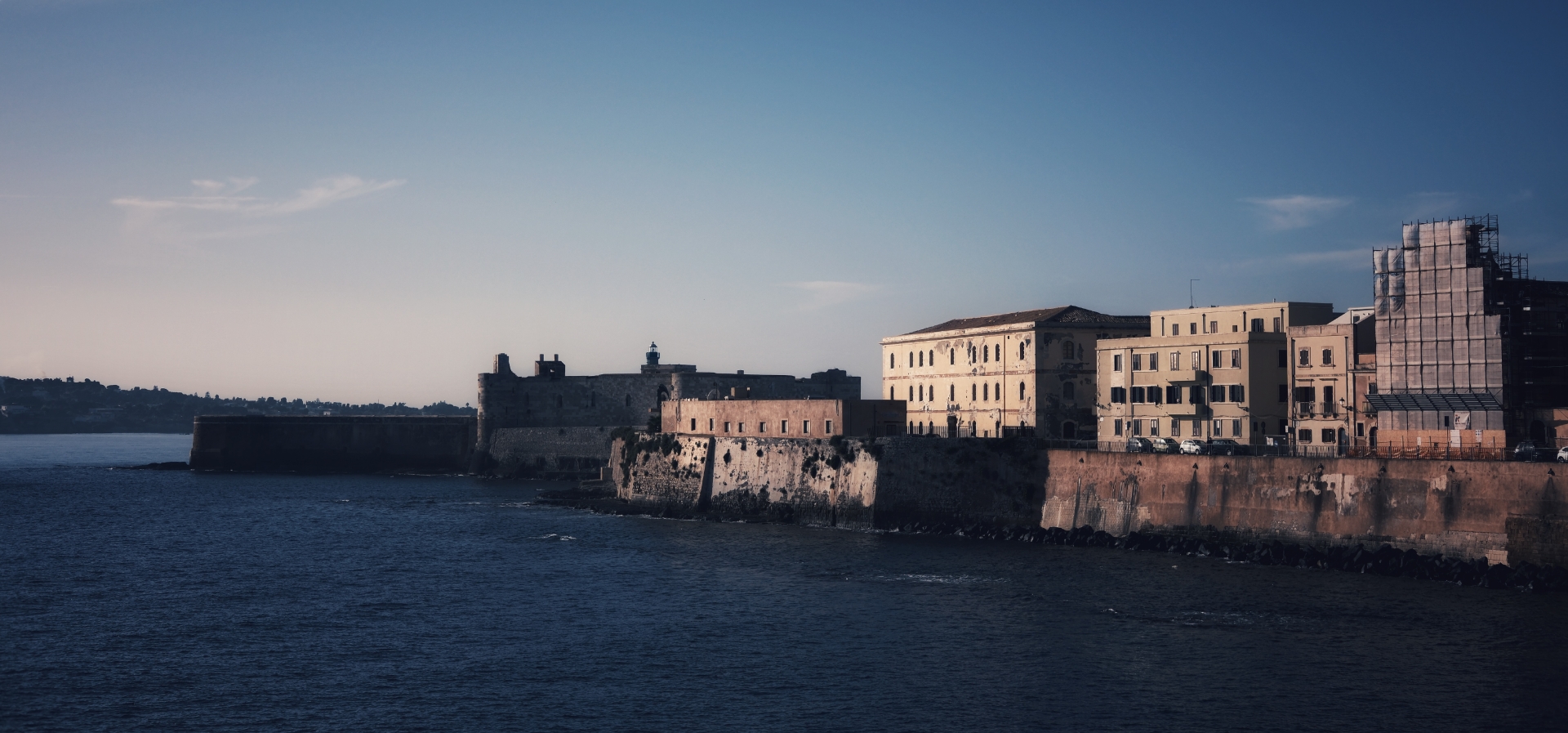
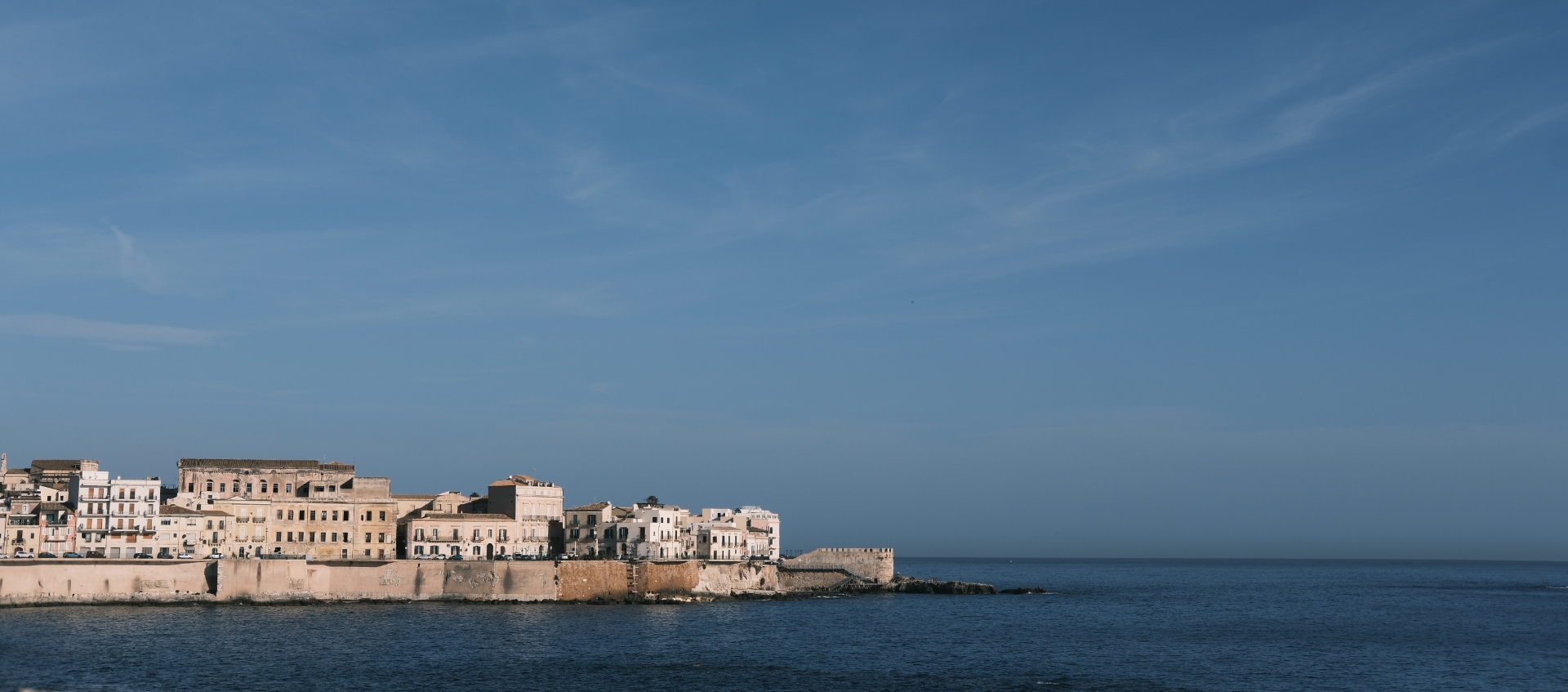
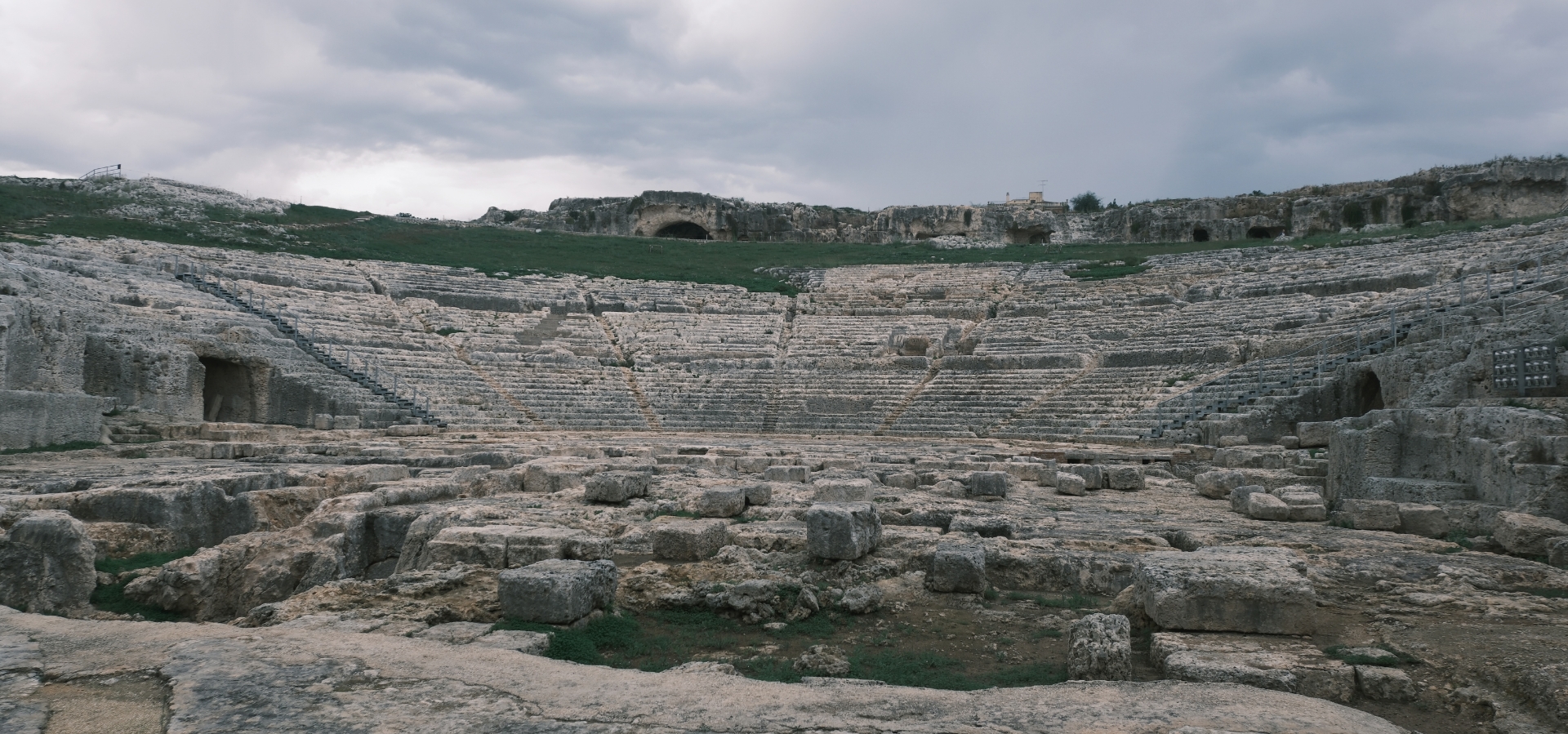
    To me Sicily feels related to southern Italy but contrasted with Naples where we were before everyone seems quite relaxed and the pace of life less frenetic. At least on the eastern side of the island.

    Yesterday in Syracuse we had rented a car and were just pulling out of the parking lot. The streets are tight so to get out of the parking space I needed to nose out into traffic and then back in again to get angled ok, but once I pulled into traffic I couldn’t get the Renault into reverse gear. So there I was, blocking traffic. I figured great, now I’m really going to get it! But no one seemed preturbed. Five or six cars backed up waiting patiently for me to get my act together. Beth went back into the rental agency to find someone to help. Meanwhile, an older man jumped into the passenger seat next to me and showed me the ring on the stick shift that needed to be pulled up to get the car in reverse. By then it had probably been 2-3 minutes (it felt like an eternity!) and finally someone got impatient and honked. My friendly helper looked startled, crossing his eyes in mock disgust, and interrupted our learning session to jump outside the car and yell at the guy honking.
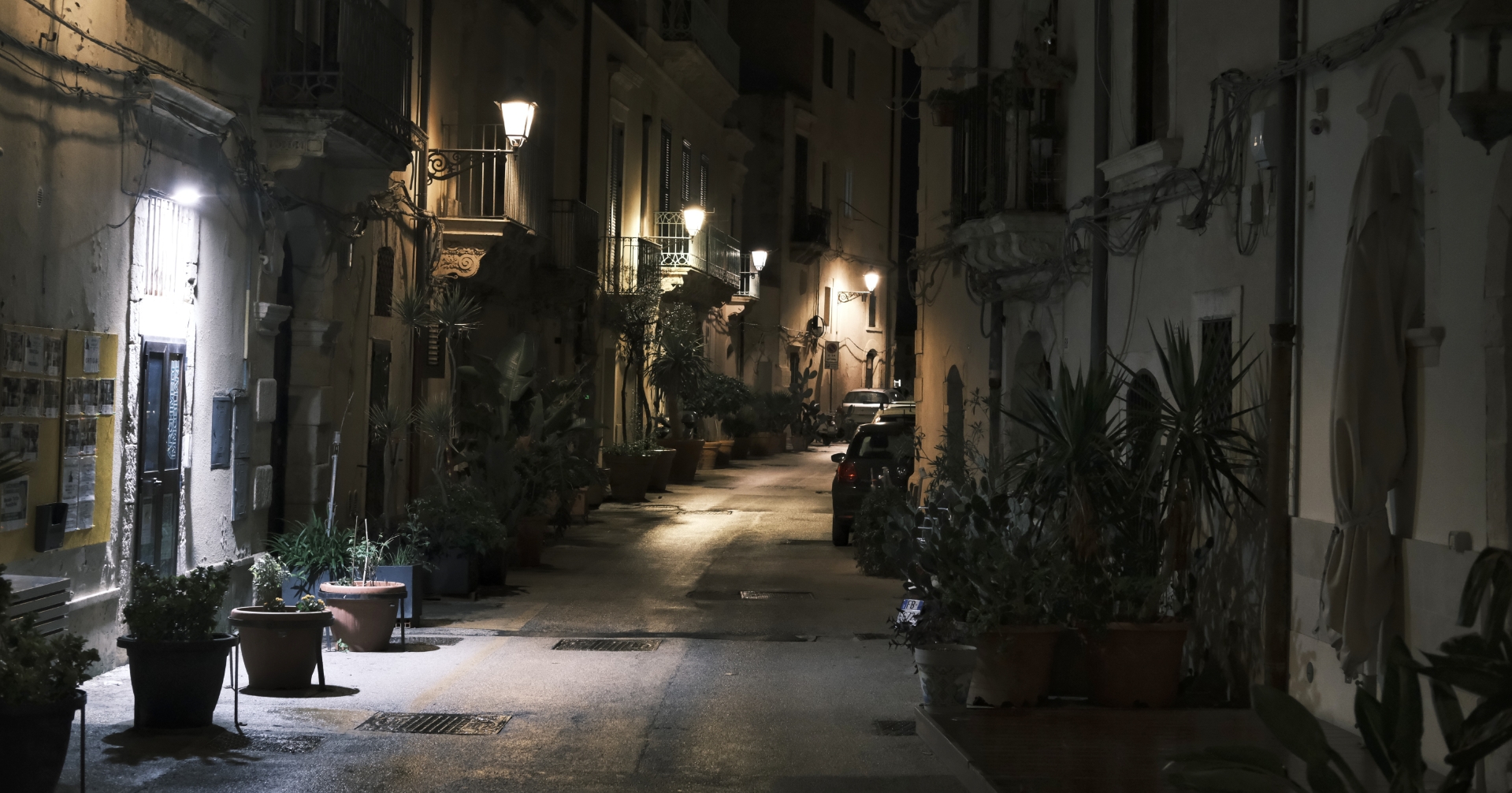
    OK, I thought, it’s not that different from Naples!

  • Naples, Continued

    In affectionate remembrance of my older brother, David, who died on October 29. Among the traits we shared were a liking for the quirky and a passion for travel. He loved Italy, having lived there with his family in the mid-Seventies. My first trips to this to this part of Europe were visits to his home. I wish I could share these pictures with him too. I know he would have liked them.