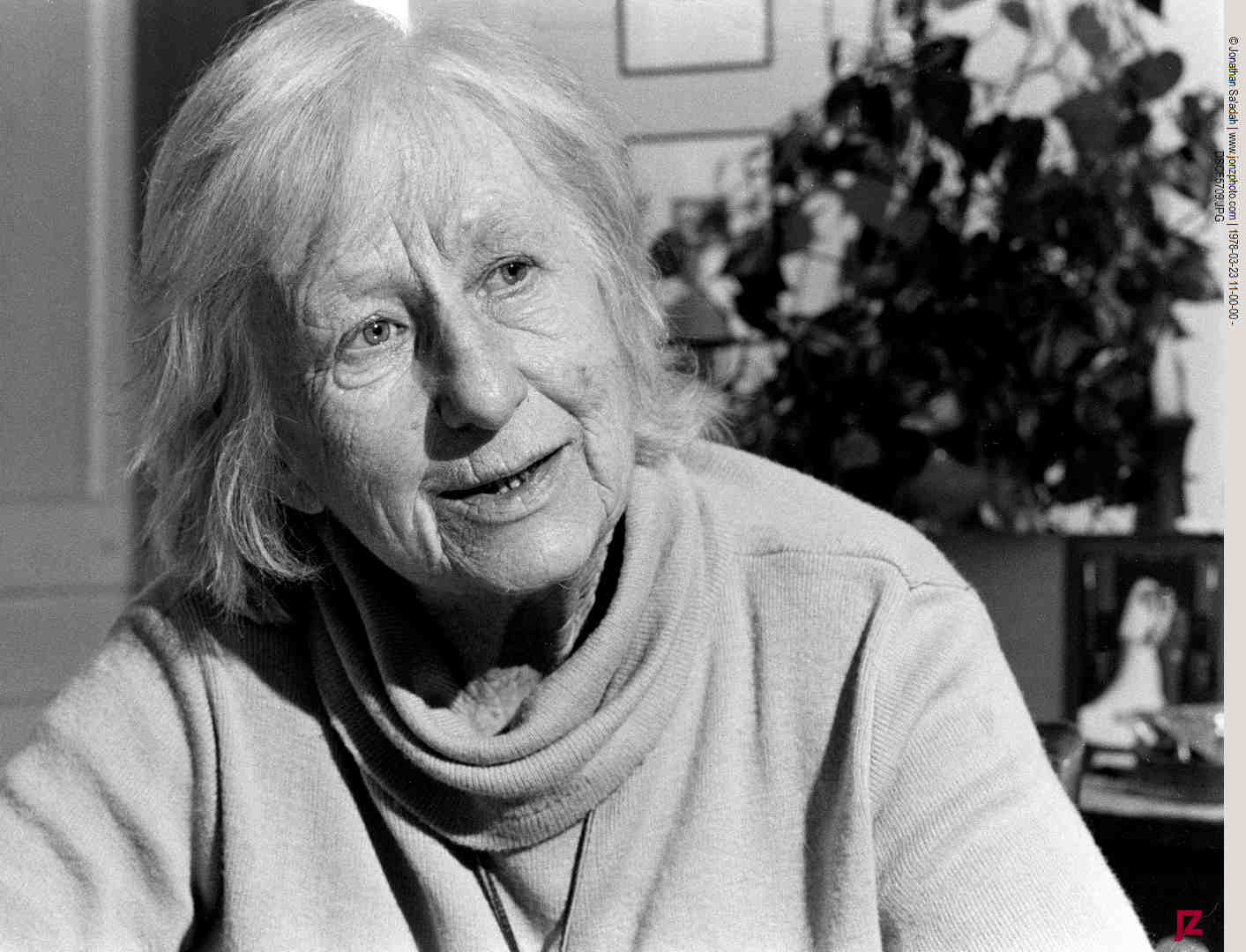
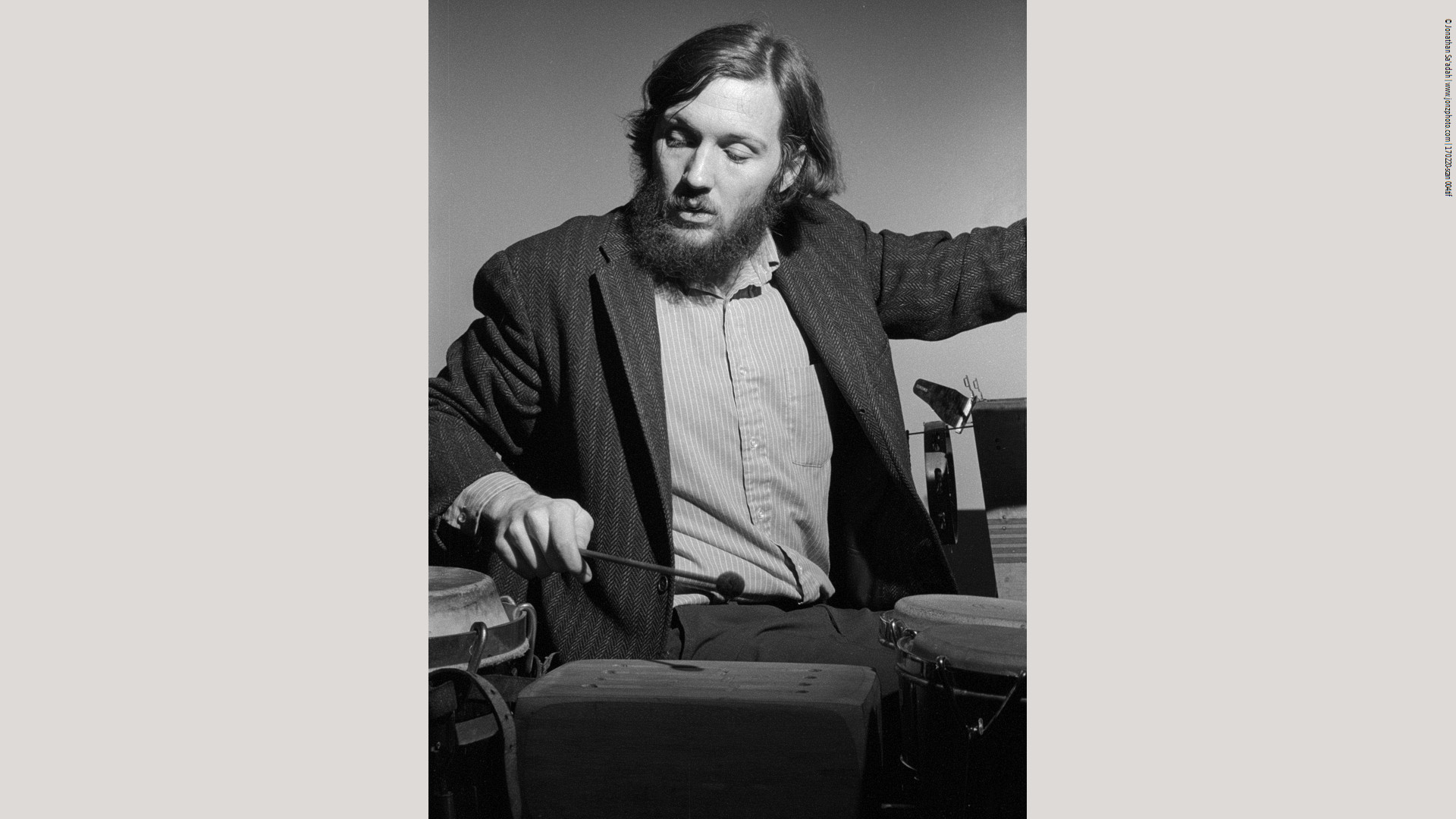
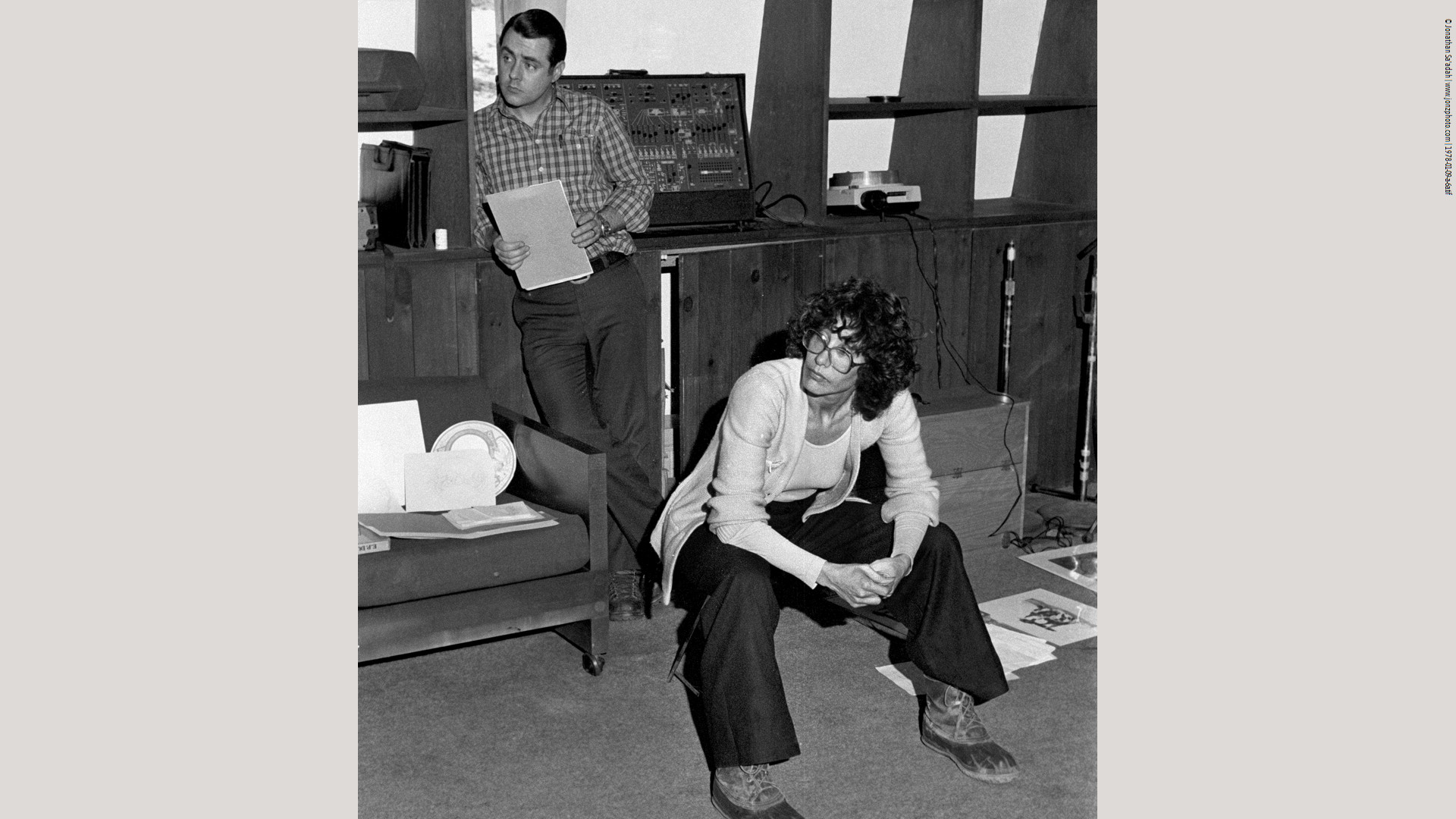
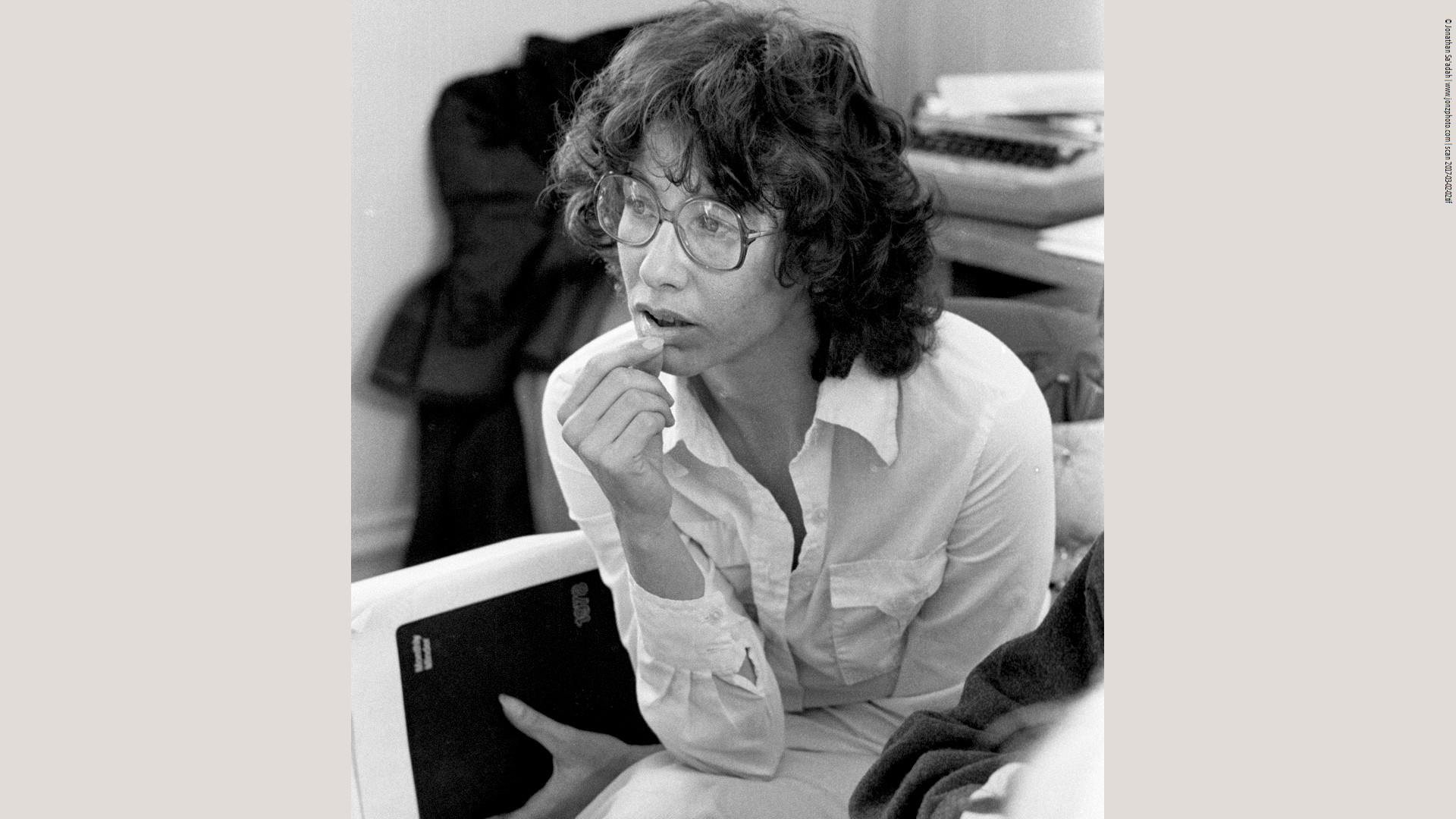
Almost as soon as I picked up a camera, I began photographing people. For a naturally shy boy, it became an easy and natural way to start a conversation – one that didn’t rely entirely on words. The camera offered a kind of permission: to look, to observe, and to engage with others in a way that felt both purposeful and safe. I photographed friends, family, and those closest to me – mostly people who were part of my everyday life. At the time, I may not have fully understood why, but there was already a sense that these moments, and these faces, mattered.
Sometimes I wonder how much that instinct has really changed. The circle of people I photograph has grown over the years, extending beyond the familiar into wider and more varied encounters. Yet at its core, the process remains the same. Portraiture, for me, is still grounded in a kind of exchange – a quiet conversation between the photographer and the person in front of the camera. It is in that exchange, however brief or subtle, that a photograph begins to take shape. When it works, the result feels shared, as though both people have contributed something to its creation.
That said, the outcome is not always immediately welcomed. Not every photograph is liked, even by those closest to me. Friends and family have sometimes reacted with hesitation or discomfort when seeing themselves in an image, particularly when the photograph reveals details they would rather ignore – wrinkles, blemishes, or features they feel self-conscious about. These reactions are familiar and deeply human. We are often our own harshest critics, especially in the present moment, where self-awareness can feel magnified.
And yet, time has a way of reshaping that relationship. Photographs that once felt unflattering or difficult often soften in meaning as the years pass. Distance allows us to see ourselves with more generosity, or at least with less immediacy. The details that once seemed like flaws become part of a larger whole – evidence of a moment, a phase, a version of ourselves that no longer exists in quite the same way. In this sense, photography benefits from time just as much as it records it.
Time, of course, does not simply pass – it accumulates loss as well as memory. Many of the people I have photographed are no longer alive, and the images that remain have taken on a weight I could not have anticipated when I first made them. What may have once felt casual or routine becomes irreplaceable. A photograph transforms into a trace of presence, something that endures beyond the physical world. This enduring quality has always been one of photography’s most powerful attributes: its ability to hold onto what cannot be held otherwise.
Because of this, portraiture carries a quiet responsibility. There is always a challenge in taking a living, breathing human presence and rendering it into a still image that retains some emotional truth. A photograph inevitably simplifies, but when it succeeds, it does not feel reductive. Instead, it feels concentrated – like something essential has been distilled and preserved.
When that happens, the image becomes more than a likeness. It becomes a memory, not only for those who knew the person, but potentially for anyone who encounters the photograph. Even without context, a strong portrait can resonate, suggesting something universally recognizable in a specific individual. In that way, what begins as a personal act – photographing someone you know – can extend outward, becoming something shared, something lasting, and something quietly meaningful.
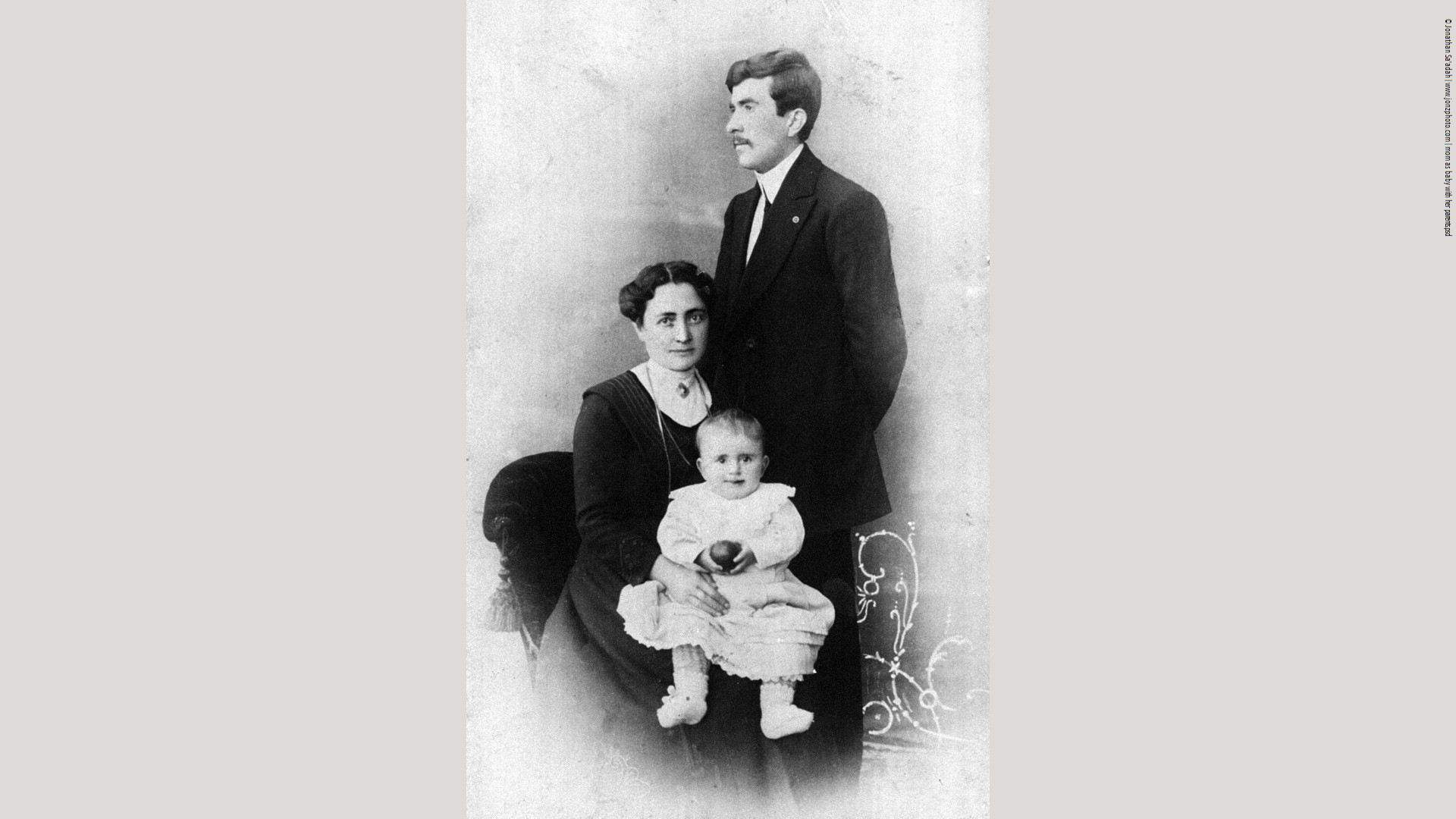
The only surviving photograph of my grandfather, with my grandmother and mother as an infant (about 1917).
My mother experienced the Armenian genocide as a young child. It never really left her. She was born in 1915, the oldest of three children. To us, her children, she was not open about her early life as an Armenian growing up in the Anatolian highlands. Under sustained questioning she would say that she didn’t want to pass on ethnic hatred to her children, which we took as a reasonable rational for her silence. Nevertheless, after her death in 2002 we have pieced together some of her past. In spite of our efforts at historical reconstruction much has been lost through war and intentional erasure. Some windows into that past still remain, however, stored in archives, personal histories, and academic research. My mother’s history intersects some of those sources, but it’s hard to tell exactly how closely. The recollections she did share were those of a young child – loss, fear and perceived safety. She was not a factual witness. Nevertheless, the facts are available and some stories remain.
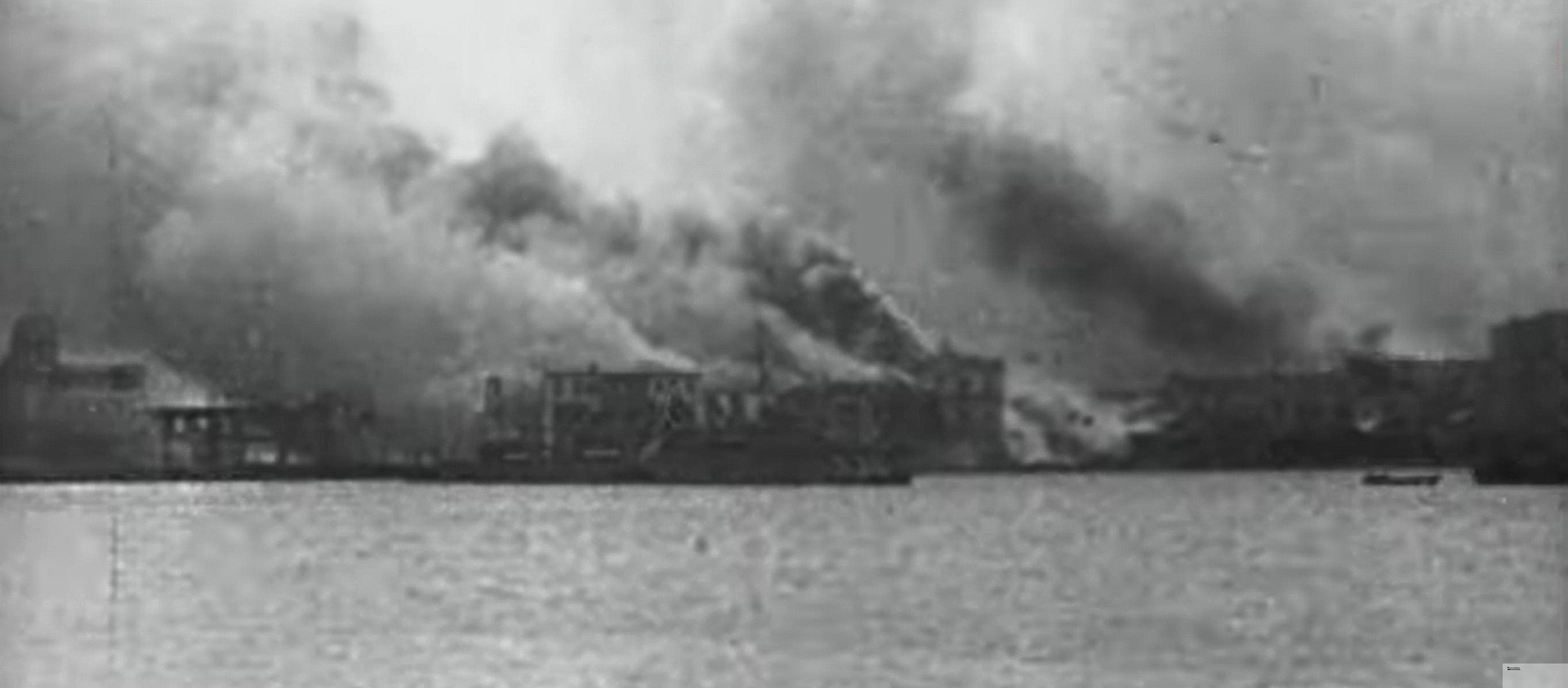
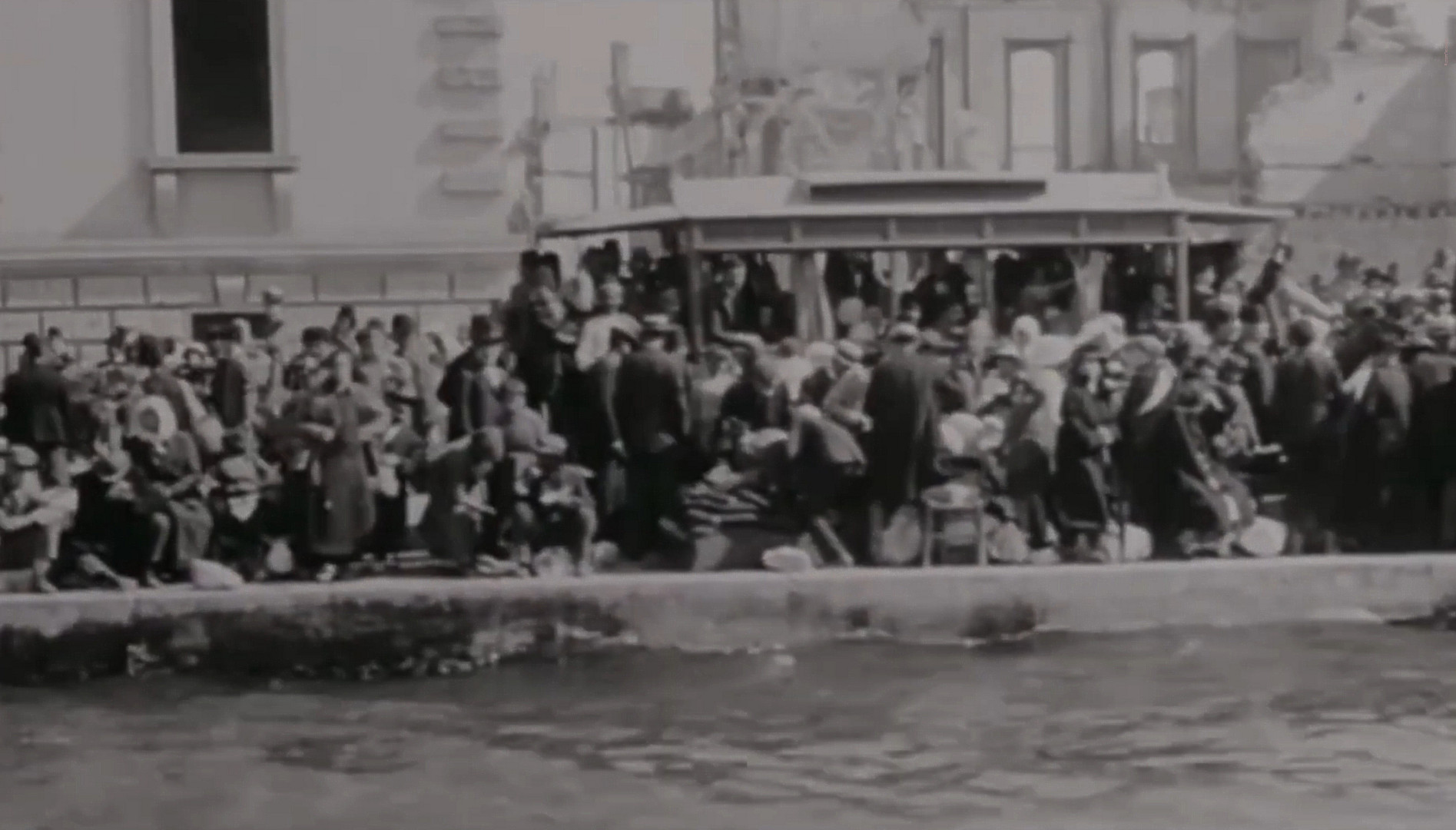
The entire seafront was in flames, with panicked crowds running along the quay, trapped between the inferno and the water.
Smyrna in flames
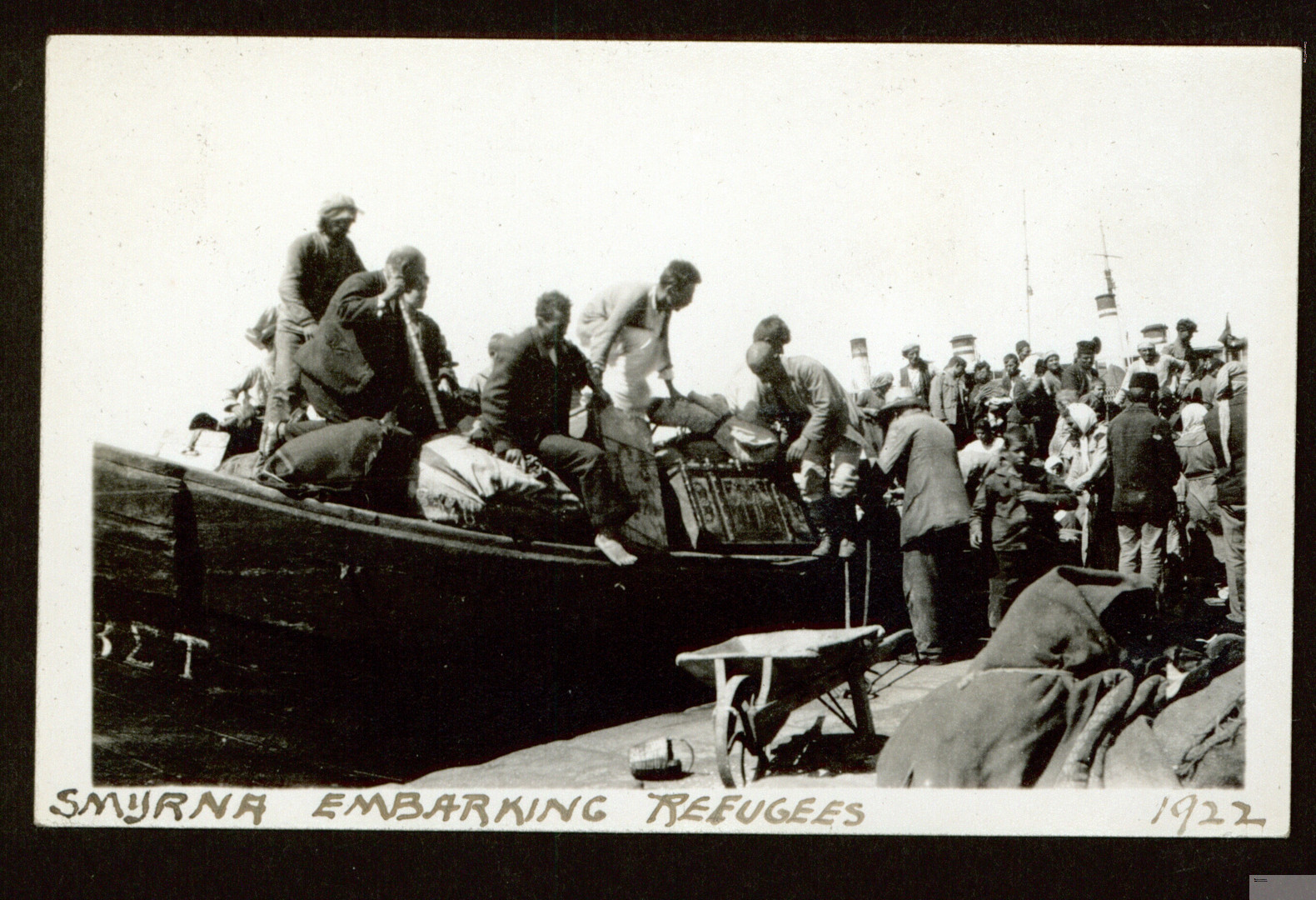
In September 1922 my mother would have been about six. Her father, a German-trained doctor, had already been killed in the genocide. Her mother and two brothers were marched under the protection of an American humanitarian organization to the seacoast. The area, indeed the whole highlands of Turkey, was in chaos. The Greek army, with strong encouragement from Britian, invaded the old Ottoman Empire in an attempt to carve out a “Greater Greece” that would incorporate historically Greek or Byzantine territories, including western Anatolia and Constantinople. The Greeks failed, and the war was ending in a Turkish victory. Nationalist forces under Mustafa Kemal’s command were entering Smyrna (now Izmir), a cosmopolitan port where Greeks and Armenians formed a large majority. Within days, organized looting, rape, and massacres erupted targeting Greek and Armenian neighborhoods, culminating in a great fire on September 13 that destroyed much of the city and drove hundreds of thousands of people onto a narrow strip of quay between the flames and the sea. It’s not completely proven that my family was in the city but if not it was nearby. The six-year old remembered a piano with gold hidden inside dropping into the ocean, and crying, as people were rowed out to ships. Looking at >>newsreels<< from the time it’s easy to understand why a child would have erased the memories.
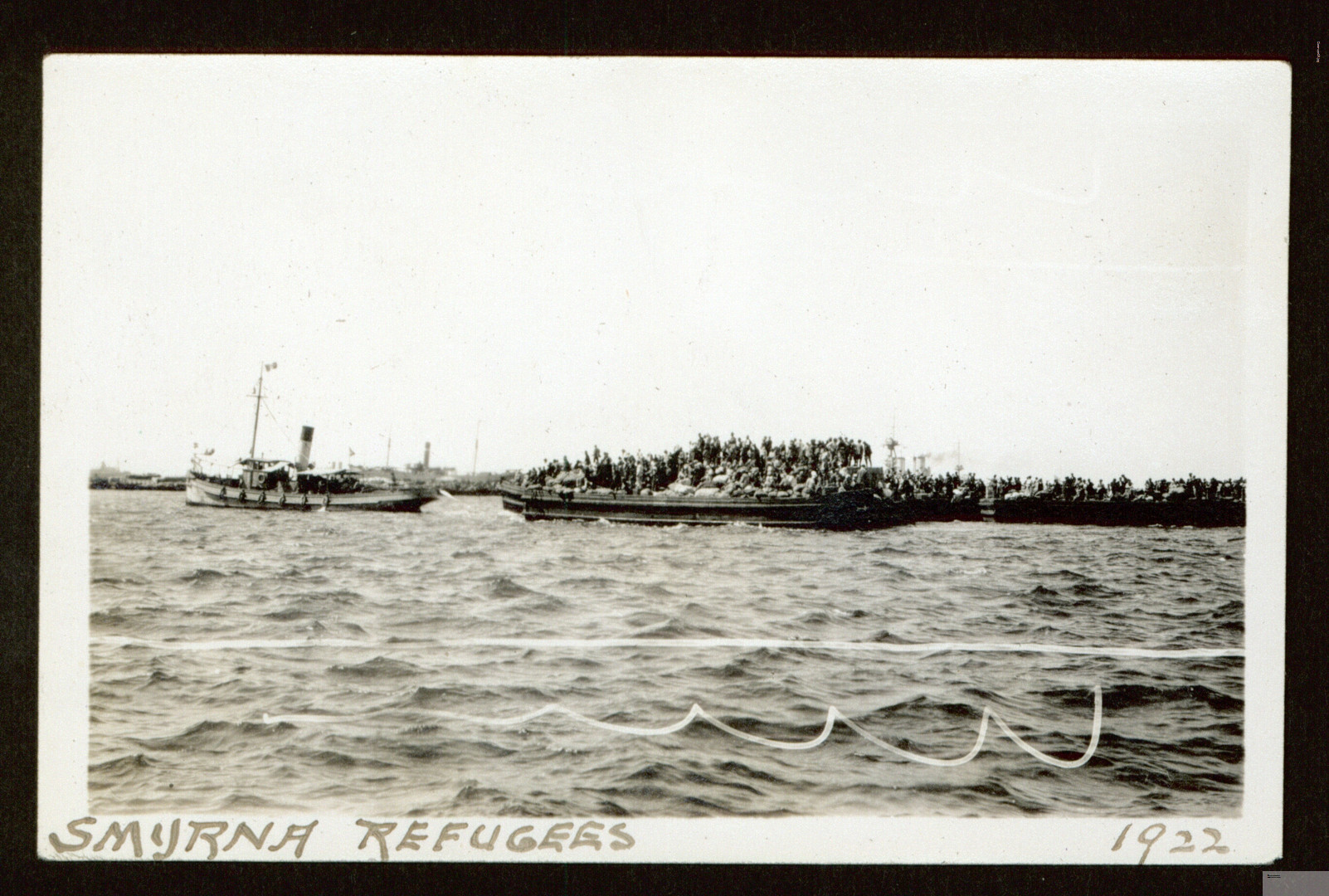
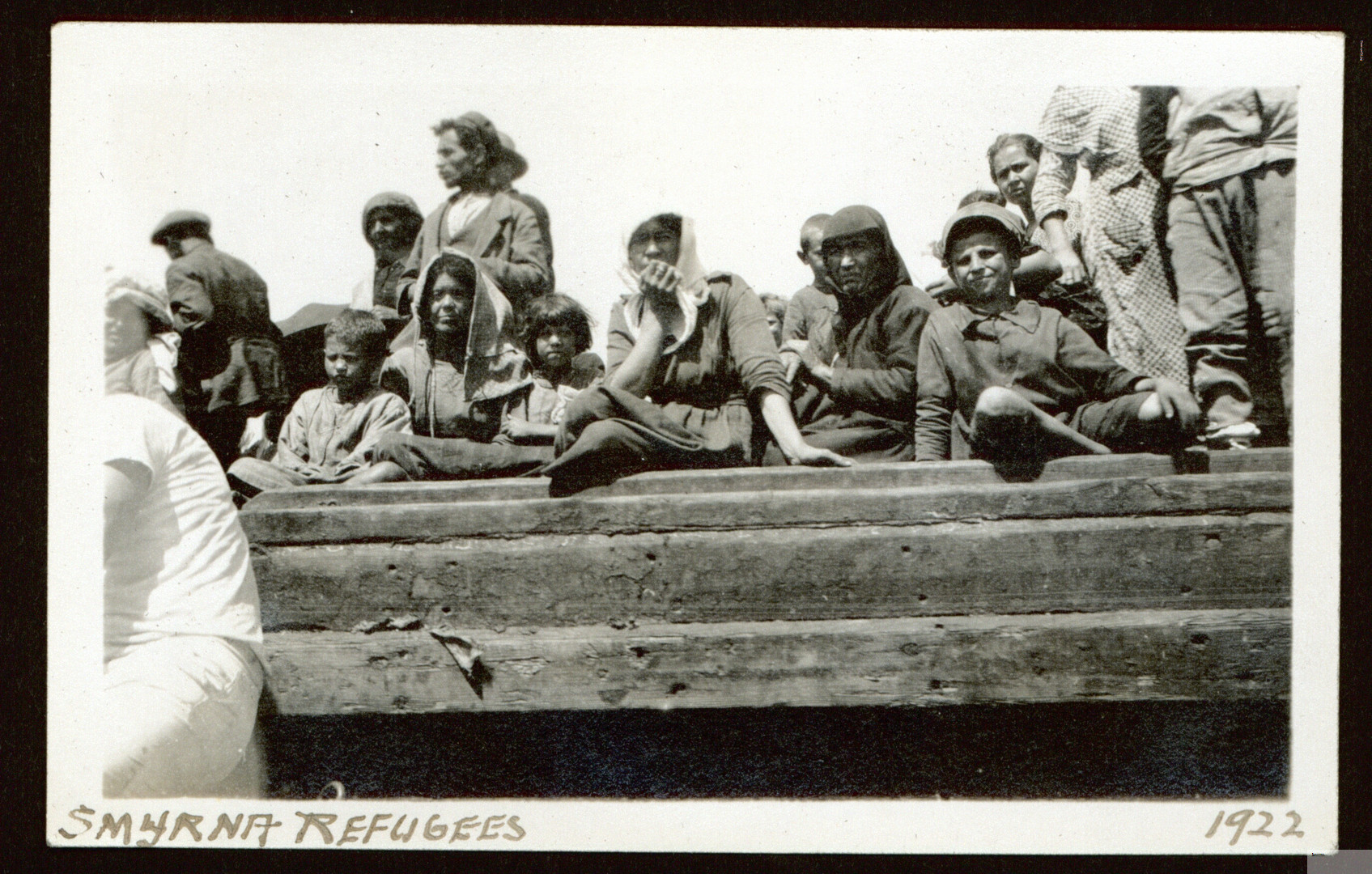
Refugees – Greeks, Armenians, Assyrians and others – crowded the waterfront for miles, unable to move inland without risking murder or deportation, and unable to leave by sea without ships. Allied warships from Britain, France, Italy, and the United States lay at anchor in the harbor, close enough to hear screams and smell burning flesh, but initially under strict orders not to intervene beyond protecting their own nationals and property.
Asa Jennings and the improvised rescue
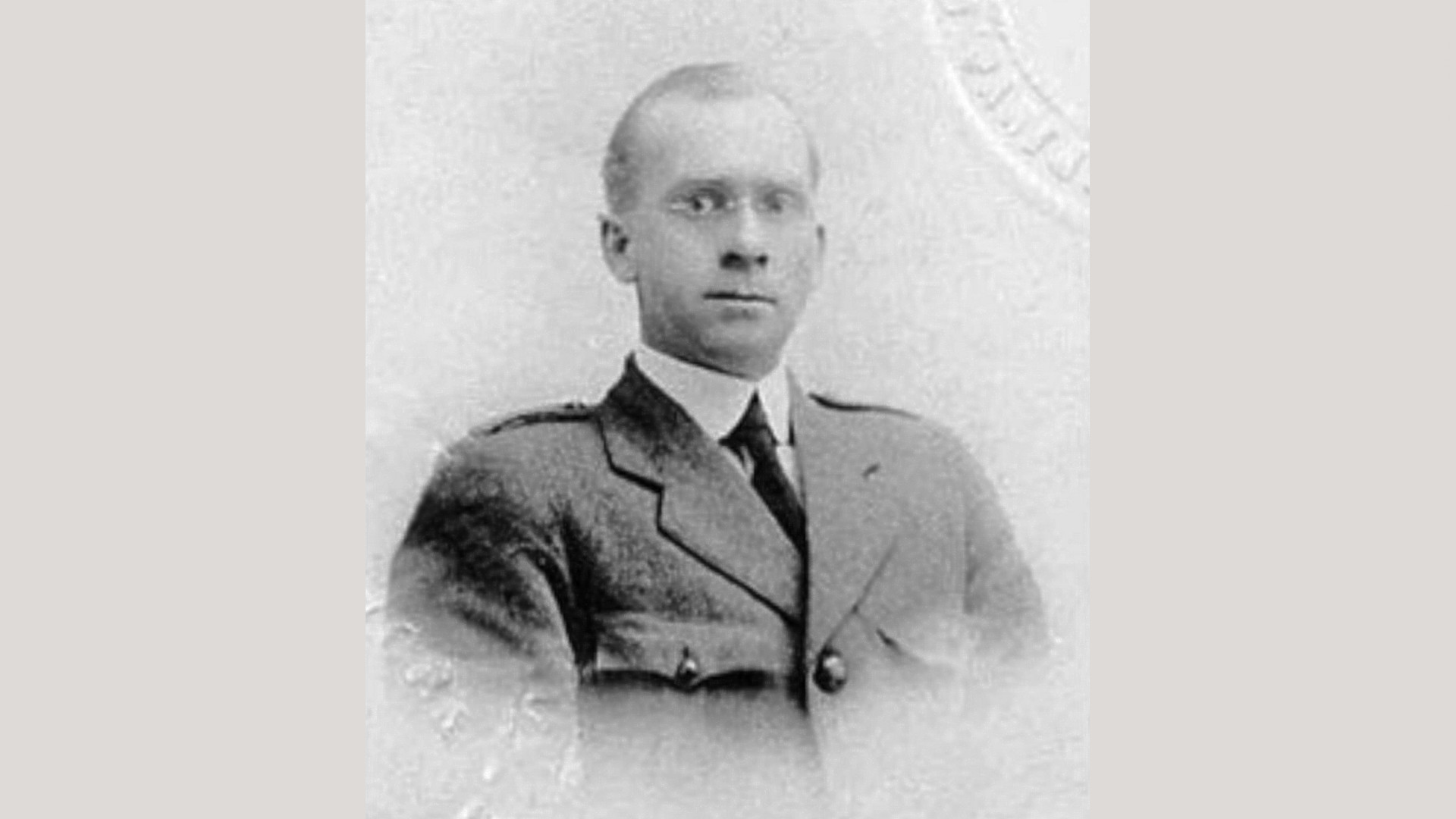
Into this paralysis stepped >>Asa Kent Jennings<<, a five‑foot‑two Methodist minister from – of all places – upstate New York, who had recently arrived in Smyrna as a YMCA worker. Jennings had no official rank, chronic health problems, and no authority beyond his wits and his willingness to take personal risks on behalf of strangers.
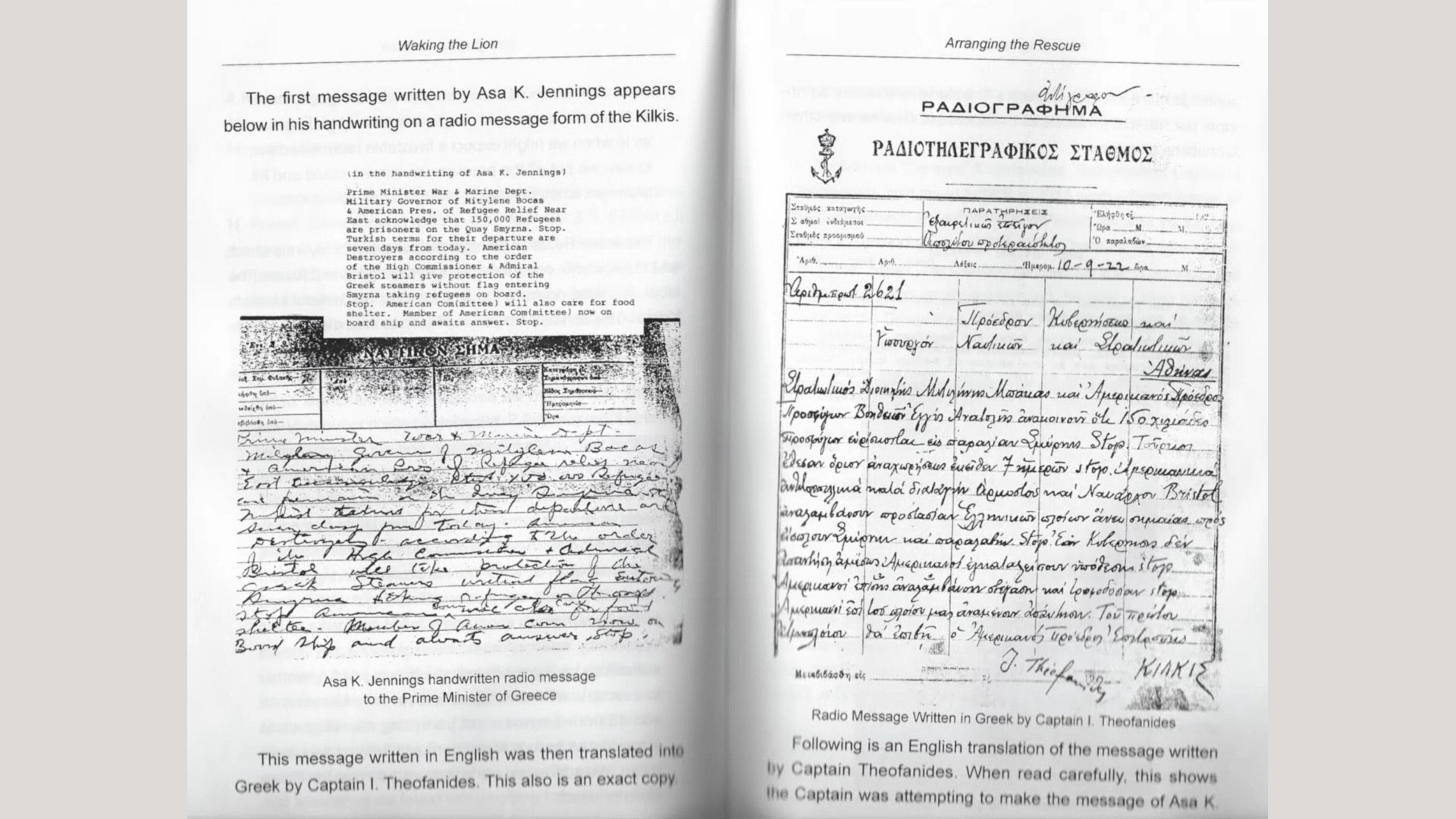
Asa Jennings didn’t really cut a heroic figure, but through his willpower he got the American and Greek governments, with the acquiescence of the Turkish authorities, to allow women and children to depart Smyrna.The small block on the left contains Jennings’ words communicating with the Greek government. The message was translated to Greek and then radio telegraphed to Athens through the American battleships.The long quay was filled with refugees hoping that the ships would rescue them.
As the city burned and refugees packed the quay, Jennings quietly began to organize an evacuation by sea, working around the hesitations, and even opposition, of the great powers. Drawing on contacts with the Greek government and merchant marine, and leaning heavily on the moral pressure created by western aid agencies and sympathetic U.S. naval officers, he helped assemble a flotilla of Greek vessels that could shuttle refugees to safety across the Aegean.
U.S. ships, Near East Relief, and the flotilla
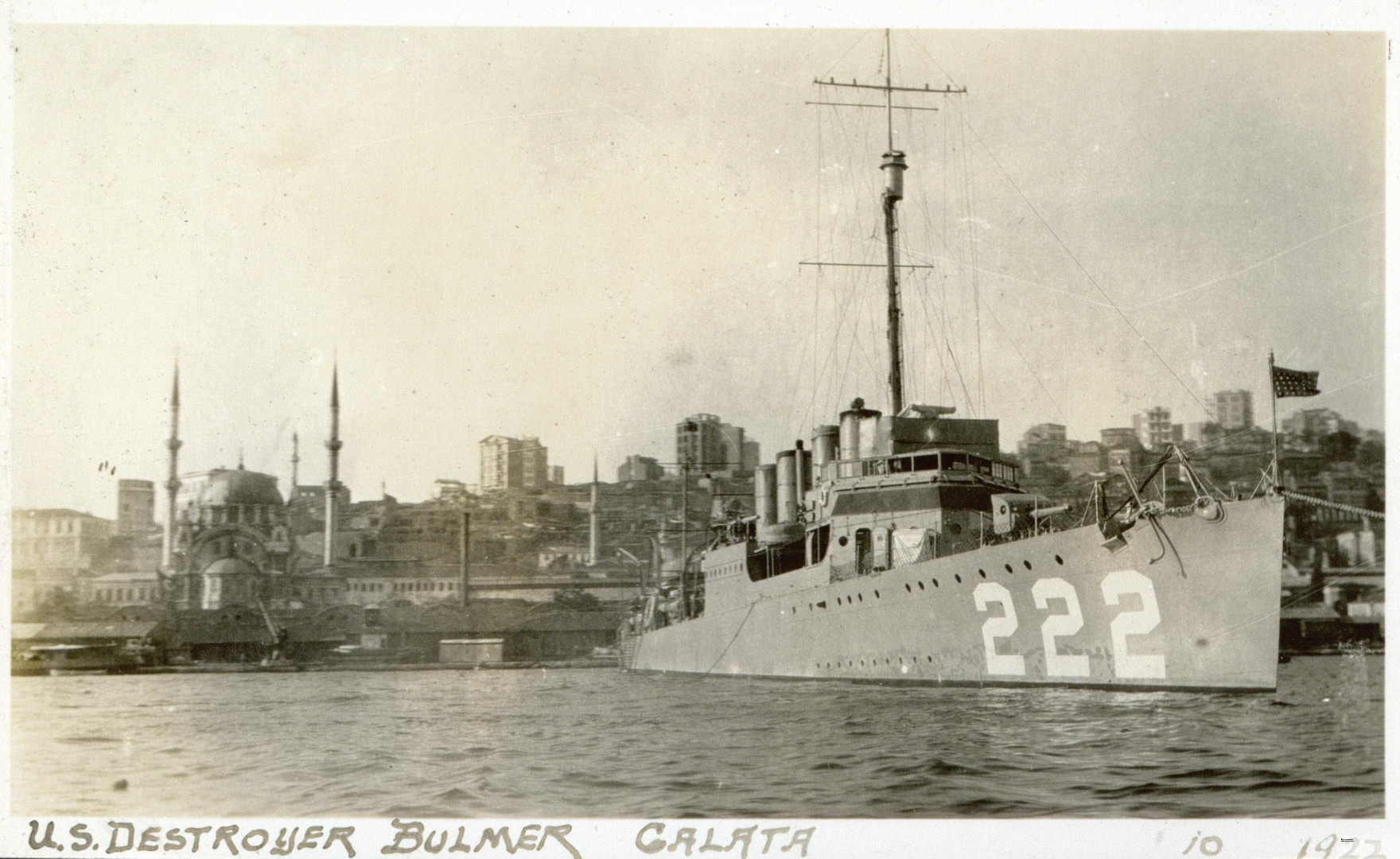
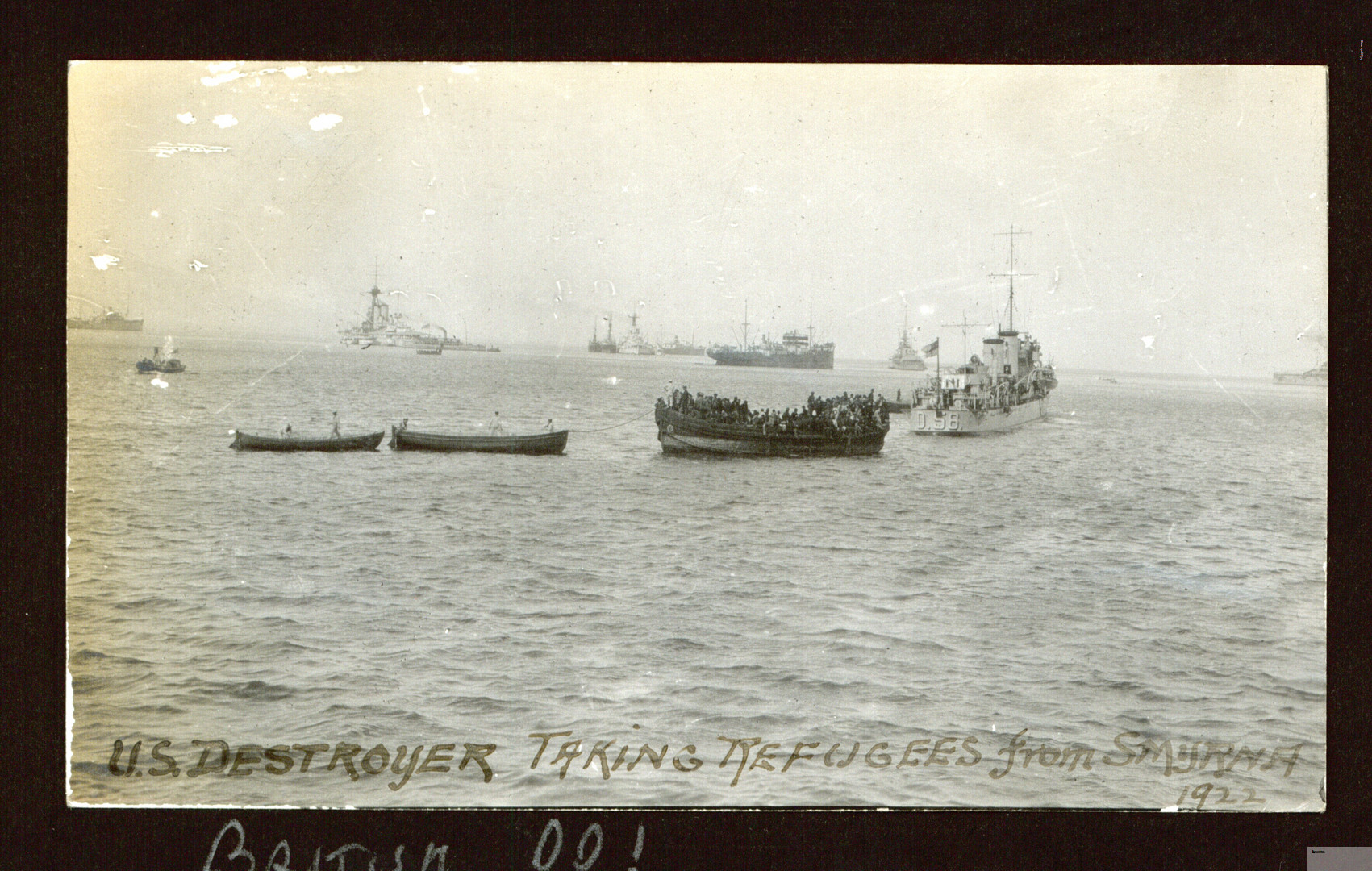
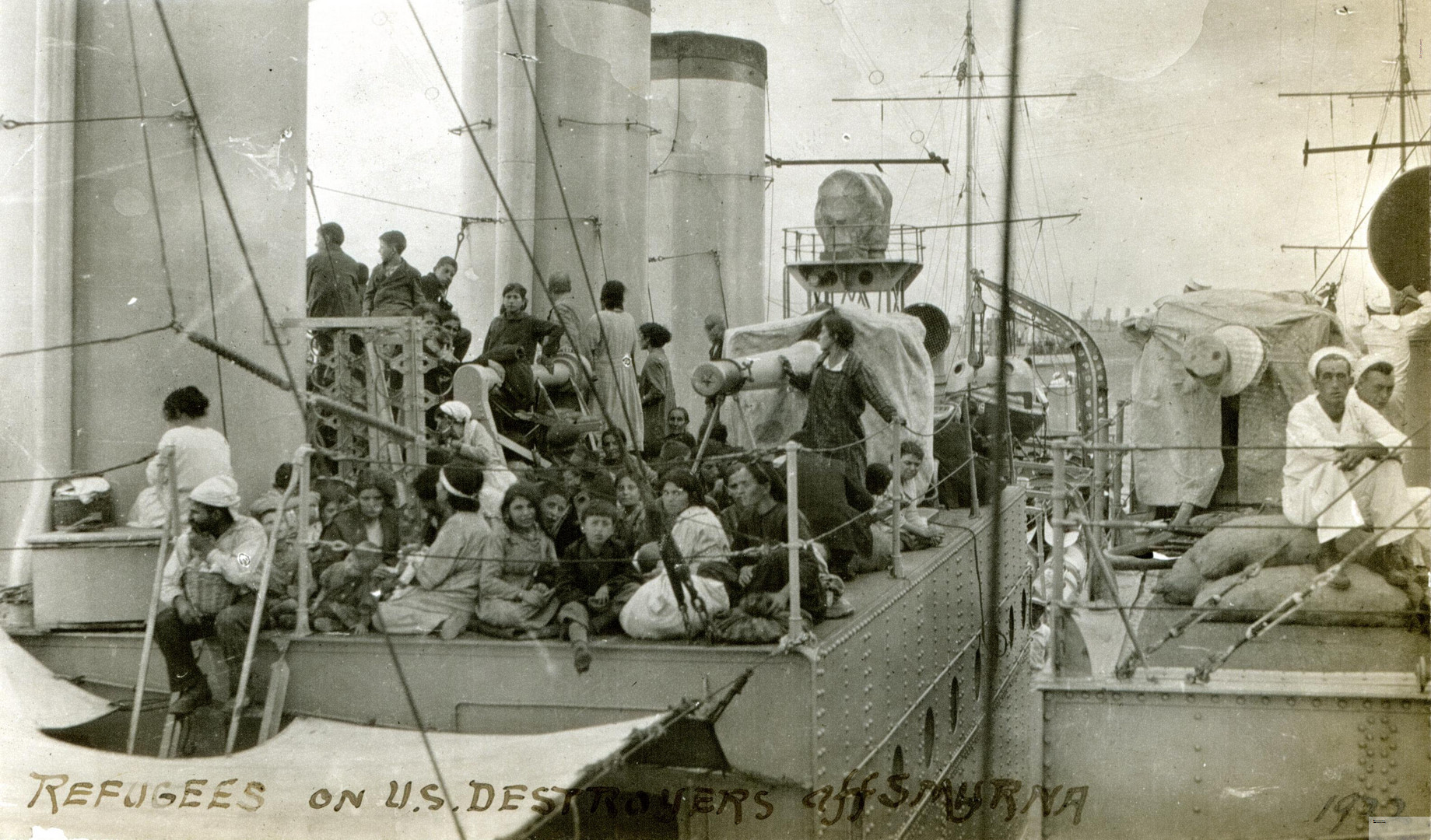
Jennings’ efforts only mattered because some American military officers chose to bend their orders in humane directions. U.S. destroyer captains in the harbor had been instructed to remain neutral, but regardless (or perhaps in willful defiance of the orders) several ships moved closer to the quay, took on refugees in limited numbers, and used their presence – and their searchlights – to deter attacks in small sections of the waterfront.
Near East Relief, an American humanitarian organization created during the First World War, was already deeply involved in feeding and sheltering Armenian and Greek refugees across the region, and used its network to coordinate information, negotiate with Turkish authorities, and press Allied governments for evacuation. Once Jennings had secured permission and cooperation from the Turkish command and the British admiral in charge of the destroyers, the first Greek ships of his improvised flotilla entered Smyrna harbor on September 24 to begin mass embarkations.
Over the following weeks, this ad‑hoc system of Greek ships, U.S. and British naval cover, and American relief workers evacuated hundreds of thousands of Greeks and Armenians from Smyrna and nearby ports – estimates range from roughly a quarter‑million to more than 350,000 people who were saved. There were about 1.5 million people killed in the genocide, but the evacuation saved a significant number of souls.
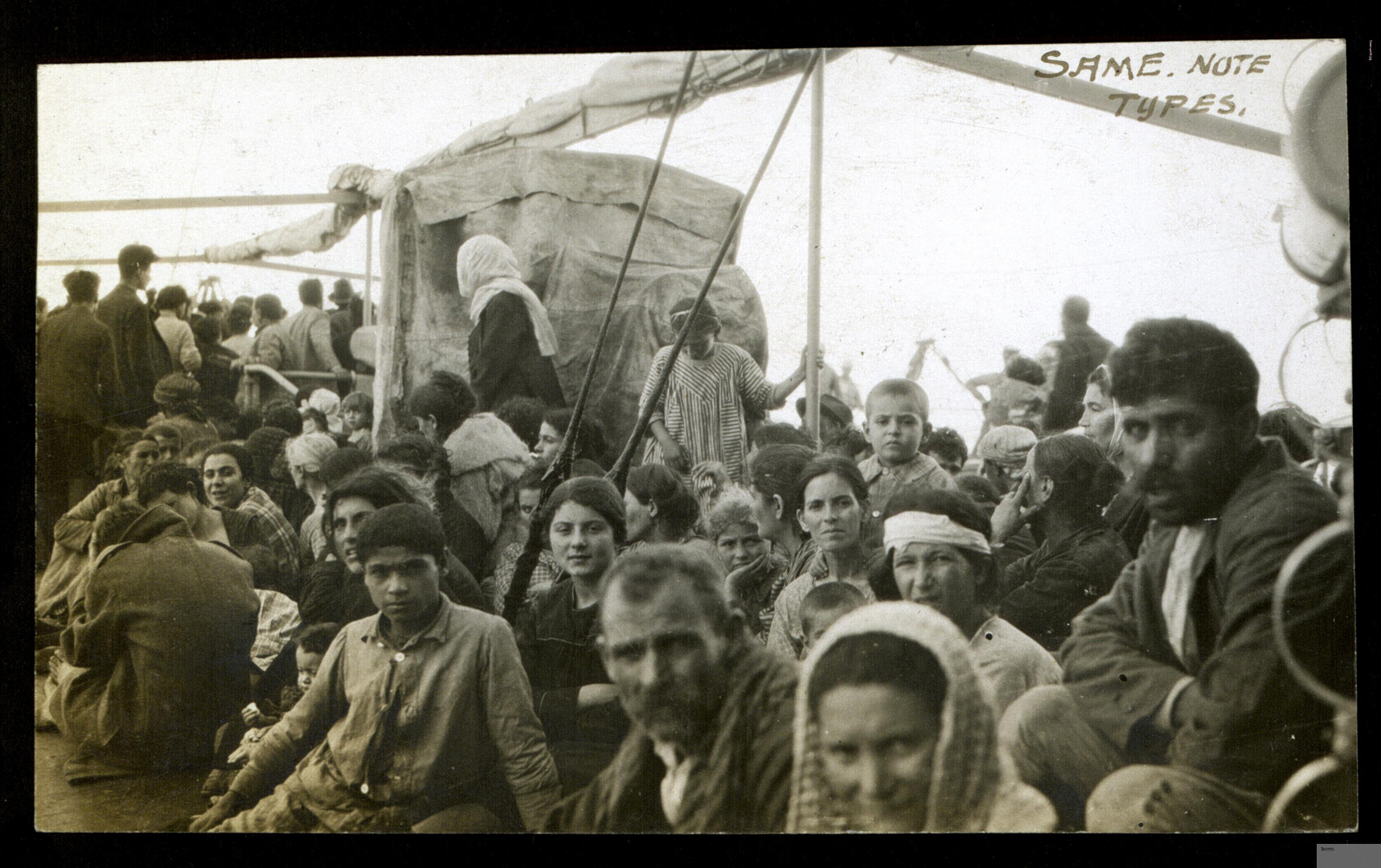
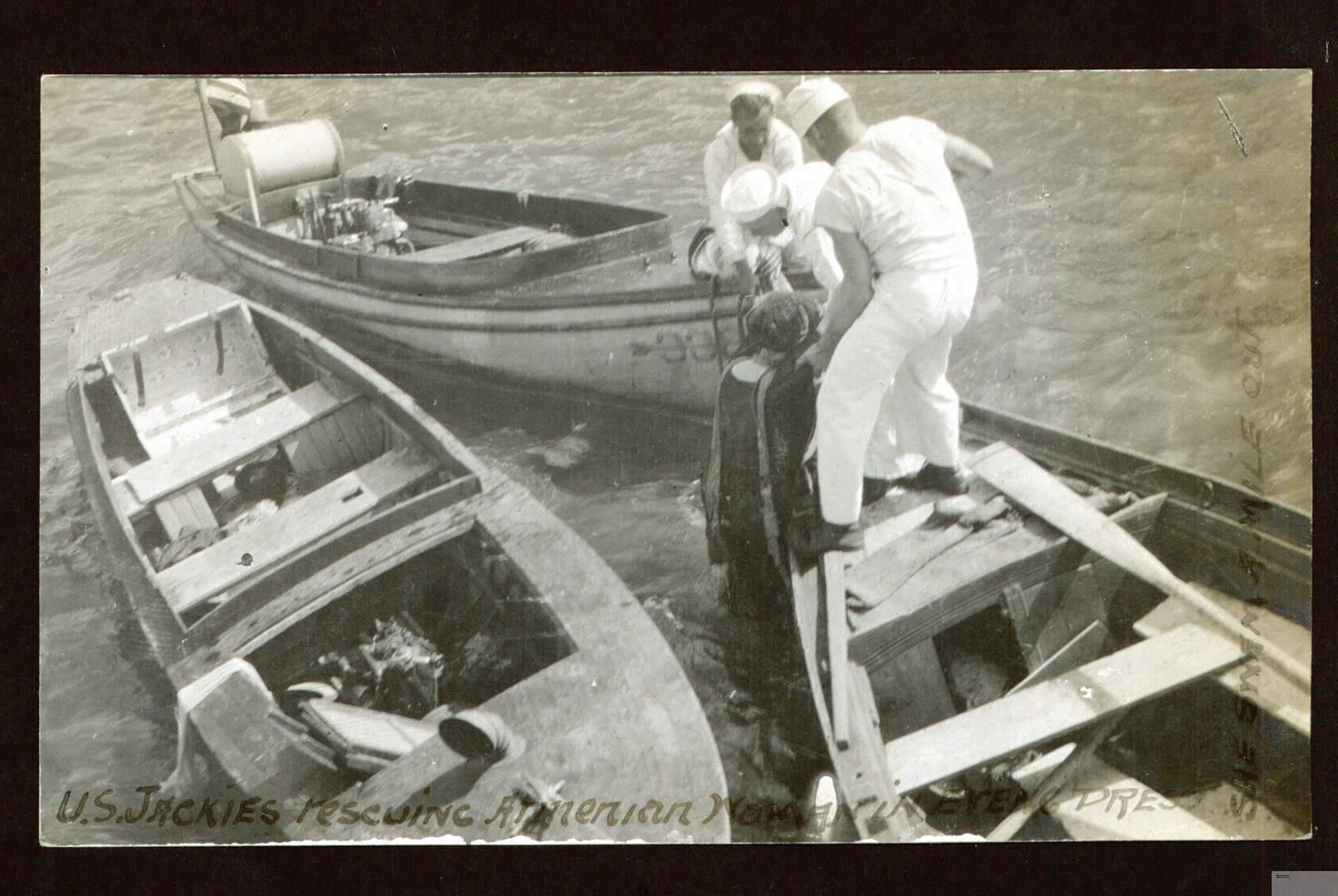
The handwritten caption: “US Jackies rescuing Armenian woman in evening dress”.Refugees on US destroyers off Smyrna.
I often wonder what my mother would have thought about the present. One way to contrast the two times is to imagine two harbor scenes. In 1922, terrified Greeks and Armenians crowd the Smyrna quay while American destroyers sit offshore, their captains torn between orders and conscience, until a minor YMCA worker bullies and cajoles a flotilla into existence. In 2026, equally terrified families from Sudan, Syria, or Honduras crowd land borders and airports, falling into a system of bio-metric screening, quotas, and policy experiments where the decisive factor is not one person’s courage, but the political calculus of Washington.
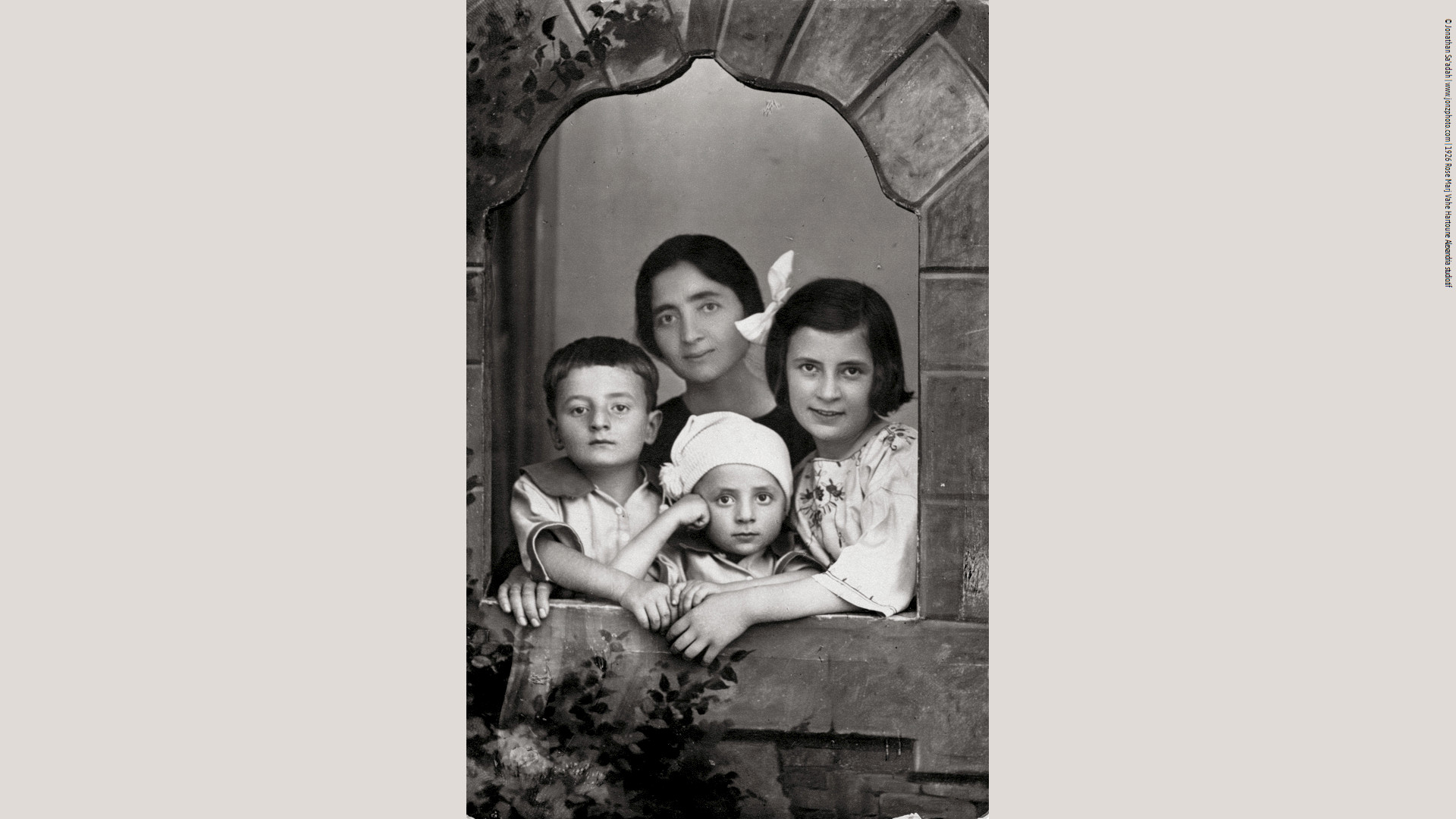
Rose, my grandmother, had graduated from Anatolia College in north-central Anatolia, which was a four-year liberal arts college sponsored by the Congregationalist, Presbyterian, and Reformed churches. It accepted students from all the provinces of Turkey as well as from Greece, Cyprus, Egypt, Russia and Crete. Importantly, its student body of 282 was half female. The photograph was taken in Alexandria, Egypt, where Rose settled the family in a large, mostly female community of Armenians.My mother married my father but never got over her puzzlement and frustration with the opposite sex. A large part of that had to do with her experience as a child, and subsequently being brought up in a mostly female community.
Both worlds show how nations are capable of generosity and of indifference, sometimes at the same moment. The Smyrna rescue happened because of individual Americans who took action, acting through ships, churches, and charities. Such actions can save vast numbers of lives even when official policy opposes them – while the present shows how law can be used either to scale up that spirit or to cage it behind ever‑lowering ceilings and ever‑narrowing doors.
The naval pictures were found by my brother, David, in the US Navy archive.
The history of American federal spending is littered with contradictions — moments when even unlikely leaders championed programs that would have lasting cultural impact. Such was the case with the Comprehensive Employment and Training Act (CETA), signed into law by President Richard Nixon in December 1973, not out of any particular regard for artists, but as part of a broader effort to combat unemployment during an economic downturn.
Even in 1978 it was obvious that Ron Hadley was going to have a career as a jazz keyboard player. Almost 50 years later, he has, but the CETA job helped him at the early part of his career with some stability and a time to focus on his own compositions.
Yet between 1974 and 1981, CETA would prove to be a transformative lifeline for the American arts community. More than 20,000 artists received full-time employment through the program — the largest federal support initiative for creative workers since the Depression-era Works Progress Administration. What distinguished CETA from its 1930s predecessor was its fundamentally decentralized structure: rather than operating as a centralized federal program, CETA distributed funds through more than 500 local entities, allowing individual communities to shape arts employment according to local needs and priorities.
In Vermont, the state’s Arts Council became one such recipient, directing CETA funds towards organizations across the state for arts-related projects. At its peak, the program supported about 70 (exact number unknown) Vermont artists, paying them $10 per hour as teachers, radio stations producers, arts administrators/programmers embedded in community organizations, and ensemble performers — meaningful work that sustained a generation of creative workers in a state not known for deep pockets in the arts, and helped the organizations they were employed by. It also contributed to a rural ethos where Vermont drew radical artistic organizations and artists, such as the Bread and Puppet Theater, which moved to Glover and became a fixture in the state.
How I Became an Arts Administrator
In February 1977, I was hired to administer a program unique in Vermont and most likely in federal CETA history. The position came my way almost by accident. When Fonda Joy Segal, the renegade CETA administrator who had conceived and pushed through the program, began interviewing candidates, I lived nearby and was the first to walk through the door. Segal, a Brooklyn-born iconoclast who had met her husband while modeling at the School of Visual Arts in Manhattan and later moved to Vermont to open a health food store in Woodstock, saw something in me — or perhaps simply recognized that I was willing to take on the work.
Fonda Segal and Bill Schubert (owner of Philo Records) reviewing portfolios during the artist selection process. Ferrisburg, Vermont, January 1978.Fonda in the program’s “administrative office”, shared with Pentangle Arts in Woodstock, Vermont.
She offered me the job on the spot. I accepted, grateful for the steady income and intrigued with the prospect of traveling across Vermont to meet working artists. I had no way of knowing, in that moment, that this program would be one of the most experimental and short-lived arts programs launched by the arts “establishment” of the state.
“Vermont Images” was Segal’s brainchild, and it represented a radical departure from how CETA funds were typically deployed. While other CETA programs paid artists to teach in schools or participate in cultural organizations, Vermont Images took a different approach entirely: it provided direct financial support to seven selected artists to pursue their own creative work, without any obligation to teach, exhibit, or serve institutional needs. It was unconditional support — a rarity in the bureaucratic world of government arts funding.
My job was to make it work. As administrator, I was responsible for periodically meeting with each of the seven artists, monitoring the program’s progress, and coordinating the logistics of what was, in many ways, an act of faith in artistic practice itself.
A Year Traversing the State
Over the course of the program’s single year of operation, I traveled the length and breadth of the small state of Vermont. I crossed the Green Mountains. I drove through villages and rural hamlets. I found myself in the private creative spaces of serious working artists — people who had committed themselves to their practice despite the economic precarity that typically defines artistic life.
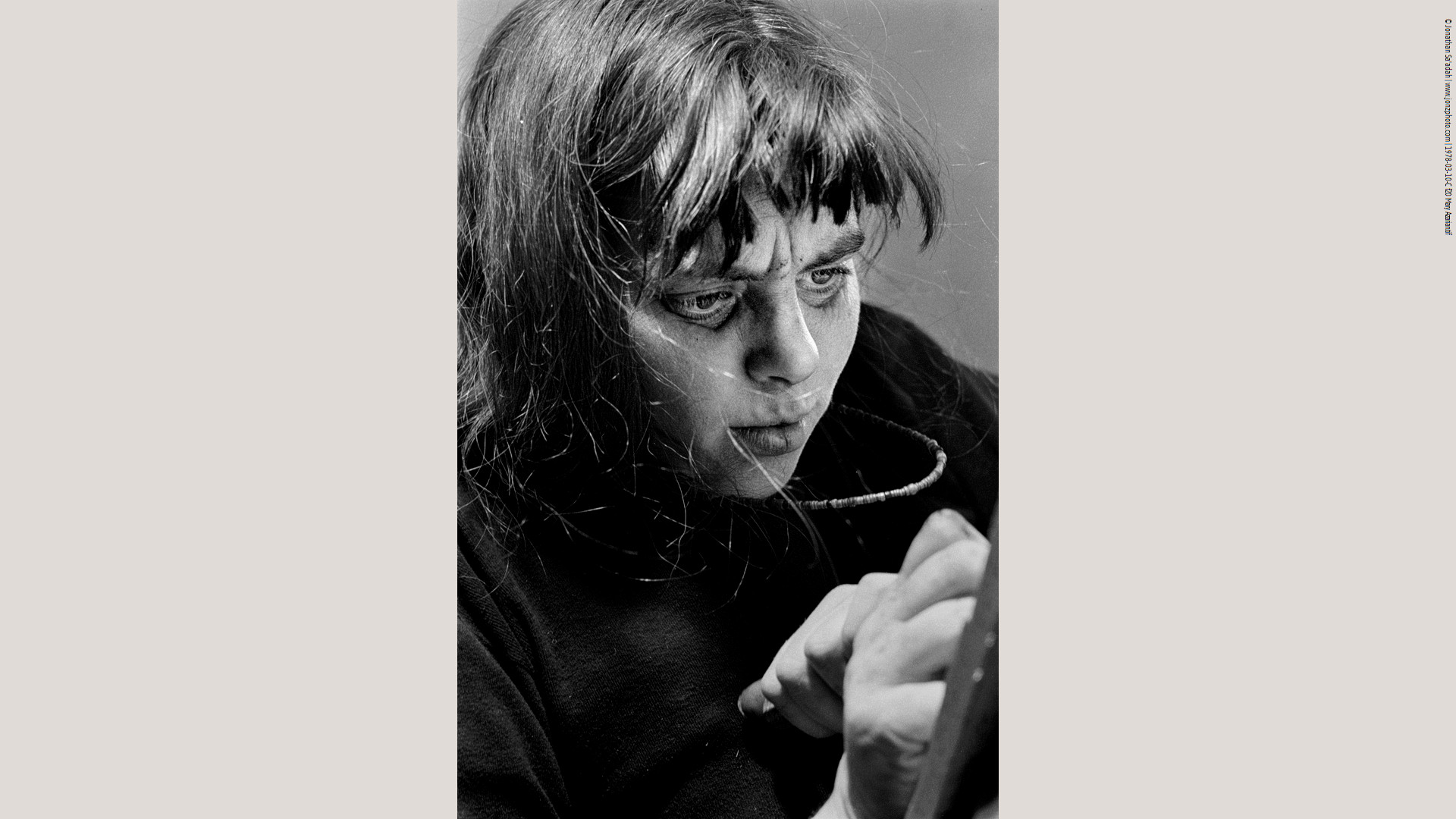
Mary Azarian lived (and lives) on a family hilltop farm in Vermont. Her woodcuts are widely published and have won many awards. She also publishes books through the Farmhouse Press.
What I witnessed, from studio to studio, was the tangible impact of unconditional support. These seven artists — selected by Segal with an advising committee — represented the kind of working creatives who sustained Vermont’s cultural life but rarely received institutional recognition or steady income. For them, Vermont Images was not a stepping stone or a credential-building opportunity. It was a lifeline. The support I helped administer allowed them to continue their work, to deepen their practice, and to remain in Vermont rather than perhaps migrating to larger cultural centers where opportunities for artists were more abundant.
I learned something during that year that bureaucrats and institutional administrators often miss: the direct correlation between financial security and artistic flourishing. I saw how steady income removed the constant anxiety that forces artists to abandon their studios for survival jobs. I understood, from conversations and studio visits, how meaningful the program’s support had been in these artists’ lives.
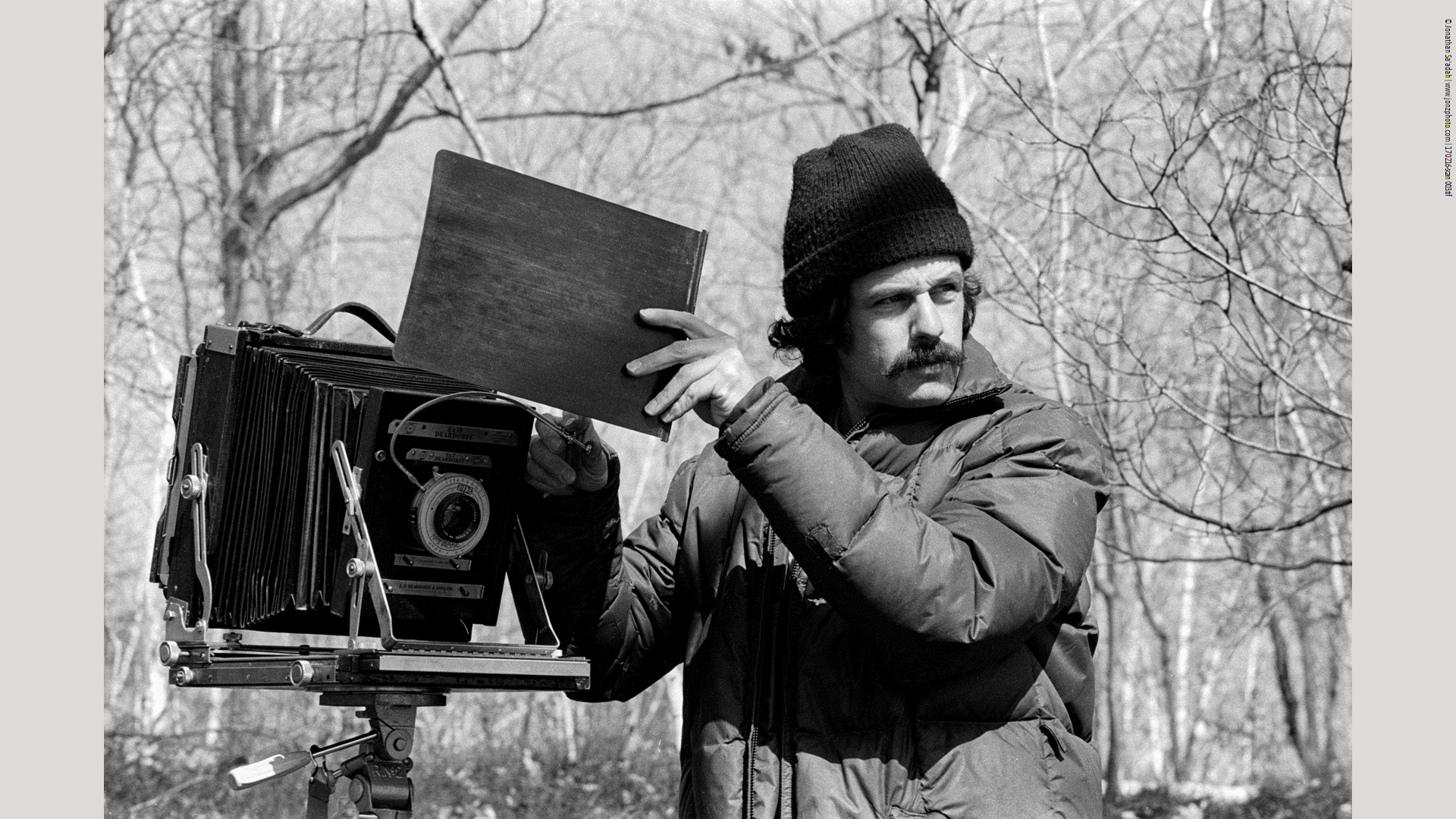
Carlos Richardson used negatives taken with an 8×10 view camera in making platinum prints. He had a career as a teacher and a photographer.
The Clash Between Vision and Institution
But Vermont Images existed in tension with the institution that housed it. The Vermont Arts Council itself was run by Ellen McCulloch-Lovell, an establishment-oriented administrator more at home navigating institutional relations and political support than thorny artist questions. McCulloch-Lovell deserves credit for building up Vermont’s arts infrastructure and contributing substantially to the state’s cultural development. But her orientation was fundamentally different from Segal’s — and mine, by extension.
Where McCulloch-Lovell thought in terms of institutions, infrastructure, and sustainability, Segal thought in terms of artists and creative need. Vermont Images represented that artist-centered philosophy taken to its logical conclusion: direct support, no strings attached, no institutional mediation.
It was too free-form for the Vermont Arts Council. The program was not renewed.
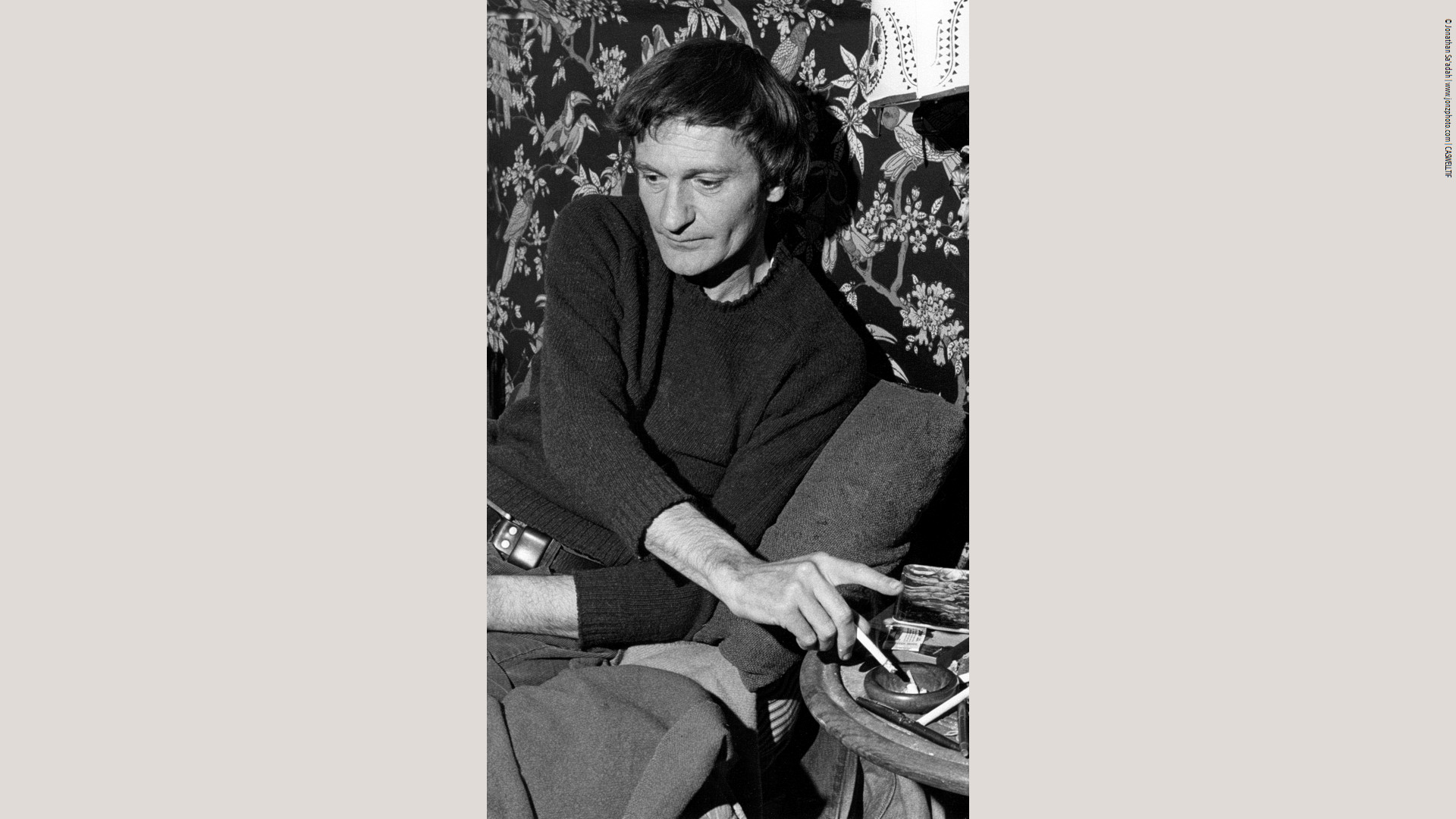
Robert Caswell was a poet and professor in Burlington Vermont. He taught at the University of Vermont in the English department and is remembered for his book Exiled from North Street. He died in 2014.
In any case, nationally the CETA program was winding down. When Ronald Reagan took office in 1981, he moved quickly to terminate CETA altogether, abruptly ending a decade of federal arts employment support. The remaining CETA programs in Vermont, which had continued to support artists working with cultural institutions, were shuttered. The experiment was over.
A Glimpse of What Was Possible
My year as administrator of Vermont Images offered a rare window into what federal arts support could look like when bureaucracy stepped back and trust stepped in. It had a modest budget and seven artists to support — not enough to transform the state’s cultural landscape, but enough to change the lives of those seven people, and myself. I had traversed Vermont’s back roads and witnessed creative practice in its most authentic form, unmediated by institutional necessity.
The program lasted only a year. It never grew. It was deemed too unconventional to continue. But for those seven artists, and for me, it represented something exceedingly rare in American life: a government program designed not to serve the state’s interests, not to build institutions, not to create measurable outcomes — but simply to support artists in doing their work.
That simplicity, that directness, that trust in creative practice itself — these things made Vermont Images worth remembering, even fifty years later.
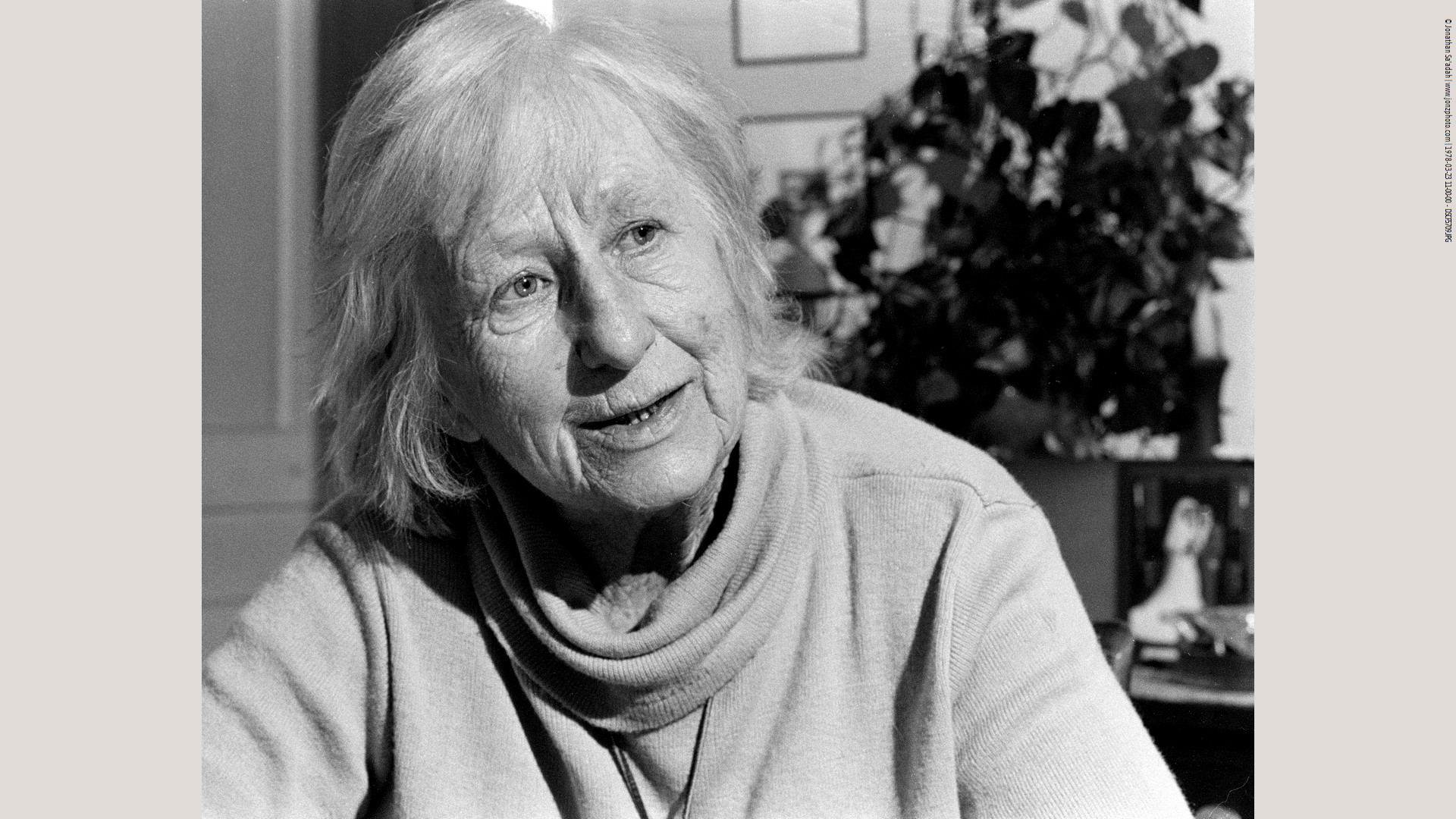
Ernestine Pannes was a cross-dispciplinary researcher and writer, and was always exceedingly hard to pigeonhole. The committee decided that her research as a sociologist met the test for artistic work and supported her project studying the Vermont town of Weston. Her work was published under the title Waters of the Lonely Way.
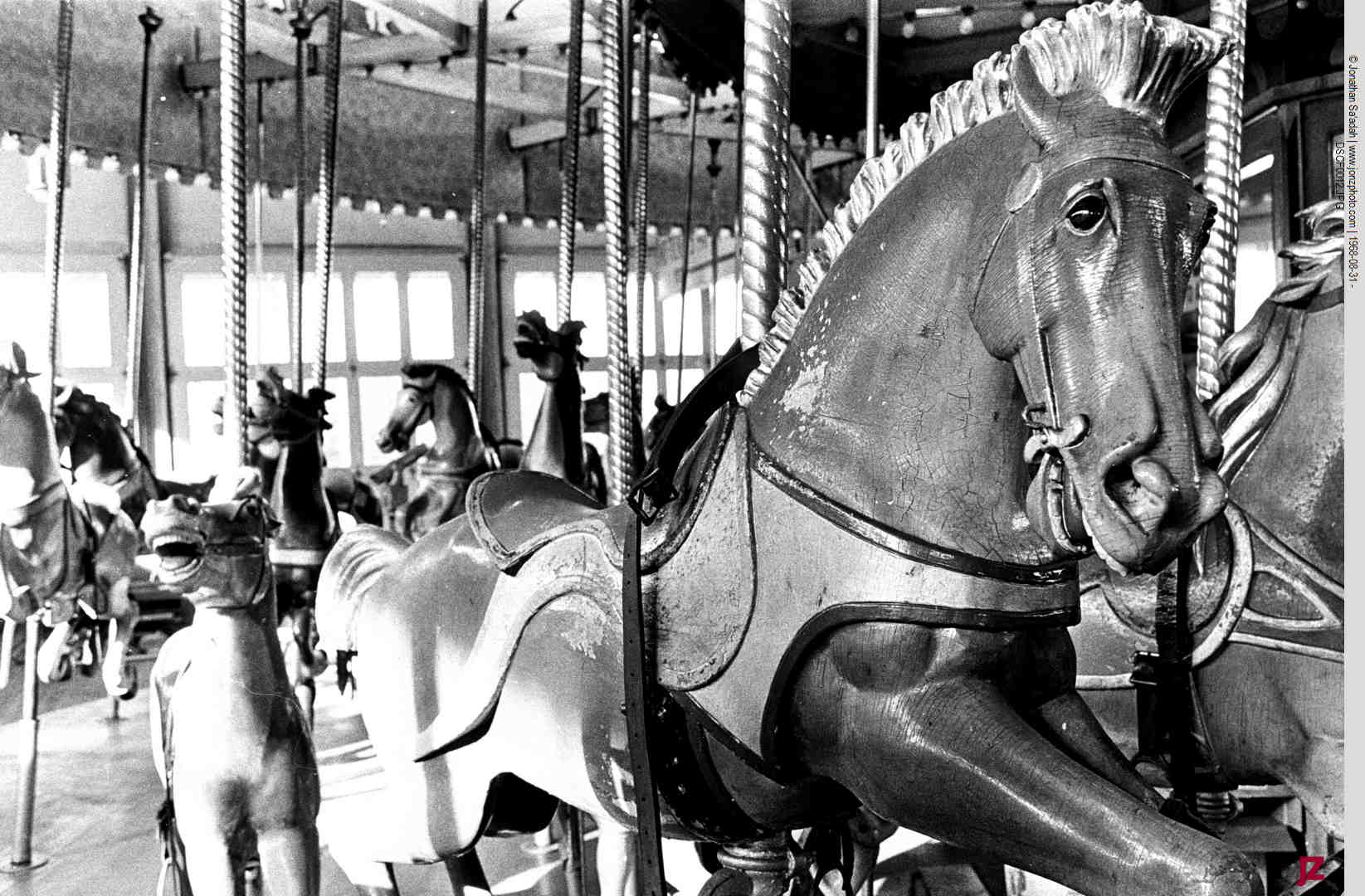
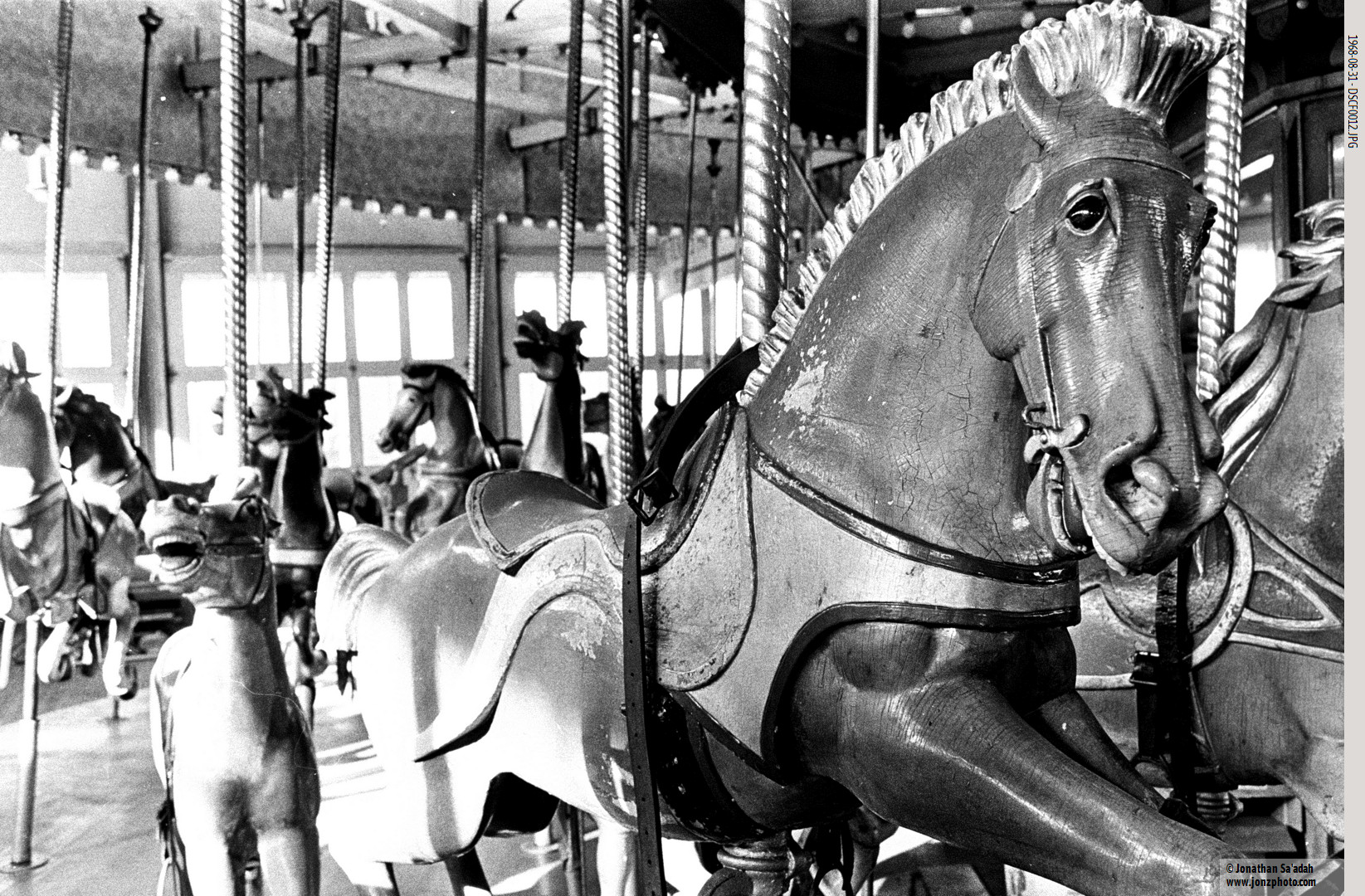
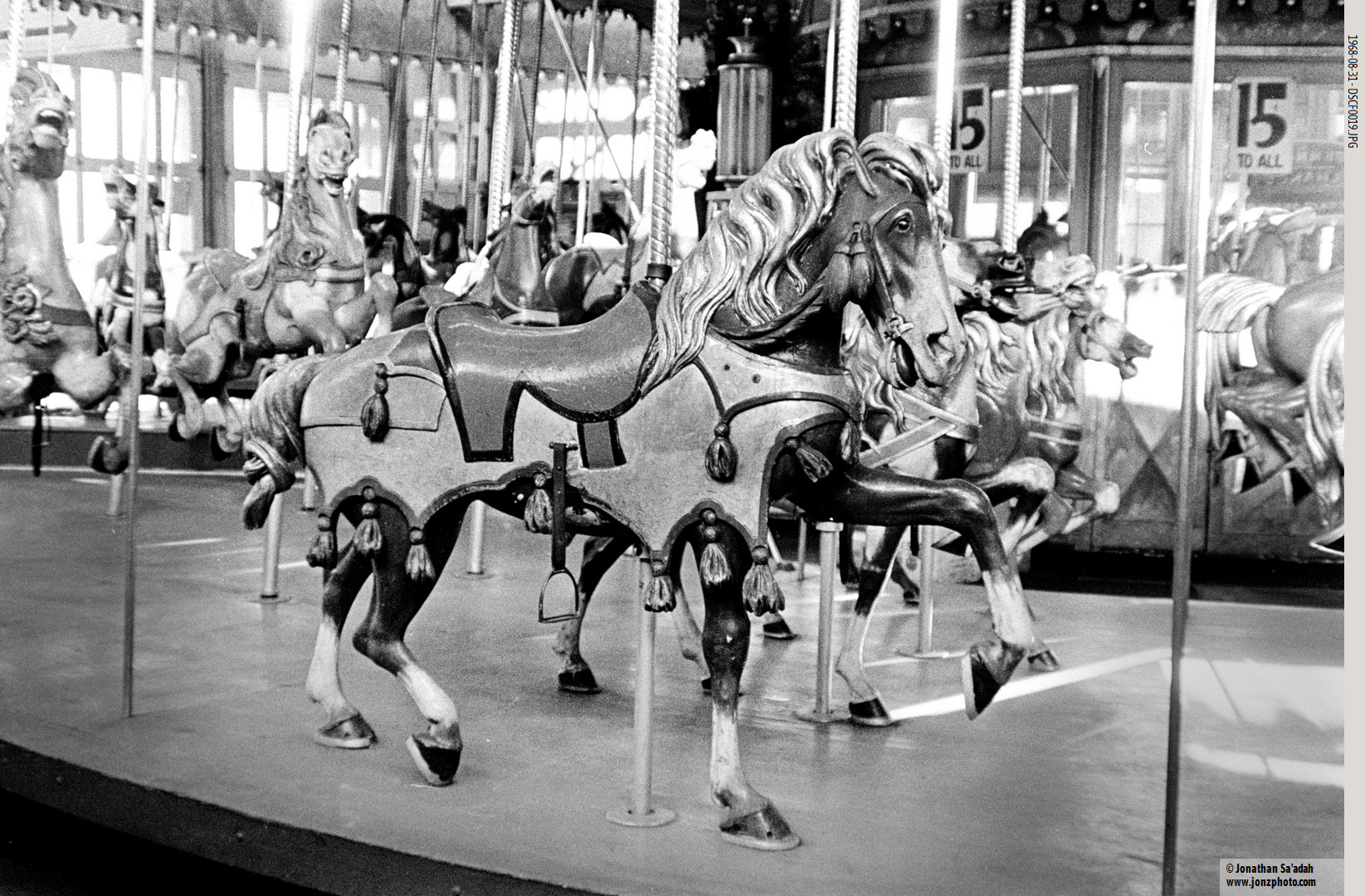
My family moved from Vermont to near New Haven, Connecticut in 1964. I was just starting to consider myself a photographer and I would often explore around the city with camera in hand. It was during one of those expeditions that I found the Savin Rock carousel. The way I was exploring around with my camera wasn’t too different from what I do now except that in those years I was rigidly dedicated to black-and-white photography, which actually was a shame with a subject as colorful as these horses.
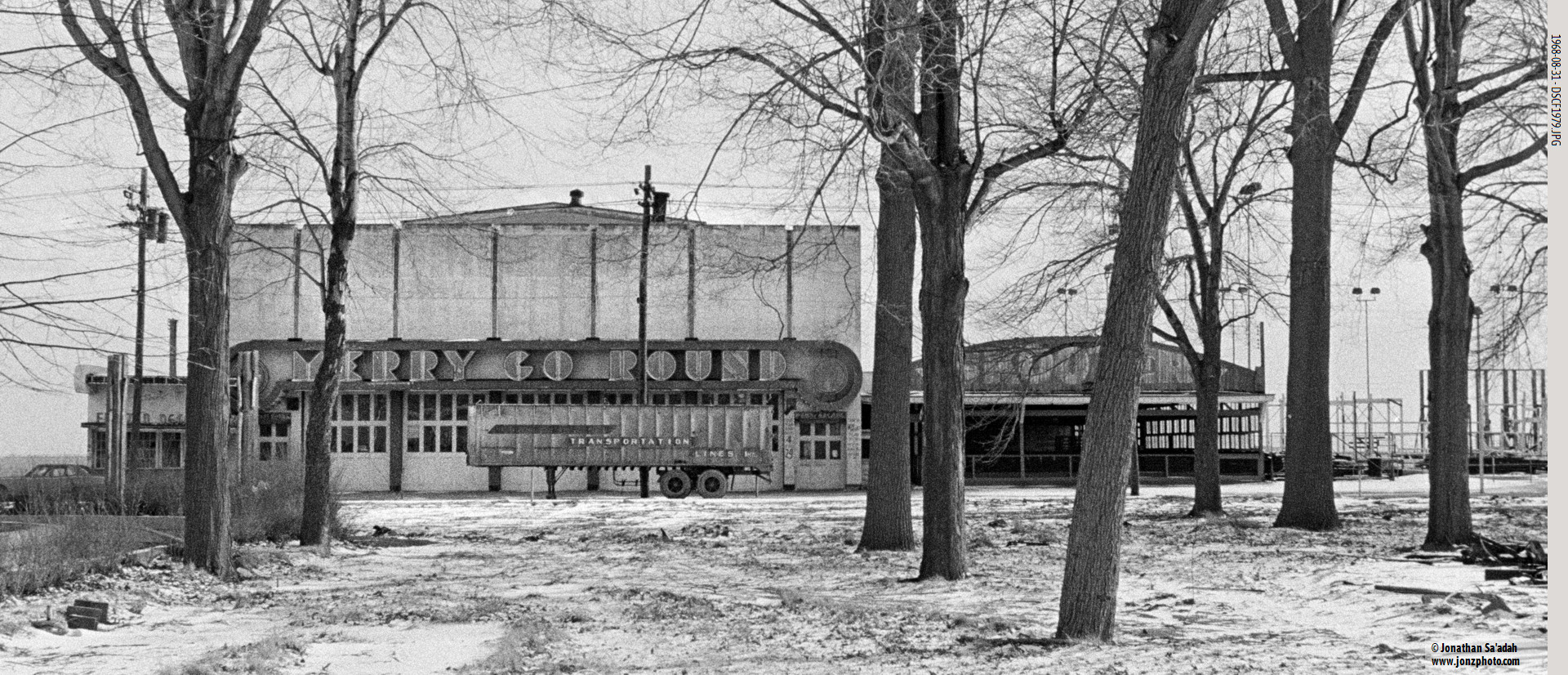
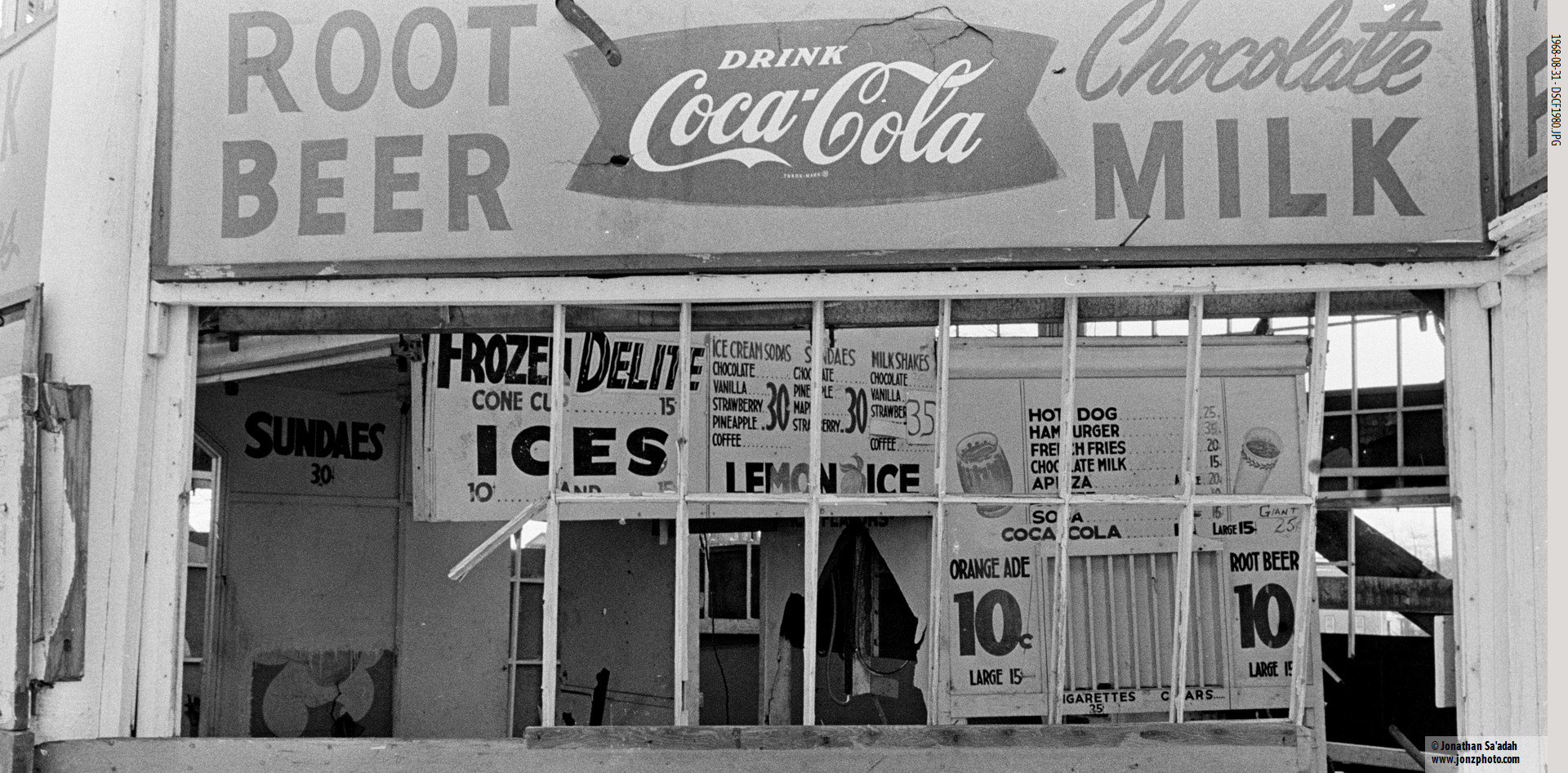
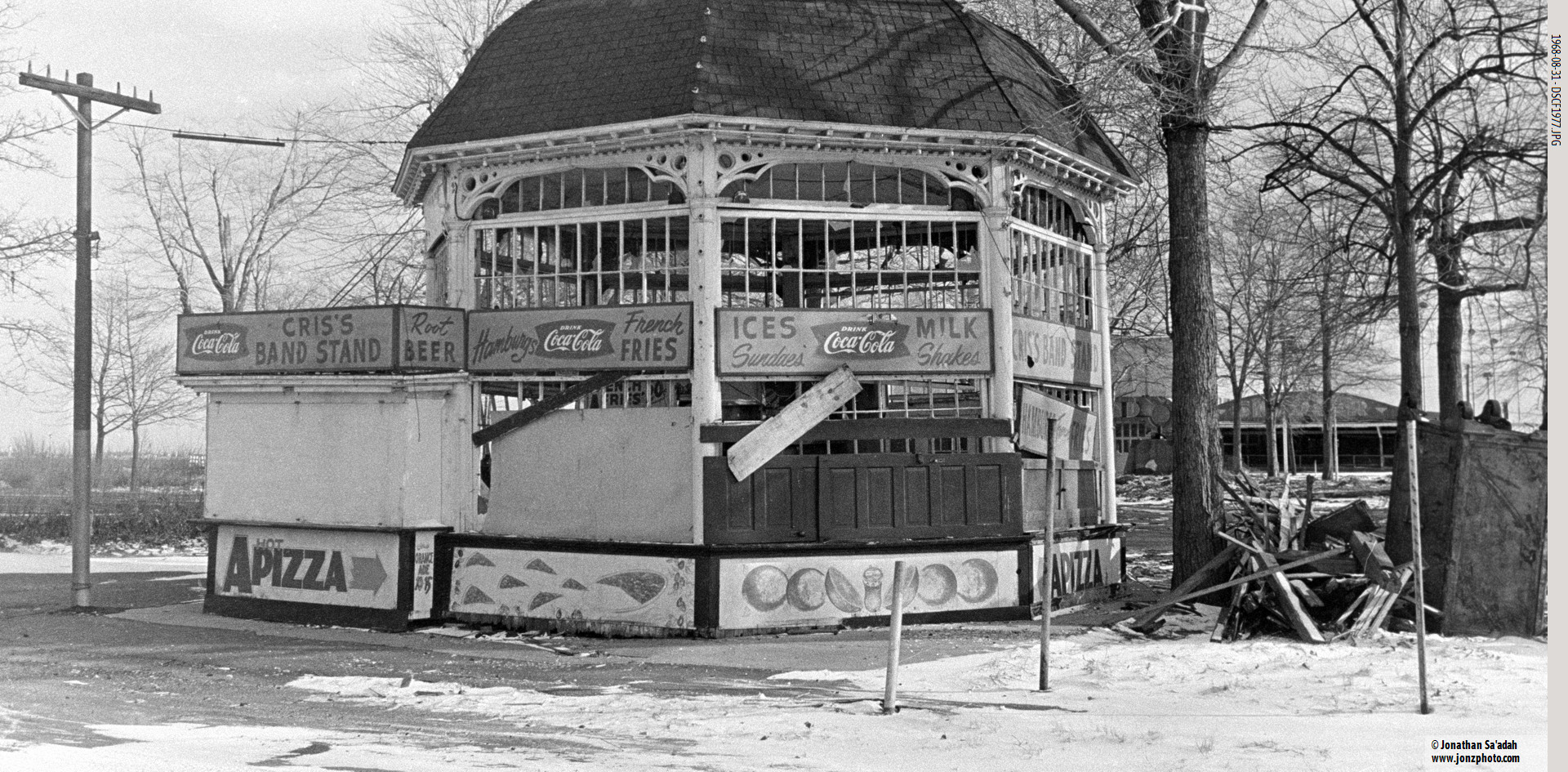
I remember Savin Rock in two guises: a brightly colored hill of red clay that overlooked the city, and a desultory semi-abandoned amusement park that was on the water’s edge down in the dock area. It was there that I found this magnificent merry-go-round, known officially as PTC No. 21, which began its life in 1912.
The Golden Age of Savin Rock
In the early 1900s Savin Rock was a carousel lover’s paradise. Beginning in the 1870s, the resort attracted millions of visitors annually with its mile-long midway packed with roller coasters, fun houses, and an extraordinary collection of carousels. At its peak in 1919, Savin Rock welcomed 1.2 million visitors a year, rivaling even Coney Island.
The park was so rich in carousel history that it housed at least a dozen major carousels throughout its existence. But among all these magnificent machines, PTC No. 21 would become the most famous – affectionately known to generations of riders as the “Flying Horses“.
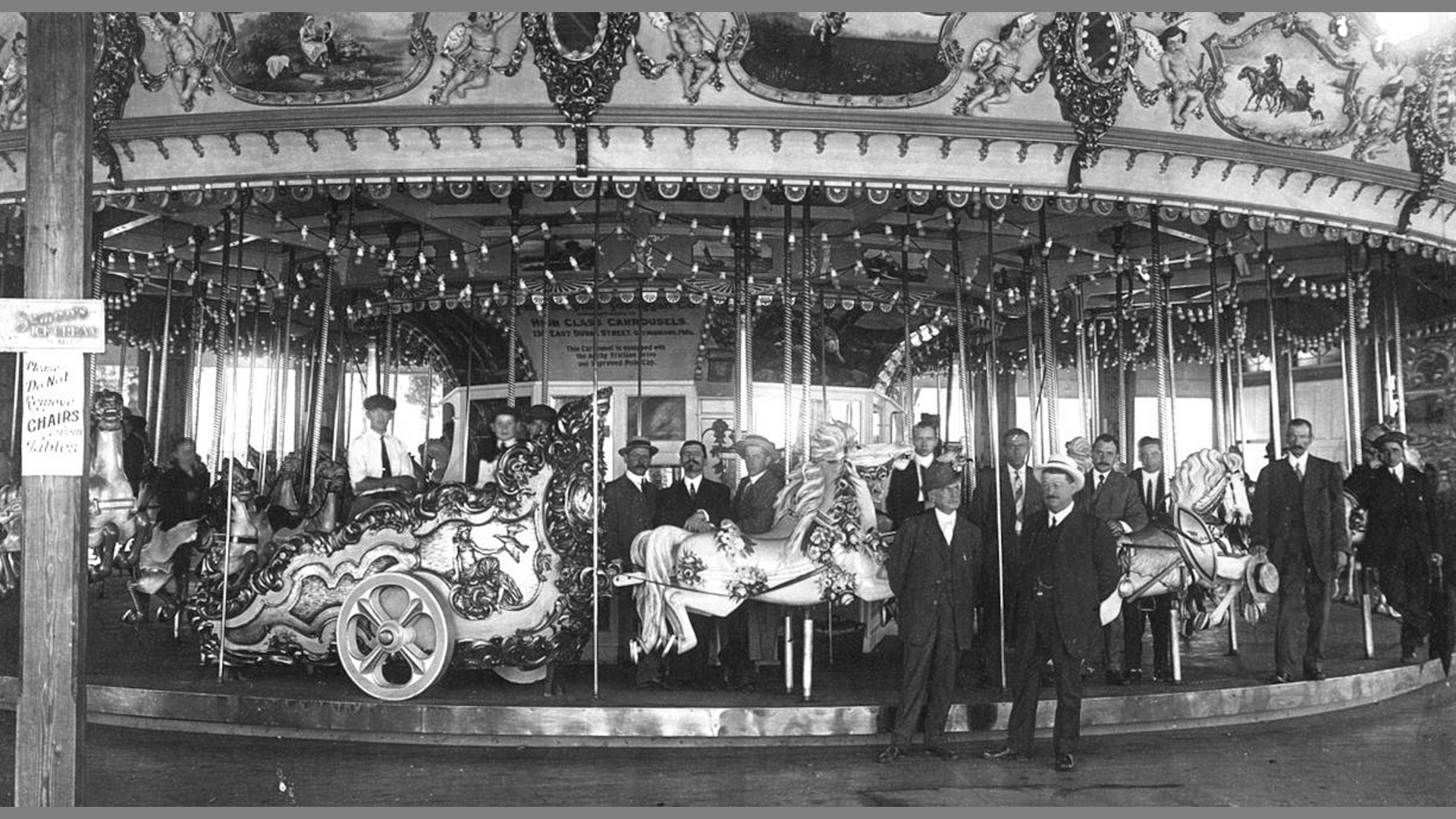
Historical photo: Handwritten note on photograph: “World’s Finest Carrousel with its Mechanics, Taken Labor Day 1912. Built by Phila Toboggan Co Phila Pa” (Photographer unknown)
A Carousel is Born: 1912
The Philadelphia Toboggan Company manufactured PTC No. 21 in 1912, during the golden age of American carousel production. This wasn’t just any carousel – it was a four-row masterpiece that arrived at Savin Rock as part of Fred Wilcox’s Long Pier. The timing was perfect, as carousel innovation was revolutionizing the amusement industry. These were truly different times.
Just five years earlier, in 1907, the famous Murphy brothers had introduced “jumpers” – horses that moved up and down – to Savin Rock carousels. This innovation forced every other carousel owner to upgrade their rides to remain competitive, and Fred Wilcox’s decision to order the spectacular PTC No. 21 was likely a direct response to this carousel arms race.
Surviving Disaster: The 1936 Flood
PTC No. 21’s most dramatic chapter came in 1936 when a major hurricane hit New England, causing significant damage. For many antique rides, such destruction would have meant the end. But the beloved Flying Horses were too important to Savin Rock’s identity to abandon. The carousel underwent extensive restoration and triumphantly resumed operation in 1939, continuing to delight families for nearly three more decades.
The End of an Era
As the 1960s arrived, changing times and waterfront development began to threaten Savin Rock’s future. The grand amusement park that had survived the devastating 1938 hurricane and plans for 1950s expansion could not withstand the pressures of modernization. Savin Rock officially closed in 1966, and PTC No. 21 took its final spins at its original home in 1967, the year I took these pictures.