Category: Syria

  • Damascus Unveiled: Why These Photographs Will Change How You See Syria – and Ourselves

    This is the fourth and final post in a series introducing my new photo book “Return to Damascus: A Personal Journey.” The book’s text is mainly about Christian immigration through my family’s experiences, examining how that history resonates from two perspectives: mine as a descendant and my father’s as an immigrant. But to me the photographs show more than that, revealing an other story concerning issues in urban society. The book is available at this link and will ship in the first week of November.

    Exploring Syria through Photography

    There’s one photograph in this collection that stops people in their tracks. It captures the main hallway of the Al-Hamidiya Souq, Damascus’s legendary covered market, where late afternoon light filters through corrugated metal roofing installed decades ago to protect the ancient stone walkways below. The light creates cathedral-like beams that illuminate an empty souk, stalls closed and people gone for Friday prayers.

    This photograph tells a story Western media has never bothered to share. It shows a place deeply embedded in community life – a place that is as normal to Damascenes as it is foreign to us as we rush through florescent lit grocery aisles. The textures leap from the frame weathered by decades of Damascus use, Arabic calligraphy painted directly onto shop front signs by local artisans, stone curbs and sidewalks worn smooth by millions of footsteps.
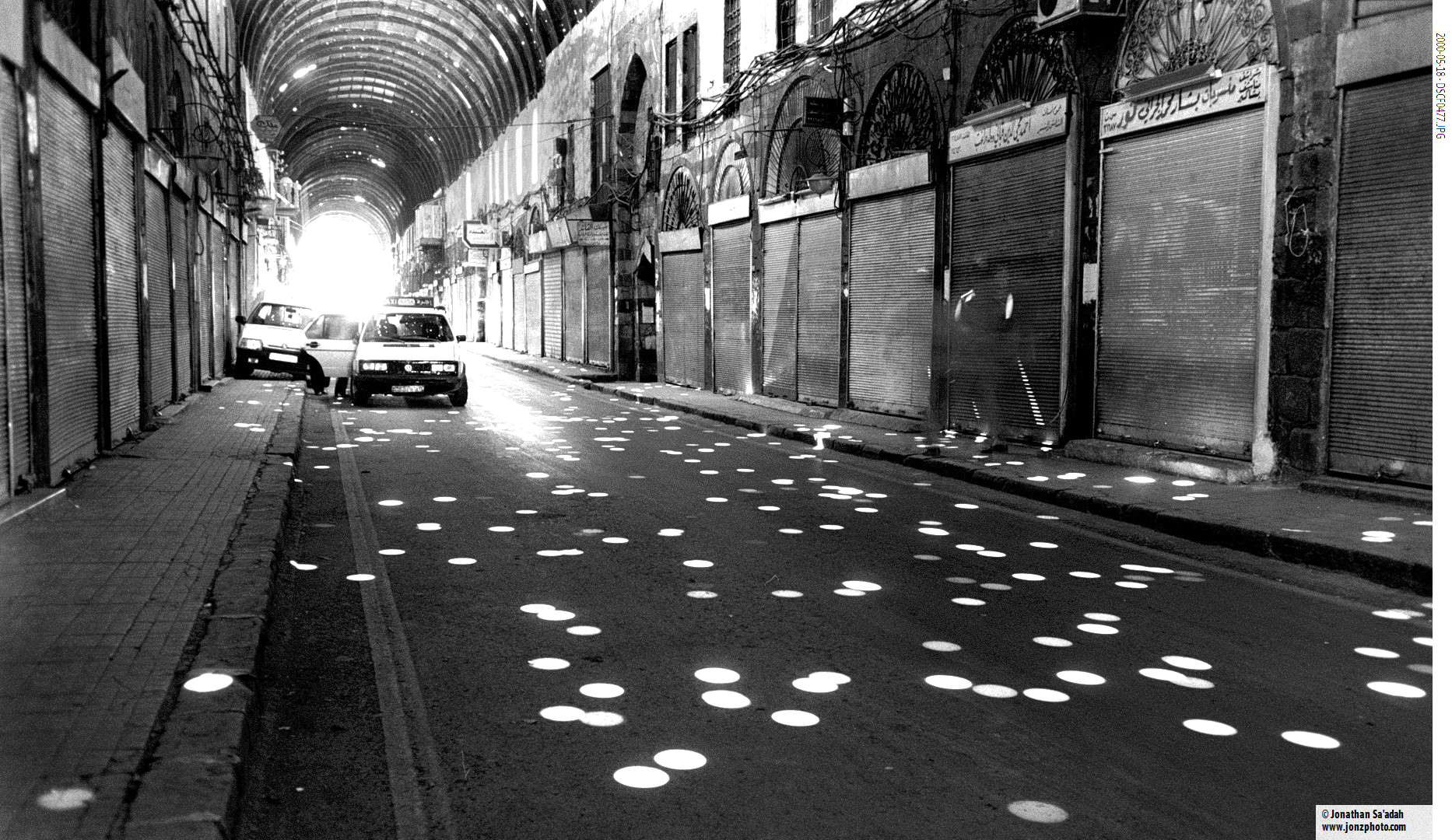
    This is Syria in 2000 – not the Syria of headlines, but the Syria of heartbeats. We are seeing Syria in the last moments of an era and to me it holds lessons that most of us in the West are only beginning to think about. These 88 photographs capture a view that most Western media has never invited its audience to witness: a complex, ancient civilization that had figured out some of what we’re still searching for.
    What Damascus Looked Like Under Unbiased Observation

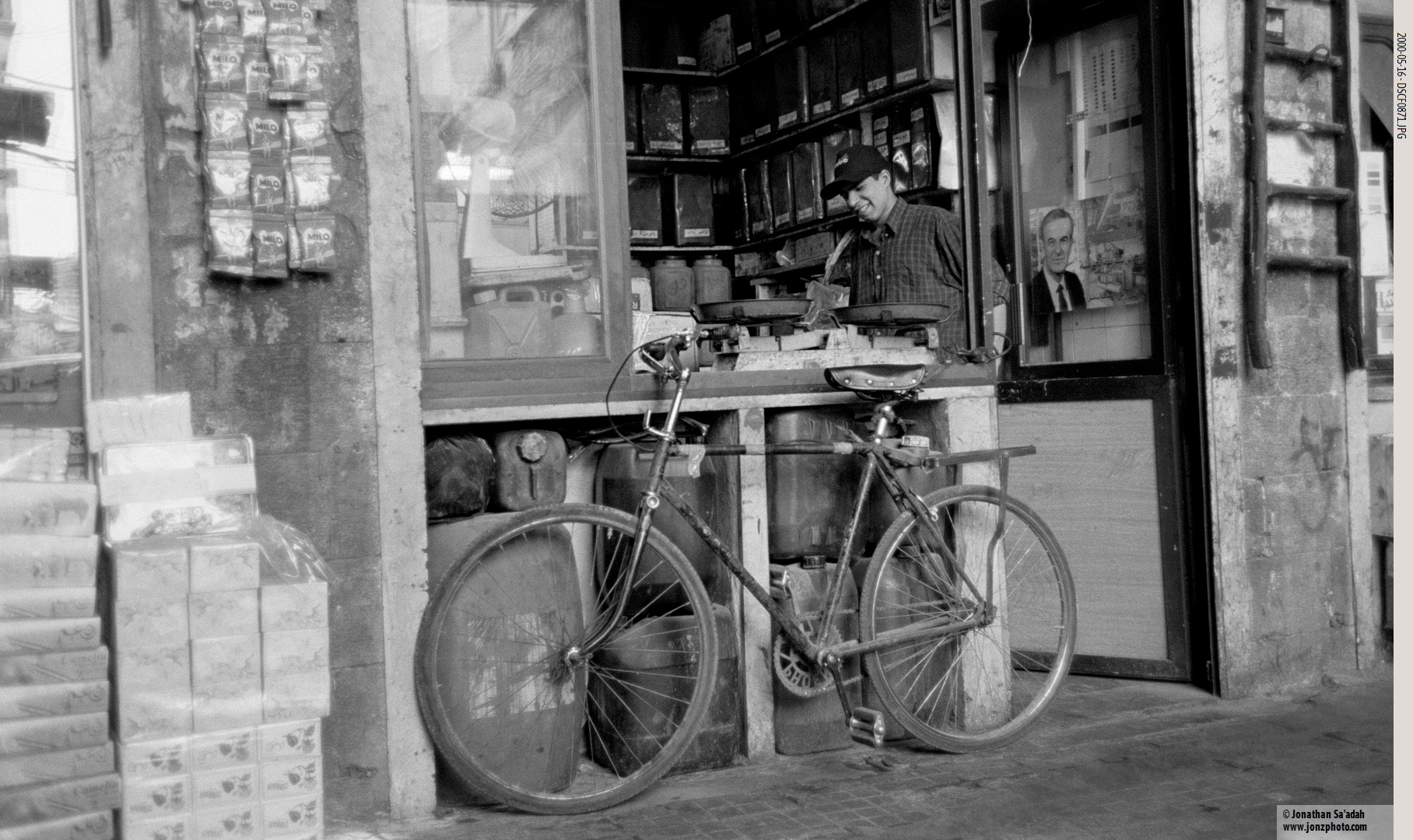
    Step into the photographs in this collection and you’ll find yourself questioning what you thought you knew about Syria. Look past the obvious lack of material wealth. Here are bustling markets where vendors remember their customers’ names and children’s ages. Local businesses passed down through generations, their hand-painted signs faded but proud. Young people playing soccer in narrow streets between buildings that have sheltered families for centuries. Ethnic and religious diversity woven into daily life.

    The architectural layers tell Damascus’s story in stone and mortar: Roman foundations supporting Ottoman courtyards where contemporary Damascenes conduct their daily business, drink tea, and solve neighborhood problems. These aren’t museum pieces and often it’s messy and decrepit – but yet they’re living, breathing spaces where community life unfolds with a sophistication that puts many Western urban planning efforts to shame. Street photography in Damascus reveals something we’ve largely lost in North America: spontaneous community interaction as the default mode of urban existence.

    Look closely at these images and you’ll see the sophisticated values of a four millennium city in action. Shopkeepers who close during prayer times not out of religious obligation, but because the community rhythm expects it. Neighbors who share meals across religious and economic lines. Children who play freely in streets because everyone knows everyone, and community safety emerges naturally from social connection rather than surveillance systems.

    While we’ve known the stories of a dictator-ruled nation, which were true, these images show a people who never stopped building, creating, and trying to find a better future, even under difficult conditions. The Syria captured in these photographs challenges us in what we think about the Middle East, revealing a society that preserved what we’ve spent decades trying to rebuild: authentic community life.
    Community Architecture: What We in the West Lost That Damascus Kept

    The most striking contrast in these photographs isn’t between wealth and poverty – it’s between connection and isolation. Damascus in 2000 maintained urban design principles that Western cities abandoned in pursuit of efficiency and individual privacy. Together the images tell a story of community architecture: spaces designed for human relationship.

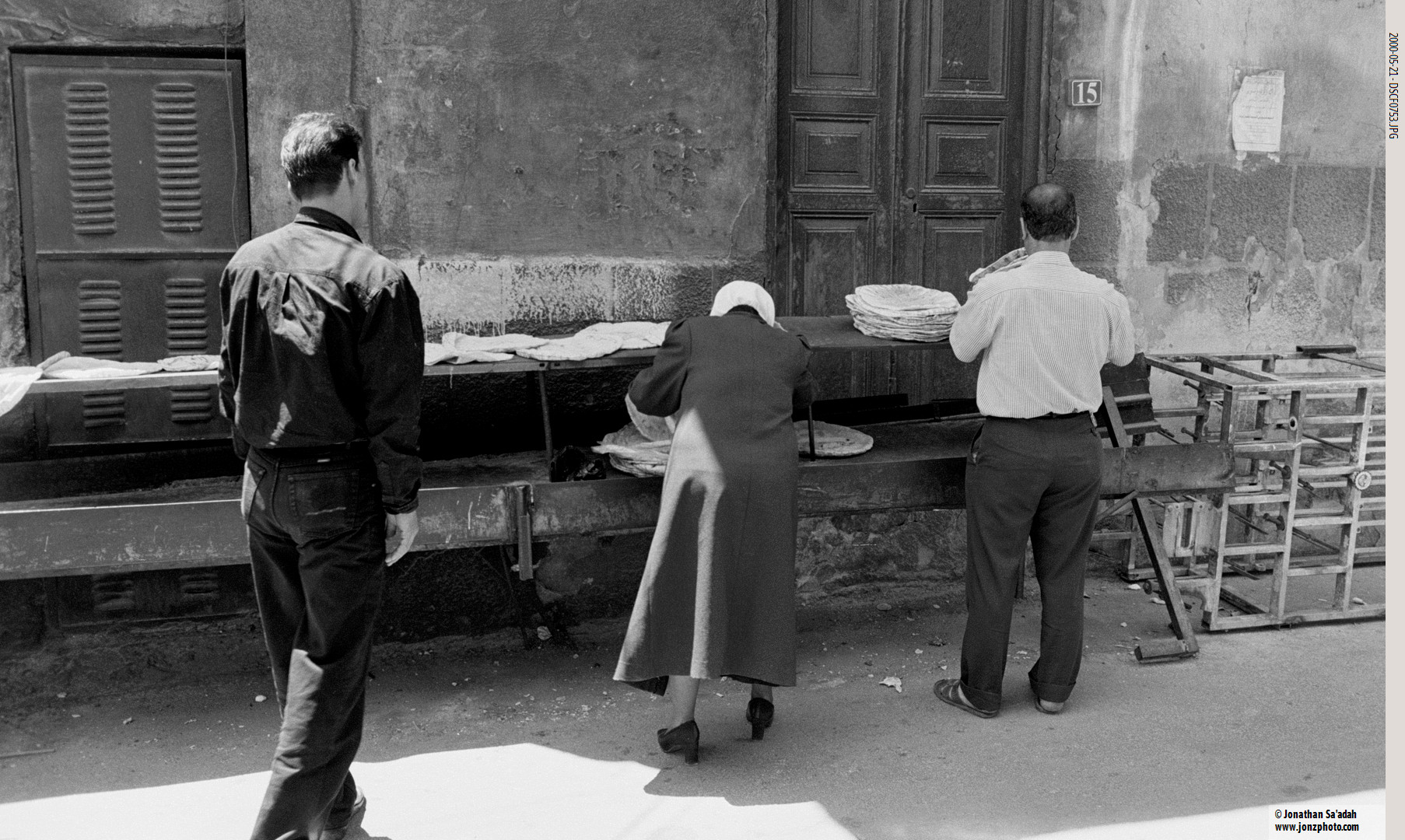
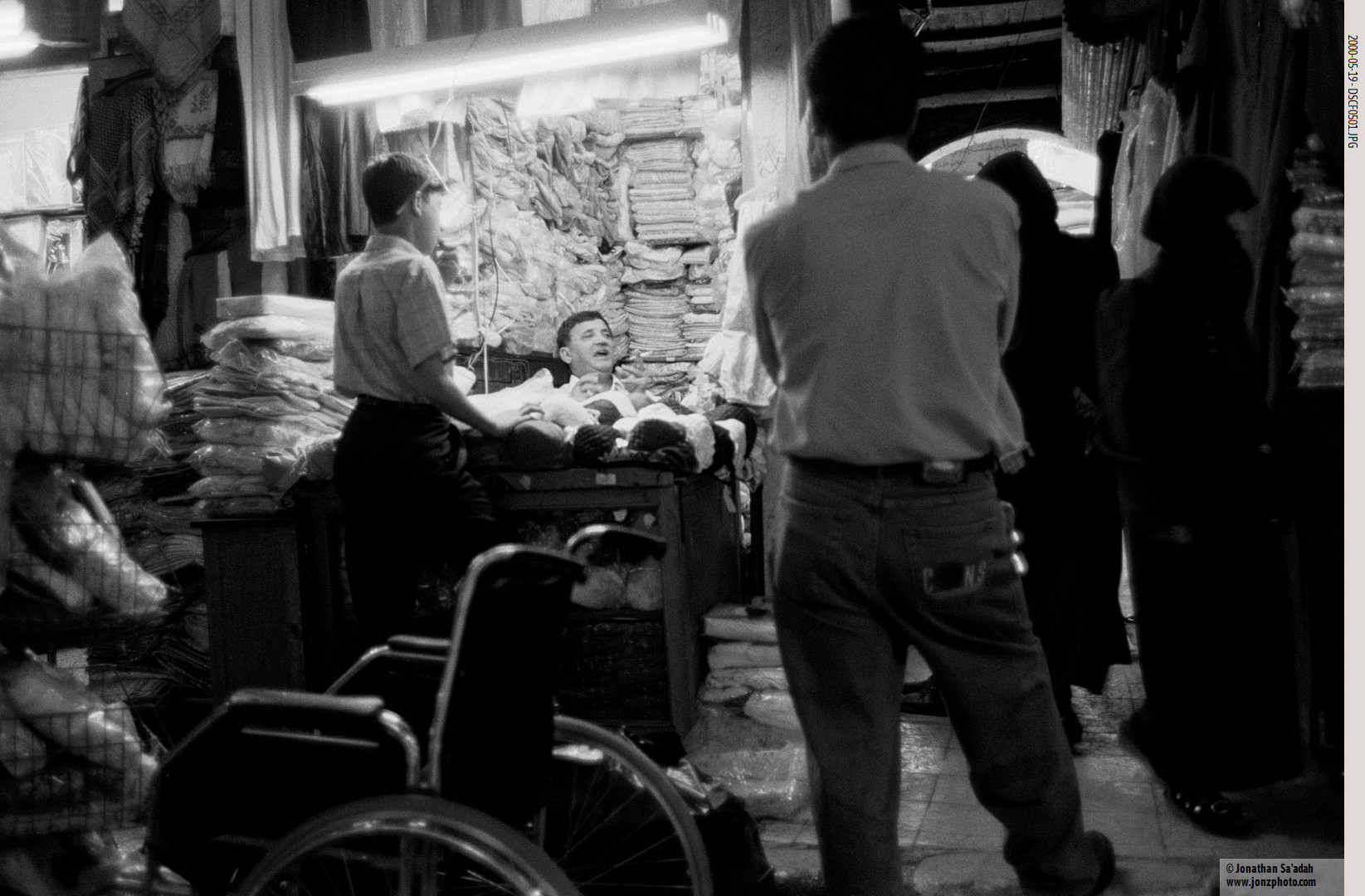
    Consider the Damascus public spaces, people gather for business and social reasons. Vendors, even bakeries, have little or no interior retail space, instead they face out towards the public space. The difference isn’t just aesthetic; it’s philosophical. Damascus is built to encourage social interaction; our spaces are built for independence.
    Street life in these photographs reveals vendor relationships that span decades. The baker knows not just what each family prefers, but whose daughter is getting married, whose son needs work, whose grandmother prefers a certain cookie. These aren’t transactions – they’re social connections that happen to include commerce. Contrast this with our anonymous grocery chains where self-checkout machines are replacing even minimal human interaction.

    The visual textures in these images tell stories of sustained craftsmanship: stones polished by generations of feet creating organic pathways through neighborhoods, hand-painted shop signs in Arabic calligraphy that announce not just businesses but family legacies, faces that show curiosity about strangers rather than the urban wariness we’ve normalized. In Damascus markets, haggling isn’t about getting the best price – it’s relationship-building, a dance of mutual respect that creates ongoing social bonds.

    Look at the light filtering through ancient souq ceilings, creating natural gathering spaces where people linger, children play, and business happens at human speed. These aren’t accident architectural features – they’re designed for community life. The intricate geometric patterns in everyday objects, from mosque balconies to door hardware, represent a design philosophy that values beauty in daily life over mass-produced efficiency. Most of the people are poor and struggling, but there is still awareness of community and looking beyond simple economic survival.

    The University of Damascus Streets

    The photographs in this collection underline community resilience in the face of adversity. These images capture neighborhoods that maintained social cohesion through economic challenges, political pressures, and cultural changes – lessons particularly relevant as Western communities struggle with atomization, mental health crises, and civic disengagement.

    Community Resilience While Western communities fracture under much lesser stresses – think of how rarely we know our neighbors’ names – Damascus neighborhoods in 2000 demonstrated social structures that automatically activated during difficulties. Extended families, religious communities, and neighborhood networks created overlapping safety nets that no government program could replicate.
    Cultural Preservation emerges in photographs of traditional crafts continuing alongside modern life. The optician whose family has served the neighborhood for generations, using techniques perfected over decades while adapting to modern lens technology. Traditional techniques surviving modernization not through museum preservation, but through continued relevance to community life.

    Western cities losing their cultural identities to globalization could learn from Damascus’s integration of old and new knowledge.

    Sustainable Living appears throughout these images: repair culture over disposal culture, walking cities over car dependence, local production over global supply chains. Damascus in 2000 was necessarily resource-conscious, but the visual evidence shows this creating stronger communities, not deprivation. Cobbler shops, tailors, mechanics – all embedded in neighborhood life, all contributing to local economic circulation.

    Damascus is an example of cultural evolution without cultural abandonment.

    Your Invitation to See Differently

    These 88 photographs aren’t asking you to visit Damascus – they’re asking you to question what you think you know about resilience, community, and cultural continuity. They’re asking you to see our own Western cities with fresh eyes: What did we lose in our pursuit of efficiency? What did we abandon in our quest for individual freedom? What can Damascus teach us about building communities that survive?

    This collection challenges comfortable assumptions about progress and development. Damascus in 2000 wasn’t primitive or backward – it was sophisticated in ways we’re only beginning to understand. While we’ve been perfecting individual liberty, they were perfecting community sustainability. While we’ve been optimizing economic efficiency, they were optimizing social connection.

    The lessons here aren’t nostalgic – they’re practical. Urban planners struggling with social isolation, community organizers trying to build civic engagement, anyone wondering why Western cities feel increasingly lonely despite unprecedented connectivity will find answers in these images. Damascus demonstrates that community life isn’t about returning to the past; it’s about integrating human-scale values with contemporary possibilities.

    This book should appeal to anyone interested in urban planning and community design that prioritizes human flourishing over economic optimization. For cultural preservation and revival strategies that keep traditions alive through relevance, not museums. For understanding the Middle East beyond headlines and finding hope and practical wisdom for Western urban challenges.

    This is Syria in 2000 – not the Syria you see typically portrayed, but the Syria that has lessons for us all.
  • Beyond the Headlines: Discovering the Real Syria Through My Father’s Eyes

    This is the second in a series introducing my new photo book “Return to Damascus: A Personal Journal.” This post is about my family’s connection to Damascus and my own personal journey.

    “This was all different,” my father murmurs as we walk through Bab Tuma (Saint Thomas’s Gate) which gives its name to the old Christian quarter of Damascus. “And yet, somehow the same.”

    His paradoxical statement captures something essential about Syria that most of us never get to see. At ninety years old, walking slowly through the streets he once knew as a boy, my father was experiencing something profound: the simultaneous recognition and alienation that comes from returning to a homeland that exists partly in memory, partly in reality.

    It was May 2000, and I had traveled to Damascus with him. This was a man who left Syria in 1928, moving to Beirut for his education before eventually emigrating to the United States in 1946. He wanted to share the city with his American-born son, and I wanted to learn more about how Syria intertwined with our family history. What I discovered challenged everything I thought I knew about this ancient crossroads of civilizations.

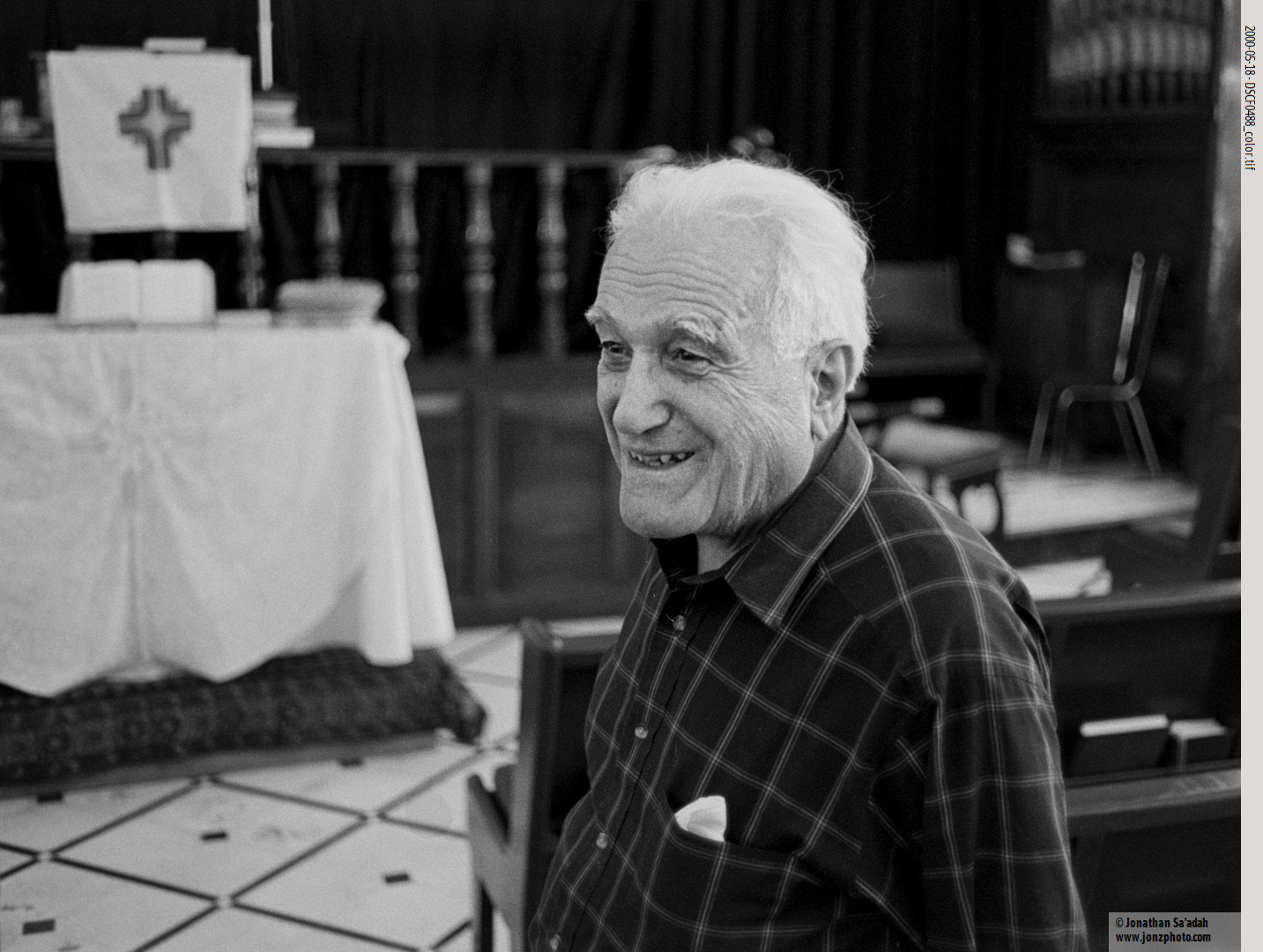
    Mounir Sa’adah, revisits the family Damascus family church.

    The Problem with How We See Syria

    The morning light filtered through the ornate wooden shutters of my room at the Sultan Hotel, casting intricate patterns across the tiled floor. I awoke at dawn to the foreign sound of the muezzin’s call to prayer from the nearby Takiyyee Mosque pulling me from sleep. Outside my window, Damascus was already stirring to life in the warm May sunshine, the air carrying the mingled scents of cardamom, exhaust fumes, and jasmine that seemed to define this ancient city.

    This Damascus – vibrant, complex, culturally rich – bears little resemblance to the Syria portrayed through media coverage. Even in 2000, before the devastating civil war that would begin eleven years later, Western portrayals consistently framed Syria and Syrians through a lens of “otherness” and conflict. The tendency to classify entire nations and peoples as exotic, dangerous, or fundamentally different from “us” was already well-established, focusing on political tensions while ignoring the rich cultural heritage, intellectual traditions, and everyday humanity of Syrian people.

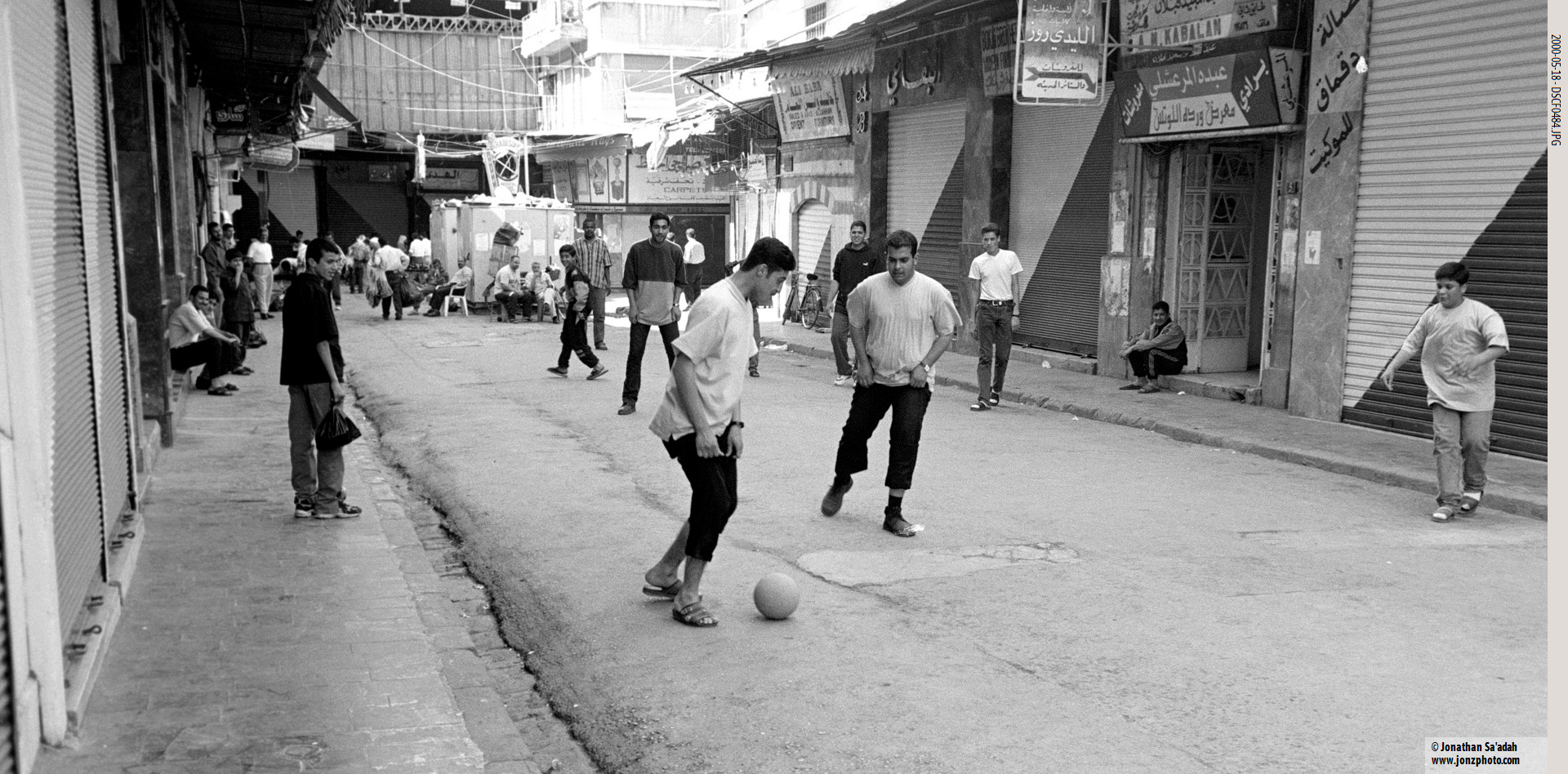
    Street soccer in the Old City of Damascus.

    Since 2011, this pattern has only intensified. Coverage focuses almost exclusively on war, refugees, and extremism – creating a one-dimensional image that flattens the complexity of a civilization that has been a crossroads of culture for millennia. We hear about Syria as a problem to be solved, a tragedy to be pitied, or a threat to be contained. We rarely hear about Syria as a place where people wake up to the smell of jasmine, where ancient traditions of hospitality still flourish, and where people from different traditions have coexisted for centuries.

    My two weeks in Damascus revealed a cultured society that contradicted these stereotypical portrayals. I encountered university professors debating philosophy in coffee houses, artists preserving traditional crafts passed down through generations, and merchants whose families had operated the same shops in the al-Hamidiyah Souk for centuries. This was not the monolithic, threatening “other” of Western imagination, but a complex society grappling with modernity while maintaining deep roots in history.

    Syria at a Crossroads

    The Syria I encountered in 2000 was a nation holding its breath. President Hafez al-Assad, who had ruled with an iron fist since 1971, was visibly ailing. His health, which had begun deteriorating in 1983 due to diabetes and heart problems, had become a matter of quiet speculation among Damascenes. Though no one spoke openly about succession, the question of what came next hung in the air like the scent of cardamom from street vendors’ carts.

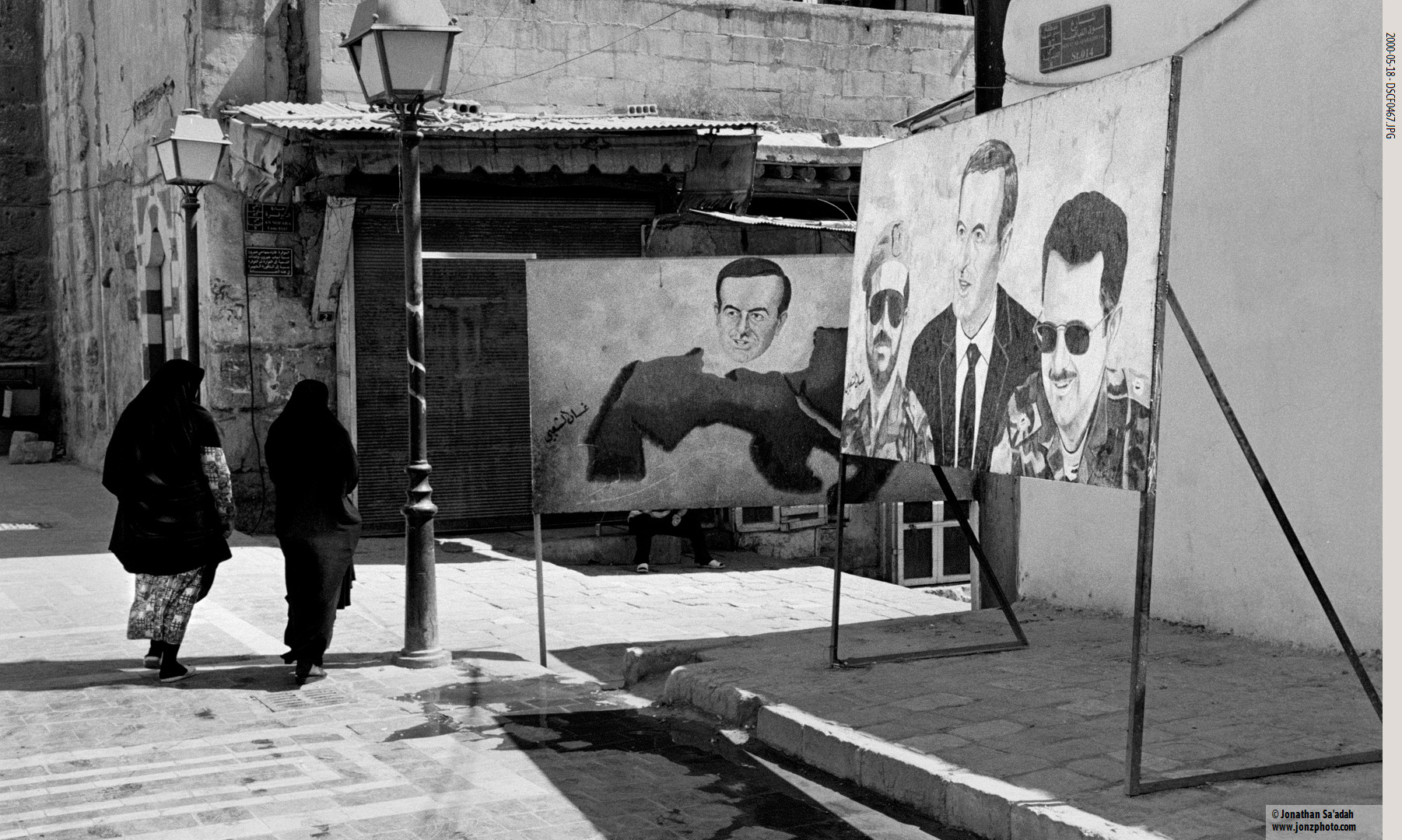
    Ever-visible authoritarianism; the dictator reminding the people of their subjugation.

    The city was plastered with images of Assad – stern Assad in camouflage, smiling Assad in a suit, saluting Assad in formal military dress. His presence was inescapable, appearing on billboards along major roads. But there was a disconnect between the vigorous leader of the posters and the pale, weight-lost figure who appeared on television. Military checkpoints dotted the city, their sandbagged bunkers a reminder of authority, though the soldiers manning them often looked more bored than alert.

    Yet beneath this atmosphere of controlled stability, Damascus pulsed with life. By 7 AM, the streets were already teeming with activity. Small cars screeched through narrow alleys, buses overflowed with passengers, and motorbike-based delivery vehicles navigated the chaos with surprising agility. Street vendors set up their carts, selling everything from fresh bread to household items. The smells of brewing coffee and frying falafel permeated the morning air as cafés and food stalls prepared for the day’s business.

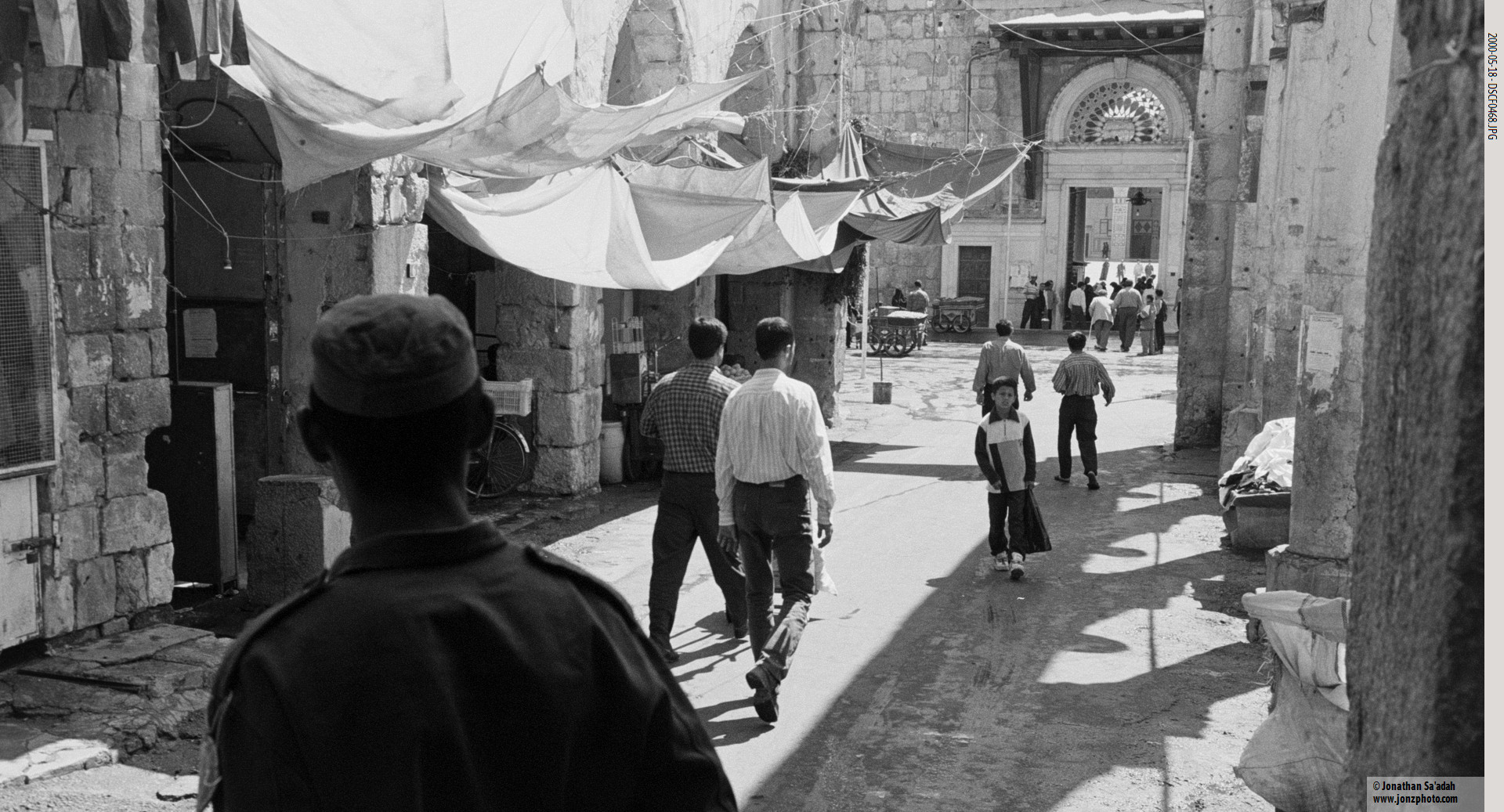
    Under the watchful eye Muslims stream into the main mosque in the city for Friday prayers. Assad was opposed most strongly by the Muslim Brotherhood, followed by Kurdish, Leftist and Communist groups, and secular opposition. He was ruthless to all.

    The Old City, with its division into distinct quarters revealed a historical coexistence that had characterized Damascus for centuries. The Christian Quarter, formed by a complex pattern of alleys and small streets, housing families whose roots stretched back generations. Though some areas were experiencing gentrification, with homes being converted to museums and restaurants, the sense of continuity remained palpable.

    This was Syria on the cusp of change – a mixture of ancient traditions and modern aspirations, of political uncertainty and cultural vitality. The atmosphere was one of anticipation, a sense of waiting for something to shift, while daily life continued with its eternal rhythms.

    From America to Syria: A Photographer’s Journey Home

    My path to Damascus began decades earlier, rooted in my interest in using photography for social documentation. Growing up in Vermont after my family immigrated to the United States, I became fascinated with the camera as a tool for understanding human experience. My earlier work had focused on American social change – documented in my book “How Many Roads?” which featured images of America in the late 1960s and early 1970s during the turbulent Vietnam War era.

    As a photographer trained in portraiture and street photography, I approached Syria with the same documentary instincts that had driven my work in America. But this journey was different – deeply personal in ways that challenged my usual professional objectivity. Walking through Damascus with my ninety-year-old father, I was simultaneously documenting a foreign country and exploring my own heritage.

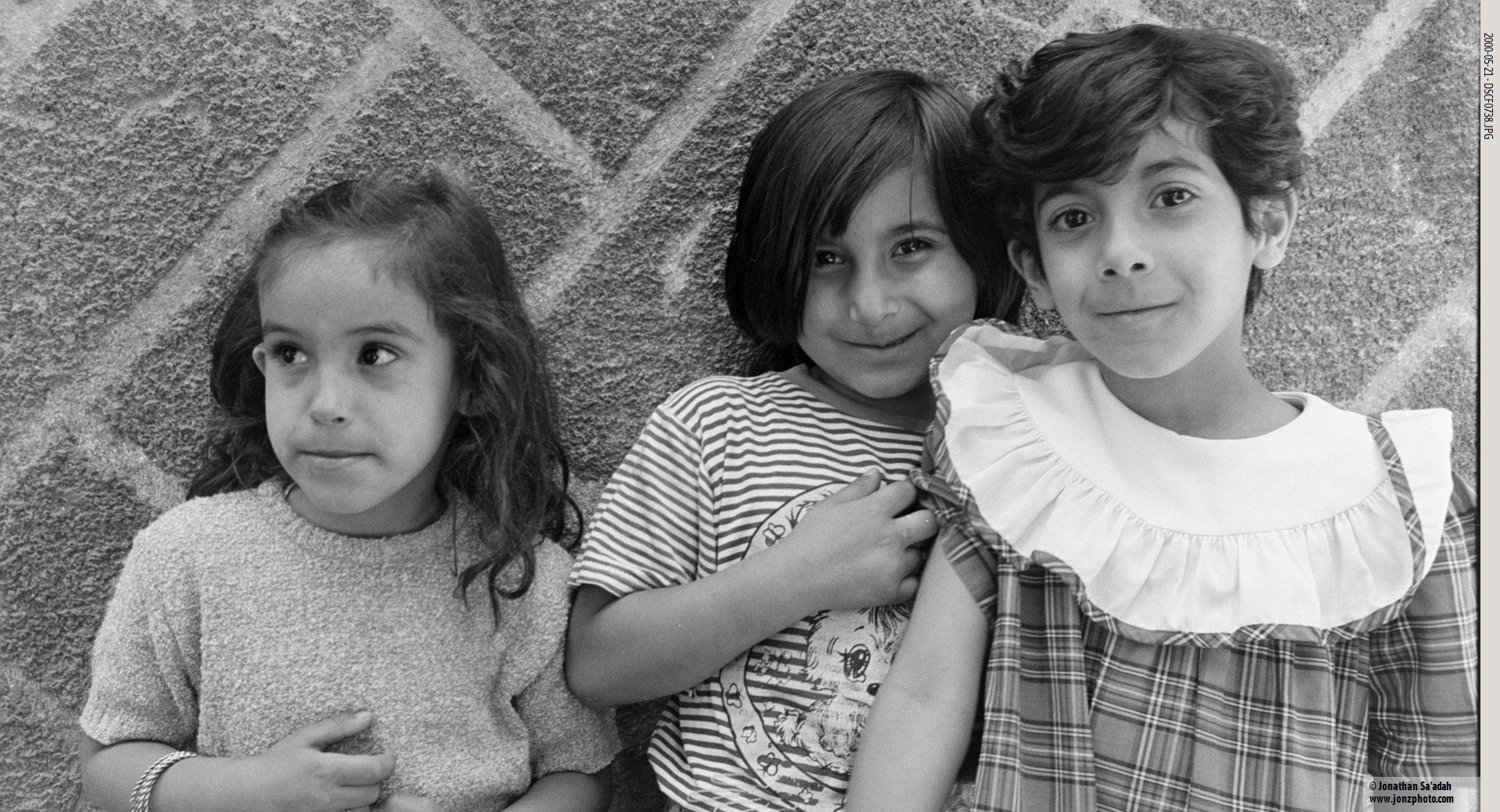
    Christian children playing on the street.

    My father’s perspective provided a unique lens for understanding both continuity and change in Syrian society. He had left in 1928 as a young man, spent decades teaching Arabic and Islamic studies in private high schools in Vermont and Connecticut, and was now returning to find a Damascus transformed yet somehow familiar. His memories of al-Salihiyah as “all orchards” overlaid the present reality of urban development, revealing the layers of change that had accumulated over seven decades.

    Watching him move through the city – standing silently in Byzantine churches, recognizing the shape of mountains against the sky while acknowledging how everything else had changed – I realized I was witnessing something profound about heritage and belonging. This wasn’t about nostalgia or simple homecoming, but about the complex relationship between memory and place, between individual identity and cultural continuity.

    Through my camera lens, I began to see Syria not as an exotic destination but as a homeland I had never known – a place where my family’s stories originated, where the Arabic language my father had taught was the natural medium of daily conversation, where the cultural traditions that had survived in diaspora continued to flourish in their original context.

    The Mission Behind the Camera

    What emerged from this experience was both a personal journey and a larger mission of cultural preservation. The 88 photographs in my book represent more than tourist snapshots or even professional documentation – they constitute an act of cultural counter-narrative, showing Syria’s humanity, complexity, and beauty before the widespread destruction that would follow.

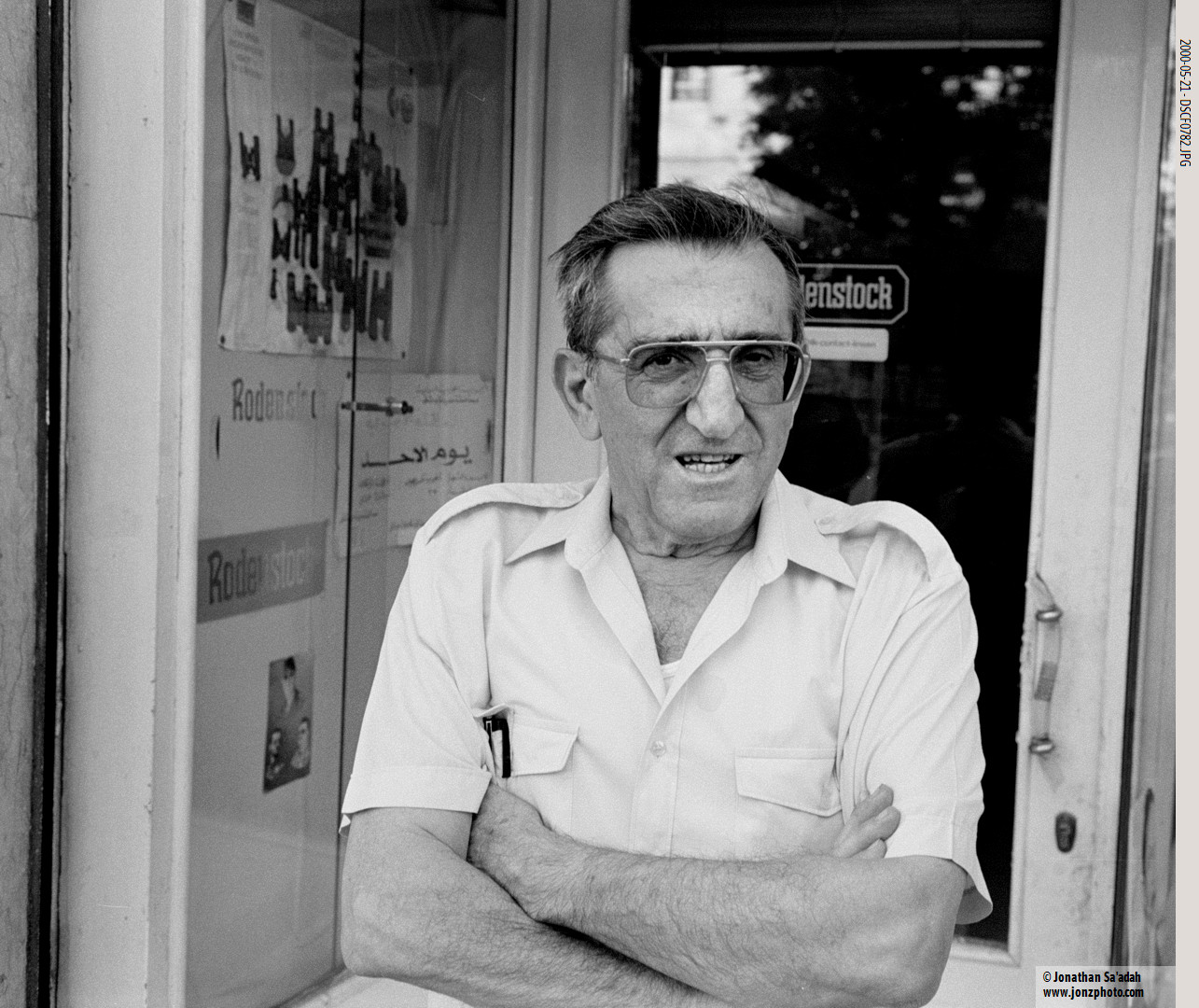
    Hagop Meguerdichian, an Armenian optician outside his offices. Meguerdichain was the same generation as my mother, and like her was part of the large Armenian community that had been expelled during the Armenian genocide of the 1920’s.

    This isn’t political advocacy. I’m not arguing for any particular government or policy position. Rather, it’s cultural documentation – an attempt to preserve and share the everyday dignity of Syrian life, the richness of its traditions, the warmth of its people, and the depth of its history. In an era when entire societies are reduced to headlines and sound bites, photography can serve as a bridge to deeper understanding.

    My photographs capture Damascus awakening early – streets teeming with life by 7 AM, vendors setting up carts, the gentle hum of conversation rising above street noise as families emerge in the evening to shop and socialize. They document the architectural marvels of the Old City, where narrow streets wind like ancient rivers and balconies almost touch overhead. They preserve moments of daily grace – children playing in shadowed alleys, conservative Muslims waiting for taxis alongside bareheaded Christians, with no notice being given by either.

    These images matter because they show Syria as more than a problem to be solved or a tragedy to be pitied. They reveal a society with the same universal human experiences that connect us all – people working, celebrating, worshiping, raising families, maintaining traditions while adapting to change. They document the complex religious diversity that has characterized Damascus for centuries, the intellectual curiosity that fills coffee houses with debate, the artistic traditions that continue despite political uncertainty.

    Understanding Our Shared Humanity

    As the muezzin’s call to prayer rose from minarets across Damascus on our last evening, creating a haunting melody that seemed to suspend time, I understood something fundamental about the relationship between documentation and understanding. Photography, at its best, doesn’t just capture images – it creates bridges between different worlds, different experiences, different peoples.

    The Syria I documented in 2000 no longer exists in the same form. The civil war that began in 2011 has transformed the country, displaced millions, and damaged or destroyed countless cultural sites. Many of the people I photographed have likely fled, and some of the places I captured may be ruins. This reality makes the photographs even more precious as historical documents, preserving a moment of relative peace and normalcy before the storm.

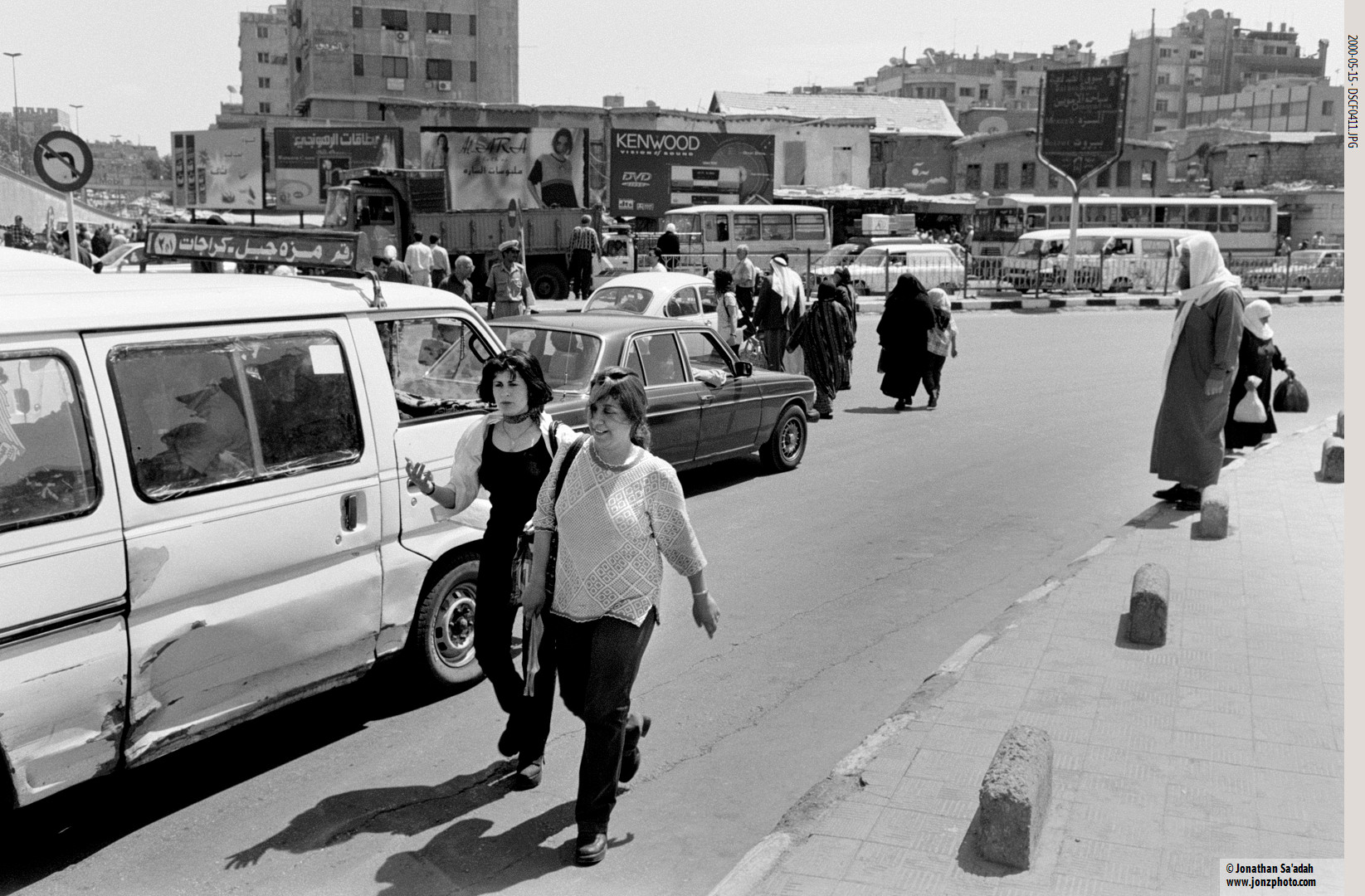
    In the main bus yard Christians freely mix with conservative Muslims.

    But the deeper value of this work lies in its challenge to simplistic narratives about who Syrians are and what Syria represents. By showing the country’s complexity – its religious diversity, its cultural sophistication, its deep historical roots, its essential humanity – these images resist the reduction of an entire civilization to political conflicts or security concerns.

    In our interconnected world, such understanding matters more than ever. When we see others as fully human – with the same hopes, fears, joys, and struggles that characterize our own lives – we create the possibility for genuine dialogue and mutual respect. When we reduce them to stereotypes or threats, we lose the chance for the kind of understanding that makes peace and cooperation possible.

    My father’s words that final evening – about feeling both stranger and connected to Damascus – capture something universal about the human experience of belonging and identity. We all carry multiple histories, multiple connections, multiple ways of understanding home. The photographs in this book are my attempt to honor that complexity, to preserve a moment when I glimpsed my own family’s homeland through both familiar and foreign eyes, and to share that experience with others who may never have the chance to see Syria beyond the headlines.

    In the end, this is what photography can offer: not just documentation, but invitation – an invitation to see beyond our assumptions, to recognize our shared humanity, and to understand that every place, every people, every culture contains depths that deserve our attention and respect.

  • The Bittersweet Story of Syria’s Christians

    The first in a series introducing my new photo book “Return to Damascus: A Personal Journey.” This post is about my family’s long-term history in Syria and at least some of the story of how we ended up in America.

    “He saved us with a single act of mercy.”

    These words, spoken by my father, referred to Abd el-Qadir al-Jaza’iri’s heroic intervention in Damascus in 1860 – a moment that shaped my family’s destiny and countless others.

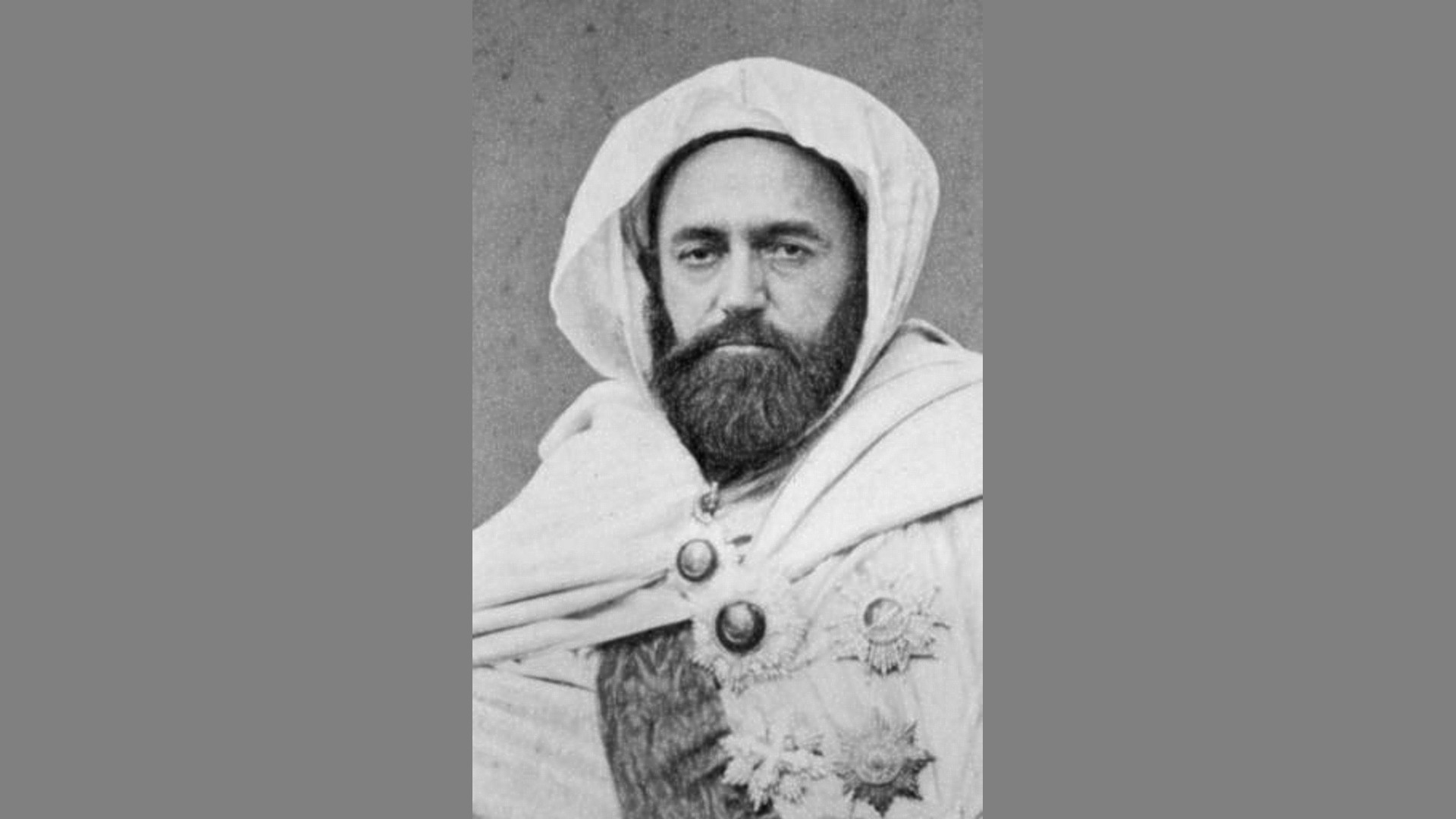
    Abd el-Qadir (1808-1883) was trained as a religious scholar but for 15 years (1832-1847) he led the Algerian resistance against French colonization. After his surrender in 1847 he was imprisoned in France for five years before being released by Napoleon III and moving to Damascus. He lived in the city as a respected figure with a retinue of Algerian followers, so he was uniquely positioned to intervene in the anti-Christian violence of 1860. (US Library of Congress)

    When I set out to understand my family’s roots, I discovered that the story of Levantine Christian migration is both a tale of lucky survival and and stubborn resilience. It stretches from the violence that erupted in Mount Lebanon and Damascus in 1860 to the streets of Montreal, Brooklyn, Detroit-Dearborne, Brazil, Argentina, and many other places today. Syrian Christians have forged new communities across the globe, carrying traditions, languages, and memories with them.

    The 1860 Watershed

    In the spring of 1860, centuries of relative coexistence between Christians and Muslims in the Ottoman Empire shattered. Economic tensions, administrative reforms, and armed conflicts in Mount Lebanon spilled into Damascus, where Druze militias and local mobs attacked Christian neighborhoods. Thousands were killed, and homes and churches were destroyed. It was a catastrophe that reverberated across the Mediterranean world.

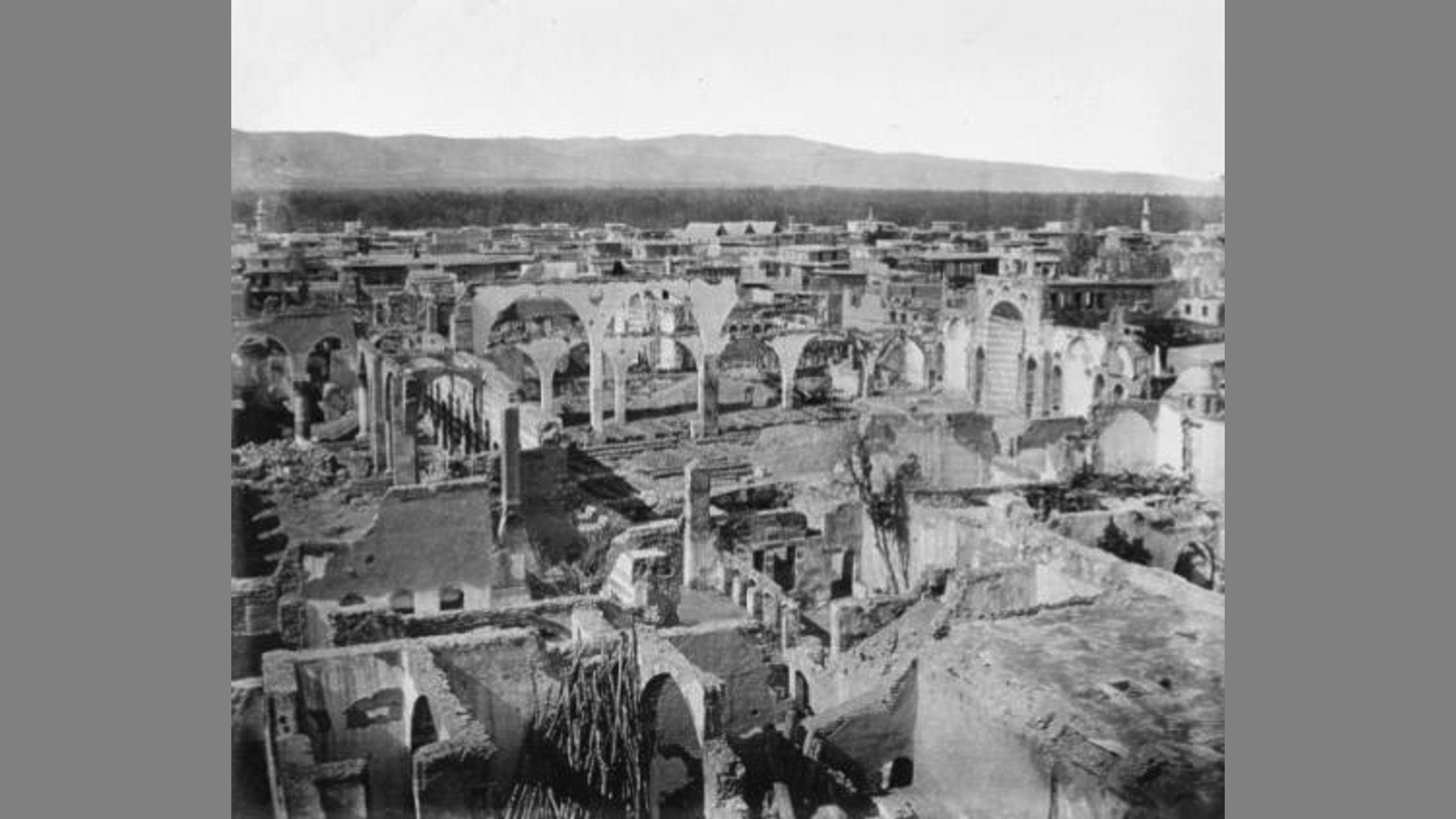
    The Christian quarter of the Old City in Damascus after the 1860 violence In spite of Abd el-Qadir’s intervention an estimated 2,500 Christians died in Damascus alone, with 1,500 homes burned and 270 houses destroyed by looters. (US Library of Congress)

    Amid the chaos, one leader stood out: the Algerian-born Emir Abd el-Qadir. Living nearby, he intervened to protect Christian refugees – placing his family and followers between the mobs and Christians and personally leading women and children to safety.

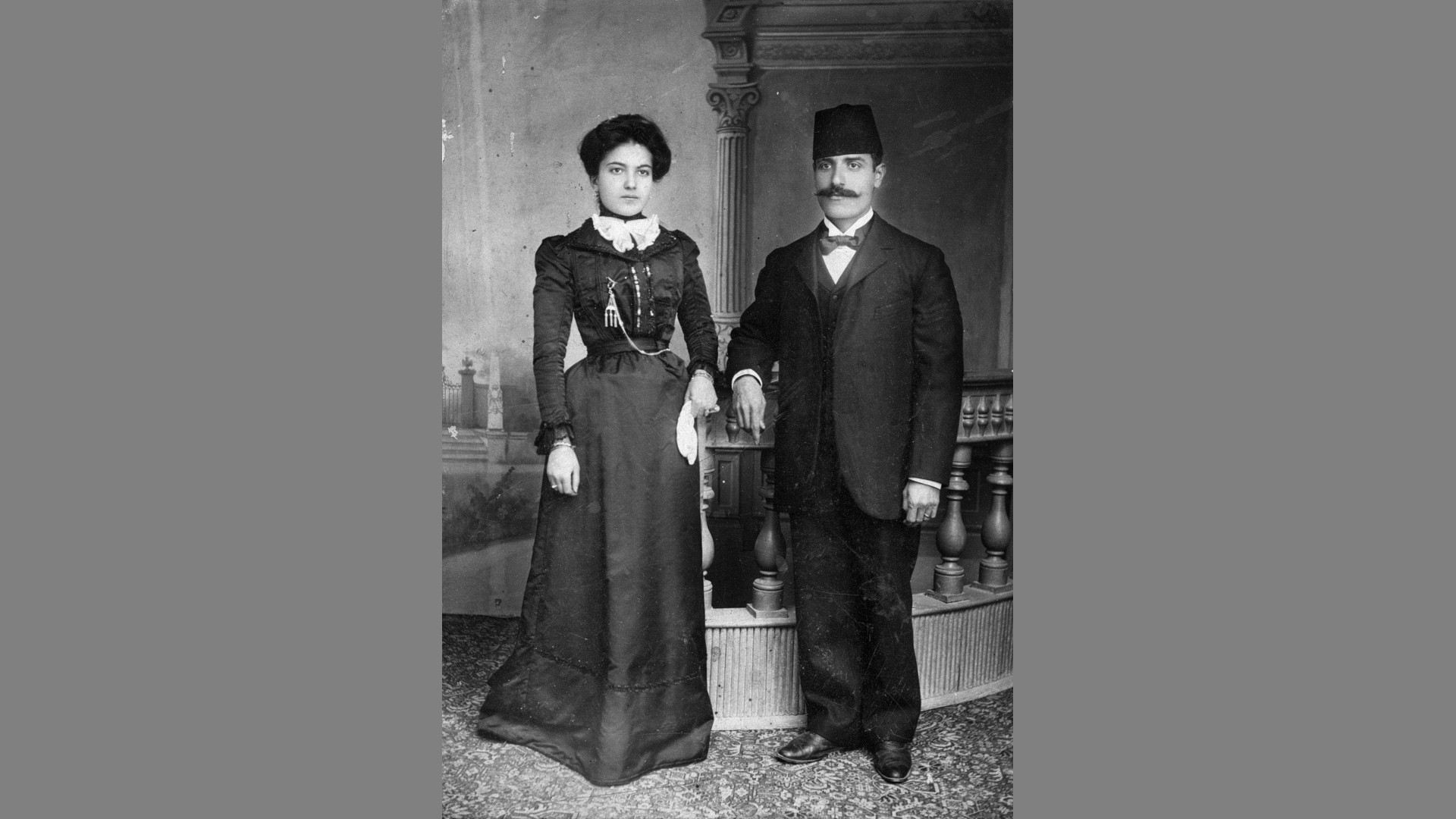
    My paternal grandparent’s wedding photo My grandfather is wearing a fez because under Ottoman rule Arab Christians were required to show subservience. My grandmother was not born in Damascus but came from the nearby Christian village of Yabrud.

    This 1860 violence triggered the first large wave of Christian emigration. Families, traumatized by the massacres and fearful of a repeat, turned their eyes westward.

    Pioneers to Canada

    The earliest Levantine Christian settlers in Canada arrived in New Brunswick in 1879. Unlike the later urban enclaves in Montreal and Toronto, these pioneers ventured into small towns – opening general stores and peddling goods across rural routes. They etched their names into local histories as hardworking merchants who bridged cultural divides. Many never expected to settle permanently. They did though, building homes, marrying local partners, and raising children who knew their Syrian history only through photographs and stories passed down at the dinner table.

    America’s Mass Migration

    Simultaneously, a much larger exodus was underway to the United States. Steamship companies marketed opportunities in Philadelphia, Chicago, and New York – highlighting factories hungry for labor and the potential for a better life. Between 1860 and 1914, nearly half of Mount Lebanon’s Christian population emigrated, with Syrians joining the ranks of what was referred to at the time as “the new Americans.”

    In Philadelphia, Syrian entrepreneurs opened fruit stands and textile shops. In Chicago, they staffed steel mills during the city’s rapid expansion. My father, who left Damascus in the 1920s for Beirut and later America, found work in a Vermont school teaching Arabic and in a couple of nearby churches as an Universalist minister. Like many, he sent letters back home – describing snowdrifts blocking roads and the smell of pine forests in ways that made our family’s memories of olive orchards and souks feel like distant dreams.

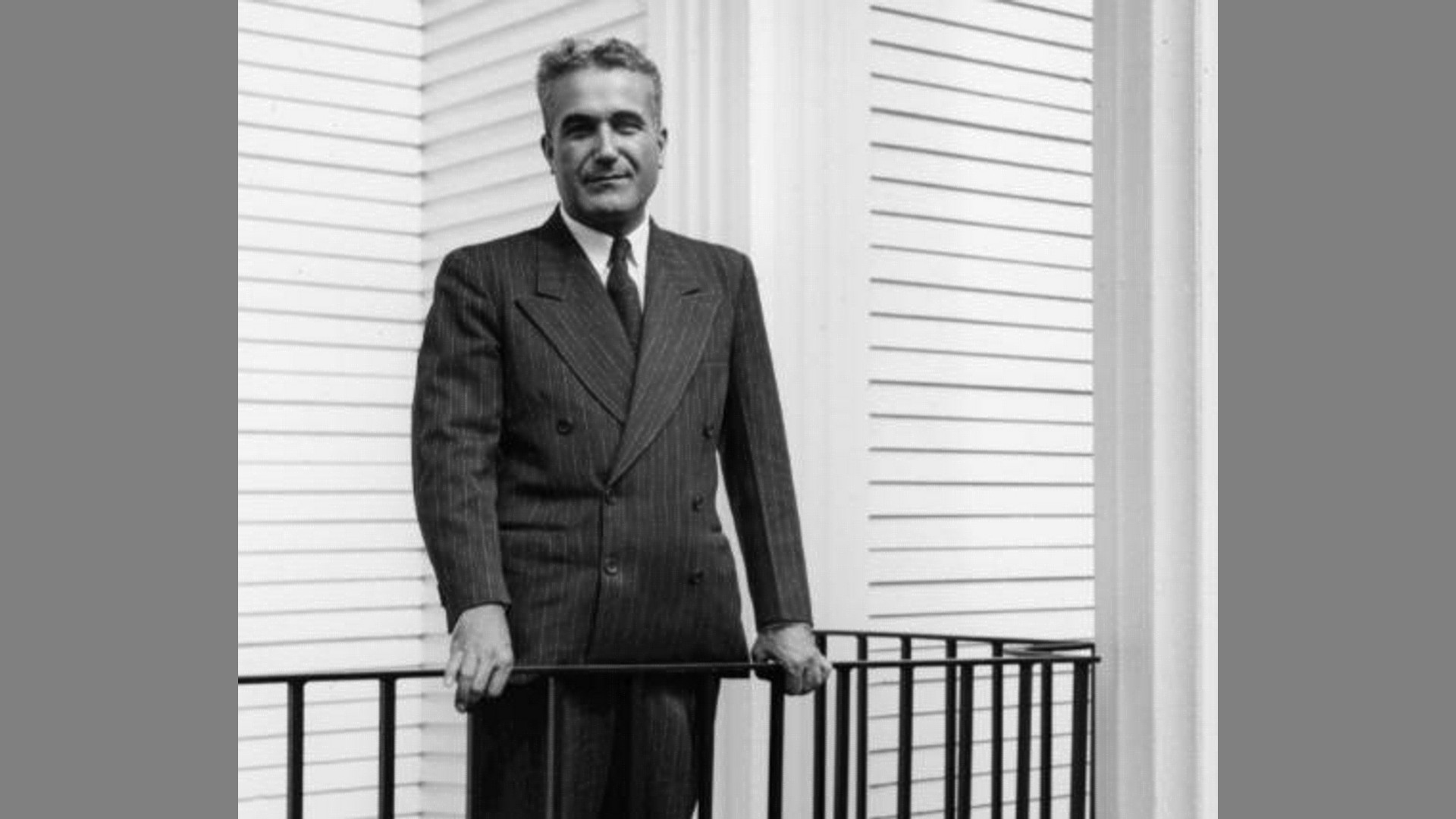
    Mounir Sa’adah, my father, on the porch of the Universalist Church in Woodstock, Vermont, where he served as minister from 1946-1964. (Ken Miner, Photographer)

    A Special Bond with France

    Across the Atlantic, France held a unique allure for Levantine Christians. The French “Protectorate” over Lebanon and Syria (1920-1946) created educational, linguistic, and administrative ties, making Paris a natural destination for students and professionals. Catholic missions in Beirut and Aleppo funneled promising young Christians into French universities, where they studied law, medicine, and literature.

    After graduation, some returned home; others remained in France, blending into Parisian neighborhoods. Their emigration differed from North America’s because they often enjoyed closer political ties and shared religious networks – and yet, they encountered challenges of assimilation and identity that echoed those of their North American counterparts.

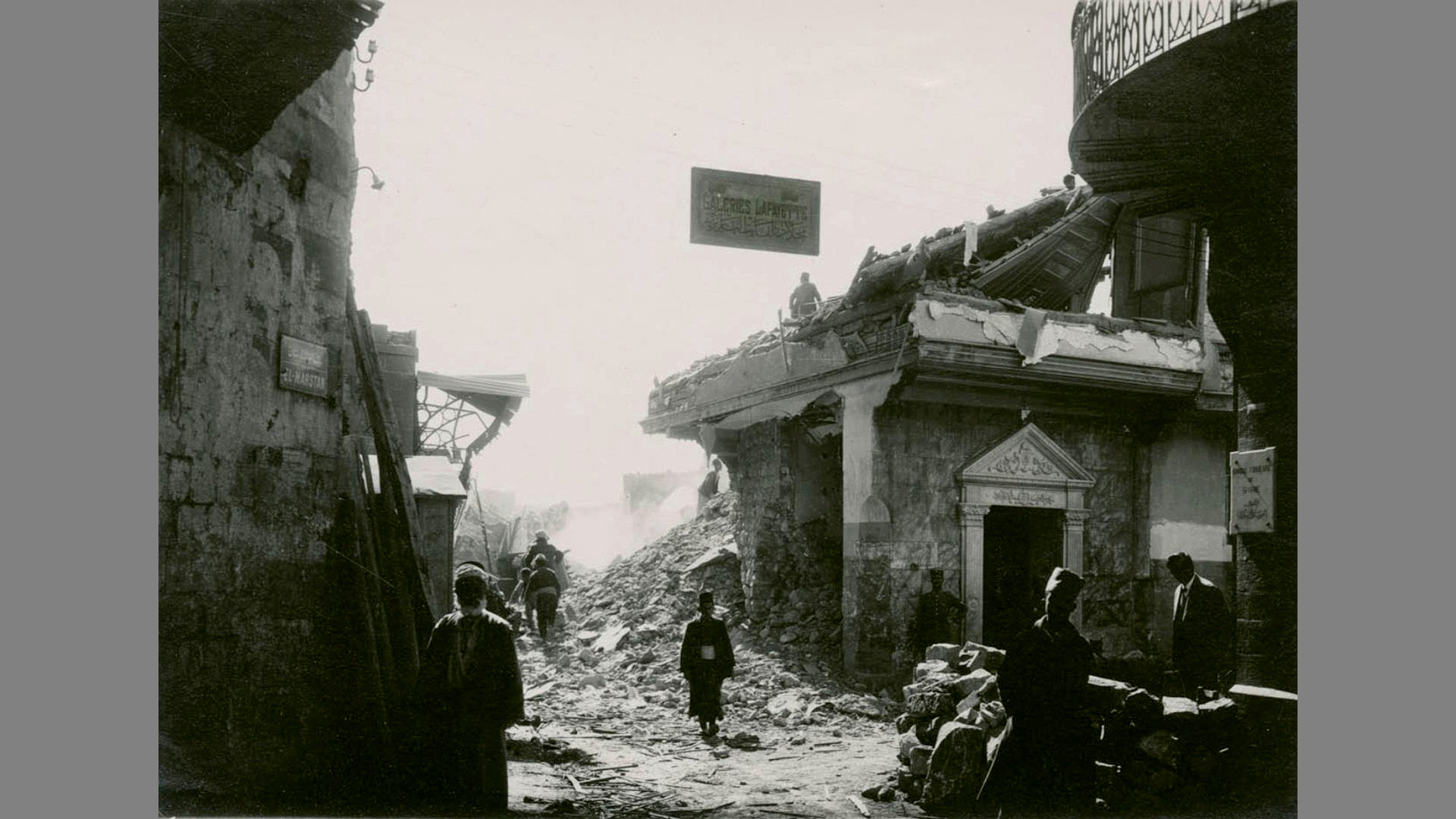
    Syria’s complicated history with France In the text I put “Protectorate” in quotes because the reality is that France forcibly prevented Syrians from forming their own independent nation. These are buildings bombed by the French in 1920, at the same time the roof of the main souk was shot up. (US Library of Congress)

    Economic and Social Drivers

    These early migrants were motivated by more than fear. Steamship agents sold tales of golden opportunities, churches organized sponsorships, and community letters home detailed business successes. Young men also sought to avoid Ottoman military conscription, which often meant years of service under harsh conditions.

    This “emigration fever” spread quickly. Prosperity stories – of peddlers returning with wagons full of cash – encouraged others to risk the voyage. Similar stories were repeated by migrants to Mexico and South America. Families pooled savings to buy single tickets, hoping to reunite later. Missionaries and diaspora societies provided lodgings, language lessons, and job placement assistance.

    Preserving Culture in the Diaspora

    Diaspora communities across Canada, the United States, and France worked hard to preserve their culture. Churches taught Arabic and Aramaic liturgies; social clubs hosted dance nights; local grocers sold za’atar and ma’amoul; newspapers in Arabic bridged generations. Families celebrated Christmas with mezze spreads, blending Levantine recipes with North American traditions.

    Through these practices, they maintained a strong sense of identity – one that connected them to the villages of Mount Lebanon, the courtyards of Damascus, and the stone village of Ma’lula. Yet, each new homeland shaped them in turn, creating unique hybrid cultures that were neither fully Syrian nor completely Western.

    Weaving Family and Diaspora

    My own family’s journey followed these patterns. My paternal grandparents remained in Damascus where my father was born in 1909, later attending the American University in Beirut. In 1946, he and my mother traveled to Vermont. After departing the Middle East, he never returned for any extended period, yet It remained a strong part of him.

    My mother, who was not Syrian but Armenian, had three children with my father, of which I was in the middle. The book “Return to Damascus” is loosely about my father’s own pilgrimage to Damascus in 2000 when he was ninety years old and where he retraced his arc: from the United States back to the streets he had grown up on.

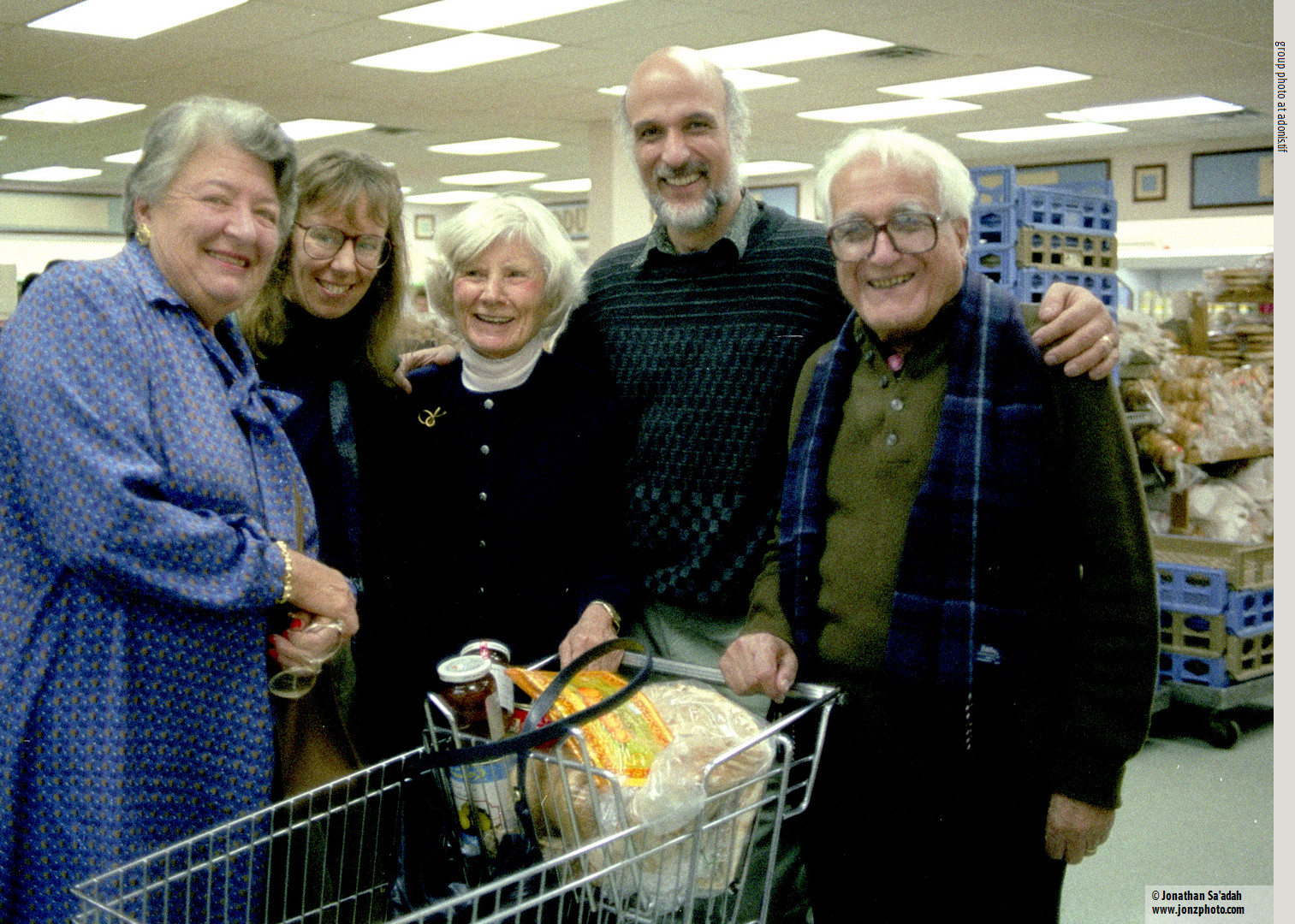
    Early 1990s family trip to Montreal to purchase Syrian groceries We drove up from Vermont on a day trip to shop in a small Syrian grocery store. I have my arms around my parents and the woman on the left (next to my wife, Beth) is Abbe Sawabini, who married into a Palestinian family and lived in Burlington, Vermont.

    Setting the Stage for Cultural Preservation

    History plays an important role in my photography book. The images of Ma’lula, the candid portraits along with the streets and places of Damascus, carry deeper meaning for me because of the family diaspora story. But our stories are by no means unique. My family’s history reminds me that many family photo albums hold stories of departure and return, of belonging and loss. But for me the journey from Damascus to Montreal is not just geographical – it is a testament to the enduring spirit of Levantine Christians who carried their heritage across oceans and generations.


    “Return to Damascus: A Personal Journey” can be pre-ordered from Phoenicia Publishing at a discount for delivery in November.