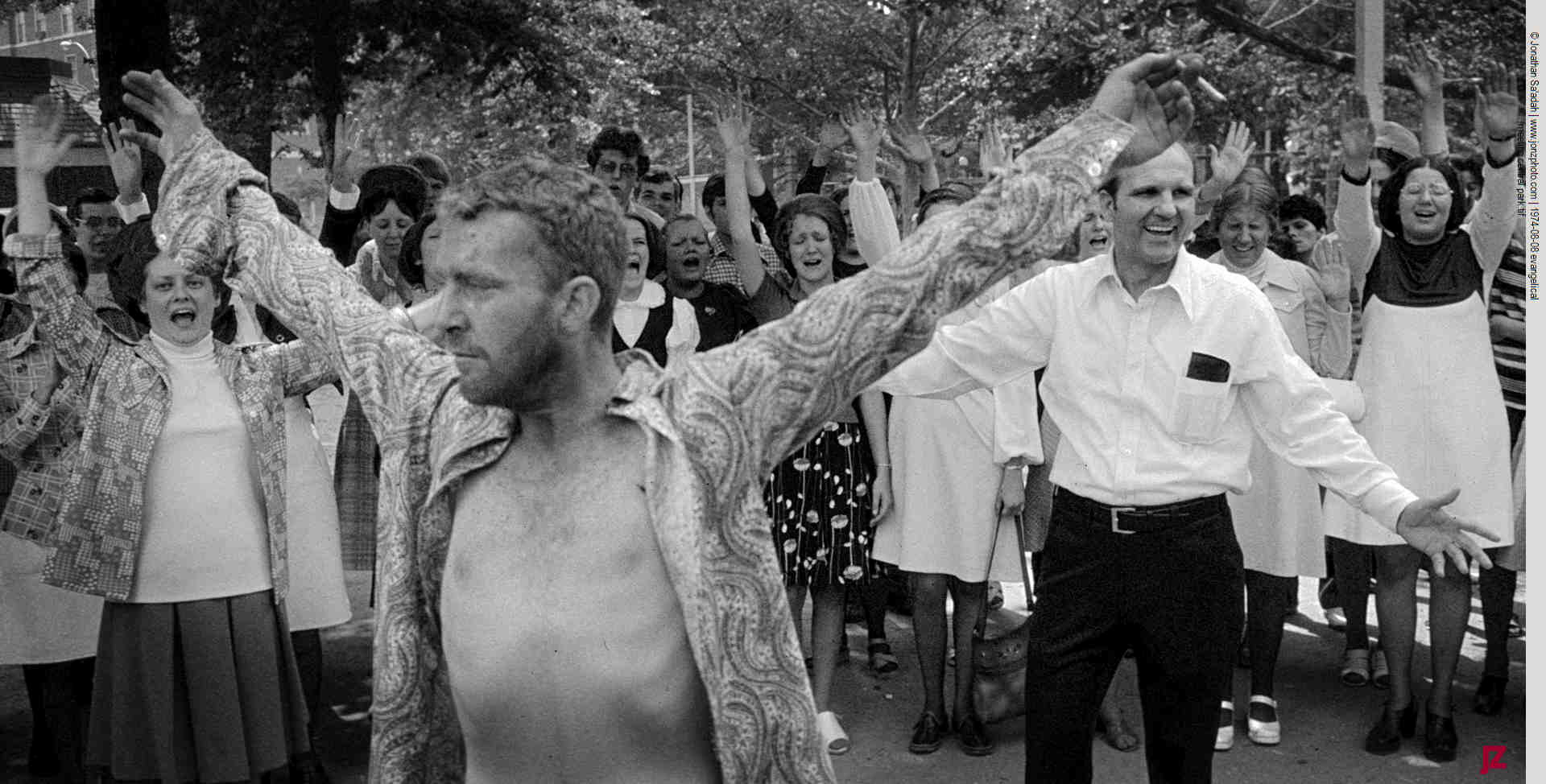
Evangelical Christian gathering in Central Park, 1967
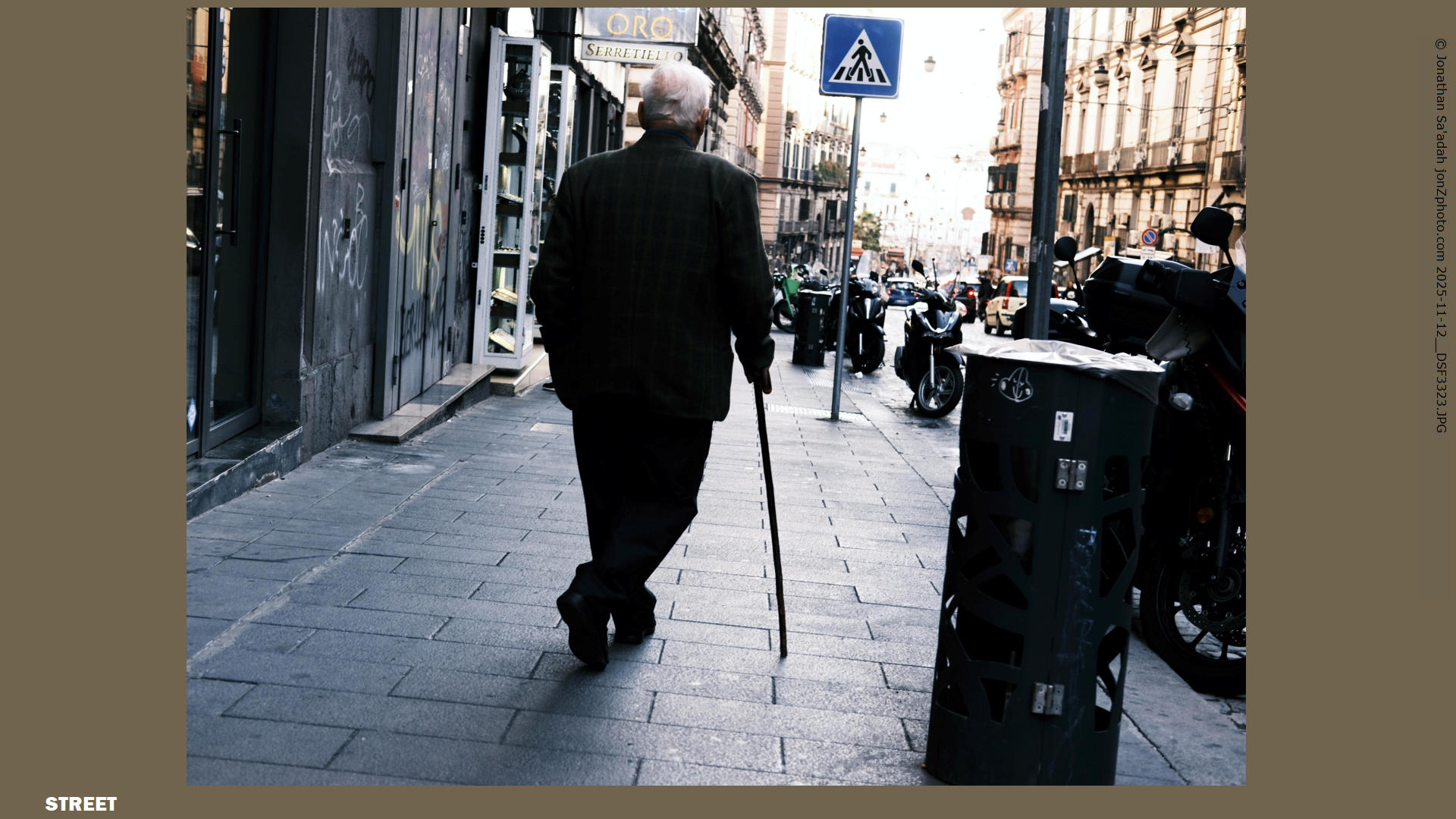
From the time I started using a camera I’ve photographed people. Most of the time I’m completely open about what I’m doing, but I also like swinging the other direction and taking pictures where I’m more surreptitious and people are unaware of the camera. When miniature cameras came into play in the 1930s photographers quickly took advantage of their size to photograph unobtrusively in public spaces. I did too – some of my earliest photographs were street photographs. At the time I didn’t know anything about Walker Evans or Helen Levitt or really any of the history of the medium. To me it was exciting to take un-posed photographs. I liked the serendipity and the interplay with coincidence which lies at the heart of street photography. It shaped both how I shoot and my attraction to the medium’s mystique. Unlike most photographic genres, which often involve contemplation and thought, using my camera on the street unfolds the uncontrolled theatre of everyday life. I photograph in this environment not as a director, but as a responsive observer, being alert to the fleeting alignments that appear without warning and vanish in an instant. For me, serendipity is not just a pleasant surprise; it’s what gives the best photographs lasting meaning.
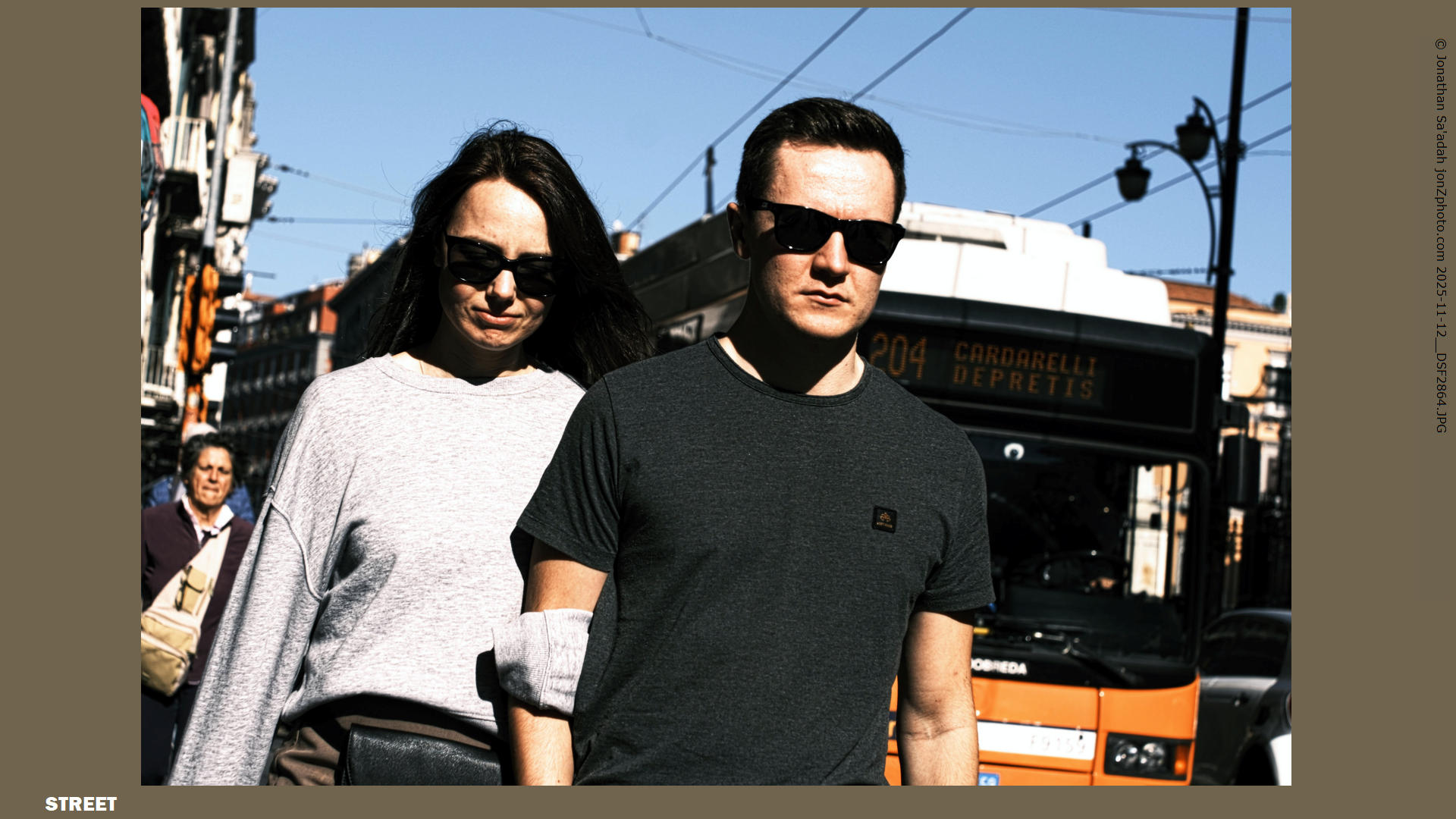
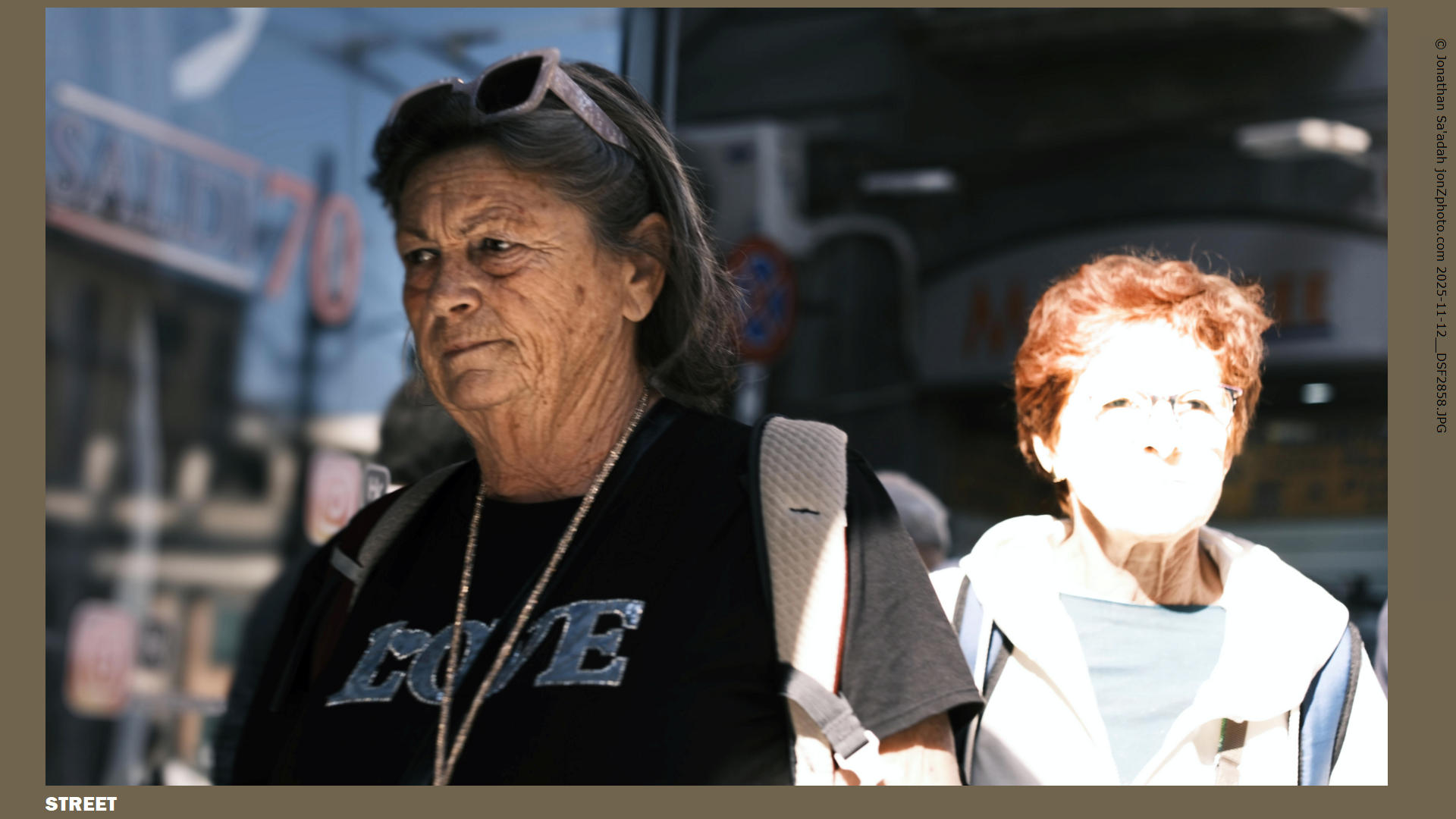
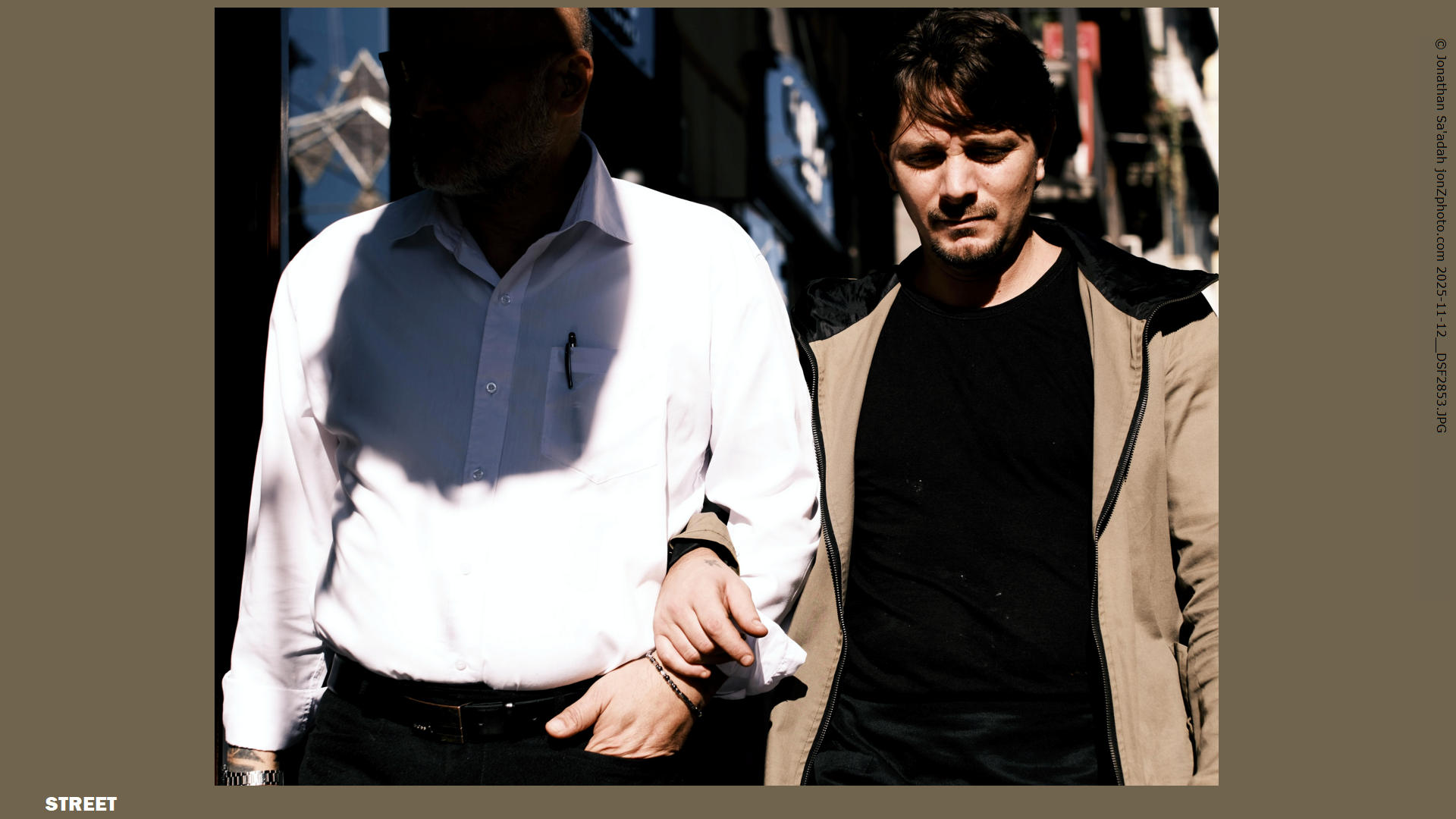
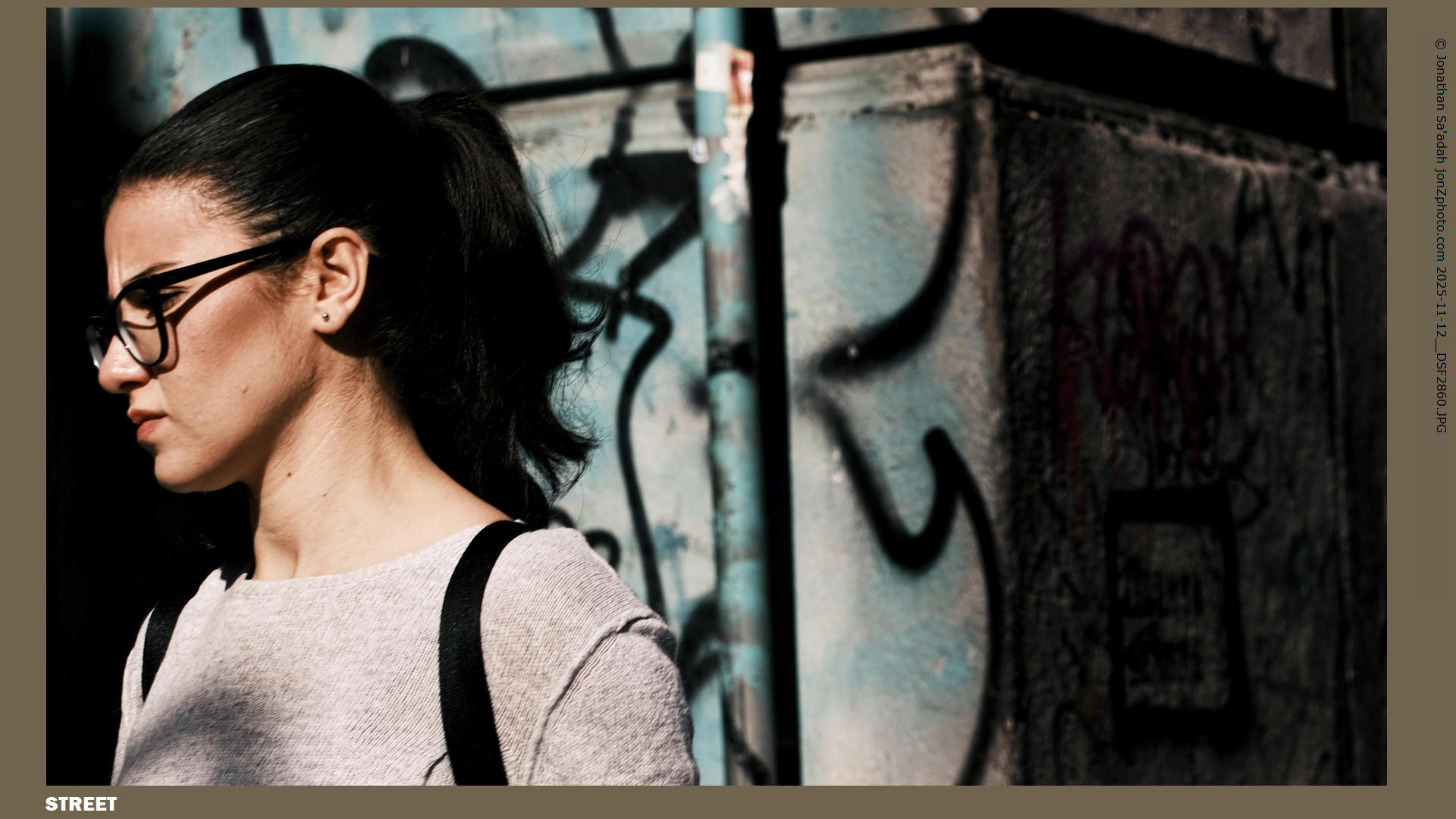
At first glance, it is tempting even for me to describe these moments as “luck.” A person steps into strong light with graffiti in the background that mirrors their fashion, couples march arm in arm lost in the urban landscape, a glance or gesture becomes an unexpected moment. I happen to be present, at precisely the right time. Yet if I stop at luck, I misunderstand my own role. Serendipity is less about random fortune and more about the meeting point between chance and my readiness.
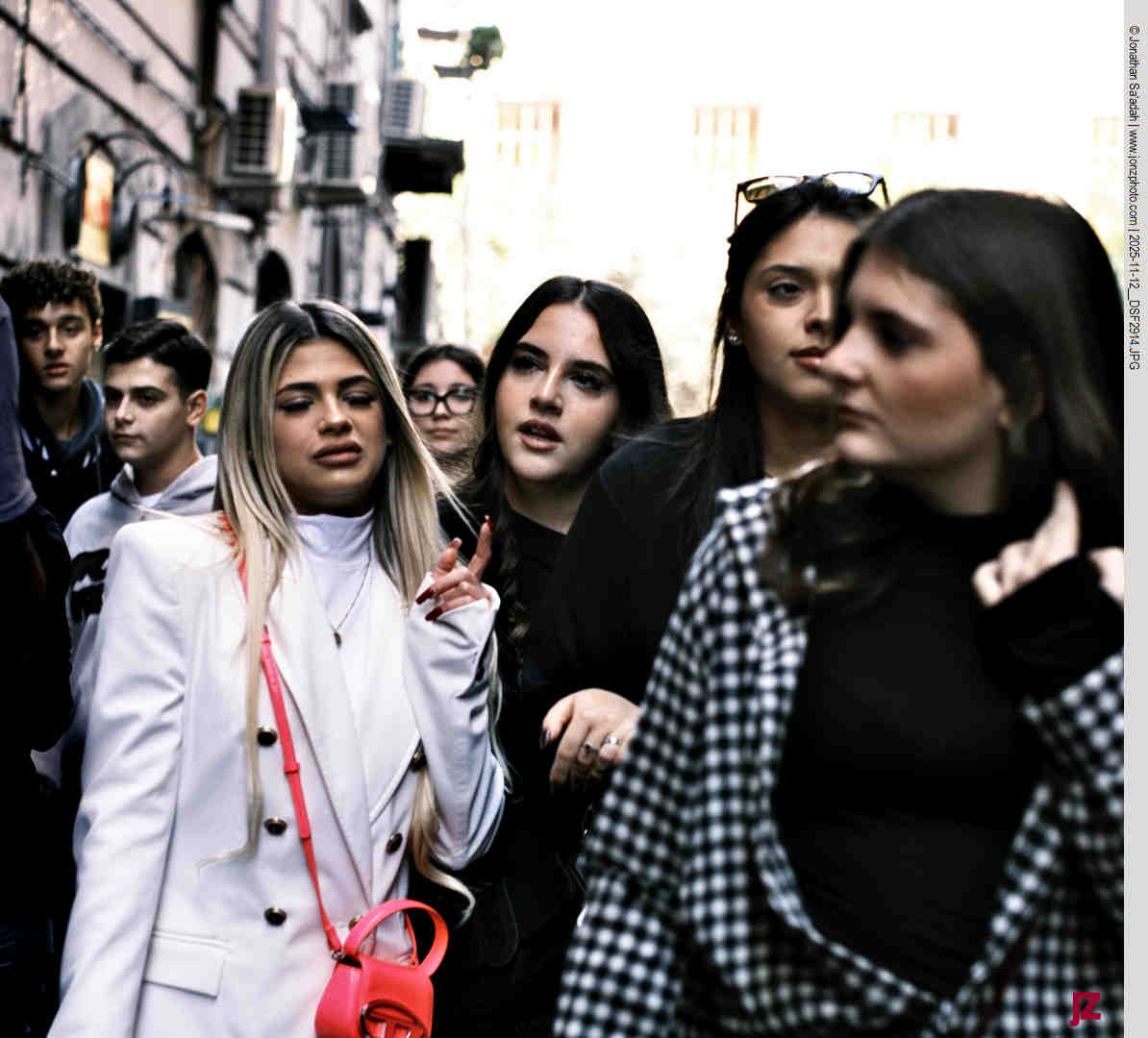
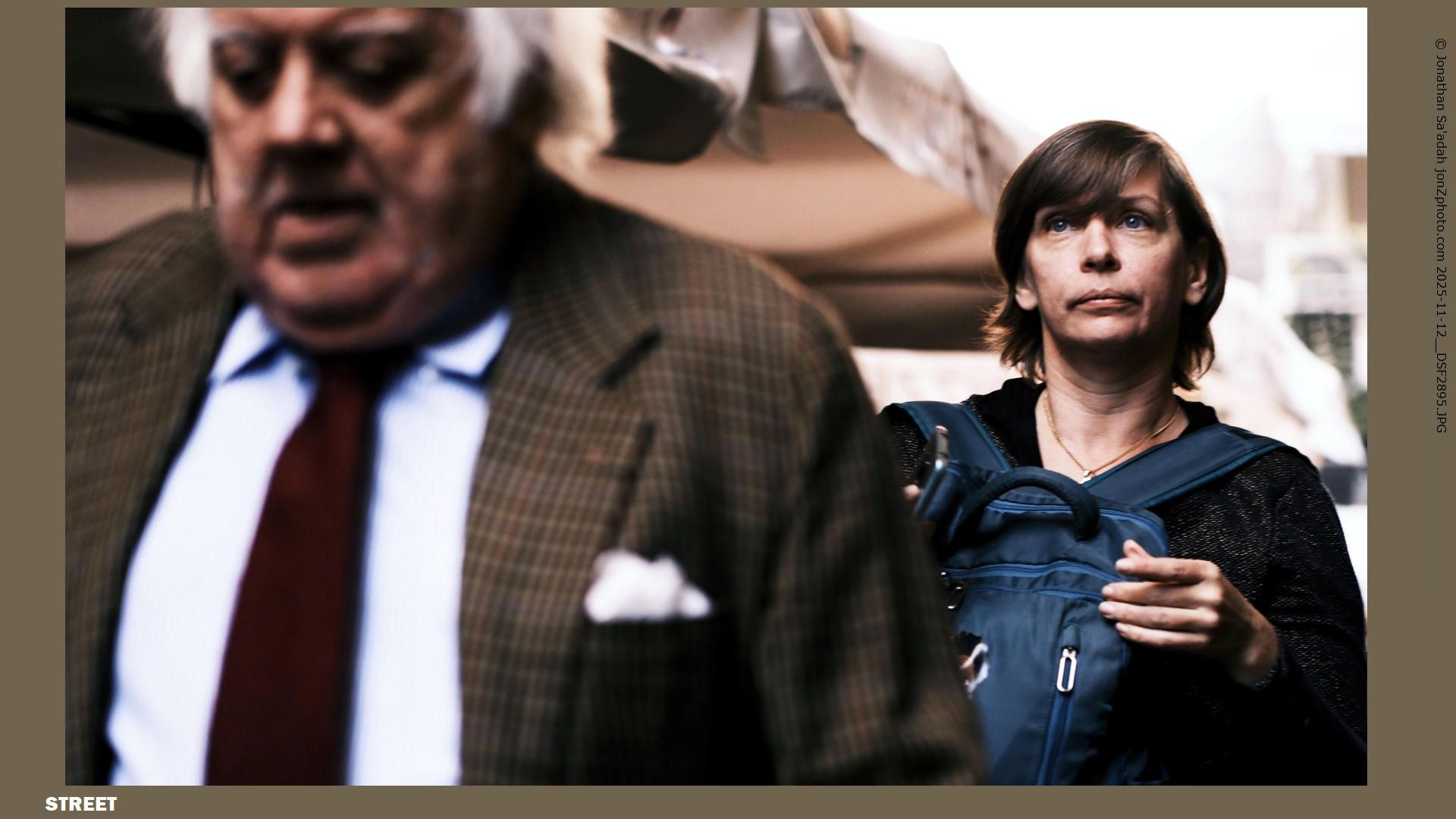
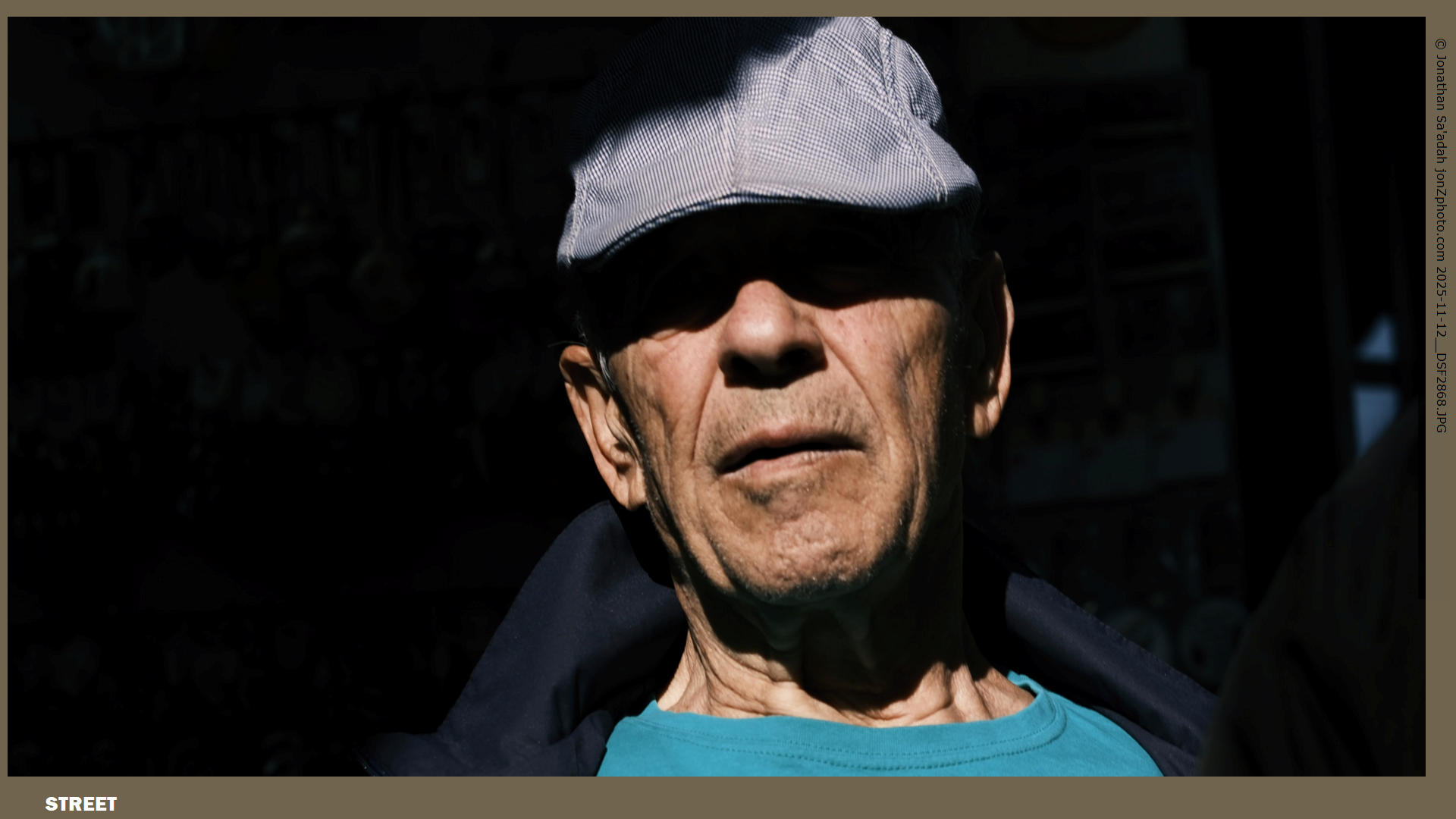
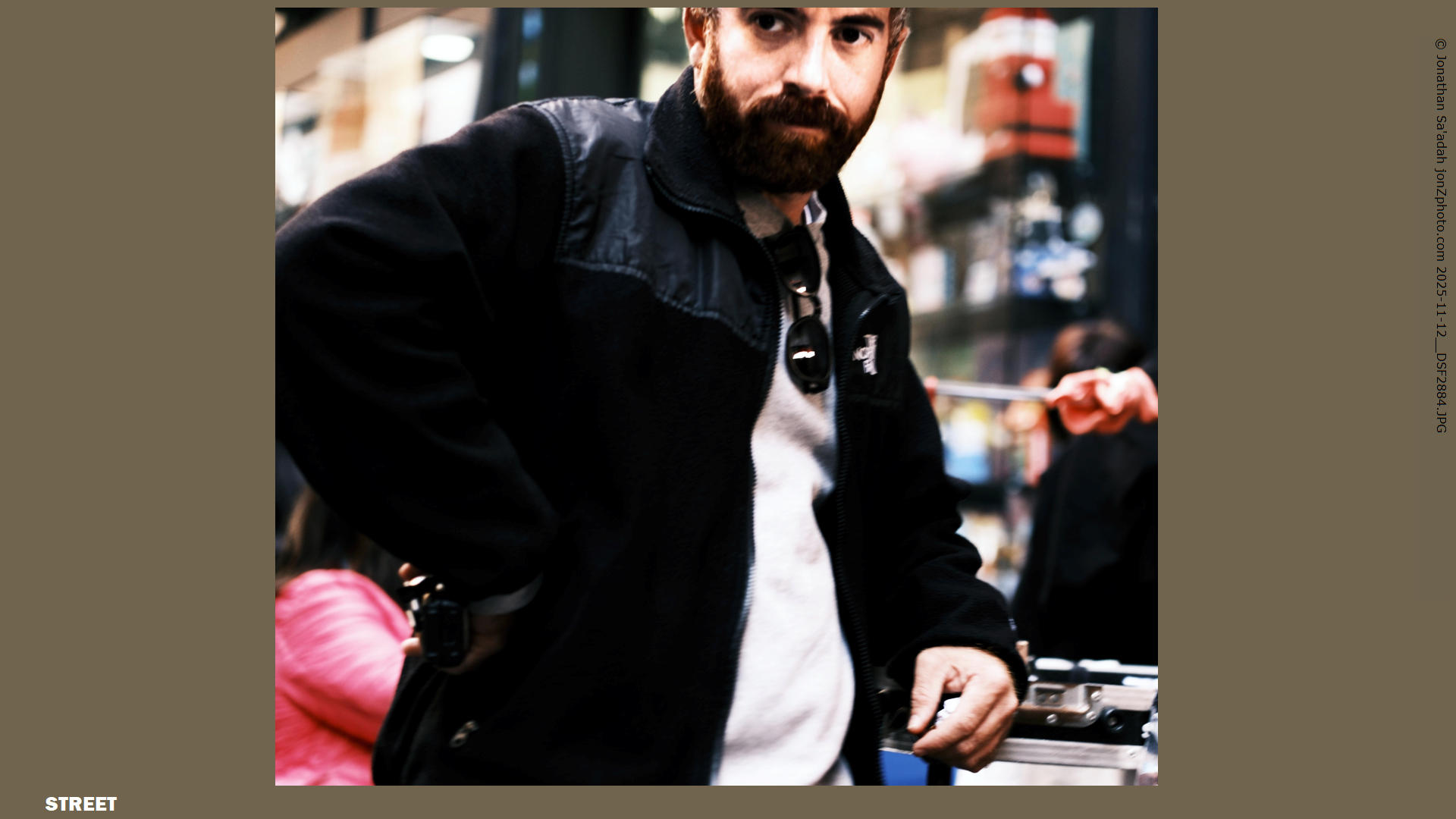
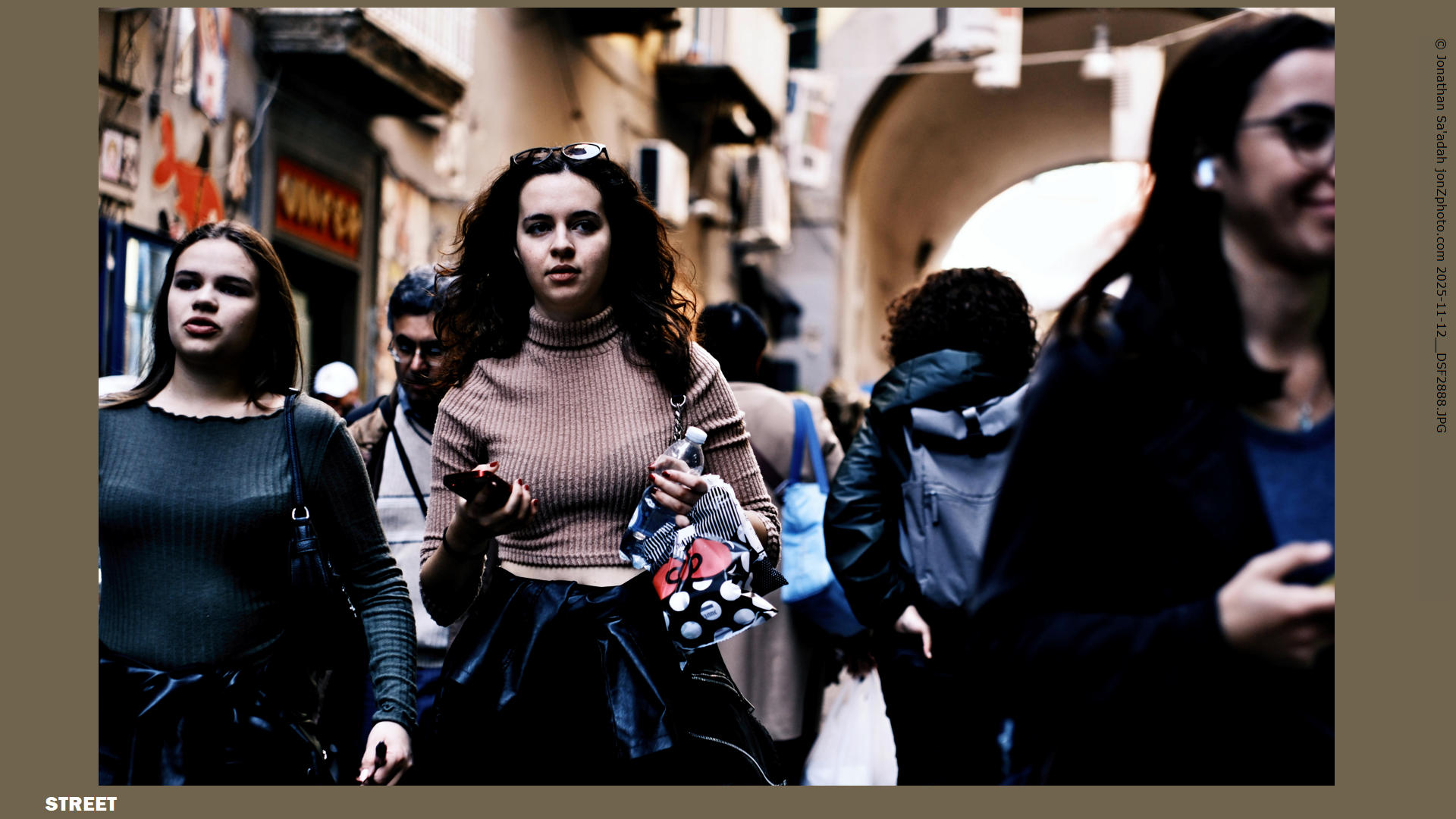
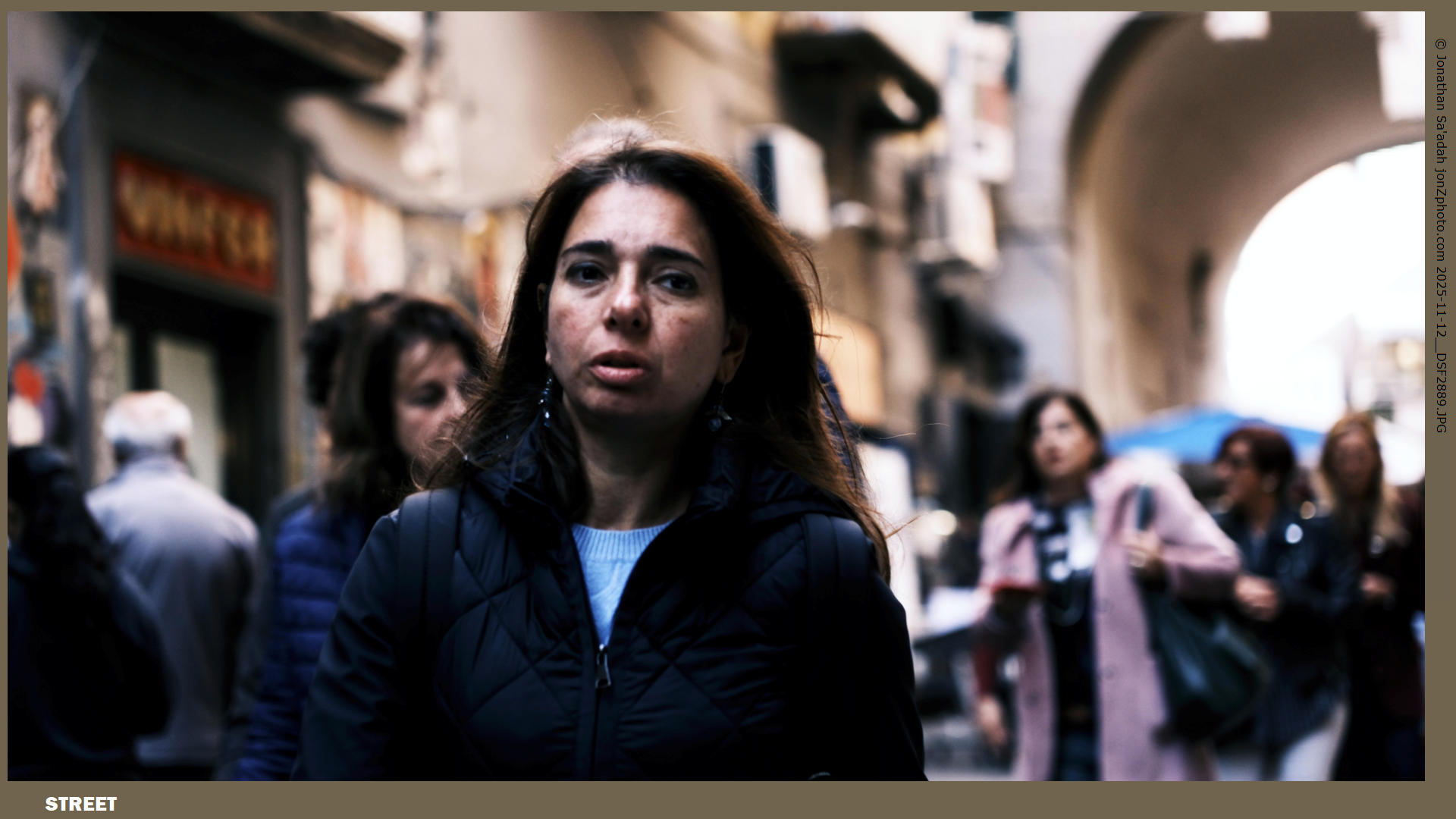
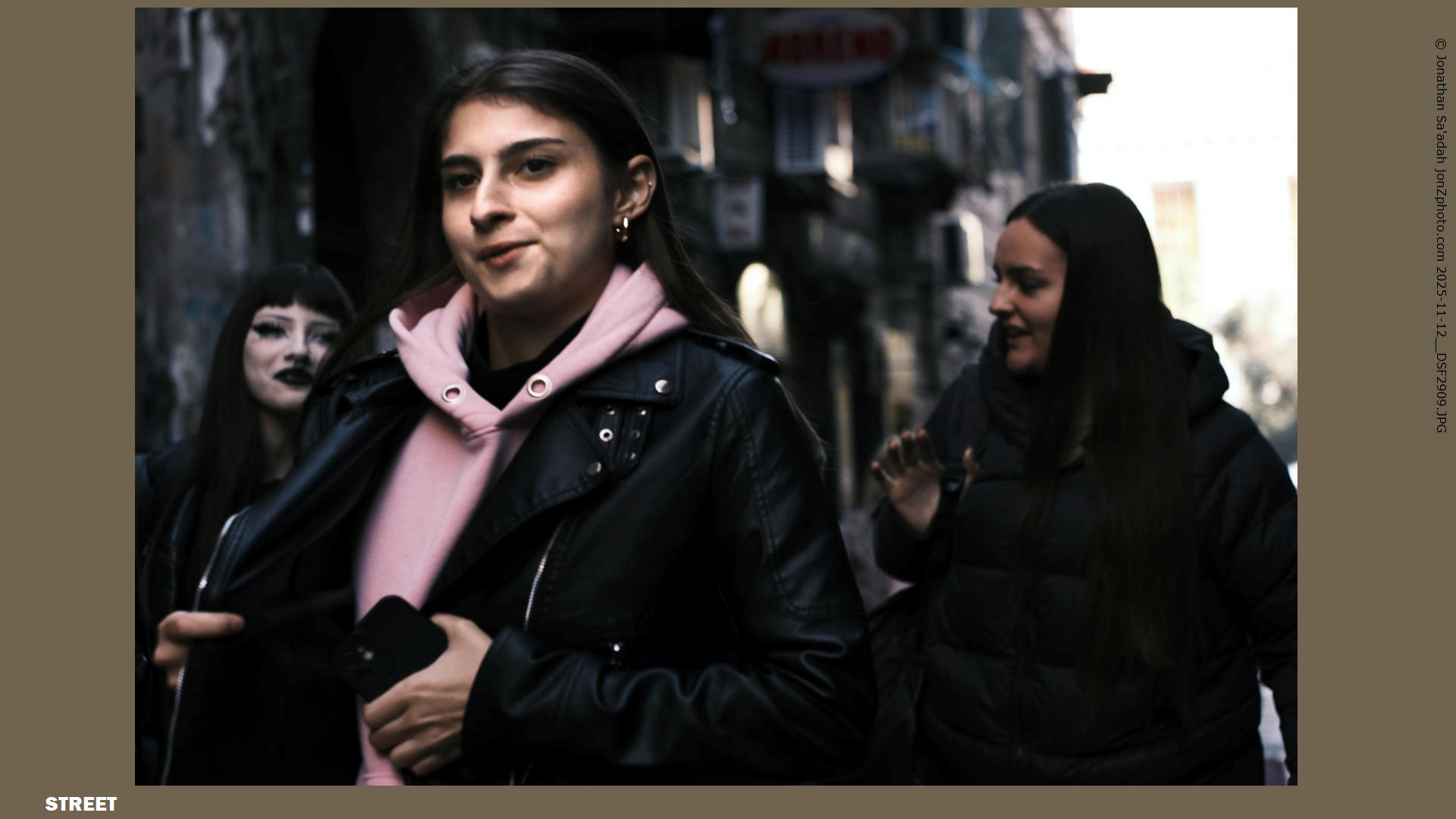
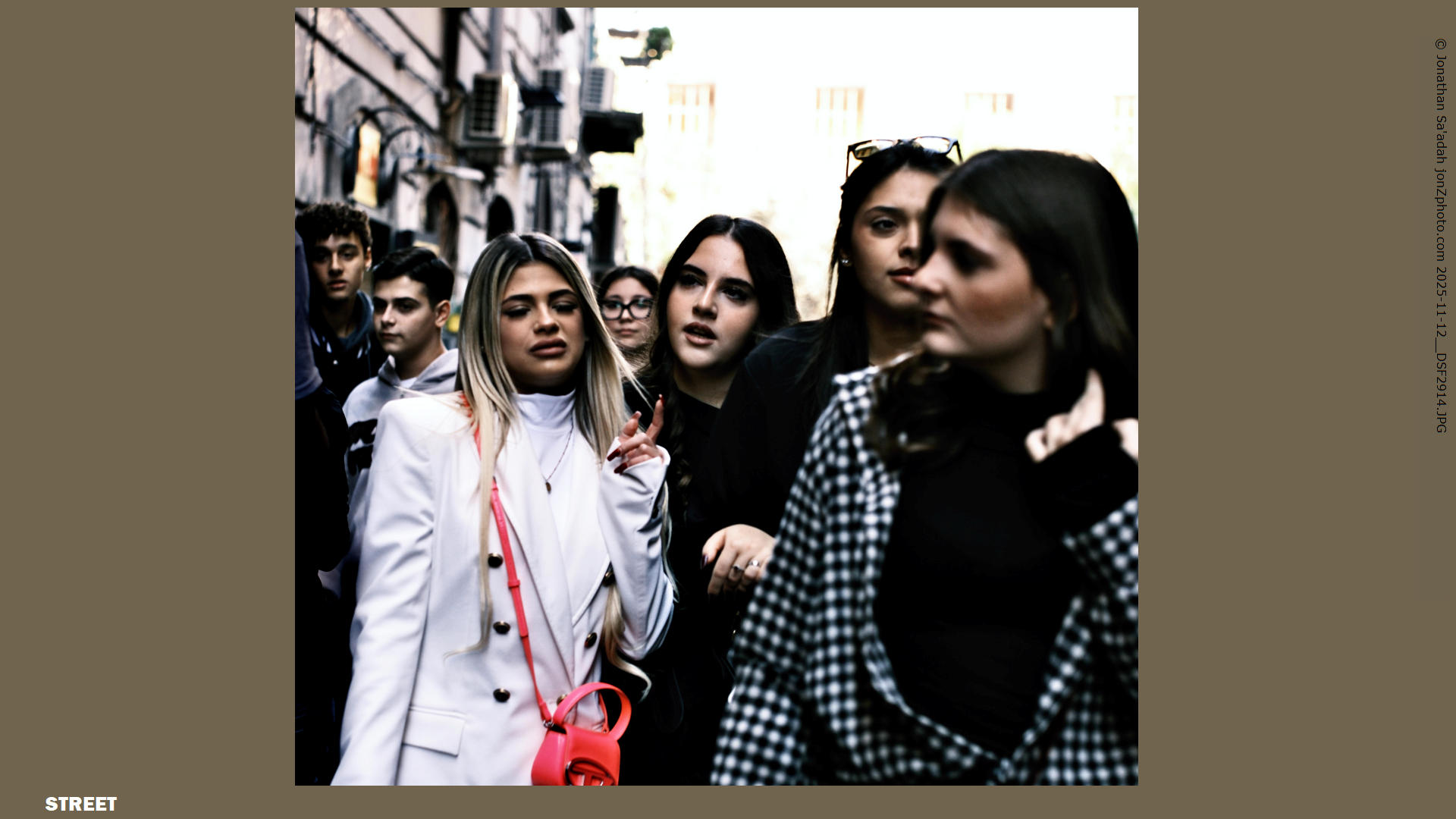
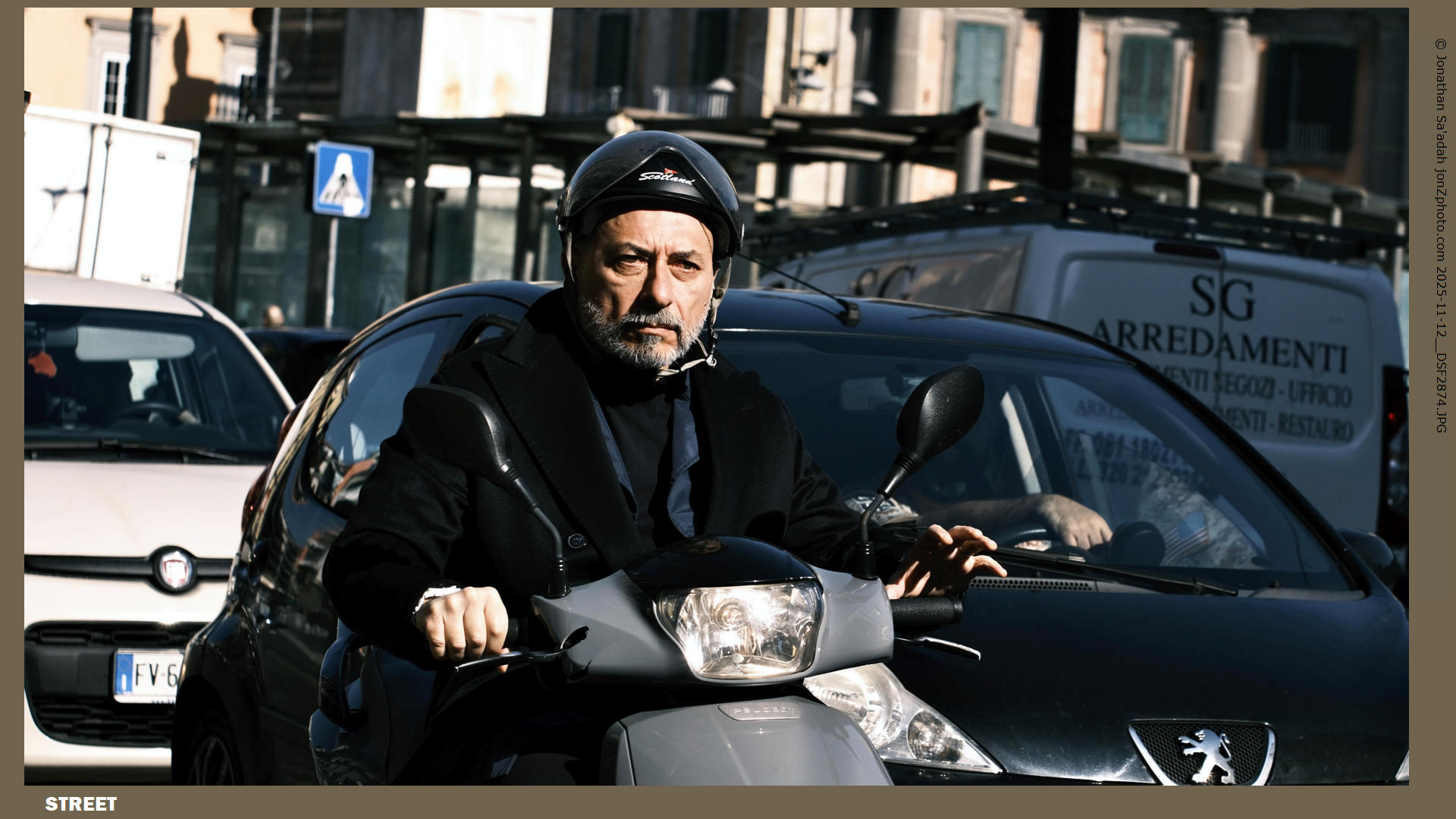
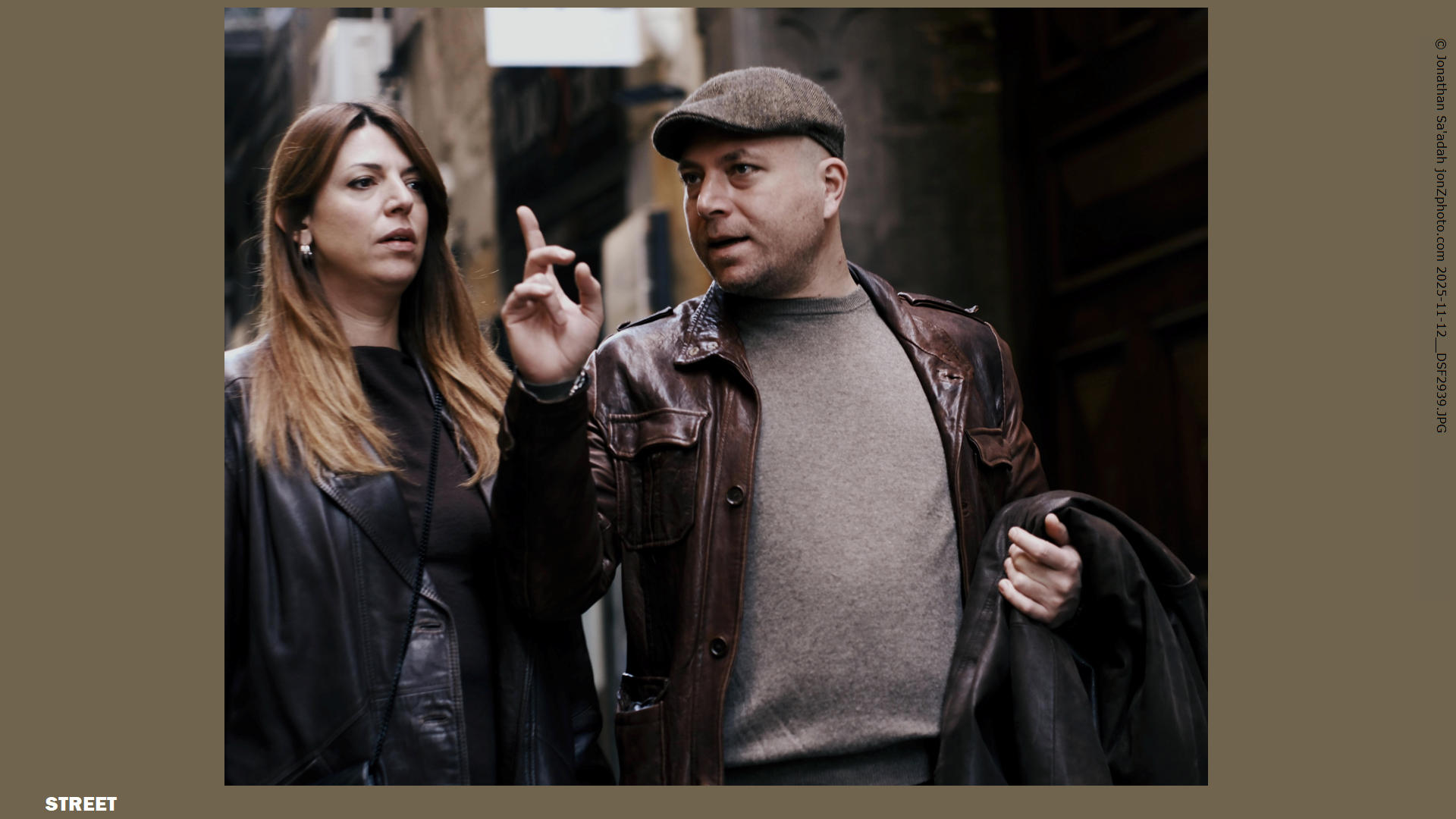
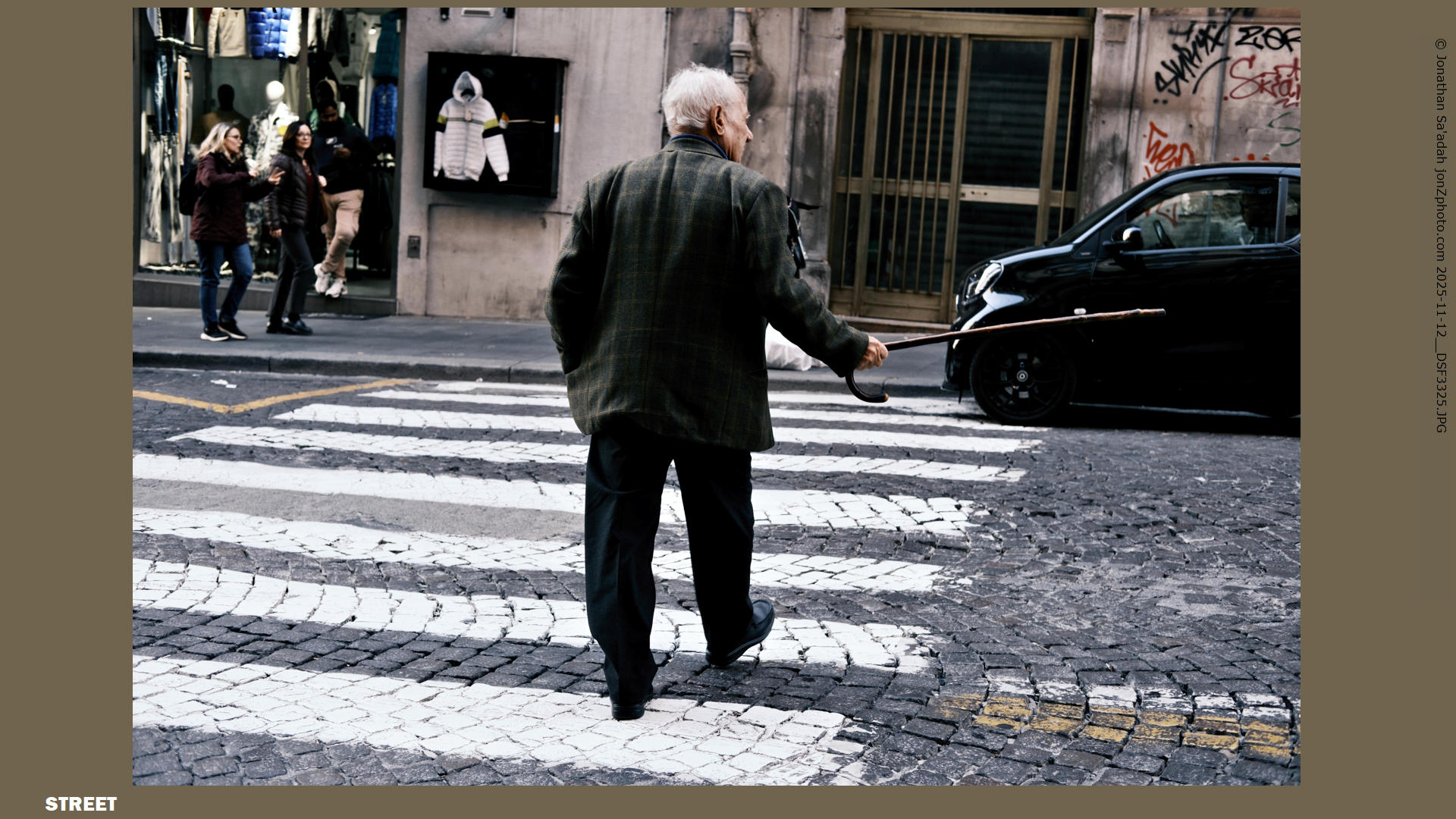
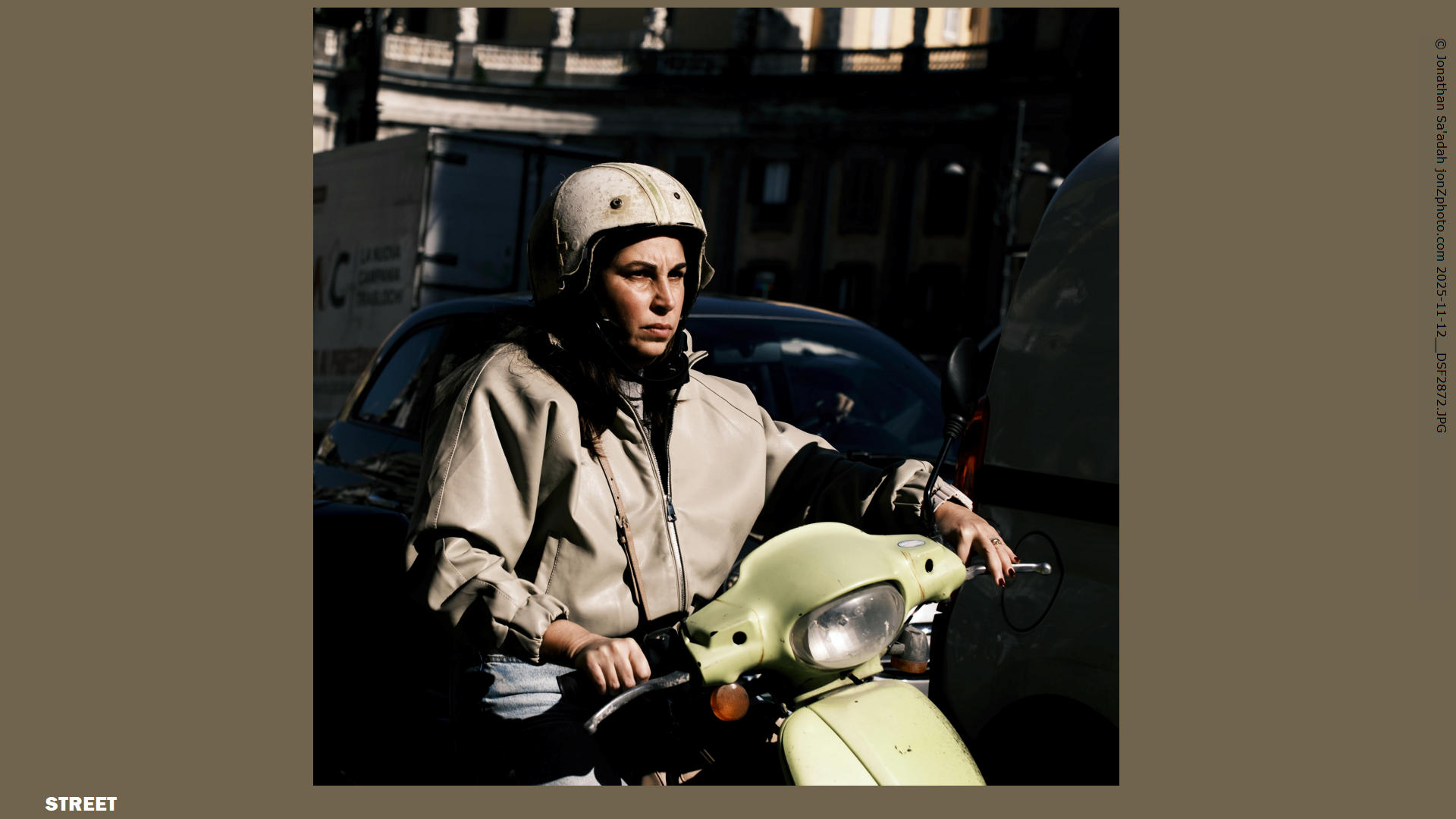
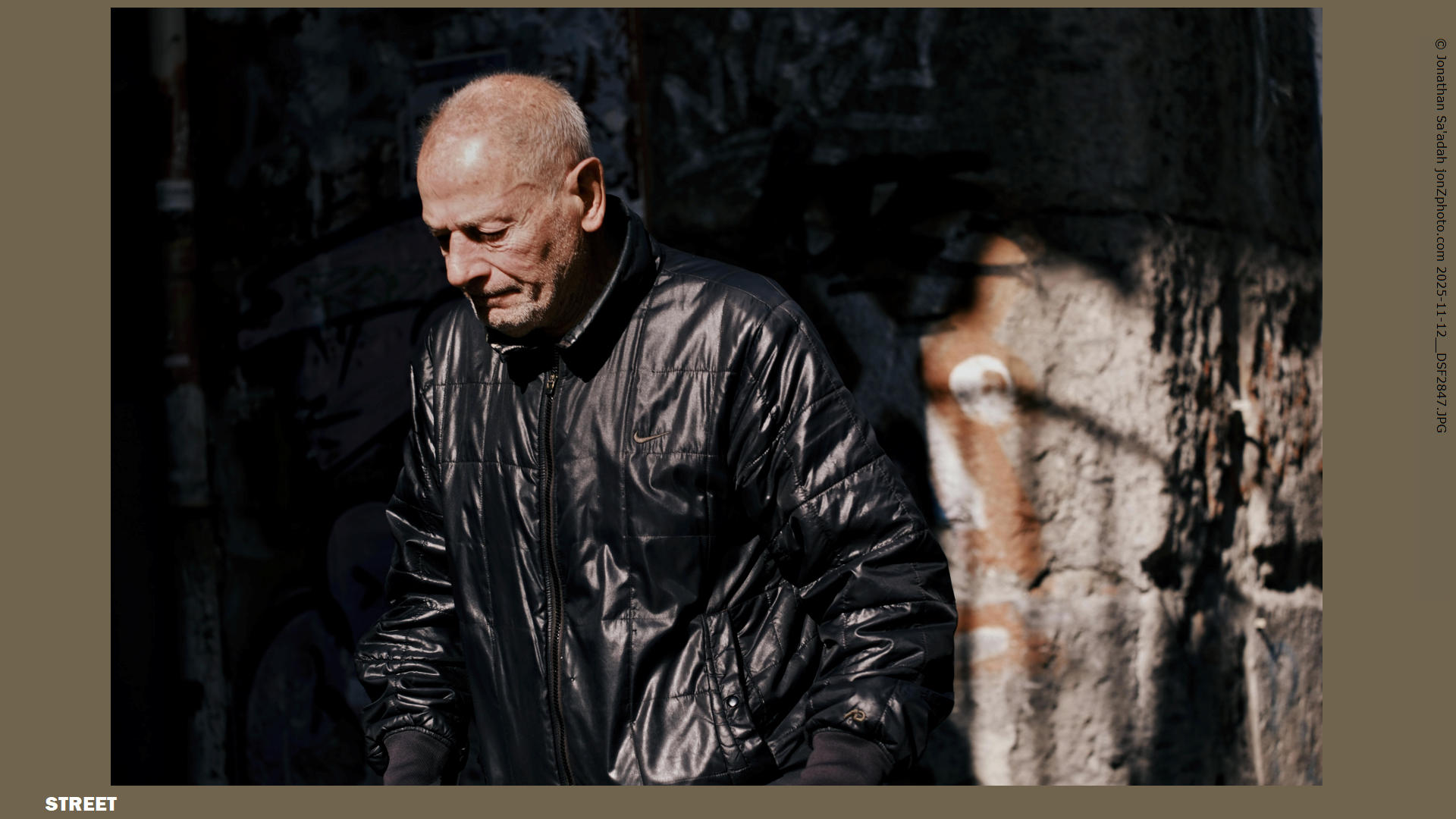
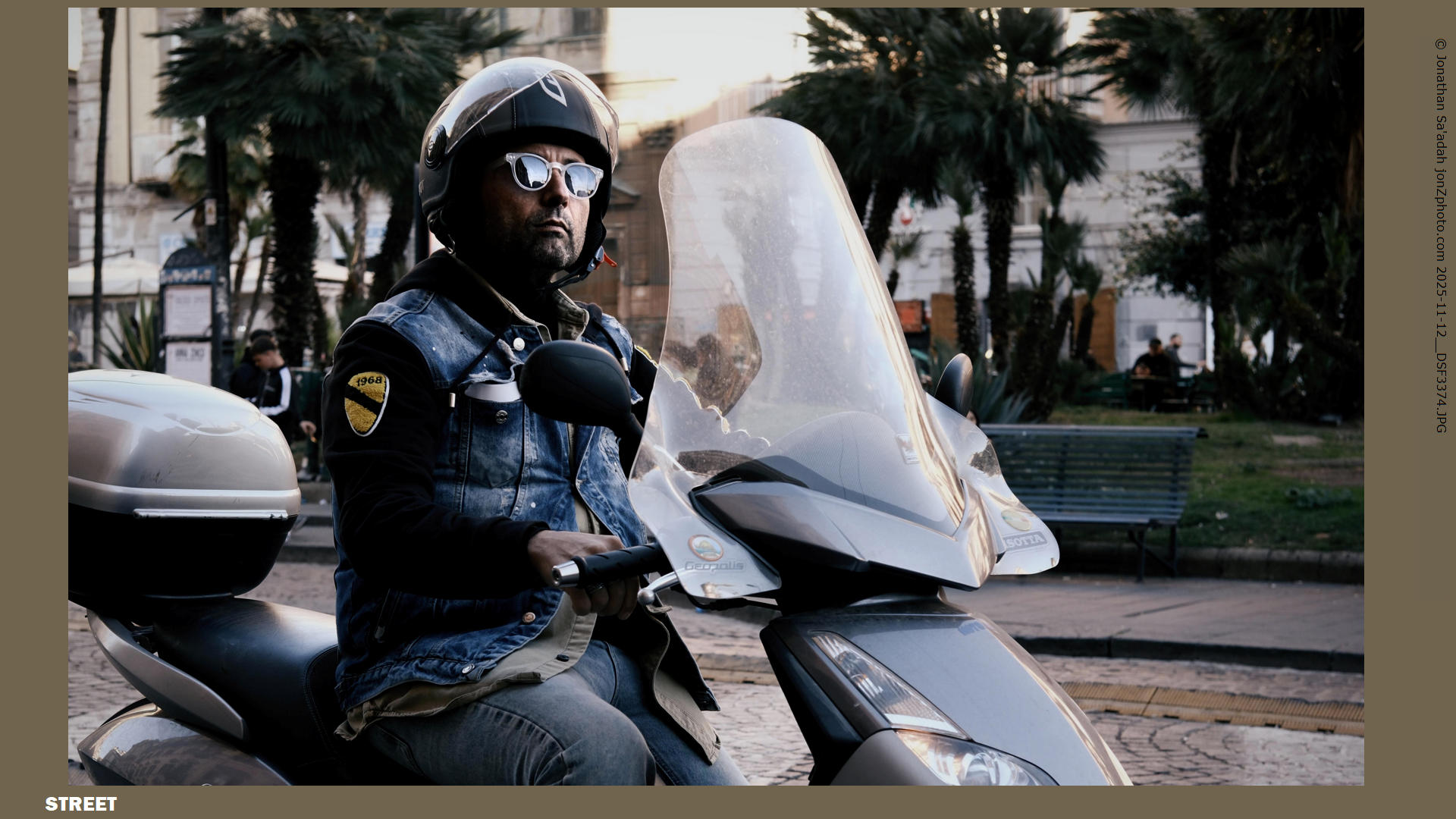
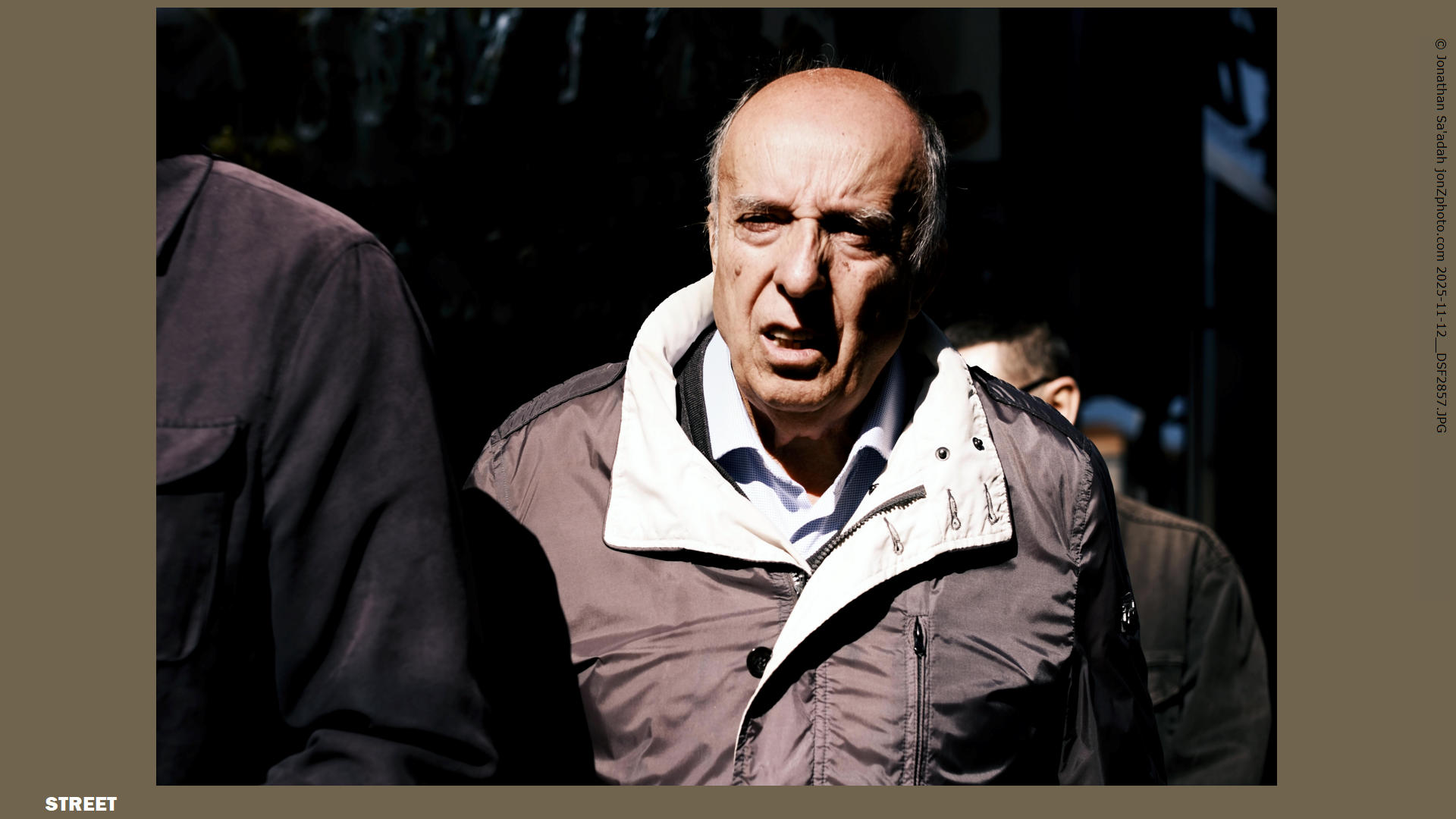
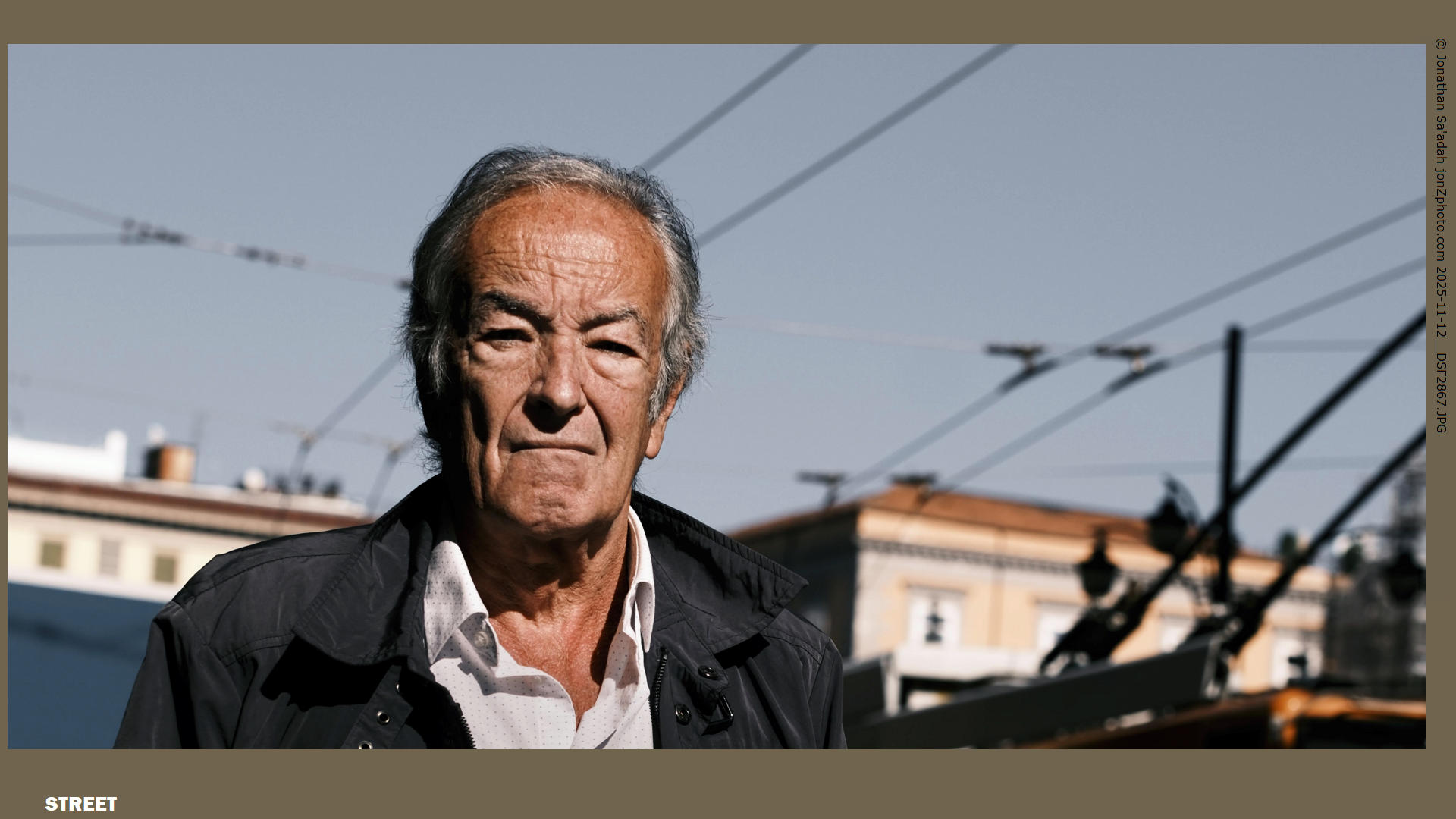
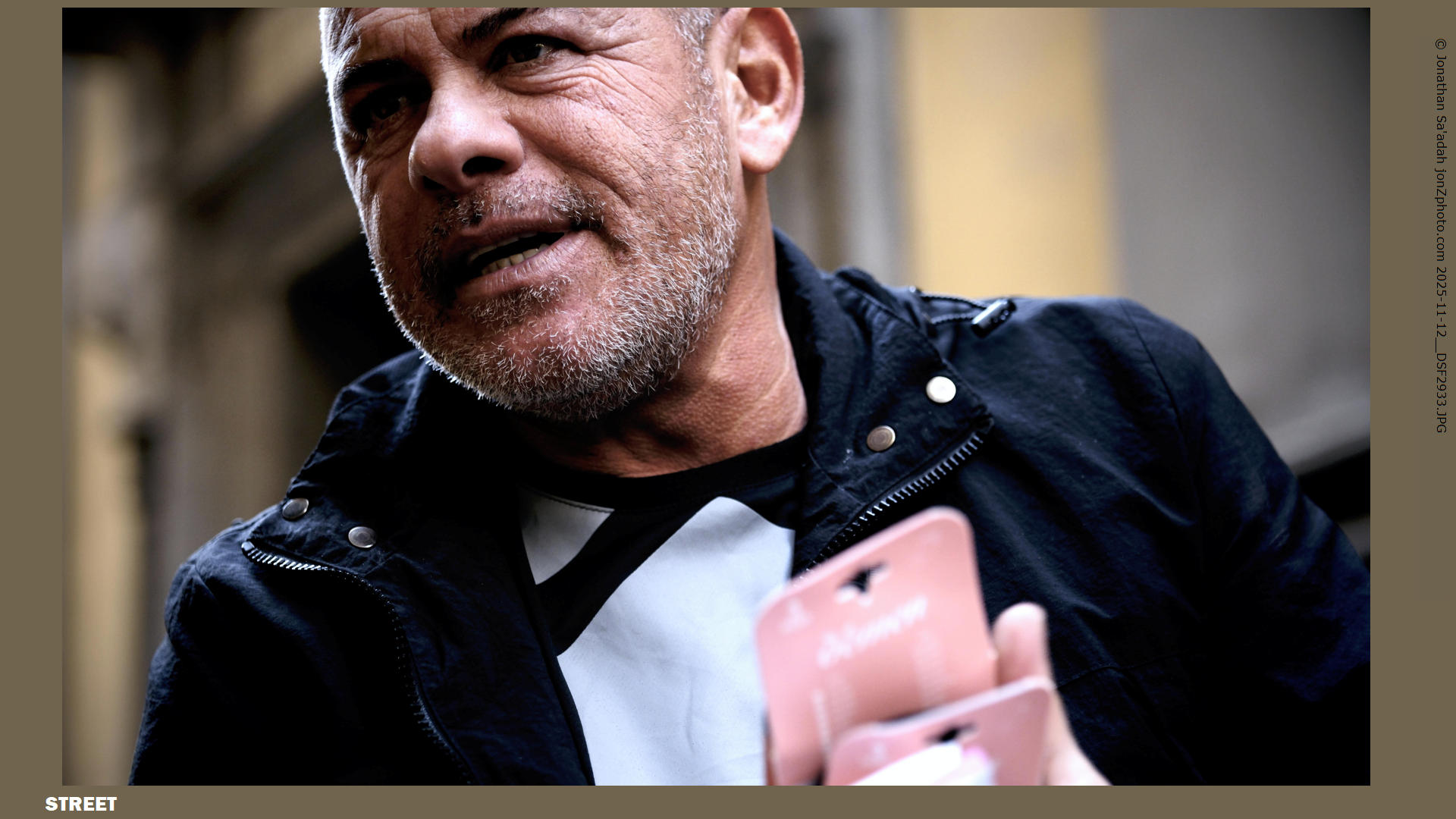
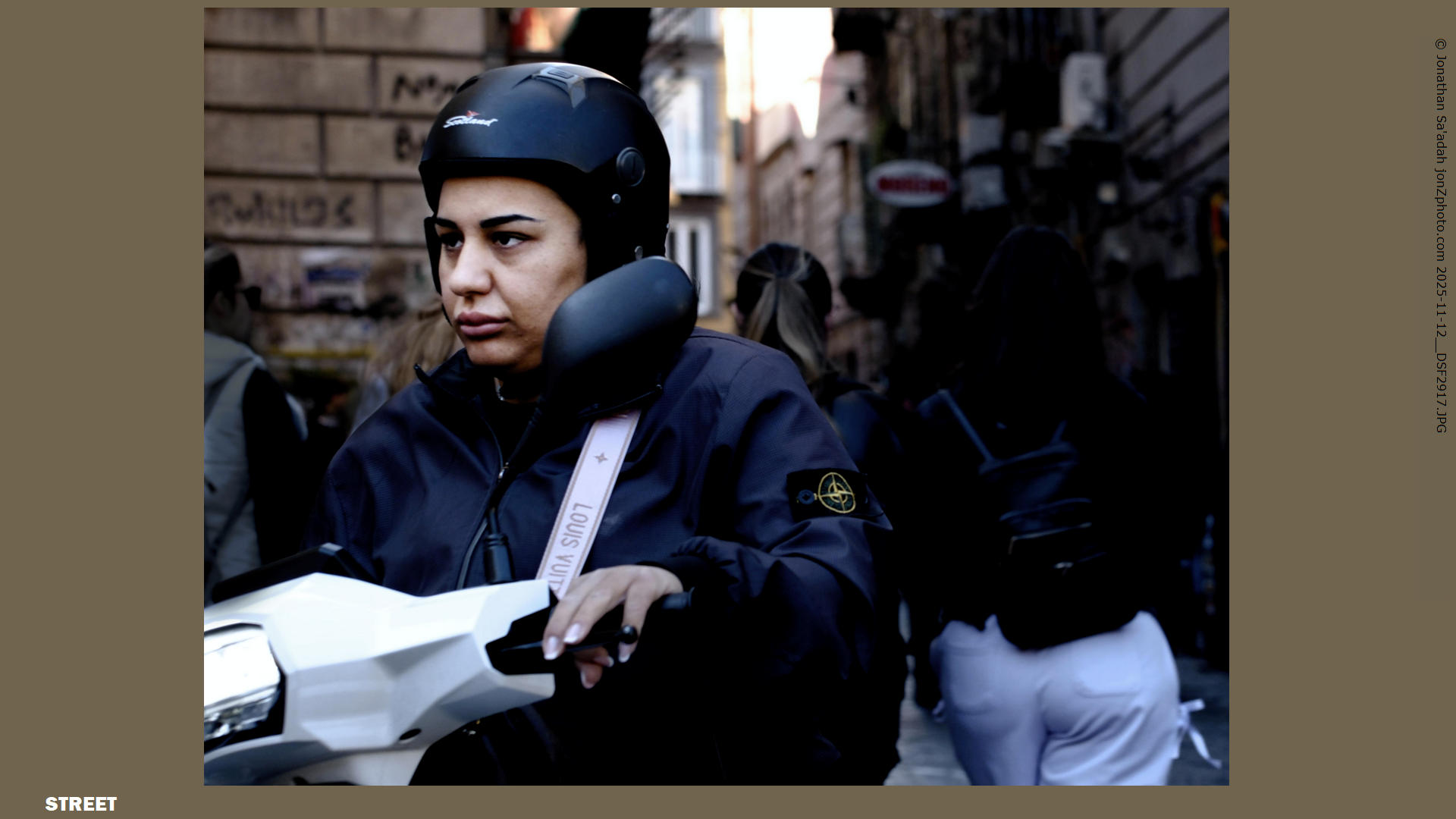
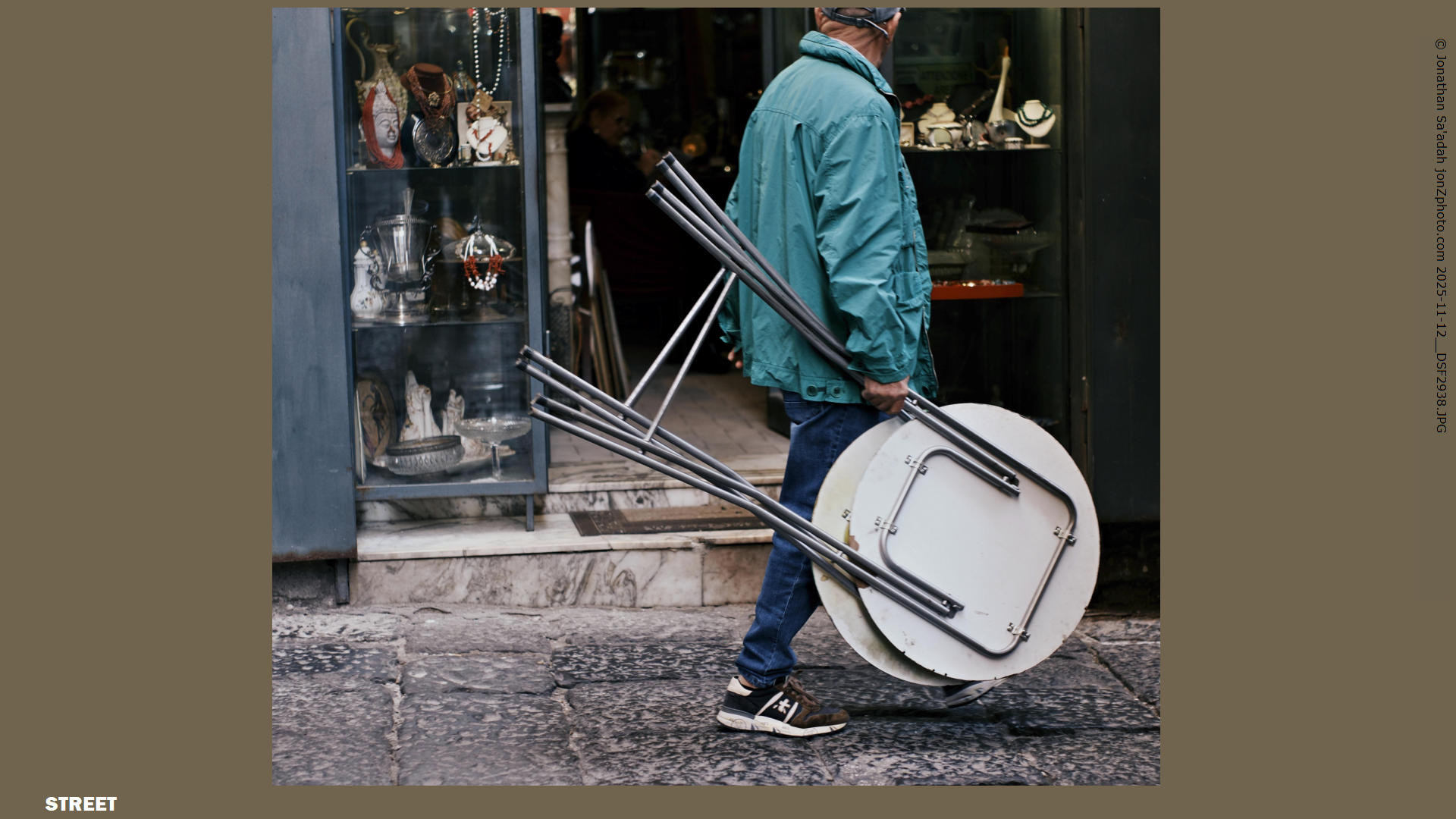
Over time, I’ve cultivated a particular state of attention that invites serendipity. I’ve learned to recognize promising situations—strong light, layered reflections, expressive fast moving crowds, unusual streetscapes—and I linger without knowing exactly what I am waiting for. This patience is not passive; it is a quiet form of anticipation that assumes something might happen. When a convergence does occur, I have to react instinctively, framing and exposing in fractions of a second. Normally I use the traditional wide angle lens of street photography which is forgiving of fast action, but in these photos I chose to use the more difficult short telephoto to concentrate on figures, and to isolate them within the urban environment. The resulting photos may look like pure accident, but actually they rest on familiarity with my camera, a sense of composition, and countless hours spent wandering without any guaranteed payoff.
Serendipity also shapes the way street photographs are interpreted. Viewers often project narrative onto coincidental details: a shadow aligning with a face becomes a metaphor for inner turmoil, a repeated color across strangers suggests hidden connection, a sign’s content appears to comment on the person beneath it. These readings often exceed anything I consciously intended at the moment of exposure. My street photography, then, feels like a collaboration between the chaos of the world, my own alertness, and the imagination of the viewer. Serendipity is the thread running through all three, binding them together.
In a culture saturated with images that are posed, retouched, and optimized, serendipitous street photograph holds a special honesty for me. It acknowledges that the world is richer and stranger than my plans, and that meaning can emerge from chance encounters as powerfully as from deliberate design. When I practice street photography with openness to serendipity, I accept that I am not fully in control—and I discover, again and again, that this lack of control is precisely where some of my most resonant images often arise.
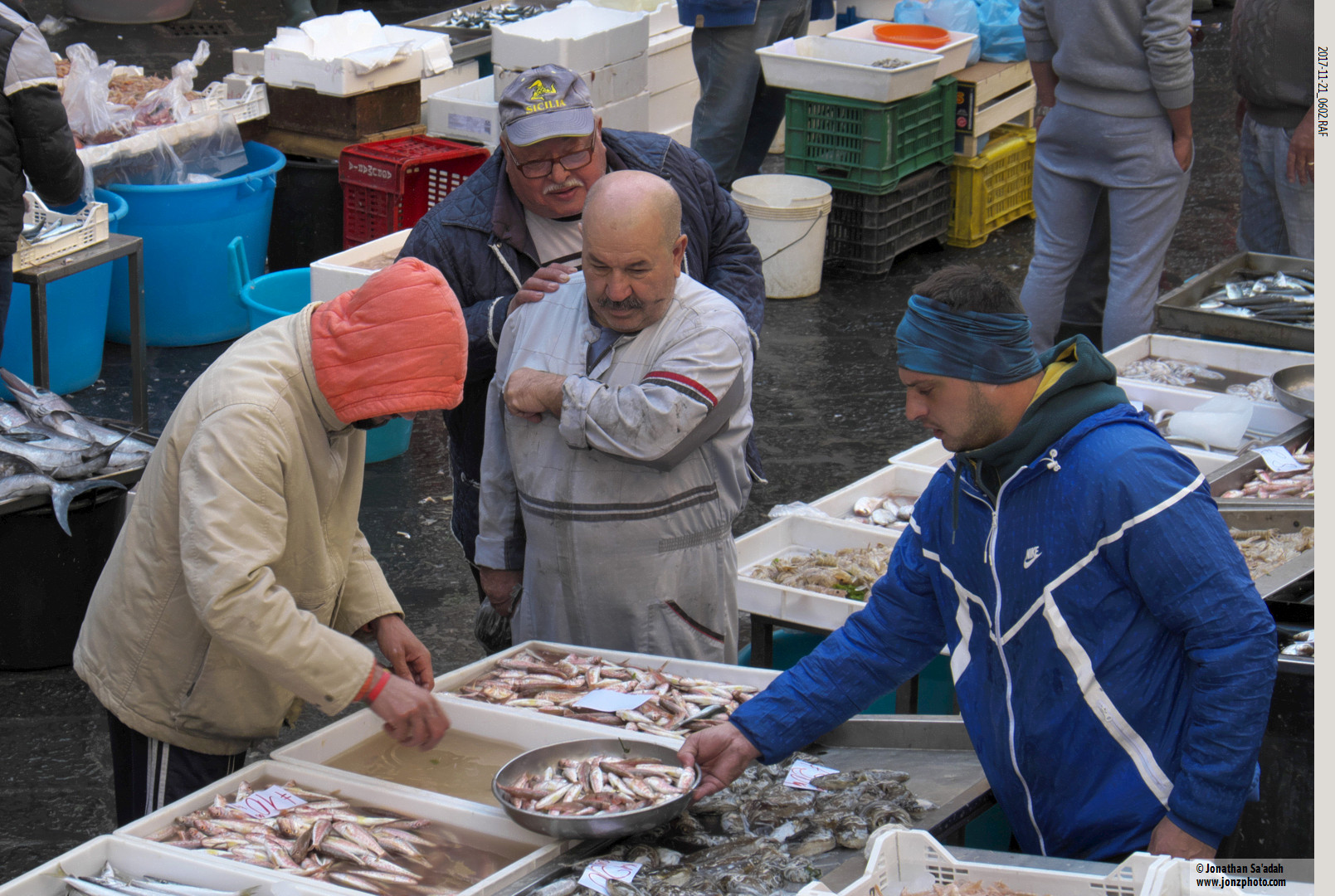
▲ Catania Fish Market The star of this market is the swordfish, but even the sardines are unusual. It’s true that plastic crates and digital scales abound, but still there’s a feeling of the market being enmeshed in long-running traditions, which gets reflected in the city’s approach to urban planning as well.
The Irresistible Pull of Gritty Cities: Understanding Why We Love What We’re Missing Part II
One of the most striking features of these older cities is their incredible diversity of housing types and price points, often within the same neighbourhood. In Damascus, you might find a restored 17th-century merchant’s house next to modest apartments that house working families, with both sharing the same narrow street and the same access to local amenities. Palermo’s neighbourhoods mix recently built condos (often retaining traditional facades) with affordable housing apartments, creating the kind of economic integration that many newer developments actively prevent. To give Montreal credit, some neighbourhoods share this diversity, but it’s often frowned on as “gentrification”.
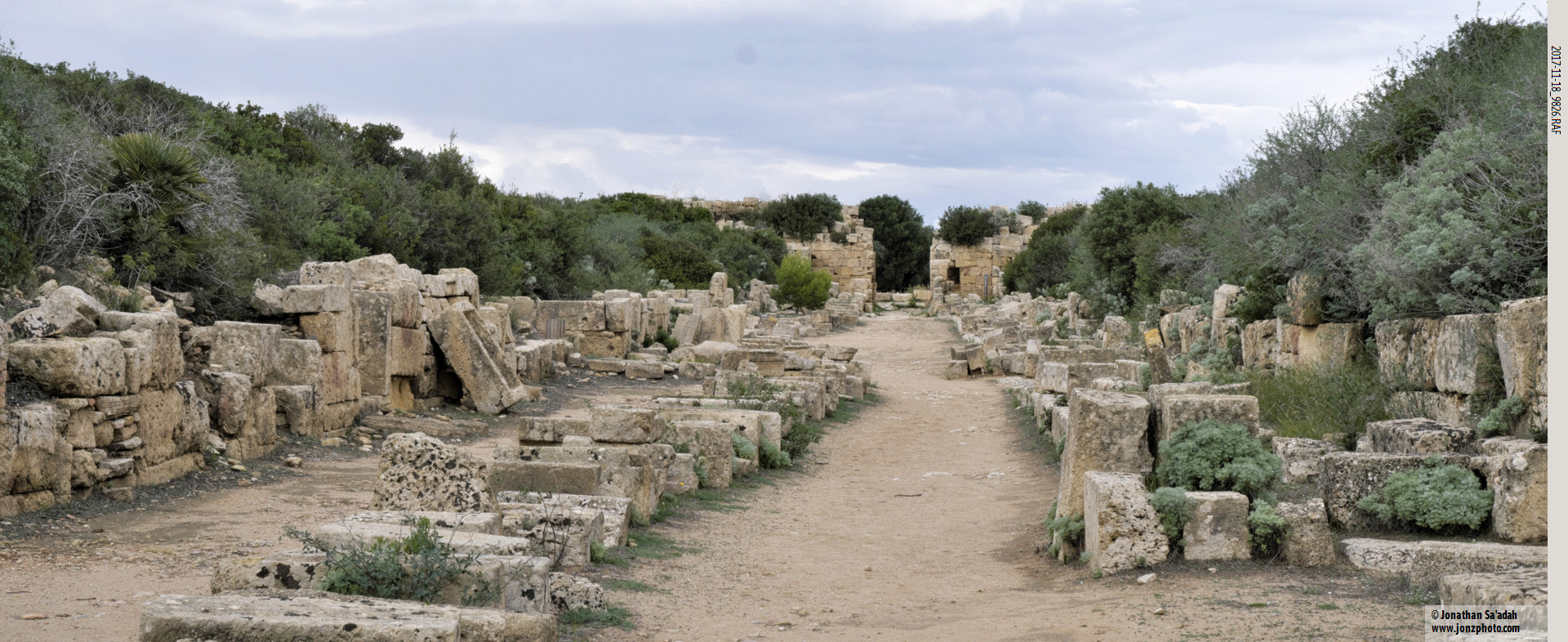
▲ No problem with gentrification here This street was founded by Greek colonists in Agrigento, on the southern coast of Sicily, probably around 580 BCE. I would surmise that the Greeks used slaves to haul the blocks used in the construction.
This mixing isn’t just socially beneficial – to me it’s economically essential for urban vitality. It’s what helps create a local economy with non-chain, locally owned businesses. Diverse housing types create diverse local economies, supporting the small-scale entrepreneurship that makes a neighbourhood interesting and economically resilient.
The housing diversity in these cities also reflects their adaptability over time. Buildings that were constructed as grand single-family homes can be subdivided into apartments when economic conditions deteriorate, or combined back into larger units when gentrification pressures increase. We’re often critical of this, but it ‘s a flexibility built into the architectural DNA of older cities that allows them to respond to changing demographics and economic conditions without wholesale demolition and reconstruction.
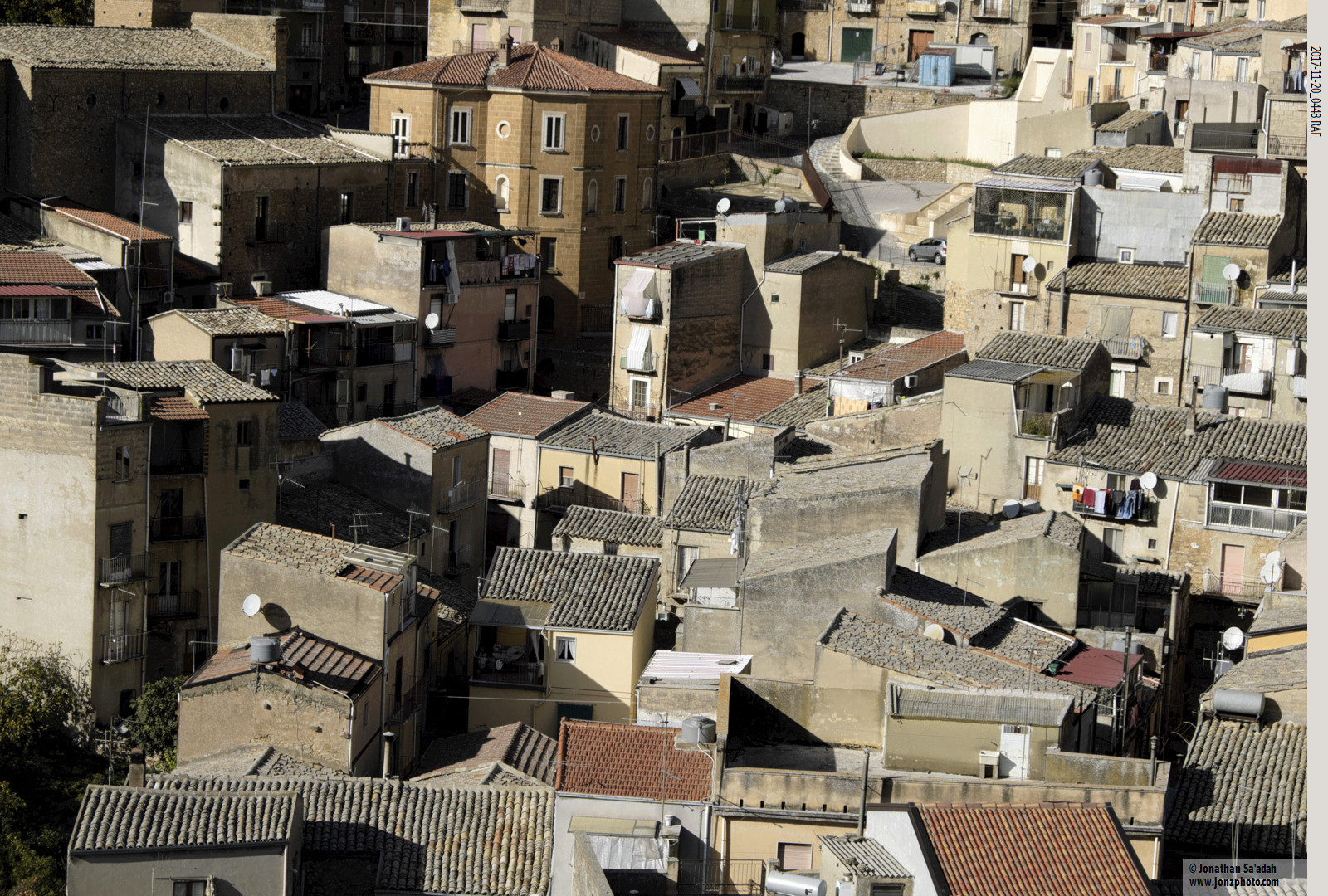
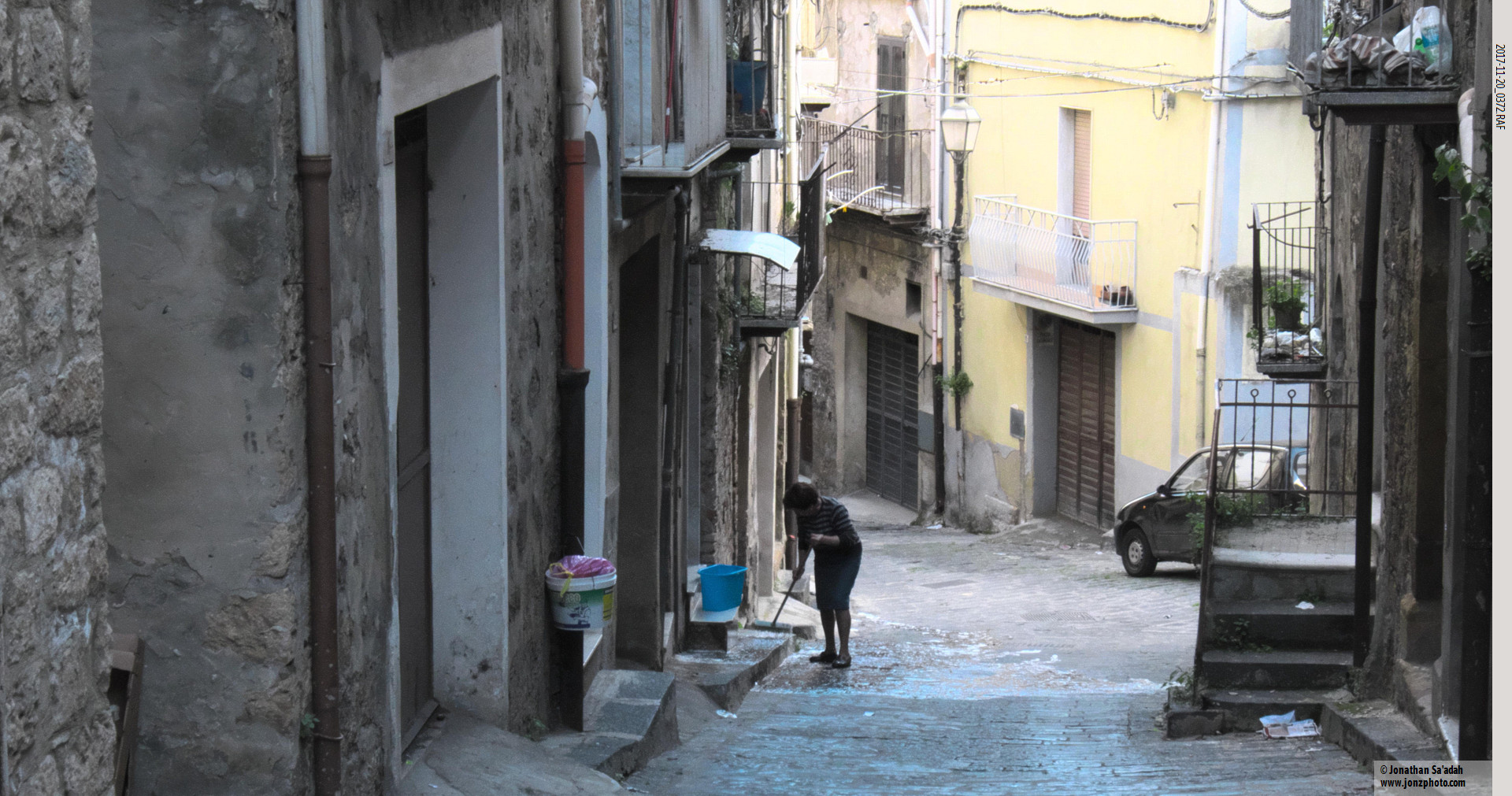
▲ Even in ancient neighbourhoods like this one in the Sicilian hill town of Piazza Armerina you can differentiate the renovated houses by window style and roofing.
The Art of Adaptation and Resilience
Perhaps the most remarkable quality of these beloved gritty cities is their capacity to adapt and evolve while maintaining their essential character. They’ve survived empires, wars, economic collapses, and social upheavals not by standing still, but by continuously adapting their built environment to new needs while preserving the underlying urban logic that makes them work.
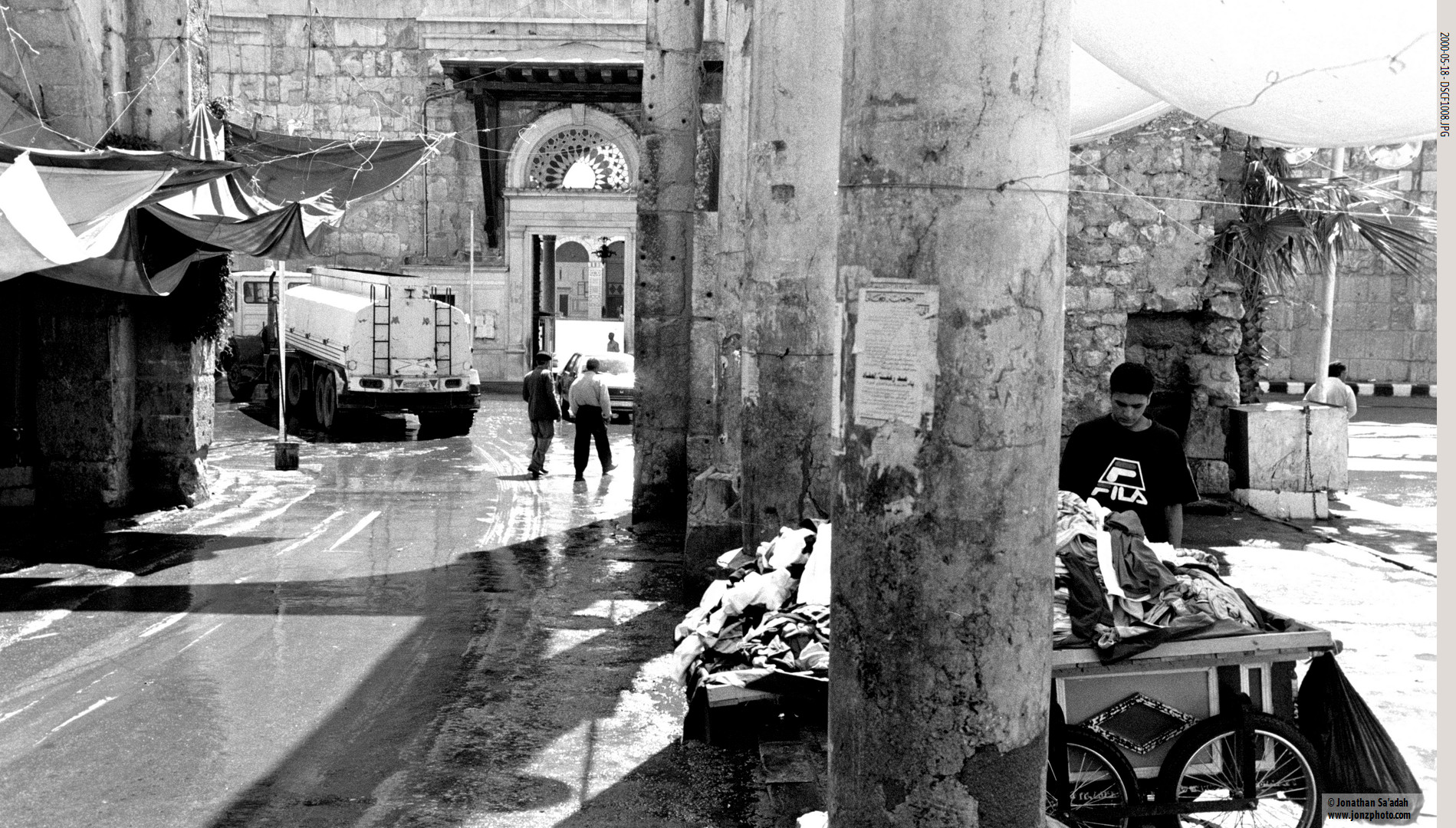
Damascus offers perhaps the most dramatic example of this adaptability. The old city has continuously evolved over millennia, with Roman columns supporting Islamic arches, Byzantine churches converted to mosques, Ottoman palaces repurposed as museums, and traditional courtyard houses transformed into restaurants and cultural centres. Each layer of history adds to rather than erases the previous ones, creating the rich texture that makes the city so compelling.
▲ Damascus is probably the best example of a living city, with Roman, Ottoman, and “contemporary” structures all sharing space in this photo.
The Integration That Creates Magic
What makes these cities truly special isn’t any single characteristic but how all these elements work together to create something greater than the sum of their parts. The human scale enables walkability, which supports diverse public spaces, which creates markets for diverse housing types, which generates the economic activity that supports adaptation and renewal. It’s a virtuous cycle that has been refined over centuries of urban living.
What We’re Missing at Home
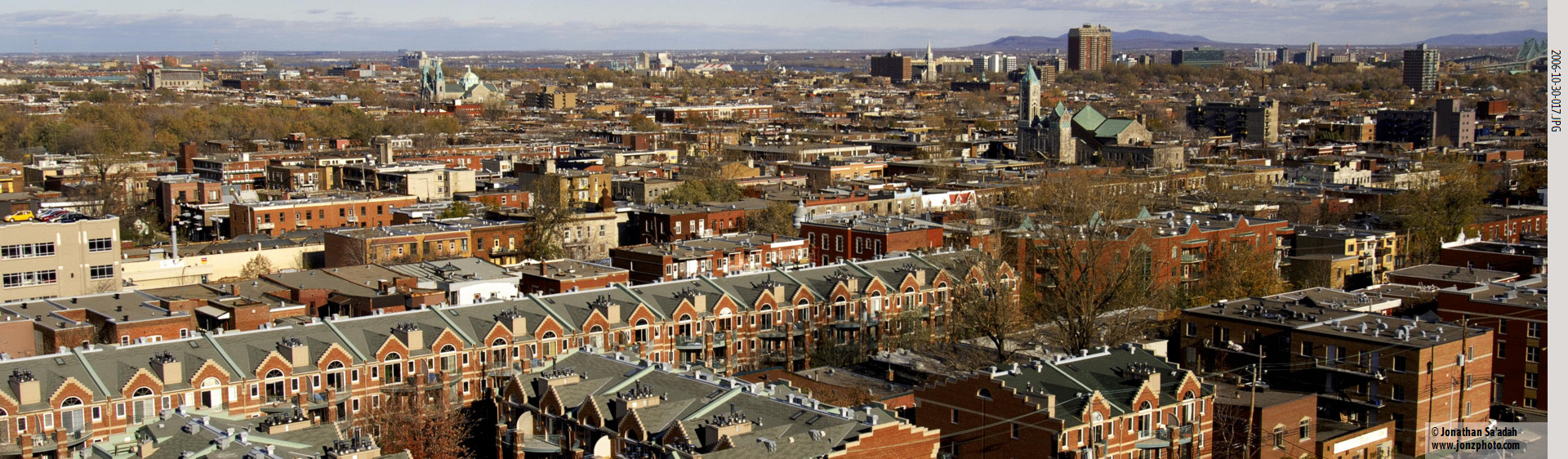
Standing in my ordered, well-regulated neighbourhood in Montreal, I often think about what we’ve traded away in our pursuit of efficient, predictable urban environments. Our streets are wider and cleaner, our building codes more rigorous, our public spaces more carefully maintained. These aren’t bad things – they reflect genuine improvements in public health, safety, and accessibility.
▲ The Montreal Plateau is relatively flat as its name implies, with spikes of church spires and an occasional out-of-place apartment tower. The visually boring cookie-cutter buildings in the foreground enforce a visual style, but their predictability saps vitality.
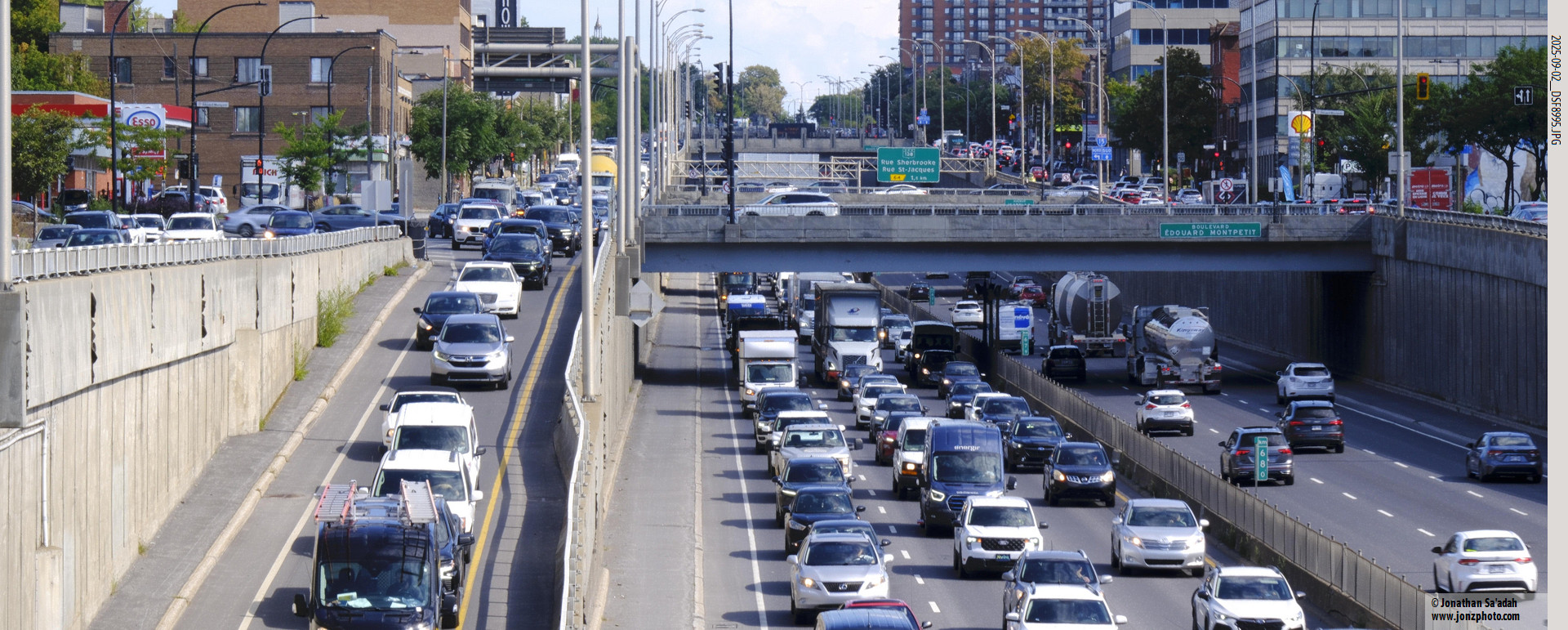
But in our effort to eliminate the inefficiencies and unpredictabilities of older urban forms, we may have eliminated some of their essential vitality as well. Our zoning codes separate uses that these older cities mix naturally. Our building standards favor large-scale development over the small-scale, incremental growth that creates diverse, affordable neighbourhoods. Our traffic engineering prioritizes movement over lingering, getting through rather than being in.
▲ Exceding all predictions The Décarie autoroute as it was designed in the early 1960’s was supposed to max out at 90,000 cars per day. It now handles an average of almost double that.
The question isn’t whether we should abandon our standards and return to some romanticized past, but whether we can learn from what these older cities do well while maintaining the genuine improvements of contemporary urban planning. Montreal offers some lessons in this direction. The city’s pedestrianization of portions of Ste-Catherine Street shows how even established cities can evolve toward more human-centred design.
Living in the Tension
Perhaps what I’m really drawn to in these places isn’t their grittiness per se, but their willingness to live in productive tension between competing values. They’re not trying to optimize for a single goal but rather to balance multiple, sometimes contradictory objectives: old and new, local and global, efficient and experiential, ordered and spontaneous.
The cities I love aren’t perfect, and I certainly wouldn’t want to eliminate building codes or return to pre-modern public health standards. But they offer something that our more regulated urban environments often lack: they feel like places where humans have lived, adapted, and created something together over time. They feel like home not because they’re comfortable or convenient, but because they’re complex and alive.
The narrow streets of Damascus, the piazzas of Palermo, the pedestrian rhythms of Thessaloniki – these aren’t just tourist attractions or nostalgic throwbacks. They’re working examples of urban principles that we ignore at our peril. As cities around the world grapple with climate change, housing affordability, and social isolation, these older urban forms offer tested strategies for creating places that are not just efficient but truly livable. The question is whether we’re wise enough to learn from them.
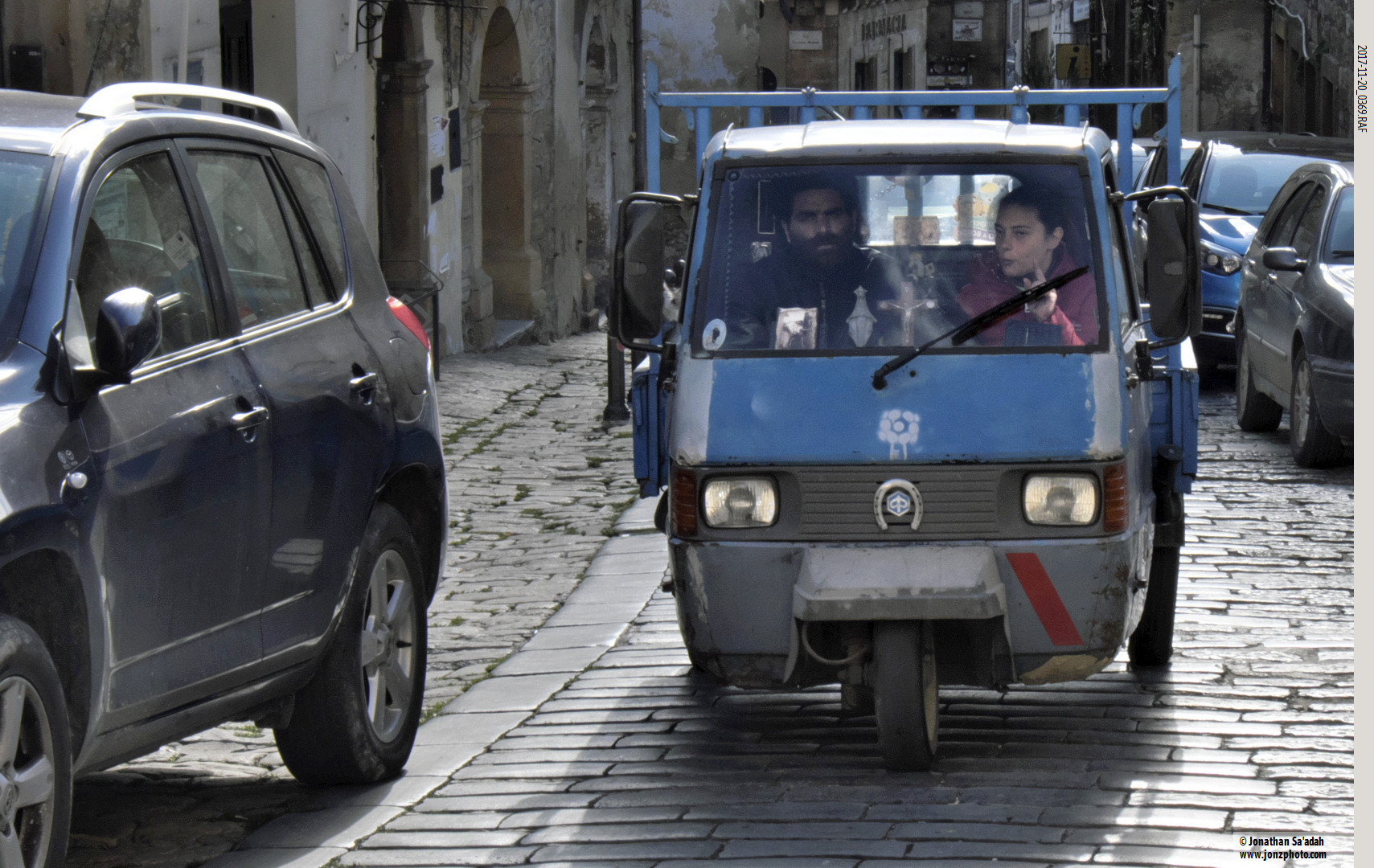
▲ A couple in a Piaggio Ape, a vehicle nimble enough to navigate easily through town, and displaying the icons of their traditions. Piazza Armerina, Sicily.
The Damascus photograph in this post is taken from a book I’m just finishing (Return to Damascus: A Personal Journey) on the experience I had in returning to where my father had been born.
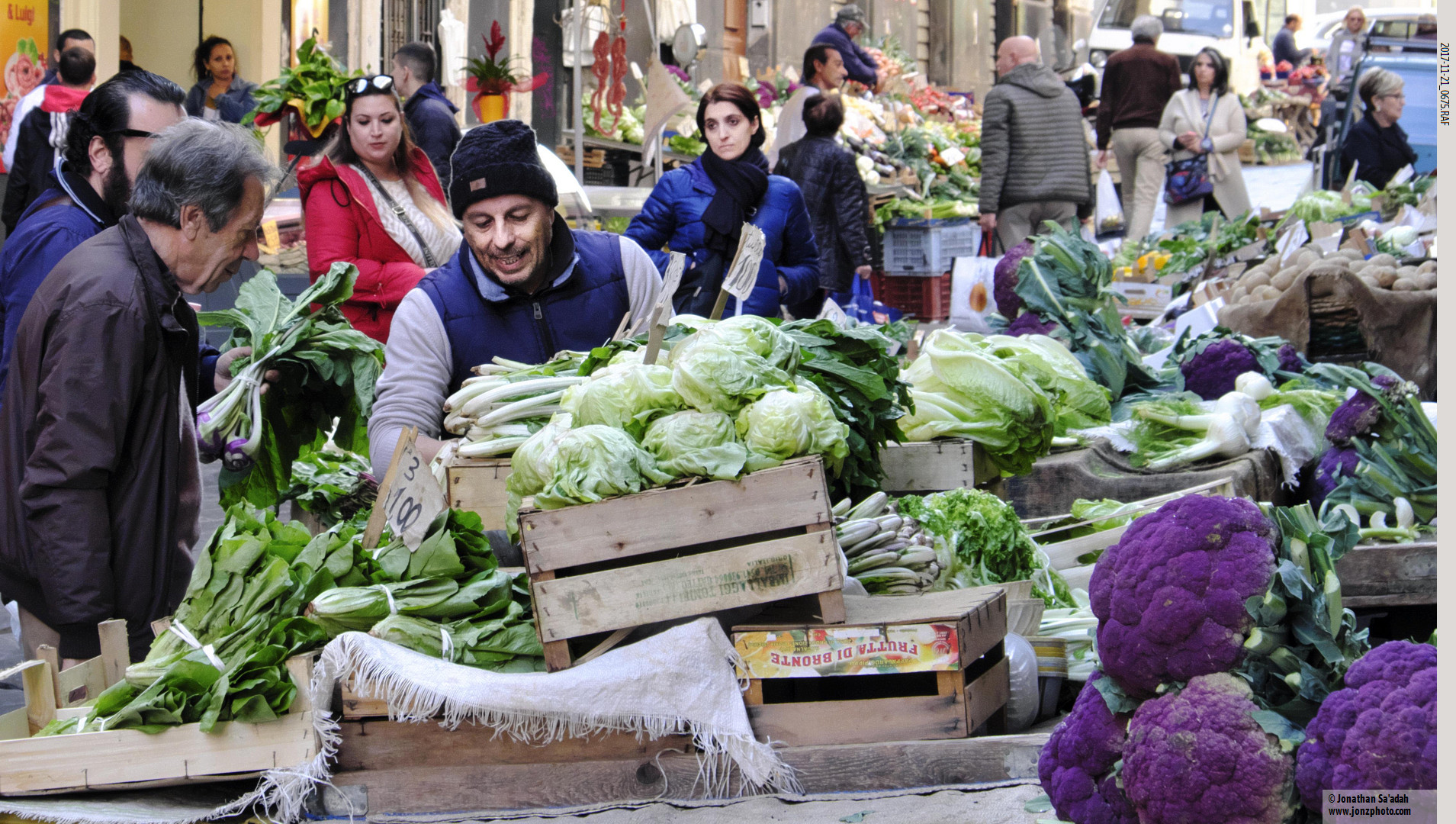
▲ Catania Open Market I envy the Sicilians and their abundant produce, even at the end of November. Their markets are noisy and colorful. The produce feels close to the farm, which it is.
The Irresistible Pull of Gritty Cities: Understanding Why We Love What We’re Missing
I’ve always found myself drawn to certain cities with an almost magnetic pull – places that feel lived-in, weathered, and wonderfully imperfect. From the narrow stone alleys of Damascus to the chaotic vitality of Mexico City, from Palermo’s winding streets to the crumbling decadence of Thessaloniki, these are cities that seem to embrace their contradictions. They’re places where modernity coexists awkwardly but beautifully with centuries of accumulated history, where every street corner tells multiple stories, and where the urban fabric feels genuinely human in scale.
▲ Thessaloniki Old City We drove our car through these streets and it was definitely a social experience, since traffic was both directions and each encounter was a negotiation. The stairs on the right definitely would not satisfy Montreal’s setback regulations.
As someone who calls Montreal home – a city that sits comfortably between order and character – I often wonder what it is about these grittier places that captivates me so deeply. Is it simply the allure of the tourist’s gaze, romanticizing what locals might find frustrating? Or is there something more fundamental about how these cities are designed and how they’ve evolved that creates genuinely superior urban experiences?
I believe it’s the latter. These cities embody qualities that many of our more regulated, sanitized urban environments have systematically designed out – and in doing so, we’ve lost something essential about what makes a city truly livable.
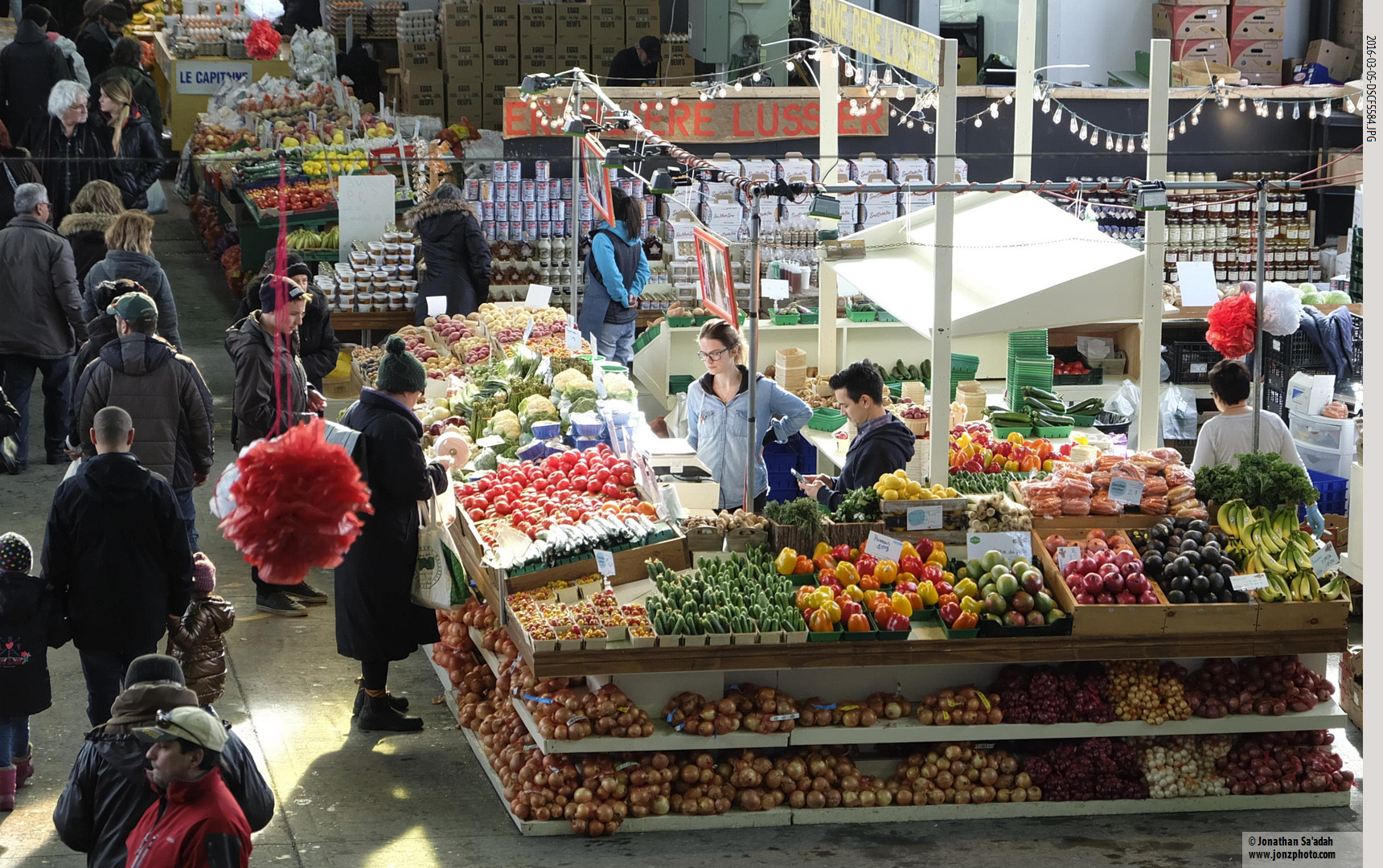
▲ Jean-Talon Market Montreal Our winter markets are abundant but everything is quite orderly, and (sadly!) imported from afar, especially when compared to Catania.
The Human Scale That We’ve Forgotten
Walk through the old quarters of Damascus or wander the residential streets of Palermo, and you’re immediately struck by how perfectly sized everything feels for human beings. Buildings rise to four or five stories – tall enough to create urban passageways but low enough that you can still make eye contact with someone leaning out a third-floor window. Streets are narrow enough that neighbours can converse across them but wide enough for the essential choreography of urban life: children playing, vendors selling, neighbours meeting, deliveries being made, life happening.
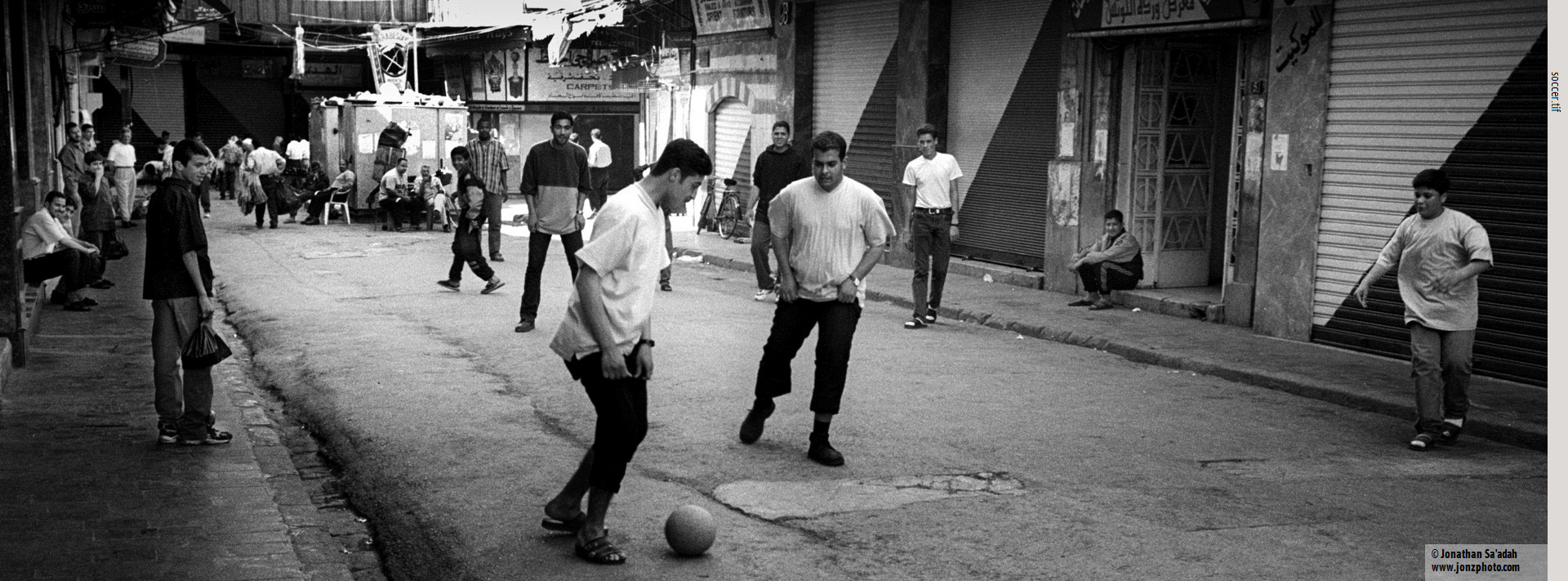
▲ Damascus Street Football Other than there not being any women in this photograph, a lot is happening on the street. This was in the Old City.
This isn’t accidental. It’s the result of centuries of organic development where buildings were constructed at the pace and scale that individual families and small communities could manage. In Thessaloniki, the traditional urban fabric prioritizes pedestrian comfort over vehicular efficiency. The narrow streets that might frustrate a traffic planner become perfect corridors for social interaction, where the pace naturally slows and encounters become inevitable.
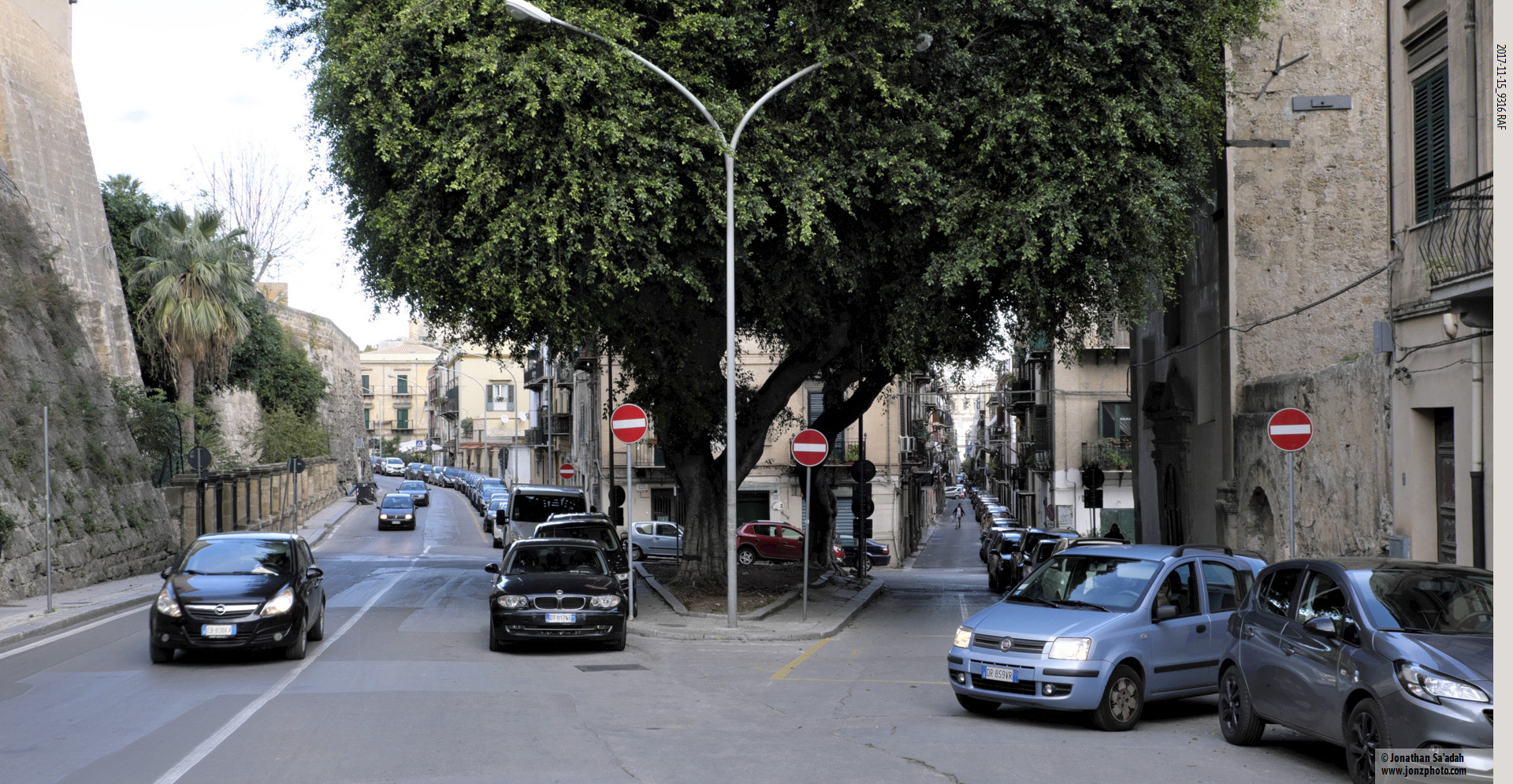
▲ Palermo’s streets pick up on the city’s ancient layout, with automobiles present but taking a backseat.
Contrast this with our modern approach to urban development, where efficiency and standardization trump human experience. Even in Montreal, our newer developments tend towards what we define as modern experience – wider streets, taller buildings, larger blocks that prioritize movement over lingering. We’ve optimized for cars and commerce rather than for the casual encounters and spontaneous connections that actually make urban life rich.
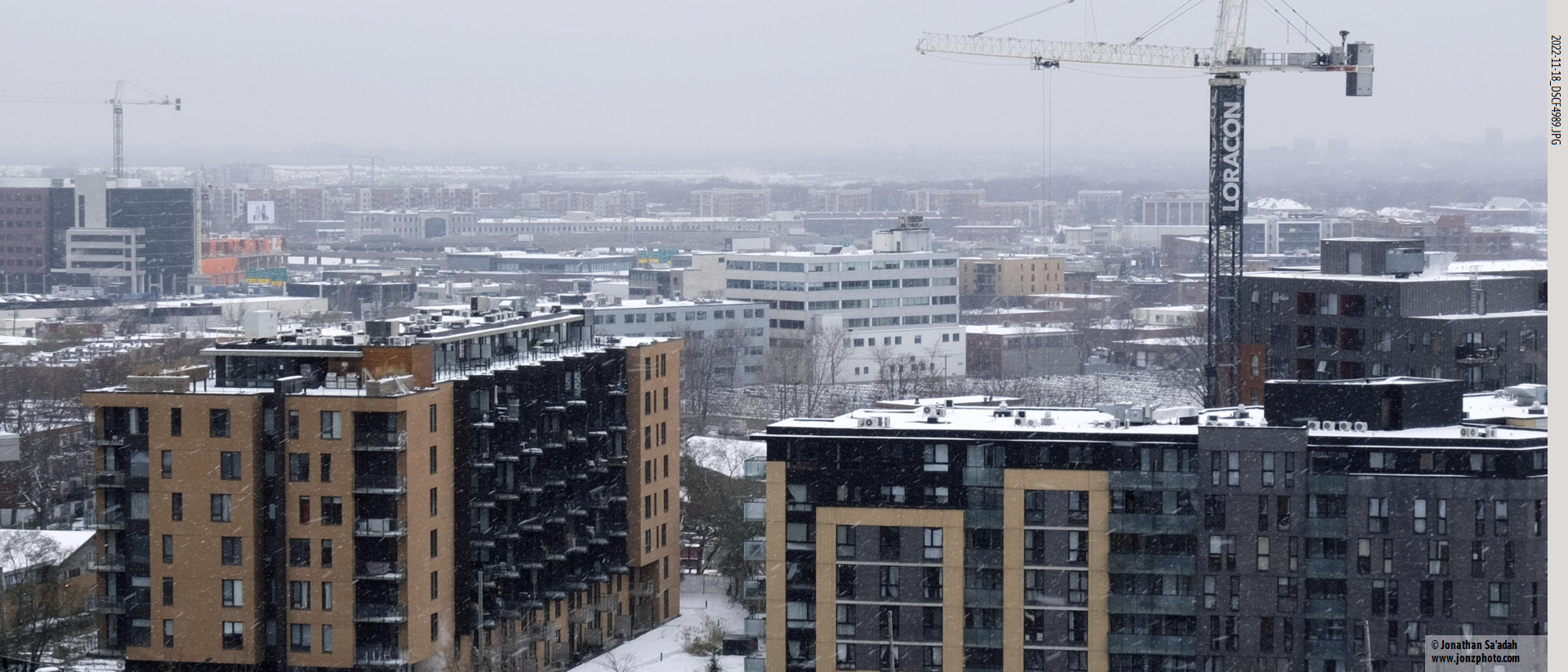
▲ Looking north in Montreal from Côte-des-neiges at residential and commercial buildings in one of the fastest expanding parts of the city.
The smaller scale of these older cities creates what seems to me the conditions necessary for urban vitality. Even though they may look to be museum pieces, they aren’t. They are living examples of urban design that puts human experience first.
Public Spaces as the City’s Living Rooms
Perhaps nothing distinguishes these gritty, beloved cities more than the quality and accessibility of their public spaces. Not just parks or grand plazas, but the everyday spaces where public life unfolds: the stepped streets of Damascus that become impromptu gathering places, the piazzas of Palermo that serve as outdoor living rooms for entire neighbourhoods, the casual sidewalk life of Mexico City where sidewalks and public spaces encourage people to meet and relax”.
These cities understand something fundamental: public space isn’t just about recreation, it’s about democracy. It’s where different social classes, ages, and backgrounds encounter each other naturally. When public space works well, it becomes the foundation for social cohesion and civic engagement.
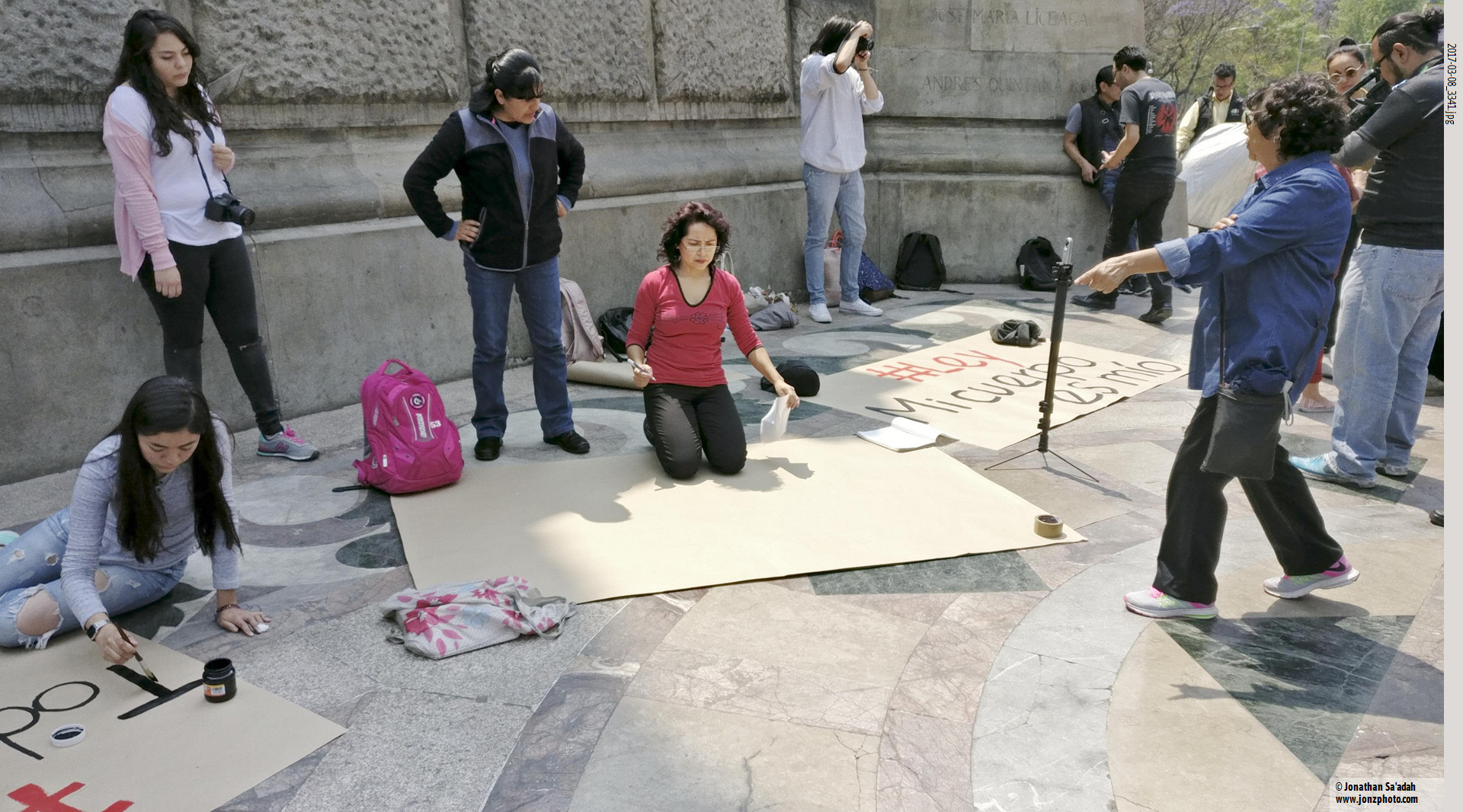
▲ Preparation for Women’s Day March International Women’s Day has been commemorated in Mexico City since the 1930s, but the massive street mobilizations began gaining momentum in more recent decades as a response to Mexico’s epidemic of gender-based violence.
Mexico City is often dismissed as sprawling and car-dependent, but alongside that reality I see a lot more going on. The city’s downtown areas have spacious parks and sidewalks, accommodating an unending ballet of commuters, tourists, and street vendors. On Sundays, major arteries like Paseo de la Reforma are closed to cars and opened to pedestrians and cyclists, temporarily transforming the large parts of the city into one enormous public space.
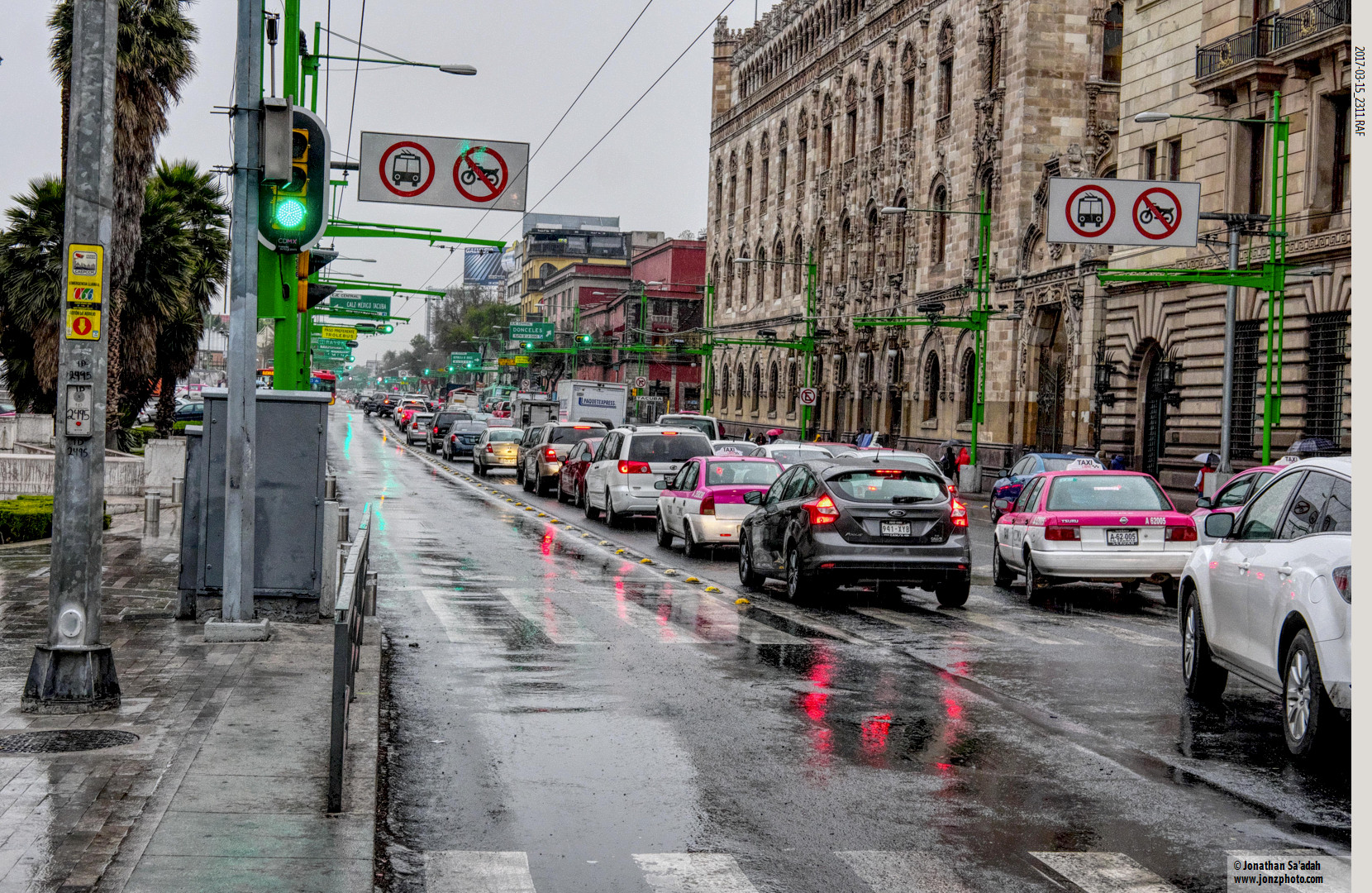
▲ Mexico City’s less romantic side The city government has tried different approaches at reducing car traffic, all with little success. Nevertheless, there is an inexpensive and well-used public transport system used by 14 million people a day. The open lane is a reverse direction lane for buses.
What these cities understand is that public space isn’t a luxury – it’s infrastructure. Just as essential as water pipes or electrical grids, public space is the network that allows urban society to function, providing the venues for the informal encounters and casual sociability that bind communities together.
Walkability as a Way of Life
In these cities, walking isn’t exercise or a lifestyle choice – it’s simply how you get around. This creates a fundamentally different relationship between residents and their urban environment. When you walk regularly, you notice things: the quality of surfaces, the presence or absence of shade, the rhythm of street life, the small businesses tucked into ground floors.
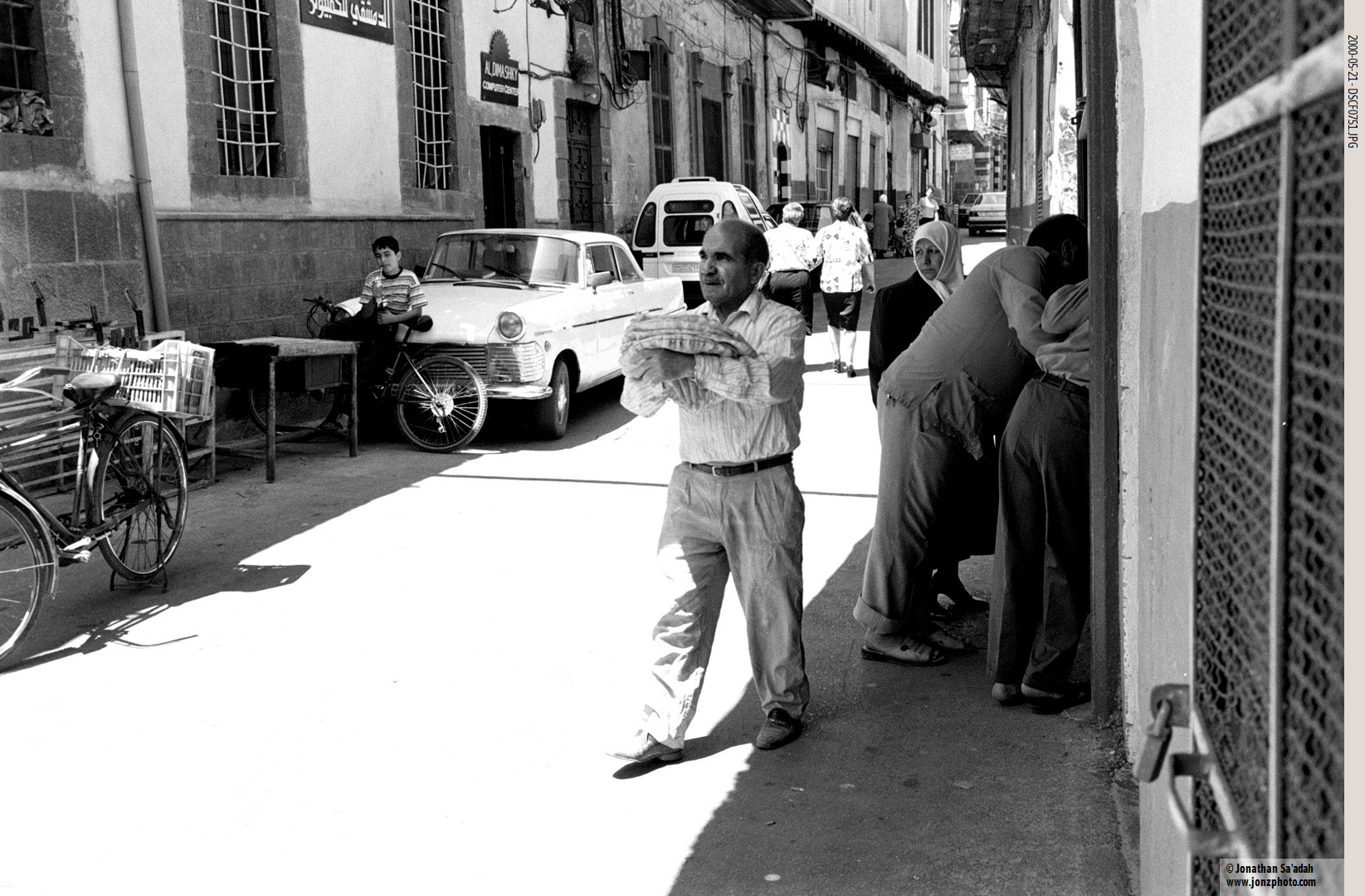
▲ Damascus Old City Bakery Man carries away hot bread purchased from a small bakery.
Thessaloniki, despite its challenges with broken pavements and sidewalks, illegally parked cars and motorcycles, kiosks and coffee tables, has a vibrant street culture. I look forward to going back soon to see how the city has adapted to its newly-opened metro system, which hopefully will reduce the perpetual gridlock many of its streets experience during the day. Hopefully the ongoing integration of walking and public transit has created an even more layered urban experience.
Mexico City exemplifies this integration beautifully. Despite its size and complexity, the city maintains an impressive pedestrian culture. Under the leadership of mayor Claudia Sheinbaum (who has a background in environmental engineering) the city dramatically expanded its network of public transit, bolstering its generous public spaces with wide sidewalks and creative public squares.
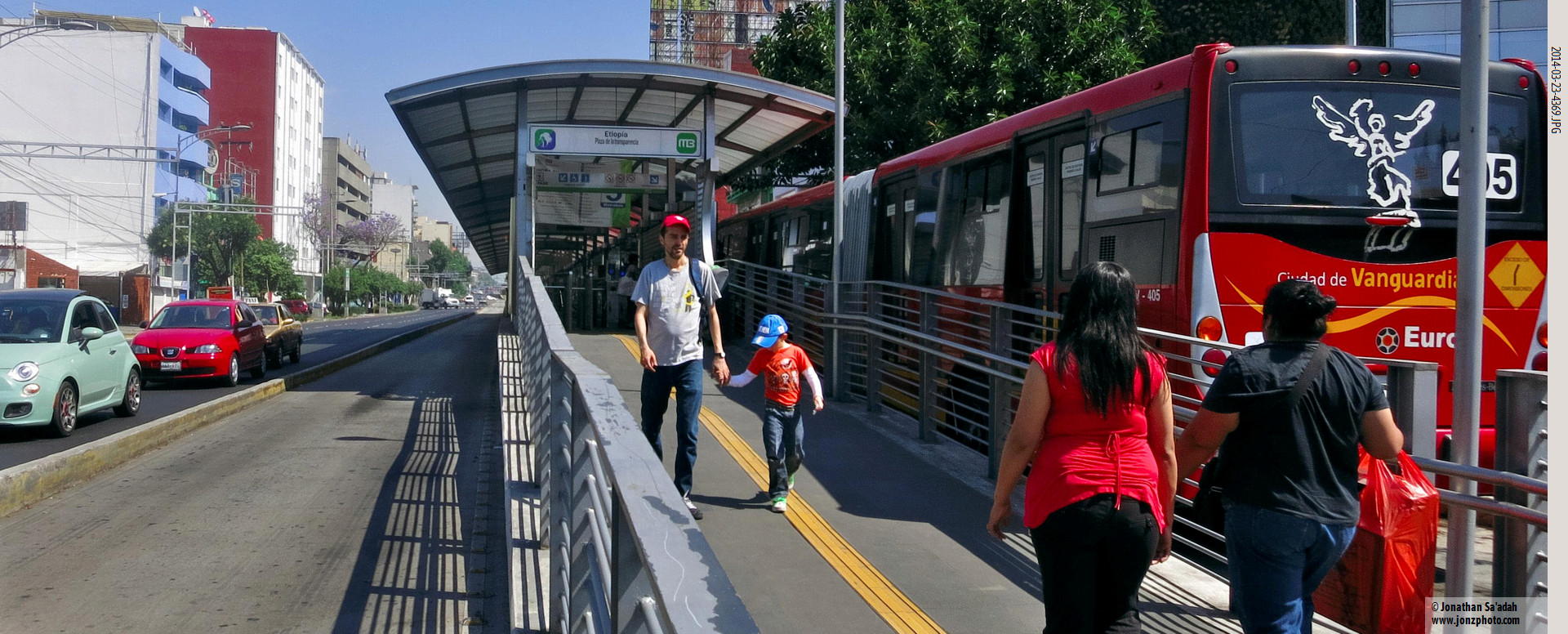
▲ Mexico City’s Metrobus System provides rapid transit with a two dedicated lane system. Multi-unit buses (some all electric) load in stations much like a metro line. Claudi Sheinbaum was instrumental in launching the system as Secretary of the Environment (2000-2006) under then-mayor Andrés Manuel López Obrador, who went on to be President, as she has too.
Next week: Housing. The Damascus photographs in this post are taken from a book I’m just finishing on an experience I had with my father, returning to where he was born.
Last weekend I was at a friend’s party in Montreal and sitting next to a man I had never met. It was noisy, a lot of people speaking excitedly and simultaneously, so the man leaned over towards me and asked me my name. I told him and he looked me straight in the eyes with narrowed pupils while still leaning forward, and let loose The Question: “what kind of a name is that”? I almost fell off my chair. I’ve been living in Canada now for twenty three years and I’ve never been asked that question. When I lived in the United States it was common follow-on to an introduction, but not here. He seemed kindly enough so I explained that my father was Syrian blah blah blah but I was pretty shocked, and I was (and I am) sorry that my multi-decade string of non-exceptionalist Canadian behavior has ended.
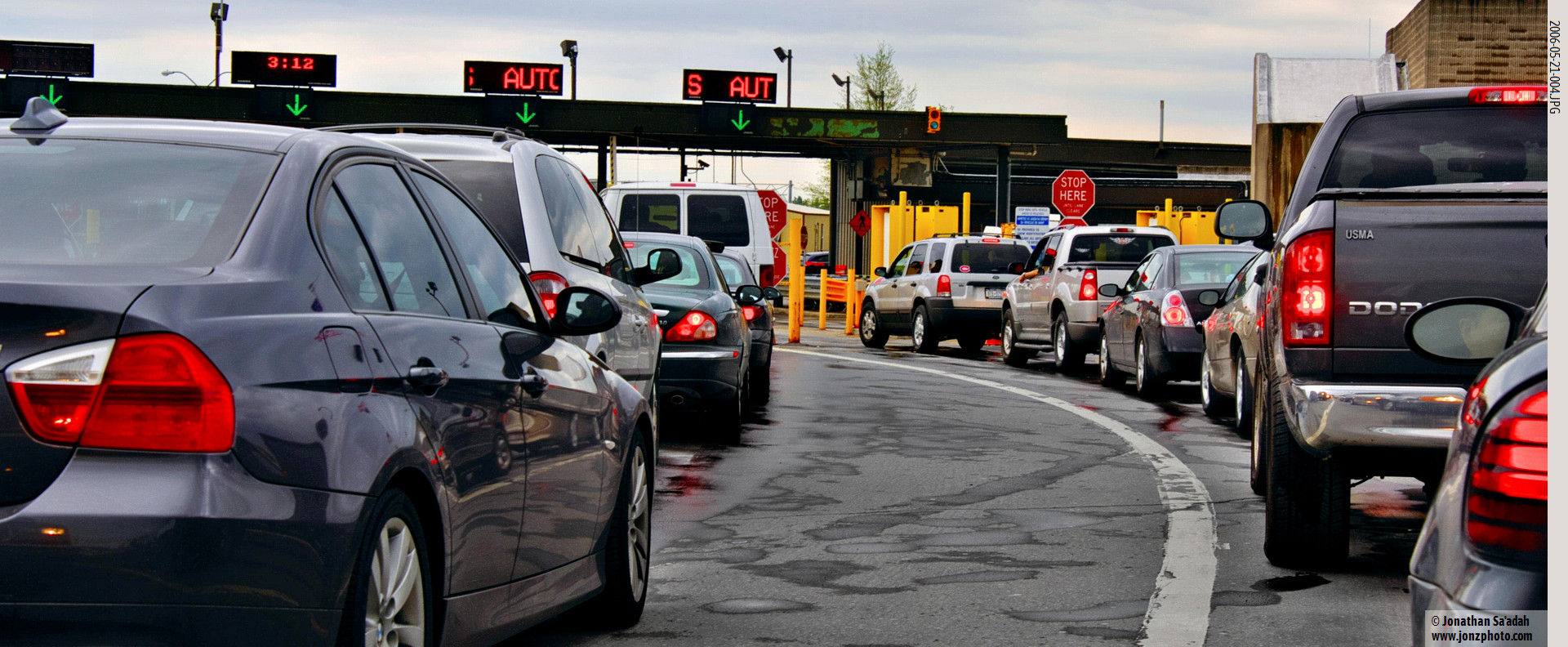
Canadian-US border crossing in different times.
Crossing the border
Yesterday my wife drove down to the Canadian/US border. We hadn’t gone across it since the new US president’s inauguration but she needed to have a paper notarized. Faced with the choice of either driving to Ottawa (183km) and presenting herself at the US embassy (50USD fee) or going across the border (100km) to the always-friendly town clerk in Champlain NY (∅USD), it was a no-brainer.
She found the main border crossing a desolate place, not a single other car waiting. There’s been a lot of talk in Canada about phones being searched and hostile border control guards, but she had no problem entering the US. Returning to Canada she was asked to roll down her back window and given a one-over, so it’s pretty obvious that Canada is not encouraging its citizens to enter the US. And why should it? Things have happened quickly since January 6, on both sides of the border, and a lot has changed.
A different view
As a dual Canadian-US citizen I get to see things from an unusual vantage point, having lived in the US until I was fifty, and then having lived more than two decades in Quebec. It’s only been during the Vietnam War, and now more recently, when some few Americans have looked seriously to Canada as an alternative place. We left earlier than the current wave, but for similar reasons – we saw what was coming, and thought that the move north to a saner country would be a good idea – even if we didn’t know quite what we were getting into.
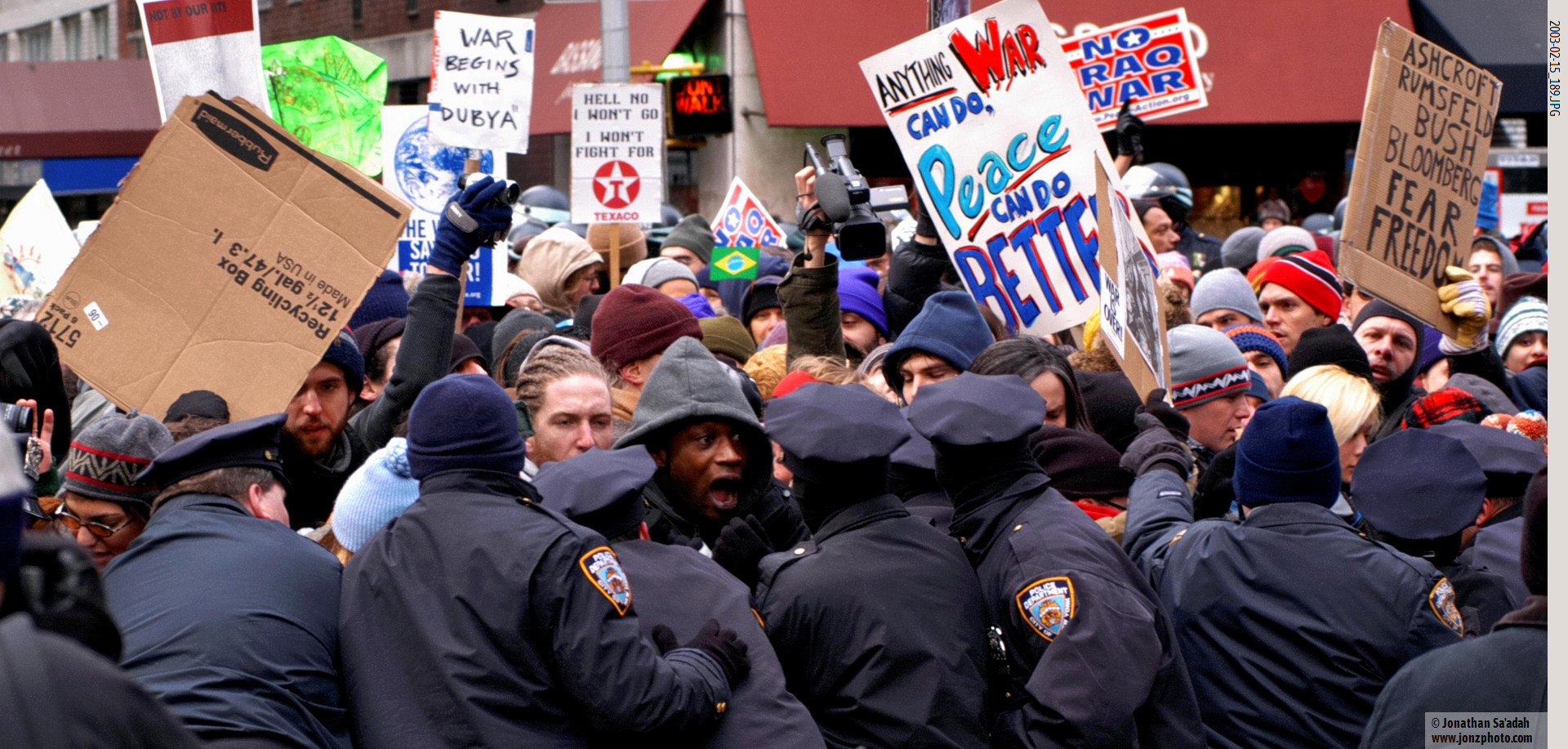
The lead-in to the second Iraq war, New York City demonstration February 2003. The names change, but the issues remain.
The federal election this week, where Mark Carney was elected the new Canadian Prime Minister, has capped a rude Canadian awakening to the dangers of sharing a border with a rogue elephant of a state. It’s been a revealing election. Nothing has done more to make me feel Canadian than this period, and the election results reinforced our choice (though we were pretty blind) in making Quebec our home province. The election vote stripped away the weepy rhetoric that often prevails in Quebec, and what was revealed was a province that supported Carney and the Liberal government (43%) versus the American-Elon-Musk inspired Conservative party of Pierre Poilievre (23.4%) by a margin not even closely matched in any of the other provinces. In December of last year you would have been hard pressed to find anyone in the province who would call themselves a Liberal. That’s an exaggeration, but not much. So it’s been quite a change. I don’t see Carney quite as positively as I’d like to, but I was still pleased.
Prior to Trump II many Canadians possessed a romantically foggy view when looking south. So the last few months have been like the breakup of a formerly “idyllic” marriage: first disbelief, then anger. Trump’s ascendancy this time has only been lightly garbed in reality show politics. His second ascent represents an amplified and aggressively threatening continuation of the bullying conservatism that, over the years, has shown its face in many guises – from the blatant McCarthyism of the Forties and Fifties, through the filth and duplicity of Nixon, morphing into the smoothly front-facing corporate faces of Reagan and the Bush family. That’s not even getting into the Democratic side, which has had its share of failings too. The toxicity has always been around, either in the foreground or just below the surface. The difference now is that it’s fully out and fully vengeful, with a clear road map driving its behavior. Whether Trump II will “succeed” in its destructive course is no longer in question, the damage has already been widespread and generational in scope. The question for us in Canada is how to minimize its effect while steering a way through the geo-political/economic storm. Even if the US courts reign in the Executive branch, and Congress reasserts itself instead of playing dead, trust has been broken. Canada has largely been able to avoid the militarization of society and social breakdown that’s been happening in the United States for decades. However, even though the economic consequences of tariffs have been enough to dramatically accelerate political change here, dealing with them is nothing compared to prospect of having to deal with an increasingly aggressive and politically fragmented country thrashing around to the south. That’s the scary prospect. Let’s hope a path can be found, both internally in the US as well as for us and others.
I think of myself as having grown up in Vermont, but there was a stint of four years when I also lived in Wallingford, Connecticut. It was the Sixties and Wallingford was a gritty industrial town outside of New Haven. It was home to a lot of Italians and also a big silver company. By the time my parents moved there the silver company was gone, and the Italians were not. What was left was a polluted lake with condoms floating in it, and a poor town with a very rich prep school where my father taught.
Not far outside Wallingford is a town called New Britain. A guy who taught me a lot about photography came from there, where he grew up drag racing Cameros and working on being as offensive to his family as he could be. It was understandable, really. He had gotten drafted into the army and sent to Vietnam, and in the process had developed a severe case of sarcasm and disrespect for the American government, which spilled over into a distaste for his waspy family. He associated his parents with the war, and considering how they had brought him up it probably was not an unfair attitude. In any case, he had gone to Rochester Institute of Technology and was an excellent, if somewhat demented, photographer and he was generous enough to teach me a lot about the craft of printmaking.
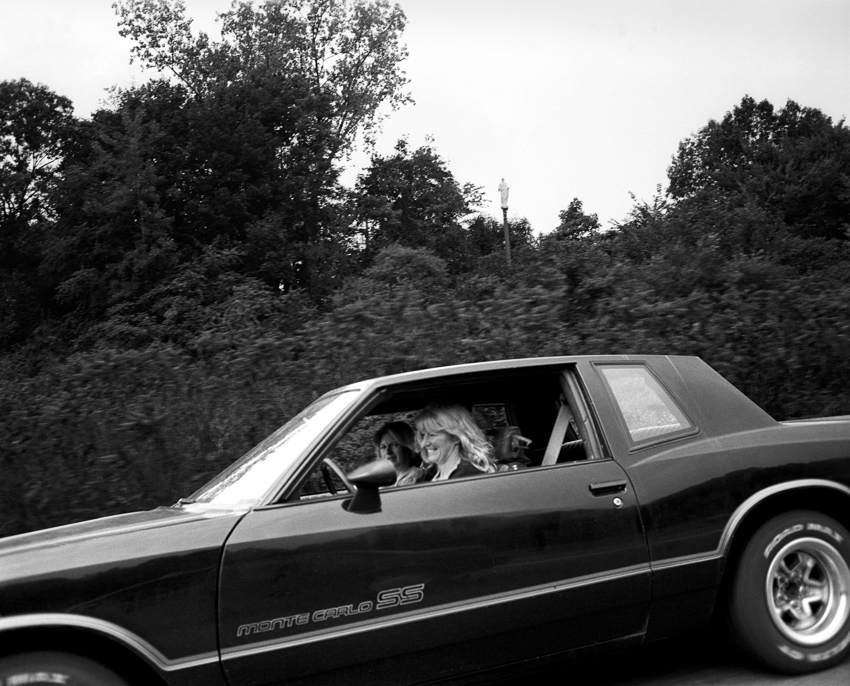
Girls in Monte Carlo SS just north of Hartford, CT (1996)
One of the things that got me about him was always how close he was to physical conflict with people. He spouted loud anti-Semitic views at me, probably figuring that I wouldn’t mind but forgetting I was one of those too. His family was well off, but he had been hurt by the Vietnam experience and you could tell it – his eyes didn’t quite line up and he had a nasty anger that came out, especially when he was stoned – which was often. To him everything was Spics, Jews, Wops and Rag Heads, and all of them were after a part of the country that he owned. Or at least he felt that his family had owned until he got screwed by the government.
In any case, he was five or ten years older than I was and I kept my mouth shut mostly until the end, when (many years later) we got in a big fight over some comments about Rag Heads and that wrapped things up. But one of the lessons I learned, besides photographic printing, was that in order to get along I needed to suppress what ever ethnic background I felt was mine and pretend (as best I could!) that I too grew up drag racing Cameros on the Berlin Turnpike. I hadn’t, though and it always felt a bit off. I had a slant-six Dodge Dart which was a durable and practical car but not exactly on the sporty side.
I spent this morning in the basement of a big hospital getting scanned. I find that Canada is quite different in that there’s a lot of noise about privacy but when you’re in a situation like that you’re thrown in much closer with people who have cancer and other really significant diseases and the doors aren’t closed – you are quite aware of what’s going on around you. So when I had a break of several hours I went to visit a couple of good friends near the hospital and have breakfast with them. They have just adopted a child who brought me dolls and animals and then her pottie, all in a friendly effort which included hugs and even a kiss, which were new for me from her. My friends had adopted her a few months ago, and she came from far away, bringing with her who knows what traumas that were part of her almost four year old history. So looking at her dark, round face as she happily munched on part of a croissant across from me made me feel good, and certainly contrasted with the other end of the day.
My friends are not unusual for Montrealers. In our neighbourhood you see quite a few couples, as well as their children, who are racially and ethnically contrasting. I’m always surprised at how good this makes me feel, and so it’s probably no surprise that when Justin Trudeau was elected and made his announcement about welcoming Syrian refugees it was to some degree solace for the trauma of living through years of the Harper government here, and ethnic jokes and tension in the US.
I like going to Mexico and being in the culture there. I feel a certain bond with the people, even it’s just one sided. I don’t fit in wiht my Syrian and Armenian blood. But until coming to Canada I was used to being in a Rag Head minority, and I think that Mexicans are used to getting constantly judged. Not only in North America, but unfortunately even in their own country where a lot of social position revolves around skin color.