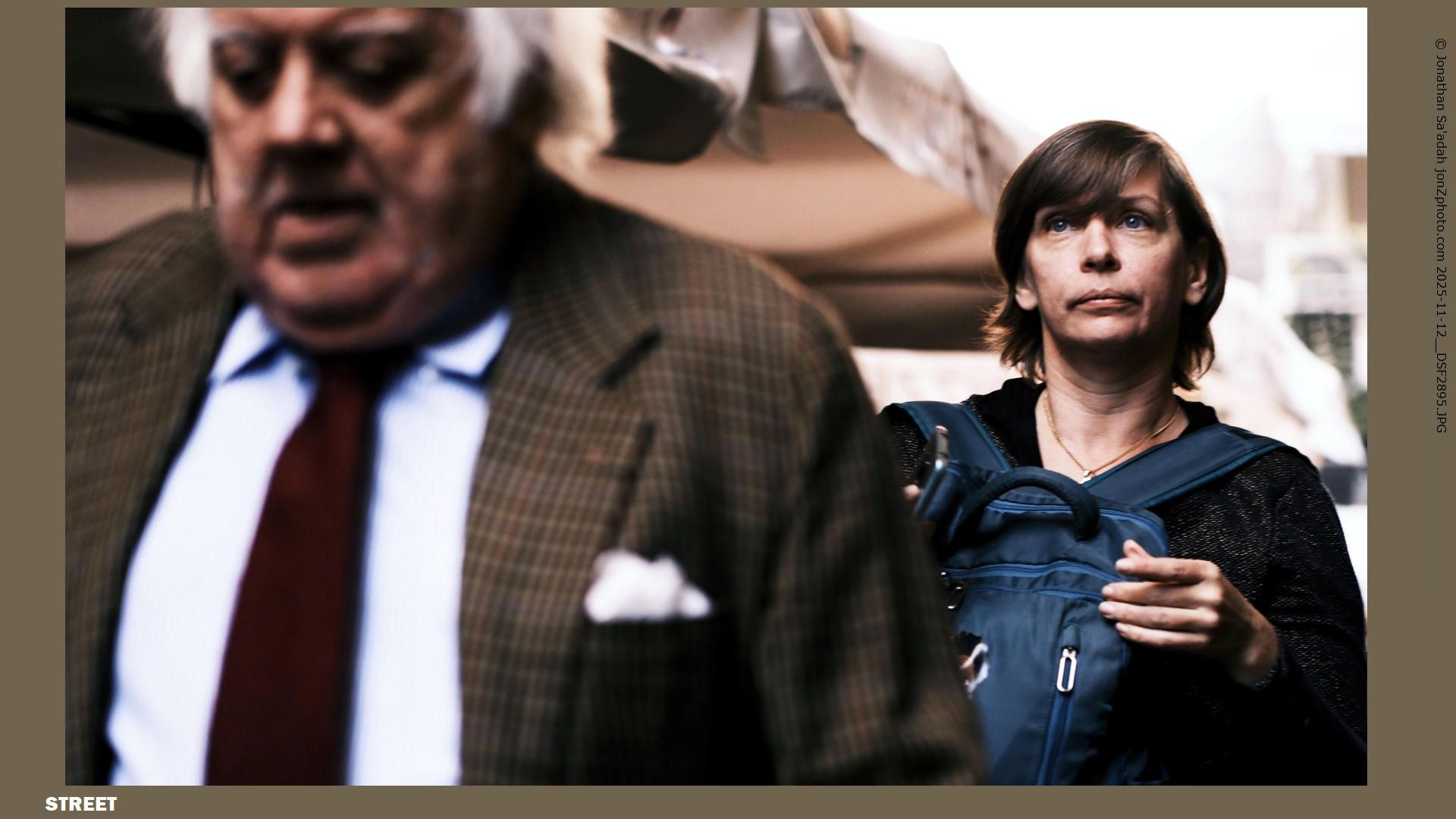
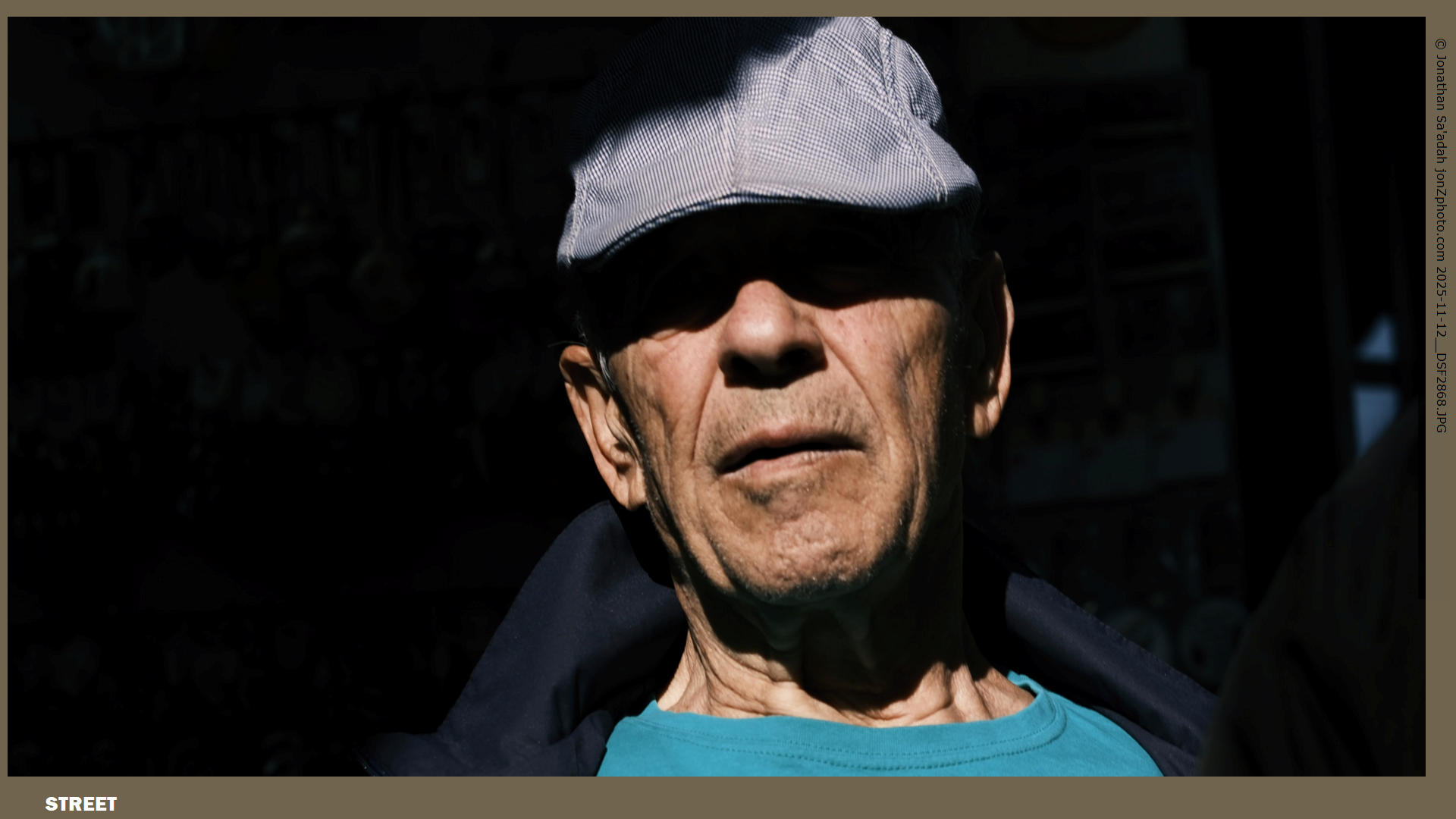
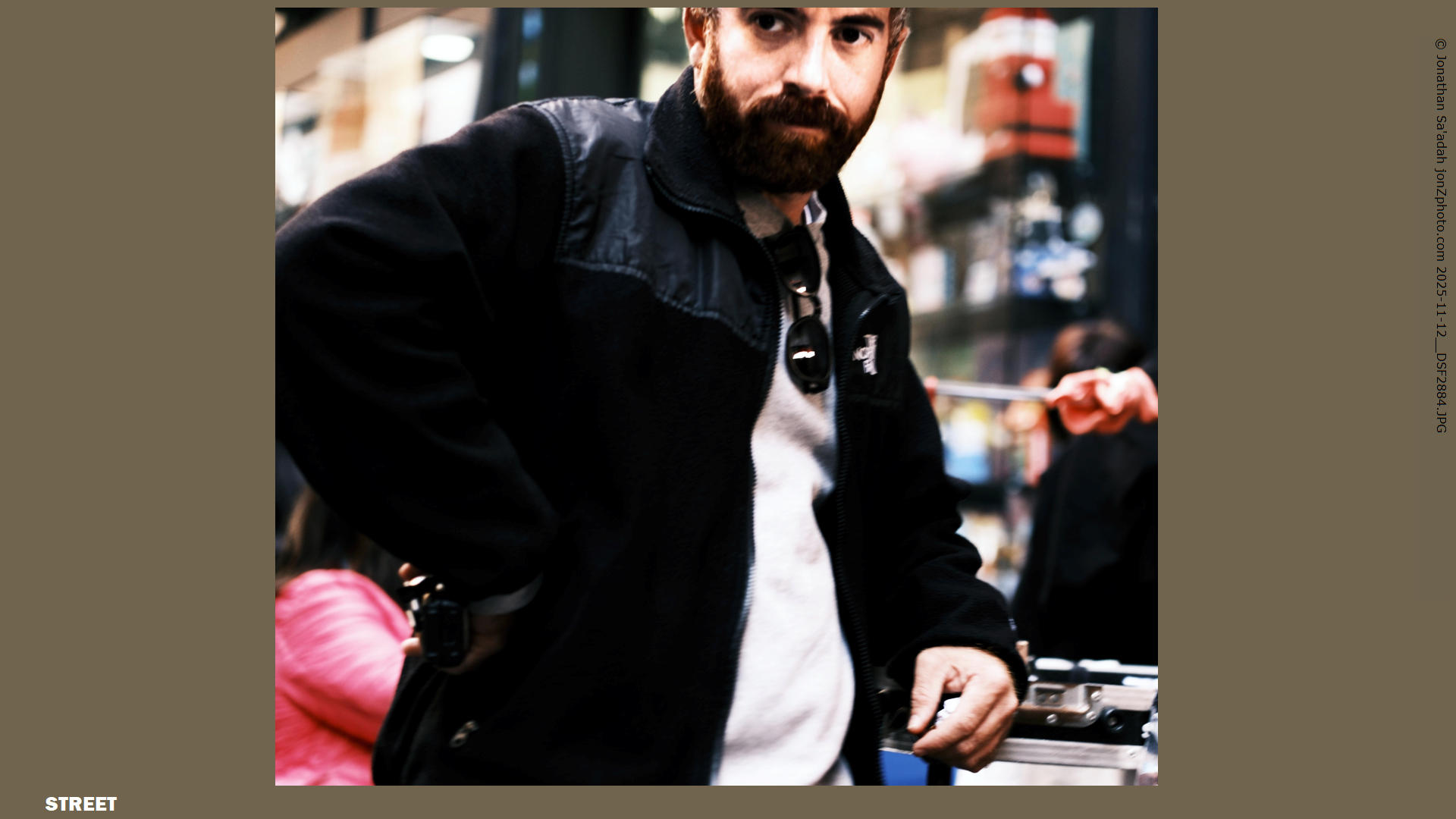
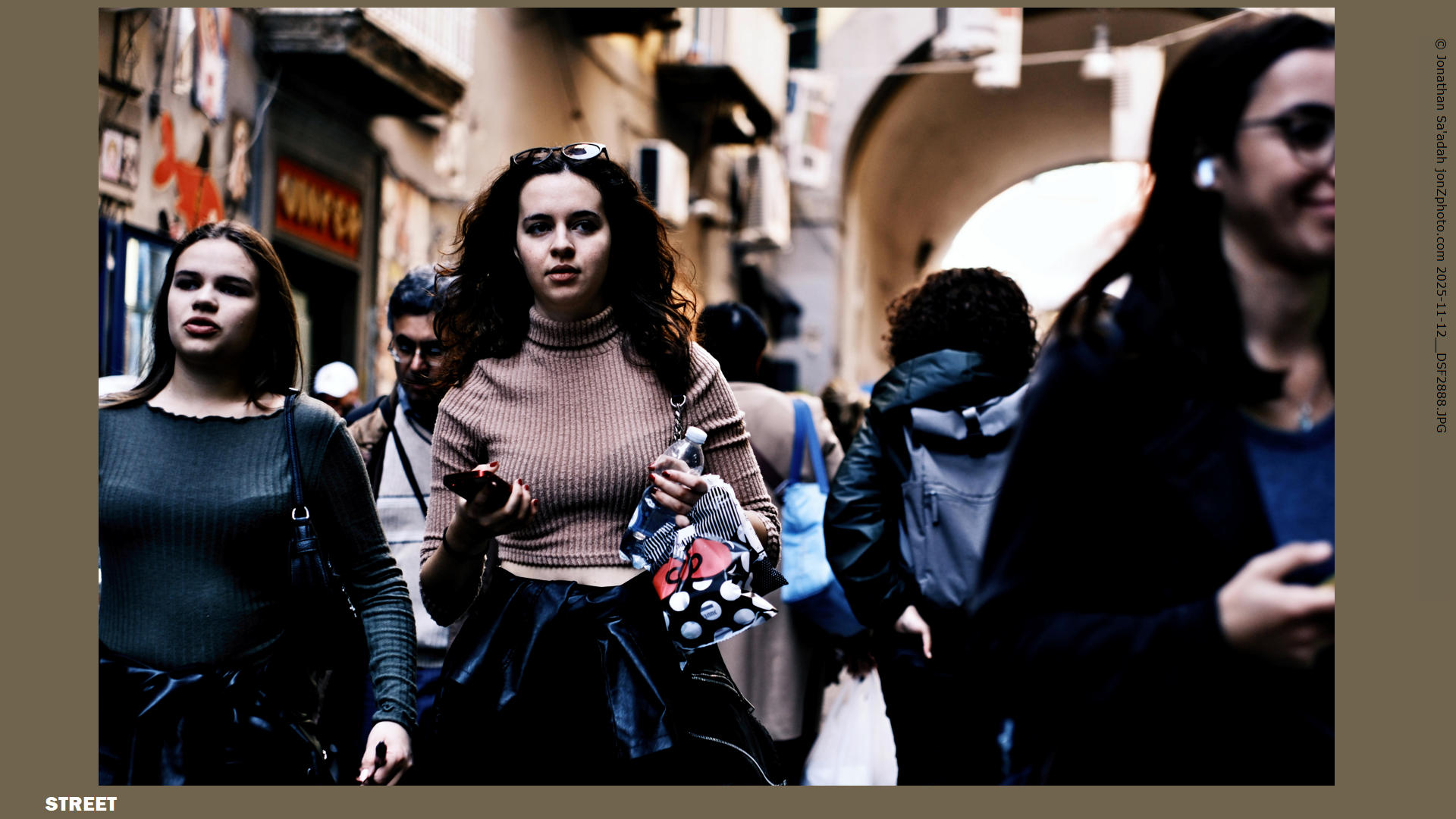
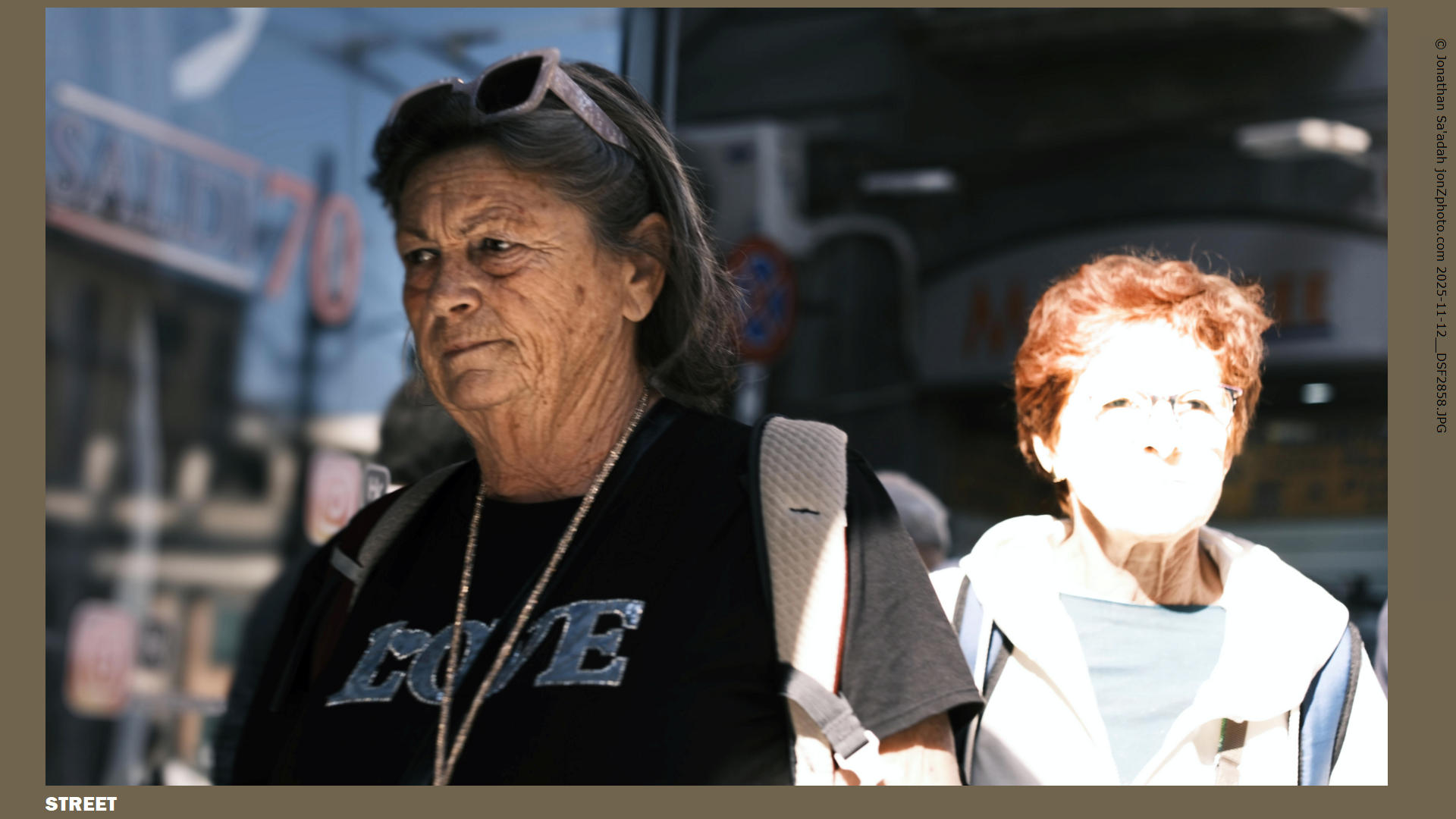
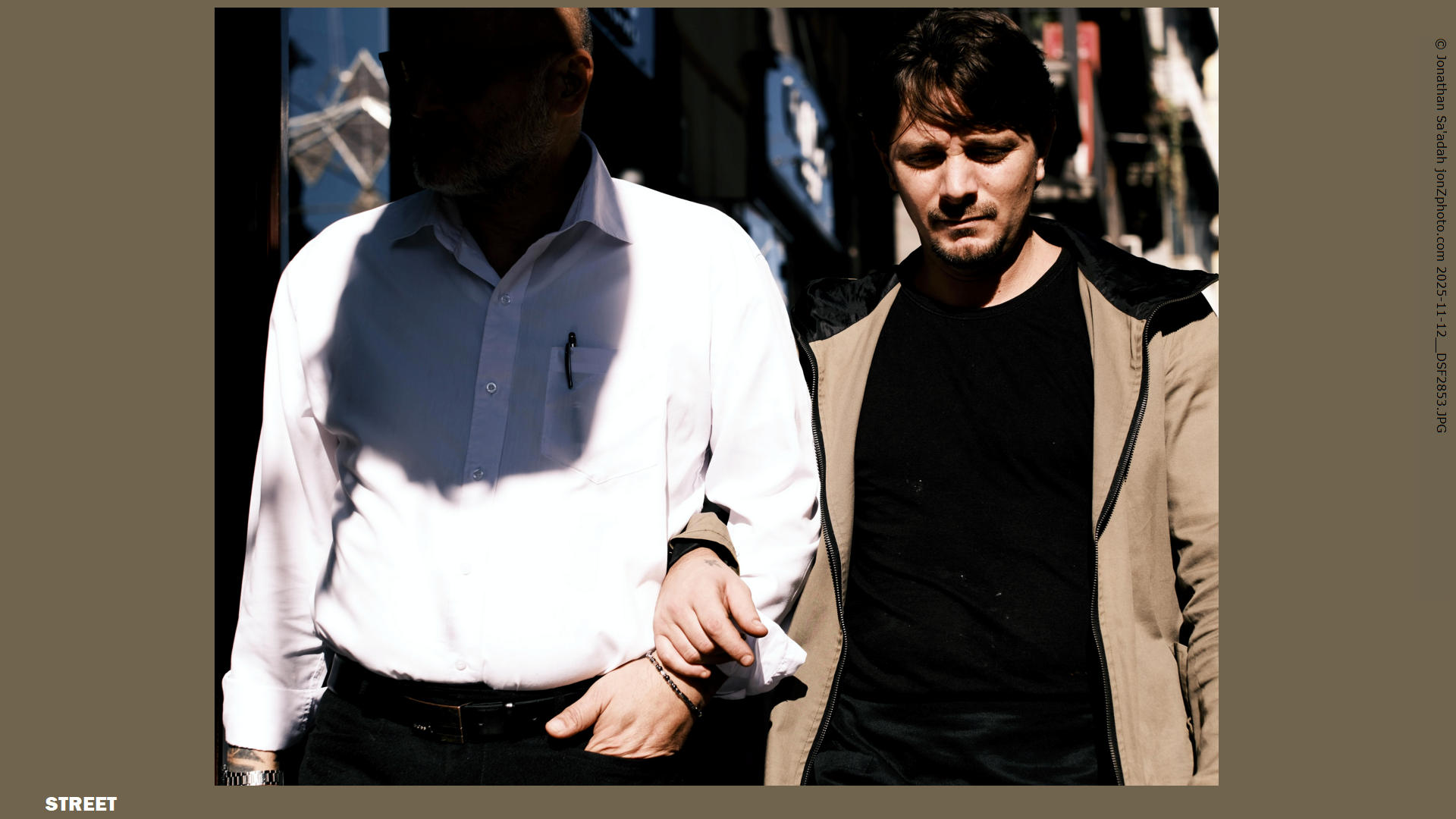
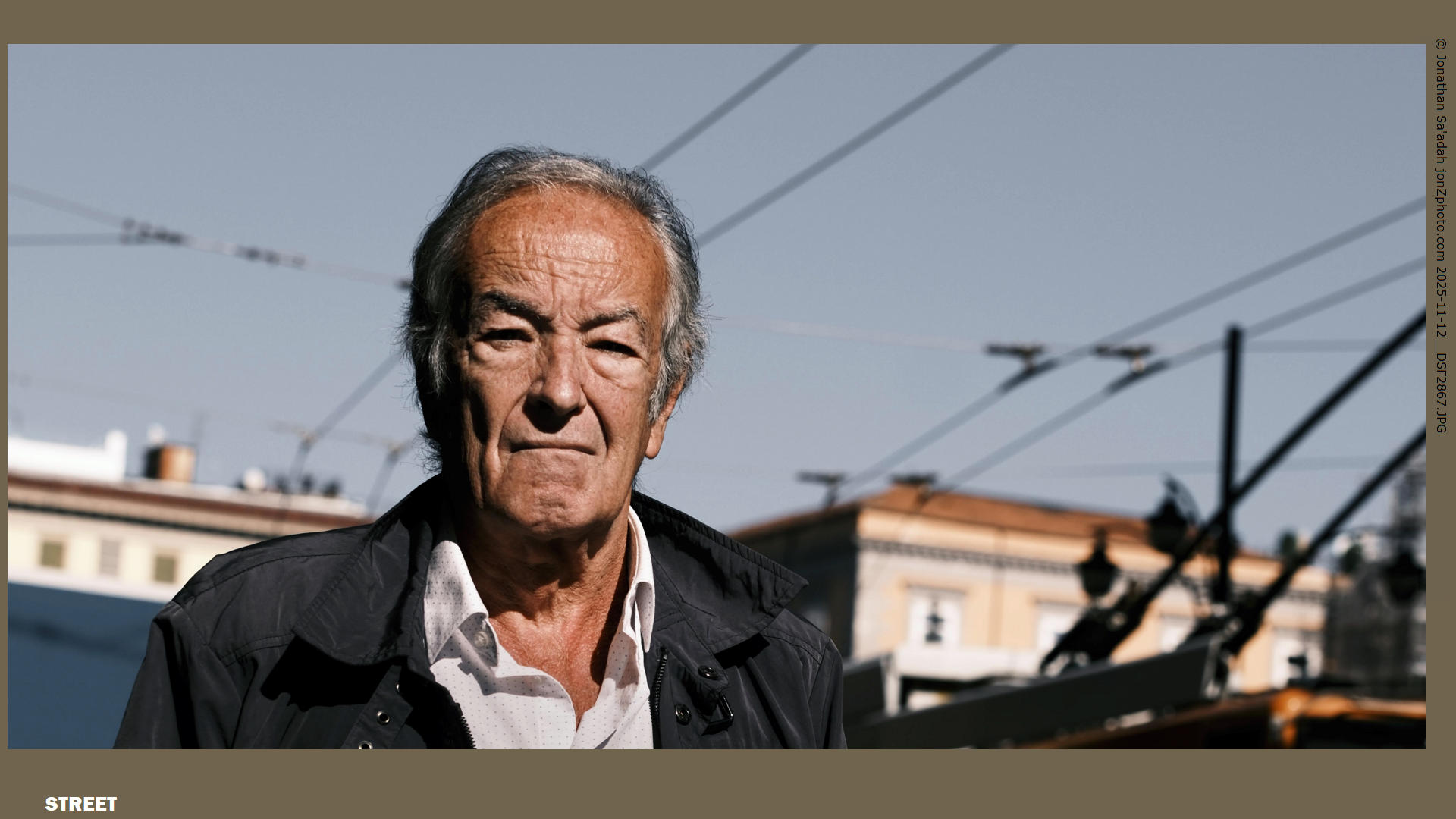
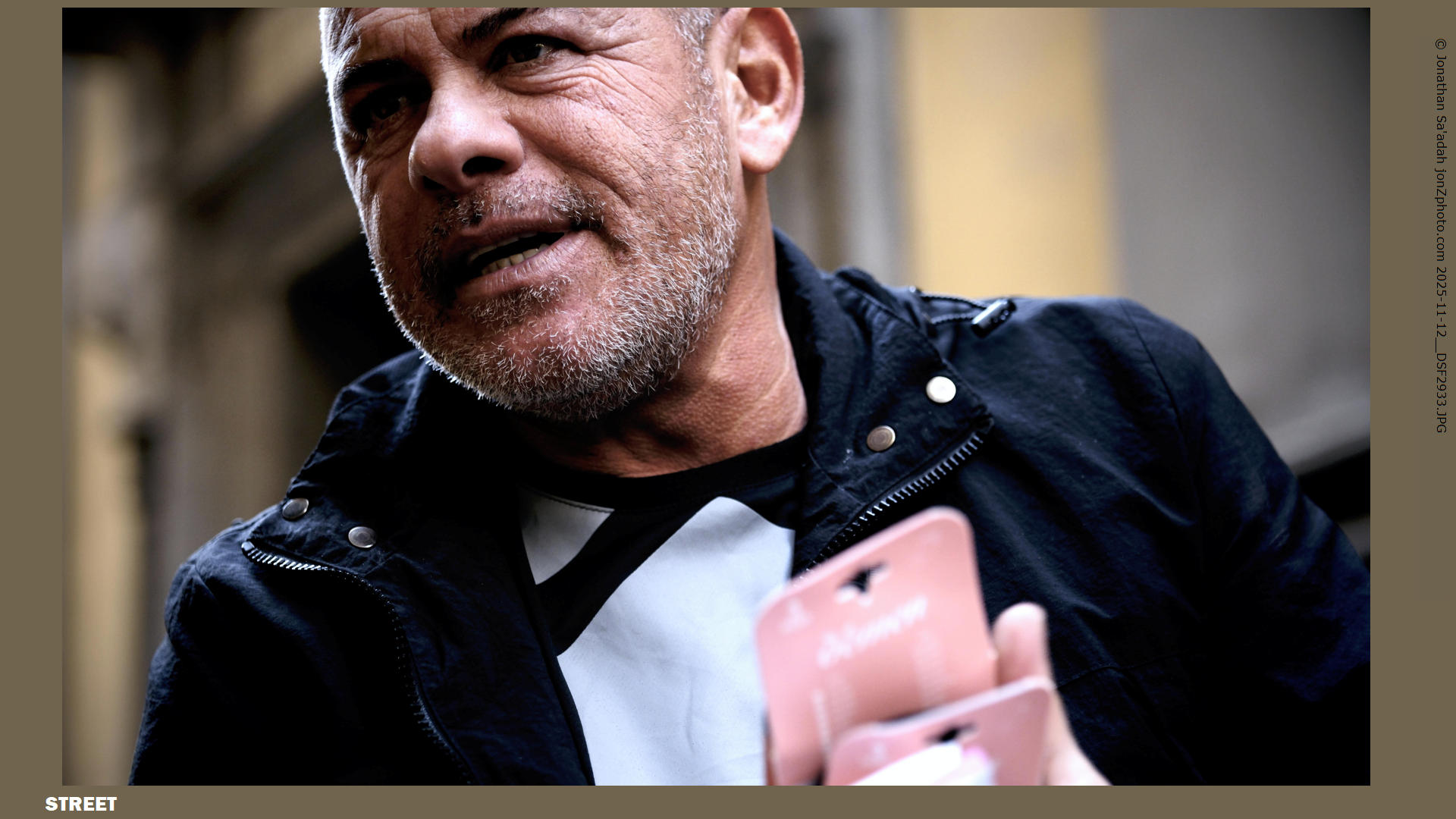
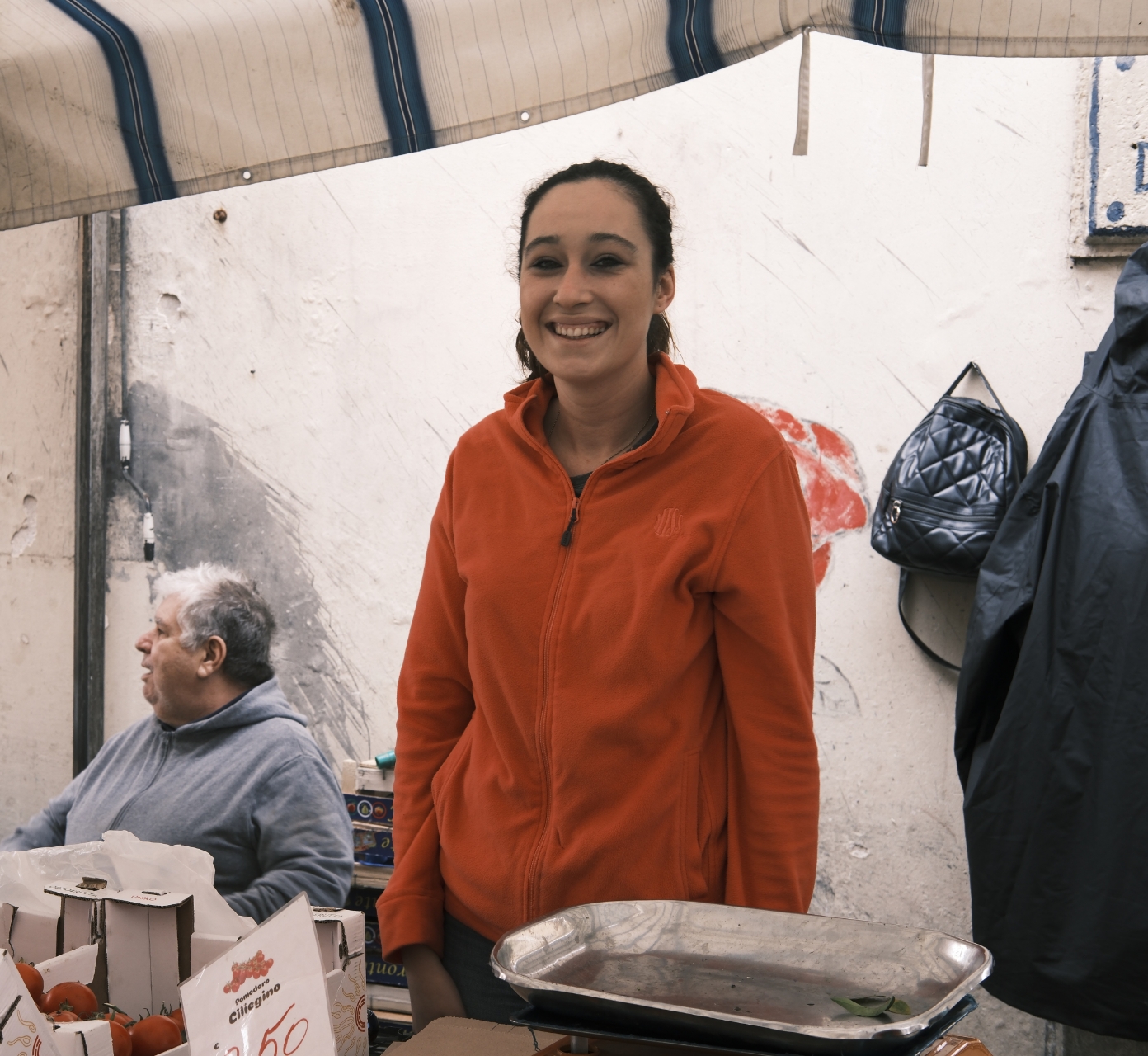
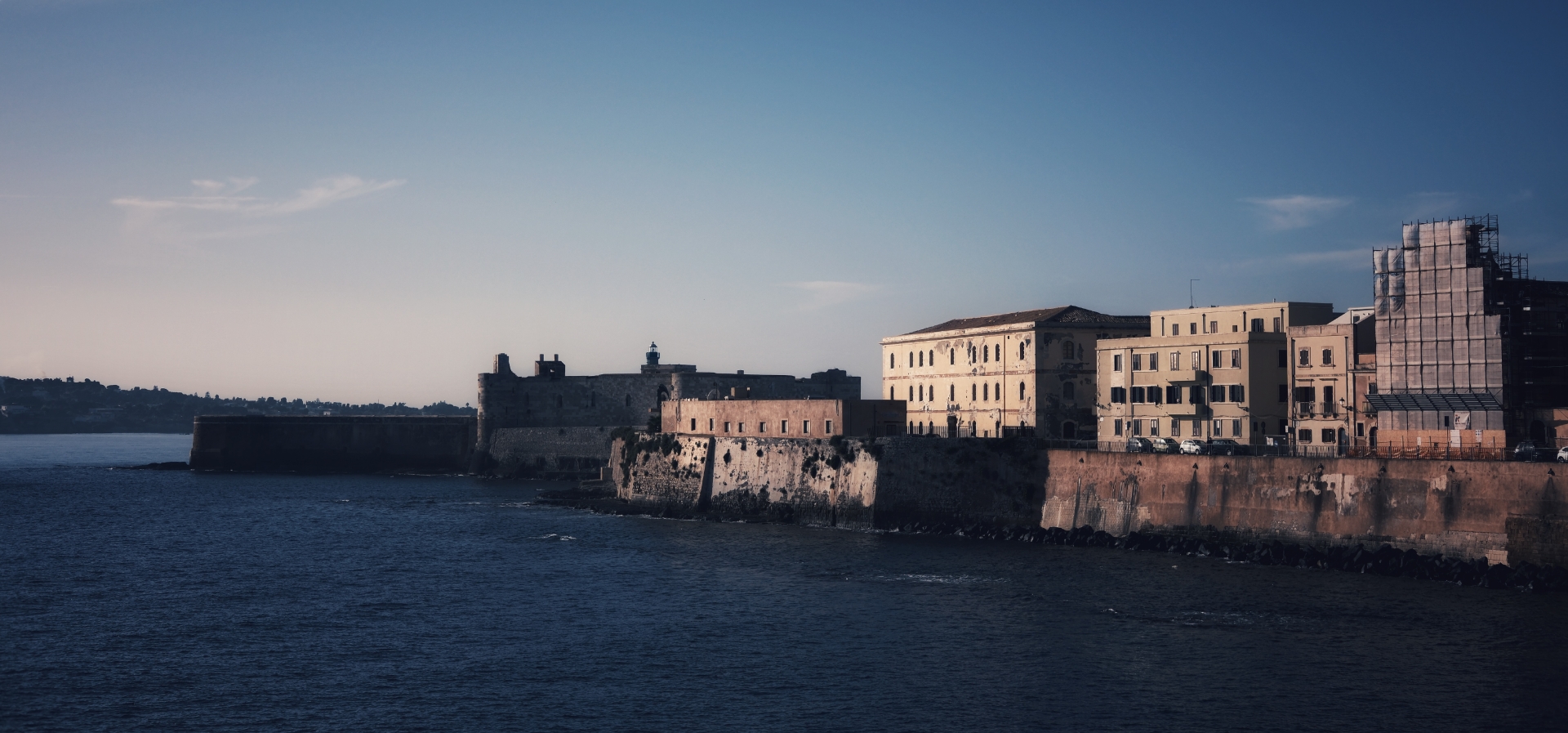
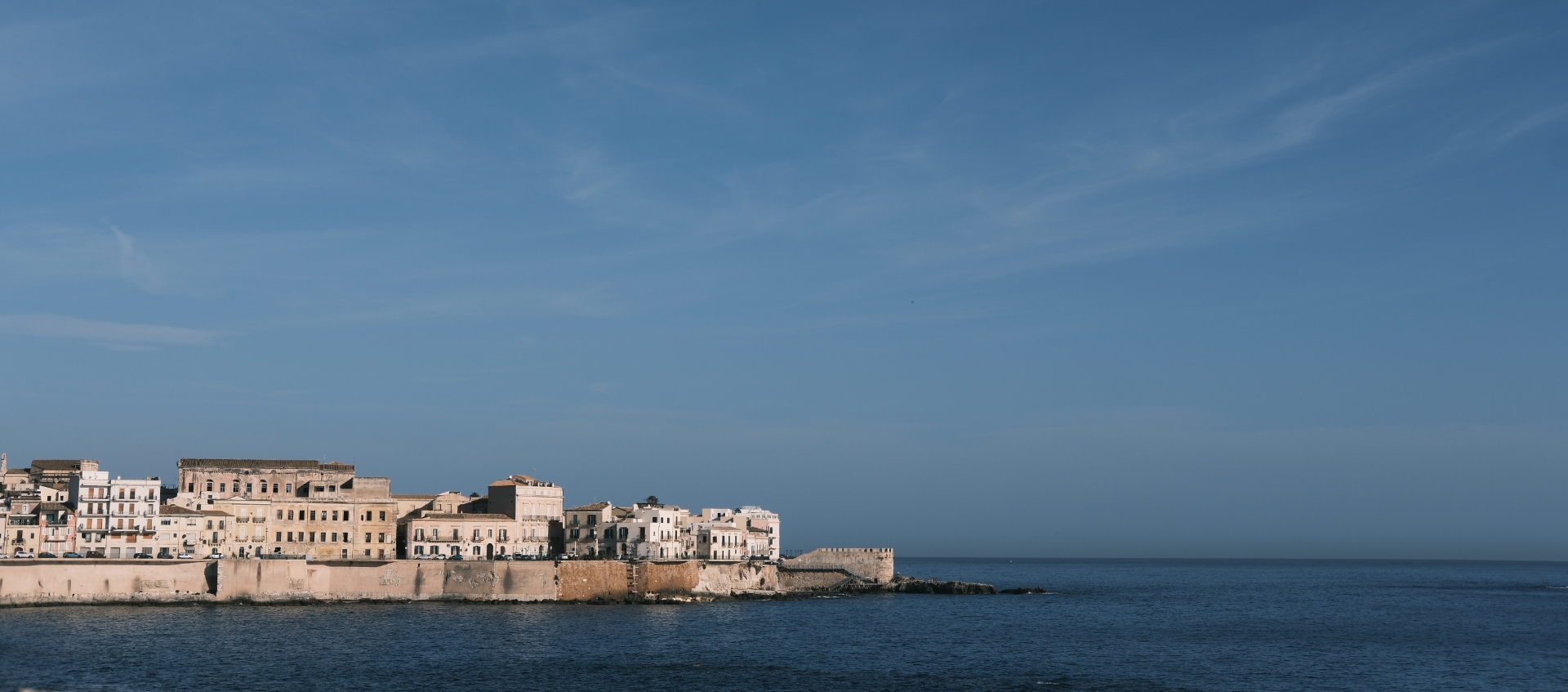
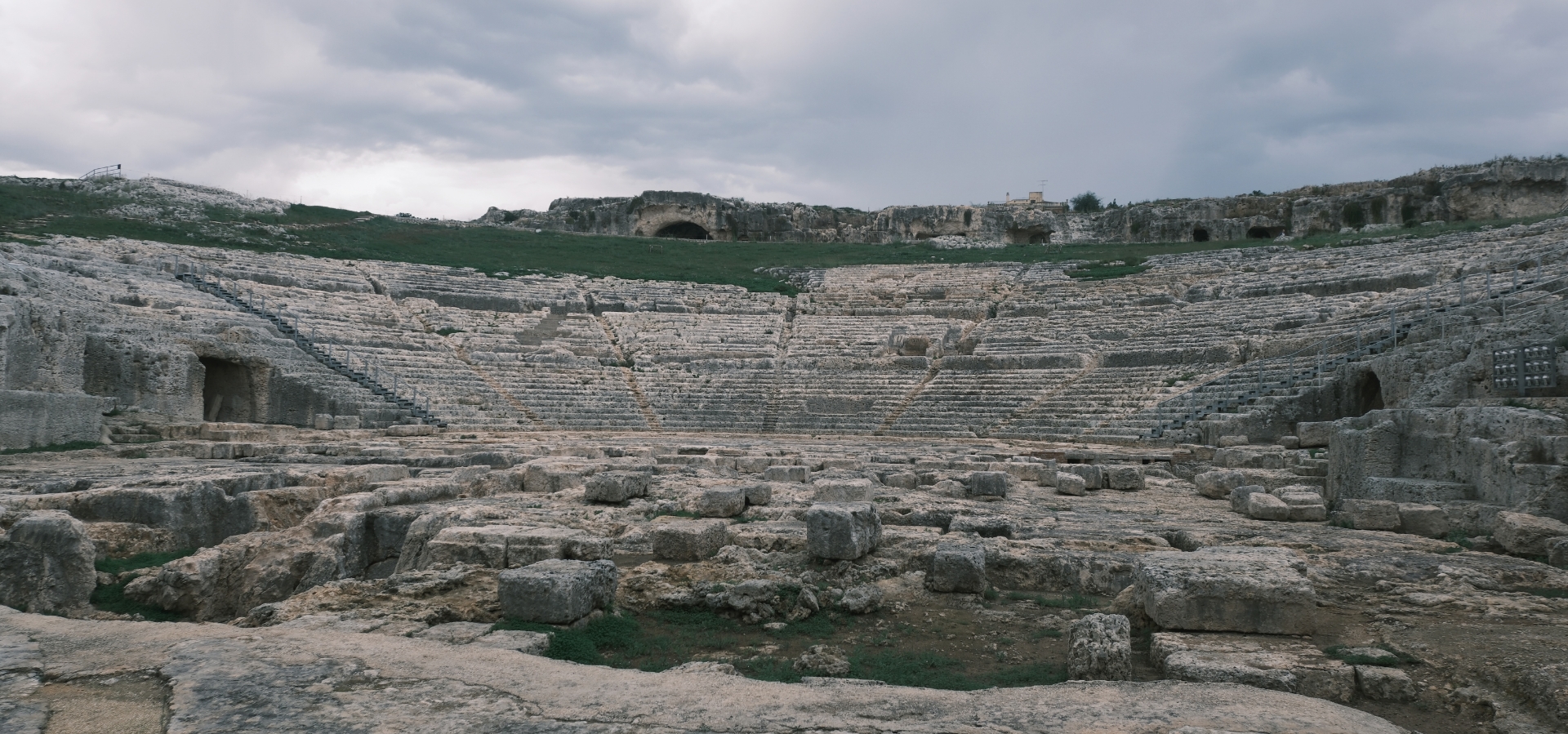
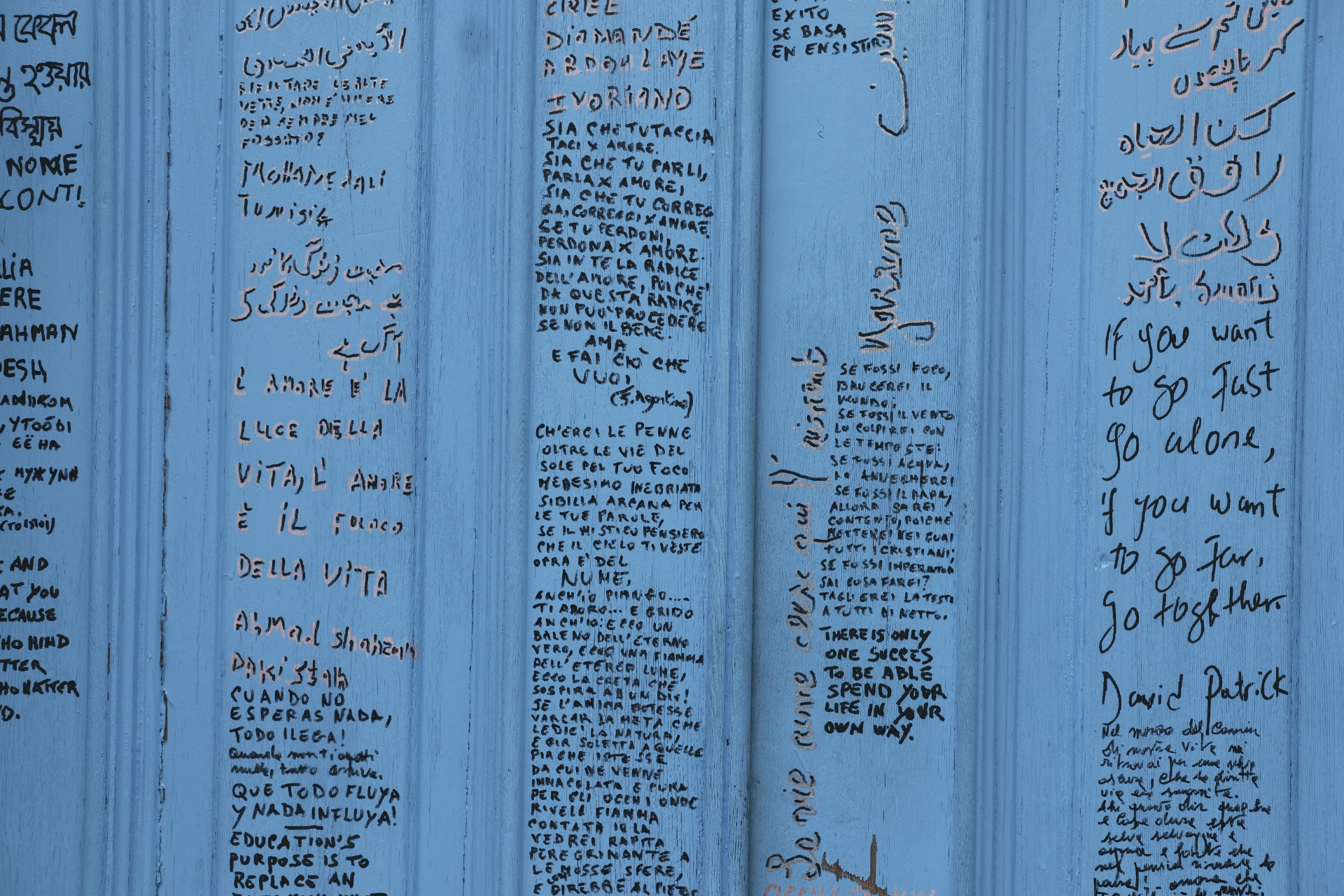
Looking over these portraits I realize just how passionate each of these people is about their work, and that’s undoubtedly what draws me to photographing them. There’s an exception in Neneh Cherry, who is shown as a child, but even then she was madly creative. There’s a lot of creativity in this group!
This gallery is not published.Category: Photography
-
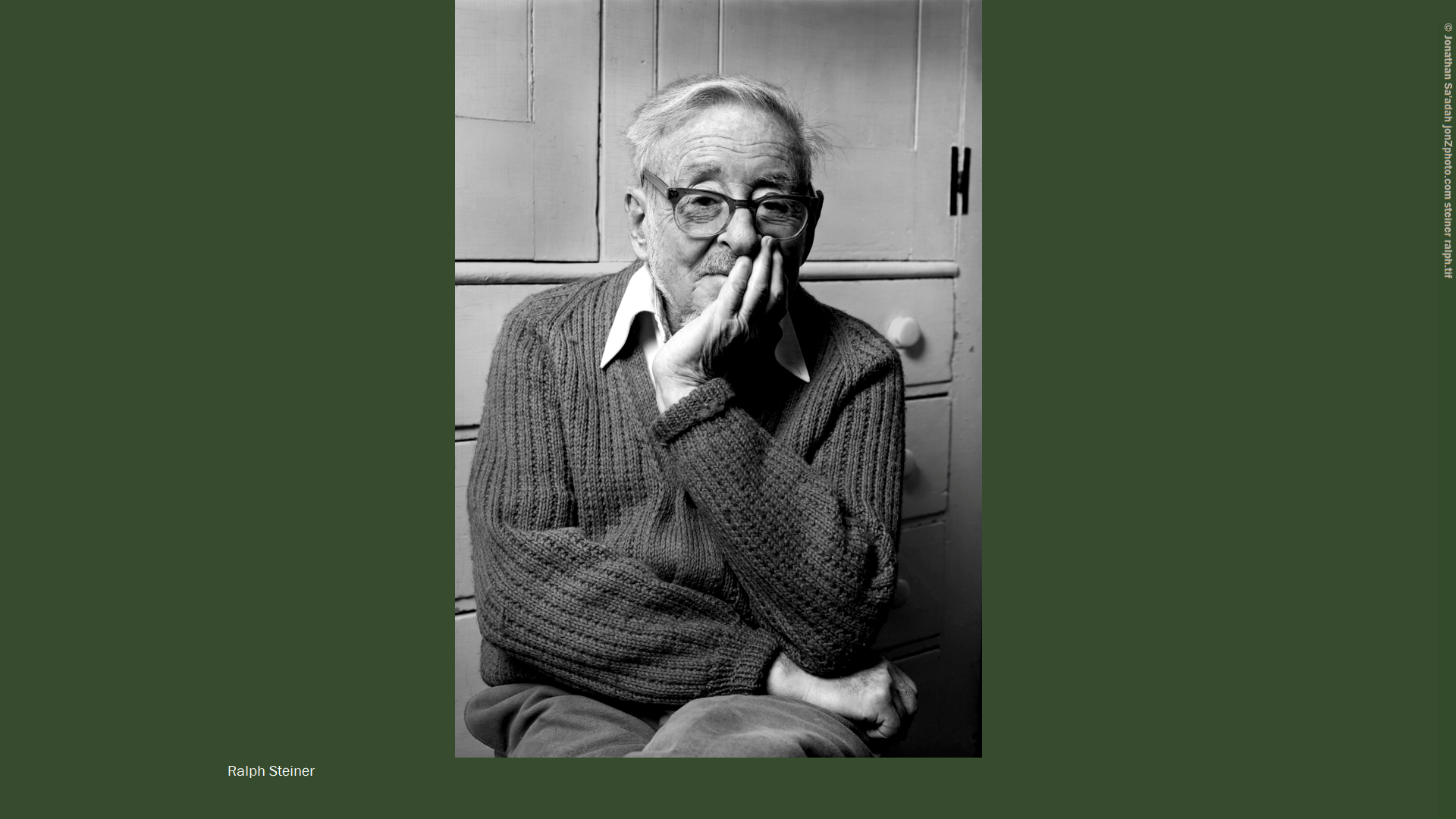
The Memory of Presence: Portraiture
Almost as soon as I picked up a camera, I began photographing people. For a naturally shy boy, it became an easy and natural way to start a conversation – one that didn’t rely entirely on words. The camera offered a kind of permission: to look, to observe, and to engage with others in a way that felt both purposeful and safe. I photographed friends, family, and those closest to me – mostly people who were part of my everyday life. At the time, I may not have fully understood why, but there was already a sense that these moments, and these faces, mattered.
Sometimes I wonder how much that instinct has really changed. The circle of people I photograph has grown over the years, extending beyond the familiar into wider and more varied encounters. Yet at its core, the process remains the same. Portraiture, for me, is still grounded in a kind of exchange – a quiet conversation between the photographer and the person in front of the camera. It is in that exchange, however brief or subtle, that a photograph begins to take shape. When it works, the result feels shared, as though both people have contributed something to its creation.
That said, the outcome is not always immediately welcomed. Not every photograph is liked, even by those closest to me. Friends and family have sometimes reacted with hesitation or discomfort when seeing themselves in an image, particularly when the photograph reveals details they would rather ignore – wrinkles, blemishes, or features they feel self-conscious about. These reactions are familiar and deeply human. We are often our own harshest critics, especially in the present moment, where self-awareness can feel magnified.
And yet, time has a way of reshaping that relationship. Photographs that once felt unflattering or difficult often soften in meaning as the years pass. Distance allows us to see ourselves with more generosity, or at least with less immediacy. The details that once seemed like flaws become part of a larger whole – evidence of a moment, a phase, a version of ourselves that no longer exists in quite the same way. In this sense, photography benefits from time just as much as it records it.
Time, of course, does not simply pass – it accumulates loss as well as memory. Many of the people I have photographed are no longer alive, and the images that remain have taken on a weight I could not have anticipated when I first made them. What may have once felt casual or routine becomes irreplaceable. A photograph transforms into a trace of presence, something that endures beyond the physical world. This enduring quality has always been one of photography’s most powerful attributes: its ability to hold onto what cannot be held otherwise.
Because of this, portraiture carries a quiet responsibility. There is always a challenge in taking a living, breathing human presence and rendering it into a still image that retains some emotional truth. A photograph inevitably simplifies, but when it succeeds, it does not feel reductive. Instead, it feels concentrated – like something essential has been distilled and preserved.
When that happens, the image becomes more than a likeness. It becomes a memory, not only for those who knew the person, but potentially for anyone who encounters the photograph. Even without context, a strong portrait can resonate, suggesting something universally recognizable in a specific individual. In that way, what begins as a personal act – photographing someone you know – can extend outward, becoming something shared, something lasting, and something quietly meaningful.
This gallery is not published. -
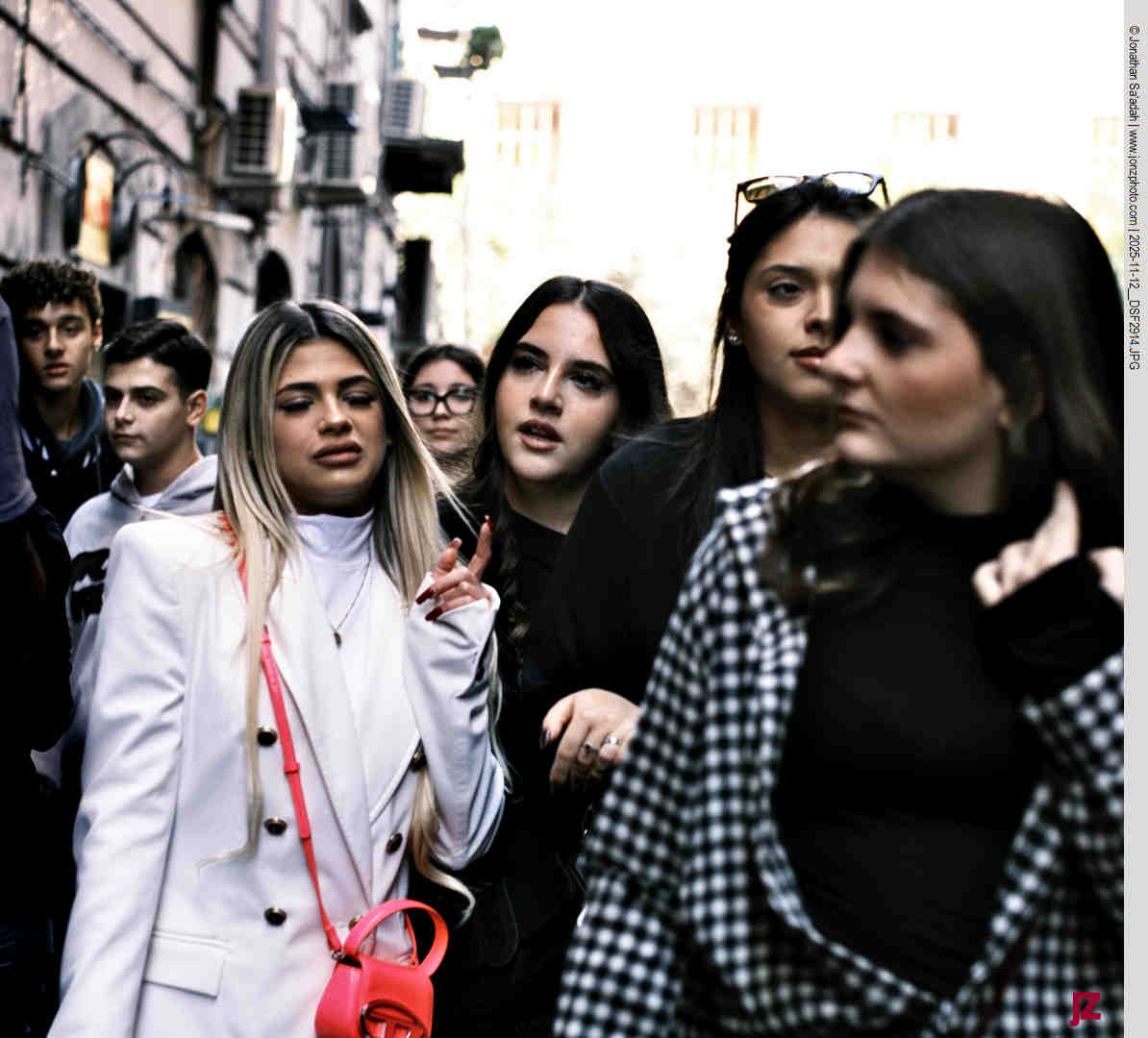
Serendipity
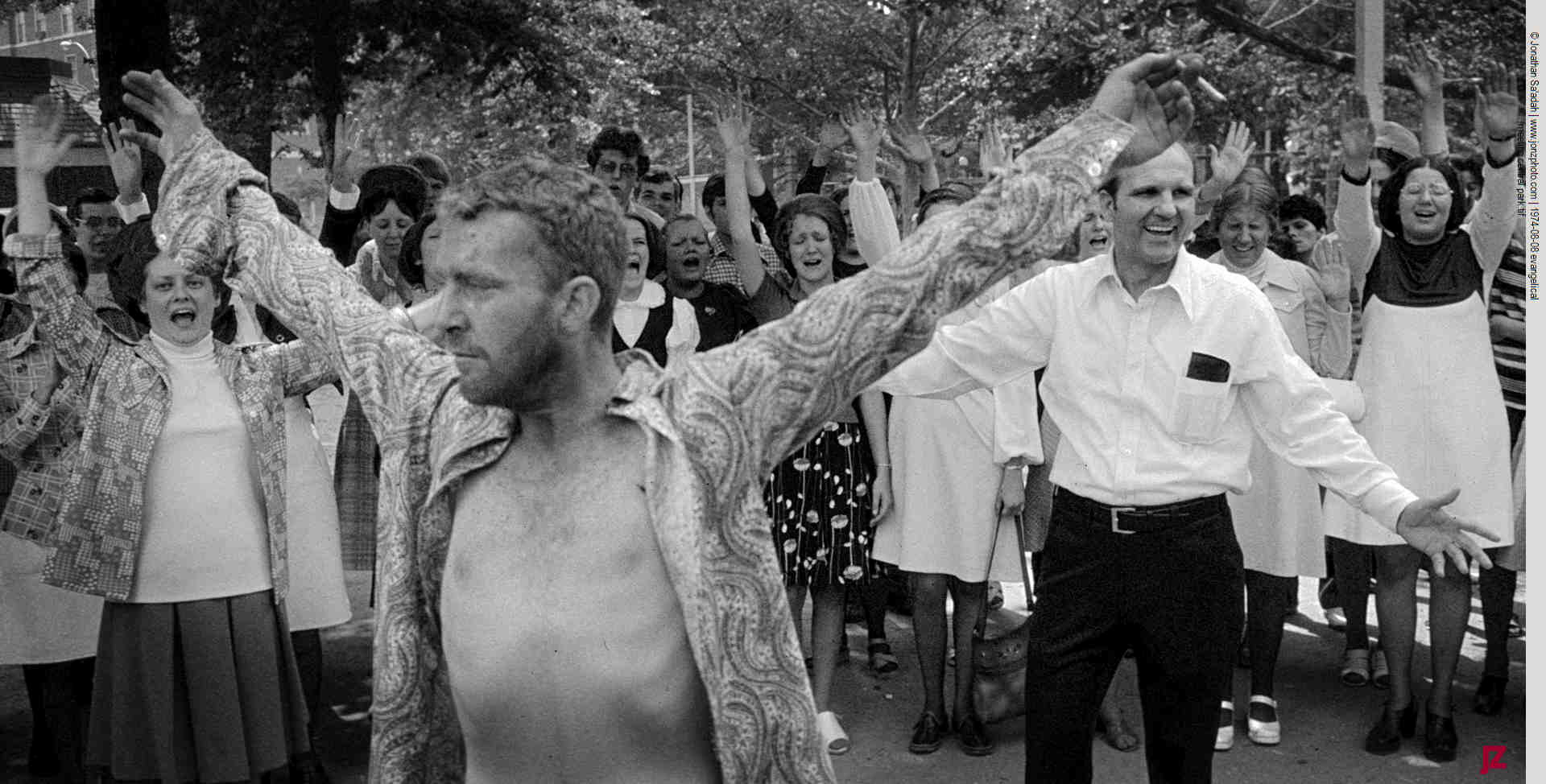
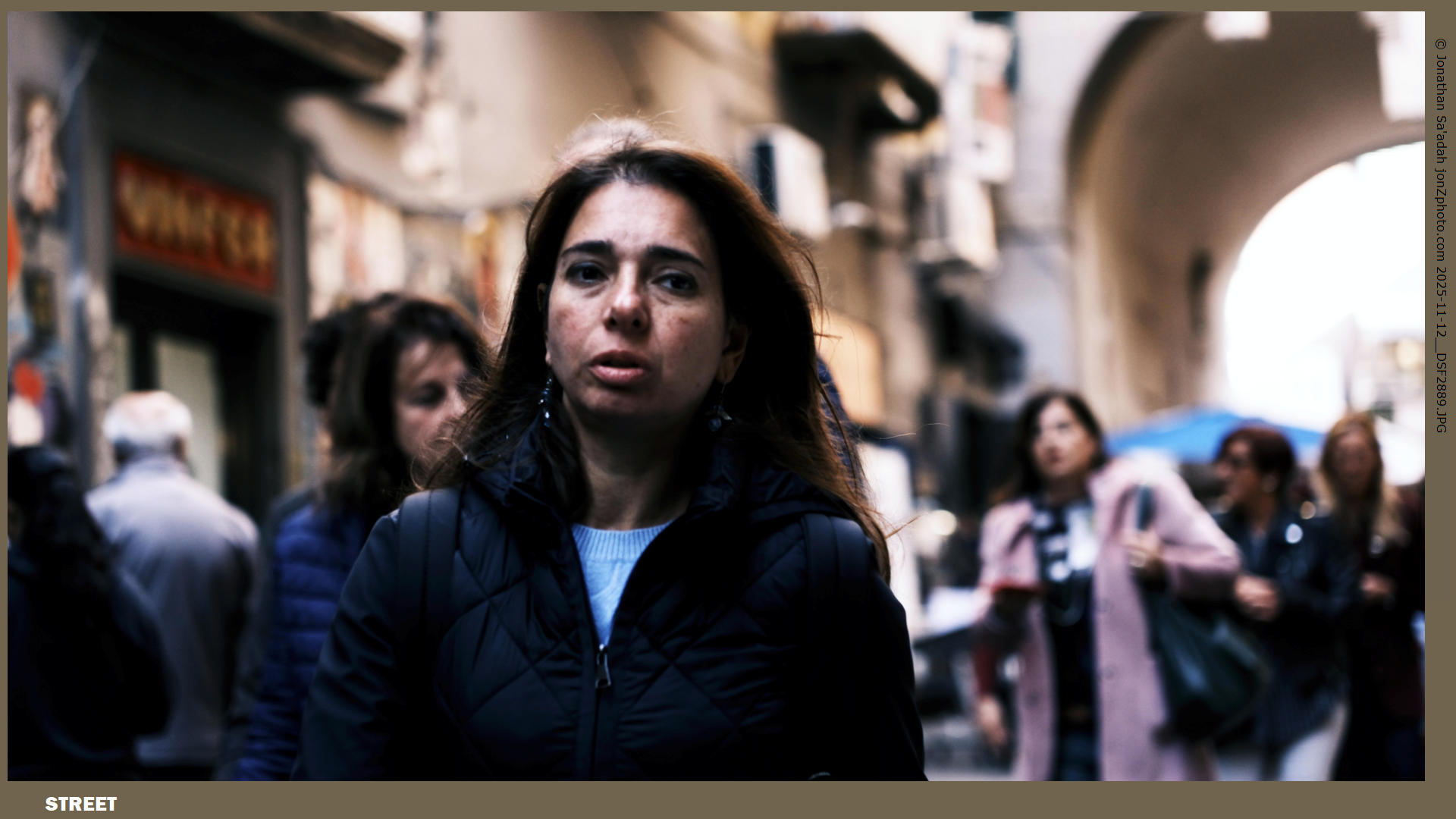
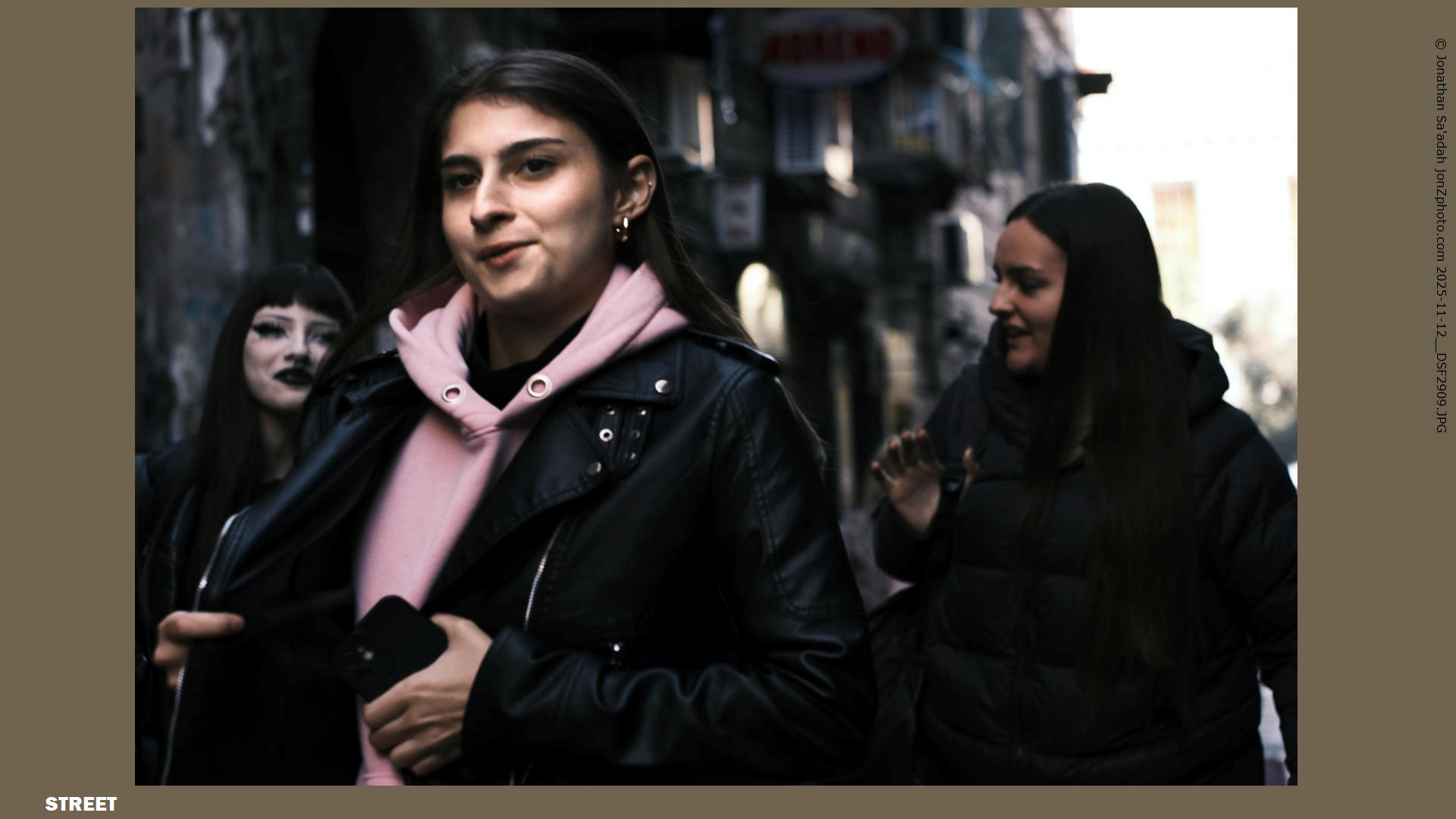
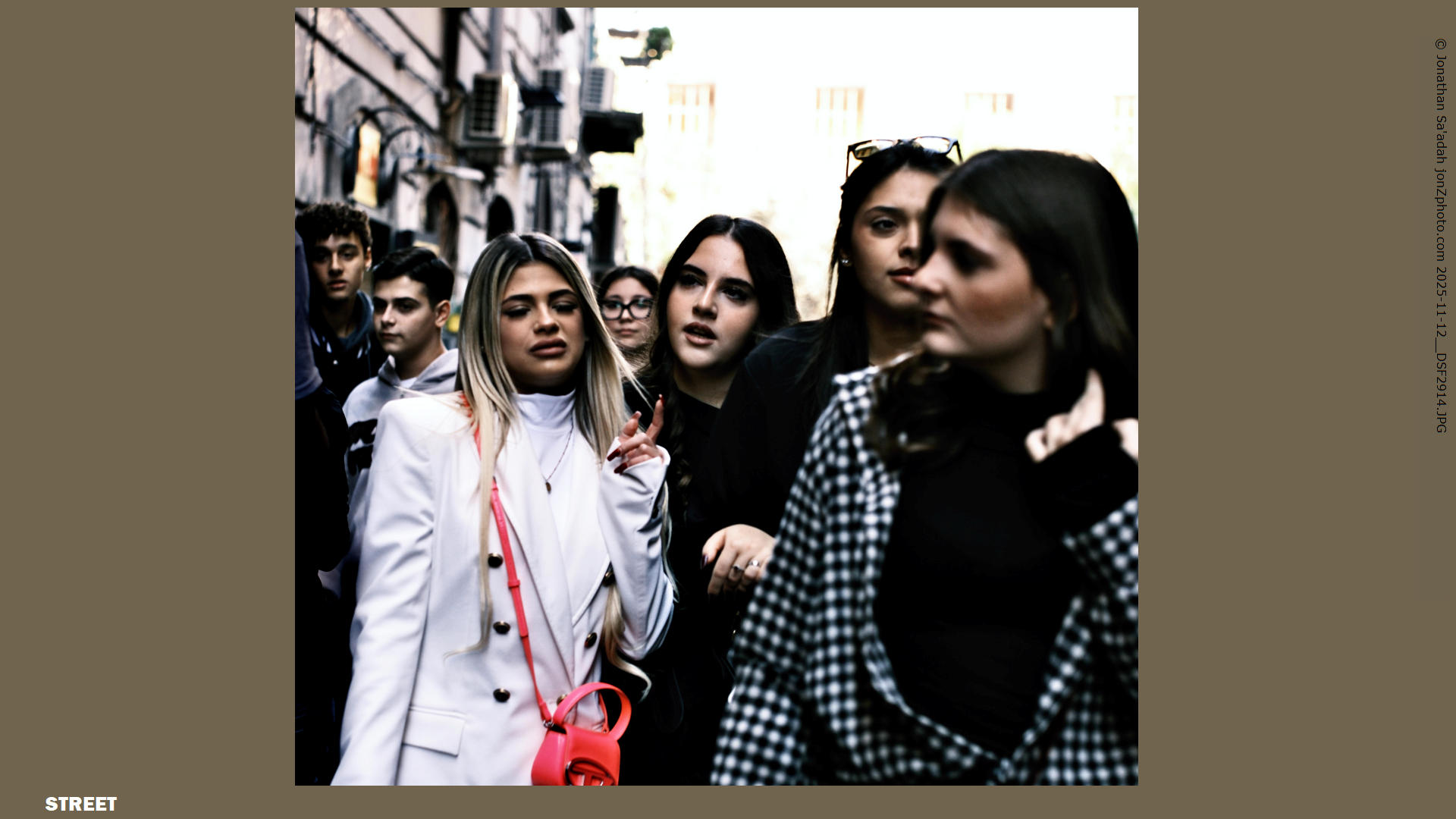
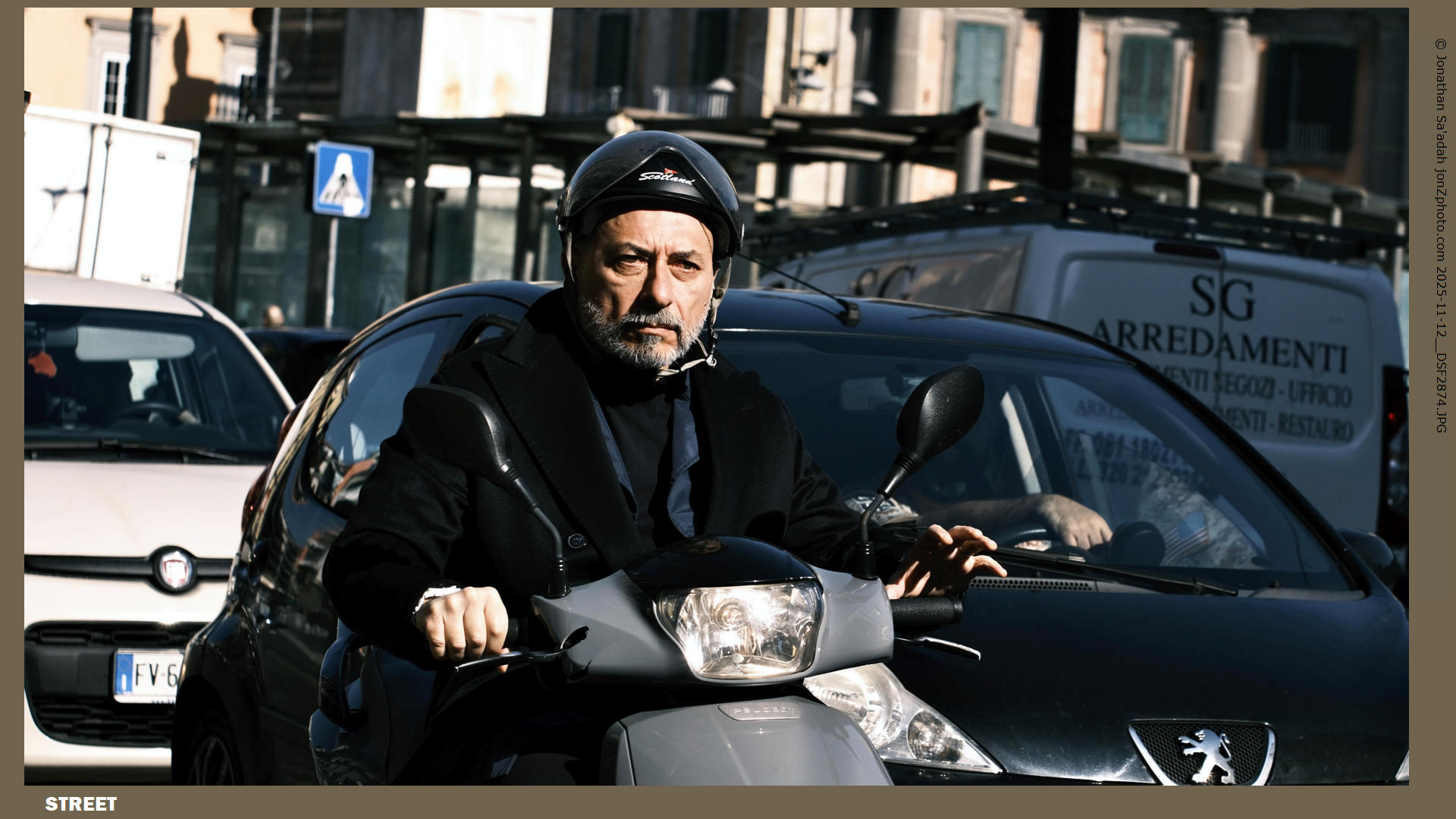
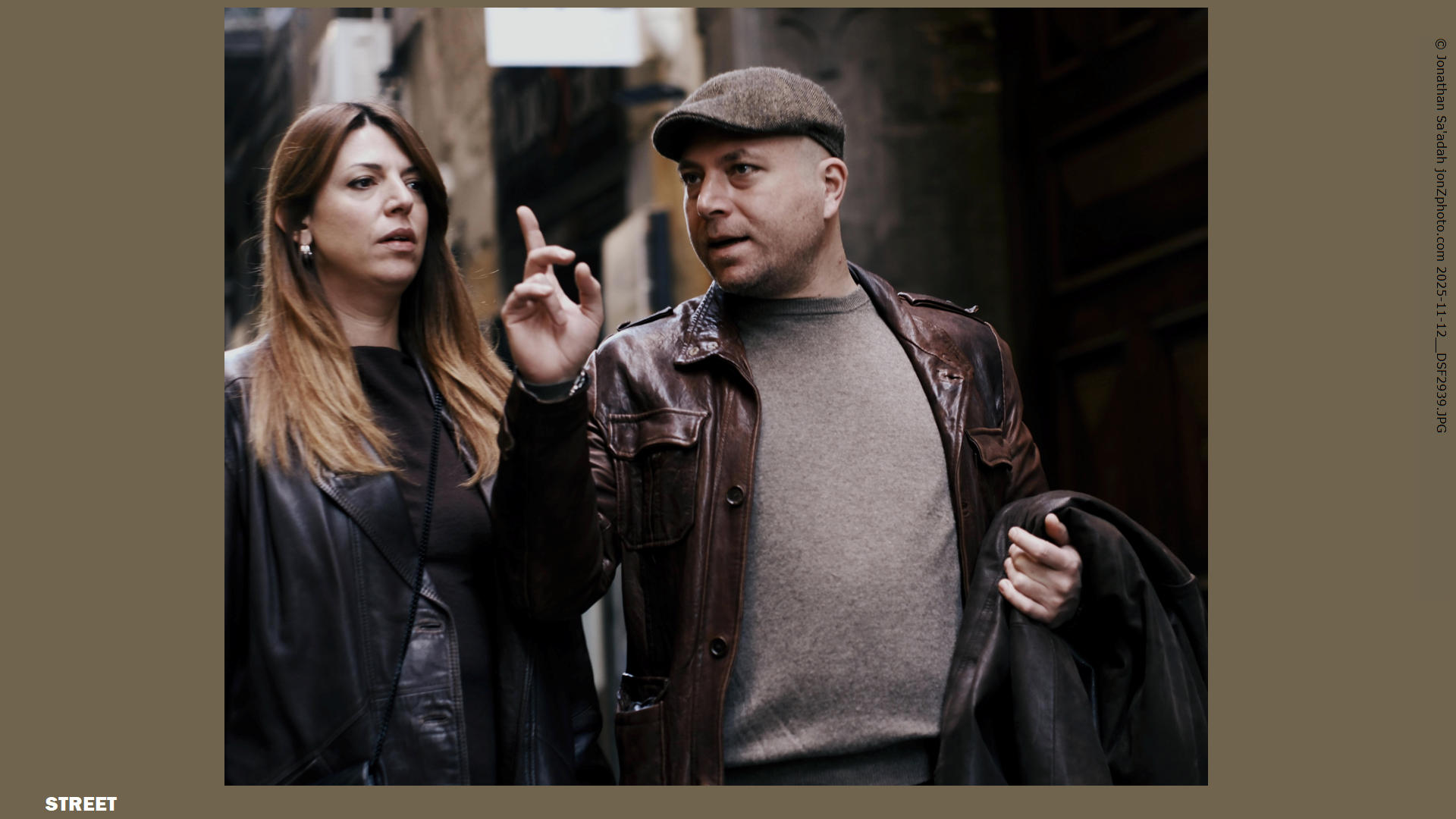
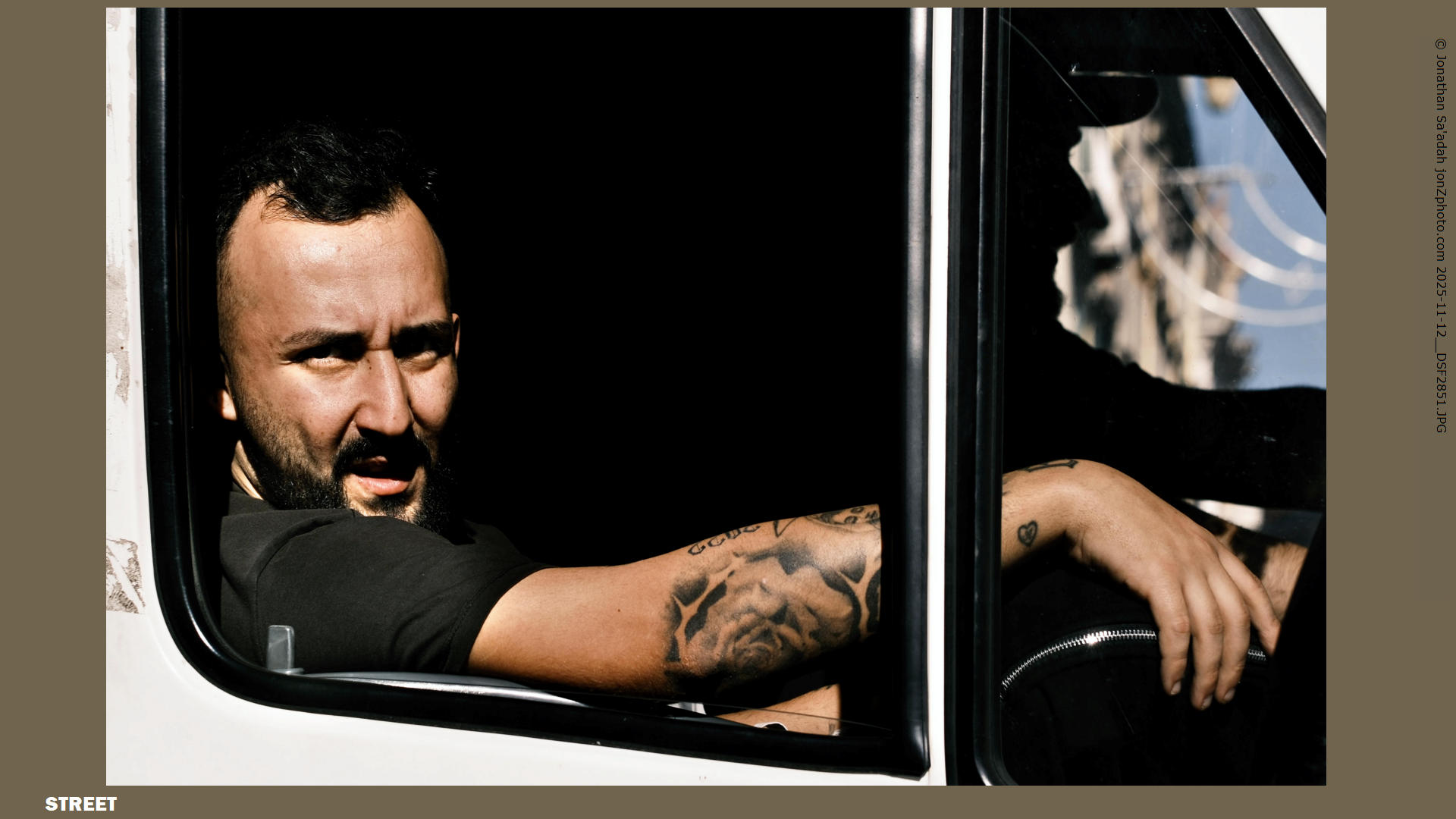
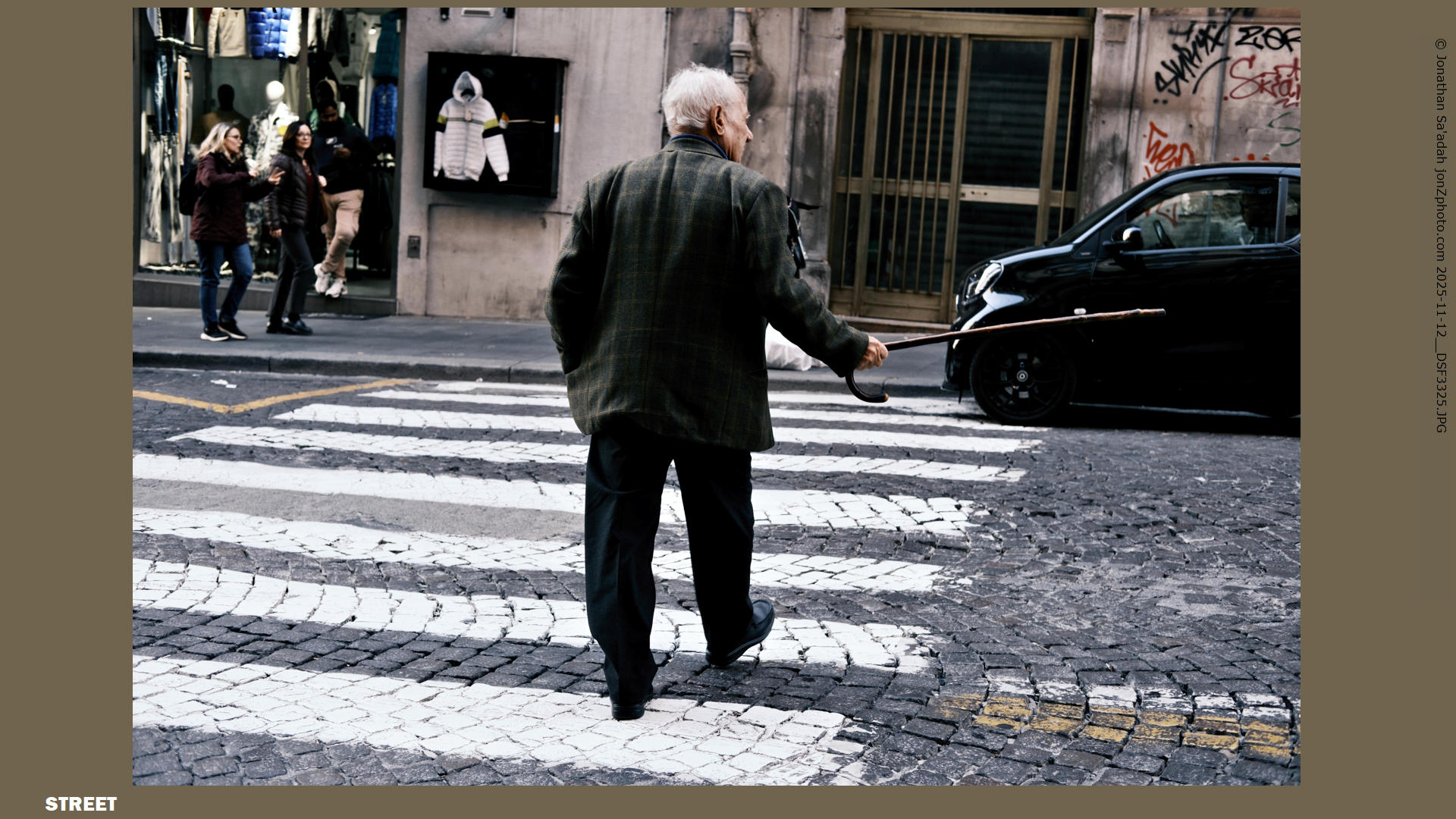
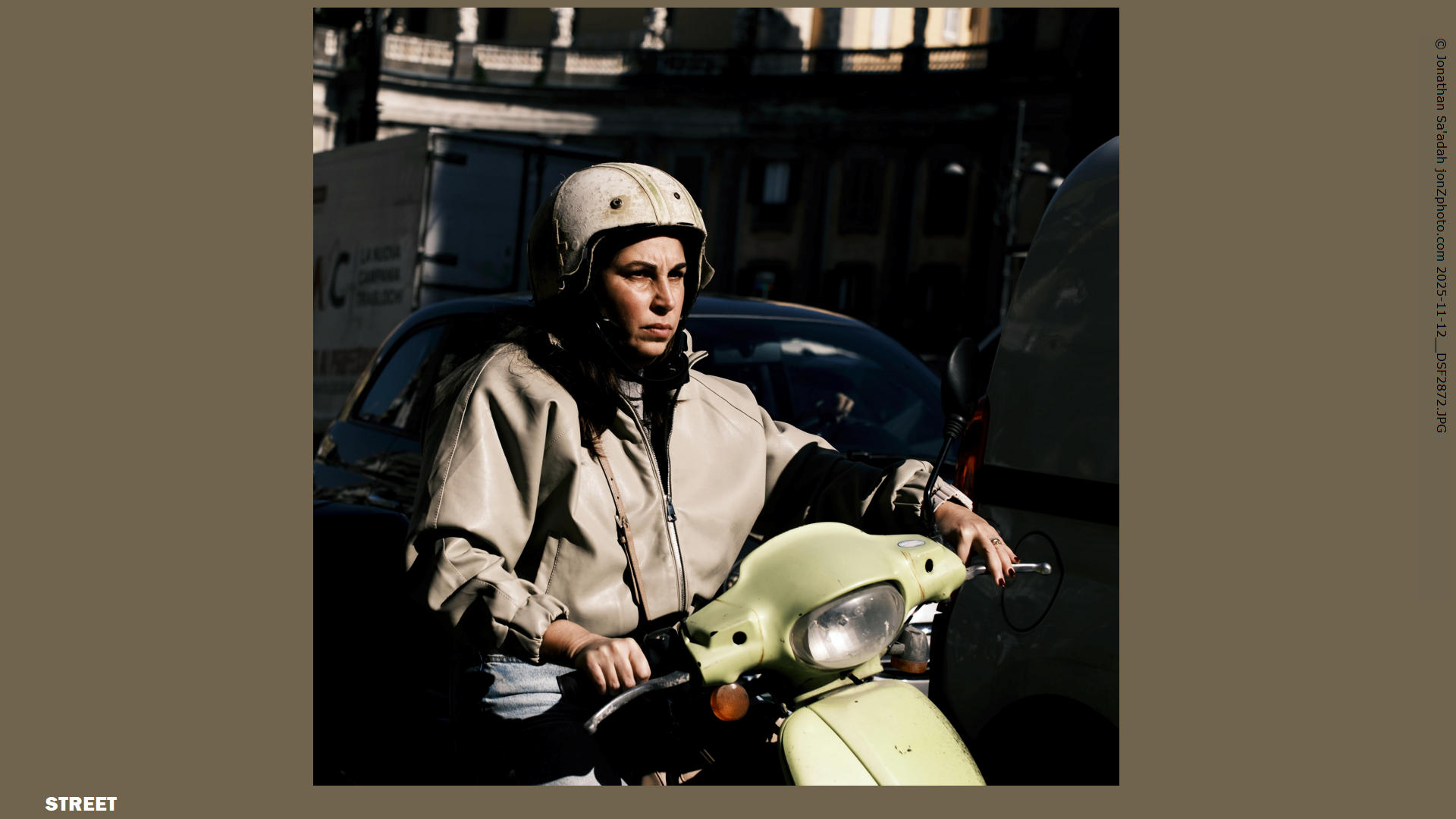
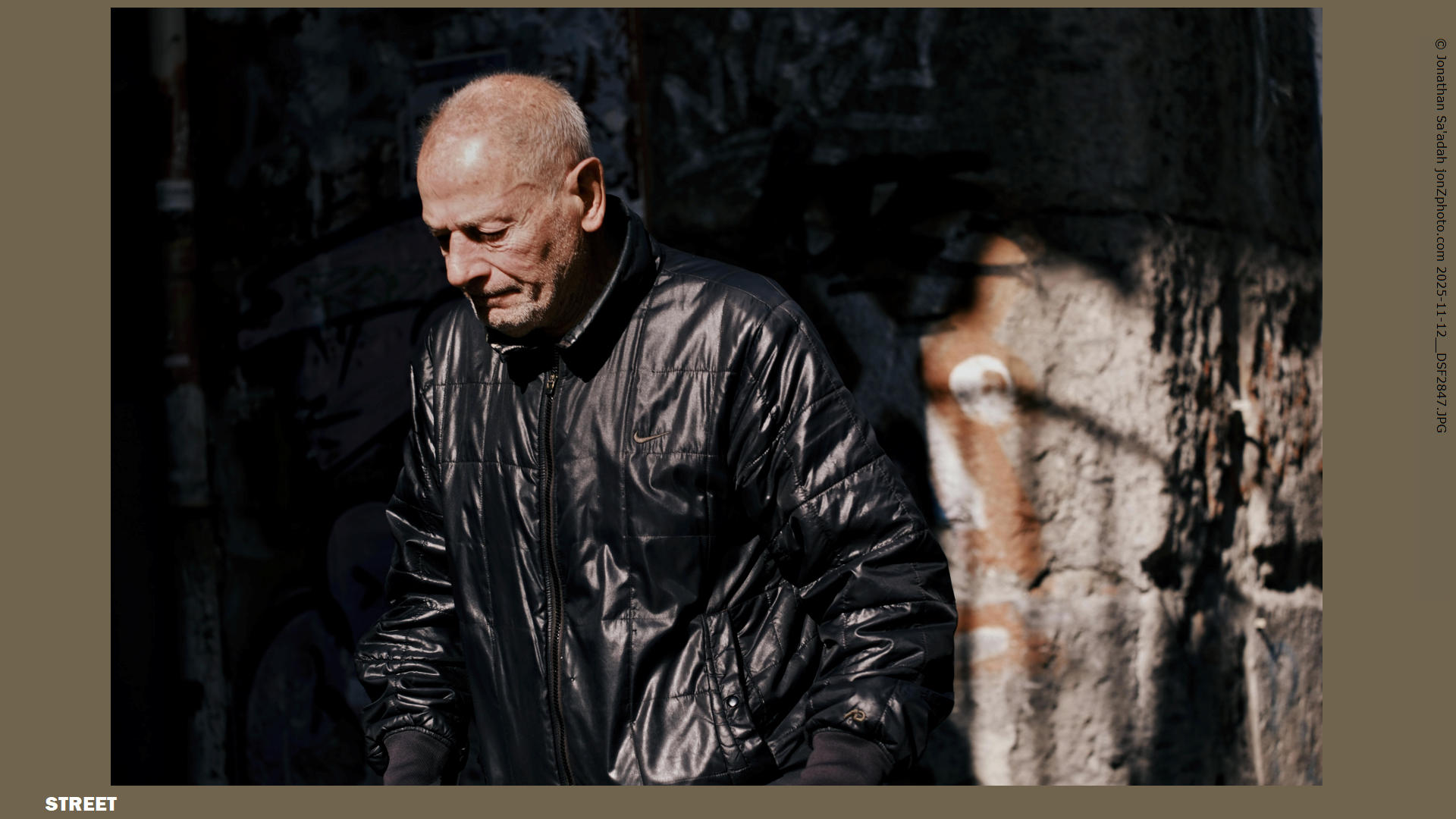
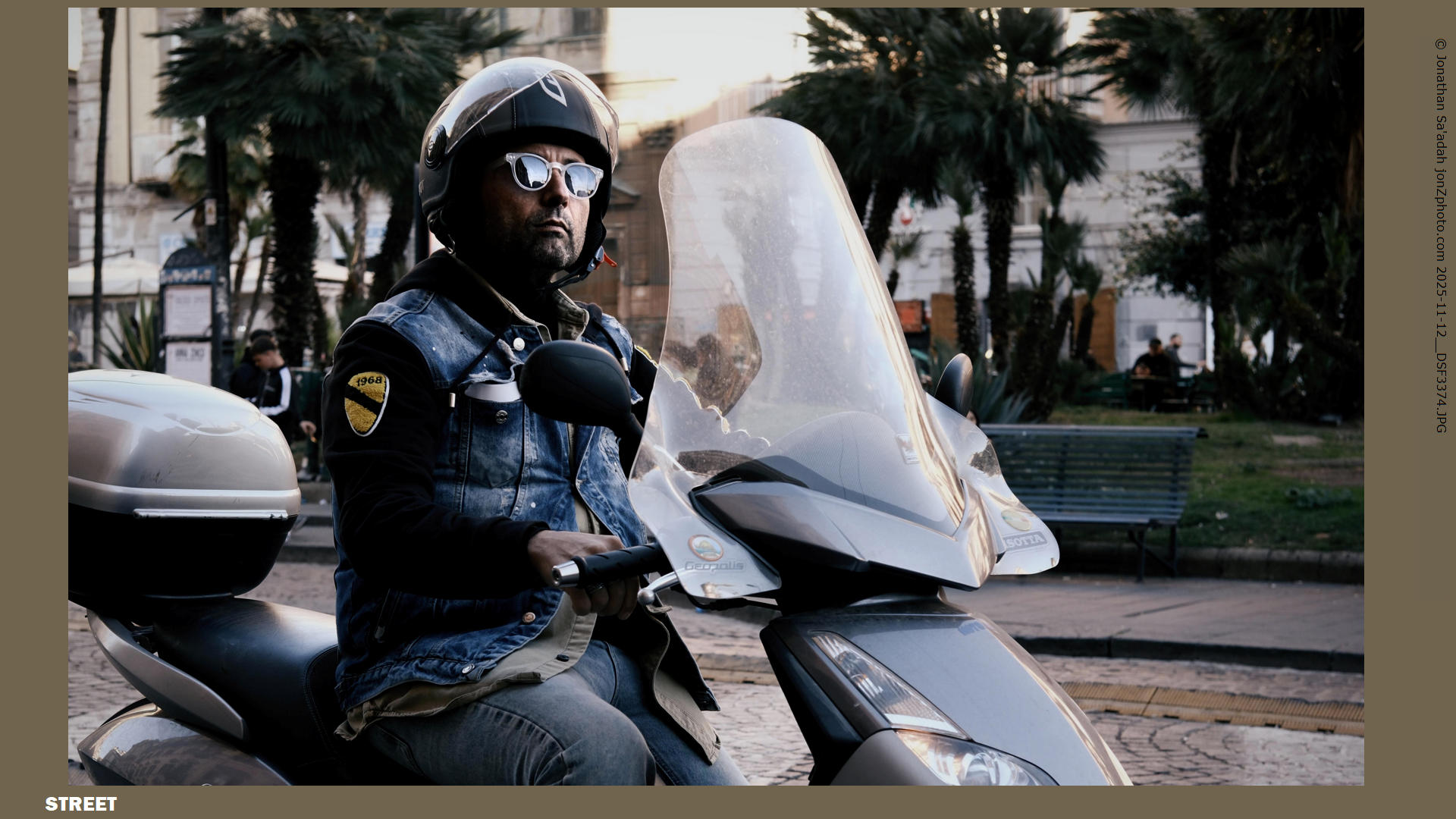
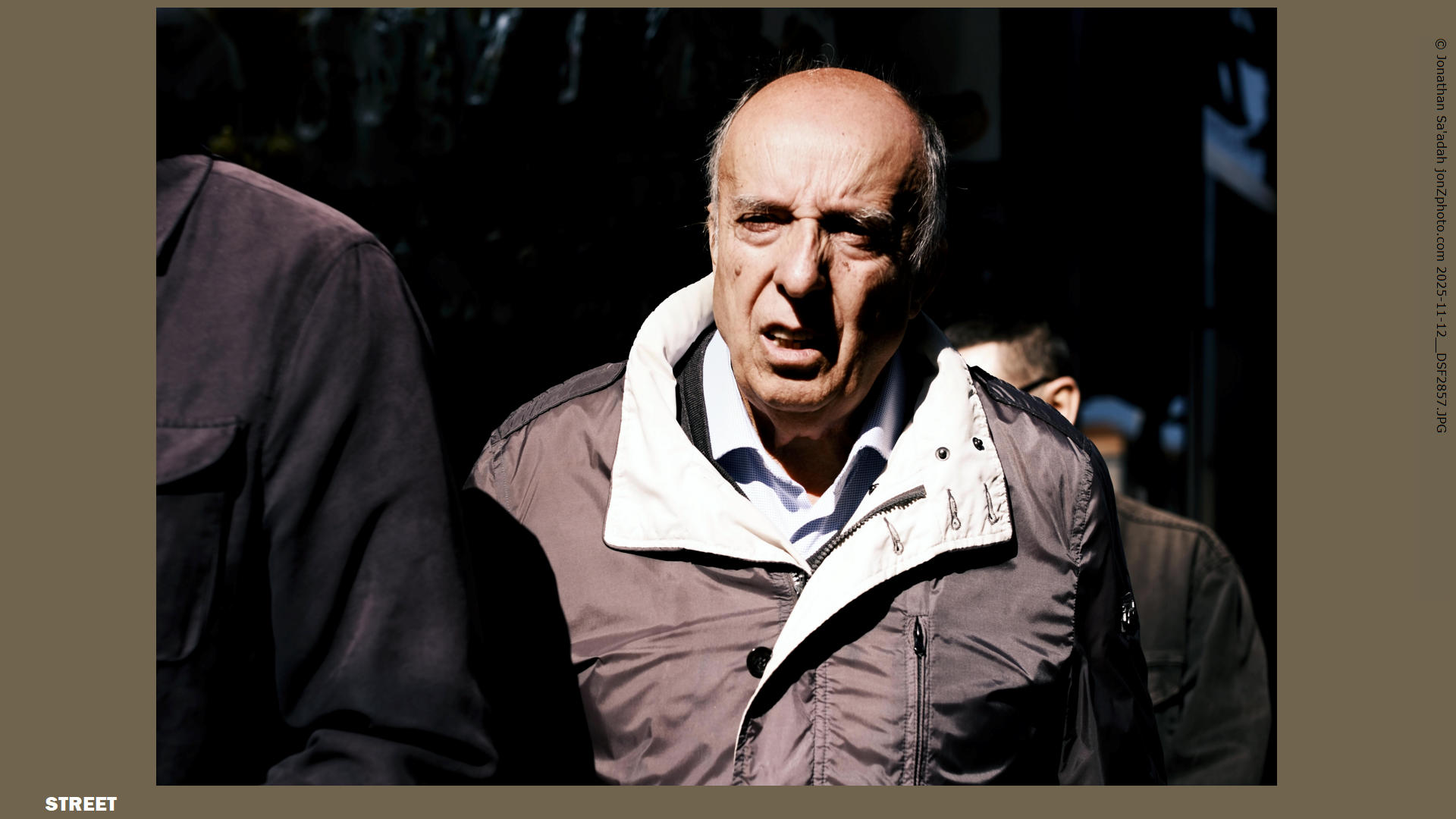
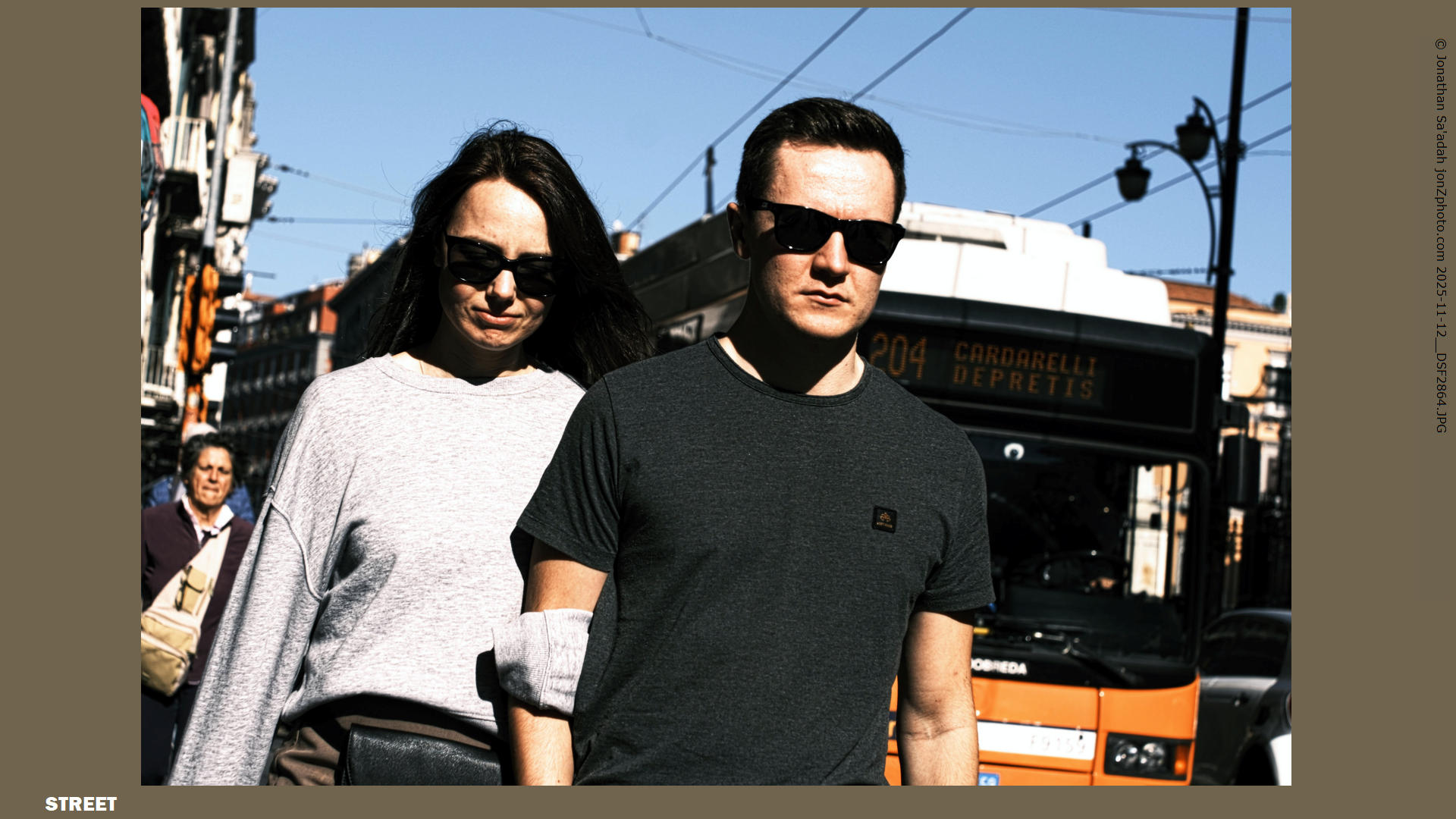
Evangelical Christian gathering in Central Park, 1967 From the time I started using a camera I’ve photographed people. Most of the time I’m completely open about what I’m doing, but I also like swinging the other direction and taking pictures where I’m more surreptitious and people are unaware of the camera. When miniature cameras came into play in the 1930s photographers quickly took advantage of their size to photograph unobtrusively in public spaces. I did too – some of my earliest photographs were street photographs. At the time I didn’t know anything about Walker Evans or Helen Levitt or really any of the history of the medium. To me it was exciting to take un-posed photographs. I liked the serendipity and the interplay with coincidence which lies at the heart of street photography. It shaped both how I shoot and my attraction to the medium’s mystique. Unlike most photographic genres, which often involve contemplation and thought, using my camera on the street unfolds the uncontrolled theatre of everyday life. I photograph in this environment not as a director, but as a responsive observer, being alert to the fleeting alignments that appear without warning and vanish in an instant. For me, serendipity is not just a pleasant surprise; it’s what gives the best photographs lasting meaning.
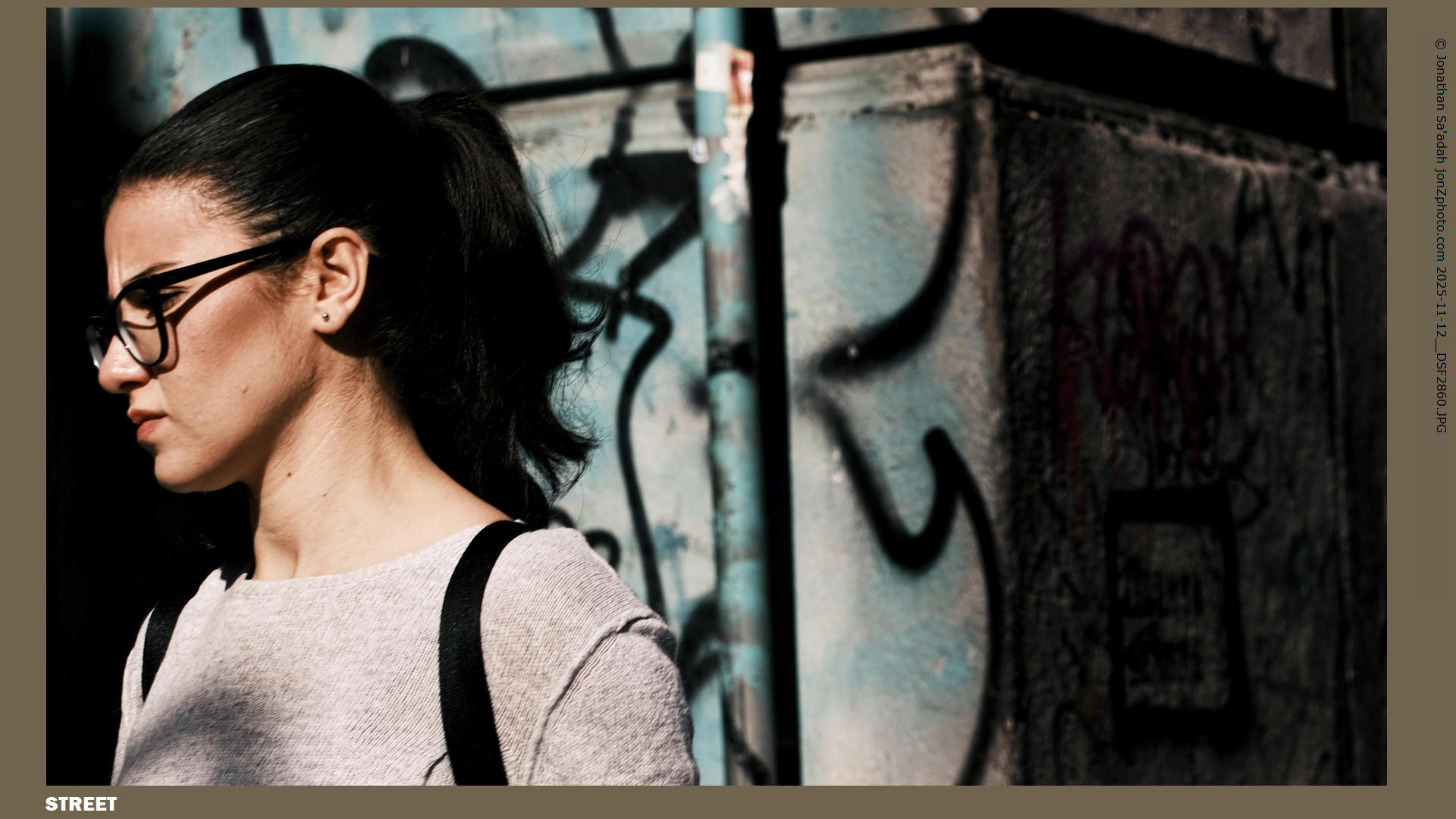
At first glance, it is tempting even for me to describe these moments as “luck.” A person steps into strong light with graffiti in the background that mirrors their fashion, couples march arm in arm lost in the urban landscape, a glance or gesture becomes an unexpected moment. I happen to be present, at precisely the right time. Yet if I stop at luck, I misunderstand my own role. Serendipity is less about random fortune and more about the meeting point between chance and my readiness.
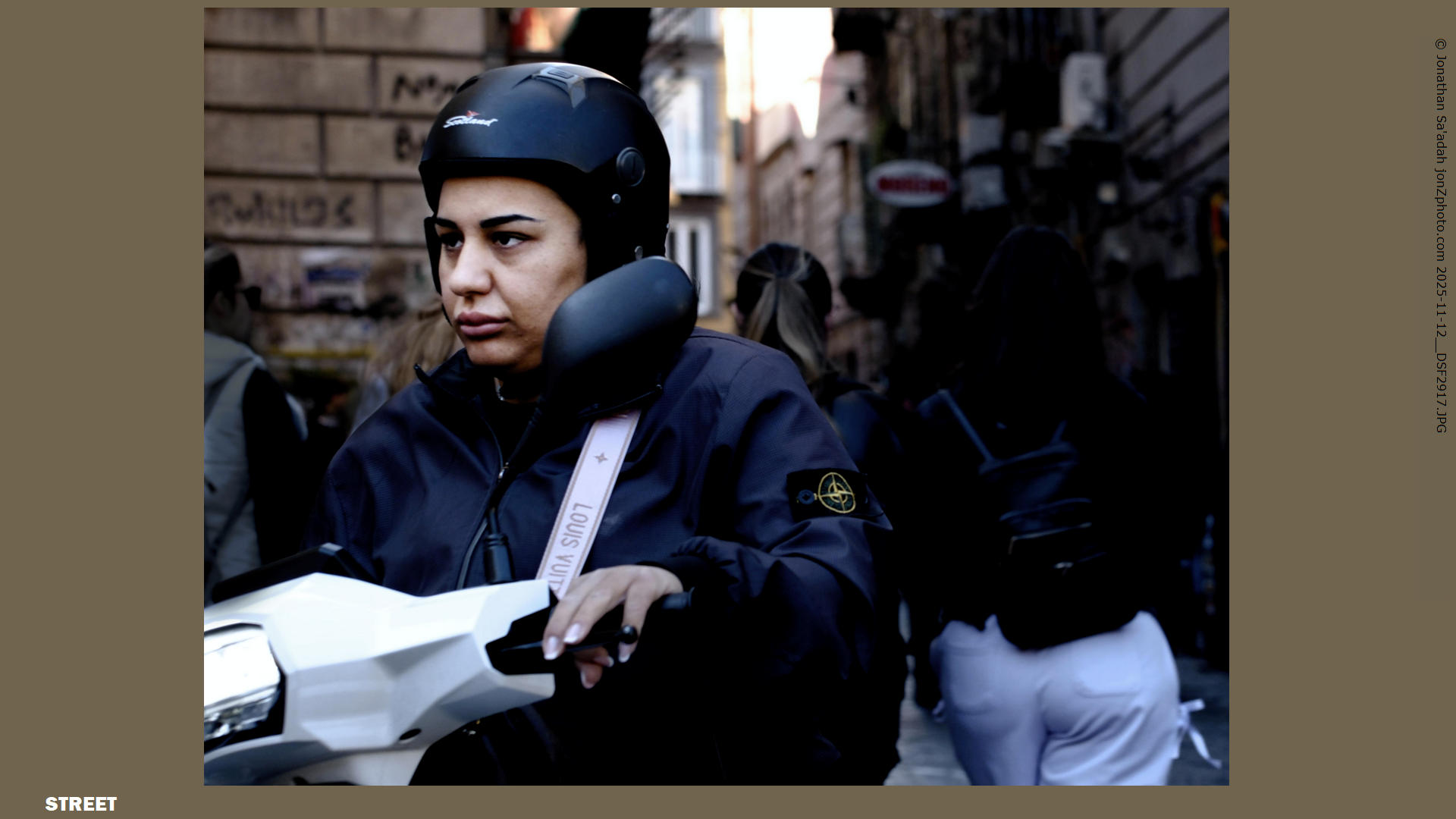
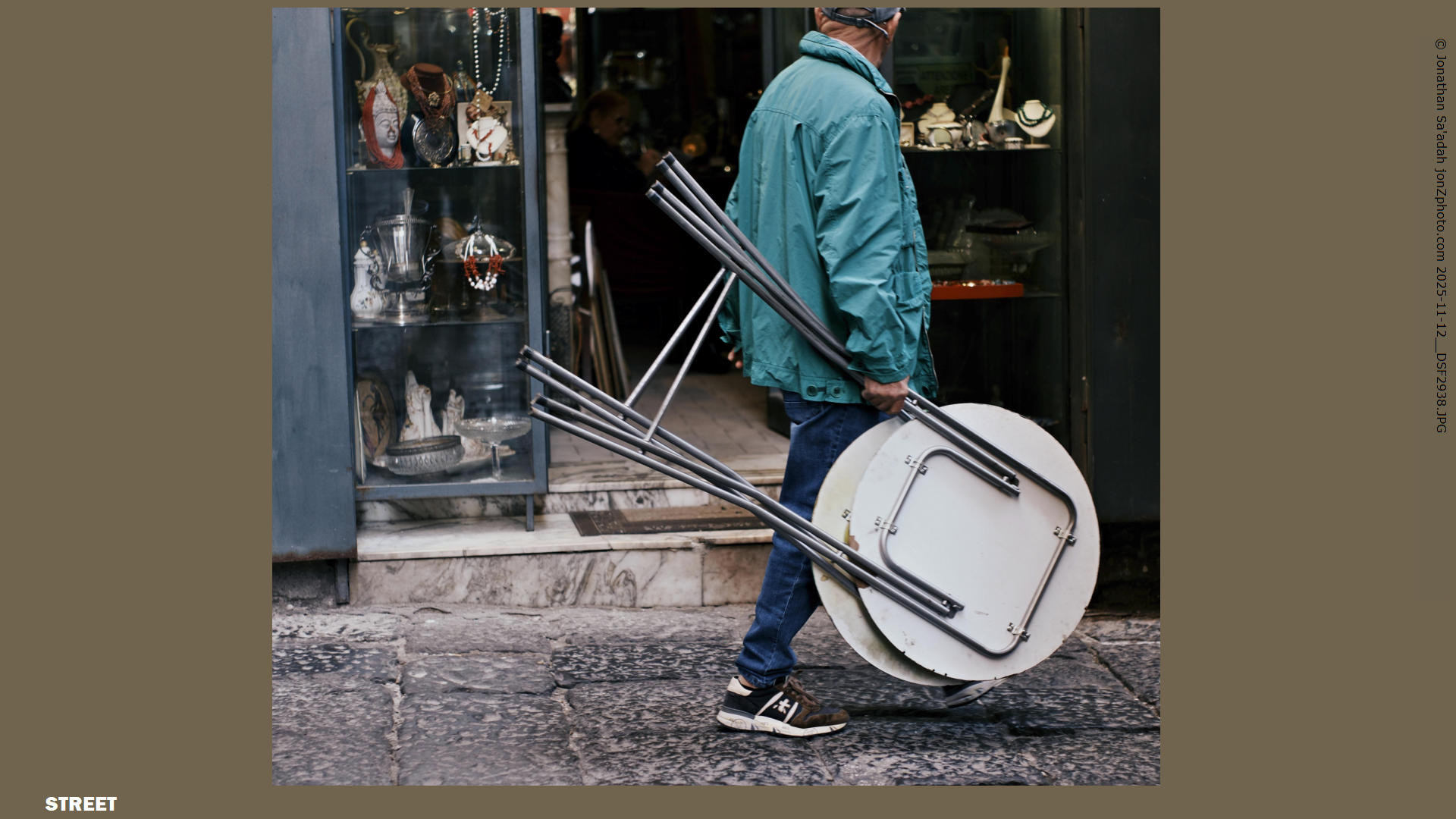
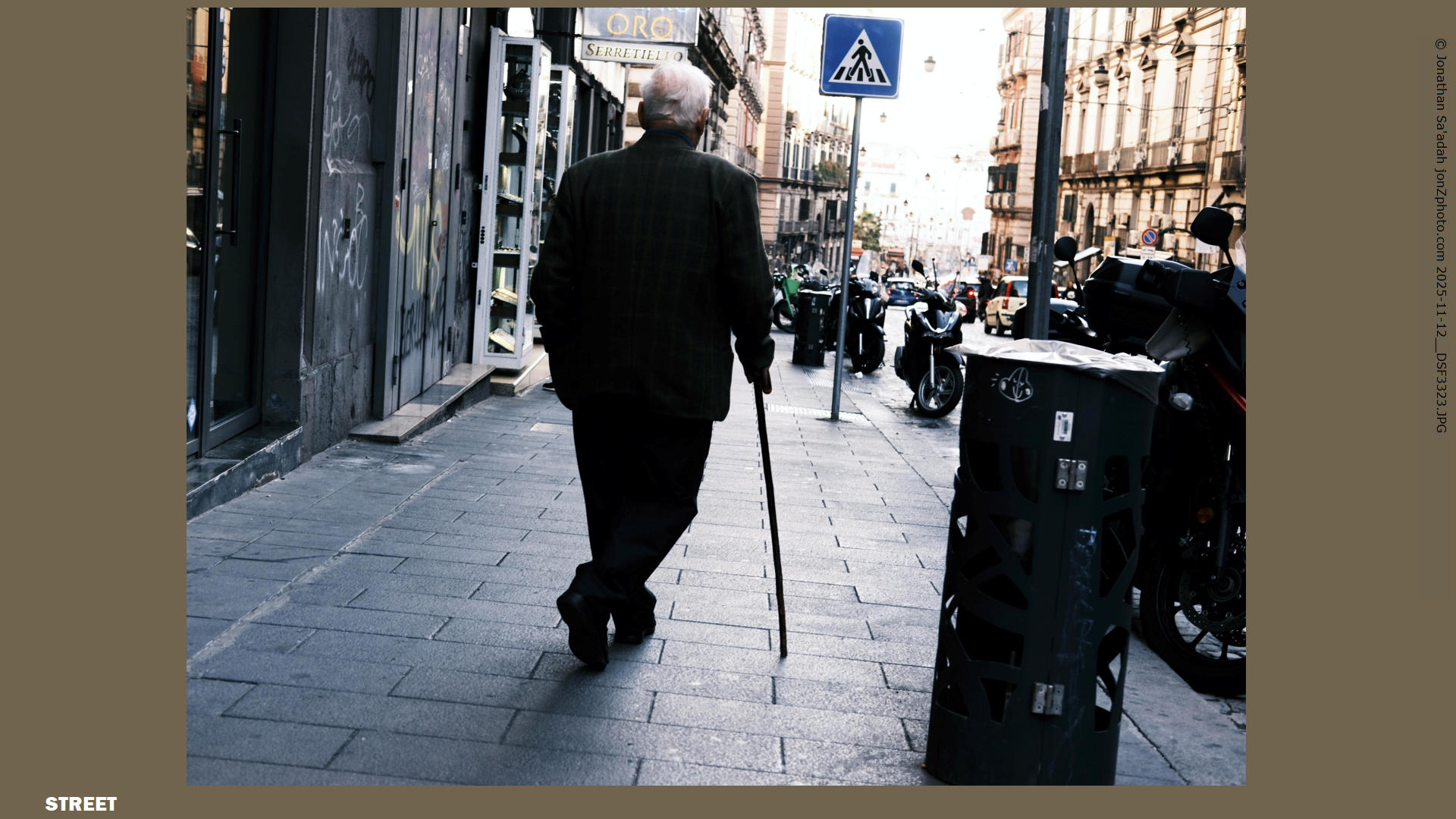
Over time, I’ve cultivated a particular state of attention that invites serendipity. I’ve learned to recognize promising situations—strong light, layered reflections, expressive fast moving crowds, unusual streetscapes—and I linger without knowing exactly what I am waiting for. This patience is not passive; it is a quiet form of anticipation that assumes something might happen. When a convergence does occur, I have to react instinctively, framing and exposing in fractions of a second. Normally I use the traditional wide angle lens of street photography which is forgiving of fast action, but in these photos I chose to use the more difficult short telephoto to concentrate on figures, and to isolate them within the urban environment. The resulting photos may look like pure accident, but actually they rest on familiarity with my camera, a sense of composition, and countless hours spent wandering without any guaranteed payoff.
Serendipity also shapes the way street photographs are interpreted. Viewers often project narrative onto coincidental details: a shadow aligning with a face becomes a metaphor for inner turmoil, a repeated color across strangers suggests hidden connection, a sign’s content appears to comment on the person beneath it. These readings often exceed anything I consciously intended at the moment of exposure. My street photography, then, feels like a collaboration between the chaos of the world, my own alertness, and the imagination of the viewer. Serendipity is the thread running through all three, binding them together.
In a culture saturated with images that are posed, retouched, and optimized, serendipitous street photograph holds a special honesty for me. It acknowledges that the world is richer and stranger than my plans, and that meaning can emerge from chance encounters as powerfully as from deliberate design. When I practice street photography with openness to serendipity, I accept that I am not fully in control—and I discover, again and again, that this lack of control is precisely where some of my most resonant images often arise.
-
Eastern Sicily
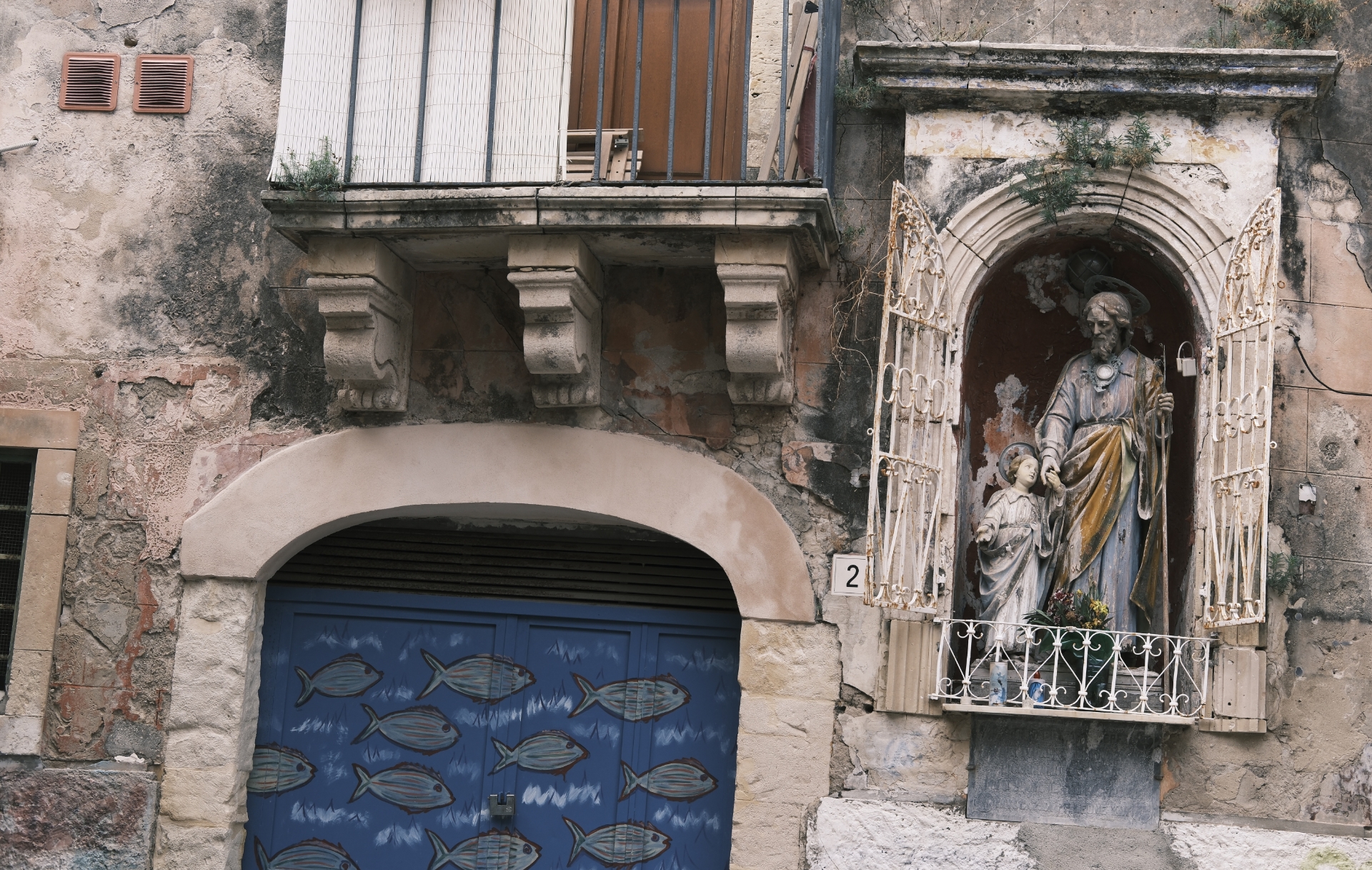
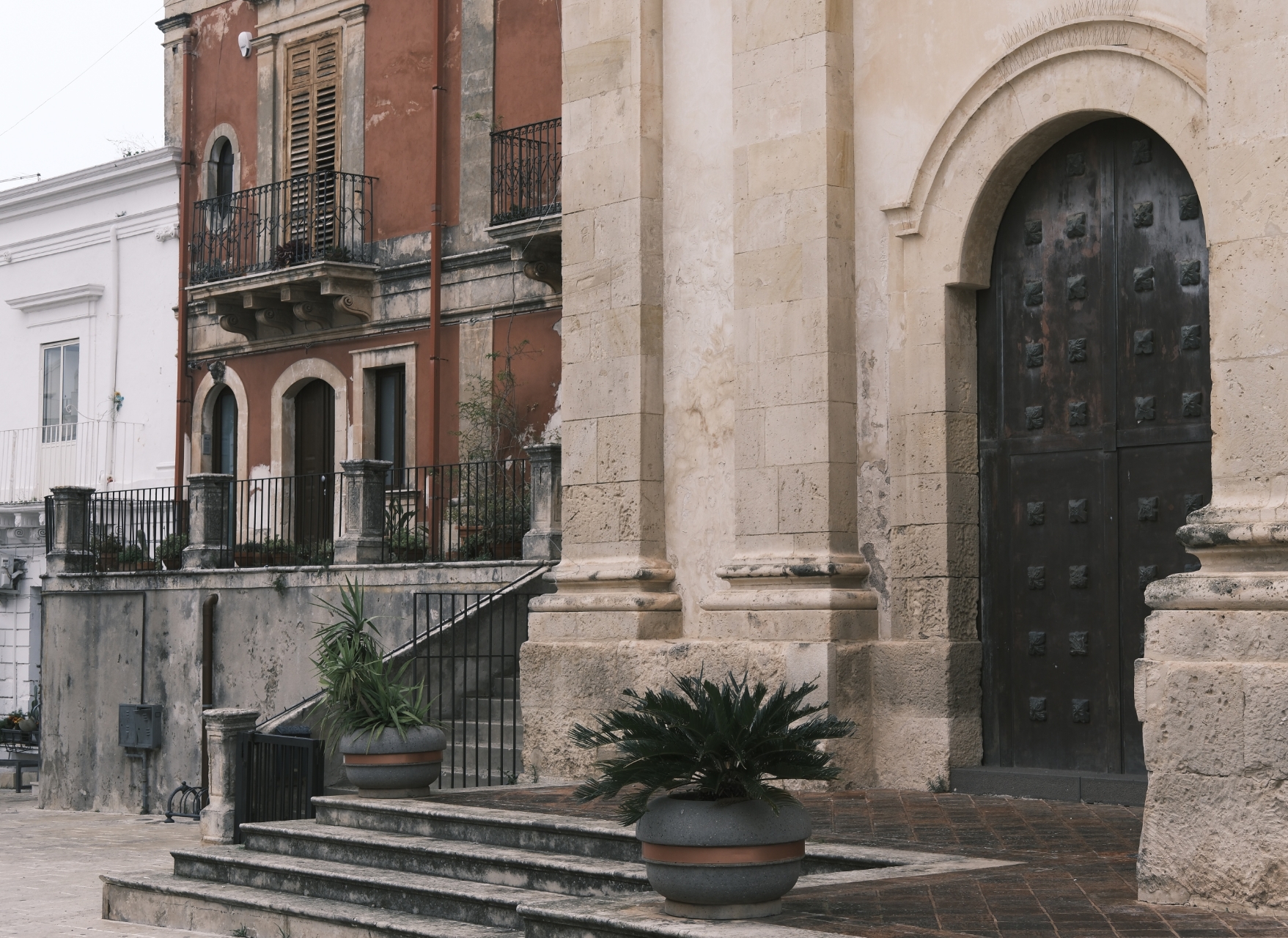
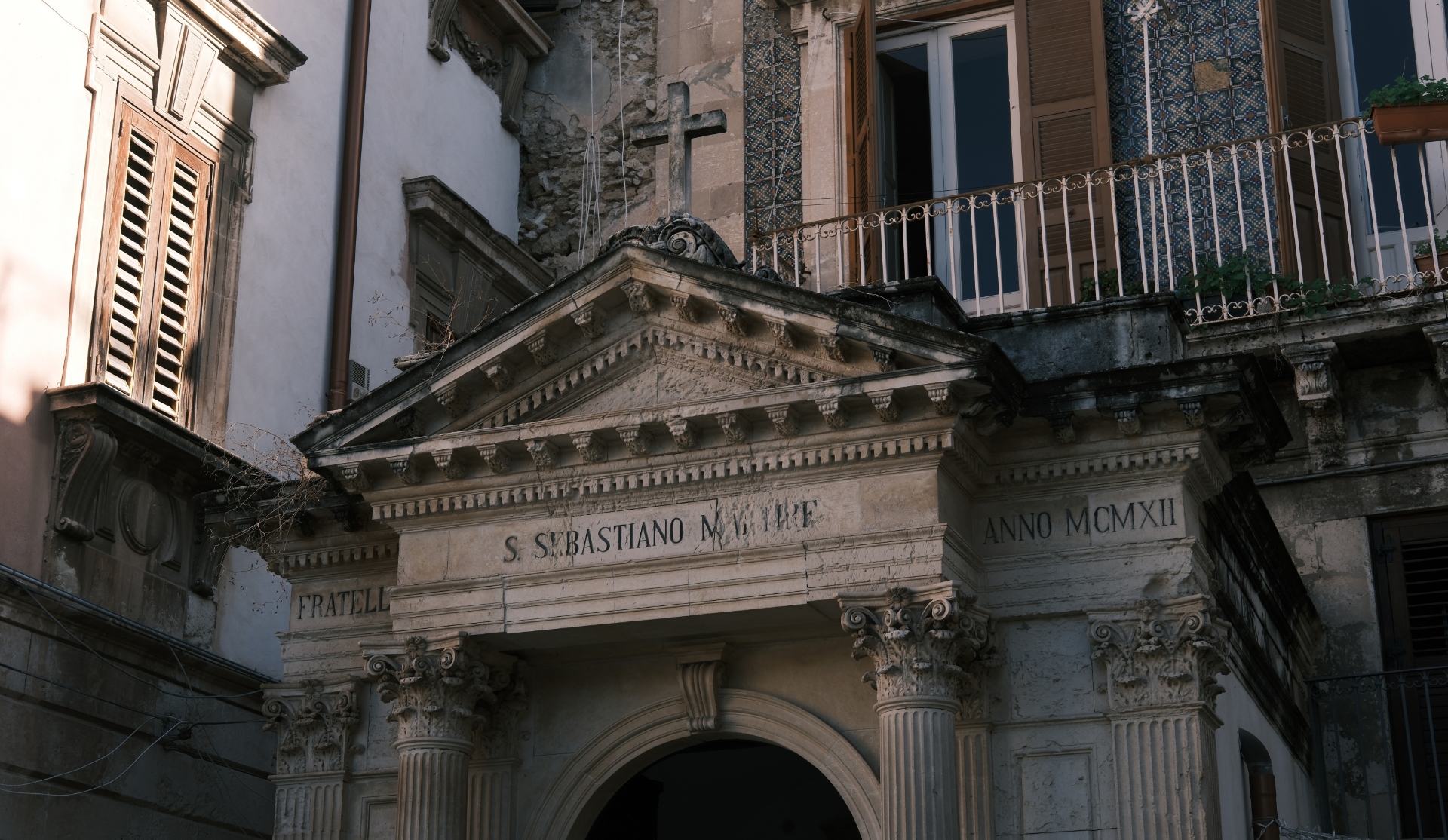
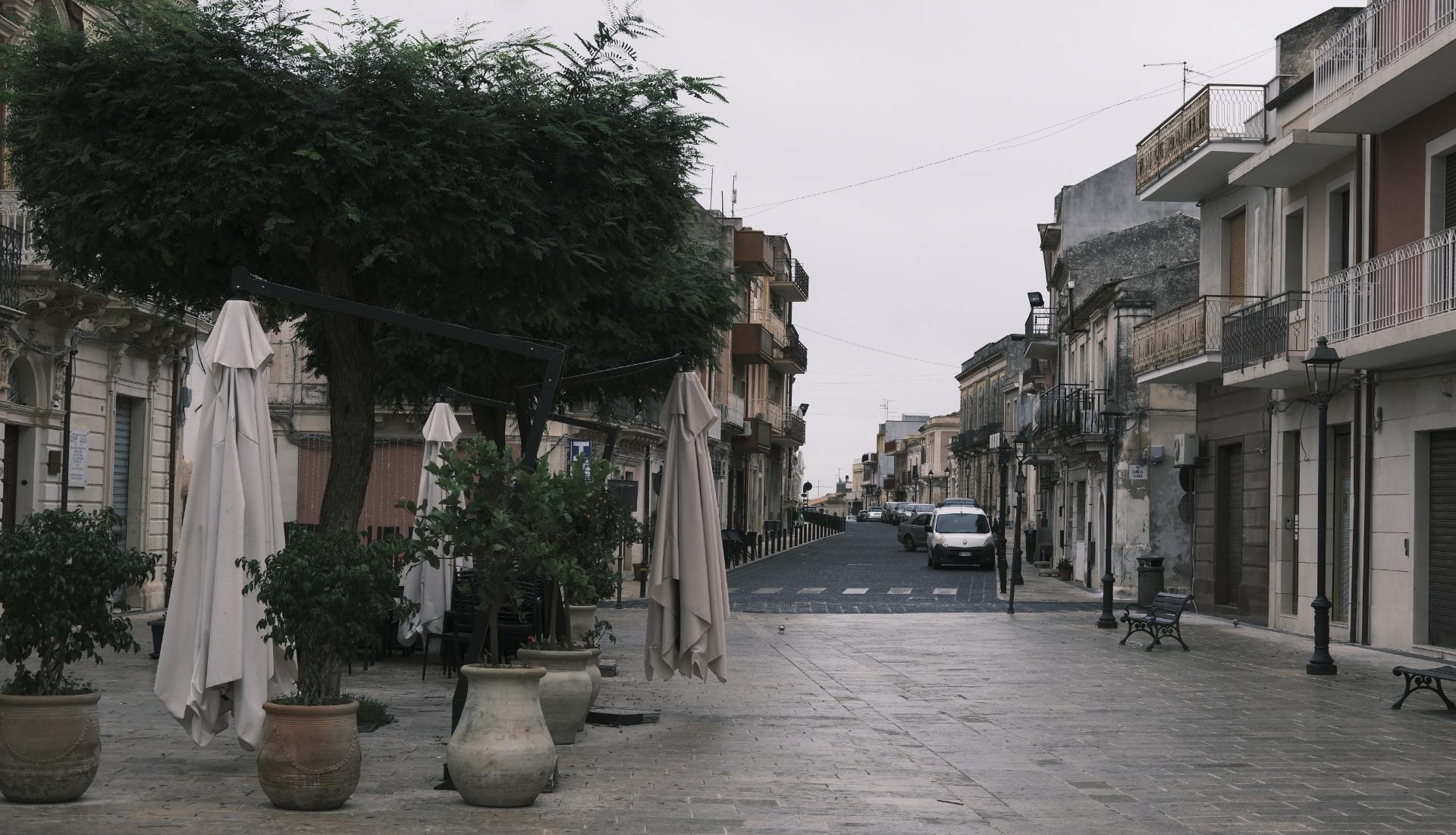
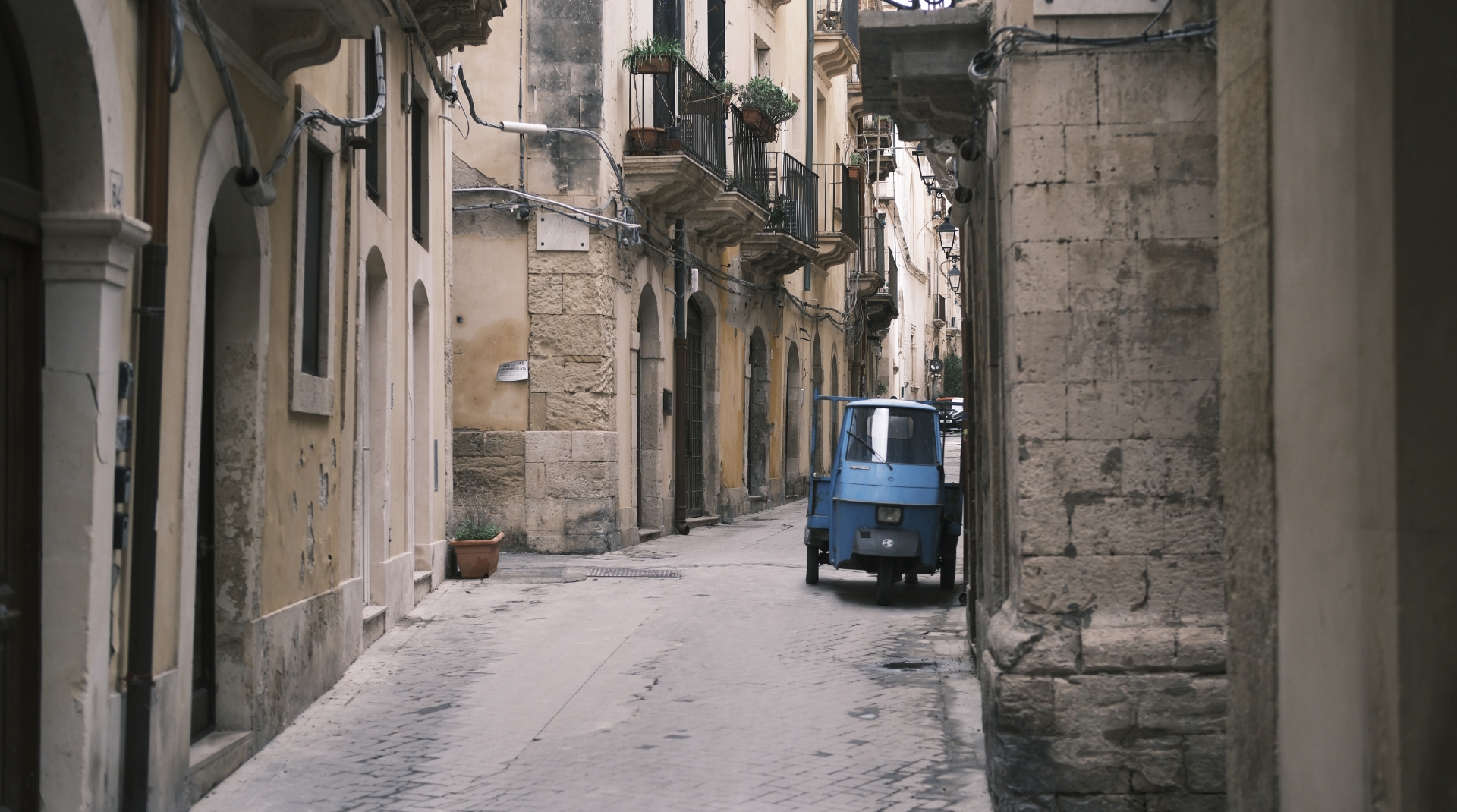
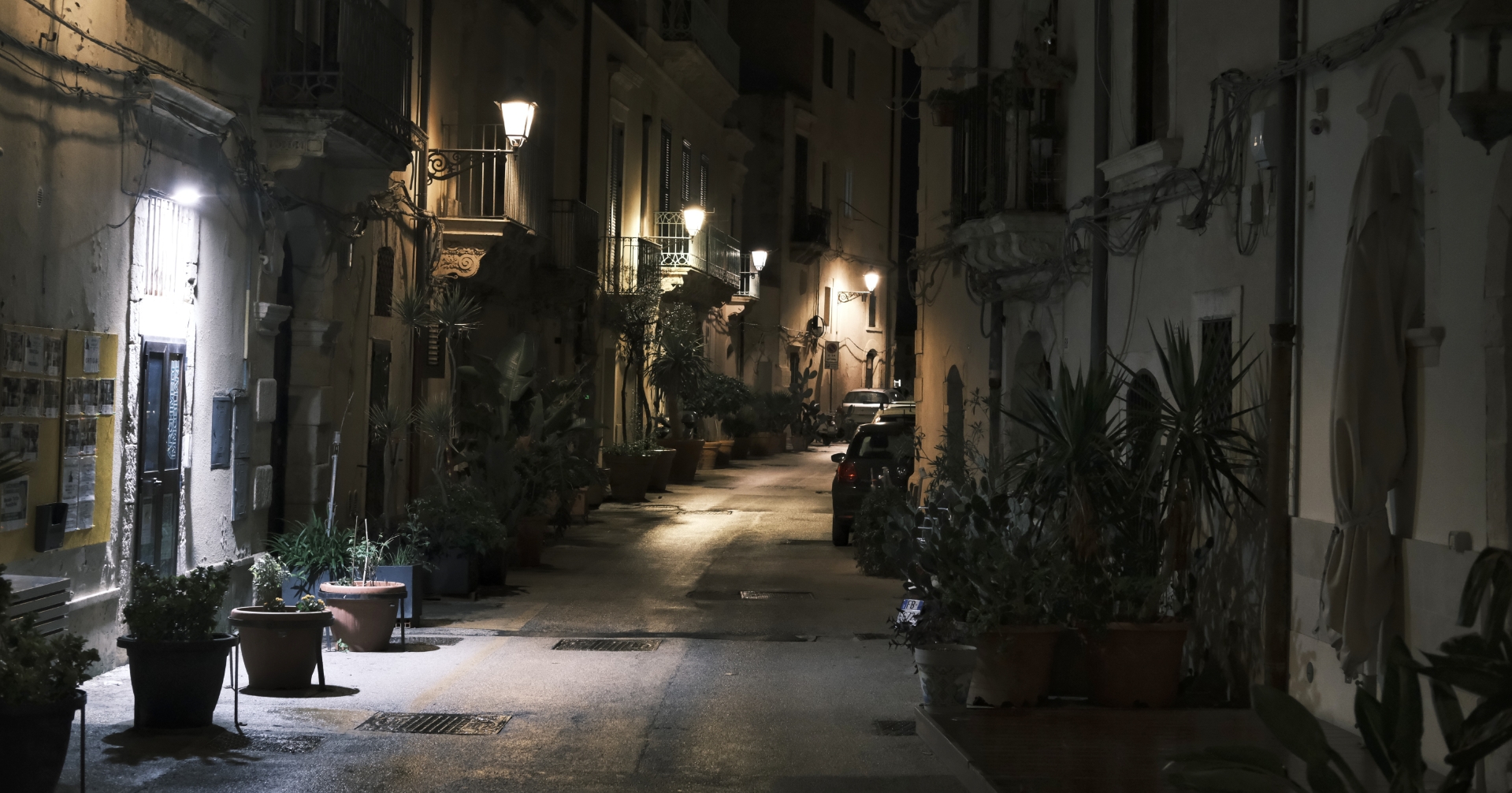
To me Sicily feels related to southern Italy but contrasted with Naples where we were before everyone seems quite relaxed and the pace of life less frenetic. At least on the eastern side of the island.
Yesterday in Syracuse we had rented a car and were just pulling out of the parking lot. The streets are tight so to get out of the parking space I needed to nose out into traffic and then back in again to get angled ok, but once I pulled into traffic I couldn’t get the Renault into reverse gear. So there I was, blocking traffic. I figured great, now I’m really going to get it! But no one seemed preturbed. Five or six cars backed up waiting patiently for me to get my act together. Beth went back into the rental agency to find someone to help. Meanwhile, an older man jumped into the passenger seat next to me and showed me the ring on the stick shift that needed to be pulled up to get the car in reverse. By then it had probably been 2-3 minutes (it felt like an eternity!) and finally someone got impatient and honked. My friendly helper looked startled, crossing his eyes in mock disgust, and interrupted our learning session to jump outside the car and yell at the guy honking.
OK, I thought, it’s not that different from Naples!
-
The Irresistible Pull of Gritty Cities
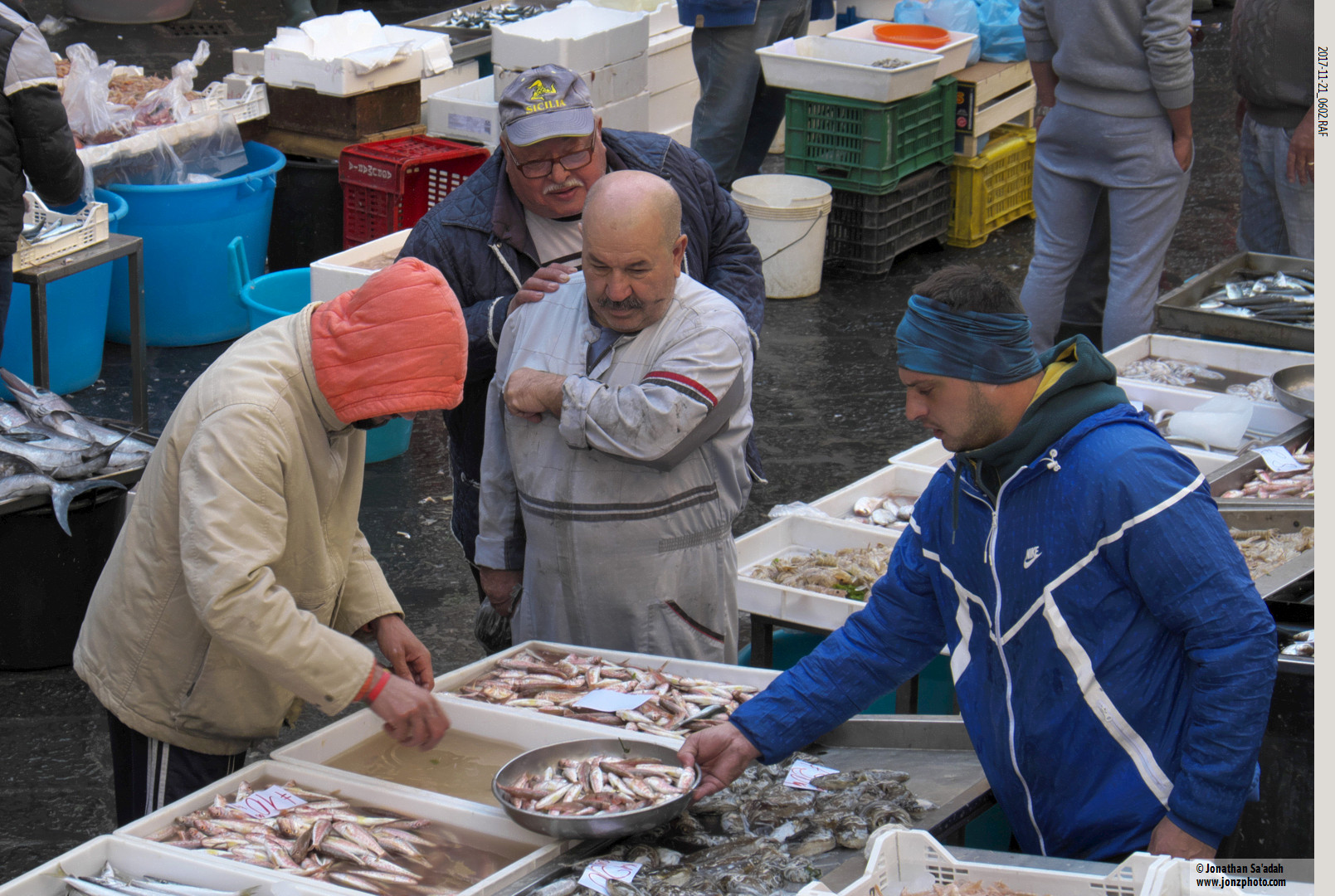
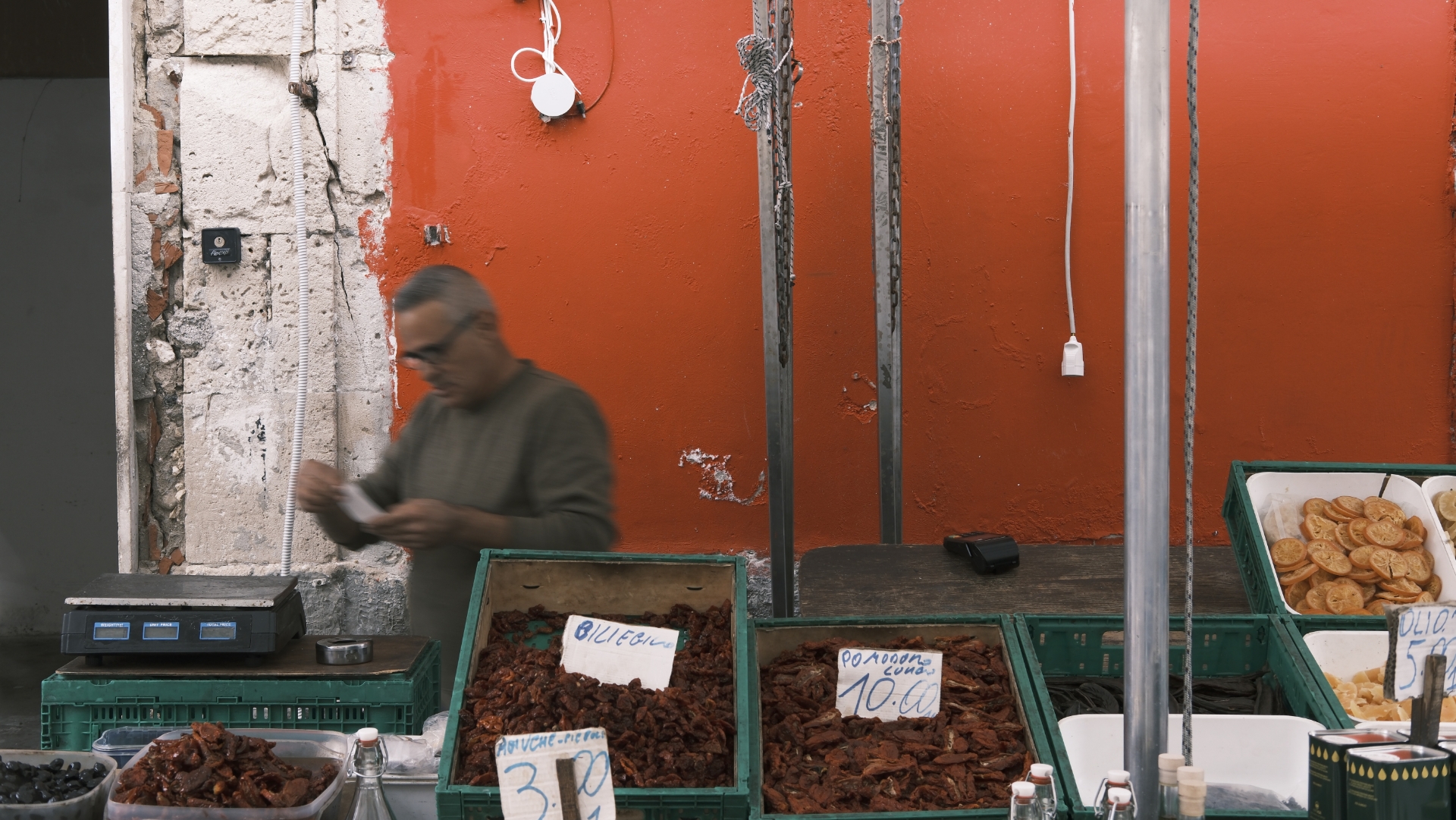
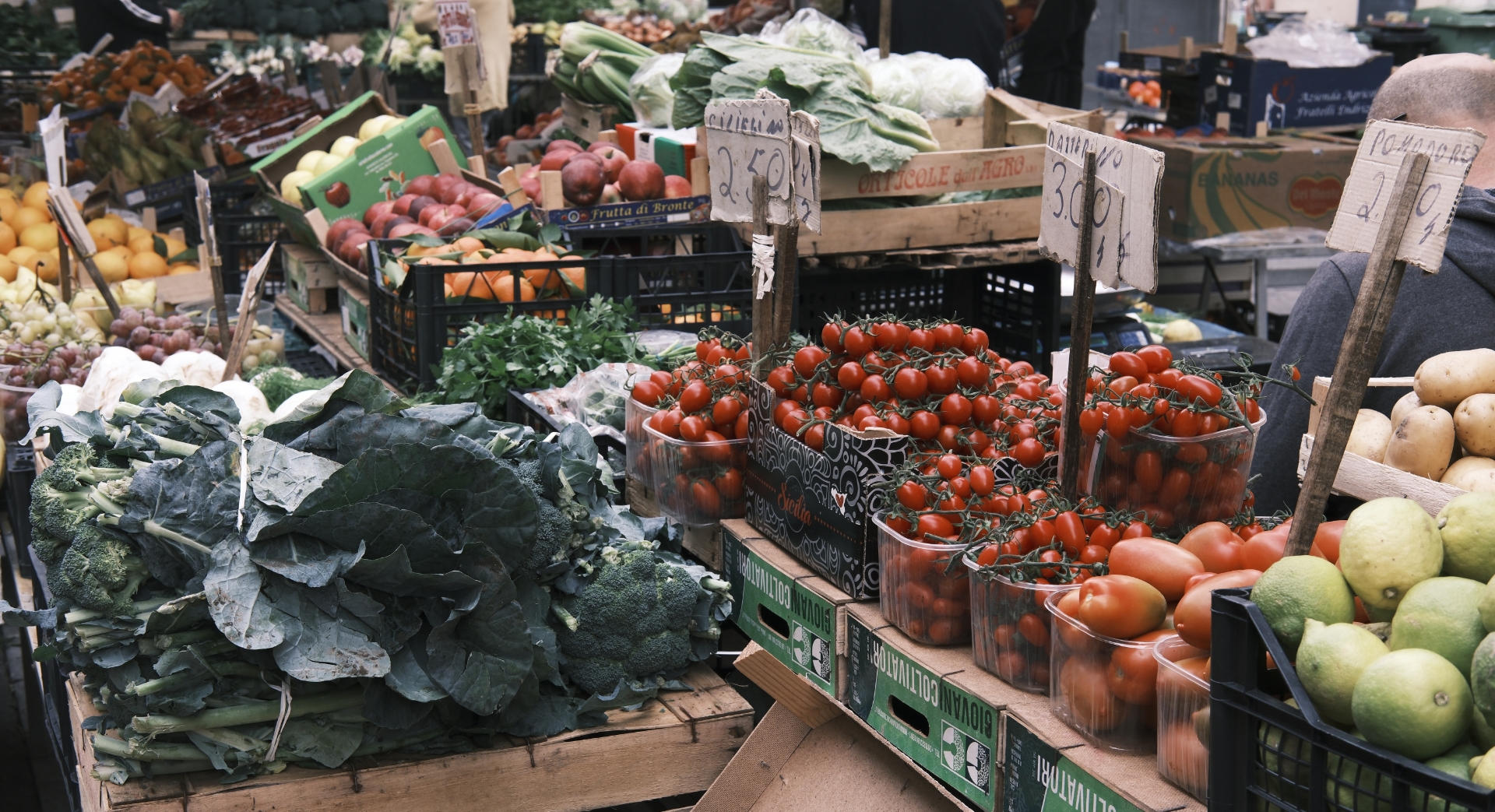
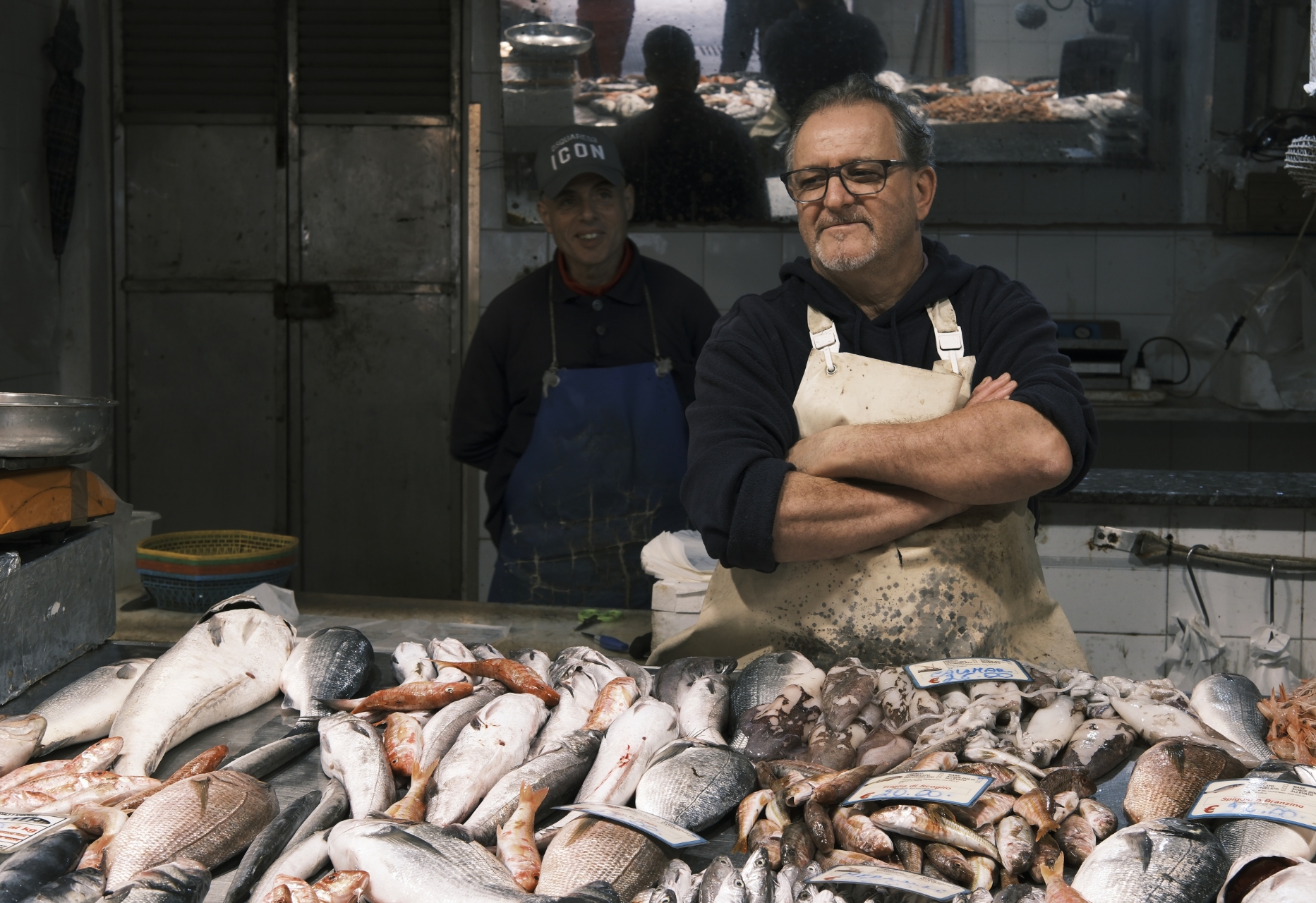
▲ Catania Fish Market The star of this market is the swordfish, but even the sardines are unusual. It’s true that plastic crates and digital scales abound, but still there’s a feeling of the market being enmeshed in long-running traditions, which gets reflected in the city’s approach to urban planning as well. The Irresistible Pull of Gritty Cities: Understanding Why We Love What We’re Missing
Part IIOne of the most striking features of these older cities is their incredible diversity of housing types and price points, often within the same neighbourhood. In Damascus, you might find a restored 17th-century merchant’s house next to modest apartments that house working families, with both sharing the same narrow street and the same access to local amenities. Palermo’s neighbourhoods mix recently built condos (often retaining traditional facades) with affordable housing apartments, creating the kind of economic integration that many newer developments actively prevent. To give Montreal credit, some neighbourhoods share this diversity, but it’s often frowned on as “gentrification”.
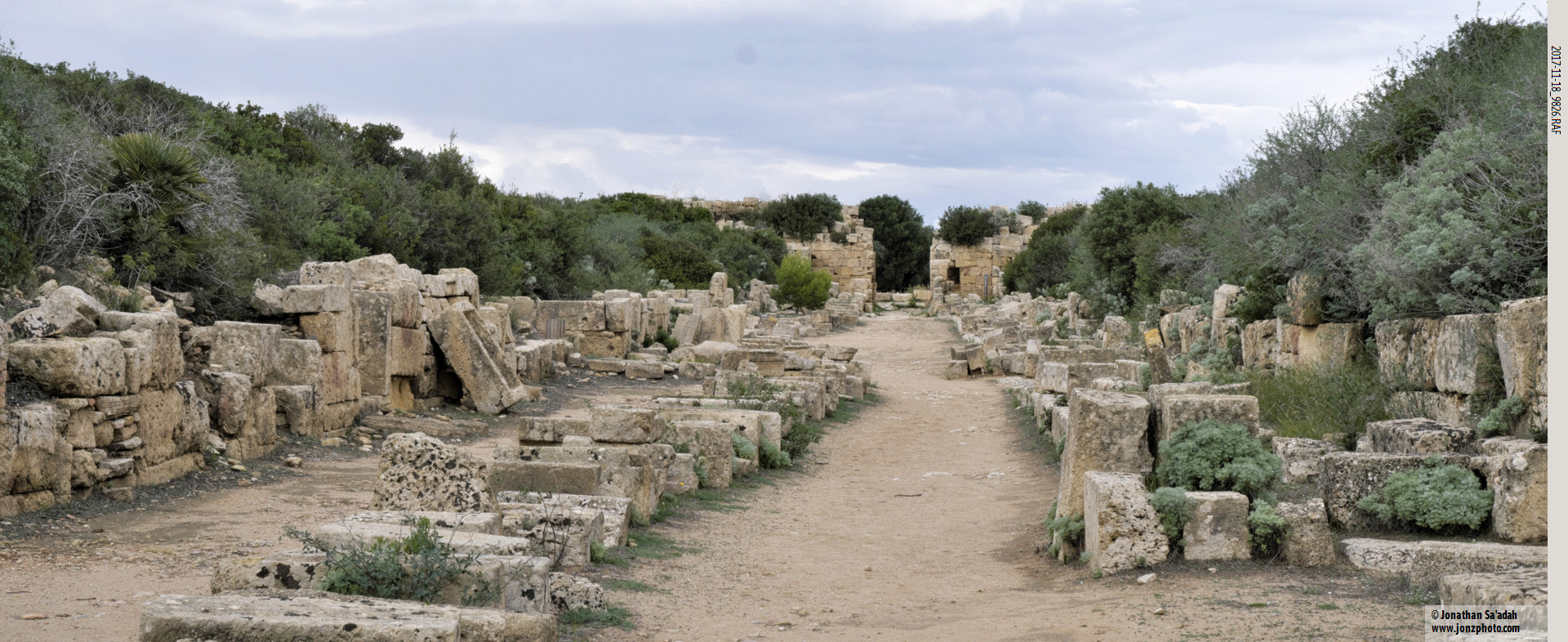
▲ No problem with gentrification here This street was founded by Greek colonists in Agrigento, on the southern coast of Sicily, probably around 580 BCE. I would surmise that the Greeks used slaves to haul the blocks used in the construction. This mixing isn’t just socially beneficial – to me it’s economically essential for urban vitality. It’s what helps create a local economy with non-chain, locally owned businesses. Diverse housing types create diverse local economies, supporting the small-scale entrepreneurship that makes a neighbourhood interesting and economically resilient.
The housing diversity in these cities also reflects their adaptability over time. Buildings that were constructed as grand single-family homes can be subdivided into apartments when economic conditions deteriorate, or combined back into larger units when gentrification pressures increase. We’re often critical of this, but it ‘s a flexibility built into the architectural DNA of older cities that allows them to respond to changing demographics and economic conditions without wholesale demolition and reconstruction.
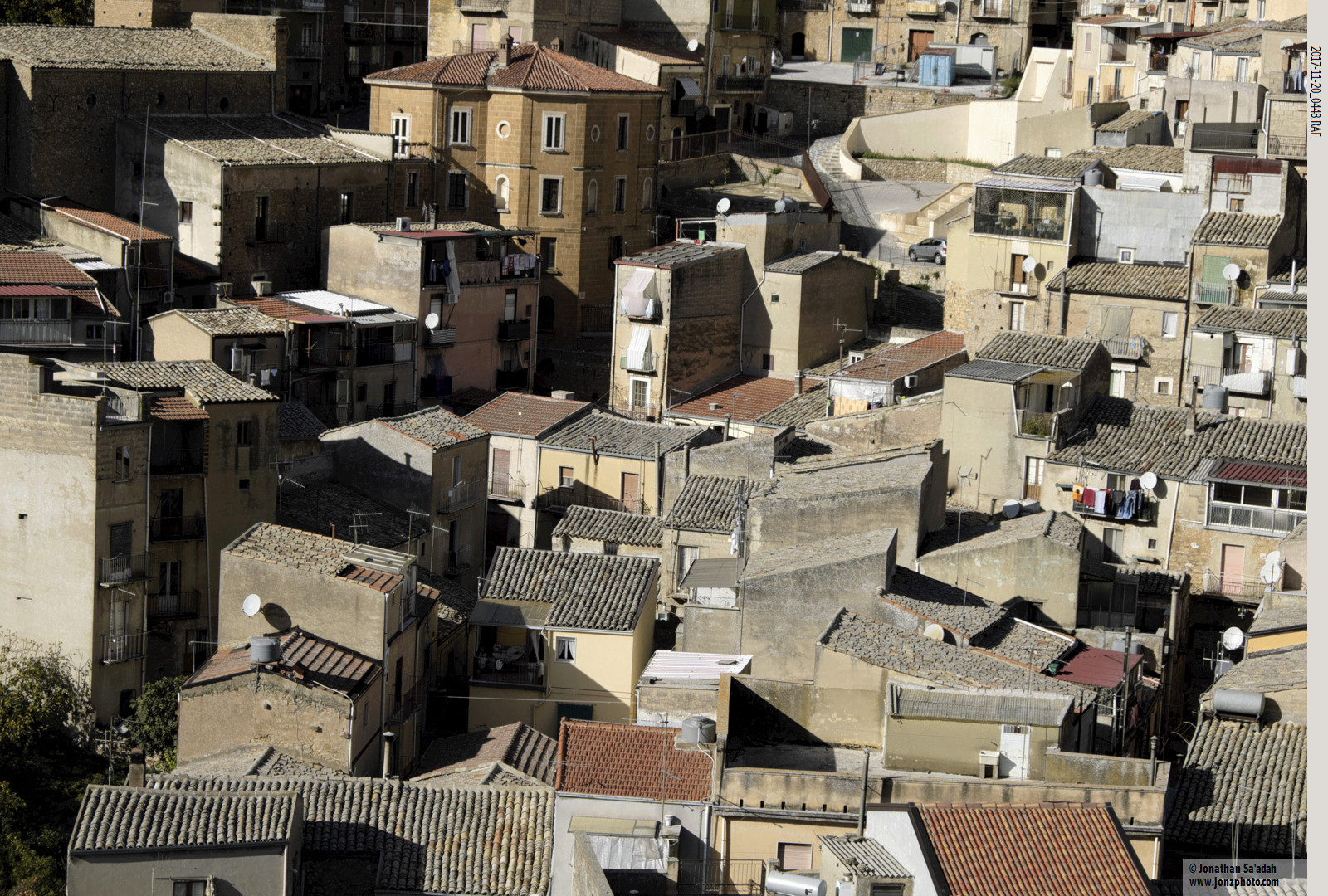
▲ Even in ancient neighbourhoods like this one in the Sicilian hill town of Piazza Armerina you can differentiate the renovated houses by window style and roofing. The Art of Adaptation and Resilience
Perhaps the most remarkable quality of these beloved gritty cities is their capacity to adapt and evolve while maintaining their essential character. They’ve survived empires, wars, economic collapses, and social upheavals not by standing still, but by continuously adapting their built environment to new needs while preserving the underlying urban logic that makes them work.
Damascus offers perhaps the most dramatic example of this adaptability. The old city has continuously evolved over millennia, with Roman columns supporting Islamic arches, Byzantine churches converted to mosques, Ottoman palaces repurposed as museums, and traditional courtyard houses transformed into restaurants and cultural centres. Each layer of history adds to rather than erases the previous ones, creating the rich texture that makes the city so compelling.
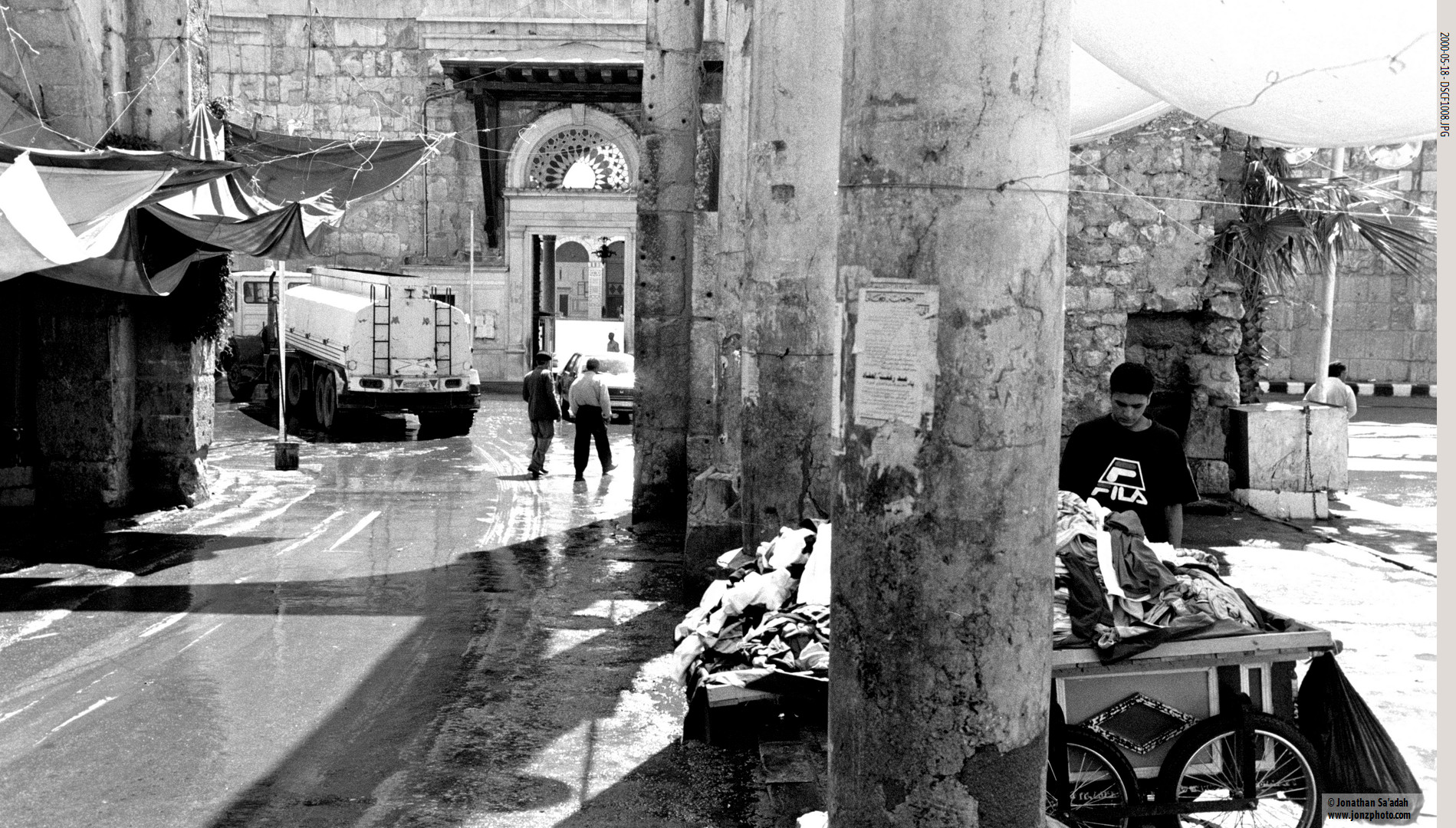
▲ Damascus is probably the best example of a living city, with Roman, Ottoman, and “contemporary” structures all sharing space in this photo. The Integration That Creates Magic
What makes these cities truly special isn’t any single characteristic but how all these elements work together to create something greater than the sum of their parts. The human scale enables walkability, which supports diverse public spaces, which creates markets for diverse housing types, which generates the economic activity that supports adaptation and renewal. It’s a virtuous cycle that has been refined over centuries of urban living.
What We’re Missing at Home
Standing in my ordered, well-regulated neighbourhood in Montreal, I often think about what we’ve traded away in our pursuit of efficient, predictable urban environments. Our streets are wider and cleaner, our building codes more rigorous, our public spaces more carefully maintained. These aren’t bad things – they reflect genuine improvements in public health, safety, and accessibility.
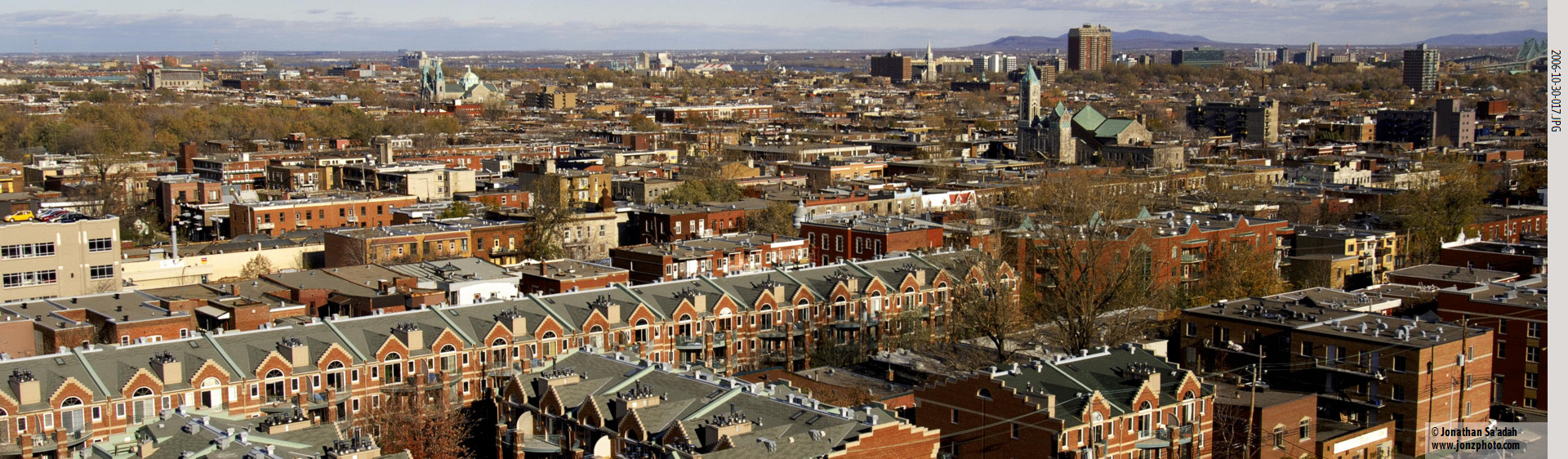
▲ The Montreal Plateau is relatively flat as its name implies, with spikes of church spires and an occasional out-of-place apartment tower. The visually boring cookie-cutter buildings in the foreground enforce a visual style, but their predictability saps vitality. But in our effort to eliminate the inefficiencies and unpredictabilities of older urban forms, we may have eliminated some of their essential vitality as well. Our zoning codes separate uses that these older cities mix naturally. Our building standards favor large-scale development over the small-scale, incremental growth that creates diverse, affordable neighbourhoods. Our traffic engineering prioritizes movement over lingering, getting through rather than being in.
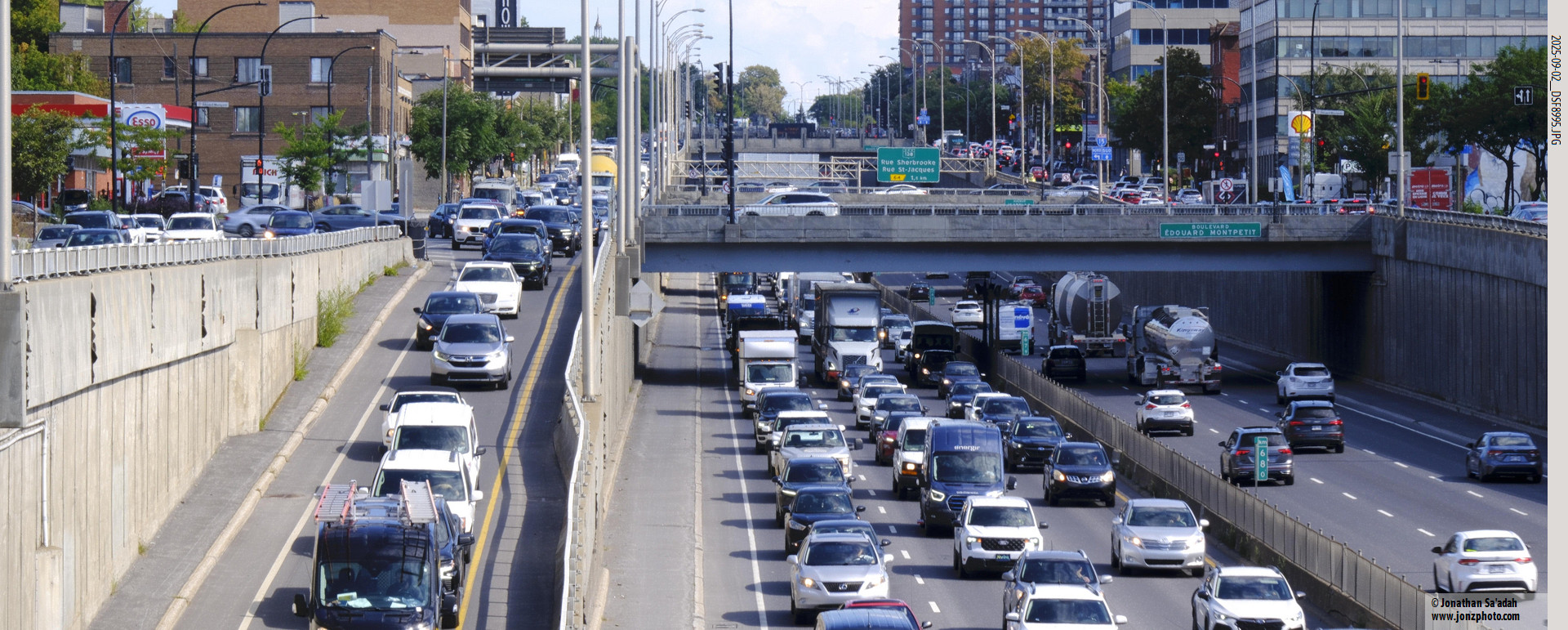
▲ Exceding all predictions The Décarie autoroute as it was designed in the early 1960’s was supposed to max out at 90,000 cars per day. It now handles an average of almost double that. The question isn’t whether we should abandon our standards and return to some romanticized past, but whether we can learn from what these older cities do well while maintaining the genuine improvements of contemporary urban planning. Montreal offers some lessons in this direction. The city’s pedestrianization of portions of Ste-Catherine Street shows how even established cities can evolve toward more human-centred design.
Living in the Tension
Perhaps what I’m really drawn to in these places isn’t their grittiness per se, but their willingness to live in productive tension between competing values. They’re not trying to optimize for a single goal but rather to balance multiple, sometimes contradictory objectives: old and new, local and global, efficient and experiential, ordered and spontaneous.
The cities I love aren’t perfect, and I certainly wouldn’t want to eliminate building codes or return to pre-modern public health standards. But they offer something that our more regulated urban environments often lack: they feel like places where humans have lived, adapted, and created something together over time. They feel like home not because they’re comfortable or convenient, but because they’re complex and alive.
The narrow streets of Damascus, the piazzas of Palermo, the pedestrian rhythms of Thessaloniki – these aren’t just tourist attractions or nostalgic throwbacks. They’re working examples of urban principles that we ignore at our peril. As cities around the world grapple with climate change, housing affordability, and social isolation, these older urban forms offer tested strategies for creating places that are not just efficient but truly livable. The question is whether we’re wise enough to learn from them.
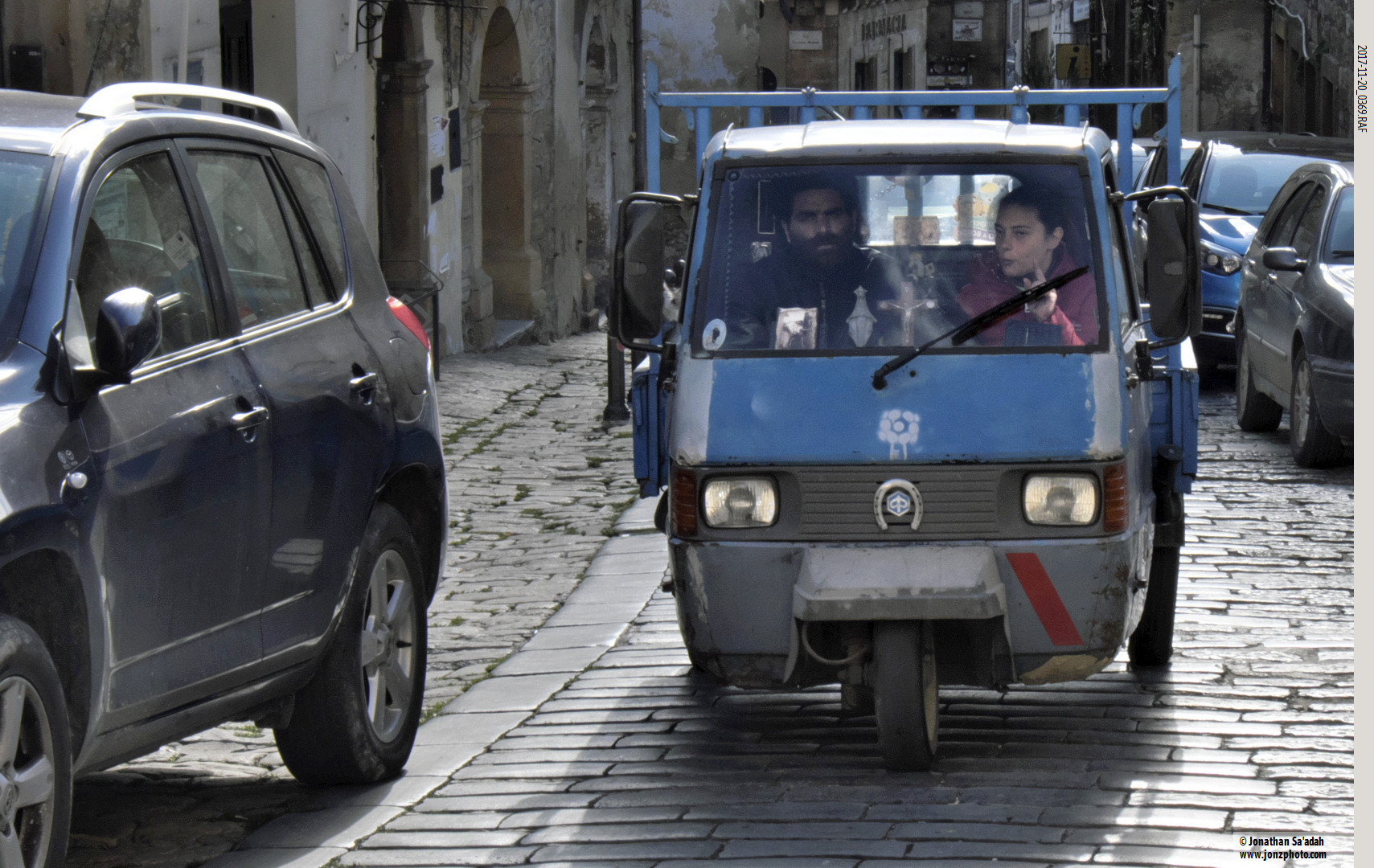
▲ A couple in a Piaggio Ape, a vehicle nimble enough to navigate easily through town, and displaying the icons of their traditions. Piazza Armerina, Sicily.
The Damascus photograph in this post is taken from a book I’m just finishing (Return to Damascus: A Personal Journey) on the experience I had in returning to where my father had been born.